
The hard part of a Kankakei autumn visit is getting back from the mountain to the ferry port with time to spare. The ropeway crosses the gorge in a few minutes, but ferries, island buses and the mountain connection follow separate schedules. Autumn colour also varies by height, so a day chosen only from a single “peak” date may miss the part of the gorge you came to see. Decide first whether this is a car-free day trip, a drive, or an overnight stay on Shodoshima.
For a wider autumn route through Shikoku, compare the Iya Valley autumn guide and the 4-day Shikoku autumn itinerary before reserving another day with a mountain transfer.
The ropeway visit and island loop need different time
↔ Scroll table left or right
| Travel style | Works best when | Bookings to protect | What costs extra effort | Poor fit when |
|---|---|---|---|---|
| No-car day from Takamatsu | Kankakei is the one mountain objective | Two ferries, local buses and the ropeway | A late connection can erase the return margin | You want several distant island stops |
| Rent a car on the island | You will visit places spread across Shodoshima | Car pickup, return and passenger ferry | Mountain driving, parking and autumn demand | Narrow or damp roads make you uneasy |
| Sleep on Shodoshima | You want a slower evening or a second weather window | Hotel and next-day transport | Another room and luggage move | The island is a brief stop in a larger route |
Ropeway hours and fares in the autumn season
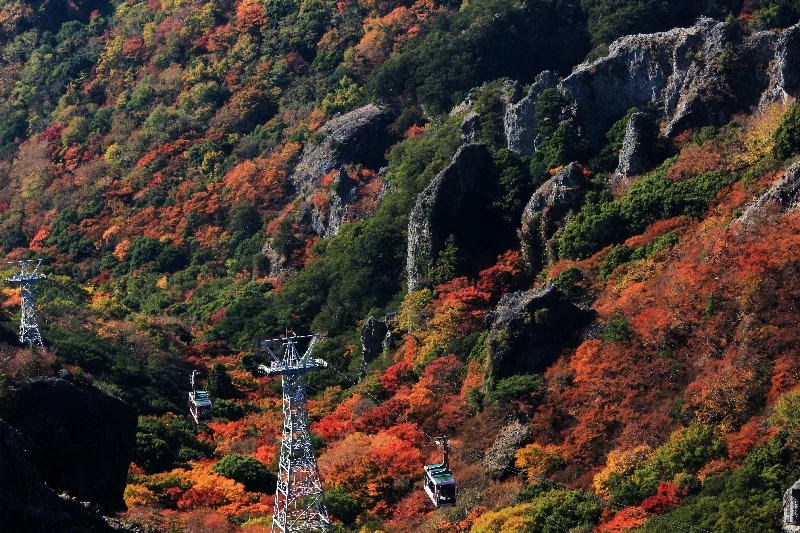
From October 21 through November 30, Kankakei Ropeway lists 8:00 a.m.–5:00 p.m. operation. The ride itself is about five minutes. Cabins usually run around every 12 minutes, with a shorter interval when the line is busy. That frequency makes the ascent easy to picture, but it does not account for the time needed to reach Kōuntei station or leave the summit.
November is the higher fare period. Adults pay ¥2,700 return or ¥1,500 one way; children pay ¥1,350 return or ¥750 one way. Outside November, the listed adult figures are ¥2,340 return and ¥1,300 one way. A one-way ticket is useful only when the other direction has a real walking or driving plan. The yen price is the useful budget figure here; any foreign-currency conversion will depend on your payment date.
Do not use the 5:00 p.m. ropeway closing time as your day-trip deadline. You still need to descend or drive away from the summit, connect to a lowland route and reach the right port before check-in. Work backwards from the ferry that matters to you and leave time for a missed bus or a crowded cable-car queue.
November buses require a date-specific plan
The Kusakabe Port–Kōuntei mountain service changes in November. The town shuttle covers the route outside that month; the Olive Bus timetable lists a seasonal Kankakei service for November 1–30. The operator also identifies a separate Kankakei Express for November 21–30. A generic map showing a mountain bus therefore cannot tell you which departure exists on your chosen day or where it connects.
Read the November timetable in both directions before booking a car-free ferry itinerary. Check the port-side bus you will use to reach Kusakabe or another mountain-line stop, then mark the mountain bus you need on the way back. A route that technically connects on paper may still be fragile if one delay removes the last useful ferry.
The one-day Olive Bus pass is ¥1,600 for adults and ¥800 for children on the ordinary fare page. A notice dated October 21, 2026 sets a different price for November 1–30, 2026: ¥2,000 for adults and ¥1,000 for children, with the seasonal Kankakei line included. Use the November amount if that is when you travel. The pass is worth comparing with your actual bus legs, not buying automatically because the mountain line appears on it.
Olive Bus published the November 2026 pass change on October 21. November one-day pass notice lists the ¥2,000 adult and ¥1,000 child prices for November 1–30.
Start with the ferry home
Choose a return sailing you would be comfortable missing, then identify the latest island transport that still reaches an earlier sailing. The useful order is:
ferry departure → port check-in margin → last comfortable lowland bus or car arrival → ropeway descent → summit visit → mountain arrival.
This backward calculation reveals whether the day has real slack. If the ropeway or bus runs late, can you still take another ferry? If the answer is no, reduce the summit visit, travel earlier, or stay overnight. A plan with an entire later sailing in reserve behaves very differently from one that depends on the final bus matching the final boat.
Missing a ferry may merely delay dinner in Takamatsu. It can also disrupt a booked hotel arrival, a reserved train or the next morning’s flight. The right buffer depends on that consequence. There is no universal number of minutes that makes every Shodoshima day trip safe.
Colour shifts down the gorge through the season
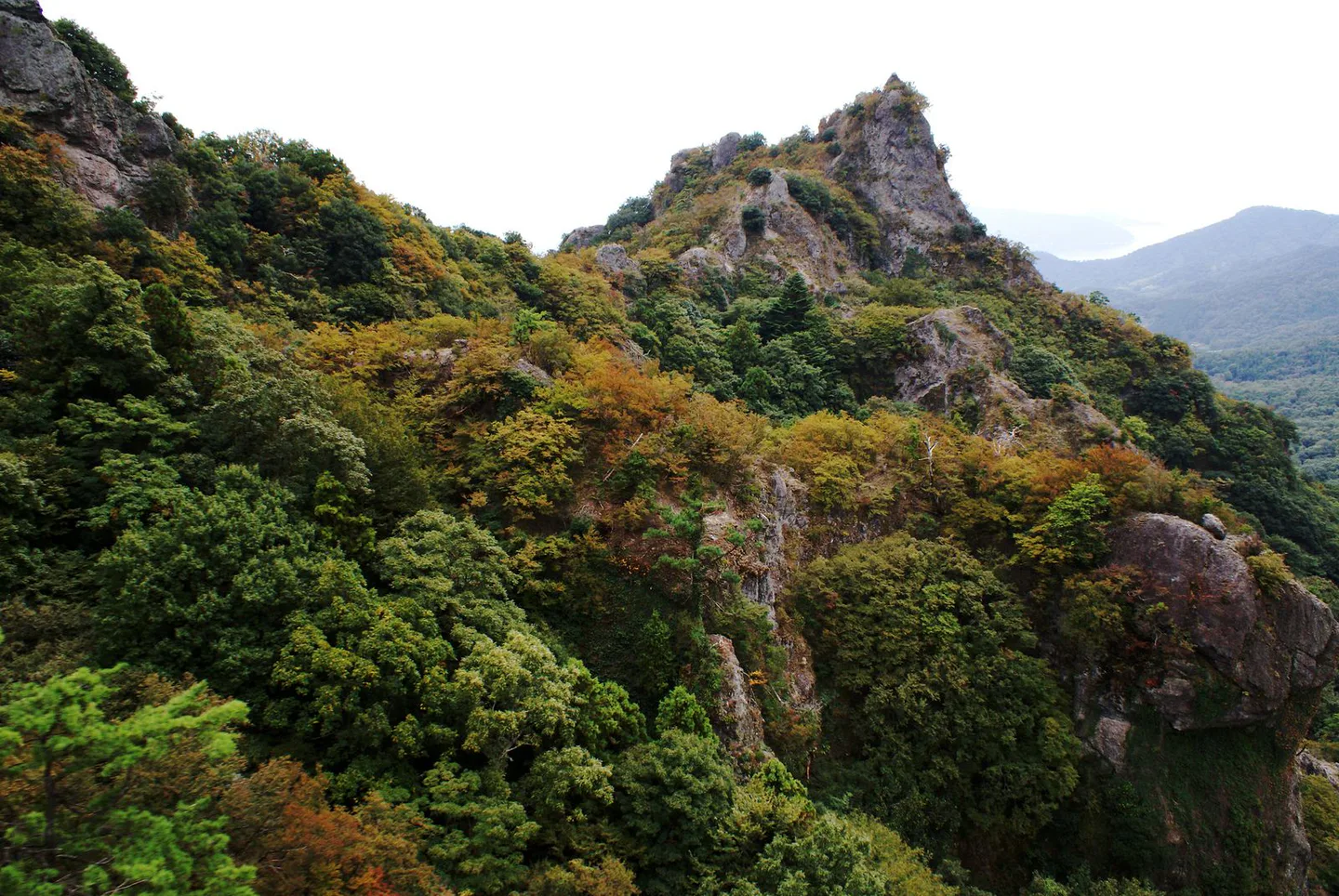
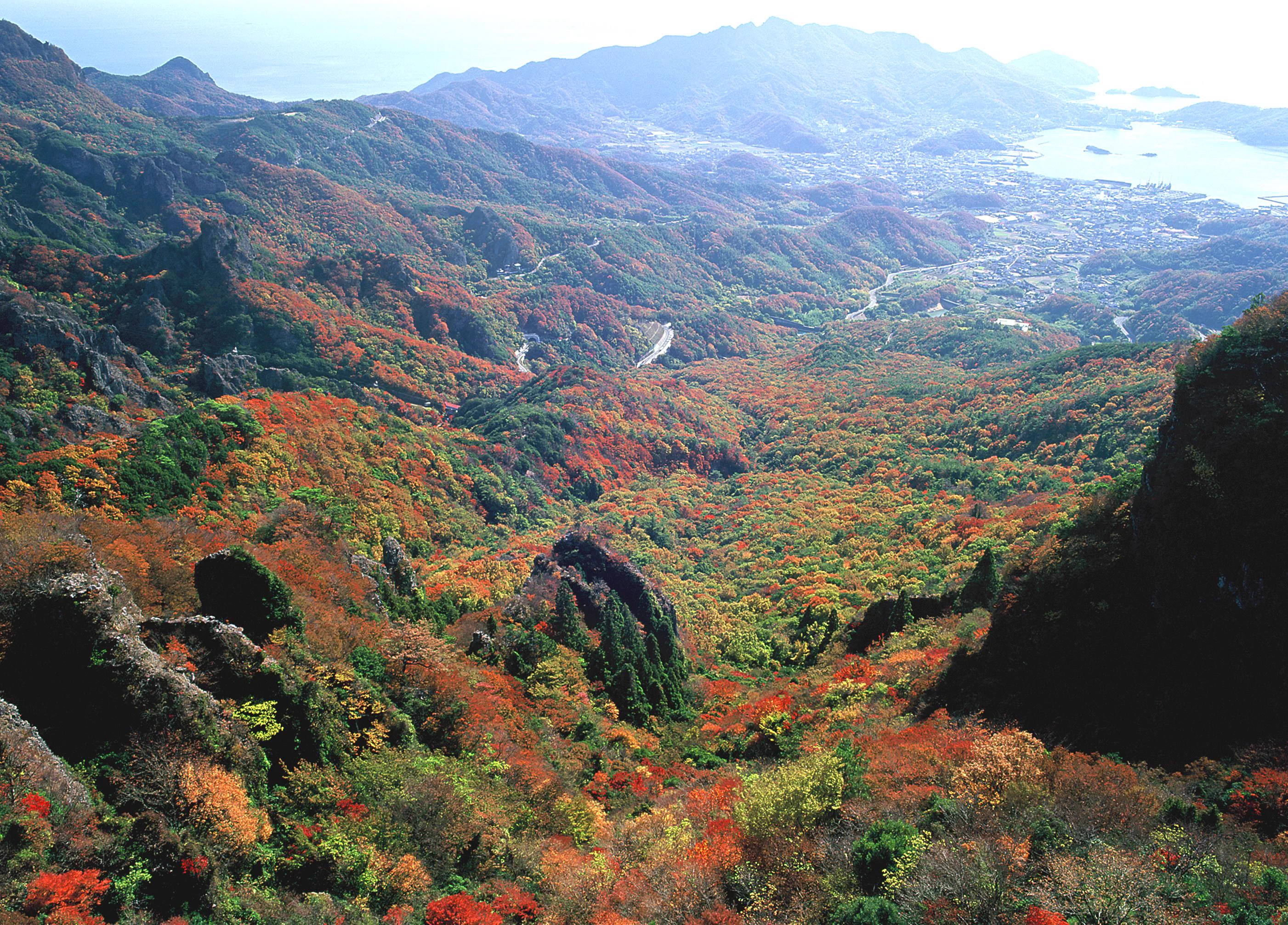
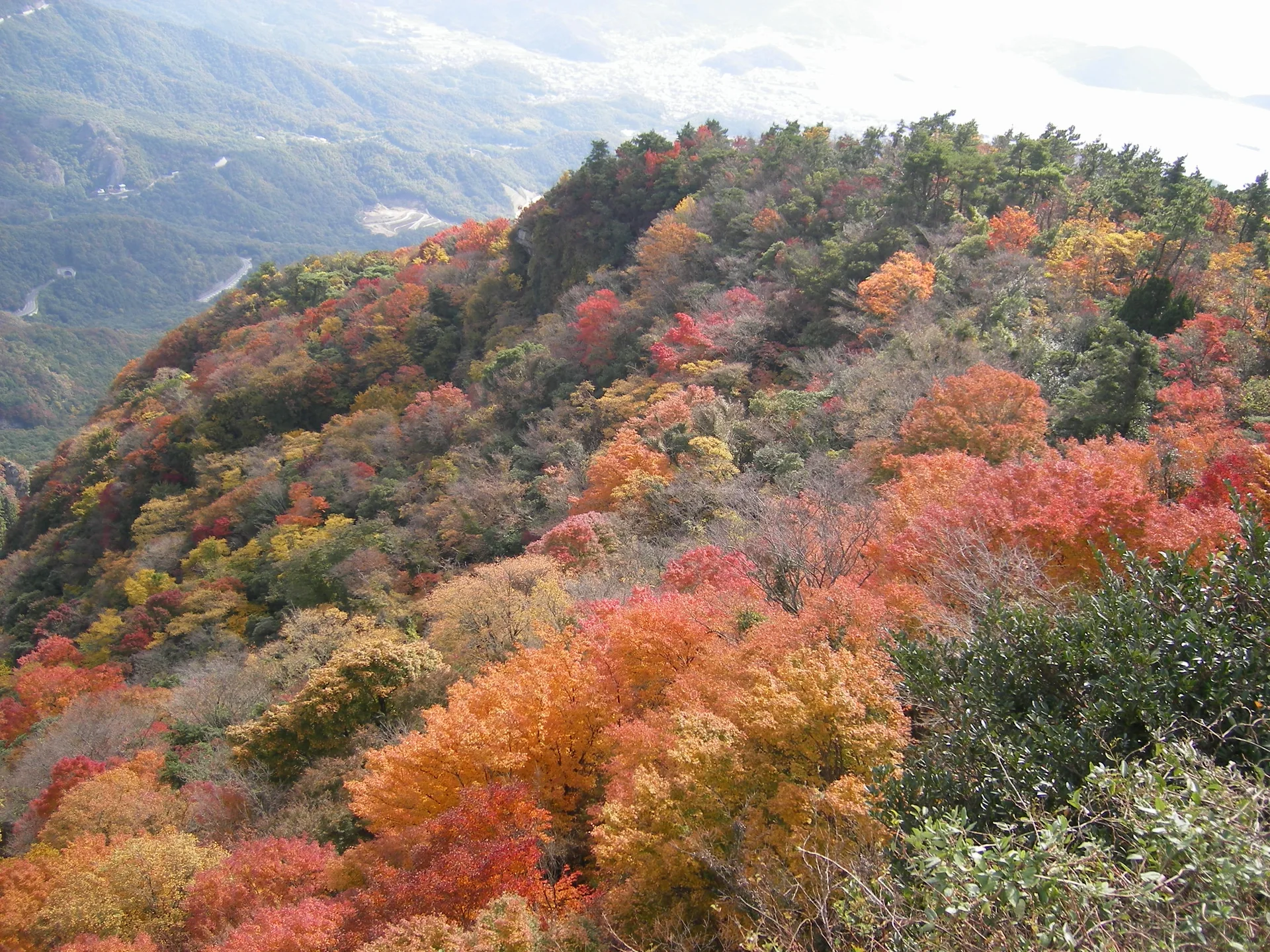
Kankakei is not one level surface. The exposed summit can change before the ropeway corridor and Kōuntei at the bottom. Green, gold and red often appear together on the same visit. Later in November, colour lower in the gorge can remain appealing after the highest trees have thinned. Check current images and conditions for the height you expect to spend time at, not a single island-wide peak label.
For timing across the rest of Japan, use the Japan autumn-leaves calendar, then compare the mid-November guide and late-November guide. The best island date still depends on the part of Kankakei you want to see.
A one-way ropeway ticket raises the same practical question as Nokogiriyama Ropeway: Round Trip or One Way?: how will you complete the other half of the journey when weather or daylight changes?
Match the ferry port to the rest of the route
Tonosho has the widest choice of accommodation and island car rental, though it is some distance from Kankakei. Ikeda can work for arrivals from Takamatsu and drives through the centre of the island. Sakate suits some eastern-island routes, while Fukuda makes more sense for travellers coming from Himeji. The port with the most familiar name is not necessarily the one that leaves you the cleanest road or bus journey.
Before adding Olive Park, Angel Road or Movie Village, draw the route from arrival port to the mountain and back to the departure port. A second attraction can be a good addition when it lies on that path. Crossing the island twice for it can consume the ferry margin that made the day trip viable.
Without a car, keep Kankakei as the main event
From Takamatsu, take an early ferry and follow the bus combination that actually operates on your date toward Kusakabe and Kōuntei. Ride the ropeway, allow time at the summit, then take the return mountain bus that protects your ferry. Only after those pieces fit should you add one lowland stop. Trying to see Angel Road and Olive Park as well can make every transfer more important than the gorge itself.
Leave large luggage in Takamatsu or at a suitable island base. If the mountain bus connection fails, do not treat the winding road as an improvised walking route. A taxi may solve the return if available, but it costs more and may be scarce at busy times. A lowland sightseeing day or an island night is a calmer fallback.
Driving changes the deadlines rather than removing them
Taking a car from Takamatsu keeps the same vehicle throughout the day but adds vehicle ferry fares, an earlier check-in and a return sailing that can carry the car. Renting on Shodoshima avoids the vehicle sea crossing, though pickup and return consume time and autumn availability can tighten. Compare the complete ferry-and-rental chain, not only the daily car price.
The road to Kankakei adds its own conditions: bends, occasional fog, wet leaves, parking and a mountain sunset earlier than the one you may picture at sea level. If you are uncomfortable on narrow or damp mountain roads, the driving plan may not feel easier even when the map shows shorter travel times.
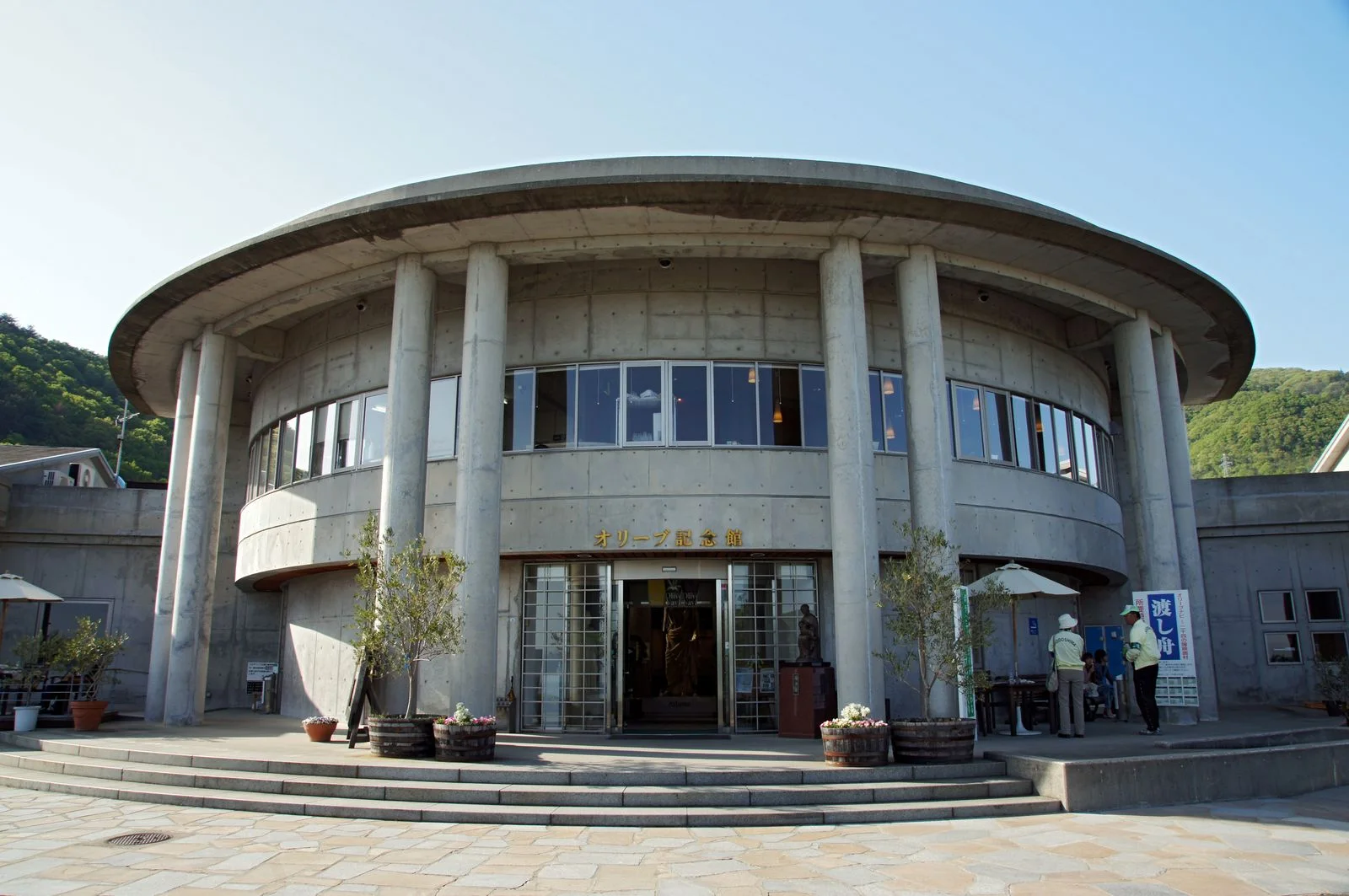
Stay on Shodoshima when it gives the day room to change
Takamatsu is a practical base when this is one island excursion inside a wider Shikoku trip; you can leave the main luggage there. Tonosho suits travellers using its ferry options, Angel Road or a rental car. A hotel in the island’s southeast may serve drivers combining the soy-sauce district and Movie Village. The best overnight location follows your arrival and departure route, not simply the straight-line distance to Kankakei.
An island night earns its cost when it removes the pressure to reach a particular evening ferry. It also gives fog or wind time to clear and makes two separated island areas more realistic. If you would only sleep there and immediately retrace your route, the hotel change and suitcase handling may outweigh that benefit.
Compare Shodoshima accommodation near your ferry route
Wind and foliage need different backup plans
Strong wind can stop the ropeway while the rest of Shodoshima remains open. On such a day, use a lowland area such as Olive Park, Hishio-no-Sato or Tonosho rather than waiting all afternoon at the mountain station. If the ropeway is running but the upper trees are already bare, spend more attention on the lower corridor instead of writing off the whole gorge.
Plans that create avoidable trouble
A November day trip copied from an old bus diagram can put you at a stop with no useful departure. Use the current mountain timetable for your exact date.
A schedule that reaches the port only minutes before the last acceptable ferry leaves no recovery space for a late bus or ropeway queue.
A one-way ropeway ticket requires a confirmed route for the other direction, with suitable shoes, daylight, weather and transport at the end.
A rental car is a poor fix for an overfilled day. Three distant island areas plus Kankakei may still mean driving past the views to keep appointments.
An island hotel adds value when it removes a real deadline or supports a fuller stay. Booking one only for atmosphere can create another luggage move without giving you more useful time.
The trip worth booking
Kankakei can fit a Shodoshima day trip when the return ferry is protected and the mountain service on your date is clear. For November 2026, account for the seasonal bus pattern and the ¥2,000 adult day-pass price rather than the ordinary ¥1,600 figure. If those connections are too tight, a car or one island night changes the shape of the trip. The ropeway fare is a relatively small part of that decision.
Next decision | Check whether Kankakei fits your wider Shikoku autumn route
Ropeway, bus and ferry pages
Kankakei Ropeway|Current hours, fares and seasonal foliage guidance
Shodoshima Olive Bus|Current timetables, seasonal Kankakei service and bus-pass information
Olive Bus|November Kankakei service and pass notice
Shodoshima Tourism Association|Ferry access
Related guides: Kamikochi Autumn Leaves: Timing, Buses, Five Walks and Where to Stay · Where to Stay for Tohoku Autumn Leaves: Sendai, Morioka, Aomori and Hachinohe · 5-Day Hokkaido Autumn Leaves Itinerary: Driving, Public Transport and Where to Stay · Hakodate and Onuma Autumn Leaves: Late Foliage Timing, Transport and Where to Stay · 10-Day Japan Autumn Leaves Itinerary: Regional Routes, Transport and Where to Stay · Asahidake vs Kurodake Autumn Leaves: Ropeways, Hiking and Where to Stay · Where to Stay for Oirase Autumn Leaves: Gorge, Lake Towada, Hachinohe or Aomori · Hakkoda Autumn Leaves Guide: Ropeway, Sukayu Onsen, Access and Weather Plans · Where to Stay in Hokkaido for Autumn Leaves: Six Bases Compared · Where to Stay in Takamatsu: Station or Kawaramachi for Ferries, Trains and Evenings?