
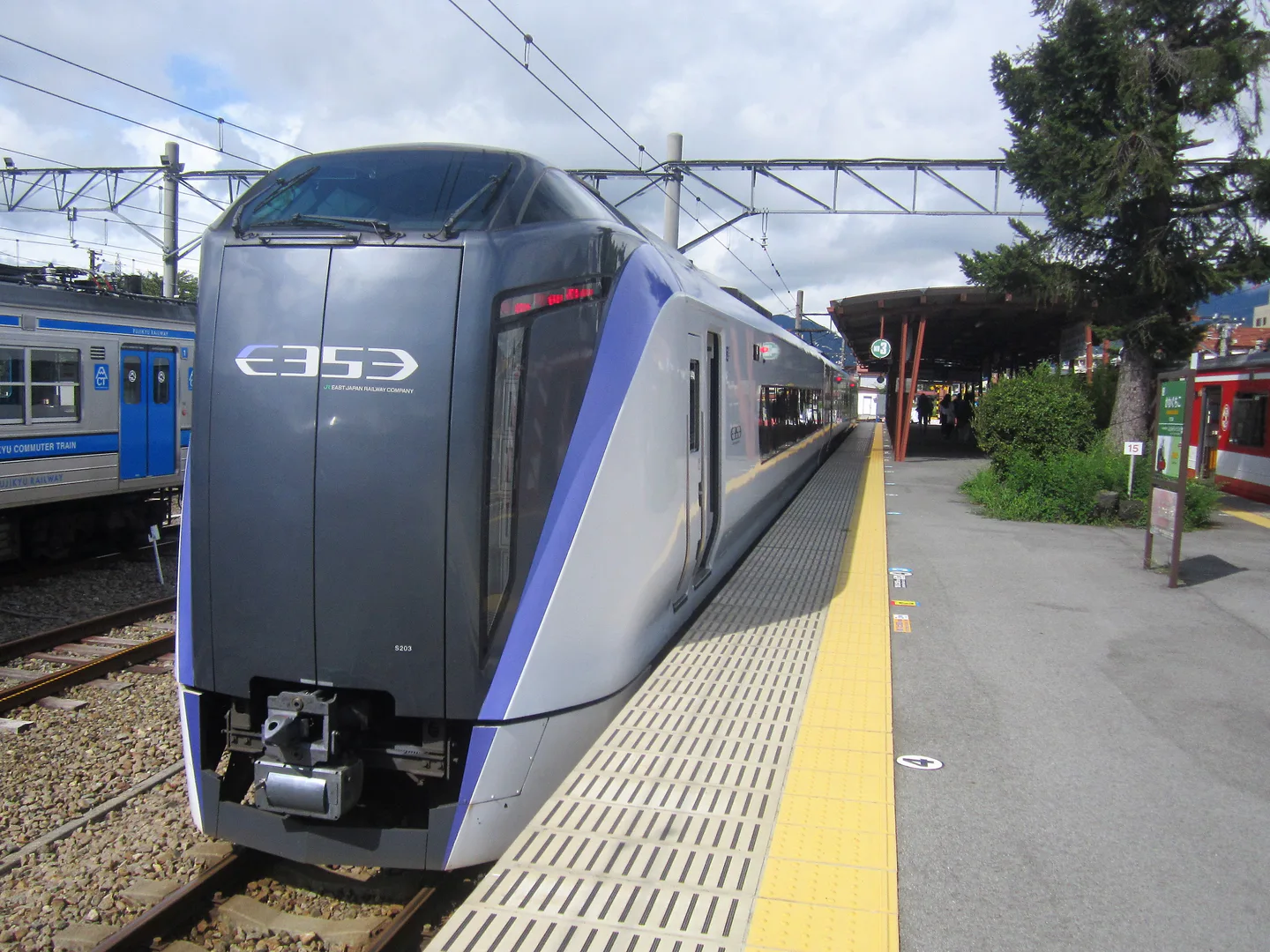
A JR TOKYO Wide Pass costs ¥16,000 for an adult and runs for three consecutive days. It can pay for itself on a compact block of regional rail travel, yet it is easy to overbuy when the itinerary contains only one Lake Kawaguchi outing. The direct Fuji Excursion costs ¥4,200 each way from Shinjuku to Kawaguchiko at the currently published fare. A return is ¥8,400, leaving another ¥7,600 of otherwise-paid covered journeys to find before the pass breaks even.
Work out whether your three regional days justify the pass before considering an airport train or subway bundle. A Skyliner ticket may duplicate an airport journey already possible on an active pass via Narita Express. A Tokyo Subway Ticket may expire while you are outside the city. Each extra product needs its own job and its own timing.
Which ticket fits the journeys already on your calendar?
↔ Scroll table left or right
Your planned travel | Begin with | Reason |
One Kawaguchiko return | Individual tickets | ¥8,400 direct-train return is short of the ¥16,000 pass |
Two expensive covered outings within three consecutive dates | Calculate the wide pass | Together they may cross the threshold without adding a destination |
GALA Yuzawa and Nikko in the operating season | Pass is a strong candidate | JR East’s regular-period fare model is about ¥21,500 versus ¥16,000 |
Narita travel inside an active pass period; hotel suits N’EX | Check whether Skyliner is redundant | Eligible Narita Express travel may already serve the airport |
Narita outside pass dates or hotel by Ueno/Nippori | Skyliner may make sense | It serves a different date or a better corridor |
Regional days first, city sightseeing later | Time Subway Ticket for the city days | Its 24-, 48- or 72-hour clock starts with use |
Three days mostly within central Tokyo | Skip the wide pass | City travel alone does not justify a regional pass |
The pass price is a threshold, not a destination checklist
The adult fare is ¥16,000; the child fare for ages six through eleven is ¥8,000. Validity begins on the selected date and continues through the next two dates. It cannot cover three scattered travel days, even when those three individual days are the costliest parts of a week in Tokyo. See JR East — JR TOKYO Wide Pass. See JR East — pass purchase, eligibility, reservations and refunds.
Eligible travel spans JR East lines and partner networks such as Fujikyu Railway, Izu Kyuko, Tokyo Monorail, the Rinkai Line, Joshin Dentetsu and the New Shuttle section between Omiya and the Railway Museum. Certain JR–Tobu through expresses to Nikko or Kinugawa are included, along with ordinary-car reserved seats on eligible services. The operator and train matter: a place name on the route map is not proof that every nearby train or last-mile journey is covered.
Before buying, answer two separate questions:
Coverage: total the fares you would otherwise pay on trains and lines that the pass actually includes.
Itinerary: ask whether those journeys still belong in the trip without the discount.
The second question protects the itinerary. A traveller who did not want an extra regional day has not saved money by taking one just to make the pass calculation positive. A desirable Tokyo day has value even if its subway fares are smaller. See whether to add a Fuji day.
One Fuji Excursion return leaves a ¥7,600 gap
Fujikyu Railway lists ¥4,200 for one direct Shinjuku–Kawaguchiko trip: ¥2,580 basic fare plus ¥1,620 express charge. On the same route, going out and back costs ¥8,400 before any separate local sightseeing transport. Check your travel date and seat availability, but this currently published example is far below the wide-pass price. See Fujikyu Railway — Fuji Excursion fares and timetable.
Subtracting that ¥8,400 return from the ¥16,000 pass leaves ¥7,600. Any proposed second or third journey must contribute at least that much in fares that the pass actually covers. A bus, sightseeing boat or unrelated operator cannot quietly fill the gap in your spreadsheet.
The Fujikyu Railway lines are within the pass area, so Kawaguchiko is a useful part of a larger regional sequence. It is the single-day case that fails. If Lake Kawaguchi is the only place outside Tokyo you genuinely want, buy the appropriate individual rail or bus journey instead of building two trips around a ticket. See Fuji Excursion booking and alternatives.
For a Fuji-only day, compare direct-train seats with the bus and transfer alternatives before committing. A sold-out direct service or poor mountain forecast may change the preferred mode without making a three-day pass worthwhile. See Kawaguchiko hotel timing.
A two-destination example that does clear the price
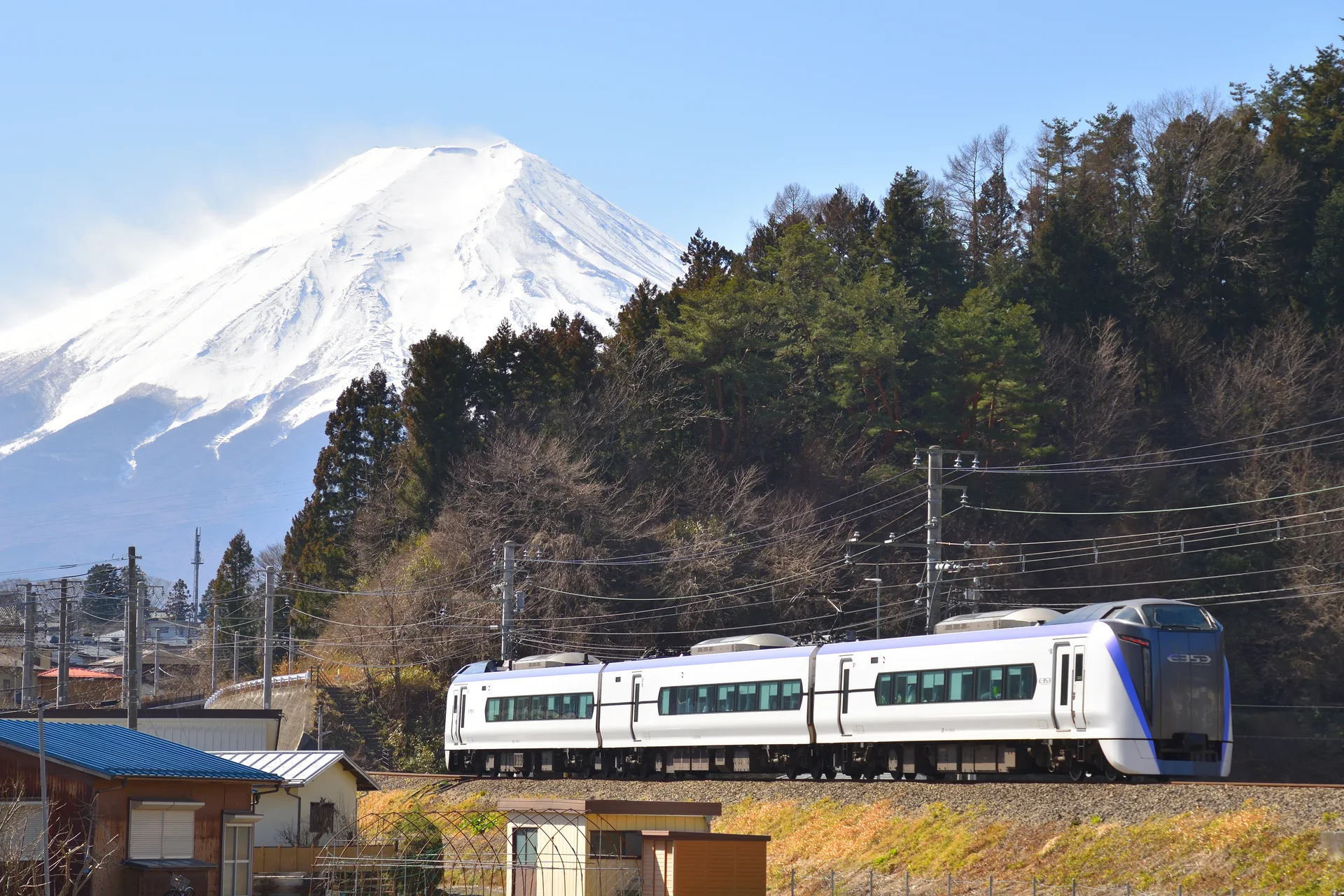
JR East illustrates the pass using a regular-period journey to seasonal GALA Yuzawa and Nikko. Its example puts the covered Joetsu Shinkansen and Nikko express reserved-seat fares at about ¥21,500 versus a ¥16,000 pass. GALA Yuzawa station operates in winter and spring, so this is a fare model, not a suggestion for an October departure. See Nikko as a day trip or overnight.
The difference is roughly ¥5,500 before any other included rides during the three dates. More important than the precise example is its shape: two expensive journeys the traveller already wanted, packed into a continuous period, create a clear margin without requiring a fabricated third excursion.
You do not need to reproduce the GALA–Nikko itinerary. Add up your own covered fares for two or three chosen destinations. If the sum convincingly exceeds ¥16,000, a light third day does not defeat the pass. If it only wins when a new place is inserted for accounting purposes, individual tickets may leave you with a better holiday.
A slender saving is a fragile pass decision
A ¥200 theoretical advantage can vanish when a preferred train sells out, a different seat type is needed, seasonal pricing changes or mountain weather reshuffles a day. Compare the individual fares for the actual departures and put some tolerance around the result. See weather contingencies.
When the covered total is only slightly above ¥16,000, treat the choice as close rather than declaring a victory. A substantial margin, combined with three dates you would have chosen anyway, makes the pass easier to recommend.
The product also simplifies repeated ticket buying and allows ordinary-car seat reservations where eligible. That has value for a busy rail block. It is a secondary reason, though, when the route barely passes the fare test or forces the group to rush.
Consecutive dates can be the real cost
Imagine a seven-night Tokyo stay with Kawaguchiko on Day 2, a city recovery day on Day 3 and Karuizawa on Day 5. Those two regional outings are not within one three-day pass window. You must move one of them or buy separately; the ticket cannot be paused during the city day. See how many Tokyo days you need.
Moving Karuizawa earlier might suit an energetic group. A family arriving after a long flight, an older traveller or anyone who needs a quieter Tokyo day may value the original spacing more. Do not sacrifice recovery time to protect a rail discount whose size is still uncertain.
Ask whether you would keep those dates in the same order if all train tickets cost the same. If the answer is no, compare the fare saving with the comfort and activities lost by rearranging the trip.
Skyliner is useful when the pass cannot do the airport job well
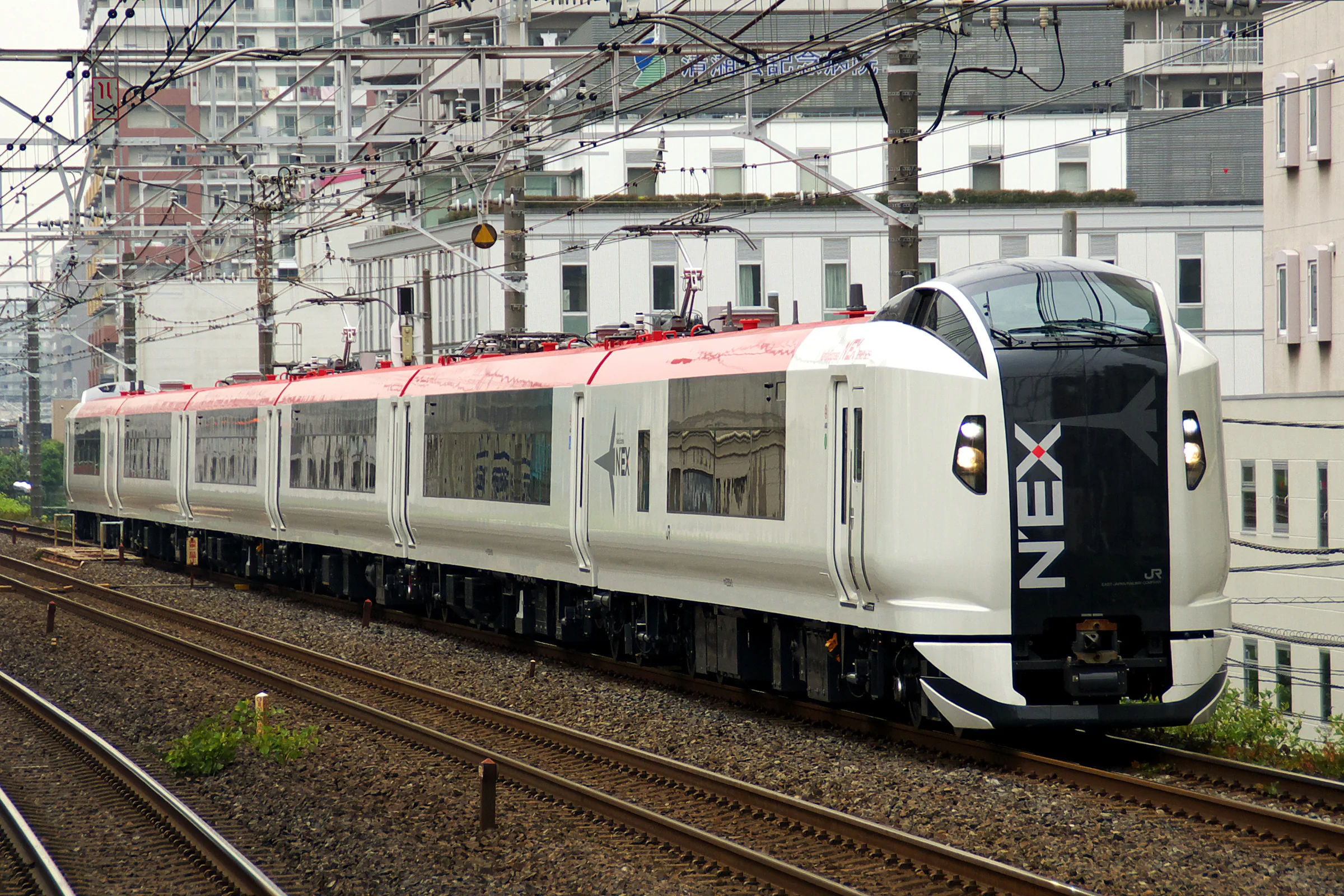
Narita Express runs on eligible JR East routes within the pass area; Keisei Skyliner is a different operator serving Nippori and Ueno. The tickets are different, but each may solve the same arrival or departure. A bundle should be judged by the hotel-to-airport route, not by the number of products in the checkout basket.
An active wide pass plus a hotel convenient to an N’EX stop such as Tokyo, Shinagawa, Shibuya or Shinjuku can make a Skyliner add-on unnecessary. Check the final hotel transfer before deciding: a covered train that strands the group on the wrong side of Tokyo may still be the worse route. See Narita hotel-base choices.
A separate Skyliner makes more sense if the airport movement falls outside the pass dates, or if a Ueno or Nippori hotel makes Keisei markedly easier than Narita Express. In both cases it performs a real task beyond the regional pass.
Pick the hotel area first. A Ueno-to-Shinjuku base comparison can expose the station-side walk and final transfer that a generic airport-ticket bundle hides.
A late arrival seldom deserves the first pass date
Starting a three-date pass for a night-time airport transfer uses the first calendar date even if you ride only one train. If the regional block begins later, the Narita trip can consume a date that would have been more valuable for an excursion. See late Narita arrival hotels.
A late landing time is also not the same as reaching the station with bags. Set the first hotel and its arrival route independently before choosing a pass activation date. Do not let a discounted package decide where a tired group sleeps. See Narita late-arrival guide.
A common sequence is an individual airport ticket, one or two city days and then three consecutive regional-pass dates. In that itinerary the airport purchase is separate for a reason: it is outside the pass window.
The subway clock should match city sightseeing
Tokyo Subway Ticket costs ¥1,000 for 24 hours, ¥1,500 for 48 hours or ¥2,000 for 72 hours at the published adult rates. The clock begins at first use and the ticket covers Tokyo Metro and Toei Subway lines. It is measured in hours, not a fixed number of calendar days ending at midnight. See Tokyo Metro — Tokyo Subway Ticket. See subway pass versus Suica.
If Days 2–4 are devoted largely to Kawaguchiko, Nikko or Karuizawa, a subway ticket activated then wastes much of its time. A dense Tokyo day on Day 5 may be its better start. Buying the subway add-on together with the rail pass does not require using both simultaneously.
A 24-hour ticket first used at 17:30 remains valid until 17:30 the next day. That can cover an evening and the following daytime circuit. Starting it at 07:00 just before leaving Tokyo for ten hours is a different proposition.
The wide pass and subway ticket cover different operators, so duplication is usually about unused time or a journey that could be made on a covered JR line. Time the ticket around real Metro and Toei rides, not around the date the package was purchased.
Do not assign the same city journey to two passes
The JR TOKYO Wide Pass includes eligible JR East travel in its area, plus Tokyo Monorail and the Rinkai Line. It does not convert Metro or Toei into JR. Some trips inside Tokyo, however, can already be made on an included JR train while the wide pass is active.
A Shinjuku-based evening that only involves Shibuya and the return to the hotel may need no subway add-on. Price the actual Metro and Toei rides you would choose after allowing for a useful covered JR option. See a first Tokyo itinerary.
An Asakusa–Ginza–Roppongi city circuit is different: subway lines may do most of the work. Compare its individual Metro/Toei fares with the 24-, 48- or 72-hour ticket, then begin the latter at the first ride that needs it.
The uncovered segments that distort a calculation
Tokyo–Nagoya, Kyoto and Shin-Osaka on the Tokaido Shinkansen are outside JR TOKYO Wide Pass coverage. A JR logo on a train does not turn another company’s Shinkansen into an eligible pass ride.
Hakone’s railway, cable car, ropeway and sightseeing boat are mostly separate transport products. The wide pass can assist some approach routes but cannot pay for the whole Hakone loop. Keep those last-mile fares out of the pass break-even; compare Fuji and Hakone as a combined route on their real operators. See Fuji and Hakone transport compared.
For Nikko, the covered Tobu element is specific: JR–Tobu through limited expresses and certain regular-train sections qualify. A limited express beginning and ending on Tobu stations does not become valid merely because its destination is Tobu-Nikko. Check the exact train and origin. See Nikko rail pass choices.
Fujikyu lines are included, yet JR East lists extra charges for reserved seating on Fujisan Express and Fujisan View Express and for Fuji Tozan Densha. Distinguish the line coverage from every special train product using that line.
Seat entitlement still requires a reservation
Eligible ordinary-car reserved seating is part of the pass, but a place on a chosen departure must be booked. JR East accepts seat reservations up to one month ahead. A valid pass cannot supply a seat after the train is full.
That matters on the limited direct Fuji Excursion departures. Reserve an essential train; keep a viable connection or bus backup if availability or the forecast changes. “Unlimited rides” describes covered journeys, not unlimited seat inventory.
If the entire savings calculation depends on one exact sold-out departure, the arithmetic may be sound while the trip is not. Confirm seats before treating the calculated saving as a booking decision.
Calculate children separately
The pass is ¥8,000 for a child aged six to eleven. A child under six who does not need a reserved seat does not need a pass. A family therefore cannot multiply the adult saving by its headcount and assume the same value for everyone.
Individual child fares and seat charges may be lower too. Price the actual children’s journeys alongside the adult journeys, including any seat reservation the family needs.
Eligibility also matters: the user must be a foreign national with an original passport issued outside Japan. JR TOKYO Wide Pass does not require Temporary Visitor status. The passport is needed for purchase or pickup; a photocopy is insufficient. Arrange pickup and reservations around actual station opening and train times. See passport and digital tickets.
Three sensible ways to pair the products
Pass alone for a compact regional block
Use only the ¥16,000 wide pass when the three dates already contain enough covered rail value and the airport and subway products add no useful trip segment. This is often the simplest choice for a Tokyo-based visitor whose regional days are tightly grouped.
Airport journey first, pass later
When the flight is followed by city days, buy the arrival trip on its own. Start the pass with the first expensive regional outing, rather than spending one of its dates on an airport transfer. Skyliner or an individual N’EX ticket can fit, depending on the hotel. See an arrival-night decision.
Regional block first, subway hours afterward
When the pass dates are mainly outside central Tokyo, start the Tokyo Subway Ticket on the first Metro/Toei-heavy city outing afterward. Its validity begins with use, so there is no advantage in activating it while waiting for a regional train.
A discounted package can still contain unused travel
For each add-on, name the movement it will pay for. A percentage saving on a ticket you will not use is still an extra expense.
If N’EX already fits the hotel and the pass is active on airport day, Skyliner may add no useful airport function.
A 72-hour subway ticket used mostly while visiting Fuji and Nikko has too few useful city hours.
A regional pass that requires an unwanted day trip creates its own false saving.
Checkout terms deserve a separate comparison. Redemption, cancellation and seat-reservation rules can vary by sales channel, and two bundles with different components cannot be ranked by their headline discount alone. Compare identical functions and the actual amount payable. See another Tokyo attraction pass comparison.
Compare the current pass terms and the same optional components before paying. See the pass booking option.
Trips that usually do not need the regional pass
Central-Tokyo sightseeing alone: Shibuya, Shinjuku, Asakusa and Ginza are not a regional pass itinerary.
Only one expensive regional day: the current ¥8,400 Fuji Excursion return is still far short of ¥16,000.
Costly journeys spread across more than three consecutive dates.
A route dominated by the Tokaido Shinkansen or non-JR Hakone transport.
An extra Nikko or Karuizawa trip invented solely to reach the fare threshold.
Trips that deserve a full fare calculation
At least two high-value regional outings already fit the same three dates.
Covered Shinkansen or limited expresses form a substantial part of the planned fare.
Kawaguchiko is paired with another genuinely wanted eligible journey.
The included ordinary-car seat reservations and fewer purchases have practical value.
There is a workable alternate day if weather or a full train disrupts a mountain or snow outing.
A seven-line note before checkout
Put the following details together on one page:
First regional date: route and individual eligible fare.
Second regional date: route and individual eligible fare.
Third regional date: route and individual eligible fare.
Sum of those fares compared with the ¥16,000 pass.
Last-mile or special-train costs the pass does not cover.
Whether the Narita trip falls inside the active pass dates.
Hours of genuine Metro and Toei use for any Subway Ticket.
Remove any hypothetical journey from the calculation and see whether the pass still wins. If it does on the three dates you already want, book it and then decide whether airport or subway travel merits a separate ticket.
The purchase decision
At ¥16,000 for three consecutive dates, this is a regional rail pass. One ¥8,400 Fuji Excursion return does not cover its cost. Two expensive journeys can, as JR East’s seasonal GALA Yuzawa and Nikko fare illustration shows. The destination pair and the travel dates must make sense independently of the discount. See Tokyo autumn itinerary by region.
Choose Skyliner for an airport journey outside the pass period or for a materially better Ueno/Nippori hotel route. Choose a Tokyo Subway Ticket for real Metro and Toei use, with its hour clock starting when city sightseeing begins. Leave either add-on out if it cannot name a journey it improves.