
Four days is enough to join Takayama, Shirakawa-go and Kanazawa without a car if Shirakawa-go is the transfer stop rather than a third hotel base. Two Takayama nights, a four-to-five-hour village visit and one Kanazawa night form a practical default. The bus seats determine whether that sequence works. Choose an arrival into Shirakawa-go and an onward departure that leave actual walking time between them, then reserve any services marked R before paying for inflexible hotels. Carry a small overnight bag or arrange luggage forwarding; a full suitcase makes the village stop harder than the route map suggests.
The route can run the other way. Coming from Nagoya often favours Takayama first, while a Kyoto or Osaka approach through Hokuriku can put Kanazawa first. Entering from Tokyo via Toyama may still favour Takayama before the westward transfer. Decide where the four days fit in the larger journey before choosing hotels. The Hokuriku five-versus-seven-day route gives a longer regional alternative; this shorter plan deliberately limits Kanazawa time. If you want dawn in a gassho inn or serious village photography, the Shirakawa-go overnight is a different trip design.
↔ Scroll table left or right
| Wider journey | Direction to examine | Why it fits |
| Nagoya toward Hokuriku | Takayama → Shirakawa-go → Kanazawa | No return to Nagoya after entering the Alps |
| Tokyo via Toyama toward Kansai | Takayama → Shirakawa-go → Kanazawa | Continues west after the mountain section |
| Kyoto or Osaka toward Nagoya | Kanazawa → Shirakawa-go → Takayama | Uses the village between the two larger travel legs |
| Four days without an overnight village goal | Two hotel bases and a village transfer stop | Fewer check-ins leave more time in both cities |
| Dawn or gassho-inn experience is central | Consider one Shirakawa-go night | The overnight buys hours day visitors cannot use |
The itinerary depends on two bus departures
Nohi’s Takayama–Shirakawa-go–Kanazawa and Toyama table marks reservation-required departures with R; the departures without that mark are non-reserved. The Takayama leg is about 50 minutes by bus, but the onward time and route differ. Do not select only an inbound bus and assume an onward seat will appear after lunch. The operator warns that congestion, heavy snow or road closures can delay services by two hours or more. A sensible four-day plan leaves margin at both ends of the village window and avoids a tightly timed train immediately after the onward bus.
Choose the paired seats by working backward from the hotel evening:
- A first bus that reaches Shirakawa-go with several usable hours before lunch and the return to the terminal.
- An onward bus four or five hours later that arrives at the next hotel without a fragile final connection.
If the pair uses reserved services, secure both before making the hotels non-refundable. A Kanazawa booking does not create a seat on a full afternoon departure. Nor is a bus marked non-reserved an unconditional fallback: passengers board in arrival order, and busy extra vehicles can also fill. The Shirakawa-go autumn transport guide adds seasonal crowd and viewpoint choices, but the bus pairing remains the first task in any season. Keep the booking identifiers accessible when you leave the village.
For non-reserved departures, arrive at the stop early enough to queue without using the final minutes of sightseeing. Nohi may add buses during heavy demand, sometimes using fold-down seats, but it explicitly says a full extra bus can mean waiting for a later service. That later service may not align with the last Kanazawa hotel check-in or the train you intended. If severe congestion is forecast, shorten the village plan rather than cutting the boarding margin. Bus status and reservation rules belong to the specific operating service; several companies share the corridor.
The regional pass covers buses but does not reserve them
The Takayama-Hokuriku Area Tourist Pass currently costs ¥19,800 for an adult or ¥9,900 for a child aged six to eleven, valid for five consecutive days. It covers defined JR routes, the Toyama–Tsuruga stretch of the Hokuriku Shinkansen and specified buses linking Takayama, Shirakawa-go, Kanazawa and Toyama, subject to the route conditions. It also allows up to six reserved-seat uses on eligible JR limited express and Hokuriku Shinkansen trains. Those inclusions can help a wider Nagoya-to-Hokuriku-to-Kansai journey; this four-day village route alone does not prove the pass pays off.
Pass users can ride a bus that requires a reservation, but Nohi says they must reserve that seat by telephone, not through the ordinary online payment flow. Call the reservation centre during its 09:00–17:00 hours, then collect the seat reservation ticket at the counter before boarding with the pass. The distinction is operationally important: a covered fare is not a confirmed place on a particular vehicle. If calling internationally is inconvenient, solve that before buying the pass; a separately purchased bus ticket may be simpler for a traveller using few other covered sectors.
Use the same two-bus timetable whether you pay separately or travel on the pass. Mark the services requiring seats, the telephone reservation reference, the counter stop and the luggage plan on one trip note. The how-to-ride-buses-in-Japan guide covers ordinary boarding habits, but this intercity transfer adds a reservation layer. If your route reverses, check Kanazawa-to-Shirakawa-go and village-to-Takayama inventory in that order. The value of a pass should be calculated only after the actual service pair is feasible.
One date-specific rail rule has moved since this article was first written. The pass now lists 25 December 2026 through 5 January 2027 as a period when all Limited Express Hida seats are reserved. Pass holders travelling then need a reserved-seat ticket, available without an extra seat charge within the pass allowance. The earlier 18–23 September 2026 restriction is past and should not be sold as a future obstacle. A December or New Year itinerary needs that rail reservation as well as the bus pair; a normal autumn journey should follow the rules published for its own date.
Two ¥2,800 bus legs do not justify a ¥19,800 pass
Nohi lists Takayama to Shirakawa-go at ¥2,800 and Shirakawa-go to Kanazawa at another ¥2,800. The key two-bus transfer therefore costs ¥5,600 for an adult paying separately. It is tempting to call the pass a bargain because it includes both, but those legs use less than one third of its ¥19,800 price. Add the fare for the JR journeys you will actually take during the pass’s five consecutive days. Do not credit it with a route outside the area or with an attractive train you will not board.
A traveller arriving from Nagoya on an eligible Hida and leaving toward Kansai through the covered Hokuriku rail corridor can make a more plausible case for the pass. Someone flying into one end and out of the other, with only the two village buses in between, usually needs a different calculation. The Takayama day trip versus overnight helps when Nagoya is the actual starting point. The question is the sum of your covered sectors, not whether the pass brochure contains a picture of Shirakawa-go.
The pass also has boundaries. It covers the listed Toyama–Tsuruga Hokuriku Shinkansen segment, not an arbitrary Shinkansen route across Japan. Check whether your Osaka, Kyoto or airport connections fall within its named JR lines. A Komatsu versus Noto airport choice may change which rail sector you use after Kanazawa. If your trip extends through Fukui, the Hokuriku five-to-seven-day itinerary offers a wider framework where a regional pass can be reassessed.
In particular, the Tokaido Shinkansen between Kyoto and Shin-Osaka is excluded. Seeing both cities on a regional map does not make that fast train free. You could use eligible conventional lines instead if their timing works. Include any extra fare in the comparison rather than silently assuming every Kyoto–Osaka option is covered. Families should calculate adult and child totals separately, as the child pass costs ¥9,900 and the bus prices differ by age. A pass is a payment tool after the route is chosen, not a reason to build a longer route.
Two nights in Takayama protect the rural transfer day
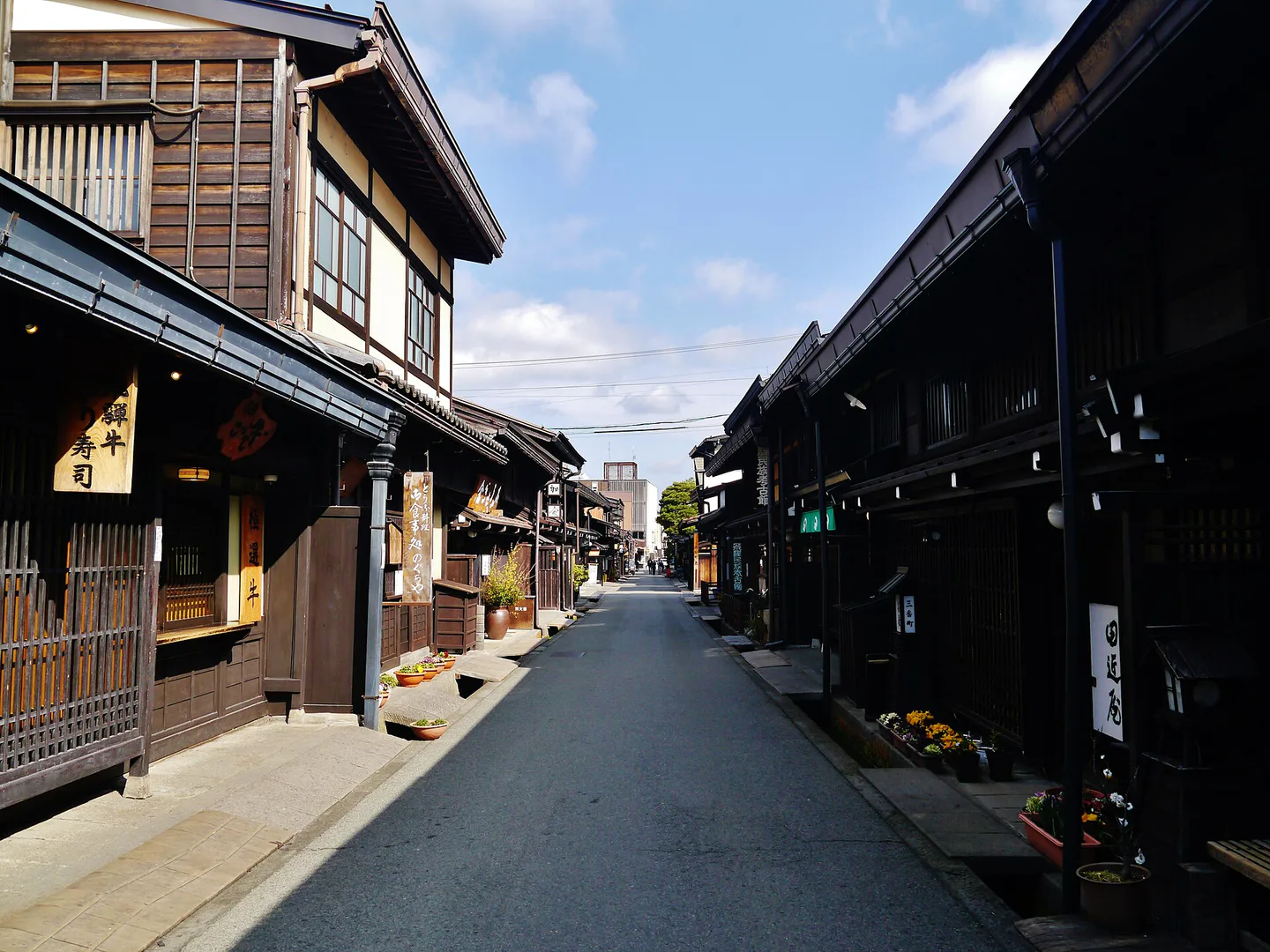
Day 1 can absorb arrival from Nagoya or Toyama, hotel check-in and a first walk through Sanmachi’s wooden streets. If energy remains, add Nakabashi or a nearby meal rather than racing to every attraction. Day 2 can use a full Takayama morning for the old town and Takayama Jinya, with a slower afternoon for shops or Hida Folk Village. The Takayama autumn old-town plan can guide seasonal choices without forcing a foliage stop onto the bus day. Sleep in the same room that night; Day 3 then starts with one known route to the bus terminal.
That second night buys a calmer departure more than it buys another checklist. You can ask the hotel about forwarding the large suitcase to Kanazawa, confirm the bus stop and board with only a day bag. A family or an older traveller may value that stable base more than a second Kanazawa morning. A hotel near Takayama Station and the bus centre is useful when the departure is early; the Tokyu Stay Hida Takayama room comparison shows why floor area and suitcase space still matter for two nights.
The split can change to one Takayama night and two Kanazawa nights when you arrive early, care little about Takayama’s old-town time and want museums, food and neighbourhoods in Kanazawa. Do not change it simply because one hotel happens to be cheaper on one date. If the trip falls on the October festival, Takayama festival hotel planning may make a second town night more valuable, while the autumn festival schedule needs to be treated as a past 2026 edition after its dates pass. The four-day route should remain legible without any festival.
Shirakawa-go works best with a light bag and a firm exit
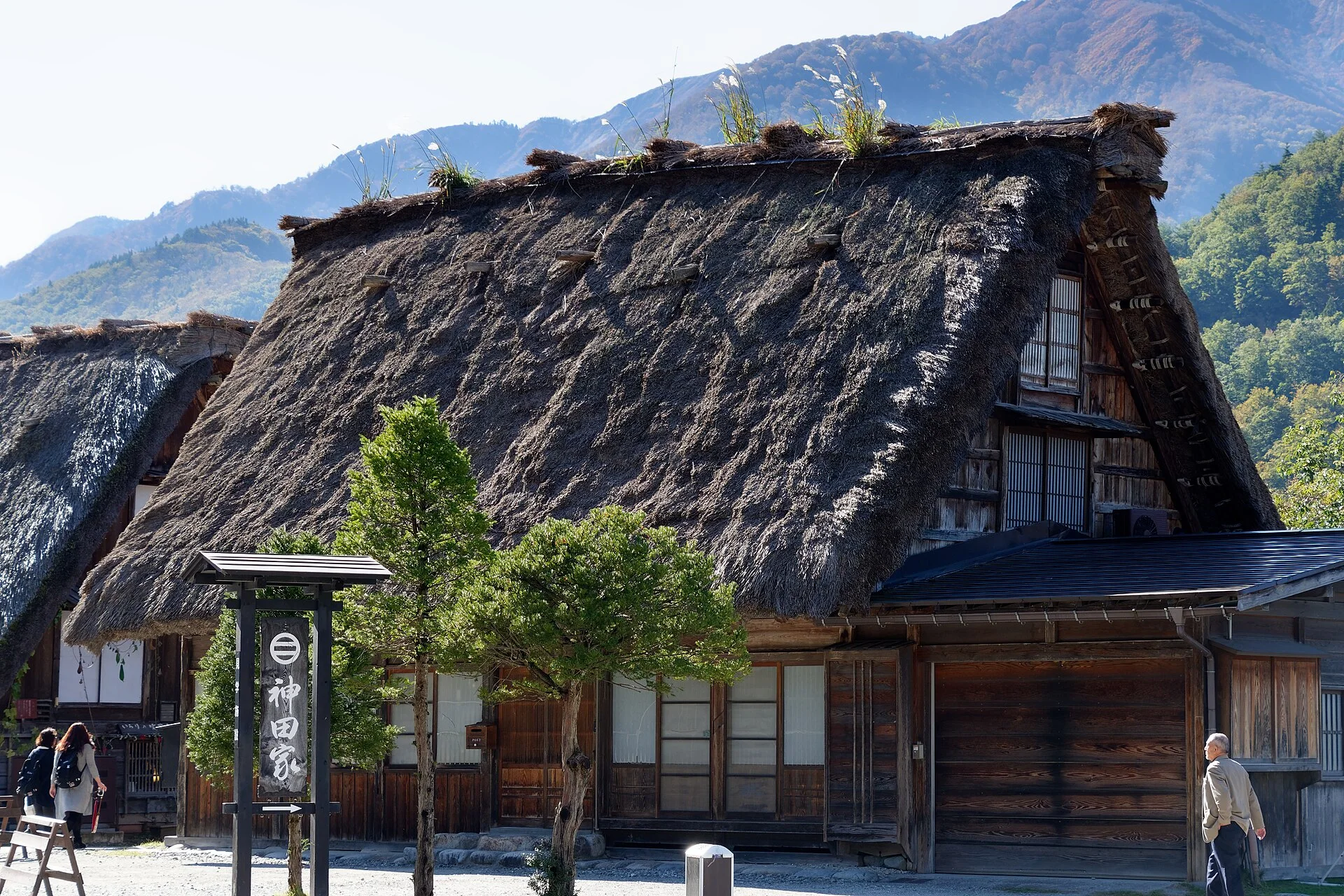
Allow roughly four to five hours in Ogimachi for a first visit: walk among the inhabited gassho houses, choose one interior, eat lunch and consider the viewpoint if the sky, path and group’s stamina allow it. The tourist association says the village itself can be walked in two to three hours. The longer transfer stop adds a meal, one house and bus margin. The viewpoint shuttle may run at its own hours and fare, so do not promise it on a late arrival. Treat this as a lived-in village rather than a museum in which every building is open.
The cleanest luggage arrangement is to send the main suitcase from the Takayama hotel to the Kanazawa hotel when both properties and the carrier can support that delivery date. Keep medication, documents, valuables and one or two nights of essentials with you until the suitcase arrives. The Japan luggage-forwarding guide explains when forwarding beats a locker. An overnight bag also makes the gassho-house paths and bus queue less awkward. If forwarding timing is uncertain, use the bus terminal lockers instead and build a collection margin into the village schedule.
The Shirakawa-go Tourist Association lists terminal lockers open 08:00–17:00, at ¥500 per use for small or medium sizes and ¥1,000 for a large size. There is a neighbouring storage service that also closes at 17:00. Those are real limits, not a promise that a large empty locker will exist on arrival. A late onward bus does not extend locker access. Carry coins or a usable payment method for the specific facility, and do not leave passports or irreplaceable items in a bag you cannot access once the counter closes.
Plan to collect stored luggage well before 17:00, even if the confirmed onward bus leaves afterward. Walking back from the viewpoint at 16:55 is too late for a terminal pickup. If the bus is delayed, keep the bag with you after retrieval rather than treating the storage closing time as part of the sightseeing window. The Shirakawa-go autumn guide goes deeper on peak-season crowds and paths. Heavy snow or rain can justify cutting the viewpoint and keeping the village walk compact.
Nohi’s route information describes shared luggage space below the bus. Passengers load and unload their own bags, and large items may be refused when the compartment is full. Keep valuables, fragile items and mobile batteries in the cabin; the bus operator explicitly says not to place a mobile battery in the trunk. The bus is transport, not secure storage during a village stop. A traveller bringing large sporting gear should ask the operating company about the exact service rather than assuming one generic highway-bus rule applies to every vehicle.
The wider Japan route determines the direction
Takayama, Shirakawa-go and Kanazawa have different elevations, town settings and weather. On one autumn date their foliage can look unlike one another. That difference adds interest, but chasing the best colour in one place is a weak reason to reverse an otherwise clean transport route. A Takayama autumn foliage guide and the Shirakawa-go autumn guide can refine stops after direction is set. In winter, road conditions and luggage handling matter even more than a photograph of the village under snow.
Order the route using four practical checks:
- The direction of the wider Japan journey and its final airport or long-distance train.
- A bus pair that creates a genuine village stop, with seats secured where required.
- A large-suitcase plan that works with the village terminal’s 17:00 storage cutoff.
- A hotel split that leaves one useful Kanazawa day and a calm Takayama departure.
A reversed trip can be excellent when you are arriving from Kyoto or Osaka and heading toward Nagoya. It is poor when it forces backtracking, a worse bus pair or an awkward airport exit only to follow a seasonal photo. If you need a Kanazawa-side flight, Komatsu and Noto airports affect the exit. If you are connecting to Fukui or farther Hokuriku, the regional five-versus-seven-day route may deserve more than four days. Let the long-distance arrival and departure settle the arrow, then fit local sights within it.
Kanazawa needs a protected Day 4 when it gets one night
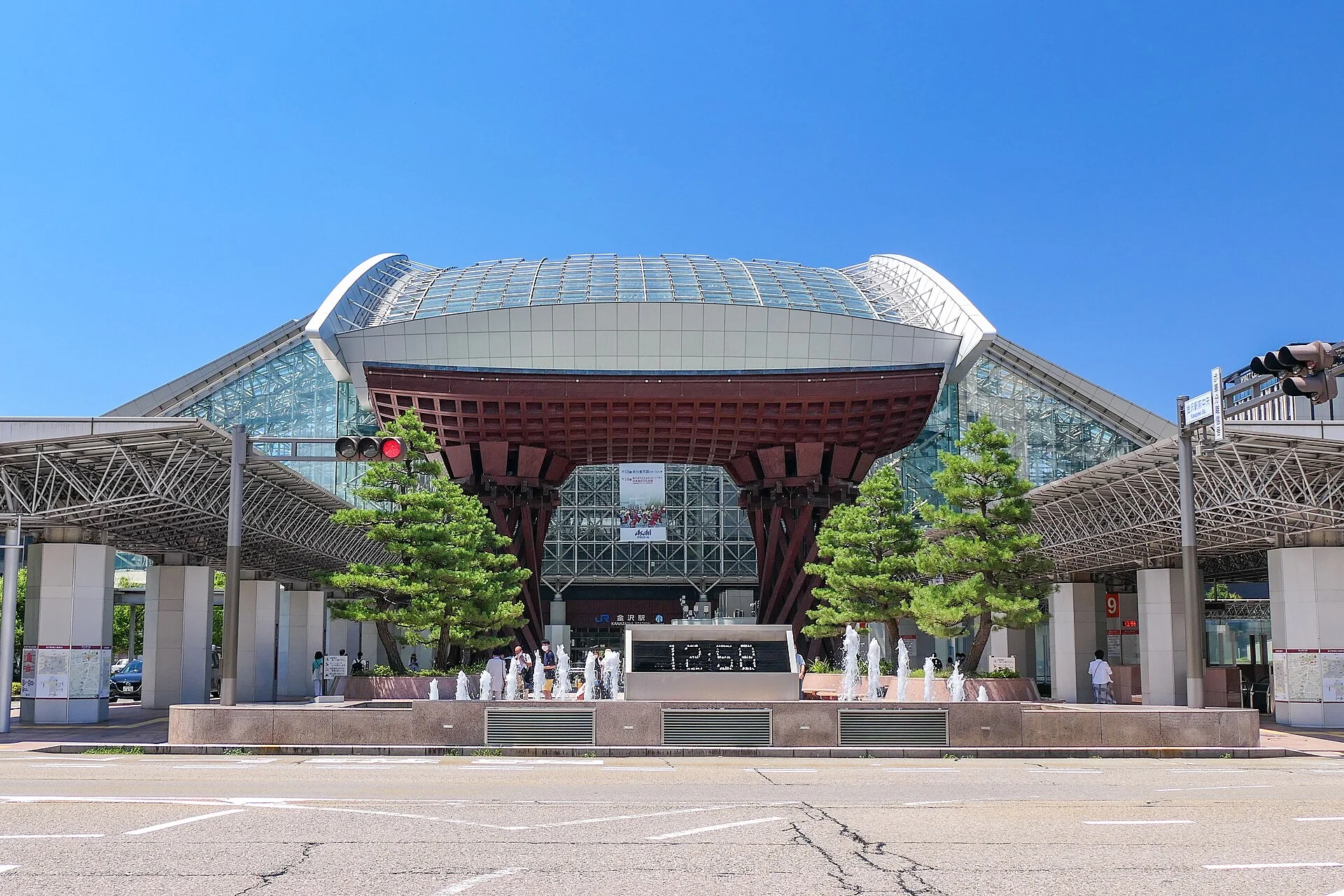
A hotel close to Kanazawa Station helps after the village bus when you are collecting a forwarded suitcase or leaving by Hokuriku Shinkansen or Komatsu Airport bus the next day. It shortens the luggage-heavy portion of the plan. An old-town room might be pleasant for a longer Kanazawa stay, but a single-night transfer has different needs. Check the actual arrival time before promising an elaborate dinner. The Hokuriku itinerary allows a slower alternative if Kanazawa is a major attraction rather than simply the route’s final bed.
Day 4 can centre on Kenrokuen and Kanazawa Castle, then add Omicho Market or Higashi Chaya if the onward train or airport bus leaves adequate time. Do not paste all four onto the itinerary as though luggage collection and station travel take no time. An early departure may leave only breakfast and one short walk; a late departure can make a fuller city day. If the group values museums, tea districts and Kanazawa food as much as Takayama, move one night from the town or extend the whole trip to five days.
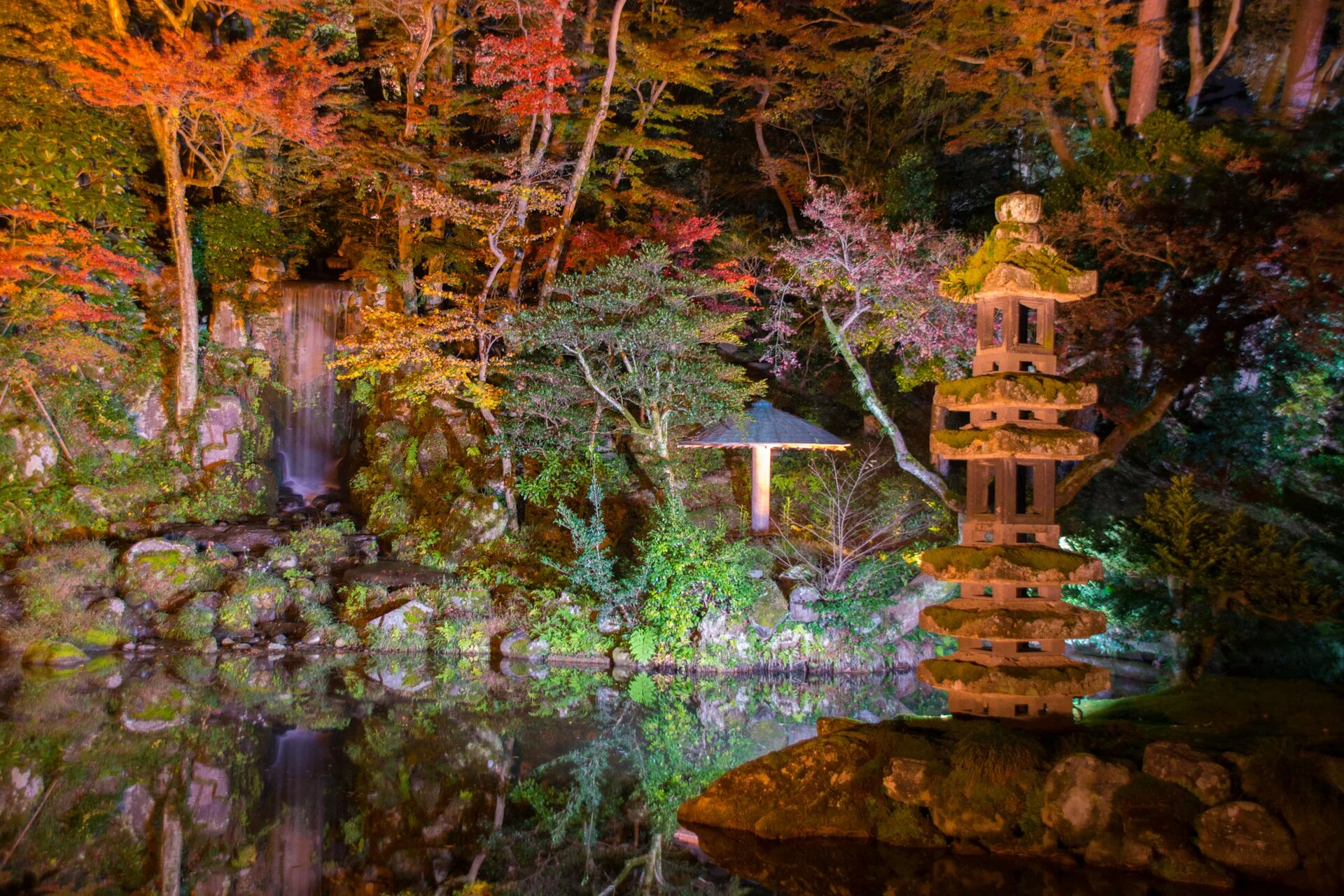
The 2+1 hotel split is a default, not a claim that Kanazawa is “done” in a morning. Its strength is reducing hotel changes while giving the Alpine side a stable base and the Hokuriku side a sensible exit. A traveller particularly drawn to Kenrokuen should ask whether the one-night plan protects daylight there. In autumn, the garden’s colour timing may differ from Takayama’s; do not assume the same peak across terrain. A traveller following the route from Kanazawa to Takayama can reverse the day labels and preserve the same principle: keep the final exit from the second base clear.
If mountain traffic runs late, remove sights in this order
Nohi warns that traffic and winter road conditions can produce long delays. A village transfer with an onward reservation needs a deletion plan before anyone starts exploring. The confirmed bus and luggage retrieval come first. A walk through Ogimachi and one chosen house give a coherent short visit. A second house, extra museum, leisurely restaurant meal or viewpoint climb are optional. When the inbound bus is substantially late, review the operating company’s current options rather than assuming a reserved ticket automatically shifts to a later vehicle.
- Keep the booked onward bus, luggage collection and a walk through Ogimachi.
- Keep one chosen gassho interior only if the shortened village window still permits it.
- Cut a second house, extra museum or long lunch before reducing the bus margin.
- Cut the viewpoint when weather, traffic or the return path threatens the confirmed departure.
If you miss the planned onward vehicle, contact the relevant operator or reservation centre and assess the next available service before leaving the terminal area. Do not improvise a long detour without knowing whether the next hotel can still be reached. Weather closures and heavy tourist-car queues can affect roads independently of how efficiently you walked the village. The four-day route stays manageable when the transfer day has spare space, not because every scheduled connection is guaranteed. Keep a little food, water and a charged phone available during the bus window.
A workable four-day shape
Days 1 and 2: stay in Takayama, use arrival day gently, then give the old town and chosen indoor or folk-village stops a full day. Day 3: take the confirmed bus to Shirakawa-go, spend four or five hours including a meal and luggage margin, then continue to Kanazawa. Day 4: visit Kenrokuen and Kanazawa Castle if your onward departure leaves enough daylight. This is a route outline, not a guarantee that every bus and hotel combination will fit it. Select exact departures before buying fixed accommodation.
For a journey beginning in Kyoto or Osaka and ending toward Nagoya or Toyama, put Kanazawa first and Takayama last. The village remains the transfer-day stop between the two hotel bases. Do not reverse only the sightseeing list while leaving the bus reservation and luggage plan in the other direction. The Takayama day-trip-or-overnight comparison becomes relevant when Nagoya is the final hub rather than the first.
A night in Shirakawa-go is justified by the time it uniquely gives you: dawn, evening quiet, a gassho inn or patient photography. If those are not goals, a third check-in takes time from Takayama and Kanazawa without solving the important bus-seat problem. The village visit itself is compact enough for a transfer stop when the two departures line up. Sleep there deliberately, not because luggage feels difficult; forwarding or terminal storage is usually a more direct solution to that separate problem.
The two point-to-point village buses currently add to ¥5,600 for an adult, while the five-day Takayama-Hokuriku pass costs ¥19,800. That comparison alone cannot determine pass value: count the Nagoya, Takayama, Toyama, Tsuruga and Kansai rail sectors you will genuinely ride. Do not include Kyoto–Shin-Osaka Tokaido Shinkansen because this pass excludes it. If the pass wins on your wider itinerary, still telephone for any reservation-required Nohi service. Payment coverage and a confirmed seat are two different things.
The booking order is the real conclusion: orient the route to your national journey, choose the two village bus departures, decide whether the pass makes financial sense, arrange the large bag and only then finalise the Takayama and Kanazawa hotel nights. The 2026–27 winter Hida reserved-seat period adds a rail step if your dates fall within it. This order leaves room to change a hotel before it becomes expensive to do so. It also gives a family a clear answer about which village activities can fit between its actual arrival and departure times.
Compare Takayama hotel dates after bus seats are fixed and Kanazawa rooms for the final night.
Related route details
Takayama autumn town choices · Shirakawa-go buses and luggage · when to forward or store a suitcase · bus boarding habits in Japan
Bus, pass and luggage details
Nohi route timetable, reservation markers and fares · Nohi pass-holder reservation and boarding rules · Takayama-Hokuriku Area Tourist Pass coverage · Shirakawa-go terminal locker hours and charges. Exact bus services and road conditions depend on the travel date; the present pass listing names 25 December 2026–5 January 2027 for Hida reserved-only travel.
Related guides: Okinawa 5-Day Itinerary: Don’t Rent a Car on Day 1 — Naha, Onna and Churaumi Without Hotel Hopping · Hokkaido Without a Car: A Realistic 7-Day Winter Itinerary · Okinawa Without a Car: A 5-Day Itinerary That Keeps the Long Bus Days to Two · Osaka 5-Day Itinerary: Give USJ a Full Day — Namba, Umeda, Kaiyukan and Tennoji Without Backtracking · Naha Without a Car: A 2-Day Yui Rail, Shuri, Tsuboya and Kokusai Route · Shikoku Itinerary: 4 Days Without a Car for Yosakoi and Awa Odori · Hokuriku 5-Day vs 7-Day Itinerary: Kanazawa, Toyama and Fukui · Hokkaido 7-Day Car Rental: Full Trip or Only Furano & Biei? · Okinawa Itinerary: 5-Day Self-Drive Route from Naha to Churaumi · 10-Day Japan Autumn Leaves Itinerary: Regional Routes, Transport and Where to Stay