
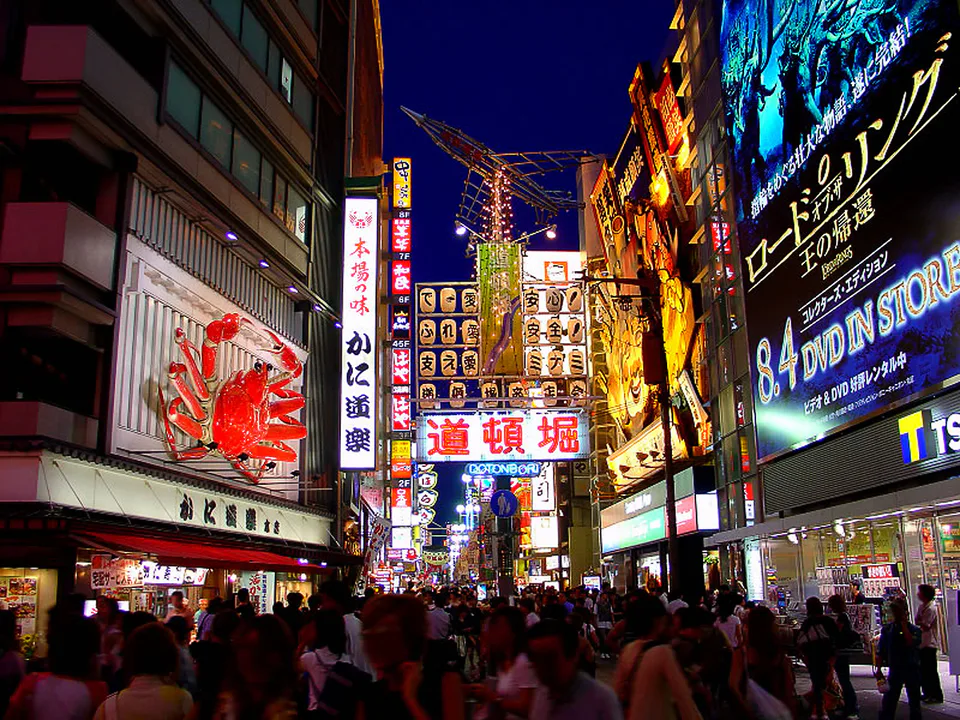
Thirty-five Osaka suggestions are far more than a first visit can hold. Give the trip two to four experiences that can shape a half-day, then add four to six nearby stops that can shrink or disappear if the day runs long. Universal Studios Japan claims its own day; Kaiyukan and the bay need a substantial block. Dotonbori, by contrast, can be the evening around dinner rather than an additional journey. That distinction is more useful than a universal ranking.
Try protecting only one expensive or time-heavy attraction in each half-day. A second observation deck, another large family venue or a second shopping arcade should add something your first choice cannot. Geography matters as much as admission: a free waterfall north of town is still a long outing, while a paid museum next to your dinner district may be an easy fit.
| Time in Osaka | Practical number of anchors | Route shape | First things to remove |
|---|---|---|---|
| One full day | One or two | One city cluster, then a nearby evening area | North-Osaka detours and repeat observatories. |
| Two full days | Two or three | South Osaka plus Castle/Umeda, or a city day plus USJ | Second paid skyline and extra museums without strong interest. |
| Three full days | Three or four | South/central Osaka, bay or USJ, and a flexible day | District changes for a stop lasting under an hour. |
| Four or more full days | Four to six | Add north Osaka, specialist art or slower food and shopping | Famous names that do not fit your interests. |
Which attractions deserve to control the day?
An anchor is the experience you would regret missing and around which trains, meals or reservations must be arranged. USJ, a long aquarium visit, an exhibition with a fixed slot and a half-day in north Osaka all qualify for different reasons. Price alone does not define it; queue exposure, weather, time inside and the extra cross-city travel can do the same job.
A supporting place is easier to move. Hozenji Yokocho can follow a Namba meal; Tenshiba can absorb an hour when a family needs a break; Nakanoshima Park can bridge two museums. Dotonbori, Namba Yasaka Shrine and shopping streets often work best this way. Giving each its own major transit block makes a flexible itinerary brittle.
A pin earns space on the map when it survives four checks:
Would this place still interest you without its position on a best-of list?
Have you already booked another attraction that does the same job?
How much travel does it add once you count both directions?
Can it come off the route if rain, a queue or tiredness changes the day?
Once you have a shorter shortlist, the Osaka route guide helps connect those places without repeated cross-city backtracking.
A few ways to arrange the first days
Two days in Osaka without a theme park day
Use one day for Osaka Castle or a Nakanoshima museum, then continue toward Umeda. Add a skyline ticket only if the view is important to your group. Put Kuromon and Namba on the other day, choose either Shinsaibashi shopping or Den Den Town’s specialist shops, then finish around Shinsekai, Tennoji or Dotonbori. Kaiyukan can take the first half of one day if marine life outranks the central museum block.
Three days when USJ takes one of them
Keep one day for central and south Osaka, reserve a full day for USJ, and choose the third by interest: Castle plus Umeda for history and city views, or Kaiyukan and Tempozan for a family bay outing. USJ leaves only two city days; a north-Osaka excursion added on top will usually require dropping one of those clusters.
With four days or more, the geography opens up
An extra day gives Expo ’70 Park, NIFREL, Minoh Falls, Katsuo-ji or the CUPNOODLES MUSEUM at Ikeda a fair chance. These places are hard to compress into a short city-centre day. More time can also mean slower food and shopping, but it need not mean repeating another skyline view or another museum simply because a list contains one.
South Osaka has eight choices that can share a route
1 | Dotonbori. End a Namba or Shinsaibashi day here and let the river, signs, side streets and dinner make one evening. Crossing town at noon for a Glico photograph is a thinner reason to go than being present when the district is part of your night.
2 | Shinsaibashi-suji. Budget two or three hours if you genuinely want cosmetics, fashion or department-store browsing. If shopping is incidental, walk through the arcade between other south-Osaka stops without promoting it to the main event.
3 | Kuromon Ichiba Market. It works as lunch or a sequence of snacks when that is what you want to eat. If a meal is already reserved elsewhere, its fame does not require a second one. The Kuromon food-tour comparison explains when paying a guide for context changes the choice.
4 | Hozenji Yokocho. Its advantage is proximity to Namba and Dotonbori. A short detour of around 15–30 minutes, perhaps before dinner, captures what you came for without another train ride.
5 | Namba Yasaka Shrine. The lion-head stage can justify a brief free stop when you are already south of Namba. If reaching it requires a city-wide crossing solely for the photograph, the supposed bargain in time disappears.
6 | Nipponbashi Den Den Town. Put anime, figures, games or electronics on the agenda here. For mainstream clothes and cosmetics, Shinsaibashi or Umeda will usually align better with the rest of a shopping day.
7 | Shinsekai. Retro shopfronts, food and Tsutenkaku give this district a strong evening identity. A quick daylight photograph is a thinner visit. If eating here is the main draw, the Shinsekai dinner-tour comparison helps decide whether to go with a guide or explore independently.
8 | Tsutenkaku. Enter the tower only if this is the skyline perspective you want most. A traveller already paying for HARUKAS 300 or Umeda Sky Building can experience Tsutenkaku as part of Shinsekai street scenery instead of buying a third view.
Tennoji and Abeno work best as one south-side block
9 | HARUKAS 300. Tennoji or Abeno sunset and dinner give this deck a natural setting. Travelling down from Umeda at 17:00 for a second skyline ticket is less convincing. The Osaka observatory guide sets it beside Umeda Sky Building and Tsutenkaku.
10 | Tennoji Park and Tenshiba. Use the lawn and cafés for an unstructured hour between a museum, train and dinner. For a family, this pause can protect the rest of the evening more effectively than another ticket.
11 | Shitennoji. Osaka temple history belongs here if the trip is not already saturated with Kyoto temples. When several Kyoto days are planned, this can be removed without leaving a hole in the Osaka route.
12 | Osaka City Museum of Fine Arts. The museum reopened after renovation in 2025. Check the exhibition during your dates before assigning two hours; a convenient building is not itself a reason to enter an art museum.
Around the castle and Nakanoshima, choose the kind of day
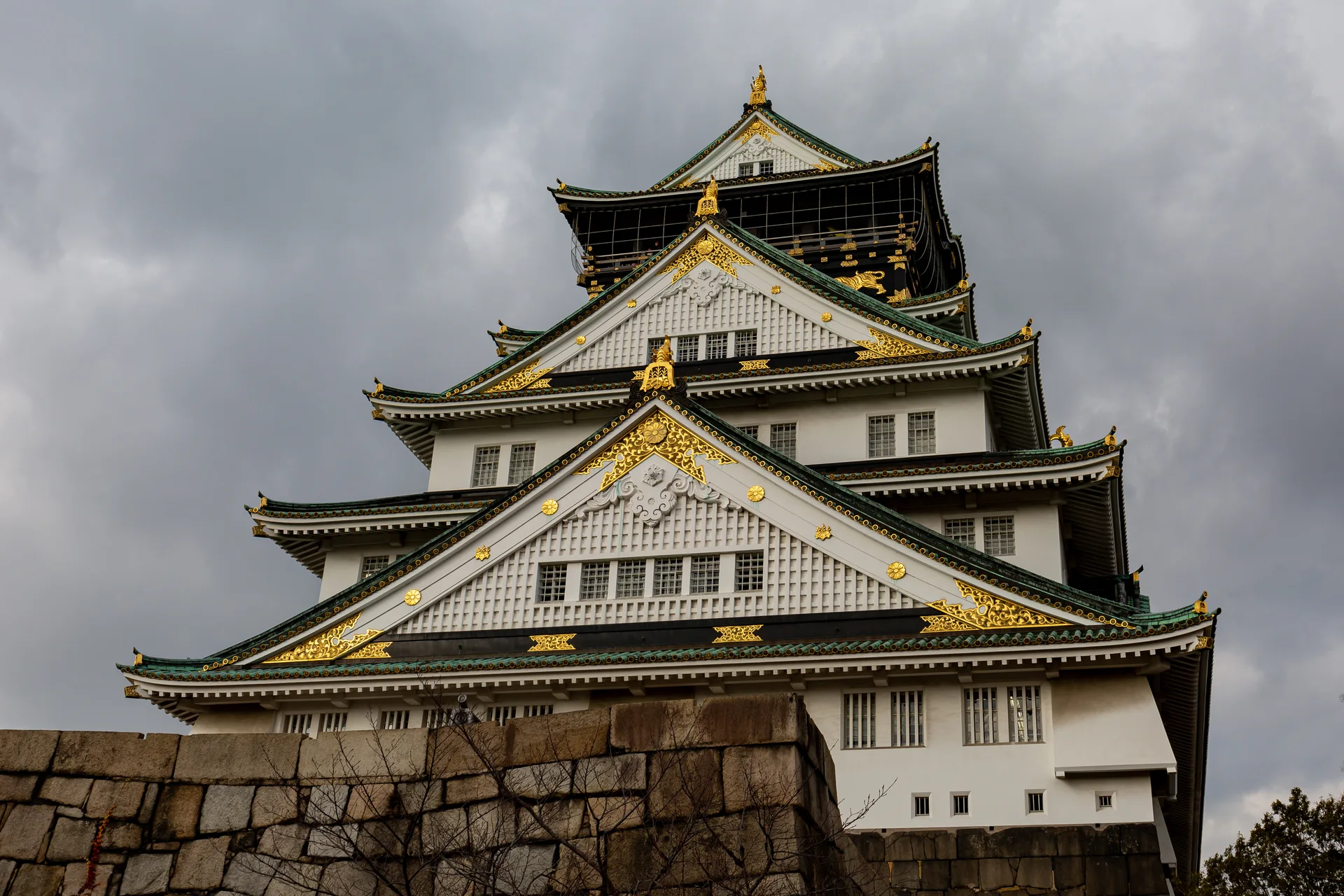
13 | Osaka Castle Museum. A walk through the park with an exterior view is flexible and comparatively light. Entering the tower brings exhibits, queues and movement through the building, so give it museum time. Do not treat the two versions as the same quick photo stop.
14 | Nishinomaru Garden. A seasonal display or a more open castle view can warrant the added stop, especially in a strong blossom period. At other times it is a choice, not an automatic extension of the castle visit.
15 | Osaka Museum of History. This suits someone who wants more of the city’s development than the castle tower alone explains. If the day allows only one history museum, select it or the Castle Museum for the subject matter, rather than buying both because they are near each other.
16 | Nakanoshima Museum of Art, Osaka. Modern and contemporary art or design can justify an entire museum block. The current exhibition programme should decide whether it becomes your anchor on a specific date.
17 | The National Museum of Art, Osaka. Go for an exhibition that interests you, ideally while already in Nakanoshima. A one-off journey from Namba merely to tick off another museum seldom beats a well-placed local stop.
18 | Osaka Science Museum. Interactive exhibits and the planetarium can make a strong family or rain-day block. Planetarium shows have separate time slots, so choose a session before filling the rest of the afternoon rather than assuming you can add one at the end.
19 | Nakanoshima Park and the City Central Public Hall area. This free riverside stretch can connect a museum, coffee and another district while leaving room for weather or a late lunch. Its flexibility is the value; it needs no artificial “must-see” appointment.
Umeda: decide whether the block is about a view, shopping or children
20 | Umeda Sky Building and Kuchu Teien Observatory. The outdoor rooftop changes the appeal compared with an enclosed deck. Choose it when Umeda already belongs in the day and you want that open-air view. Wind or rain can reduce the experience, so keep an evening at street level available.
21 | Grand Front Osaka and Grand Green Osaka. Food, coffee, shops and open space can carry an Umeda pause without another admission. They are especially useful when the day needs a weather buffer rather than a new major attraction.
22 | Kids Plaza Osaka. Give its hands-on play a proper family block, not a 45-minute gap. Current hours are 09:30–17:00, and ages 0–2 enter free. It belongs high on the list when a child would enjoy active discovery more than an adult-famous landmark.
23 | Osaka Museum of Housing and Living. Its recreated streets and everyday urban history fit naturally beside Tenjinbashisuji. Put it in the plan when that subject interests you, rather than as a second indoor stop added to fill a rainy schedule.
24 | Tenjinbashisuji Shopping Street. The long covered arcade is useful for local food and shopping when the nearby museum or neighbourhood is already on your route. A major Shinsaibashi shopping block may make a second arcade unnecessary unless you want a different Osaka district.
Kaiyukan and USJ require real time, not a quick bay-area detour
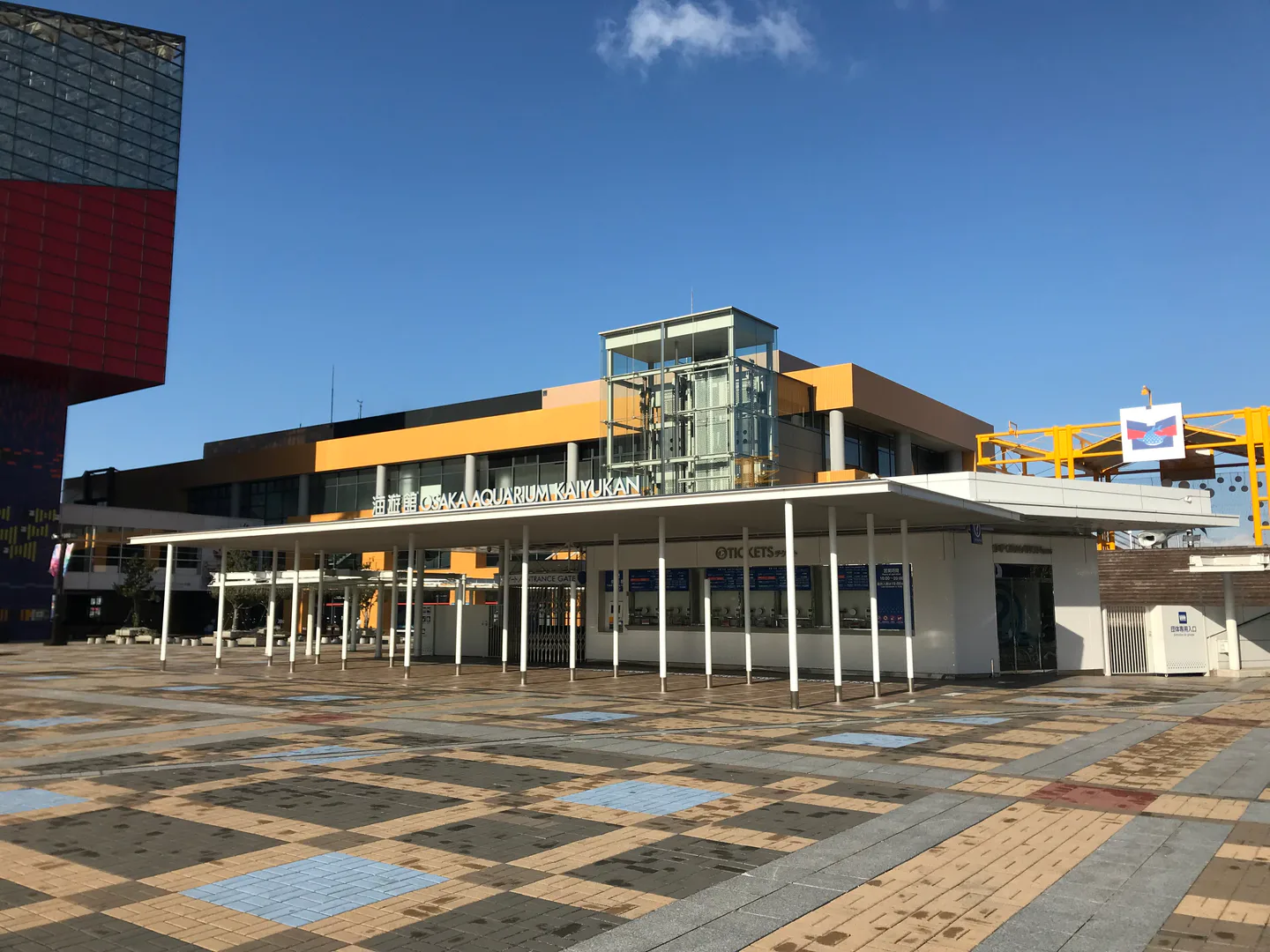
25 | Osaka Aquarium Kaiyukan. Give it roughly two to four hours plus the journey to Tempozan. Admission uses a selected date and entry time, and re-entry ended on 15 June 2026; large-baggage rules also tightened. Store cases first and treat the aquarium as one continuous visit. The Kaiyukan day-planning guide covers ticket and access details.
26 | Tempozan Giant Ferris Wheel. It is easy to add after Kaiyukan if the group still wants a short view over the bay. On its own, the travel to Tempozan can take more effort than the ride justifies.
27 | Santa Maria Osaka Bay Cruise. Keep it when time on the water would genuinely change the day after Kaiyukan. Sailing patterns, including evening and seasonal departures, vary; place it only after choosing a sailing that exists on your date.
28 | LEGOLAND Discovery Center Osaka. This is a family visit with an entry rule: adults are not admitted without a child. Compare its play format with Kids Plaza and NIFREL against your child’s age, energy and the weather, rather than expecting a small version of USJ.
29 | Sakishima Cosmo Tower Observatory. The port-facing view is most convenient if another bay-area stop already brings you south of the central city. A cheap ticket alone does not make a long standalone detour economical in time.
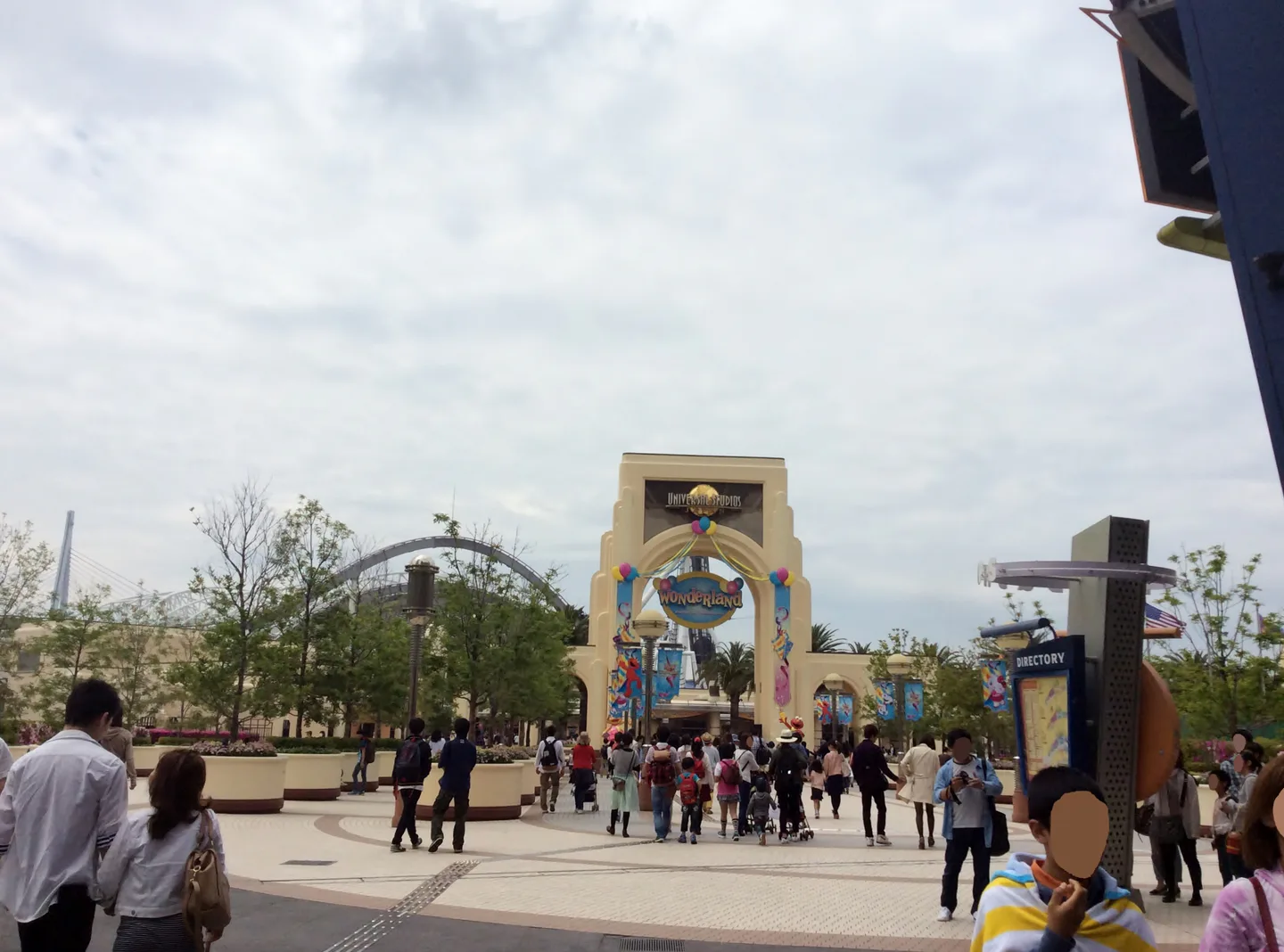
30 | Universal Studios Japan. Unless you are a repeat visitor with a deliberately short ride list, keep the full day. The park app issues same-day SUPER NINTENDO WORLD Area Timed Entry or Standby Entry tickets after entry, and supply can end. If that area and major rides matter, compare the USJ Express Pass choice before travel rather than assuming a half-day visit will work like a city sight.
North Osaka needs permission for a substantial outing
31 | Expo ’70 Commemorative Park and Tower of the Sun. The name refers to the 1970 Expo site, not Osaka’s 2025 Expo venue. Architecture, design, gardens and Expo history can fill a family half-day. Allow travel from central Osaka instead of squeezing the park into an Umeda shopping afternoon.
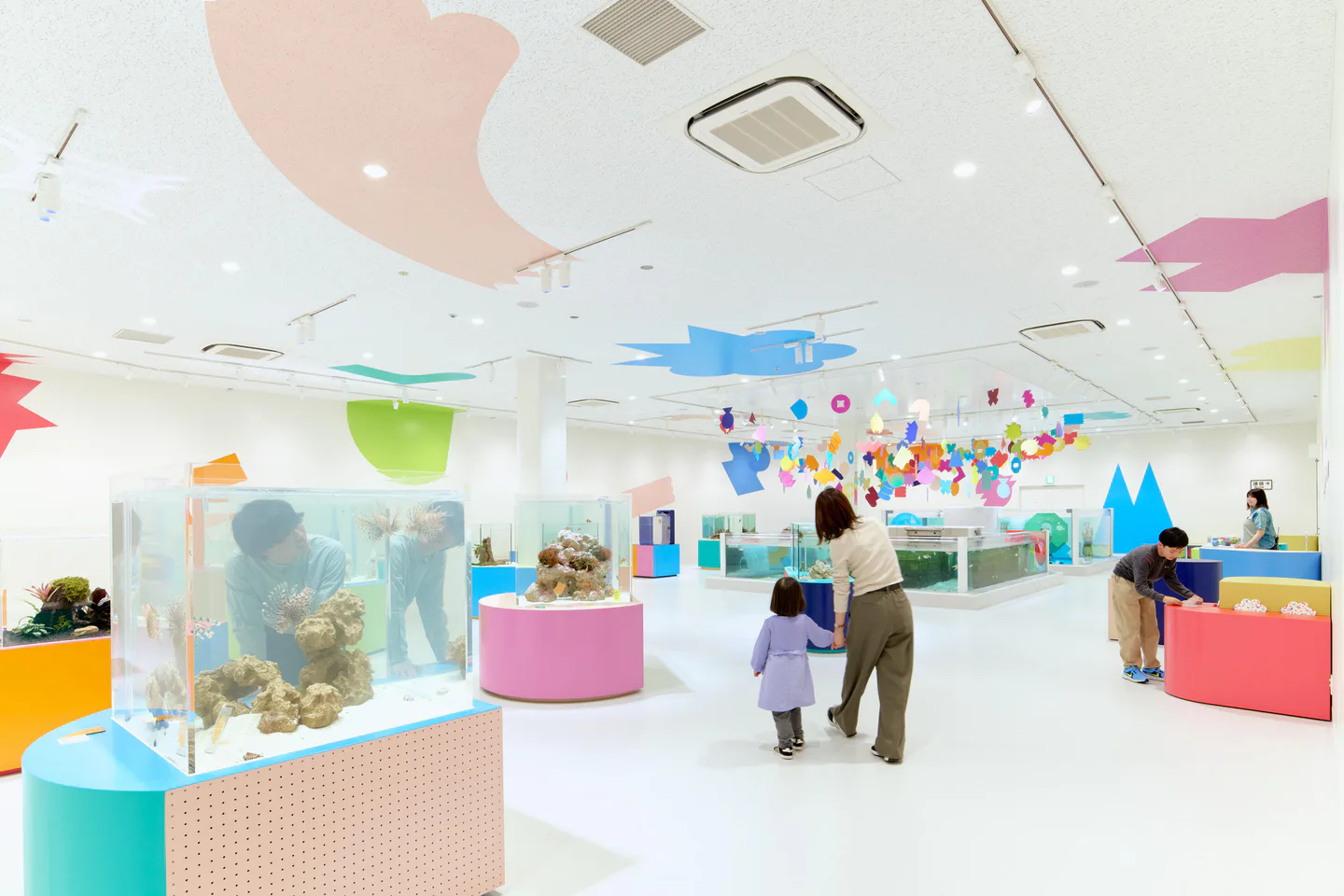
32 | NIFREL. This smaller combination of living creatures, art and spatial design suits a family already interested in EXPOCITY. It is not merely a shorter Kaiyukan. The NIFREL visit guide helps weigh its north-Osaka journey against the visit itself.
33 | CUPNOODLES MUSEUM Osaka Ikeda. Entry to the general museum is free, while making a cup at My CUPNOODLES Factory costs ¥500. That workshop uses same-day numbered tickets, which can run out; it does not accept advance web or phone reservations. Chicken Ramen Factory is a separate workshop with a reservation requirement. The journey to Ikeda makes sense when making the product is the attraction, not merely because museum entry costs nothing.
34 | Minoh Park and Falls. Give nature or autumn leaves a real share of the day. The waterfall has no entry fee, but trains and the walk still cost time; free does not make it a quick add-on. For seasonal colour and routes, use the Osaka autumn route guide.
35 | Katsuo-ji. The daruma-filled temple and wooded setting are reasons for a north-Osaka outing in their own right. It is an awkward add-on to a Dotonbori or Osaka Castle day. Check the bus that suits your date before assuming it joins neatly with another northern stop.
Spend a modest budget on a distinct experience
Dotonbori, Shinsaibashi, Shinsekai, Namba Yasaka Shrine, Osaka Castle Park and Nakanoshima give a low-ticket route plenty to do. One paid experience that changes the day can be a better use of money than several smaller tickets that deliver the same kind of view or indoor hour.
Plan the route before shopping for a pass:
Mark the Osaka districts you actually want to spend time in.
Reserve one or two paid experiences that deserve a protected slot.
Use free streets and parks to join those experiences.
Compare sightseeing passes against the route you have now chosen.
When your route already contains several paid places, use the Osaka pass comparison and the Amazing Pass day example to calculate whether a pass covers what you wanted anyway. A pass saving money on unnecessary stops is not a saving.
For families, a child-led anchor can fill a half-day
USJ, Kaiyukan, Kids Plaza, NIFREL and LEGOLAND serve different ages and moods. Buying them all during a short stay creates a chain of large venues with little room for rest. Start with your children’s stamina, naps, sensory comfort and what the adults also want to see.
Younger children may get more from active play at Kids Plaza or LEGOLAND; marine-life fans can have a stronger destination at Kaiyukan. A family that wants rides can make USJ the full-day anchor. The Osaka family-attraction guide compares those options by age and stamina.
Couples and solo visitors can give one evening a clear setting
Choose one Osaka night-view idea: Umeda rooftop, Tennoji skyline, the streets around Dotonbori and Shinsekai, or sunset by the bay. Dinner nearby gives the choice a natural finish. A sequence of observatories and cruises can spend more of the evening in transit than looking at the city.
Travelling alone makes specialist interests easier to pursue. Den Den Town, a focused exhibition or half a day in north Osaka can move up your list without group negotiation. The geography is unchanged, though: a 45-minute train for a 20-minute stop still needs a good reason.
Rain and heat should change the attraction, not just its hour
A day built around exposed walking does not become comfortable because the same stops move two hours later. Kaiyukan, Kids Plaza, the Science Museum, Housing and Living museum, Nakanoshima exhibitions, shopping complexes and other indoor venues can replace an outdoor half-day. Pick one that works in the same part of town when possible.
On a clear, comfortable day, do not lock the group inside three museums solely because they were booked first. Keep the Osaka rain-day ideas as an alternative set of routes when the forecast actually calls for it.
Five ways to remove pins without losing the trip
Remove repeated functions: a second major deck, aquarium-style block or market meal needs its own reason.
Remove detours that add 45–60 minutes of one-way travel for a 30-minute stop.
Place USJ and scarce timed exhibitions before flexible streets and parks.
If only one person wants a costly three-hour visit, consider splitting briefly or choosing a shared interest.
Take one Osaka cluster out for each full Kyoto, Nara, Kobe or Himeji day you add.
A Kyoto day also removes real Osaka time. The four-day Osaka and Kyoto plan with USJ shows why fitting another city into a short stay requires an explicit cut.
A workable Osaka list is shorter than thirty-five
On a first visit, two to four anchors with four to six nearby supporting stops is a useful ceiling. USJ, Kaiyukan, an in-depth castle/history visit, one exhibition, one paid skyline or a north-Osaka half-day might earn anchor status. Dotonbori, Hozenji, Namba Yasaka, shopping streets, Tenshiba and Nakanoshima often fit around them.
The hierarchy changes with your interests. An anime collector can make Den Den Town the centre of a day; an architecture traveller may give Expo ’70 Park half a day; a family may swap a castle visit for Kids Plaza. A personal shortlist can differ from a famous-sites list without missing what made the trip worthwhile.
Start with the neighbourhood, reserve the attraction that needs time or a ticket, and only then decide whether a pass reduces its cost. If a famous sight adds two transfers, rushes a meal and displaces something you care about more, remove that pin.
Once the areas you will actually visit are clear, compare Osaka hotel locations for those routes. A room near the stations you use repeatedly matters more than proximity to one isolated attraction.
More travel ideas
Lotte Hotel Busan vs Arban Hotel: Is the Five-Star Premium Worth It in Seomyeon?
Nagaoka Fireworks 2026 Is Over: What August 2 vs 3 Teaches for Next Time
Osaka Girls Trip Hotels: Count Beds, Sinks and Shower Queues Before Square Metres
KidZania Fukuoka Tickets 2026: 4 vs 6 vs 8 Hours — and Is the English Program Worth It?