
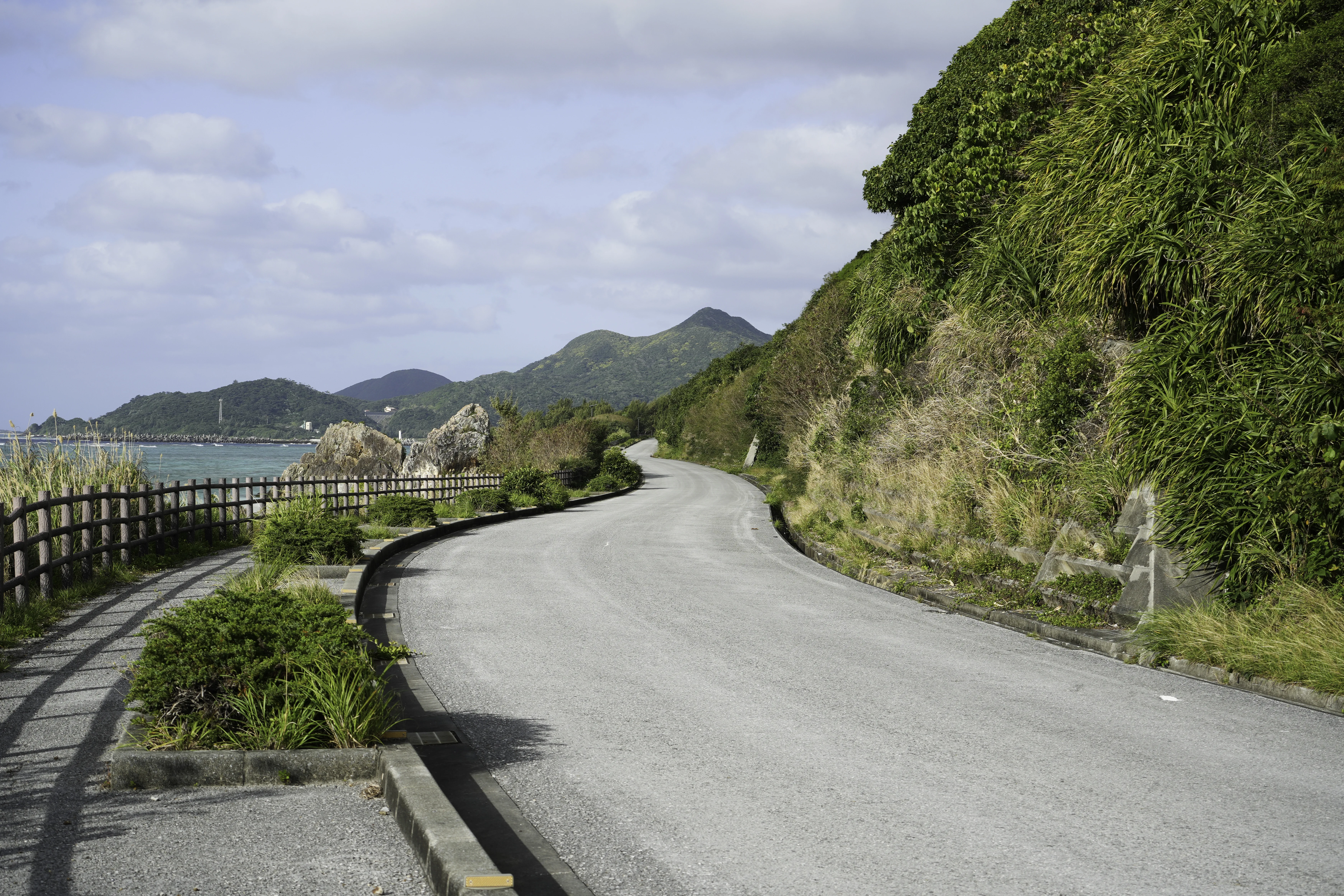
Four calendar days in Okinawa often produce only two full sightseeing days. The route that most first-time drivers can finish without racing pairs a Motobu/Churaumi day with one marine day around Onna or Yomitan. A family that would rather avoid boat conditions can exchange the marine day for Shuri and one southern stop. All three directions need another day unless the flights create unusually generous edges.
Look first at where the road runs. Naha airport, the northern aquarium, an Onna water booking and Shuri pull a short trip in several directions. Add vehicle collection, hotel check-ins and the airport return, and a list of appealing stops can consume the time meant for them. Give each genuinely free day a single geographic purpose. See a five-day car-free alternative.
↔ Scroll table left or right
Flight pattern | Base and vehicle starting point | Reason |
Late landing, early flight | Naha throughout, few or no hotel moves | Neither edge day offers much sightseeing time. |
Late landing, late flight | Naha first night, then two Onna nights if the routes fit | Arrival stays simple and the final day has airport margin. |
Early landing, late flight | Collect the car early; test one central or northern base | The drive north can earn the first rental day. |
Early landing, early flight | Northern or central stay first; perhaps finish in Naha | A final move is useful only when it protects flight morning. |
How much of four days can you use?
Put the flight and rental commitments on the calendar before assigning a landmark:
On arrival, allow for landing, bags, local transport and hotel check-in before calling any remaining time free.
The second calendar day is normally a true all-day slot.
The third day supplies the other true all-day slot.
On departure, subtract fuel, rental return, transfer to the terminal and airline procedures before assigning a stop.
For example, a 17:00 first-day release from check-in and a 10:00 cutoff for the airport on departure day leave two complete days. The first evening and final morning are useful for dinner or nearby walks, but they cannot carry a distant excursion. See usable hours on travel days.
Those complete days can be assigned to any two of three distinct clusters:
Motobu and Churaumi, with one nearby place.
The Onna/Yomitan coast, with one booked marine activity.
Shuri and the south, with one further destination.
If the aquarium, a boat activity and Shuri are all essential, add a fifth calendar day instead of pretending the airport edges are full days.
Collecting a car on arrival: useful drive or paid parking?
An afternoon flight followed by a Naha hotel rarely rewards immediate rental pickup. You may need the airport shuttle, branch paperwork, a damage inspection and a first drive on the left while tired. The car then sits overnight, with a rental charge and perhaps a parking fee, before the real road trip begins. See Okinawa rental counter choices.
For that flight shape, take Yui Rail or a taxi to Naha. Dinner near Kokusai-dori or Makishi is easy without a vehicle, and collection the following morning puts the branch stop immediately before a full touring day. The benefit is simpler arrival logistics as well as a shorter rental period. See a Naha route without a car.
The calculation changes when the aircraft lands early and the group can drive directly to its first base in Onna, Nago or Motobu. In that case, the car replaces a separate northbound transfer and the first rental day has a clear task.
Confirm the branch closing time against your likely landside arrival, including baggage and shuttle time. A low quoted daily rate is of little use if a delay leaves the counter shut. Compare OTS, Toyota and ORIX after the pickup day is decided, rather than letting a price quote dictate the route. See Okinawa OTS vs Toyota vs ORIX rental comparison.
Three nights leave room for very few hotel changes
A Naha–Onna–Motobu–Naha series uses each of the three hotel nights at a different base and then sends the group back south. The extra packing and check-in time usually costs more than the shorter individual drives save. See the Naha versus Onna last-night decision.
These flight patterns are better starting points than choosing a resort photograph first:
Late in and late out: one Naha night followed by two in Onna can serve north and sea days.
Late in and early out: three Naha nights avoid changes, though both full days need longer drives.
Early in and late out: early car collection and one Onna or Nago base may work.
Early flight after a resort stay: use a final Naha night only if it removes a risky predawn road and return sequence.
Move hotels only when the move removes at least two significant trips or an uncomfortable departure-day return. Being a little closer to Churaumi on one morning is not enough if the following route immediately doubles back.
Choose a base after choosing the two full-day routes. Naha serves late arrivals and early flights; Onna is logical for a central-coast water day; a northern base earns its place when the north occupies more than one useful time window. See rooms around Onna.
A northern day needs an aquarium anchor and one companion stop
If Churaumi is a trip priority, give Motobu the day. The aquarium currently lists 08:30–18:30, with last admission at 17:30, and warns that the parking areas require walking time. Its longer August 2026 opening has ended; do not build an autumn visit around the former 21:00 close. See five-day Okinawa self-drive itinerary. See the current aquarium hours. See Churaumi and other day tours.
Even in a season with later opening, parking, Ocean Expo Park, meals and the drive back still fill the day. Reaching the north late can leave little time for the place that justified the journey. See the completed 2026 summer-hour notice.
After the aquarium, select one further northern experience that matches your group:
Bise Fukugi Tree Road gives a nearby, unhurried walk.
Kouri Island is the choice when its bridge and open-sea outlook are the aim.
Nakijin gives the northern day a history stop instead of another stretch of coast.
A navigation app can fit Bise, Kouri and Nakijin on the same map after Churaumi. It cannot make the parking, walks, food breaks and family pace disappear. Treat those names as alternatives unless you have an unusually long and energetic day. See Kouri Island driving choices.
If nobody particularly wants the aquarium, omitting Motobu removes the longest out-and-back of this short trip. The two complete days can then stay closer to the Onna/Yomitan coast and Naha or the south. See an Okinawa stay without the long north drive.

An Onna marine booking takes more than its water-time label
A snorkelling product advertised as one hour in the water can occupy much of a morning. Allow for early check-in, changing, a briefing, gear fitting, possible boat transfer, the swim, showers and gathering everyone again. See Blue Cave boat and shore entry.
Book one principal sea activity. Adding another fixed water slot creates a brittle day and leaves little margin if the first operator changes its departure or meeting time.
From an Onna base, Blue Cave can share the day with a nearby beach, Manzamo, a café or a short Yomitan visit. Boat and shore entry face different access and cancellation conditions, so compare them before choosing the departure rather than treating every Blue Cave listing as equivalent. See Blue Cave guide.
Parasailing may use less time on the water, yet a Naha or Motobu meeting point can make the full outing longer than an Onna activity. Compare door-to-door travel for the whole group with the headline ticket price. See a private boat departure comparison.
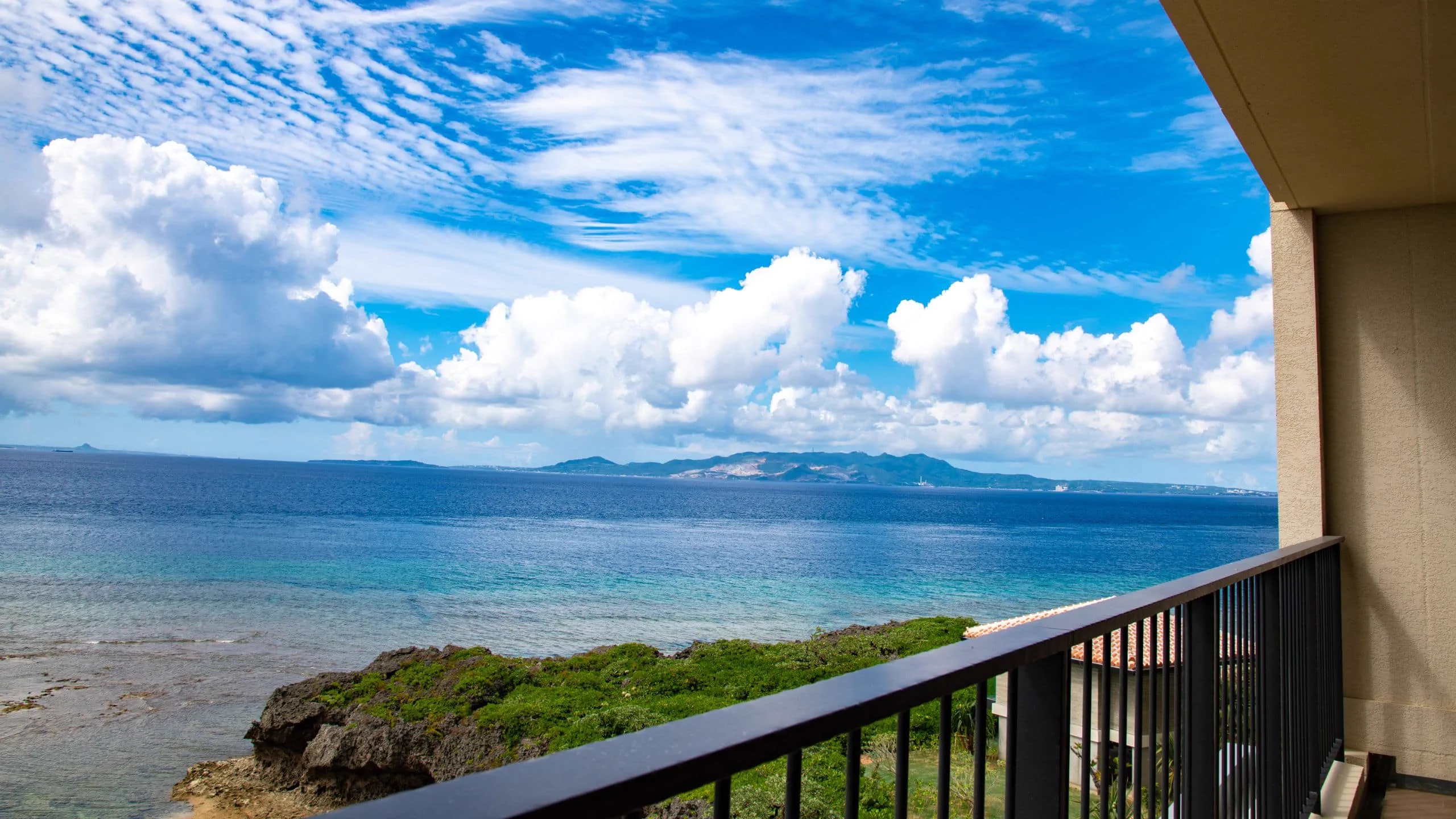
Give the sea day a movable slot
Rain alone need not stop snorkelling. Wind, swell, lightning and typhoon conditions are more consequential, and a provider may change the access point or cancel. Keep the second full day sufficiently flexible to exchange the activity when conditions deteriorate.
Use this hierarchy when the forecast changes:
With manageable seas, keep the Onna/Yomitan activity on the better marine-weather day.
When the sea is poor but roads remain usable, move Shuri or Churaumi into that slot.
In a typhoon or other major disruption, current road and attraction operation determine whether the outing proceeds at all.
An aquarium is a rain option, but it can also close or delay opening during a typhoon; August 2026 provided one such delayed opening. In severe weather, check the attraction, roads and transport on the day before choosing any substitute. See indoor aquarium choices near Naha.
For an ordinary wet day, a Naha or indoor plan can be sensible. A typhoon calls for a safety and operations decision, not an attempt to preserve every sightseeing booking. See Okinawa rainy-day and typhoon guide.
A southern day: Shuri plus one further destination
When the sea is a poor fit for the travellers or the weather, make Shuri the cultural centre of the day. Then choose Okinawa World, Sefa-Utaki, or a meal and sunset near the airport as the single additional purpose. See Shuri by Yui Rail.
Shuri, Okinawa World, Sefa-Utaki, Senaga and outlet shopping are not a compact cluster simply because they sit in the southern half of the island. Driving still leaves admission, walking and meal time to account for.
Shuri has a dated booking change. Public access to the restored Seiden interior is due to begin on November 23, 2026; entry inside needs an advance ticket with a designated time. For November 23–December 31, individual allocations opened at 13:00 on September 1 and October 1. For visits from 2027, sales are scheduled for 13:00 on the first day two months before the visit month. See Seiden interior ticket dates.
If the interior is central to the trip after November 23, anchor the southern day to the reserved slot. Shuri becomes less suitable as the attraction you move at the last moment to rescue a cancelled boat day.
A visitor without that reservation can still use the other paid areas under their separate admission ticket; the timed requirement concerns the Seiden interior. Allow travel time from parking or the Yui Rail station as well as the time printed on the ticket. See the opening announcement.
Departure day belongs to the airport route See other short-trip flight-day planning. See rooms around Naha Airport.
An afternoon flight can leave a calm breakfast, Kokusai-dori visit, café stop or one sight near the airport. An early flight removes even that leisure window. A northern detour on the last morning should not be treated as a harmless bonus.
The rental return has several stages after the advertised drive time:
Fuel and any traffic toward Naha.
Unloading the luggage and checking the vehicle with the branch.
Finishing the return paperwork.
Reaching the airport by shuttle, rail or taxi.
Walking to the right terminal and completing airline procedures.
For an early departure, bringing the car back on Day 3 and sleeping in Naha can remove a predawn drive, fuel stop, inspection and branch shuttle from flight morning. The trade is less late-night freedom, which may be a good price for a more dependable departure.
A late flight can justify retaining the vehicle longer. Keep the final stop on the way to the branch and Naha Airport, however; Motobu or Kouri sends the party away from the deadline.
Three workable combinations for the two full days
A. Aquarium and central-coast water
Arrival day: settle in Naha, leaving the rental until morning if the landing is late. Next: Churaumi with Bise or Kouri, but not an entire northern circuit. Third day: one Onna/Yomitan marine booking and nearby shore time. Departure: return south with proper rental and airport margin. See a realistic five-day Okinawa drive.
This suits a first visit that values both the whale-shark aquarium and one sea experience, with enough time to enjoy the coast instead of merely driving through it.
B. North and south for a less sea-dependent trip
Use arrival for Naha, then spend one complete day at Churaumi plus a single northern extra. Give the other full day to Shuri and one southern destination. Keep the final morning close to the airport.
Young children, older companions, seasickness or reluctance to depend on marine conditions can all make this route a better fit. It still needs a weather check: severe disruption affects roads and indoor attractions too. See family travel without a car.
C. Water and Ryukyu history without Motobu
After a Naha arrival, spend a complete day on the Onna/Yomitan coast with one water activity; use the other for Shuri and a southern stop. Finish near Naha Airport.
Repeat visitors, food-focused travellers and people who value sea time over the aquarium often gain the most from this version. Removing the northern road leg leaves more room for a slower coast day. See a slower Okinawa food itinerary.
What to remove before the trip becomes rushed
Take out optional stops in this order, according to what your group actually values:
An extra northern add-on: use Bise or Kouri when the clock is tight.
Whichever of north, marine and south is the third full-day direction.
A hotel change that does not save significant road time.
A first rental night with no useful drive.
A last-morning stop that points away from the airport.
Do not reclaim minutes by stripping out the flight margin, meal breaks or the day available for a marine-weather swap. Those are the pieces that prevent one delay from disrupting everything else.
A third full route calls for a fifth day
A group determined to see Churaumi, make a sea booking and visit Shuri should assign each its own complete block. Five days also create a useful spare window if boat conditions change. See a five-day driving plan.
The five-day self-drive plan gives those three directions more space. A 07:00 hotel exit cannot shrink the distances, rental procedures, timed activity check-ins or flight formalities enough to make a four-day version equivalent. See where to stay in Okinawa.
The route choice to book
For a first drive with ordinary flight times, start with arrival in Naha, one Churaumi day, one Onna/Yomitan sea day and a final return to the airport. Swap in Shuri and the south when a water outing is likely to burden the group or the weather forecast.
Test that route against the actual flights before reserving hotels. Late arrival and early departure can favour all three nights in Naha despite longer day drives. Early arrival and late departure can make a single central or northern base more efficient. See a last-night hotel comparison.
The practical limit is two full-day directions when the flight edges are short. Put rental pickup, hotel geography and airport return into the calendar first; attractions then have time to be visited rather than merely listed.
More Okinawa and short-trip ideas
Okinawa Helicopter Tours: 4, 12, 20 or 35 Minutes? Pick the View Before the Flight Time
Osaka and Kyoto 4-Day Itinerary With USJ: Does Kyoto Still Fit?
Miyakojima Diving: One Dive, Two Dives or Three? Your Flight Home Matters More Than the Upgrade
Niseko Snowmobile 2026–27: Book It as an Active Day, Not a Rest Day
Hiroshima One-Day Itinerary: Peace Park, Castle and Shukkeien