
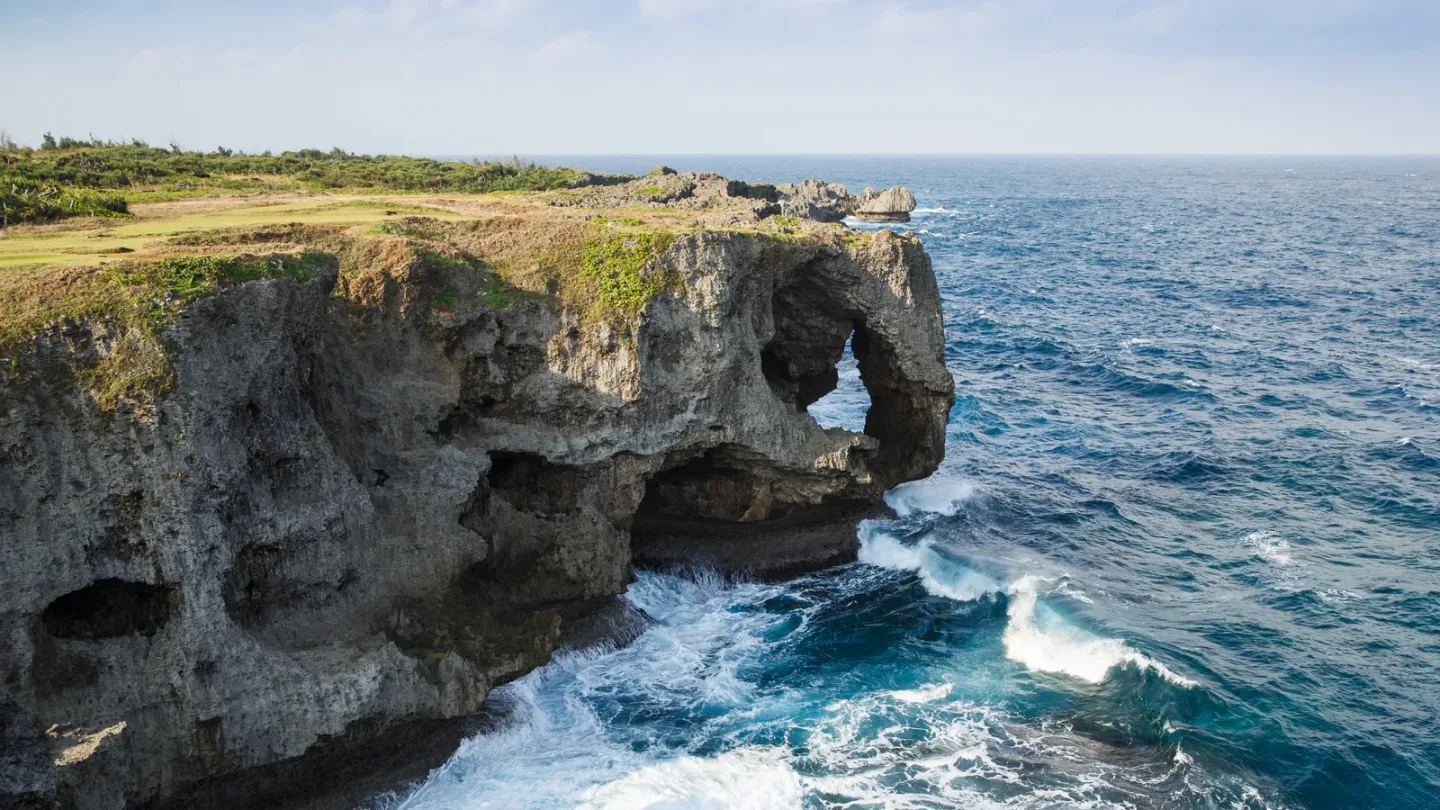
The last Okinawa night depends on what is still left of the holiday after dinner and what must happen before the flight. Onna is valuable when you will use the resort, breakfast and a slow morning before leaving. Naha becomes useful when the previous day is already moving south and you can return the rental car before sleeping. Choose the sequence that removes the most difficult departure-day steps; the number of kilometres from the hotel to the airport is only one part of it.
A late flight can make a final Onna night straightforward if the car return and airport check-in have generous margins. An early flight can make that same room expensive sleep before a hurried drive. The room’s price is easier to justify when you will be there for sunset, dinner or the pool and still have time the next morning. If you will arrive late and leave at dawn, the resort amenities are unlikely to repay another long transfer.
↔ Scroll table left or right
Final 24 hours | More useful base | Why |
Early flight and rental car still in use | Naha with Day 4 car return | Removes multiple flight-morning tasks |
Day 4 already finishes near Naha | Naha | Avoids a northbound backtrack after sightseeing |
Late flight and resort morning still free | Onna | Keeps the room, breakfast and beach time you paid for |
No car, airport transfer already arranged | Depends on flight and hotel | Compare the actual pickup route rather than city names |
One overnight after a northern activity | Onna if evening matters | Avoids moving bags for little gain |
Car cannot be returned before the branch closes | Either, with a morning buffer | A Naha room alone does not remove the rental-return chain |
The hotel and the car need separate decisions
A move to Naha does not automatically simplify flying day. Work through these two questions in order:
Where will we sleep: the Onna resort or a hotel closer to the airport?
When will the rental car leave the itinerary: the previous evening or the flight morning?
Sleeping in Naha while keeping the car can leave refuelling, the rental inspection, luggage unloading and a shuttle ride for the same morning as airport check-in. The hotel has shortened the drive, but the number of tasks has barely changed. That arrangement can still work for a later departure; it should not be mistaken for a low-effort early flight.
A more complete change happens when Day 4 ends near Naha, the car goes back within the branch’s return window, and the group reaches its hotel by taxi or Yui Rail. On Day 5 the chain is simply room, airport transfer and check-in. This is a good reason to leave Onna when you also want a southern sightseeing stop or Naha dinner.
The Okinawa rental-company comparison helps identify which branch and return window your booking actually uses. Two travellers staying at the same Naha hotel can have very different last mornings if their cars must go to different depots.
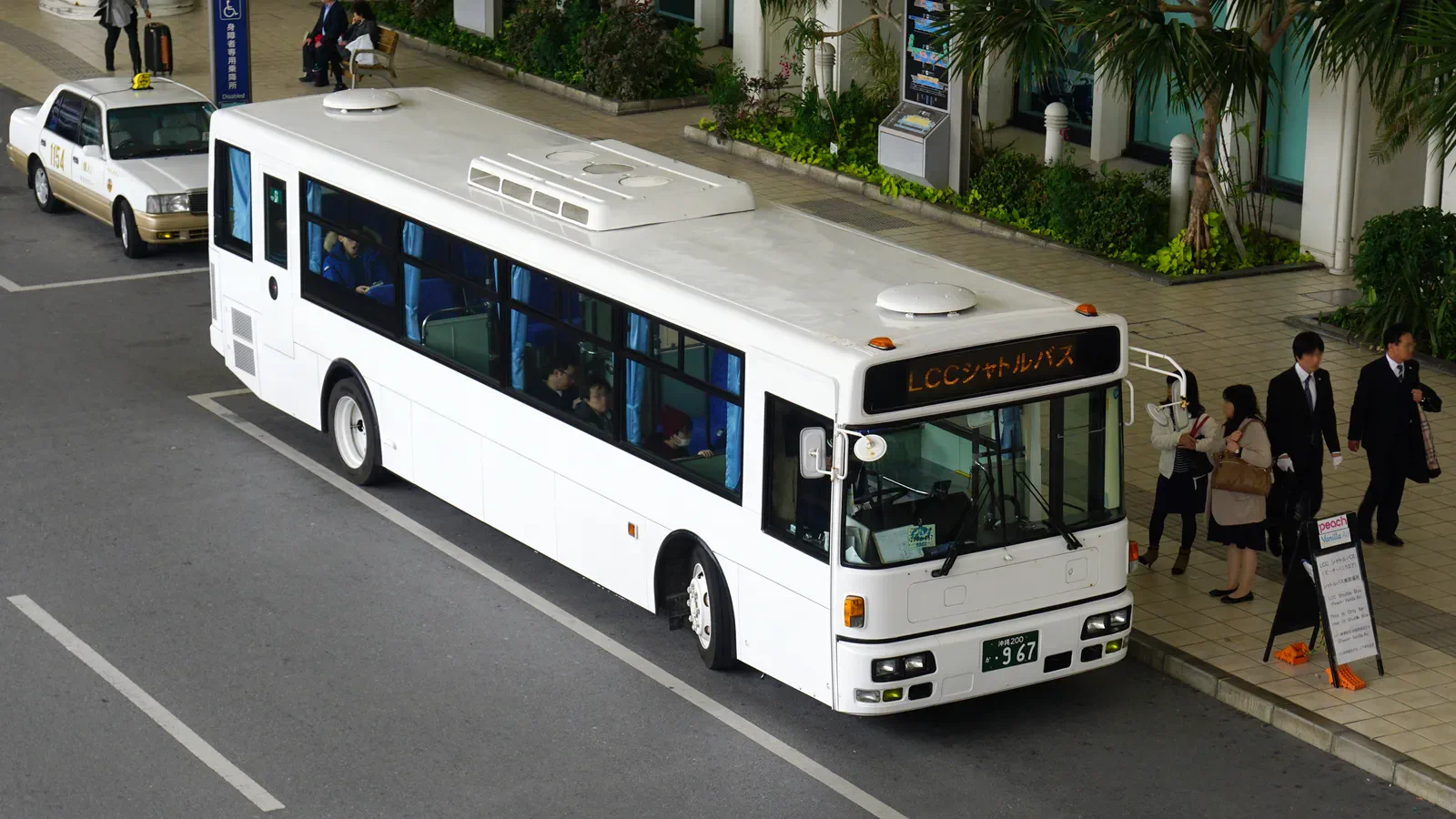
Return the car before dinner only if the branch is open
An evening return is useful only when the final drive, refuelling and inspection fit the booked branch’s hours. Do not treat “airport rental” as an airport-terminal handover.
Toyota lists 08:00–20:00 for its main Naha Airport branch. OTS lists ordinary Toyosaki arrangements around a 19:00 return window and says its off-hours service is currently suspended. ORIX has its own Naha airport rental site and business calendar. These are operator examples, not a combined rule for every office; the branch on your reservation and its date-specific hours control the plan.
A Blue Cave activity late in the afternoon, sunset in Onna, dinner and a southbound car return may not fit an office that closes at 19:00. Work backward from the counter cutoff, not the sunset time. If the evening activity is important, leave the car for the next morning with an honest buffer or keep the night in Onna and accept the longer departure chain.
The previous-evening return should simplify Day 5 without making Day 4 a race. If it destroys the last resort meal or a prepaid activity, compare the cost of changing the hotel with a more relaxed flight-day departure from Onna. The correct answer can be to keep the car one more night.
What a final Onna night should contain
A resort premium is most convincing when there are two usable periods left in the stay.
Think in terms of the evening you arrive back at the room and the hours before checkout:
Final evening: time for the beach, pool, dinner or an ocean-view room, rather than only a late check-in.
Departure morning: breakfast, a short walk or an unhurried swim before packing and driving south.
If the family will use both periods and the flight leaves comfortably later, moving to Naha throws away the resort time already paid for. If the group will only sleep, early checkout and drive, compare a less expensive southern room instead. The distinction is about the actual schedule, not the beauty of the sea view in a booking photograph.
A pool or beach is a poor reason to stay if its hours do not overlap your free time. Check the property’s pool season, breakfast window and checkout before counting those amenities as part of the last day. A resort morning that exists only on paper should not outweigh a simpler airport departure.
A Naha hotel should simplify more than the map
The best southbound moves solve several problems at once:
Day 4 is already southbound, so the new hotel avoids a drive back to Onna.
The car is returned inside branch hours, removing fuel, inspection and shuttle from flight day.
Naha dinner or shopping can happen without another parking decision.
The airport transfer is simple enough for the group and its luggage.
A hotel switch costs packing, checkout, the drive south, luggage handling and another check-in. If it produces only a slightly shorter airport drive while the car and all its return tasks remain, those costs may exceed the benefit. Look for a second gain: a southern activity, an evening without parking or a cleaner morning.
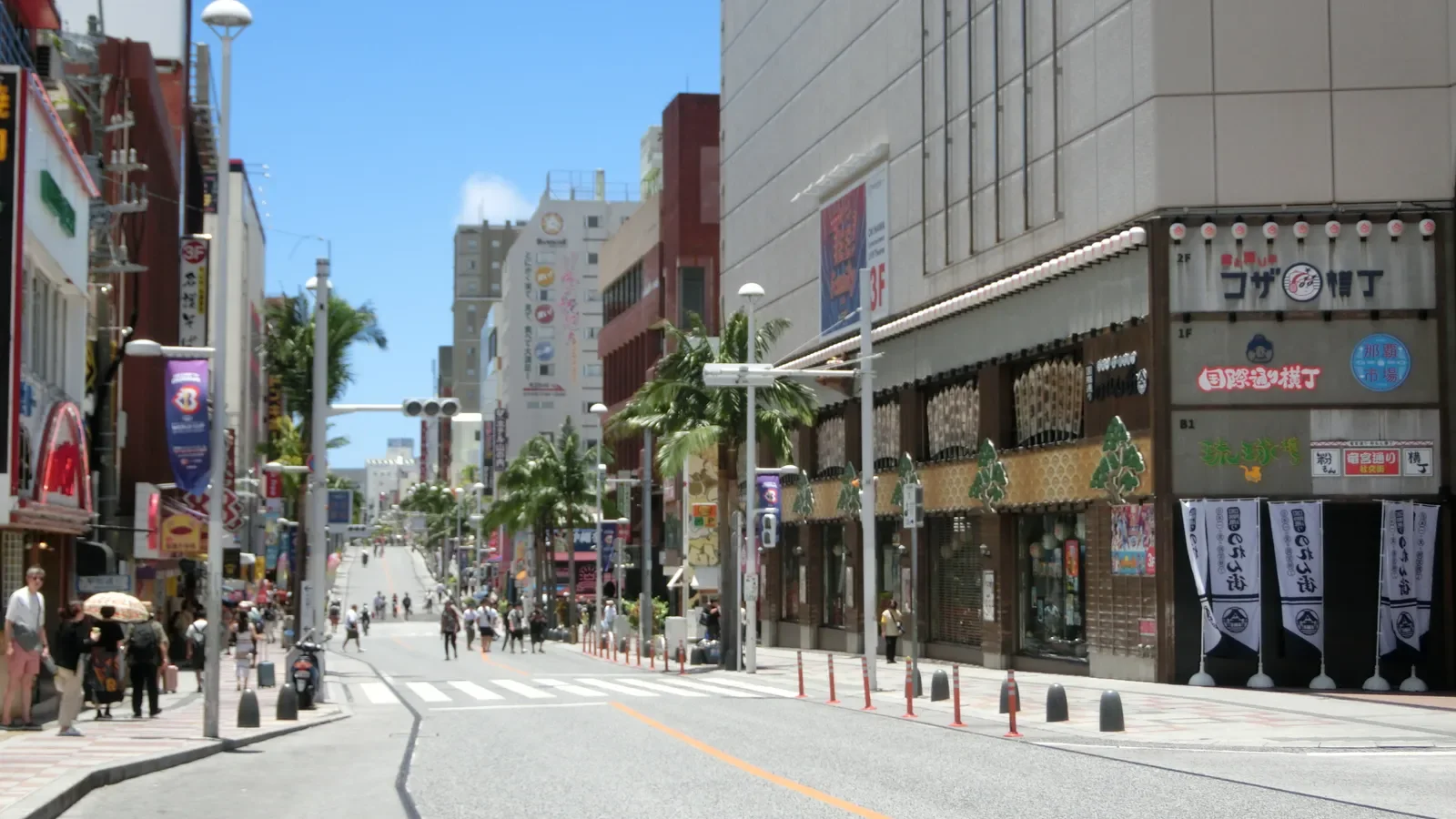
For a dawn departure, the Naha district matters
Naha is not one airport distance. Kokusai-dori suits an evening out, but Akamine or Oroku may better suit a short airport run. Omoromachi and Tsubogawa have different monorail and taxi approaches. Locate the actual hotel entrance and the first service that will operate at your departure hour.
A nightlife-focused room can still require a long walk with cases and an additional Yui Rail ride. An airport-side room may have little evening appeal but make the departure routine simple. The late-arrival / early-flight Naha hotel guide compares those trade-offs at the hotel level. At very early hours, price the taxi as well as the monorail route, because the first train may be too late.
With children, count the things you must handle
A family morning can involve cases, carry-ons, a stroller, a child seat, fuel, rental inspection and a shuttle before anyone reaches airline check-in. A route planner collapses those into a drive time. Put them on the schedule separately, with realistic time to move children and bags between vehicles.
Returning the car on Day 4 can remove several family hand-offs, but changing hotels adds a different set. For a family with a later flight and a resort morning everyone will use, staying in Onna may be easier. For a morning flight, the car-free Naha night can protect the departure. The group’s pace and number of bags determine which burden is larger.
Use departure time as a prompt, not a fixed rule
There is no universal flight hour at which Onna stops working. The answer changes with domestic versus international check-in, the rental depot, group pace and traffic. The following patterns help frame the booking:
Morning flight: compare an airport-side Naha night and a Day 4 car return.
Early-afternoon flight: either base may work; the branch hours and family pace decide.
Later flight: keep Onna if the final resort morning has value and the return margin is ample.
Build the final chain backward: airport check-in, rental shuttle if needed, inspection, fuel, drive and hotel checkout. The buffer should survive one ordinary delay. A room that only works if every step happens at its fastest estimate is the wrong last-night base.
Three coherent endings for the trip
Keep the resort and take a later flight
Stay in Onna for the final evening and morning. Leave after breakfast or a short swim, then drive south with time for fuel, return inspection and the airline. This is strongest when the room itself is part of the holiday and the flight genuinely permits a relaxed exit.
Finish south and return the car on Day 4
Check out of Onna, make the final sightseeing stops progressively closer to Naha, then return the car before the branch closes. Sleep near the airport connection you will use. This arrangement converts the flight morning to a simple transfer, provided Day 4 does not depend on a late northern sunset.
Use Naha for a last city evening
If Day 4 already includes Shuri, Senaga or other southern plans, a Naha night can give you dinner or shopping without another drive north. Return the car before the hotel when practical; if you keep it, make sure parking and the next morning’s return still make sense. The move earns its place through geography and the evening as well as the airport.
Book the last night after mapping the car return
Stay in Onna when the resort has meaningful hours left and the flight leaves enough time for the complete rental chain. Choose Naha when it connects naturally to Day 4, lets you return the car, or gives a much easier early transfer. The important reservation detail is the return branch and its operating window, not just the hotel’s city name.
A useful final check is to describe the flight morning in plain steps. If moving to Naha still leaves the car inspection and shuttle, the improvement may be smaller than it first appeared. If those tasks are finished before bedtime, the move has changed the departure day in a concrete way.
Compare bookable locations for the night: Onna resort stays · Naha final-night rooms
Rental and airport routes
Toyota Naha Airport branch hours and shuttle · OTS return and off-hours terms · ORIX Naha Airport Rental Site. Branch hours, shuttle arrangements and airport procedures depend on the exact reservation and travel date.
Related guides: Tokyu Stay Okinawa Naha: Is It the Right Final Night Before Your Flight? · Where to Stay in Okinawa Solo: Naha, Chatan or Onna? · RIHGA Royal Gran Okinawa: Is Asahibashi Worth It for Your First or Last Night? · Sapporo vs Chitose for the Last Night: Where to Stay in Hokkaido · Hakata or Tenjin for an Early Flight? Where to Stay Last Night in Fukuoka · Where to Stay in Osaka: Start With Your Last Stop, Then Choose Namba, Umeda, USJ or Shin-Osaka · HIYORI Ocean Resort Okinawa: Is a 56m² Suite Worth It for a 3-Night Onna Stay? · Okinawa Without a Car? Leave Naha Only If the Second Base Fixes Your Evenings
Fukuoka Hotels for Couples: Decide Where Your Night Goes Before Paying for Views or a Luxury Room
Okinawa 5-Day Itinerary: Don’t Rent a Car on Day 1 — Naha, Onna and Churaumi Without Hotel Hopping
Okinawa Guys’ Trip Hotels: The Best Base Is Where You Can Stop Driving at Night
Okinawa Shopping Hotels: Chatan or Naha for Your Final Two Nights?