
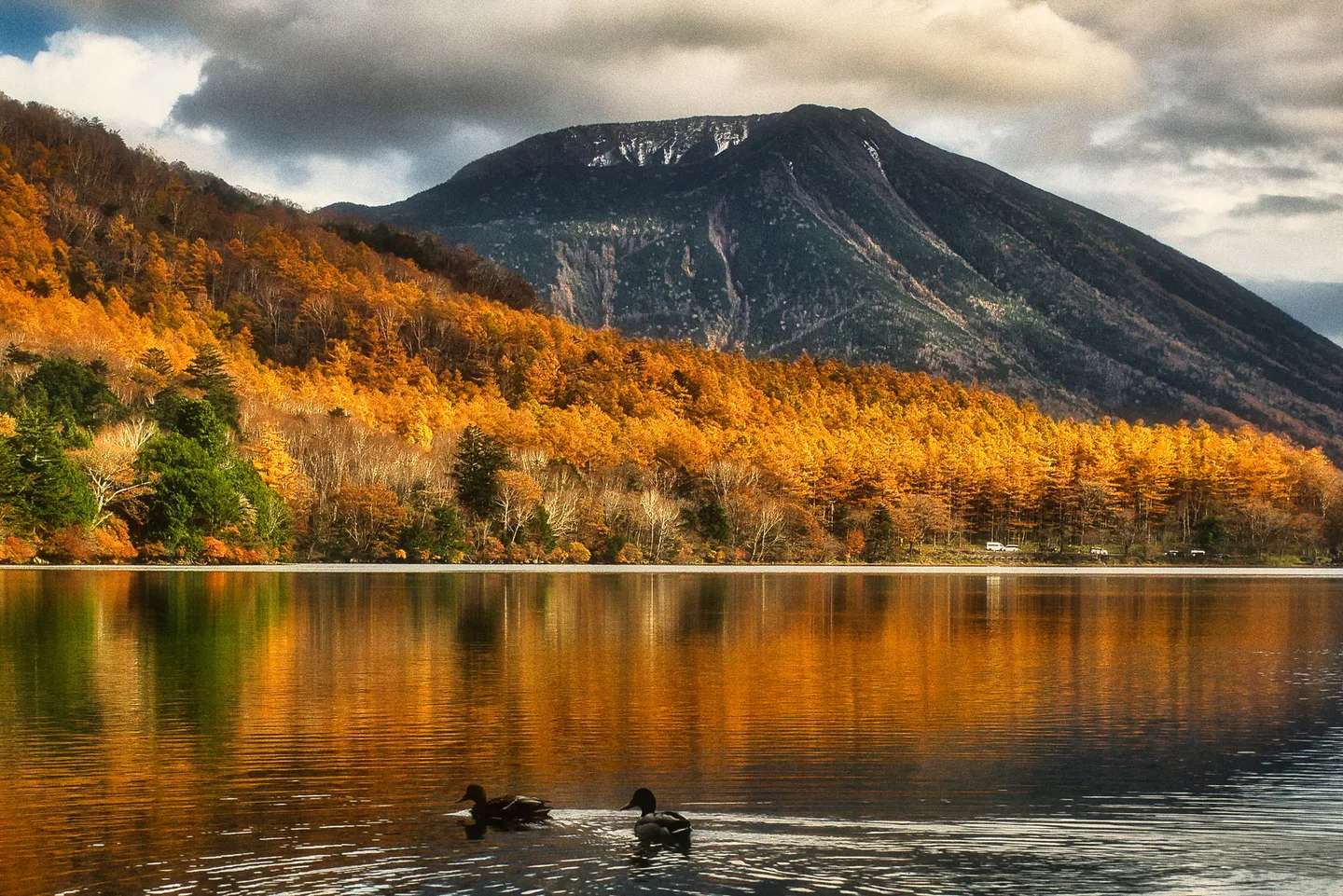
One night at Lake Chuzenji gives you two chances at the mountain weather and removes the need to climb and descend Irohazaka on the same day. That is the real advantage of a two-day visit. It also commits you to mountain bus timings and, at many lakeside hotels, a fixed dinner. Build the trip around those constraints before adding a long hike or a cruise.
Kegon Falls and the lakeshore make different days
If the shrines and temples are the main draw, spend the first day around central Nikko and visit Kegon Falls and the lake on the second. A room near Nikko Station or Shinkyo makes that sequence simple. If your priority is lake light, Ryuzu Falls or Senjogahara, go uphill on day one and sleep near the water. Families with young children and travellers who prefer short walks can keep Kegon Falls, a small part of the lakeshore and the World Heritage area; the most remote Oku-Nikko connections do not need to be part of the trip.
Transport and admission costs to put in the budget
The Tobu Bus summer schedule for 2026 runs through November 30. From either JR Nikko or Tobu-Nikko, the adult single fares are Chuzenji Onsen ¥1,250, Ryuzu Falls ¥1,600, Akanuma ¥1,700 and Yumoto Onsen ¥1,950. Two-day bus passes cost ¥2,300 for the Chuzenji area or ¥3,500 for the Yumoto area. Choose one only after deciding how far into the mountains you will go. Express patterns and weekend departures need a date-specific timetable check. A cheaper ticket is little comfort if a timetable variation or queue makes you late for hotel dinner.
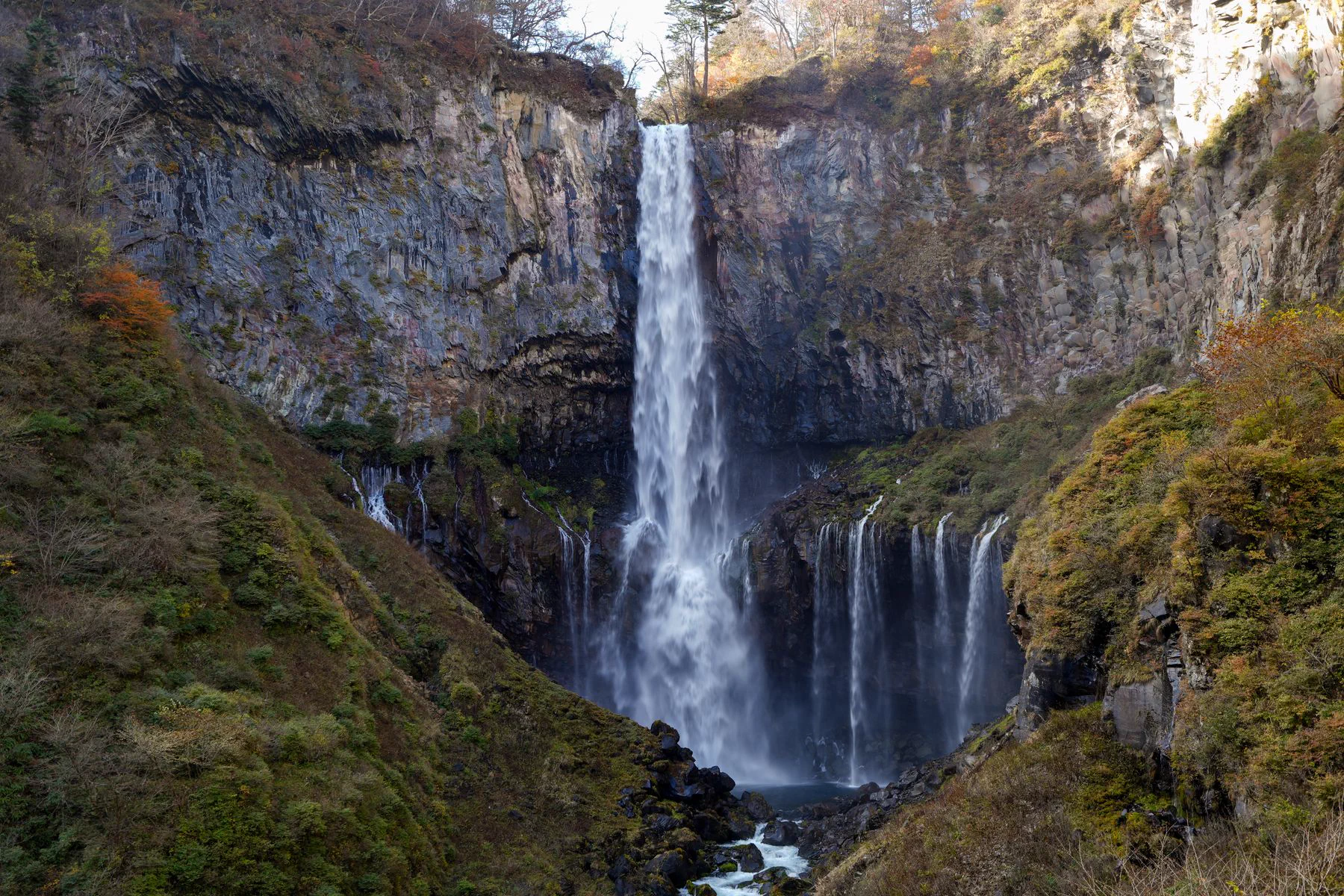
Kegon Falls has a free upper viewpoint and a paid elevator to the lower viewing area. For March through November, the operator lists 8:00 a.m.–5:00 p.m. hours, with the last admission 20 minutes before closing. Return tickets are ¥600 for adults and ¥400 for primary-school children. The elevator can stop in poor weather. The upper viewpoint has a ramp that may require assistance, while the route after the elevator includes steps; check the physical route rather than assuming the attraction is step-free.
The 2026 low-emission bus to the deeper Oku-Nikko area started on April 25. The adult fare is ¥500 and IC cards are accepted. First take the regular bus from Nikko to Akanuma, which takes about 65 minutes in the timetable, then change for Odashirogahara, Sainoko or Senjugahama. That extra transfer makes these places a dedicated second-day choice, not a quick detour before a timed Tokyo evening.
The mountain road is the hinge of this trip. A two-day schedule is forgiving only if each day has one clear purpose: reach the lake and settle in, then decide whether to go deeper into Oku-Nikko or descend. Do not set both days to maximum length just because the map places the stops close together. The road and the bus wait can consume the time between them.
Day one: get uphill early enough to enjoy the lake
Aim to reach Nikko Station by about 9:30 a.m. on an autumn weekend. Leave the main suitcase in reliable storage or arrange forwarding, then join the correct Chuzenji-bound queue. If Irohazaka traffic is already heavy, board for the mountain rather than fitting Toshogu in first. The temples will still be there on day two; your lake hotel check-in and dinner leave less room for recovery.
Around midday, make Kegon Falls your first substantial stop. Budget roughly 60–90 minutes for the walk, possible queues and the choice of viewpoints. In fog, look from the free upper area before buying an elevator ticket. After lunch, take one lakeside option: Chuzenji Temple with Futarasan Chugushi, a short shore walk, the embassy villa memorial parks, or a cruise if the sailing, weather and hotel arrival all line up. Trying to collect them all turns a scenic afternoon into a timetable chase.
A half-board hotel may serve dinner around 6:00 p.m. Ask for its actual start time and latest arrival, especially if you need an allergy or children’s meal. Plan to be back in the hotel area at least an hour before dinner. A late cruise or a long walk beside the lake can be pleasant, but it is not worth arriving after the meal you have already paid for.
Know where to stop adding activities
There are three sensible cutoffs on day one. If the queue at Nikko Station has made the mountain plan unrealistic, stay below for Shinkyo and the temples and move the lake to tomorrow. If you reach Kegon but the weather closes in, have lunch and check in early. By mid-afternoon, stop setting off for distant sights and head towards the hotel. Each cutoff protects the next morning instead of asking one delayed bus to carry the whole itinerary.
Check the next morning’s visibility before choosing the upper trail. A lake stay buys that flexibility: you can see the conditions outside the hotel and take the early bus when they are good. If they are poor, use the descent for the heritage district without spending another night or repeating a long uphill journey.
Day two: choose the upper trail or return to the temples
On a clear, dry morning, take an early bus toward Ryuzu Falls or Akanuma. Ryuzu plus a short Akanuma walk is enough for a gentle Oku-Nikko day. For a longer outing, walk only the Senjogahara section that fits the group and the return buses. The published model for the full research trail is about 6.3 km and 150 minutes; it does not include getting to the trailhead, photographs, rests or waiting for transport. Treat it as a walking estimate, not a promise that you will be back at the hotel in three hours.
Odashirogahara or Senjugahama deserves most of the day if you use the low-emission bus. Write down a return service you can comfortably make before leaving your room, then allow time for food, toilets and the Akanuma change. Rain-soaked boardwalks, fog, wildlife notices and closures can close the plan. Stay on open routes; a barrier is a reason to choose another destination, not to improvise a shortcut.
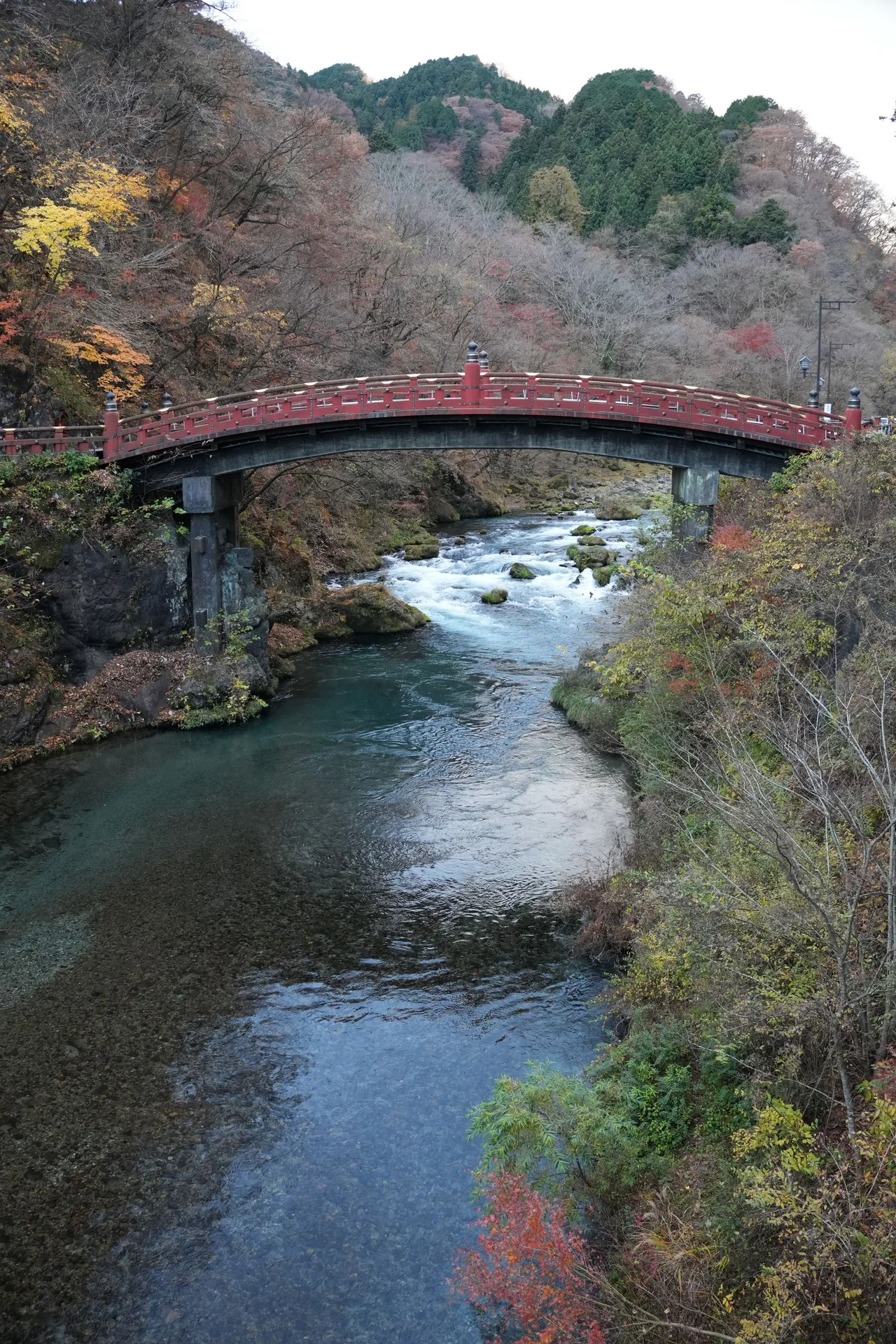
If upper foliage has finished, the weather is wet, or the morning bus queue is long, descend instead. Shinkyo, Rinnoji, Toshogu and Shoyoen make a full second day at lower elevation. This option also suits travellers who would rather see the heritage district than manage another mountain connection. The sequence can run in reverse when forecasts favour the lake on day two, provided your hotel dinner still works.
For a trail day, a fixed return bus should control how far you walk. Turn around with enough time to reach the stop without hurrying on wet ground. A short walk done comfortably leaves space for the lake and the journey home; the longest trail is not automatically the best use of the second day.
The Irohazaka road is the shared bottleneck
Autumn traffic delays the bus and the car alike. Public transport saves you from parking, but it cannot bypass a backed-up mountain road. Leave early, keep the last return bus out of your plan and avoid a same-evening timed event in Tokyo. Drivers need to allow for parking and a dark, cold descent as well as traffic. If the journey down is already running more than 45 minutes late, drop central Nikko sightseeing and protect the train you intend to take back.
Choose the overnight base before comparing room prices
Lake Chuzenji is the useful base for dawn light, photography and an early bus to Ryuzu or Senjogahara. Its trade-off is a smaller evening choice of food and shops; check whether dinner is included, how far the bus stop is, and whether the property has lifts or a shuttle. Central Nikko gives an easier late arrival and a better base for the temples, but it puts Irohazaka into the second day. Kinugawa can offer a larger pool of onsen rooms and lower prices, yet it is not on the lake. Compare the room saving with the extra travel, especially if you hope to start a mountain walk early.
Make the luggage and dinner plan before departure
A small overnight bag is easier on a crowded mountain bus than a full international suitcase. If you return to the same Tokyo hotel, ask whether it will hold the main bag; otherwise consider forwarding it to your next staffed accommodation. Do not depend on finding a large station locker during peak foliage. For a hotel with dinner, confirm the latest check-in, meal time, allergy arrangements, children’s menu and any advance luggage acceptance directly with the property. A booking-site summary may leave out the conditions that affect your arrival.
When does the four-day NIKKO PASS make sense?
The NIKKO PASS All Area currently costs ¥8,000 for adults and lasts four days. It includes a designated Tobu rail round trip and travel in the Nikko bus area; seasonal benefits can include the Lake Chuzenji cruise and low-emission bus. Limited-express reserved seats and shrine entry cost extra. For this two-day route, add up the rail base fare and the buses you will really ride, then count a cruise only if you expect to take it. If you already hold a JR pass or expect a weather-driven change of plan, the all-area pass may be less useful than its long list of inclusions suggests.
Weather swaps that still make the trip worthwhile
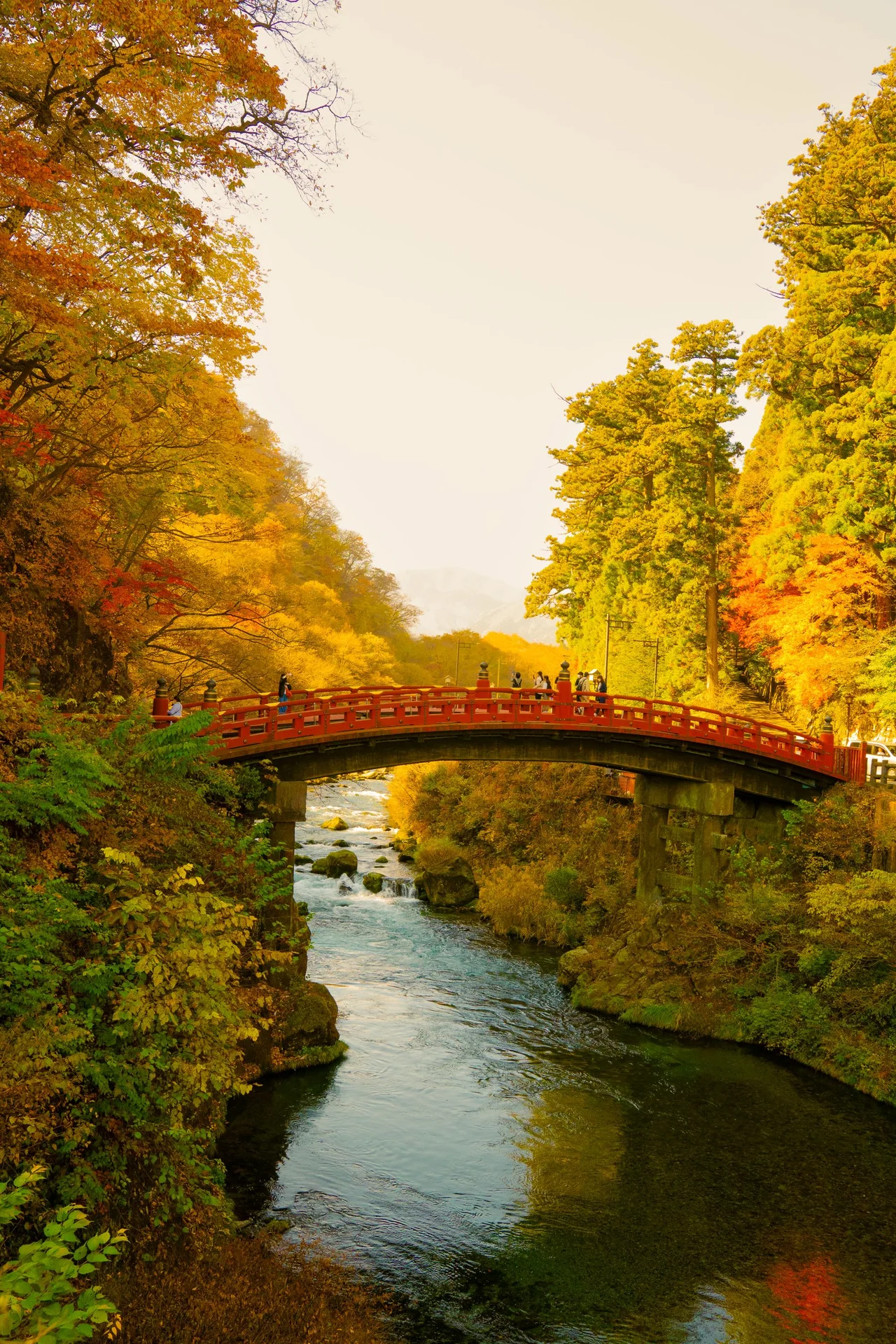
If wind cancels the cruise, keep the shore, Kegon Falls and the memorial parks. If fog hides the upper views, use the natural science museum, onsen or central Nikko instead of waiting indefinitely for it to lift. A wet Senjogahara boardwalk is a reason to shorten the walk around Akanuma. When colour has passed at the higher stops, descend towards Shinkyo and Shoyoen; if central trees remain green, favour the lake or Yumoto. In early snow or ice, drivers without winter-road experience should abandon the car plan, and everyone should follow current road and trail notices.
Compare Lake Chuzenji accommodation
Compare Lake Chuzenji accommodation
Compare hotels near Nikko Station
Related Reading
For the day you travel, use the Tobu Bus Nikko page for mountain services and Kegon Falls elevator details for viewpoint access. The seasonal low-emission bus details belong to the separate Tobu notice.
Nikko itinerary links
Nikko autumn timing | Nikko vs Okunikko | Tokyo to Nikko transport
Nikko Day Trip or Overnight: Which Fits a 4-Day Tokyo Trip?
Japan Autumn Leaves Late October: Tohoku, Nikko and Central Japan
Japan Autumn Leaves Early November: Nikko, Fuji, Nagano and Mountain Kansai
Related guides: Lake Towada Oirase 2 Day Itinerary: Buses, Walks, Cruise and Hotels · Sounkyo Kurodake 2 Day Itinerary: Ropeway, Chairlift, Onsen and Hotels · 14-Day Japan Autumn Leaves Itinerary: Six Routes, Flights and Hotels · Naruko Gorge 2 Day Itinerary: 2026 Trains, Trails, Onsen and Hotels · Osaka 5-Day Itinerary: Give USJ a Full Day — Namba, Umeda, Kaiyukan and Tennoji Without Backtracking · Okinawa 5-Day Itinerary: Don’t Rent a Car on Day 1 — Naha, Onna and Churaumi Without Hotel Hopping · Hiroshima One-Day Itinerary: Peace Park, Castle and Shukkeien · Tokyo, Kawaguchiko and Hakone: 3-Day Itinerary · Tohoku Autumn Leaves Itinerary: 5 or 7 Days, JR EAST PASS and Hotels · Ishigaki, Taketomi and Iriomote: A Flexible 4-Day Island Itinerary