
Miraikan’s Antarctica special exhibition ended on 27 September 2026. As of October 2026, the museum itself is closed for refurbishment through 22 April 2027; a reopening is announced for 23 April. Tickets for the Antarctica display are no longer a Tokyo itinerary option. The exhibition still provides a useful record of what the museum assembled—Antarctic ice, old climate evidence, meteorites, fieldwork and wildlife research—and of why a science-focused visitor would have given Odaiba a half-day. A current trip needs a different museum or waterfront plan.
Before it closed, this was a strong choice for someone interested in polar research or for a family seeking an indoor activity on a rainy or very hot Tokyo day. It was less compelling as a detour for a first-time visitor with only two or three full days and no particular science interest. The archived comparison below preserves the former hours, admission and exhibits so older tickets, photographs and search results are not mistaken for a future event. For a trip happening now, the Tokyo stay-length guide helps decide how much of a scarce city day to give another museum.
The dates that decide the answer now
| Date or condition | What was available | Planning consequence now |
|---|---|---|
| 1 July–27 September 2026 | Antarctica display and permanent galleries under the special ticket | Past exhibition; no new tickets |
| 1, 8 and 15 September 2026 | Exhibition closed on those Tuesdays | Historical date detail, not an open-day calendar |
| 28–30 September 2026 | Antarctica had ended while the museum had not yet entered its long closure | A past three-day gap that cannot be used for an Antarctica visit |
| 1 October 2026–22 April 2027 | Entire Miraikan closed for refurbishment | Choose another attraction for current Tokyo dates |
| 23 April 2027 | Announced museum reopening | Future galleries and tickets should be checked separately; Antarctica is not promised to return |
The exhibition ran 10:00–17:00, with new admission ending at 16:30, and also closed on 7 and 14 July. The museum’s refurbishment closure is a different event from the exhibition’s end. Someone reading a summer 2026 guide might see “Miraikan” and assume the building can still be visited in October; the entire museum is closed, not merely the Antarctica floor. Its reopening announcement concerns the museum, not a continuation of the polar show.
If Odaiba was on the itinerary only because of this exhibition, remove the detour. If the waterfront was already part of the day, another local activity may still fit. The UNKO Museum Tokyo location-and-time assessment considers a very different, playful indoor attraction there; the Toyosu Manyo Club half-day plan serves a bath-and-recovery purpose. Neither should be sold as a replacement for Antarctic science.
What the former ticket included
The 2026 standard special-exhibition admission was ¥2,000 for adults aged nineteen and over, ¥1,300 for ages six to eighteen and ¥900 for ages three to five; children two and under were free. The ticket also admitted the visitor to Miraikan’s permanent galleries. Dome Theater was a separate admission. These are historical prices for a closed event, not current purchase advice. The parenthetical ¥1,800 adult figure on the English page described the group price for eight or more, not an automatic advance-ticket rate for one visitor.
There were limited ¥200-off campaigns for qualifying Rinkai Line or Yurikamome passes and for eligible Koto residents or workers. They required the relevant pass or proof at the special-exhibition counter and did not combine with other discounts. The discounted adult rate was ¥1,800; the qualifying younger bands also fell by ¥200. That small saving never justified buying a day pass solely to discount the museum. Route convenience was the more important transport choice, and all these campaigns ended with the exhibition.
The former time budget was two to three hours for the special exhibition alone. Four to five hours made sense when someone also wanted permanent galleries and a meal, because there was no second permanent-gallery admission under the same ticket. Included entry did not make extra museum time costless: it still used a Tokyo afternoon. The National Museum of Nature and Science time-and-ticket guide poses the same question for a current Ueno museum visit, though its collections and admission rules differ.
The 16:30 final-entry time was never a recommendation to arrive at 16:00 for a full polar visit. Arriving before 13:00 left space for a long museum visit and lunch; 13:00–14:00 could still cover the exhibition and selected permanent rooms; a 14:00–15:00 arrival required prioritising the special show. After 15:00, a visitor would have had to accept a compressed visit. Those were practical time windows, not entry regulations, and they should not be reused as hours for the reopened museum without its new schedule.
Why the science section was distinct
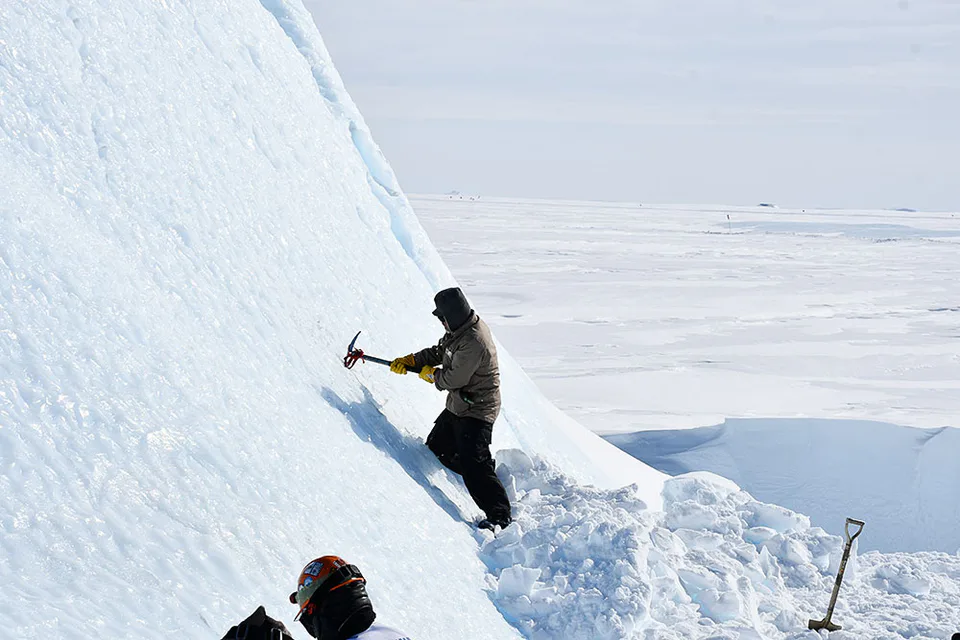
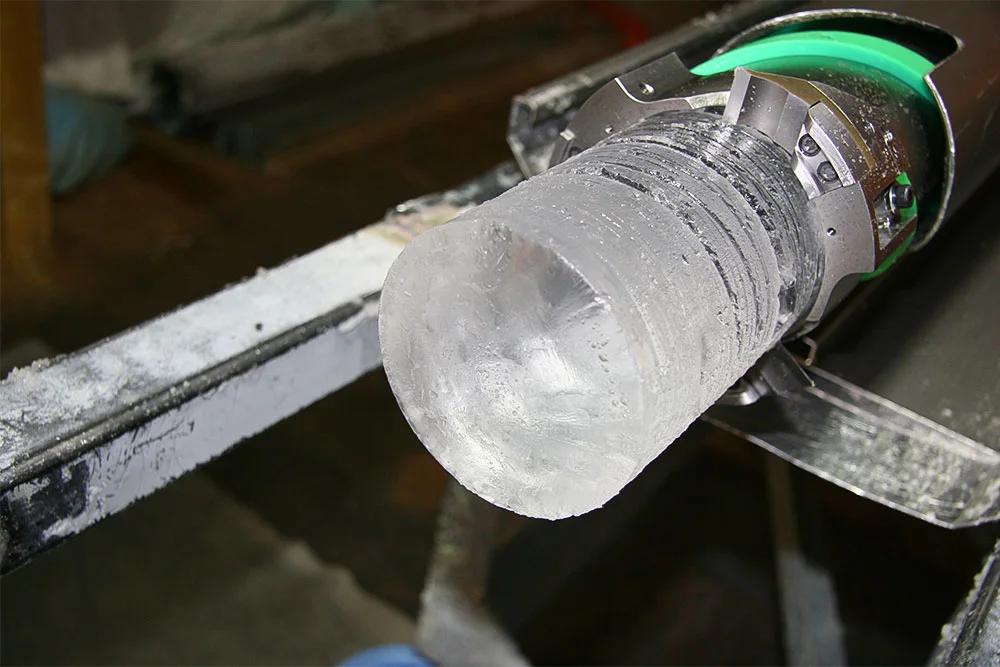
The display offered actual Antarctic ice and an ice core containing old trapped air. The core turned climate records into a physical object rather than a chart, while the ice made the environment tactile. A blizzard experience translated field conditions into something a visitor could feel. This was stronger as a science visit than as a collection of picturesque Antarctic photographs. The exhibition’s story connected field measurements, logistical work and long-term evidence, not only a distant frozen landscape.
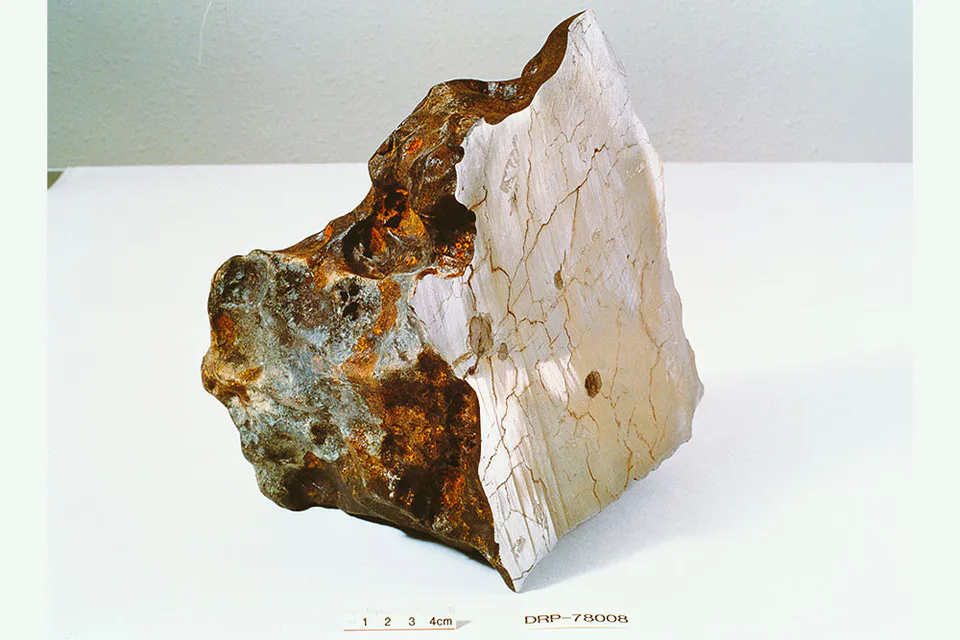
More than thirty Antarctic meteorites were exhibited, including specimens connected to the Moon and Mars and touchable iron meteorites. Antarctica is a major meteorite collection landscape because dark rocks can be seen against ice and glacial movement concentrates them. The display used those finds to connect polar expeditions with planetary science. A visitor who cared about that subject had a stronger reason to cross Tokyo than someone who merely wanted another indoor Odaiba stop.
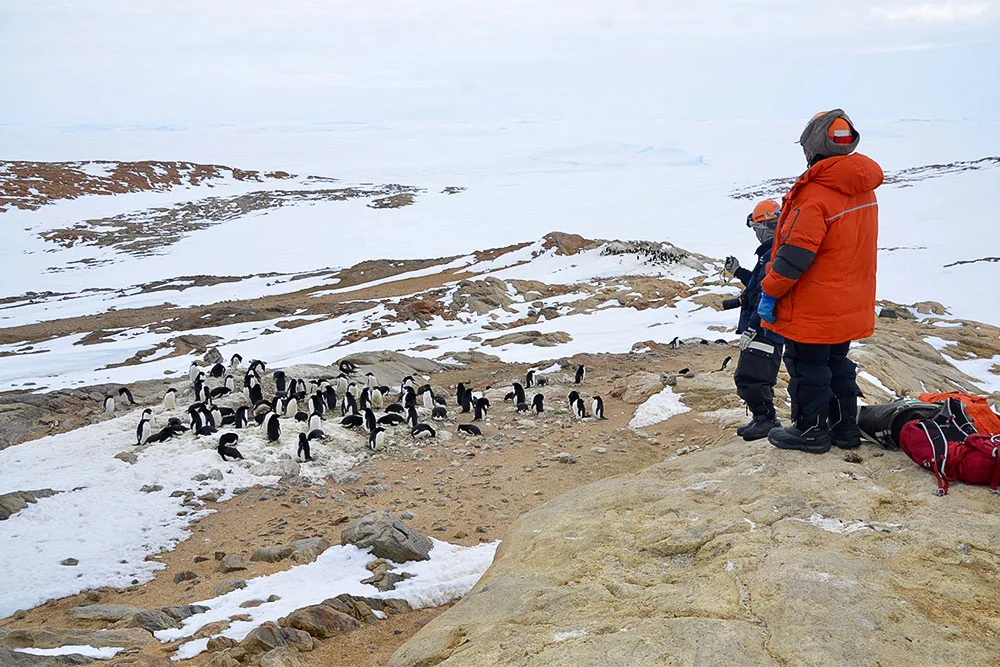
The Showa Station material added a human and operational scale: how people work, live and observe in the field over time. Wildlife sections used penguins and seals to explain research rather than to offer a zoo-style animal visit. The Penguin Census was an example of repeated ecological monitoring at nesting sites. A family could have spent extra time on a hands-on station, while an adult with narrower interest might move more quickly to the core, meteorites and field research.
An aurora installation made a visual ending, but it was not the most distinctive reason to allocate the half-day. If a visitor’s only interest was a photograph under coloured light, another contemporary Tokyo installation might have served that aim with less travel. The Art Aquarium Museum Ginza visit decision and Nezu Museum garden-and-gallery guide illustrate two very different indoor or semi-indoor uses of a Tokyo afternoon; neither replicates polar research.
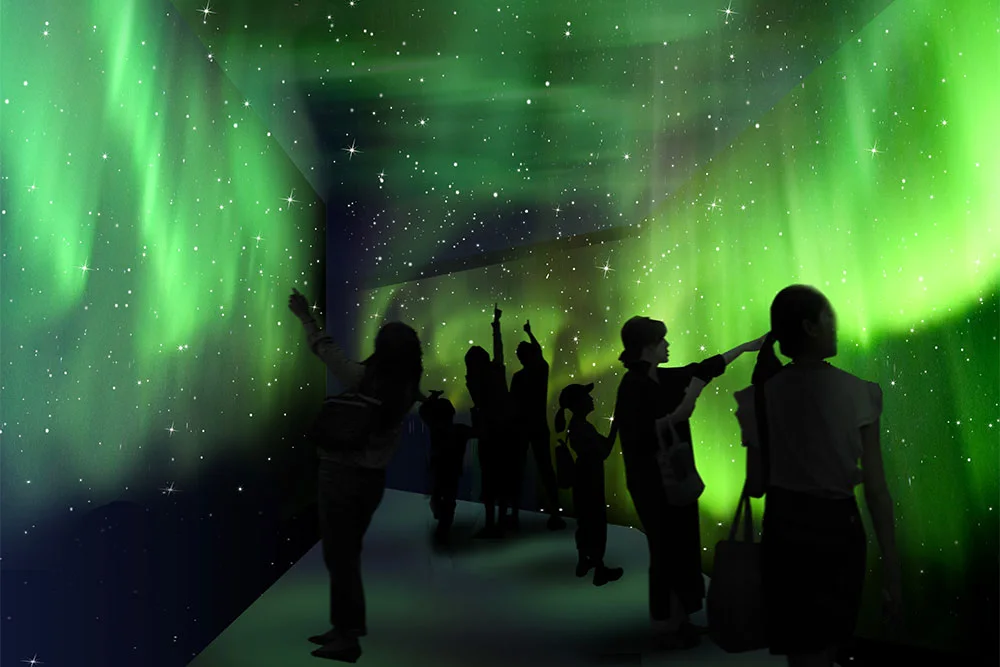
Family pace and adult interest were different tests
For a science-minded family, the special ticket’s included permanent galleries created useful slack. A child might stay with the ice or storm installation far longer than expected, then tire before the rest of Miraikan. Another family might finish the polar floor quickly and continue upstairs. Because the second part had already been paid for, the group could let attention set the length without purchasing another museum entry. This mattered on a wet or extremely hot day when a flexible indoor afternoon was valuable.
It was not a universal family recommendation. A child looking for rides or a character experience might not become interested in climate records because the ticket covered more rooms. A family with a fixed timed booking later in Odaiba had to cap the exhibition rather than attempting to see every permanent gallery. The UNKO Museum Tokyo comparison serves short playful participation, while the Cup Noodles Museum Yokohama workshop guide illustrates how a hands-on activity can be the real reservation constraint in a family day.
An adult without children was better served by comparing subjects. Miraikan’s former Antarctica floor concentrated on polar field science, climate evidence and meteorites. Ueno’s National Museum of Nature and Science covers a broader natural-history and science collection in a more central sightseeing cluster. The Ueno science museum route is the closer current substitute when the goal is scientific content. The Tokyo National Museum ticket guide suits a different interest in history and art.
Someone drawn to Miraikan for emerging technology rather than Antarctica may prefer to compare a different kind of interactive visit. The Future of Life Plus experience at Takanawa is a much shorter commitment and has its own dated availability. A family interested in engineering rather than polar fieldwork can examine the Saitama Railway Museum visit. Neither is a substitute exhibit; the point is to choose by the subject and time actually wanted.
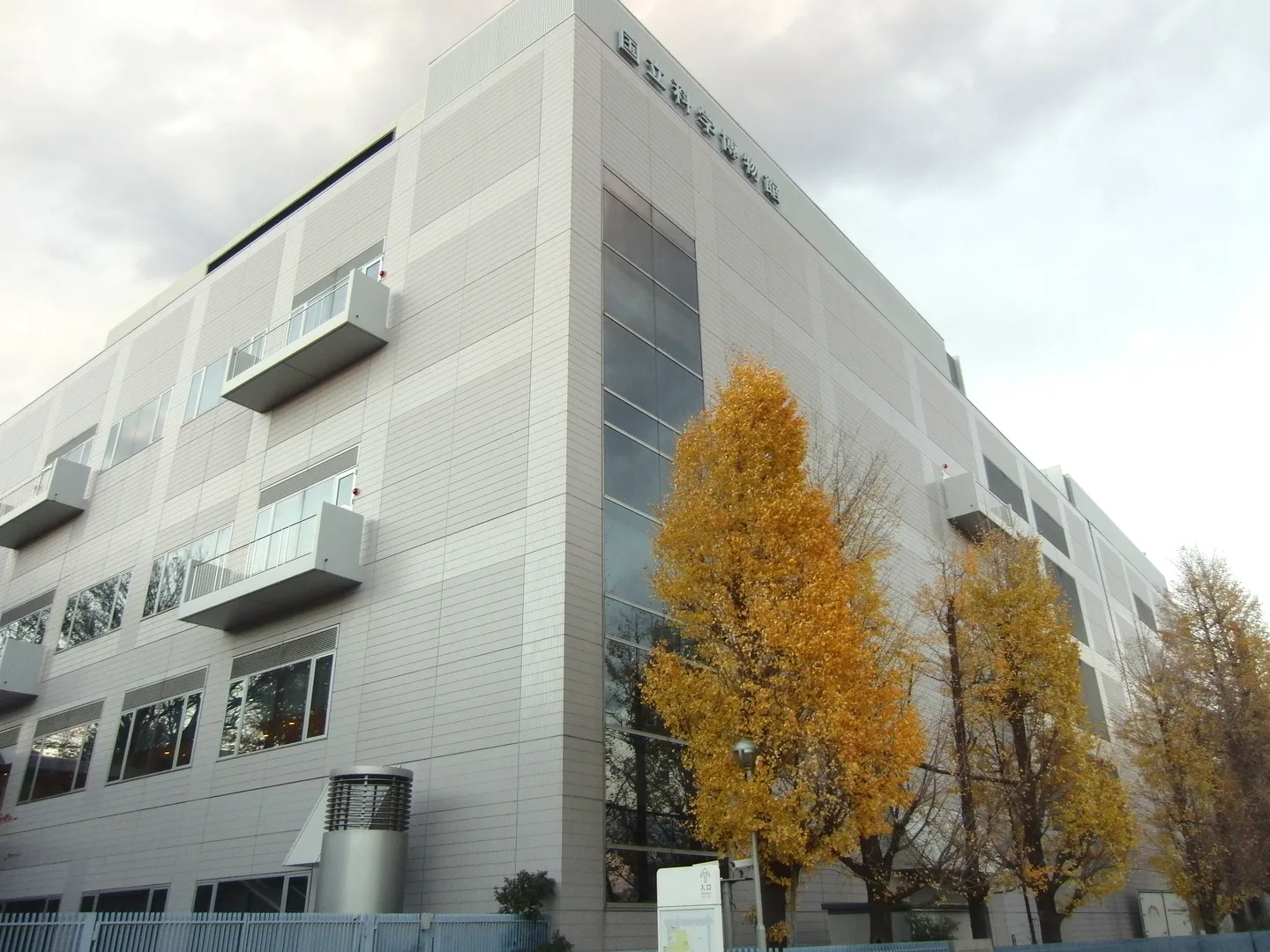
The Ueno building is not Miraikan; it is pictured here as a separate science-museum option during Miraikan’s closure. Its district makes it easier to combine with Ueno Park, nearby museums and an evening elsewhere in central Tokyo. It may also claim three to five hours if the collection fits the visitor’s interests. A family choosing it to replace an Antarctic show should inspect its permanent displays rather than assuming the old Miraikan exhibits have moved there.
A visitor whose Tokyo indoor time is more art than science can use the Artizon Museum exhibition pairing as a separate choice near the centre. Its show dates and ticket structure belong to that venue. Treating every museum as interchangeable would obscure why the 2026 polar display was distinctive: it combined field research, climate records, touchable objects and an extreme-weather environment in one visit.
Odaiba transport still has a walking difference
Miraikan’s visitor information put the building about five minutes on foot from Tokyo International Cruise Terminal Station on the Yurikamome and about fifteen minutes from Tokyo Teleport on the Rinkai Line. That ten-minute difference mattered in summer heat, hard rain or with a child or older traveller. Yet the better line depended on the hotel and the next stop: a longer walk could still avoid a cross-city transfer. The transport comparison is historical for Miraikan while closed; it remains useful only if another current Odaiba attraction is near the same stop.
The former ¥200 ticket campaigns never made a day pass automatically worthwhile. A pass had to fit the rest of the route as well as qualify at the counter. For a current Odaiba visit, choose the rail line by the attractions actually open, then evaluate any present fare product separately. The free Tokyo activity guide makes the broader point: saving a small admission or fare amount can cost more in unnecessary travel than it returns.
Miraikan paired most cleanly with another east-side or waterfront stop. Toyosu Manyo Club offered a bath and rooftop footbath as an indoor recovery block; a family might prefer a short interactive attraction in Odaiba. A museum-to-west-Tokyo-to-third-district sequence wasted the geographic advantage. While Miraikan is closed, these are stand-alone destinations, not attachments to the Antarctica event. The Toyosu Manyo Club half-day plan helps determine whether it fills the time left by a different east-side activity.
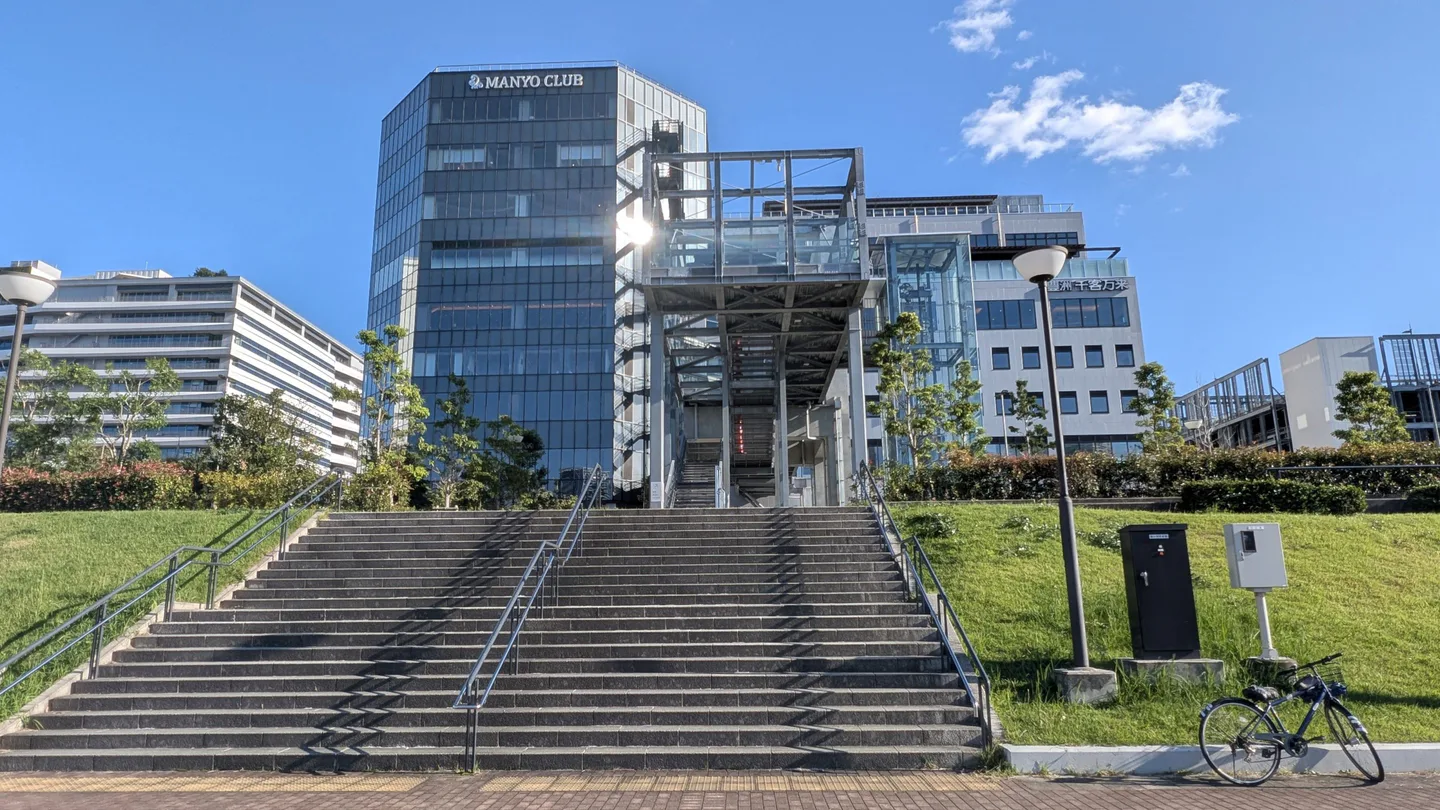
The Toyosu waterfront photograph marks a different destination, not a Miraikan exhibit. It is an option only if a bath, dining or waterfront pause is what the traveller wants now. A visitor whose interest was Antarctic science should choose a relevant open museum instead. A first Tokyo itinerary with little spare time should not keep an Odaiba half-day simply because the old exhibition appears in an out-of-date search result.
How to use the archived itinerary without booking a closed museum
The former profiles remain instructive. A science-focused visitor with four or five Tokyo days would have given Antarctica two to three hours, continuing to permanent galleries only while engaged. A family facing heavy rain could have used the included galleries and meal as flexible indoor time. A first-time visitor with only two or three days should have gone only if polar research outranked another district. Those trade-offs survive even though the actual event does not. The Tokyo four-, five- and seven-day plan can now allocate that half-day to something open.
For current dates, decide what originally made Antarctica attractive. If it was science, inspect the Ueno museum’s present opening calendar. If it was hands-on family time, compare an attraction whose activity and ticket rules suit the child’s age. If it was shelter from weather, choose an indoor stop in the district already on your route. If it was the waterfront, visit Odaiba or Toyosu for their own reasons. The seven-day Tokyo route can expose whether any cross-city half-day belongs in the week.
A traveller with only a partial arrival or departure day needs a still smaller choice. The Tokyo first-and-last-day usable-hours guide works backward from luggage and transport. That is a better frame than reviving an old late-entry rule for a museum which is closed. A three-hour window near a central station can be more satisfying than spending much of it reaching the bay simply because the 2026 exhibition once took two to three hours.
The museum has announced a 23 April 2027 reopening after the refurbishment, but a reopened building does not revive the 2026 Antarctica show or its old ticket discount. Check its new galleries, admission and hours when planning a later trip. Until then, the meaningful status is straightforward: Antarctica ended; Miraikan is closed. A current Odaiba hotel should be selected for other attractions or the next-day route, not for a walk to a museum whose doors are shut. Travellers already staying on the waterfront can compare Odaiba hotels against their actual open plans.
Related Tokyo visits
Other dated event and city plans: USJ Halloween Horror Nights All Night 2026: Tickets and Plan, USJ Halloween 2026 Guide: Dates, Tickets, Attractions and Hotels, September Grand Sumo Tokyo 2026 Is Sold Out: Official Resale and No Walk-Ups, Kyoto Gozan Okuribi: What the 2026 Viewpoint and Exit Plan Teaches, MAPPA EXPO 2026: Overseas Tickets Are Live — Choose the Right Exhibition Period.
Other dated event and city plans: USJ Tickets and Express Pass 2026: Halloween Buying Guide, Sendai Tanabata Festival 2026: Fireworks, Three-Day Plan and Where to Stay, Big Tamagotchi Exhibition Osaka Guide: Sold-Out Tickets, Timed Entry and Umeda Access, KidZania Fukuoka Tickets 2026: 4 vs 6 vs 8 Hours — and Is the English Program Worth It?, Kyoto Autumn Illumination 2026: Temples, Tickets, Transport and Hotels.
Other dated event and city plans: Kishiwada Danjiri October 2026: Districts, Transport and How to Plan the Day, Aichi-Nagoya Asian Games 2026: Tickets, Venues, Hotels and Transport, Kochi Yosakoi Accessibility 2026: Wheelchair Seats and Low-Walking Plan, Kyoto Kibune Kawadoko 2026: Prices, Rain, Bus 33 and Shrine Plan.
Event history and museum status: Antarctica exhibition archive, Miraikan visitor information, the 2026 transport-pass discount record, Miraikan 2026 notices and the full-museum closure notice.