
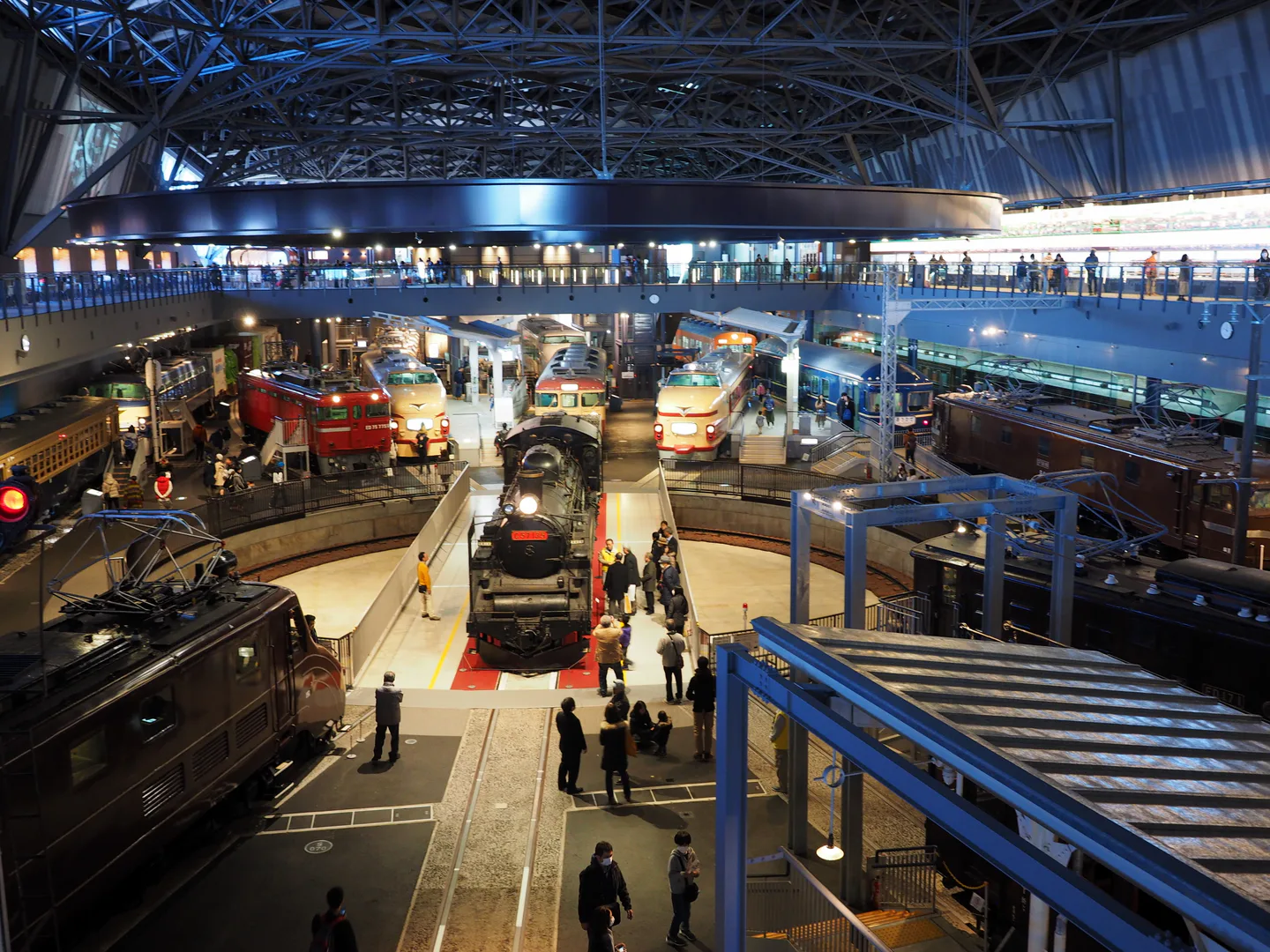
The ticket counter is the least difficult part of a Railway Museum day in Saitama. An adult pays ¥1,500 before the visit or ¥1,600 on the day. The difference is modest; the consequential question is whether a particular driving program matters enough to reserve it. Someone who wants to see the rolling stock can buy ordinary admission. A family promising a child a turn on the Miniature Driving Train needs a different plan, because entry alone does not assign a driving slot. From central Tokyo, Omiya also consumes travel time that a low admission price can disguise.
The museum can fill a rail-focused half-day with preserved vehicles, operating history, a diorama, job and science exhibits, and places to watch trains outside. A visitor with two Tokyo days may reasonably keep those hours in the city. A repeat visitor or a school-age child absorbed by trains gets more out of the journey. Decide first how valuable the museum is to your itinerary, then choose between regular entry, a chance in the on-site draw, and a reserved hands-on experience. Those choices buy different levels of certainty.
Three ways to enter, and the extra promise each one buys
↔ Scroll table left or right
| Purchase | Entry or activity secured | What remains uncertain | When it fits |
| Admission at the door | Museum entry: adult ¥1,600; student ¥600; preschooler ¥300 | A named simulator or driving slot | A weather-dependent visit |
| Admission before the previous day | Entry: adult ¥1,500; student ¥500; preschooler ¥200 | Access to a limited hands-on program | A date already chosen |
| Admission, then the museum draw | Entry plus an opportunity to request selected programs | Whether the draw awards the activity | Visitors content with the collection alone |
| Seven Ticket experience bundle | Entry plus the specific selected program and time | Freedom to alter the purchase later | A non-negotiable activity with a fixed schedule |
The ordinary ticket, including a third-party admission voucher, opens the building. It does not secure the E5 or D51 simulator, conductor program, driver classroom or small driving train. Those experiences have limited places and separate rules. If a named activity is central to the day, inspect the Seven Ticket package before purchasing admission elsewhere. A second ordinary admission ticket cannot turn a sold-out experience into a reservation. If exhibits alone would satisfy the group, leave the day flexible and treat any hands-on slot as a bonus.
The ¥400 difference is a price for a definite slot
Several headline programs carry a ¥600 fee when obtained through the museum draw. Seven Ticket lists a ¥1,000 reserved-experience charge for a named slot, added to admission for everyone entering together. The extra ¥400 is per reserved experience, not per member of a family sharing one Miniature Driving Train car. For an adult with a fixed E5 goal, advance entry plus a successful draw totals ¥2,100; advance entry with the reserved program is ¥2,500. A party of two adults and two school-age children pays ¥4,000 advance admission, then either ¥600 for a won Miniature Driving Train car or ¥1,000 for its reserved slot. The table makes the arithmetic visible without pretending that a draw win is assured.
↔ Scroll table left or right
| Party and activity | Advance entry plus ¥600 draw price | Advance entry plus ¥1,000 reservation | Additional certainty cost |
| One adult, E5 Simulator | ¥2,100 if the draw succeeds | ¥2,500 with a named slot | ¥400 |
| Two adults and two students, one Miniature Driving Train car | ¥4,600 if the draw succeeds | ¥5,000 with the car reserved | ¥400 |
Whether to spend ¥400 depends on the consequence of missing the program. For a family happy to see the large vehicles and diorama, the raffle is a reasonable gamble. When one child has made the small driving train the purpose of the excursion, the guaranteed slot can protect a journey that already uses much of the day. Neither option makes the other exhibits better. The museum’s collection remains worthwhile when a draw fails, so do not reserve a simulation merely because the premium looks small next to a Tokyo hotel bill.
Seven Ticket starts selling reserved-experience admission at 10:00 seven days before entry and lists the cutoff as 23:29 on the preceding day, while stock lasts. It says purchases cannot be changed or refunded for the buyer’s convenience. That is an important exchange: certainty about one activity in return for a fixed date and time. Check ages and the party’s train arrival before committing. A slot early in the day is not useful if the group will only reach Omiya after lunch. The standard advance admission deadline is the previous day; paying on arrival remains possible at the higher rate.
Who benefits enough to travel north to Omiya?
↔ Scroll table left or right
| Visitor | Omiya decision | Reason | Cost of that choice |
| Rail fan or child with a particular activity in mind | Allocate a half-day; reserve if missing it would hurt | The displays and chosen program both fit the interest | A timed purchase fixes the date |
| Repeat Tokyo visitor seeking an indoor outing | Allow three or four hours | Rolling stock, jobs, science and train watching add depth | The northbound journey uses part of the day |
| First Tokyo trip with two full days | Go only if railways outrank a city neighborhood | Admission is cheap but the excursion is not brief | You give up central Tokyo time |
| Rainy-day alternative | Keep admission flexible | Same-day entry adds ¥100 per person | Popular programs may be gone |
| Preschool family focused on simulators | Inspect each program age threshold first | Several driving activities exclude preschool operators | A child ticket does not buy eligibility |
The value changes with the trip, even though the exhibits do not
Historic rolling stock and participatory railway displays are unusual enough to make this a strong dedicated museum day for enthusiasts. The same collection competes with very different priorities on a first Tokyo trip. Time, route, weather and booking certainty matter more than an invented numerical rating. Most of the visit works in rain, but a popular hands-on program can still be unavailable. A northern or eastern Tokyo hotel makes the rail journey easier than a base tied to western-city evenings. Use the dimensions below to decide what you would give up, rather than treating admission cost as a complete value measure.
↔ Scroll table left or right
| Dimension | For a dedicated rail day | For a casual Tokyo detour | Planning implication |
| Distinctiveness | The vehicle collection is the purpose | Still impressive, but not the main interest | Prioritize what your group actually enjoys |
| Time | Three to four hours are useful | The Omiya journey consumes a scarce half-day | Count travel as well as gallery time |
| Route | Natural if other northern plans align | Awkward beside western-city plans | Keep one Tokyo hotel; adjust day order |
| Weather | Indoor galleries protect the plan | Rain may make it a backup | Admission flexibility can be worth ¥100 |
| Booking | A reserved activity may justify a fixed date | Ordinary entry is enough | Do not buy a timed slot without a goal |
| Crowding | Draws and inventory affect popular programs | The main collection remains available | Separate exhibit value from activity access |
| Money | Admission buys a large museum | Opportunity cost dominates ticket cost | Judge the displaced sightseeing time |
Allow two to three hours for the collection; a program changes the clock
The museum suggests about two or three hours for a standard visit and longer for interactive displays or the railway diorama. Another ticket platform proposes roughly two to four hours. Both ranges make sense when used as planning bands rather than promises. A focused adult can look at the vehicle hall and selected galleries efficiently; a family may pause for an ekiben, wait for a draw result, enter a simulator at an assigned time and go to the roof to watch passing trains. Reaching the entrance at 15:00 leaves only two hours until closing, even though last admission is later. Give the museum the half-day it warrants if the subject matters.
This is why an inexpensive admission can still be an expensive itinerary choice. Omiya is a deliberate excursion from Tokyo, followed by a short New Shuttle ride. If the city itself is still unfamiliar, compare six Tokyo hotel areas for a first visit before assigning a half-day outside it. Families might instead keep central time for the National Museum of Nature and Science in Ueno. Those museums answer different interests: the Saitama trip is strongest when vehicles and railway work are the attraction, not merely when rain creates a gap in the calendar.
Choose the Tokyo base before adding the Omiya excursion
A cheap child ticket does not open every simulator
The Miniature Driving Train allows a driver of elementary-school age or older and carries up to three people including that driver. Elementary-school age is also the entry threshold for the E5 Simulator, the Conductor Simulator and the Driver Simulator Classroom. The D51 Simulator requires junior-high-school age or older. A preschooler may ride the Mini Shinkansen with an accompanying adult, but cannot take the controls of the headline driving programs simply because their museum admission is paid. The precise age rule belongs to the named activity, so match the child to that activity before putting it in the day’s promise.
For younger children, build the visit around things they can actually use: looking at the full-size trains, the child-oriented areas and any age-appropriate ride that is running that day. The Mini Shinkansen has its own fee and may close seasonally, so treat it as a possibility rather than a guaranteed consolation prize. If adults want the D51 simulator, account for a child waiting with another adult during that slot. The Yokohama Anpanman museum decision is a more child-led alternative on another day, with a very different ticket and location.
Admission saves ¥100 per person when the date is settled
The current admission schedule charges adults ¥1,500 in advance and ¥1,600 on arrival. Elementary, junior-high and high-school students pay ¥500 or ¥600; children aged three to preschool age pay ¥200 or ¥300. Advance sales close the previous day. Two adults therefore save ¥200 by booking ahead, while two adults and two school-age children save ¥400. Those yen amounts are more useful than old dollar conversions because exchange rates move. If this is a weather fallback, the extra ¥100 per person may be a fair price for choosing the morning you actually go. A fixed rail-enthusiast day makes the advance saving straightforward.
↔ Scroll table left or right
| Visitors | Bought before the previous day | Bought on arrival | Difference |
| One adult | ¥1,500 | ¥1,600 | ¥100 |
| Two adults | ¥3,000 | ¥3,200 | ¥200 |
| Two adults and two school-age children | ¥4,000 | ¥4,400 | ¥400 |
The family total is ¥4,000 before the visit or ¥4,400 at the door, excluding paid experiences and transport. A family with a child below three should calculate its own composition rather than copying that example. If an admission voucher is sold by a partner, compare its final checkout amount, valid date and cancellation terms with the museum’s own ¥1,500 adult benchmark. A quick purchase is useful only if its conditions fit your plans. The Tokyo National Museum ticket comparison illustrates a different museum where the exhibition choice, not a simulator reservation, changes the price question.
The last leg from Omiya costs ¥190 by paper ticket
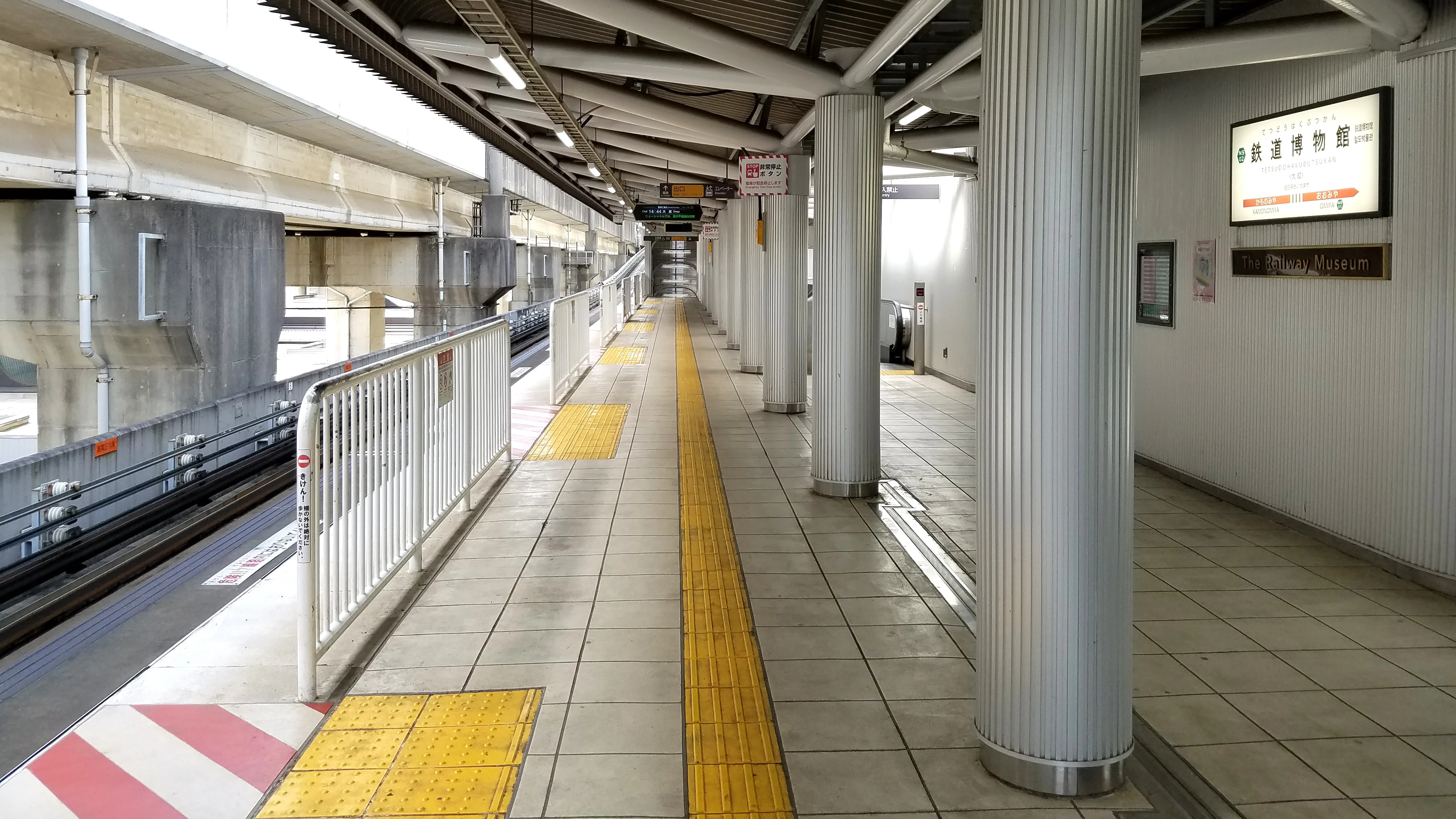
From Omiya Station, take the New Shuttle one stop to Railway Museum Station; the museum is about a minute away on foot. The railway lists ¥190 for an adult paper ticket from Omiya to the museum station and ¥189 by IC card. That is ¥380 return on paper tickets or ¥378 by IC, before the JR trip between Omiya and your Tokyo base. The amount is small next to museum time, yet it belongs in a realistic family total. Allow for finding the New Shuttle platforms at Omiya rather than treating the transfer as a direct exit from a Tokyo train.
Route fit is a hotel issue, not a reason to switch rooms for one museum. Tokyo Station versus Shinjuku explains the broader east-west base decision, while Shinjuku versus Shibuya addresses two western alternatives. A stay in Ueno can make a northern excursion feel more natural than one anchored around Shinjuku nightlife; Ueno versus Shinjuku weighs that trade-off. Keep the same room if it works for the rest of the trip and leave a proper travel buffer on museum day.
Admission platforms cannot reserve a simulator for you
Klook’s listed Railway Museum product is an admission voucher for a selected date. Instant confirmation can remove one purchase step, but it is still only entry. Its product terms have described the booking as non-refundable and not changeable; inspect the final conditions before paying because partner listings can change. The museum directs visitors wanting a reserved Miniature Driving Train, E5, D51 or Conductor Simulator experience to Seven Ticket. That distinction is more important than a small price difference between admission sellers. A ticket that does not name the desired activity should never be assumed to include it.
If you know your visit date and want the collection, compare the Klook admission offer with direct advance admission. If the purpose is a driver’s seat, look for the exact activity in Seven Ticket first, then choose ordinary admission only if the reserved option is unavailable or unnecessary. A timed ticket cannot be made flexible by buying it through a different seller. For comparison, Small Worlds Tokyo is a shorter indoor outing with a different, less railway-specific commitment.
Some booking links in this article may earn JapanLayer a commission without changing your price.
Compare admission for your chosen date
Railway advertising remains on display through 9 November 2026
The collection exhibition Railway Ads: That Day, That Place, That Ad began on 11 July 2026 and now runs through 9 November 2026. An earlier date in this article ended it in September; the museum has since extended or updated the published end date. The displays trace railway advertising from earlier eras to modern media, and an associated ekiben-container display looks at station-food design. Visitors interested in graphic design or social history get another reason to spend time upstairs. The exhibition is an addition to the regular train collection, not a reason to rush there if railways hold no appeal. Check which galleries are included when selecting an exact visit day.
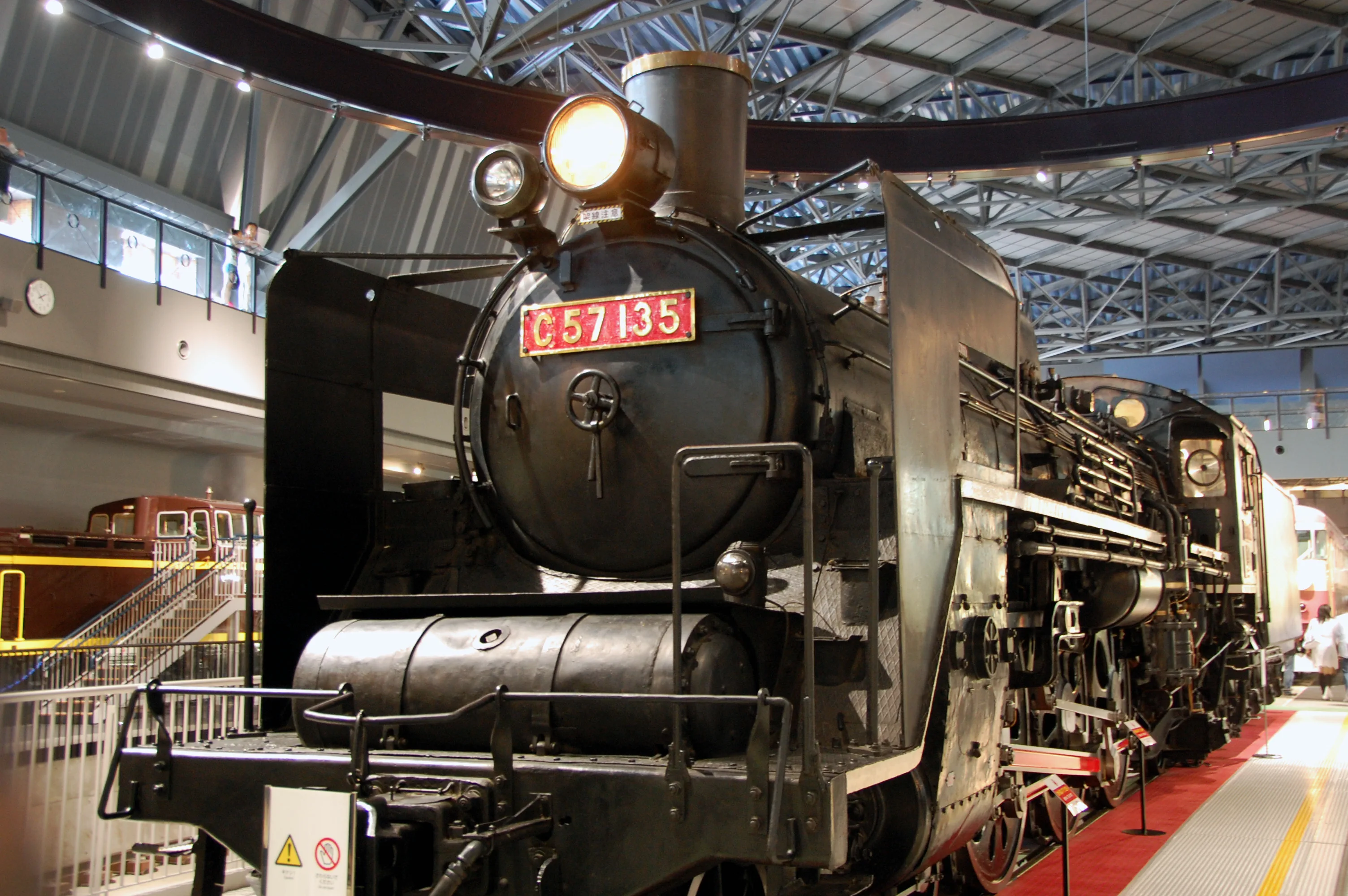
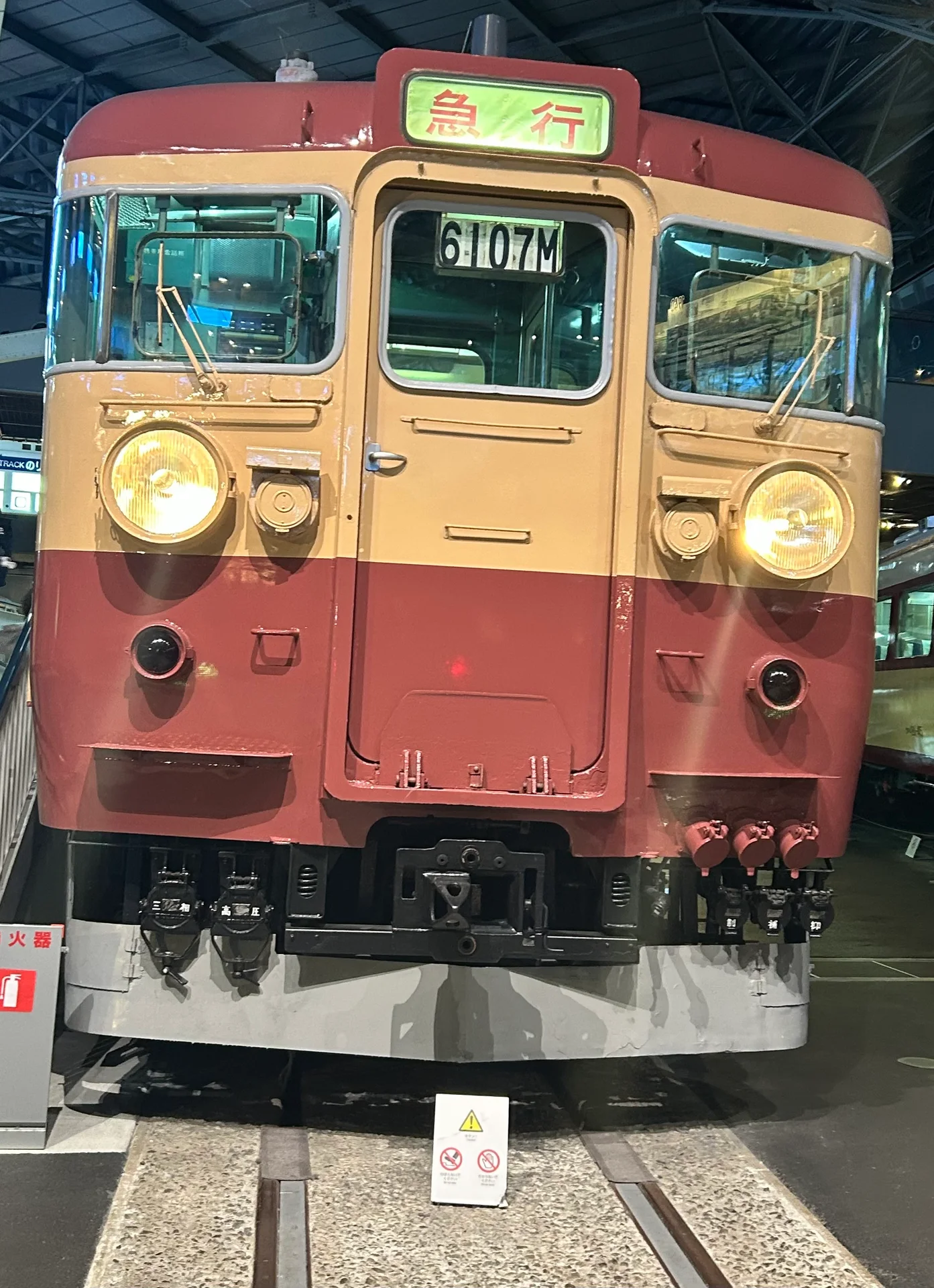
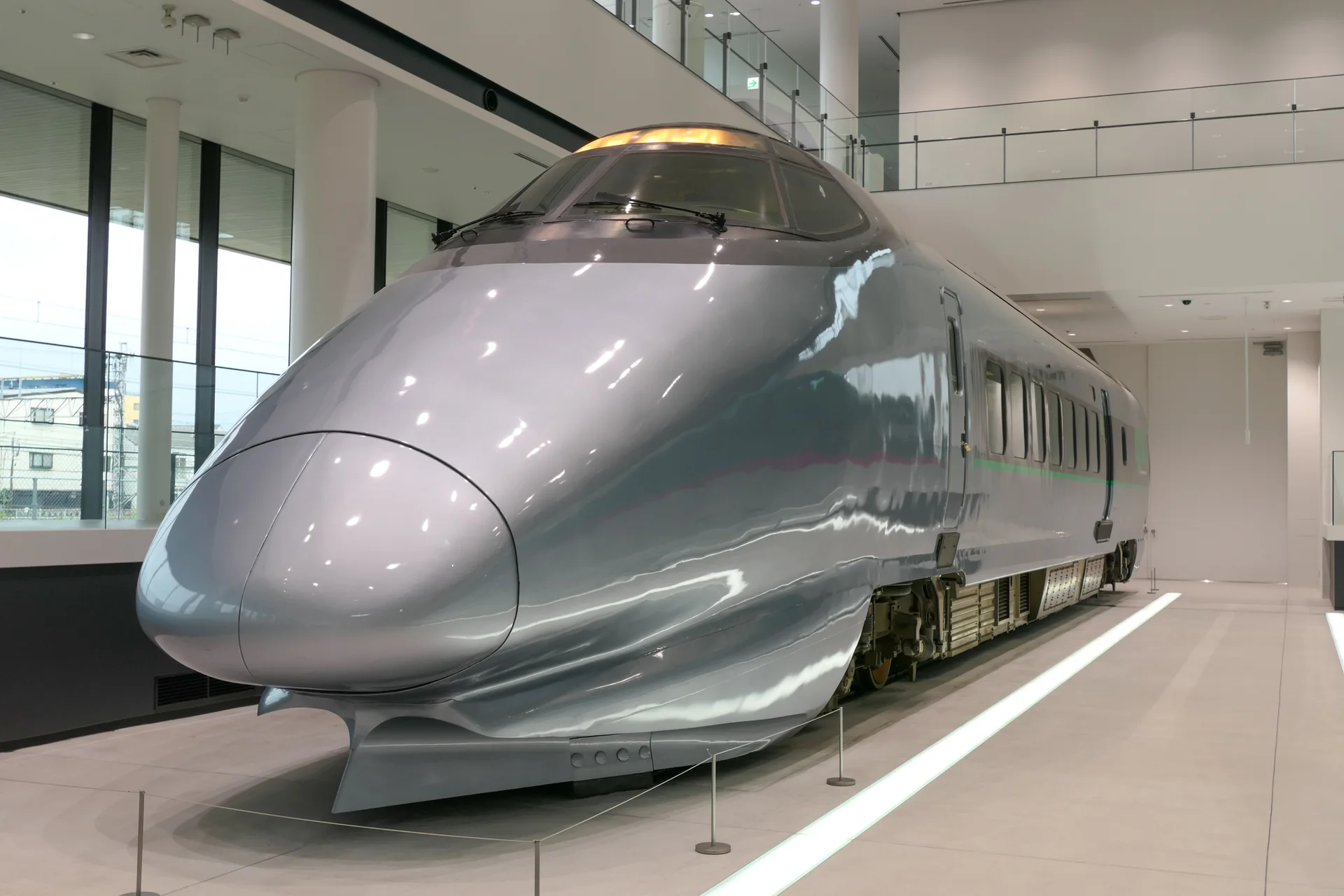
Museum exhibitions can also make the day more rewarding for mixed-interest groups. One person can spend longer with the C57 135 steam locomotive or the Series 400 Shinkansen while another looks at the railway adverts and travel culture. The Artizon Museum exhibition decision in central Tokyo is a better comparison for an art-led day. Avoid placing both institutions in a tight two-hour slot; the Saitama museum has a longer approach and is strongest when the vehicle hall gets unhurried time.
The 16:30 entry cutoff is not a sensible arrival target
Normal museum hours are 10:00–17:00, with entry ending at 16:30. Tuesdays and the New Year period are generally closed, though the operating calendar has exceptions. A 16:30 ticket gives half an hour inside, far below the museum’s own two-to-three-hour planning range. Even 15:00 makes the gallery choice compressed and can leave paid experiences unusable. Aim to reach Omiya with enough margin for its New Shuttle transfer and lunch. If your morning is occupied by another ticketed attraction, move this museum to a different day rather than trying to collect both entrance receipts.
Interactive schedules are tighter still. The published Miniature Driving Train and D51 program windows finish around 16:30; the E5 Simulator has been listed later, around 16:45. A later closing time for one activity is no substitute for availability or a winning draw. Treat booked time as the fixed point, then arrange exhibits and food around it. A family arriving after lunch should not promise a raffle program without checking the actual day’s operating information. If weather is why you chose the museum, indoor exhibit time is reliable; a specific slot is a separate uncertainty.
The practical choice is how much certainty you need
A railway enthusiast, repeat Tokyo visitor or family with a school-age child who cares about trains can justify the Omiya half-day readily. Someone with only two full days in Tokyo and mild train interest may use that time better in the city. The visible ticket saving is ¥100 per person; the real decision is whether the visit displaces something more important. The large vehicle collection and weather resilience do not depend on obtaining a simulator slot. That makes ordinary admission perfectly sufficient for many adults, including those who would enjoy the diorama, science displays and rooftop train viewing without handling a controller.
The raffle costs less if it succeeds. A reserved activity costs more and fixes the schedule. There is no universal winner: paying ¥400 for certainty makes sense only when missing the named experience would materially diminish the trip. Age restrictions can settle the matter before price does. If the youngest child cannot operate the target simulator, do not buy a promise they cannot use. If an older child will be disappointed without the Miniature Driving Train, choose a reserved car if available and if the party can commit to its time. This is a family expectation decision as much as a ticket decision.
Plan in this order: give Omiya an honest half-day on the Tokyo itinerary; check the ages for any named experience; decide whether a raffle result would be acceptable; then compare the relevant admission and reserved-experience channels. Seven Ticket opens its experience inventory seven days ahead, while a regular advance ticket can wait until the prior day. Leave room for the New Shuttle and the museum’s 17:00 close. If you need a Tokyo hotel after assigning the museum date, compare stays around your actual rail base rather than relocating solely for this outing.
Railway Museum and transport details
Railway Museum admission and hours · hands-on programs and age rules · museum draw app · Seven Ticket admission and reserved experiences · New Shuttle Omiya fare · current exhibition programme.
The yen prices and November 2026 exhibition end date above reflect the current venue and ticket listings. Exact activity availability, partner checkout terms and the museum calendar are date-specific. Budget in yen rather than relying on a dated US-dollar conversion.
Nearby decisions for a Tokyo museum day
Other city outings
Where to stay on a first Tokyo visit
Related guides: Nada no Kenka Matsuri 2026: If You Only Go One Day, Choose Oct 15 · Sakura Castle: The Stamp Is Open 24/7 — The Castle Is in the Moats, Not a Keep · Kyoto International Manga Museum 2026: The ¥1,200 Ticket Is Cheap — Is It Worth 2–4 Hours? · 100% Doraemon & FRIENDS Tokyo 2026: The Shop Needs a Ticket, the Themed Cafe Does Not · National Museum of Nature and Science 2026: The ¥630 Ticket Is Cheap — Your 3–5 Hours Aren’t · Yokohama Anpanman Children's Museum 2026: Age 1 Pays the Adult Price — Check the Free 1F First · Obon Shinkansen 2026: What the Reserved-Only Nozomi Rule Actually Changed · Japan’s 100 Famous Castles No.13: Shirakawa Komine Castle — Don’t Follow the Old Kiyomizu Gate Route in 2026 · Where to Stay in Osaka for a Guys Trip: Beds, Two Bathrooms and the Late Ride Home Matter More Than Price Per Head · Artizon Museum 2026: Don’t Let Sottsass’s Colorful Furniture Distract You From the Second Exhibition