
Tokyo City Pass changed its product structure in September 2026, so an older comparison that gives it one preselected attraction and a price starting at ¥4,100 is no longer a useful checkout guide. The current base pass begins at a limited-period ¥1,900 for one day, with a Tokyo Metro and Toei Subway ticket, small cultural experiences and a restaurant coupon. Larger sights are optional add-ons. Klook Pass Greater Tokyo still works differently: choose a number of attractions from a catalogue, with premium experiences priced separately. The question is which spending you would have made without either pass.
Write down your must-do attractions and the neighbourhoods they occupy before opening a pass checkout. The highest advertised percentage saving can be real for an itinerary that already fits the product; it can also be created by adding attractions you never wanted. A subway ticket has value only for eligible rides you would naturally take. An expensive timed attraction contributes no useful saving if the only available slot forces you to abandon a better day.
| Your existing Tokyo plan | First product to price | Why | What can reverse it |
|---|---|---|---|
| Two to seven paid attractions already chosen | Klook Pass Greater Tokyo | Bundle slots can reduce separate admission cost | Required premium/date slots unavailable or a route-breaking filler |
| One to three compact city days with Metro or Toei rides and usable base experiences | Tokyo City Pass base plus only wanted add-ons | The subway and small experiences may cover part of the base price | JR or private rail is actually the better route |
| One expensive sight among free districts and low-cost museums | Individual tickets | Fewer fixed commitments and no need to fill bundle slots | Several more expensive must-dos join the same coherent days |
| Five days of Kanto private rail and bus travel | Greater Tokyo Pass as a separate transport calculation | It covers a rail and bus network, not attractions | Most journeys use JR or require express supplements |
These are starting points, not product ratings. A pass can save money for one family and waste it for another with the same hotel because their paid stops, pace and railway use differ. Map the Tokyo areas first, especially if the shortlist spans Oshiage, Odaiba, Shinjuku and a Disney park. A catalogue that contains all four does not make them a good one-day route.
Calculate savings from plans you had before seeing the catalogue
Add the exact standalone tickets for attractions you already intended to buy. Add the fares for Metro and Toei Subway rides you would have taken at normal price. Subtract the pass checkout cost. Give any filler attraction a value of zero in this calculation. If the pass persuades you to make a new cross-city journey, include its extra transport and the time it removes from the original district. A hypothetical saving on a hypothetical attraction is not a saving.
Consider three planned admissions totalling ¥10,500, all included in the particular Klook package you can actually reserve. If that package is ¥8,800 at your checkout, the cash difference is ¥1,700 before travel changes. Adding a fourth included sight merely to raise a displayed discount does not improve this comparison when you would not have bought its standalone ticket. The same rule applies to Tokyo City Pass: the price of a 24-hour unlimited subway ticket is not automatically your subway saving if the route would have cost much less by ordinary fares.
Allow a margin. A tiny theoretical gain can disappear when a better entry time is sold out, a pass requires a less direct train, or an extra ticket-redemption stop consumes the afternoon. The old article used a rough ¥1,000 or ten-percent editorial buffer; retain it as a personal tolerance test, not a product guarantee. If the calculation only turns positive because you count a filler sight, buy the must-do tickets separately. Free Tokyo stops by area may give the day more value without another bundle obligation.
Klook Pass Greater Tokyo: count the slots and secure the scarce dates
Klook currently lists two-to-seven-attraction packages across more than 30 activities. Standard examples include Skytree, Tokyo Tower and Sanrio Puroland; premium choices can include a teamLab venue, Warner Bros. Studio Tour Tokyo, Disney or a Fuji/Hakone day trip. The exact activities, upgrade cost and available dates depend on the package you select. Do not treat a marketing tile as proof that your specific date or admission time is included.
The pass is activated with its first reservation within 60 days of purchase, then allows 90 more days to book the remainder under the current published structure. Popular activities can sell out. Some reservations open closer to the visit than others, and a pass does not give priority over other customers with access to the same inventory. Look at your hardest-to-replace booking first; if that date is unavailable, the package needs a new calculation before payment. Choose Disneyland or DisneySea before treating a park as one interchangeable pass slot.
For a family, count each person’s actual admission category and premium upgrade. A child ticket bought separately can beat a uniform adult-style bundle assumption. A party split between attractions may also fail to use the same number of slots. Sanrio Puroland, for instance, is a meaningful pass use only if that visit was already chosen; the afternoon ticket comparison may offer a cheaper standalone route for a short visit.
Tokyo City Pass after the September 2026 change
The current base pass combines a Tokyo Subway Ticket, six listed small experiences, a gourmet coupon and other discounts. The one-day base has a limited-period ¥1,900 price, against a stated regular ¥2,400. The two-day and three-day limited-period prices are ¥2,700 and ¥3,700, with regular prices of ¥3,200 and ¥4,200. The end of the promotion has not been fixed in the September release, so choose a date and confirm the live checkout amount. Optional major attractions have additional fees; they are not free entries automatically attached to a ¥1,900 base pass.
| Duration | Current promotional base price | Stated regular base price | Subway ticket included |
|---|---|---|---|
| One day | ¥1,900 | ¥2,400 | 24 hours |
| Two days | ¥2,700 | ¥3,200 | 48 hours |
| Three days | ¥3,700 | ¥4,200 | 72 hours |
The base experiences are specific items, not open admission to every sight in Tokyo. Listed examples include an incense experience at Senso-ji, bath and sauna with towels at Kotobukiyu in Ueno, a Tokyo Dome City Ferris wheel, a Tsukiji tamagoyaki item and a tasting at the Japan Sake and Shochu Information Center. Each listed base experience can be used once per pass, with at least 30 minutes between entries. A ¥1,000 restaurant coupon has participating merchants and spending conditions. If you were not going to use that restaurant or experience, give its listed value zero in your calculation.
This September structure replaces the older Standard, Premium and Special bundles described in the original article. The old ¥4,100 and ¥7,500 starting prices should not be used to judge the current base. Build the present cost as base pass plus only the options you truly want. A traveller attracted by Skytree or teamLab must inspect that option’s date, price and reservation requirement before comparing with separate admission. The observation-deck comparison helps choose one deck before a bundle encourages two.
The subway portion is a route calculation
A Tokyo Subway Ticket bought separately currently costs ¥1,000 for 24 hours, ¥1,500 for 48 hours and ¥2,000 for 72 hours. It covers Tokyo Metro and Toei Subway lines; JR and private rail are different operators. City Pass supplies a voucher that must be exchanged for the subway ticket at a participating tourist ticket machine. Its clock runs from the first use of that transport ticket. The experiences and coupons have their own one-, two- or three-day validity from the date selected at booking, so do not assume every component starts and ends at the same minute.
For example, a hotel-to-Asakusa trip, a walk to Ueno and one ride back may use fewer covered fares than the unlimited ticket’s face value. A dense day with several naturally useful Metro or Toei legs could use more. Replacing a direct JR train with two subway trains solely to make the pass work adds a transfer and may make the fare saving feel false. The Subway Ticket versus Suica calculation gives a fare-count method, while the JR Tokyo Wide Pass guide separates regional rail from local subway spending.
City Pass is strongest when you can use the transport and at least some included experiences without changing the route. Asakusa, Ueno and a relevant restaurant can fit together better than an arbitrary list selected because each item appears in a bundle. A visitor staying around Shinjuku and spending the day in Harajuku may naturally use JR or walk, leaving the Metro portion underused. Whether the pass covers enough real spending depends on the route, not the number of benefits printed on the product page.
Greater Tokyo Pass has a similar name and a different job
Greater Tokyo Pass costs ¥6,500 for adults and ¥3,250 for children and provides five consecutive days on participating Kanto private railways and Toei buses. It is a transport pass. It does not give two-to-seven attraction admissions like Klook Pass Greater Tokyo. It also does not become a universal Tokyo rail ticket: JR journeys and paid limited-express or reserved-seat supplements need separate consideration. The digital pass is presented to staff; automatic ticket gates do not accept it.
This distinction matters to people searching quickly for “Greater Tokyo Pass.” A ¥6,500 result may look like a remarkably cheap bundle of Disney, teamLab and Warner Bros. only because it is an entirely different product. Eligibility is limited to foreign visitors to Japan with valid passports under the current pass conditions. If your trip relies on several JR lines, the network map deserves more attention than the five-day validity. The Kawaguchiko and Hakone transport comparison helps separate regional pass choices from city attractions.
Low-cost museums and one big park day change the arithmetic
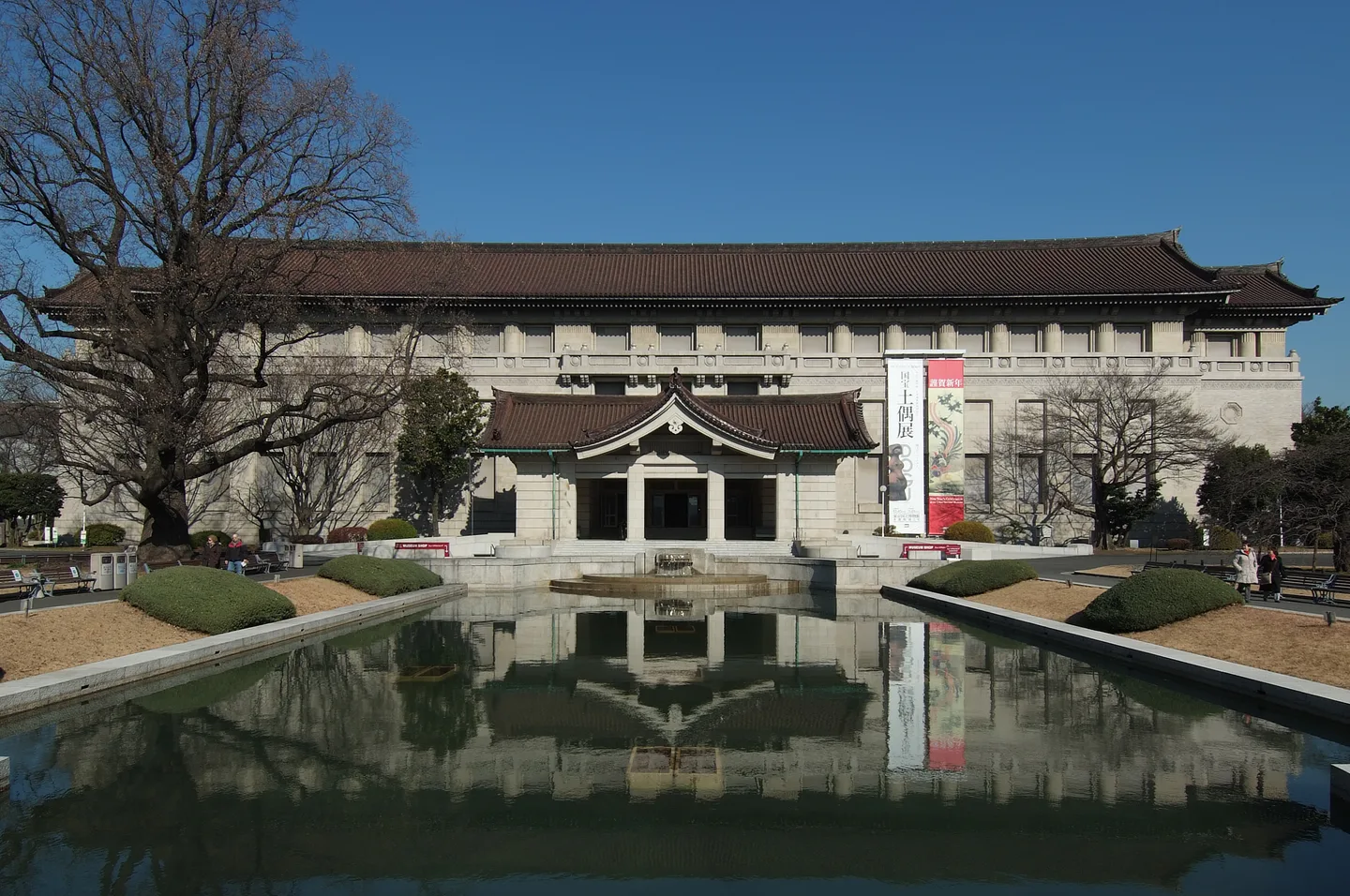
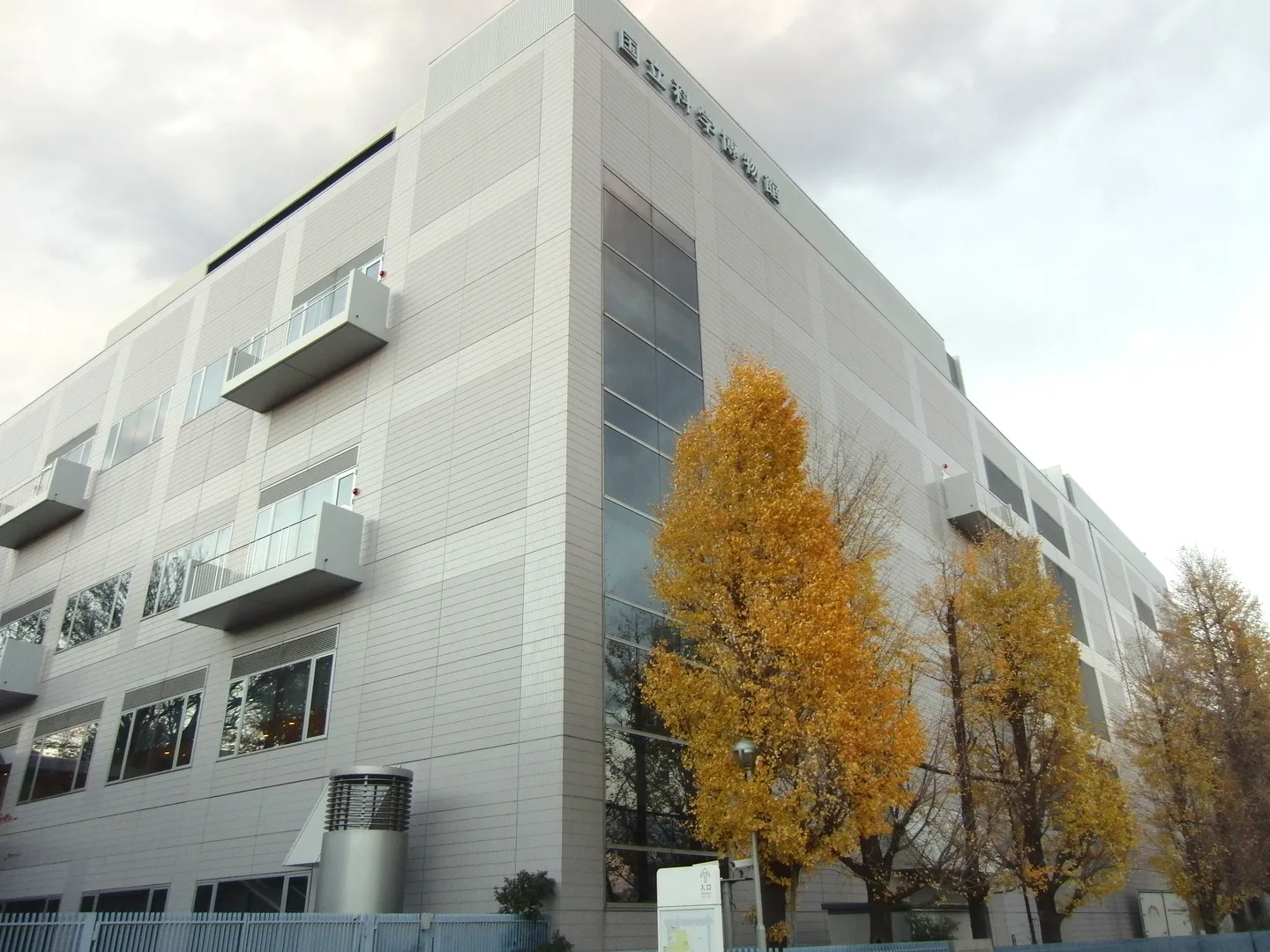
Tokyo National Museum and the National Museum of Nature and Science show why attraction count alone can mislead. Their standard admissions may cost much less than an observation deck or major theme park. A day of museums, parks and local food can be full without needing to spend enough to justify a multi-attraction package. Check the museum ticket choice and then compare the actual amount, rather than adding an aquarium merely to use another pass slot.
Disney is a full-day commitment. If it is central to the trip, choose the park and date first, then inspect whether the particular pass option can deliver that product. Do not count a park-sized saving if the available pass reservation falls on the wrong date. Disney admission versus Premier Access is a separate purchase question: a pass containing admission does not automatically answer ride-priority needs. The four-, five- and seven-day Tokyo comparison shows how a full park day changes the remaining attraction capacity.
teamLab and Warner Bros. Studio Tour also need the date and time to work, not just the product name. The studio tour ticket guide separates its core entry from upgrades. For a Toyosu day, UNKO Museum in Odaiba can be a nearby additional stop, but only if the group wants it independent of bundle arithmetic. A cheap pass that demands an unwanted second timed activity can make the day worse.
Bad weather helps only when the included inventory can move
Indoor museums and aquariums may become more appealing during rain, while an outdoor deck may lose much of its value. A pass is useful as a weather tool only when relevant activities have capacity on the wet day and the reservation rules let you change. A fixed skyline slot and two sold-out indoor choices do not provide an adaptable plan. The Tokyo rain itinerary keeps the day in a workable area first; check pass eligibility against that plan afterward.
Before checkout, test five things: whether the must-do admissions are in this exact package, whether their dates are available, whether the route keeps each day coherent, what eligible transport fares you would really pay, and how much flexibility remains if weather changes. These are comparison questions rather than a proprietary numerical score. A pass can win on price and still fail if it pushes a family across Tokyo for a filler stop. Planning by whole days exposes that cost better than a catalogue count.
A traveller with only one deck, low-cost museums and free neighbourhoods can usually buy individual tickets and retain the option to change days. A traveller who has already committed to several expensive admissions in adjacent areas has a real reason to price Klook's slots. Tokyo City Pass earns a separate calculation when its September 2026 base experiences, coupon and subway rides all fit an existing compact route. Keep the pass that reduces the cost of the Tokyo trip you had already chosen, rather than choosing a Tokyo trip to make a pass look cheap.
If several early rail departures also affect the itinerary, Tokyo Station versus Shinjuku as a hotel base can matter more than a small pass saving. Compare rooms around Tokyo Station for the rail-heavy nights when that is the route you actually intend to take.