
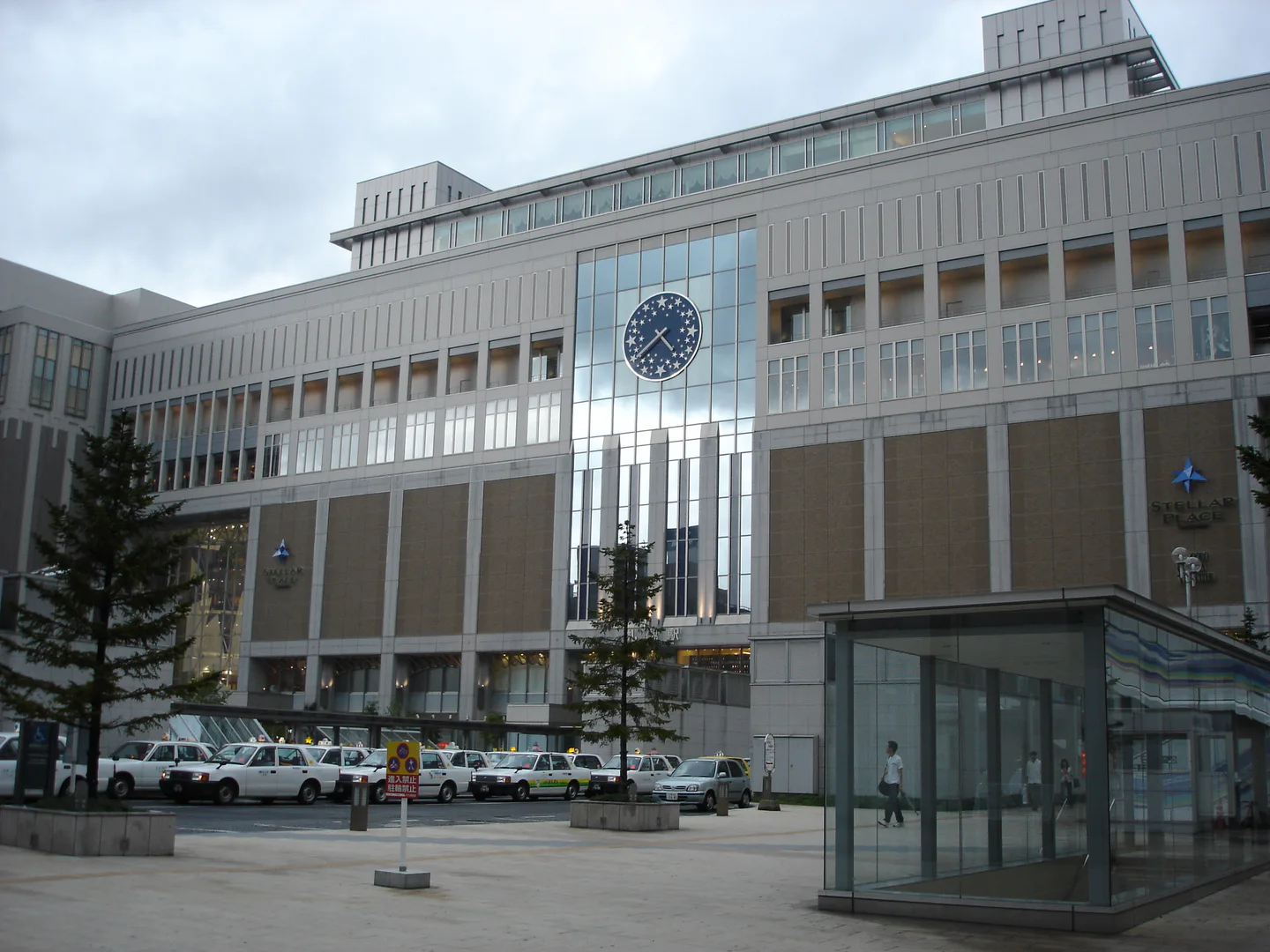
Decide how many mornings you want to start beside the Niseko lifts before choosing a Hokkaido hotel. Sapporo is a better single base for city time, Otaru and JR outings, and perhaps one ski day. A Niseko stay starts to earn its extra hotel move when you have two complete days on its slopes. With three or more, the resort should normally hold the ski portion of the trip. The decision changes if the non-skiers in your party need independent city days or your flight makes the final mountain-to-airport transfer fragile.
A night count can conceal the useful hours. Arriving at a Niseko hotel after dinner gives you a bed near the first lift but no skiing that day. Two full mountain days commonly require three nights: one arrival, two mornings on snow, then departure. The night-allocation comparison helps when the whole Hokkaido stay is short; this page tests whether a resort hotel changes what you can actually do each day.
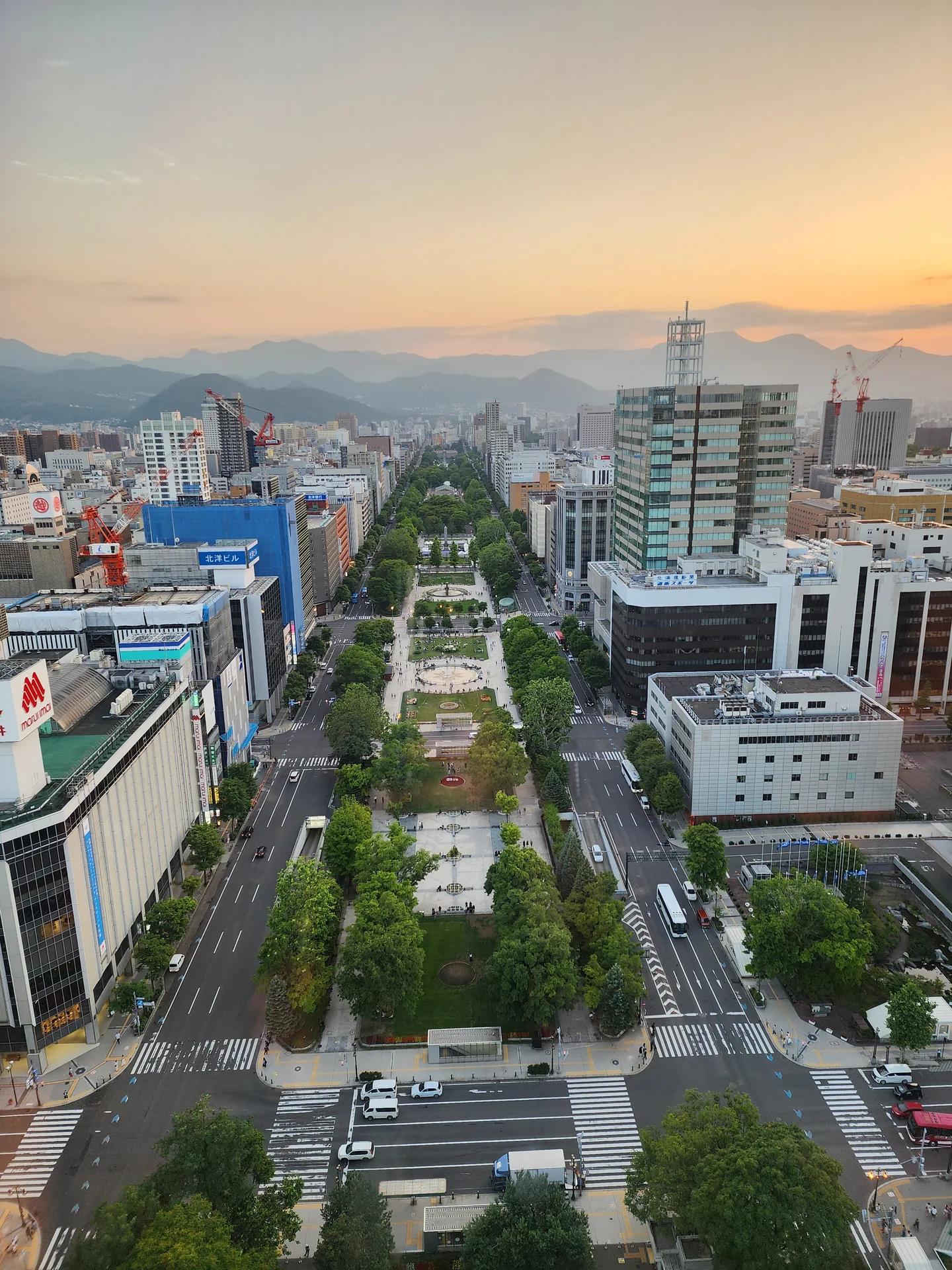
Count mornings, transfers and people before picking a base
| Your trip | First hotel search | What could change it |
|---|---|---|
| Sapporo sightseeing, Otaru or JR trips, and no more than one ski day | Sapporo | Niseko itself is the point of the ski day, rather than simply trying Hokkaido snow |
| Two full Niseko ski days | Separate city and resort stays | You would be equally happy skiing closer to Sapporo |
| Three or more Niseko days | Niseko for the ski block | A companion needs several independent city days and has little use for the resort |
| Early flight immediately after skiing | Test a final Sapporo or Chitose night | A confirmed transfer leaves generous delay margin and the final resort evening matters |
| Four to eight travellers for several ski days | Niseko apartment or family lodging | Daily shuttles to lessons and lifts erase the value of extra space |
Sapporo itself has several useful hotel positions. Sapporo Station reduces repeated JR and airport connections; Odori suits central sightseeing; Susukino pays off when evenings finish south of the centre. The Sapporo neighbourhood guide separates those routines. Do not pay for a station-front room if all your useful time is around Odori, but do not make a snowy station transfer twice a day merely because a south-city hotel has a slightly cheaper nightly rate.
The comparison also changes with season and route. A five-day autumn rail itinerary and a winter ski week do not assign the same job to Sapporo. If the broader trip is undecided, use the five-, seven- and ten-day winter route to allocate travel days before locking accommodation. The six-base autumn comparison is useful when the same booking question arises outside ski season.
Two Niseko days make a repeated Sapporo commute hard to defend
A winter bus schedule from the previous season gives a useful scale, even though it is not a promise for 2026–27. The published 2025–26 example left Sapporo Station North Gate at 07:50 and reached Hirafu at 10:56. Its return left Hirafu at 14:39 and arrived at Sapporo at 17:45. Together those legs took about six hours and twelve minutes on the bus. Walking to a stop, collecting rentals and meeting an instructor all sit outside that number. By the time a skier is ready, the return deadline has already shortened the day.
One such trip can still be sensible if moving hotels costs more time and money than the ski day warrants. Repeating it for a second full Niseko day asks you to buy another long transfer instead of an earlier lift start. That is why a two-day plan changes the hotel search. The threshold is a practical rule, not a claim that every train, bus or group moves at the same speed. Look at your lesson start, last lift, gear arrangements and the actual winter service for your dates.
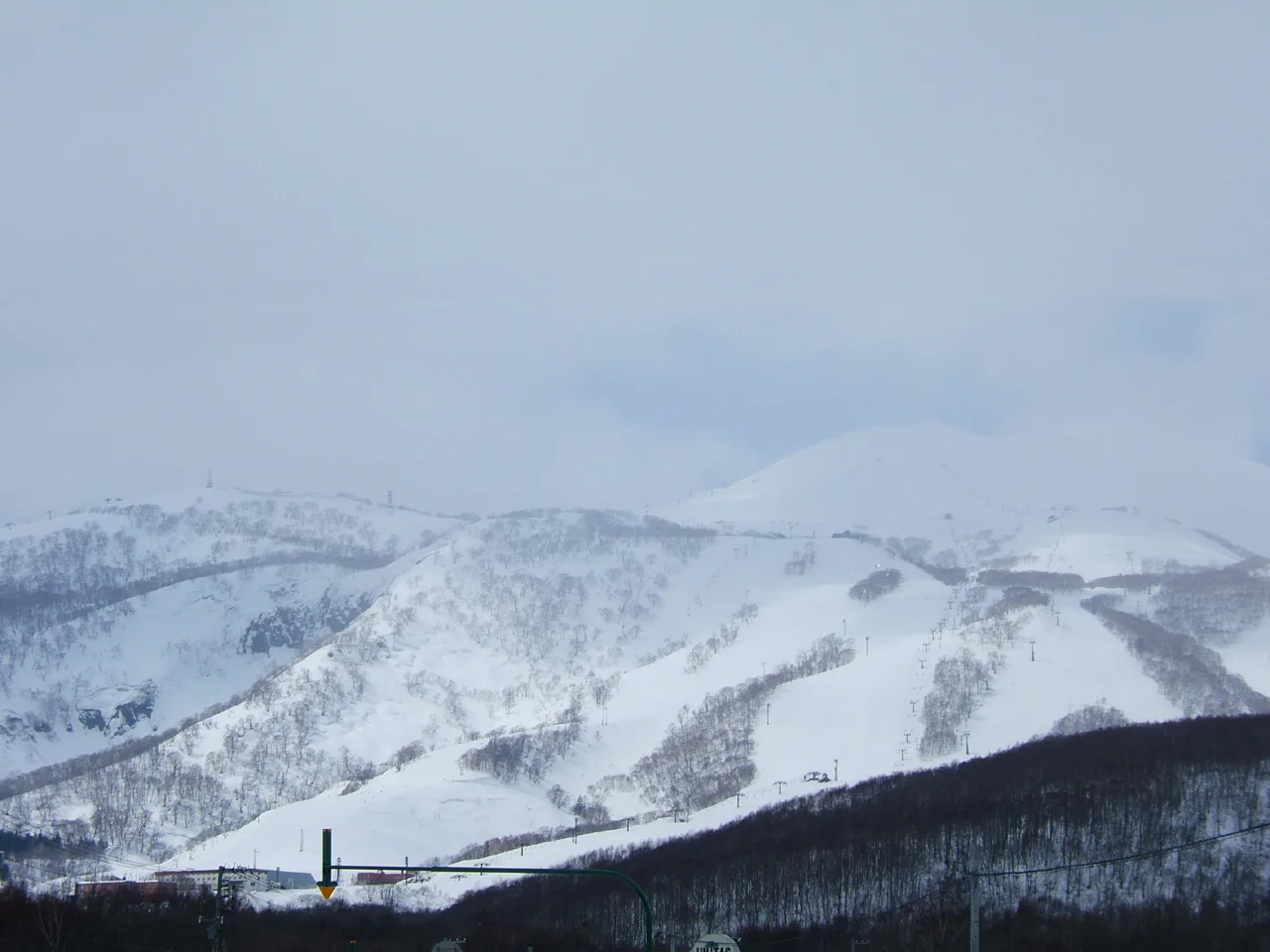
If you only want to try skiing once, compare Sapporo Teine and Sapporo Kokusai first. Both offer city-based ski-day possibilities without turning the trip into a Niseko transfer exercise. Niseko remains a deliberate one-day choice when you have a specific instructor, friends, terrain or other experience there. An overnight in Niseko may then improve that particular day, but the famous resort name alone is not a reason to move every suitcase.
The accommodation side is inseparable from the ski product. Check the pass, rental and lesson choices before reserving a remote chalet. A cheap room can lose its advantage if the lesson meeting point, rental collection and first lift each require a separate shuttle. If the mountains themselves are undecided, the Niseko, Furano and Rusutsu comparison should come before the hotel shortlist.
The airport night can protect or consume your first ski morning
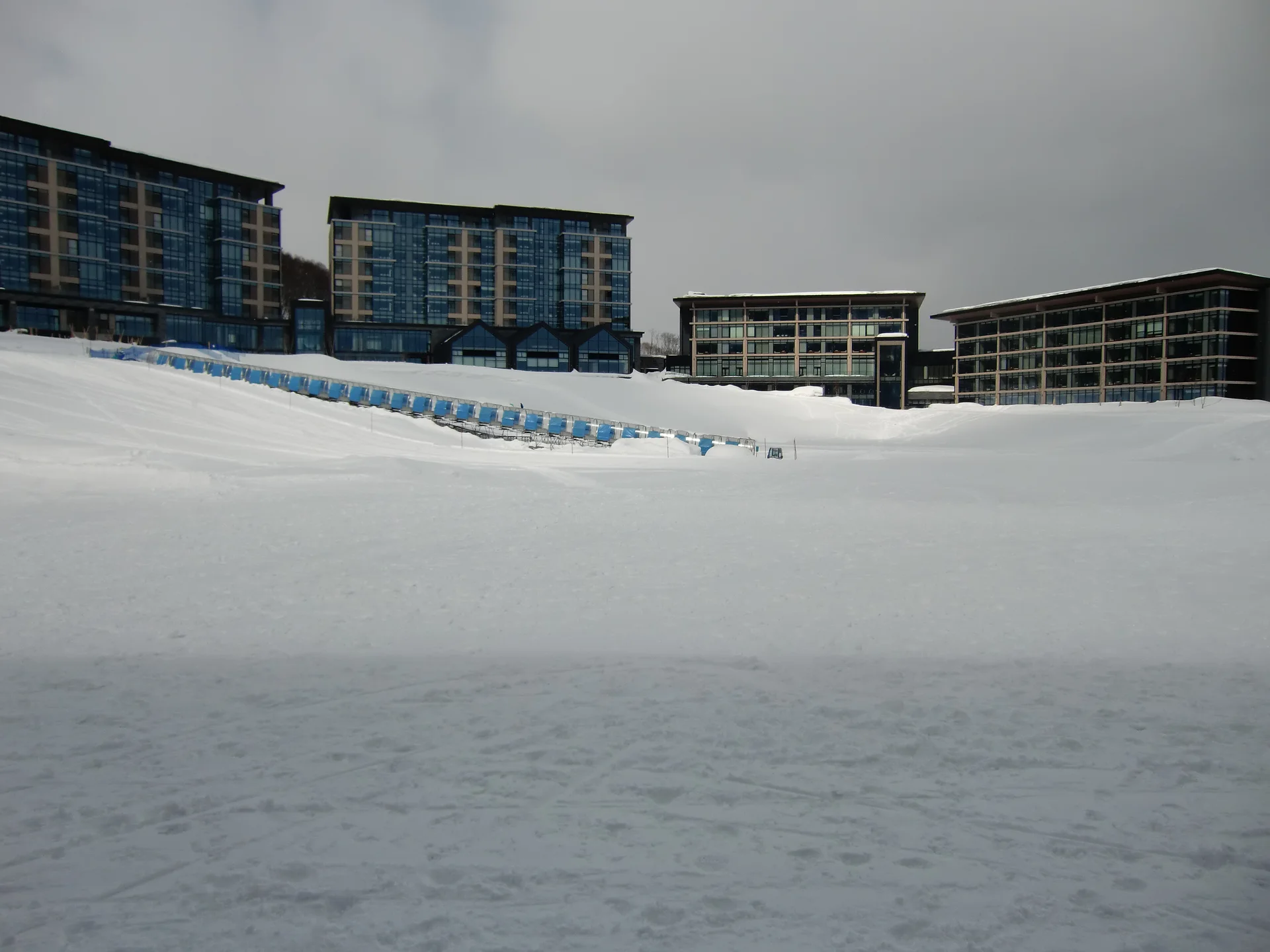
New Chitose Airport is still a substantial journey from Niseko. A previous winter service gave an airport-to-Hirafu example of roughly three hours and thirty-three minutes. The current Niseko access guidance describes a direct seasonal ski bus as a roughly three to three-and-a-half-hour journey, with booking needed. Exact 2026–27 departure times must be matched to the flight; do not treat an old 10:00 bus or its arrival time as this winter's reservation. A connection for a future Furano leg changes the first-night calculation again.
For an afternoon or evening landing, add immigration, bags and the transfer counter before deciding that a same-day Niseko check-in is realistic. A direct bus aligned with the flight is the simplest option when it exists. A first night in Sapporo works better if the city days were always part of the trip. An airport or Chitose hotel can preserve sleep after a very late landing before travelling to Niseko the next morning. The late-arrival hotel decision compares those last two choices; the airport-to-Niseko transport guide covers the transfer itself.
A direct airport-to-resort move is not automatically a saving. A room night that begins after the lifts have closed mostly buys positioning for tomorrow. That can be precisely what you need if it prevents a late arrival at a lesson. It can be poor value if the bus is uncertain, the room is costly and the next morning would be partly lost anyway. Ask what the first Niseko night does for the first complete ski day.
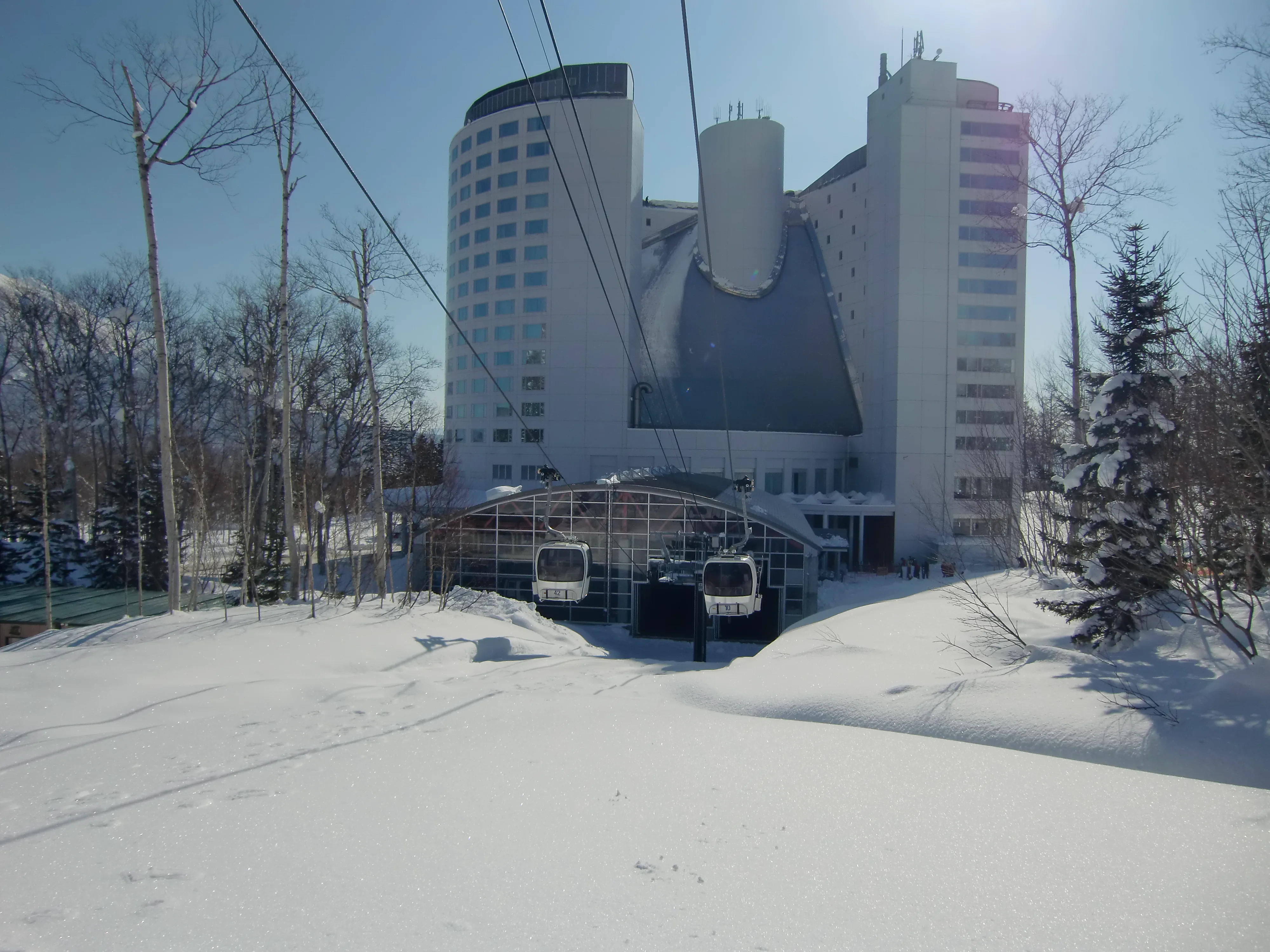
Make the last night answer to the flight, not the ski brochure
The return direction has a different risk. A delayed winter road transfer to New Chitose can affect a fixed international flight. A morning departure from Niseko may suit an afternoon or evening flight; it is a weak fit for an early one. The question is how much delay the booked bus, car or private transfer can absorb before check-in closes. Children, several ski bags and a connection on the same ticket increase the consequences of a missed departure.
For an early flight, a thin transfer buffer or a final ski day that is already partial, compare a night in Sapporo or Chitose. The Sapporo versus Chitose final-night choice tests the airport trade-off. If the flight is late and a reserved transfer has comfortable margin, staying in Niseko can preserve one proper resort dinner and morning. You are buying time on a specific side of the trip, not performing a ritual of sleeping near an airport.
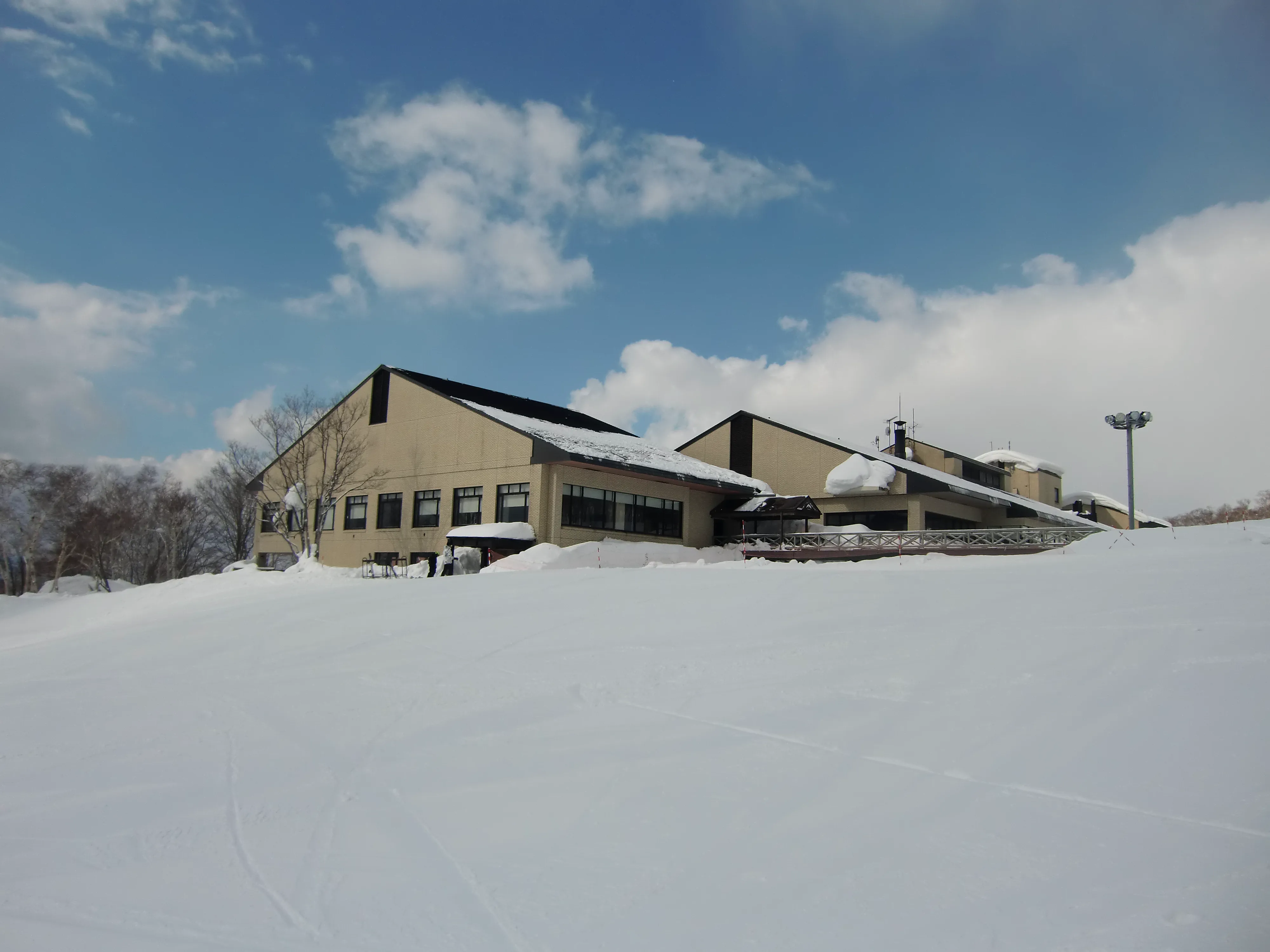
Driving does not remove this judgment. Snow, road closures, parking and fatigue still govern the return. Decide whether to hire a vehicle for the entire route or only part of it with the partial-rental comparison; read the winter road guide before treating a map estimate as a flight-day guarantee.
Once Niseko wins, the four areas create different days
Niseko United is not one compact village where every hotel serves the same routine. Grand Hirafu has the broadest independent restaurant and accommodation choice and more evening movement. HANAZONO suits a more contained, premium resort stay and a lesson-led day. Niseko Village brings hotels, dining, onsen and lift access into a resort setting. Annupuri is a calmer choice when the group does not need Hirafu-style nightlife. The area-by-area Niseko hotel guide moves from this base decision to the actual neighbourhood.
Those differences determine what 'near the lifts' means. A Hirafu apartment can work well for a group that will cook and walk to dinner, but its rental shop or lesson meeting point may still be uphill. A full-service resort property can simplify mornings without offering the same independent food choice. For a slope-access claim, use the ski-in, ski-out comparison and check the named lift, route back and snow conditions rather than relying on the hotel label.
Two attractive rooms can serve entirely different ski starts. The MUWA versus Setsu decision illustrates a Hirafu choice, while Green Leaf versus Hilton is about which Niseko Village door leads to the right first lift. These comparisons belong after you know where the lesson, rental collection and non-ski day will happen.
Lift prices expose the cost of vague plans
For 24 December 2026 to 28 February 2027, the published adult Niseko United All Mountain peak-season prices are ¥13,500 for one day, ¥26,500 for two and ¥39,500 for three. The multi-day passes run on consecutive days. Opening dates and lift hours can change. Those numbers are useful for a booking decision because 'we may ski' is not equivalent to three paid days on the mountain. Add rentals, lessons, transfers and the resort room before deciding what an unused day would cost the party.
| Plan | Peak adult All Mountain pass | Hotel implication |
|---|---|---|
| One day | ¥13,500 | Test a Sapporo-based ski day and the transfer before moving hotels |
| Two consecutive days | ¥26,500 | Three Niseko nights can protect both mornings |
| Three consecutive days | ¥39,500 | A resort base becomes a major part of the schedule |
The quoted pass is an All Mountain product, so a traveller staying mostly within one area should compare the actual ticket needed rather than assume it is the cheapest possible lift access. Peak dates differ from early and regular season; do not carry those prices into another month. The full ski-trip budget and booking timeline puts the lift cost beside accommodation, lessons and transport.
A non-skier can make a longer resort stay the wrong bargain
Someone who does not ski can fill an independent Sapporo day with food, shopping, museums, Otaru and ordinary city transport. Niseko offers cafés, onsen, spas and seasonal activities, but the useful options vary by resort area and hotel shuttle. One skier in a couple can still justify three Niseko nights if the other person wants quiet mountain days. A family with several people who expect daily city choice may find the same plan isolating.
Run a simple weather test on the intended hotel: if the lifts close in wind or a person takes a rest day, what can they do without a car? A property with an attractive bath but no easy food beyond the hotel works differently from a Hirafu apartment near independent restaurants. The winter activities without skiing can identify genuine alternatives, though some need transport and advance reservations. The Niseko food guide helps decide whether a kitchen is useful in the area you actually choose.
For a split group, do not rank the ski door before hearing the people who will never use it. A mixed-use resort or apartment may cost more per room than a slope-only bargain yet save daily separation and shuttle work. Equally, retaining the Sapporo base for the whole trip can be rational when the skier accepts one closer mountain rather than insisting every day be Niseko.
Family apartments need a door-to-lesson calculation
A four-to-eight-person apartment should be compared with the number of hotel rooms the group would actually require, not with a single double room. Count made-up beds, bedroom doors, bathrooms, ski storage, a washer or dryer, and whether the kitchen will replace bought breakfasts or dinners. A living room can let people recover without occupying their beds. The Niseko family-apartment comparison checks those functions in more detail.
Then test the route at the hour that matters. A large apartment away from lifts may require a shuttle to lessons, a separate rental stop and another collection at the end of the day. For parents supervising beginners, that can cost more energy than the extra room saves. If a party includes older relatives or heavy luggage, the Sapporo hotels with parents shows the city side of the same mobility problem. In Niseko, ask the property for the actual walk, transfer or shuttle arrangement to the named ski-school meeting point.
One example is seven nights with two full ski days: four nights in Sapporo and three in Niseko can give the city enough room while protecting both ski starts. If five days of skiing dominate, two Sapporo nights and five Niseko nights may fit better. A tidy three-plus-three split only looks balanced on paper. Allocate the arrival and flight nights separately, then place the remaining nights where they create usable mornings.
Book the route you can actually use
Write down the first lift or first city train for each full day, the confirmed transfer on arrival, and the flight departure after the resort block. That makes the hotel decision more reliable than comparing nightly prices in isolation. If the plan calls for repeated city and JR days, compare Sapporo-area stays for your dates. If two or more complete Niseko ski mornings survive that exercise, compare hotels around Grand Hirafu as one resort-side starting point, then narrow the search to the exact ski area and lesson door. Use the same party size, cancellation terms and transfer cost when judging both totals.
Before committing, check the current winter bus departure for your dates and the dated pass season. A same-day airport-to-resort arrival, two protected ski mornings and a flight buffer make Niseko nights productive. If the trip remains mostly Sapporo, Otaru and one optional ski day, keep the city hotel and avoid a move that consumes one of the few useful days.