
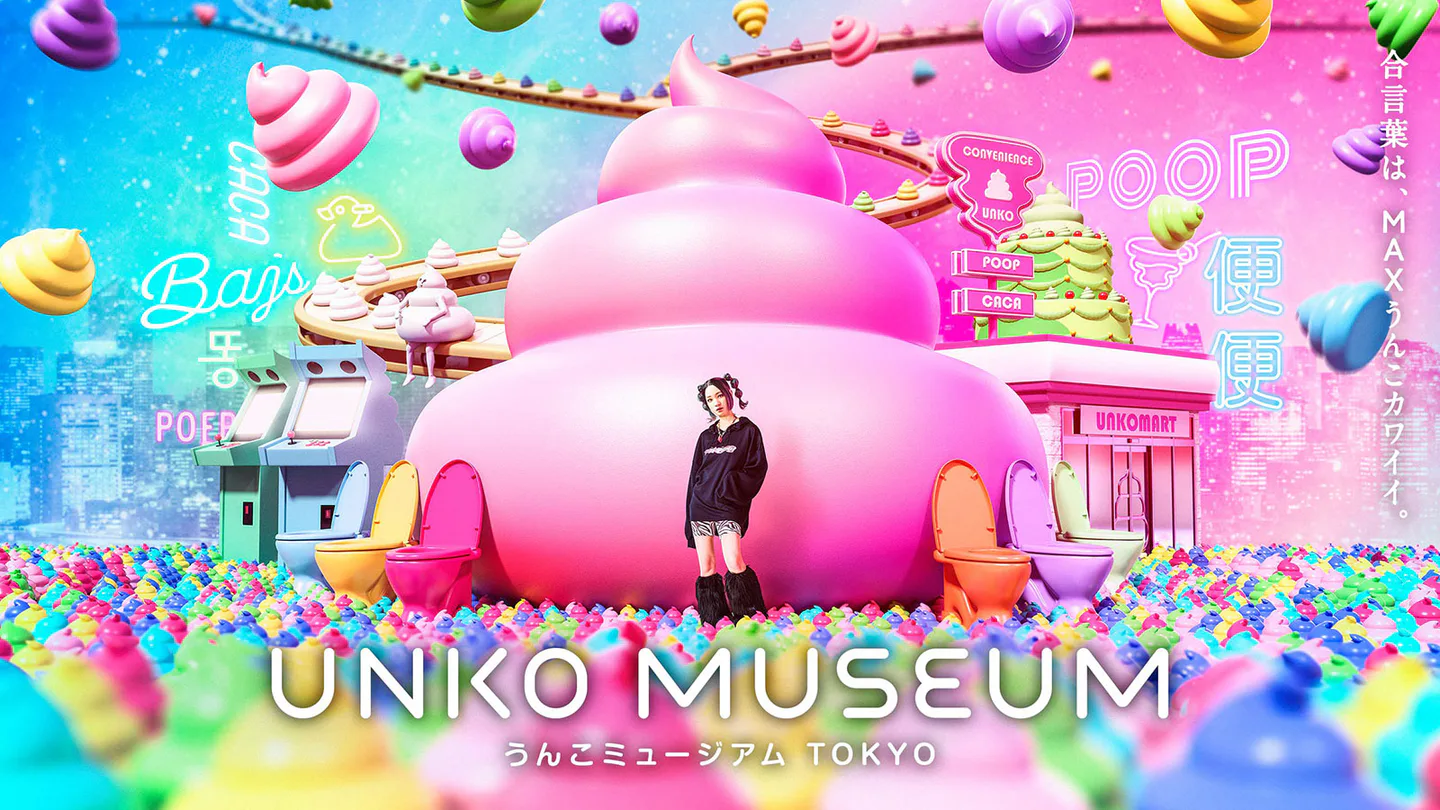
UNKO Museum Tokyo works best as a stop within an Odaiba day. The rooms are made for playing, taking photos and joining a deliberately silly joke. If you are already visiting DiverCity Tokyo Plaza, Miraikan or an Ariake event, allow roughly one to two hours inside and add time for the queue. A first-time visitor with only three days in Tokyo should think harder before making a separate cross-city journey solely for this attraction.
The admission price is not the whole cost of a detour. From Shibuya, a published rail journey to Tokyo Teleport is about 18 minutes; from Shinjuku, about 24. The museum is another three minutes on foot from Tokyo Teleport, before you count station walking, train waits, a timed-entry queue and travel to your next stop. A 90-minute visit can take a substantial part of an afternoon when Odaiba was otherwise absent from the route. The Tokyo area map helps place Odaiba beside nearby stops instead of treating it as a central-Tokyo add-on.
| Trip situation | What the museum adds | What you give up |
|---|---|---|
| Already in Odaiba with friends who like interactive photos | A compact indoor activity that fits between other stops | A fixed entry window and possible arrival wait |
| Rain or severe summer heat during an Odaiba afternoon | Most of the visit is indoors | It remains entertainment, not an exhibition with much interpretation |
| First Tokyo trip with three or four days and no other Tokyo Bay plans | A distinctive premise | Rail, waiting and onward travel may consume two to three hours |
| Family with children aged three or older | Shared games, drawing, shouting and photo rooms | Child tickets change the group total materially |
| Interested only in themed goods | Merchandise can be browsed without admission | No access to the interactive rooms |
The family row depends on the children’s ages. The current calendar shows child admission for ages three and above, while an adult can accompany up to two children aged two or under free. Under-seven visitors must be accompanied by a guardian of at least junior-high-school age. Check who is actually going in before multiplying the adult rate across the group. The Tokyo family route by age deals with how a short timed attraction fits around naps and travel, which may matter more than the ticket saving.
What you do inside, and why the group matters
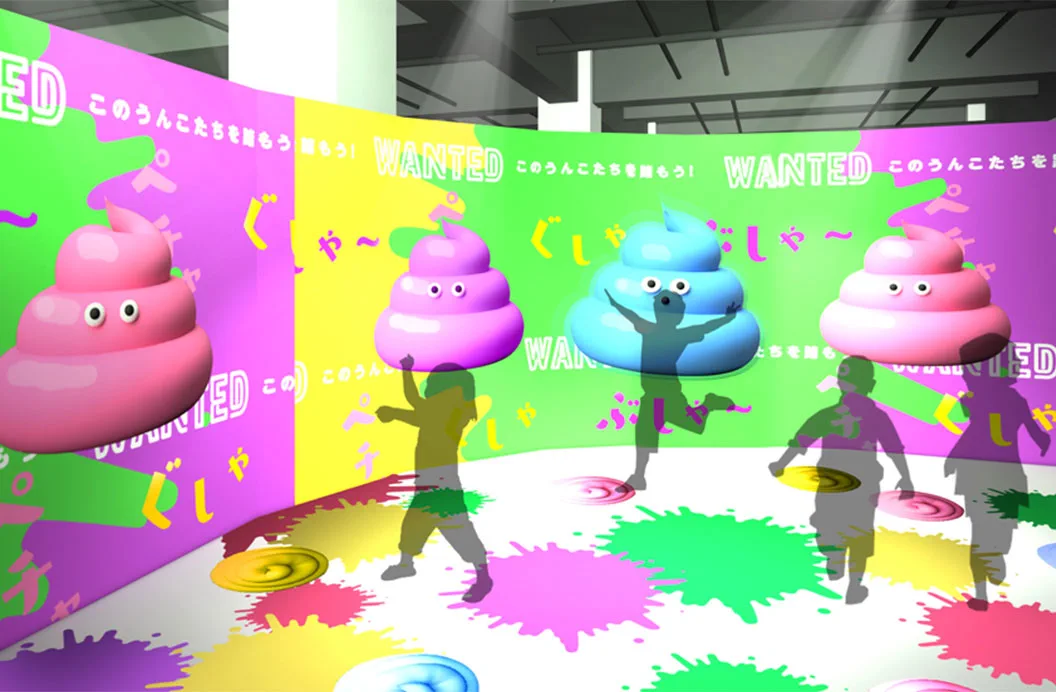
This is an interactive entertainment venue on DiverCity's second floor, not a conventional museum. MY POOP MAKER begins the visit with a character to carry through the rooms. POOP VOLCANO supplies the large shared set piece. There are spaces for throwing, dancing, shouting, drawing, arcade-style games and colourful photographs. You move between playful scenes rather than read a chronological collection. The theme is deliberately absurd, and its appeal depends on whether the party wants to participate in it.
Friends who take each other's pictures and children eager to try the games have more to do than somebody walking through alone in search of long-form interpretation. A solo visit can still be worthwhile when the premise itself is a priority, but the time and price calculation should be made with that expectation. Someone who wants science or a substantial exhibition on the same side of Tokyo could pair Odaiba with Miraikan, then decide whether the museum's photo-led hour provides enough contrast. If both attractions need timed tickets, leave a buffer between them. A family already spending heavily on entertainment should decide whether Disney needs one or two days before adding another paid indoor stop.
The short visit does not make it effortless to fit anywhere. It is much easier after a nearby lunch or before an Odaiba shopping stop than between a west-Tokyo morning and a fixed central-Tokyo evening reservation. The whole-day attraction planning guide explains why adding another apparently small stop can erase the slack in a schedule. On a short first visit, three, four or five Tokyo days is the larger decision to settle first.
Why the same ticket can be good value on one day and poor value on another
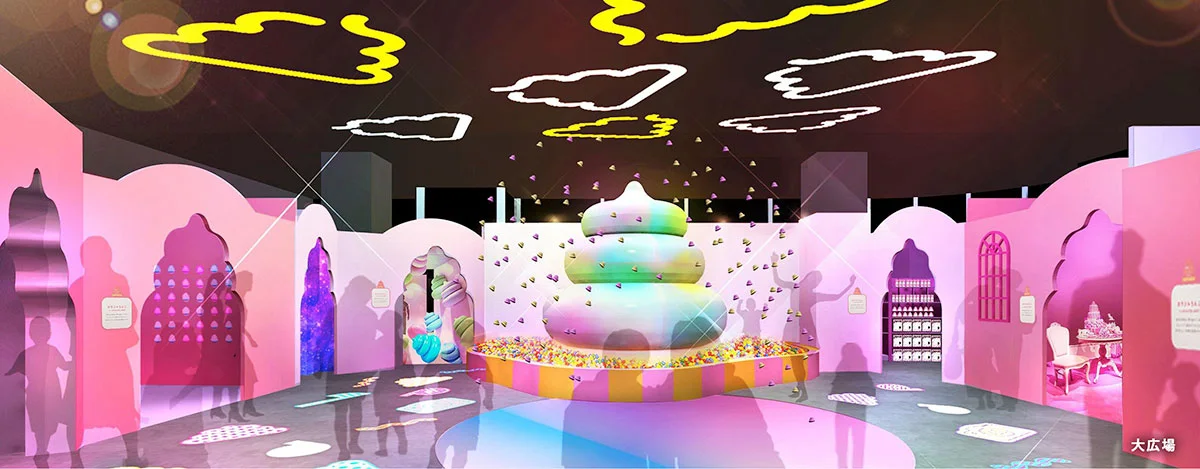
The venue's unusual theme does not change with your route. Its uniqueness is high whether you arrive from another DiverCity store or from a hotel across Tokyo. What changes is time efficiency and route fit: a nearby visit reuses a journey you have already made, while a standalone visit adds two rail legs. Weather resilience is also useful when Odaiba's waterfront is wet or uncomfortably hot, although an indoor attraction elsewhere in Tokyo may solve the same weather problem with less travel.
| Decision factor | If Odaiba is already in the day | If this is the only Odaiba stop |
|---|---|---|
| Uniqueness | The themed rooms remain distinctive | The same distinctive rooms |
| Time efficiency and route fit | One or two hours slot into nearby plans | Extra cross-city travel and a separate onward route |
| Weather resilience | Indoor time rescues part of a rainy waterfront day | Another indoor Tokyo stop may be easier to reach |
| Booking flexibility | Fixed date matters after the Odaiba day is chosen | Fixed date can dictate the entire trip across town |
| Crowd resilience | Queue can delay the next nearby stop | Queue compounds the transport investment |
| Value for money | Admission buys an additional activity on an existing route | Admission also commits valuable travel time |
The crowd and booking conditions apply equally in both columns: a timeslot does not remove a queue, and a purchased date is difficult to move. Those two factors can matter more to a family with a child near nap time than the originality of the theme. The table is a way to decide whether this venue fits your day; it is not a numerical rating or a claim that every traveller values photographs equally.
October and November 2026: the seasonal event has changed
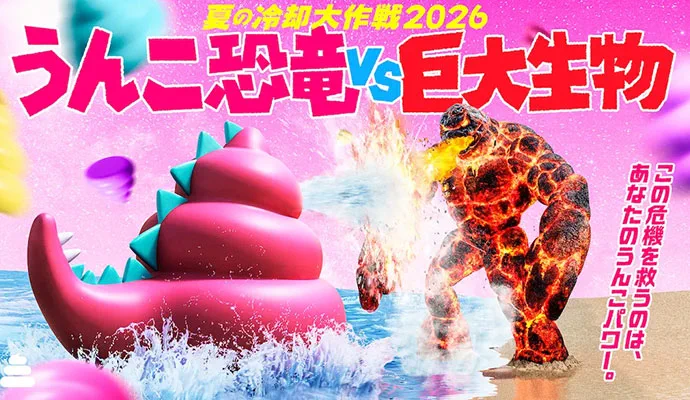
The dinosaur-themed summer event ended on September 14, 2026. It should not appear as a current reason to buy an October ticket. The current autumn programme, BIG Unko Band 2026, runs from October 1 through November 16 at the Tokyo venue. It brings a music-and-call response around the volcano and limited goods. That may add interest for someone who already likes the attraction, but it does not shorten the trip to Odaiba or change the ticket's date restrictions.
A seasonal badge and themed character goods are sold separately in the shop. The existence of a limited product does not require paying to see the rooms: the merchandise corner can be entered without museum admission. If the shop is the main reason for going, browse it during a wider Odaiba visit and keep the attraction ticket money for something else. After November 16, judge the regular installations rather than assuming this autumn programme remains in place. This date distinction matters for visitors reading an older summer or Halloween guide.
Ticket prices depend on the day, and a timeslot is not queue priority
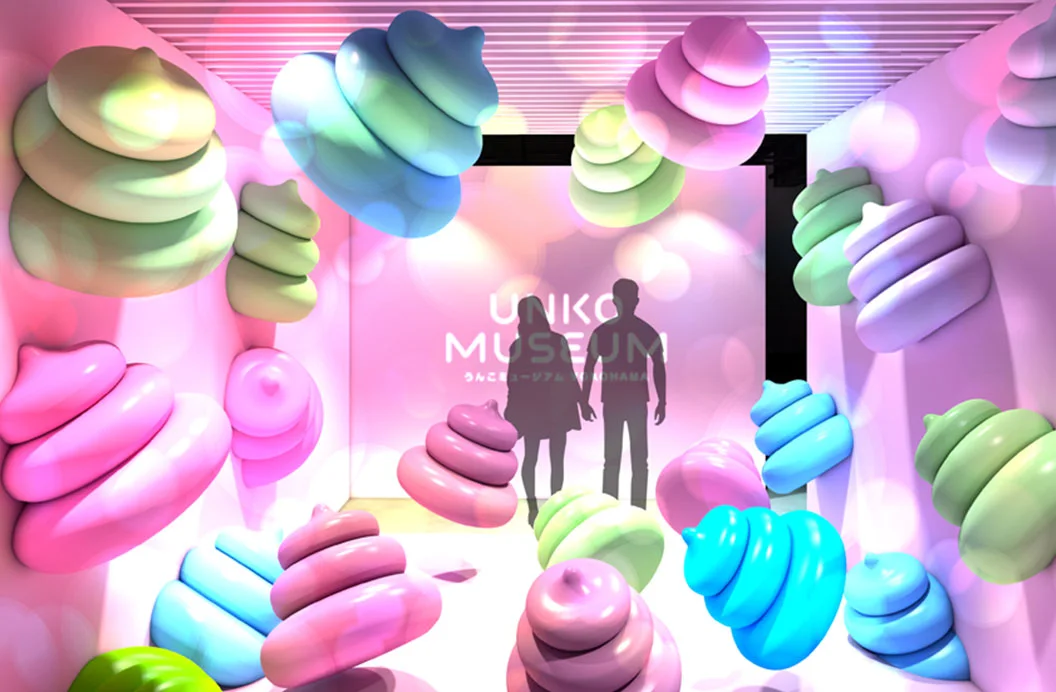
The Tokyo ticket calendar uses more than one price band. Adult admission is shown at ¥2,000, ¥2,200 or ¥2,400 on currently displayed dates; a previously shown ¥2,800 band should be checked against the particular date rather than presented as a universal current maximum. Junior-high and high-school tickets are ¥1,500 or ¥1,600, with student identification required. Children aged three and above are ¥1,100 or ¥1,200. A family of two adults and two paying children therefore needs to price all four places, not only the headline adult rate. Rates and availability can change before checkout.
| Example party | Indicative total at currently displayed bands | What the calculation excludes |
|---|---|---|
| One adult | ¥2,000–¥2,400 | Transport, food and merchandise |
| Two adults | ¥4,000–¥4,800 | Any platform-specific checkout difference |
| Two adults and two paying children aged three or older | ¥6,200–¥7,200 | The ages of younger siblings and any extra activity elsewhere |
| One adult and two children aged two or under | The adult ticket only | Each child still needs an appropriate accompanying adult arrangement |
Same-day tickets can be sold at reception, but admissions may be restricted and sales suspended on a crowded day. Booking ahead protects the admission opportunity once the Odaiba date is fixed. It does not buy a queue skip. Visitors enter in arrival order and may still wait despite a printed entry time. If the visit must sit between two other timed bookings, allow queue margin; if you cannot, the museum is a poor second appointment. The Tokyo itinerary length comparison is useful when an Odaiba afternoon competes with a full Disney or day-trip date.
Compare the same admission date, slot and final checkout amount wherever you buy. Klook and KKday sell admission, and each listing can have its own inventory, currency and conditions. A cheaper entry that forces a late time can cost the wider itinerary more than it saves in cash. Check cancellation and changes immediately before payment. The museum's standard rule is that purchased tickets cannot be cancelled or moved to another date, so do not buy while you are still deciding whether Odaiba belongs on Tuesday or Thursday. A Kamakura day trip is a bigger block; decide that first if the same trip might include both.
If unavoidable circumstances cause you to arrive after the printed admission time, staff may permit a later same-day entry. That is discretionary, can mean a substantial wait and never allows entry before your booked time. It is a fallback for a delayed day, not a flexible ticket that can be moved around another attraction. Keep the booking confirmation available on the phone you carry and avoid putting the museum immediately after an intercity train whose delay would absorb the whole window.
The trip from Shibuya or Shinjuku is longer than the ride alone
Rinkai Line publishes roughly 18 minutes from Shibuya and 24 from Shinjuku to Tokyo Teleport. DiverCity's museum is about a three-minute walk from that station, or about five minutes from Daiba on the Yurikamome. These are useful access markers, but not door-to-door timings. A large station may add an internal walk, and a missed train, entry queue or lockers can add further time. The onward journey matters just as much if dinner or another attraction is booked elsewhere.
| Starting point | Rail time to Tokyo Teleport | Walk and visit | Minimum before return travel or queues |
|---|---|---|---|
| Shibuya | About 18 minutes | About 3 minutes plus 60–120 minutes inside | About 81–141 minutes |
| Shinjuku | About 24 minutes | About 3 minutes plus 60–120 minutes inside | About 87–147 minutes |
The table's last column is arithmetic, not a promised schedule. A return to central Tokyo, moving between platforms and waiting to enter can turn either row into a two-to-three-hour block. This is why the visit is efficient when it shares a day with the waterfront, DiverCity or an Ariake event. If the event is the real reason to travel to Tokyo Bay, the Dome, Ariake and Makuhari hotel decision helps place the overnight near the correct venue rather than the museum alone.
Rain can strengthen an Odaiba itinerary because the museum is indoors, but it does not make a cross-city detour free. Check the Tokyo rain alternatives when the rest of your day is outside. A traveller already in Toyosu for teamLab Planets has a more coherent move toward Odaiba than someone with a Shinjuku-only day. The seven-day Tokyo route shows where the Toyosu and Odaiba block can sit without taking time from the Fuji or Disney days.
Resolve the restroom and suitcase before you enter
Re-entry is not allowed. Use the restroom, have a drink or snack and sort out your bags before scanning in; food and drink are not permitted inside. The venue does not check baggage, so a checkout-day suitcase needs a nearby locker or storage elsewhere before arrival. On a busy afternoon, discovering this at the entrance can turn a short booking into an avoidable scramble. A party with a stroller or multiple large bags should settle storage before choosing the timeslot.
If your Tokyo hotel is still open, a single museum visit should not dictate the base for the whole trip. The six-area Tokyo hotel comparison weighs the broader trip; Tokyo Station versus Shinjuku is useful when early trains and luggage movement are the real constraints. Visitors deciding between western Tokyo evenings can use Shinjuku versus Shibuya. Odaiba itself is one afternoon, so book a room for the itinerary's repeated journeys rather than this single ticket.
The merchandise-only option also gives a way to reduce a crowded schedule. Visit the shop while already at DiverCity, then skip the admission rooms if the group is tired or the available entry time would disrupt dinner. If your party enjoys playful indoor attractions, compare this choice with Chiikawa Park's time and ticket rules or the Doraemon exhibition's separate shopping rules rather than assuming every character venue treats its shop the same way.
When to buy
First settle whether an Odaiba or Ariake day exists in the trip. Then choose whether the party wants one to two hours of games and photographs enough to make an admission worthwhile. Pick a slot that does not force a race from a different part of Tokyo. Finally compare the same date's prices and restrictions and pay only when you can keep the day fixed. If the only reason to cross the city is novelty, the detour can still be a deliberate priority; allow the whole travel block in the schedule instead of pretending it is a 60-minute stop.
For a short first visit, the decision is often whether this specific experience deserves time that could be spent in Asakusa, Shibuya or another full neighbourhood. The arrival and departure day calculation helps if you are trying to put Odaiba on a flight day. If you would rather make the waterfront a slower two-day base, compare rooms around Odaiba for the relevant night and account for the next morning's route. A Tokyo Bay room is useful when the surrounding plans, not this one museum visit, justify it.