
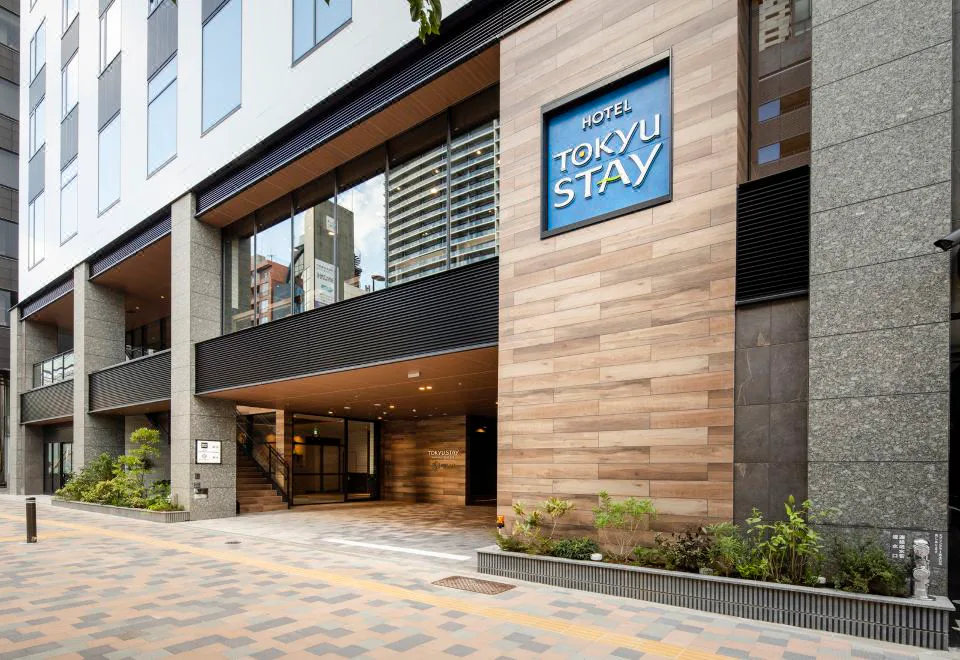
Tokyu Stay Shinjuku Eastside earns a place on a four-to-seven-night Tokyo shortlist when you will use its in-room washer-dryer and the nearby subway lines repeatedly. It is less persuasive if every morning starts at JR Shinjuku Station or Busta Shinjuku. Those departures involve an extra approach from the Eastside hotel, while the washing machine may sit unused.
The room category is the other dividing line. An 18 m² Comfort Double has a washer-dryer and microwave. A 20 m² Residential Double adds a kitchenette; a 25 m² Residential Twin combines separate beds and the same cooking function. The current room-by-room equipment list is more precise than the hotel’s general description. Decide what you will actually do inside the room before paying for the Residential upgrade.
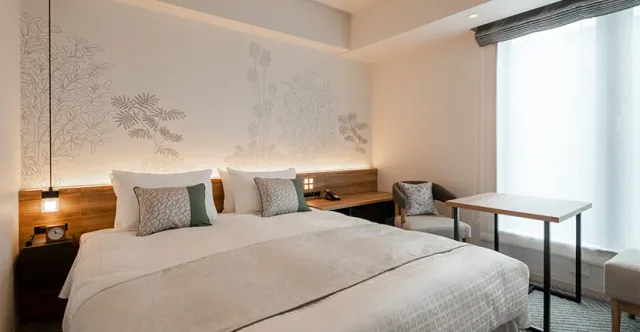
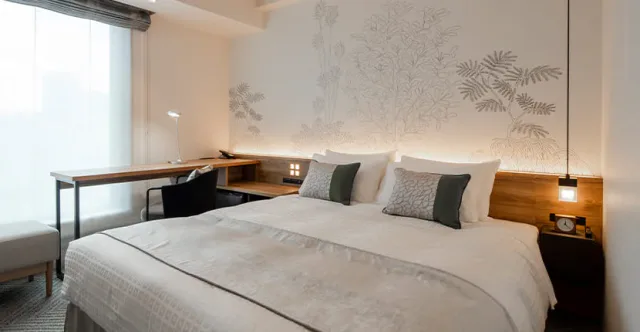
Why four nights and seven nights lead to different room choices
On four nights, one laundry run may remove the need to pack a complete outfit for every day. A five-night stay can justify two cycles if the itinerary includes rain, summer heat or long walks. Over seven nights, washing twice or three times can make a smaller suitcase realistic. These are planning examples, not a promised saving: if you do not expect to use the machine, its value to this booking is close to zero.
The benefit is not just avoiding a laundromat fee. Laundry can run while you plan the following day, shower or charge devices; that frees time and baggage space. Conversely, a couple carrying only easy-care clothing on a short city break may gain little. Compare Hotel Niwa Tokyo if a calm room and shared spaces matter more than an appliance. A larger room at KOKO HOTEL Residence Oshiage is a different answer when floor area, not laundry access, is the problem.
| Room choice | Listed core equipment | What decides it |
|---|---|---|
| Comfort Double, 18 m² | One 1.6 m bed, washer-dryer, microwave; no listed kitchenette | Two people who will wash clothes but eat most meals out |
| Residential Double, 20 m² | One 1.6 m bed, washer-dryer, microwave, kitchenette | Repeated simple food preparation, with modest extra floor space |
| Comfort Twin, 23 m² | Two 1.1 m beds, washer-dryer, microwave; no listed kitchenette | Separate beds without paying for cooking equipment |
| Residential Twin, 25 m² | Two 1.1 m beds, washer-dryer, microwave, kitchenette | Separate beds, larger luggage footprint and repeated meal use |
The kitchenette has its own threshold. A guest who eats in restaurants every night may use it only for fruit or a reheated snack. Someone with dietary constraints, children or very early starts may prepare breakfast several times. Add up likely uses across the whole stay. A Residential Double still has only 20 m², so two large suitcases can make the 25 m² twin or another hotel a better long-stay purchase even if the smaller room has the same cooking equipment.
The bed decision deserves the same care. A Residential Double has one 1.6 m bed; the twin categories have two 1.1 m beds. A pair who needs separate sleep surfaces should not buy the Double solely for the kitchenette. The Comfort Twin already supplies separate beds, 23 m² and the laundry setup, leaving cooking as the main reason to move to Residential Twin. For a family needing more than two fixed sleep places, the two-person categories are the wrong starting point. Check the hotel’s larger or adjoining rooms and occupancy rules, then compare a genuinely suitable alternative instead of assuming a toddler can make any two-person floor plan work.
Eastside access helps subways more than JR departures
Higashi-shinjuku and Shinjuku-sanchome are the practical nearby stations. The hotel lists roughly three minutes on foot to Higashi-shinjuku and five minutes to Shinjuku-sanchome. Those links work for dispersed city days. They do not put the room beside JR Shinjuku’s western intercity trains or the South Exit highway-bus terminal. The difference is small on one departure and irritating when repeated across a week. If the larger neighbourhood choice is still open, compare Shinjuku against Shibuya before debating an Eastside room category.
Map every day that genuinely begins at JR Shinjuku before choosing the hotel. A single Kawaguchiko train or bus day may be manageable. Add Hakone from Shinjuku, a western Tokyo event and a long-distance bus, and the balance changes. If Kawaguchiko and Hakone share a three-day block, the combined route may support changing bases; sending luggage ahead can make that move easier.
For repeated South Exit departures, compare Hotel Century Southern Tower or JR Kyushu Hotel Blossom Shinjuku. They solve station access more directly. The Eastside property instead fits a trip whose days fan out on subway lines and whose evenings return through Higashi-shinjuku or Shinjuku-sanchome. If hotel area itself remains unsettled, start with Tokyo’s six base areas or the Tokyo Station versus Shinjuku rail-base comparison before narrowing to one Shinjuku block.
It helps to mark the actual departure point rather than write “Shinjuku” on the itinerary. A train from JR platforms, a highway bus from Busta and a subway from Higashi-shinjuku involve different walks. On a two-adult trip, one extra transfer may be an acceptable price for the washer-dryer. With a stroller or several cases, it can dominate the first and last days. Compare East Exit nightlife against South Exit access if those are the two directions you keep switching between.
Do not let a late arrival decide the whole week
A flight landing late at Haneda or Narita makes the first night a luggage-and-transfer problem. The washer-dryer and kitchenette cannot shorten that journey. It can be sensible to use an airport-side room on arrival night and move to Eastside after breakfast, especially if immigration or baggage timing is uncertain. If you go directly to Shinjuku, keep the first evening simple: reach the room, learn the laundry controls, and buy only enough food for the next morning.
Stocking a temporary kitchenette as though it were a permanent apartment often wastes time and food. On five nights, breakfast items for two mornings and one late-meal backup may be enough. The room equipment is useful when it removes a specific friction point. If every night already ends at a restaurant and each morning starts in a café, compare by bed, floor area and route rather than by the presence of a cooker.
Two workable weekly routines
A city-heavy week can use laundry on nights two and five, supermarket breakfast before two early subway starts, and the microwave after one late return. That is a plausible seven-night rhythm without turning the holiday into housekeeping. In a shopping-heavy week, the washer may also reduce the number of clothes you need before new purchases fill the case. The same room becomes less persuasive on a JR-heavy week with several dawn departures, because the transfer penalty recurs before the equipment earns its value.
Event trips need another map. For a late concert, the venue’s exit route may matter more than Eastside’s laundry setup. If the trip focuses on autumn city parks, compare Shinjuku Gyoen, Gaien and Rikugien to see whether the hotel’s east-side links fit the actual days. Rain can increase room time, but a hotel appliance is not a complete backup plan for a wet week.
If a show ends late, test the last useful rail connection and the final walk to the room instead of relying on the phrase “near Shinjuku.” The concert-hotel route check is more important than laundry for that one night. On a wet city day, a microwave may make a short rest easier, but the Tokyo rain plan should determine whether you need the hotel during the afternoon at all.
For late-night Shinjuku activity, HOTEL GROOVE SHINJUKU is a different location purchase. If your priority is an on-site bath and a quieter stadium-area stay, compare Mitsui Garden Hotel Jingugaien Tokyo Premier. Neither alternative duplicates the Eastside room equipment; choose the problem you need the room to solve most often.
Housekeeping is part of a longer stay
The hotel follows Tokyu Stay’s simplified consecutive-stay cleaning system. Guests place the room’s cleaning magnet outside the door by 11:00 for the available cleaning service; without it, there is no cleaning that day. Extra full room cleaning and bed-making services carry separate charges under the published policy, while at least one cleaning per week is scheduled for hygiene. Check the current cleaning terms at booking if daily full service matters to you.
This is a material booking term on a seven-night stay. If you expect the bed remade and the bathroom fully cleaned each day, ask what the included magnet service covers and price any extra full cleans. If you prefer to leave belongings undisturbed while washing clothes in the room, the lighter rhythm may suit you. Neither preference is unusual; the point is to compare service expectations alongside the room rate. The same planning applies when comparing other Shinjuku hotel products.
Some guests prefer less intrusion while they use the room as a temporary base. Others want a conventional full-clean rhythm every morning. That preference can outweigh the kitchenette on a seven-night stay. The hotel’s laundry makes packing lighter, but it also means you will manage some of the household routine yourself. Decide whether that trade suits your trip before assuming long-stay equipment is an automatic upgrade.
How Eastside scores for a subway-led Tokyo week
This assessment assumes the hotel is used as a four-to-seven-night base for subway days. Repeated JR Shinjuku departures change the location result more than one arrival does.
| Dimension | Our rating | The booking consequence |
|---|---|---|
| Location | Higashi-shinjuku is about three minutes away, but several Busta or JR mornings add a recurring transfer. | |
| Room | The double and twin categories solve different sleep needs; a kitchenette does not replace two beds. | |
| Cleanliness | Current guest assessments are positive overall, with some inconsistent experiences recorded. | |
| Service | Recent feedback supports helpful staff, while the simplified cleaning rule needs planning. | |
| Facilities | Private laundry and microwave serve a week well; the kitchenette belongs to selected room types. | |
| Food | The ¥2,640 breakfast buffet opens at 07:00; a kitchenette and nearby meals are better for some starts. | |
| Value | Two realistic laundry loads and several simple meals can repay the room category; idle appliances cannot. |
Our overall read is 8.2/10 for a subway-led week with a correctly chosen room. For frequent westbound JR or highway-bus starts, the location score pulls the decision elsewhere.
Compare the exact room and complete stay price
A Comfort Double and a Residential Double are different products even though both show a washer and microwave. Match dates, guest count, bed type, kitchenette, breakfast, taxes and cancellation deadline. Then multiply the nightly room difference across the full four-to-seven-night stay. A small-looking upgrade per night becomes material over a week, especially if you would prepare only one meal.
| Booking variable | Check before payment |
|---|---|
| Room category | Comfort or Residential, Double or Twin; do not infer equipment from the hotel name |
| Washer-dryer and kitchenette | Verify both in the exact room description because translated labels vary |
| Breakfast | The hotel lists a Japanese-Western buffet from 07:00–10:00, last order 09:30; check whether the rate includes it |
| Cancellation | Compare the last free-change day for the whole booking |
| Total price | Use the stay total after tax, not one highlighted nightly rate |
The breakfast buffet is currently listed at ¥2,640 per guest, with a second-floor dining room. It may be convenient on city mornings, but a 07:00 opening will not suit every early train. A rate that bundles breakfast should be compared with a room-only rate plus meals you would actually eat. The same approach applies to cooking: a kitchenette has a useful value only when the planned groceries and time saved exceed its room premium.
Compare Tokyu Stay Shinjuku Eastside room categories for your dates. Verify the appliances on the final room listing, since an attractive Comfort rate should not be mistaken for a Residential room with a kitchenette. If the two final choices are still close, count how many mornings begin at JR Shinjuku and how many nights you will actually run laundry.
I would use this hotel for a subway-led Tokyo stay where two laundry cycles and several simple in-room meals are realistic. I would choose a room closer to JR Shinjuku for repeated westbound departures, or a different hotel for travellers who want a larger shared space or daily full cleaning. Over a week, the repeated route and room routine decide the value more reliably than a list of amenities.