
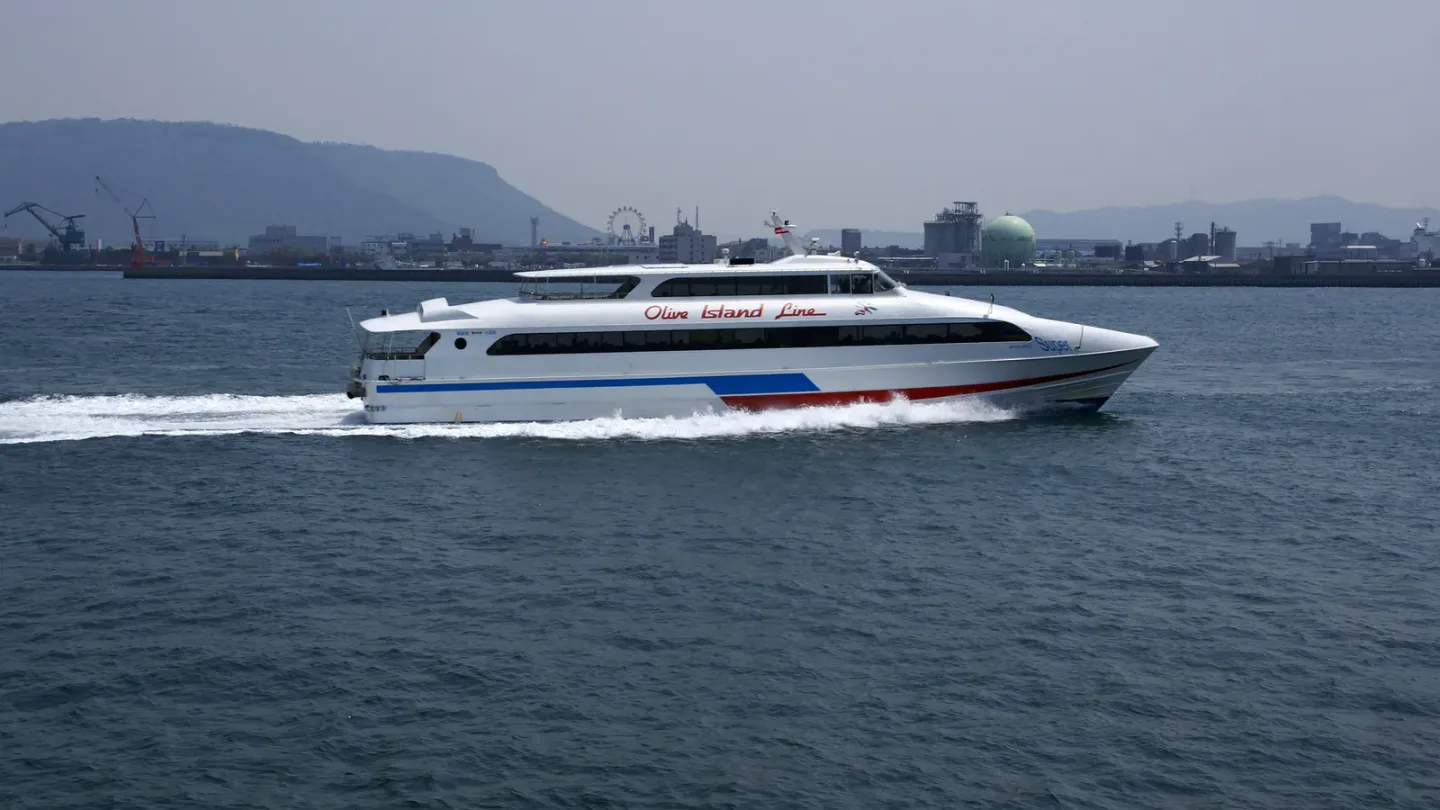
Give Naoshima a full Takamatsu day when the art is the reason for crossing the Seto Inland Sea. Chichu Art Museum, a particular Tadao Ando building or a broader art-island interest can carry that decision. A pumpkin photograph alone is a thinner reason when a four-day trip also has Ritsurin Garden, Kotohira, Shodoshima and Takamatsu neighbourhoods competing for the same daylight.
The ferry crossing is short; the complete day is not. A museum entry slot has to fit the boat, a bus or walking route and the last return you are willing to take. Treat Naoshima as a day with an art appointment and an outer ferry boundary, leaving space between those fixed points. That is the real commitment a Takamatsu visitor is choosing.
Which Takamatsu plans can spare an island day?
↔ Scroll table left or right
| Situation | Suggested use of the day | The deciding point |
|---|---|---|
| Chichu or Ando architecture is a main trip interest | Give Naoshima one full day | Those art experiences are not interchangeable with a Takamatsu city stop. |
| Only a pumpkin photo is planned | Keep the day elsewhere | The boat and time slot chain consumes a complete outing for a narrow aim. |
| Naoshima and Shodoshima are both fixed | Plan two island days | Takamatsu becomes the port and evening base. |
| Fixed museum times feel restrictive | Choose a looser outing | The return boat still limits how freely you can wander. |
| Only one day on Naoshima | Sleep in Takamatsu | Avoid the luggage move for one art day. |
| Two art days or sunrise and sunset are priorities | Consider an island room | The second day and quieter hours can justify moving hotels. |
Where the day gains and loses value
These seven dimensions describe a four-day Takamatsu itinerary, with the original editorial ratings retained below. They are planning judgments on a ten-point scale, not measurements published by the museums or ferry company. The weak points are timed booking and the movement between sites; the high point is an art-and-architecture concentration that other Takamatsu outings cannot simply replace.
| Factor in a four-day Takamatsu trip | Original editorial score /10 | Why it scored that way |
|---|---|---|
| Cost efficiency | The basic boat ticket is modest, while each added museum raises the day total. | |
| Time efficiency | Crossing, island movement and entry slots fill more than the ferry time suggests. | |
| Booking flexibility | Popular dated slots can disappear before the transport plan is settled. | |
| Weather resilience | Sea travel and walking outside are less forgiving than a city day. | |
| Crowd resilience | Boat capacity and timed admission can constrain a busy date. | |
| Route fit | Takamatsu works as a fixed port-side base for one return crossing. | |
| Uniqueness | The particular collection of art, island setting and architecture is the payoff. |
The combined editorial rating is 5.8/10. That middle result masks a sharp split: a visitor who came for Chichu may find the day essential, while a casual extra island stop inherits the same transport and booking obligations without the same payoff. Use the separate dimensions rather than treating one number as a universal recommendation.
The first cost: boat fare plus a museum reservation
The standard Takamatsu–Miyanoura ferry fare is ¥680 each way, giving one adult a ¥1,360 round trip. A high-speed passenger boat has a different fare and should not be substituted into that calculation. Chichu Art Museum lists online admission at ¥2,500 on a weekday and ¥2,700 on a Saturday, Sunday or holiday; buying at the ticket window, when a slot remains, costs more. Other art facilities add their own charges.
A weekday adult therefore reaches ¥3,860 with only the return ferry and an online Chichu ticket; on a weekend or holiday, the equivalent floor is ¥4,060. Neither total includes island buses, a rented e-bike, food or a second museum. The amounts are useful because they price the minimum art day that many visitors actually mean, instead of reducing the plan to a single photo stop.
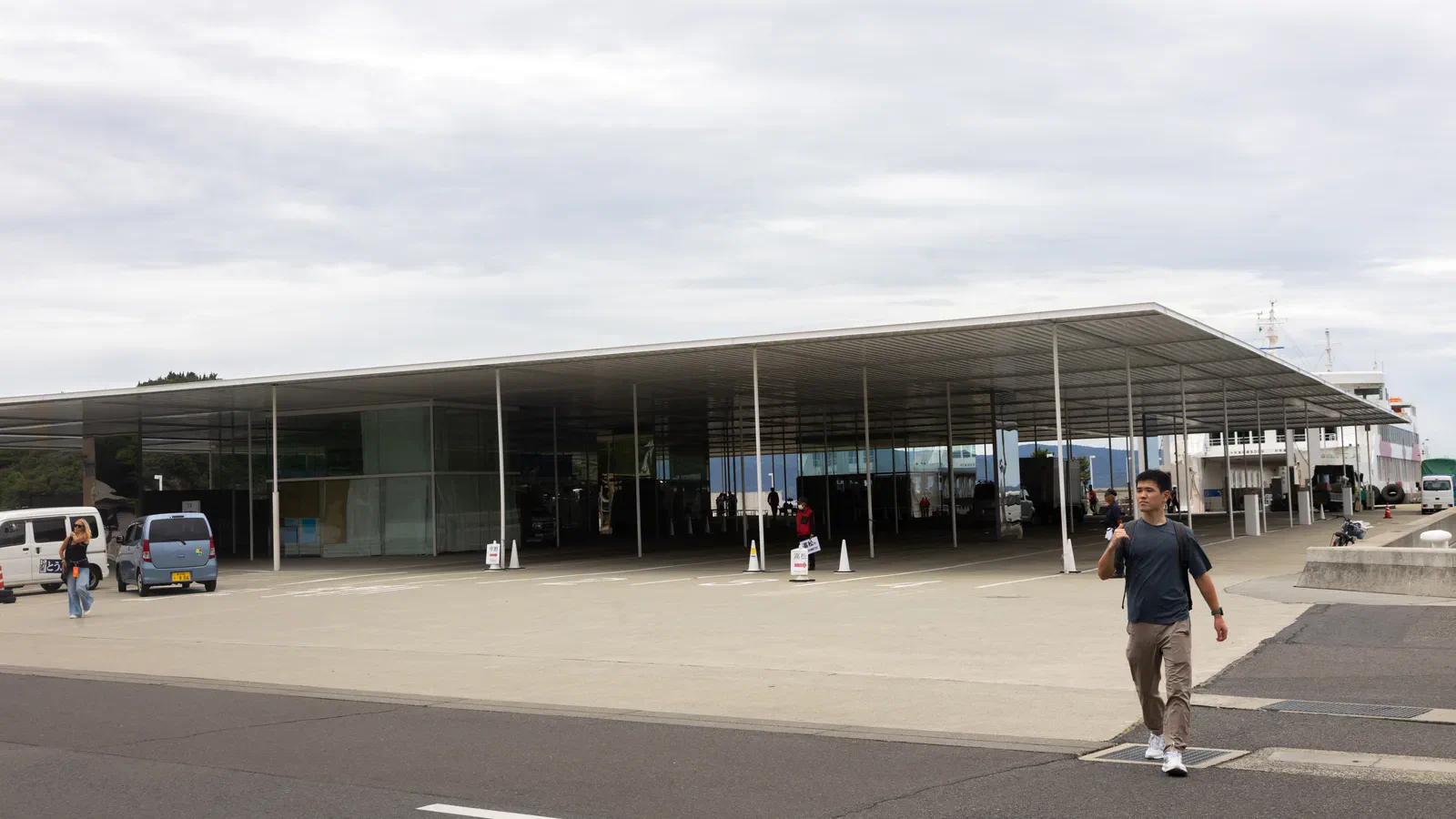
Book the art anchor before the island route becomes crowded
Chichu sells entry in 15-minute dated slots. Same-day online purchase is possible when a slot remains, up to 30 minutes before entry, but a sold-out period cannot be rescued by simply arriving at the door. A ticket is usable for 30 minutes after its reserved time. Benesse pages currently describe cancellation conditions inconsistently, so read the terms presented with the exact ticket before paying; do not build a tight ferry connection on the assumption that the booking can be moved.
The ferry and island bus are not reserved by buying museum entry. It is easy to create an impossible chain by putting Chichu too soon after arrival, or to choose a return ferry first and discover that only a late museum slot is left. For a short Takamatsu trip, set the day in this order:
Read the opening calendar and choose a date when the essential facility operates.
Pick the art stop that justifies the island day and find an entry slot with arrival margin.
Put the outbound ferry and a workable return around that appointment.
Allow for bus or walking time between Miyanoura and the museum area.
Add another gallery only if the first four decisions leave real slack.
Benesse asks visitors to allow extra arrival time in busy periods because ferries and buses have limited service. That margin matters more than fitting another artwork into an already crowded plan. One museum that really matters, reached without a sprint, is a sounder use of the crossing than a long list dependent on every connection behaving perfectly.
The museum test before buying the ferry
Ask what would still pull you to Naoshima if the best-known pumpkin were out of the plan. Chichu, a specific work, or the way Ando places buildings in the landscape gives the day a clear centre. A general wish for sea views does not carry the same booking cost. Ritsurin, Kotohira and Shodoshima offer different kinds of days without pretending to be substitutes for that art.
A harder test is a sold-out preferred museum. Would you still devote a full day to the island? If yes, build a different art route. If no, keep the Takamatsu day free rather than buying a second-choice itinerary merely because Naoshima was pencilled into the trip. That decision is easier before any non-refundable part of the journey has been purchased.
One island day rarely needs a second hotel
Takamatsu Port supports a simple base: leave after breakfast, return for dinner, and keep your luggage in one room before the next JR or airport leg. A traveller prioritising early boats and onward trains may value the station-and-port side. Someone planning restaurant and shopping-arcade evenings may prefer Kawaramachi even though the port approach takes longer. Neither hotel area turns the island into a casual half-day.
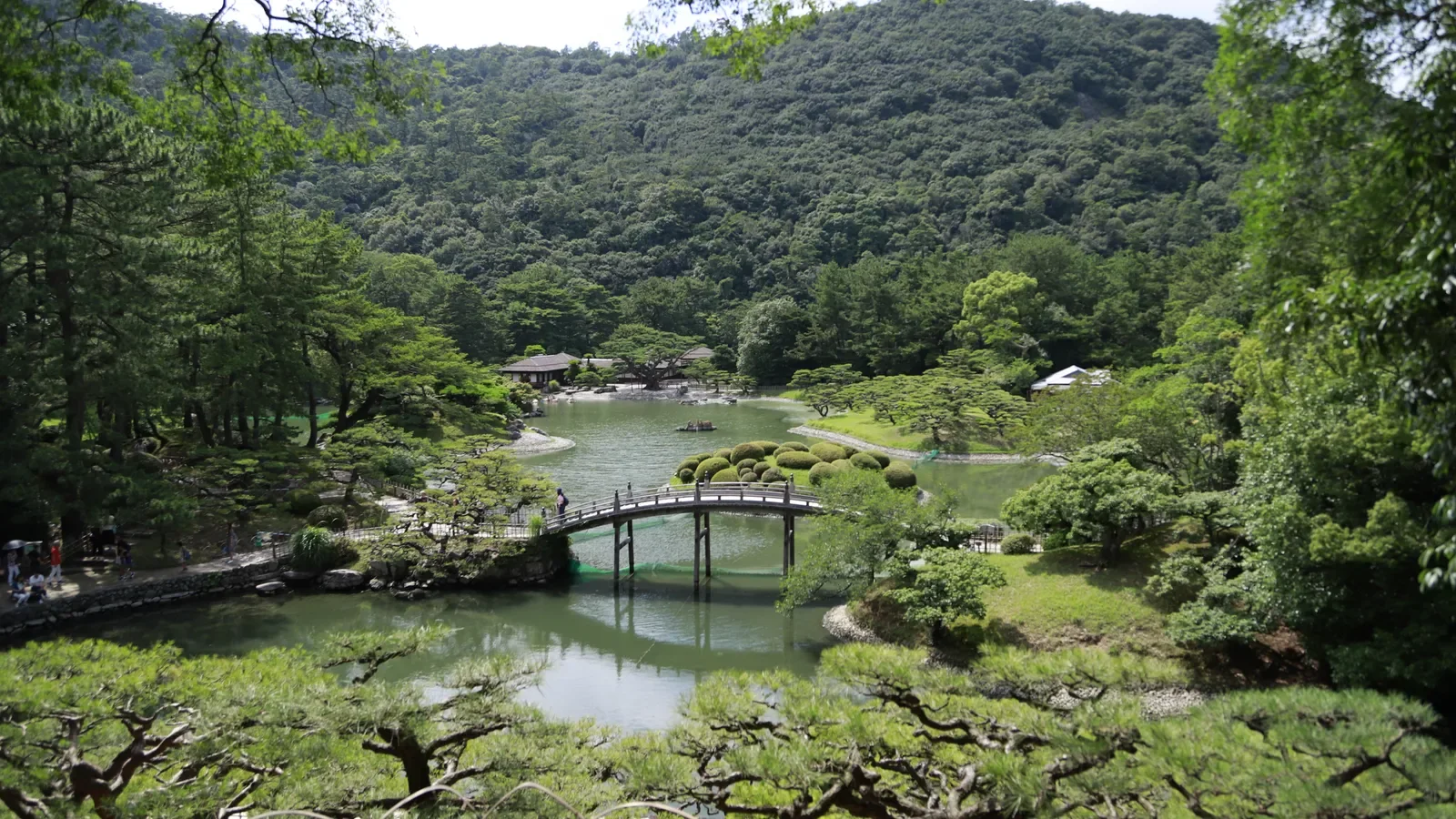
For a fixed mainland hotel, the station and Kawaramachi hotel areas comparison helps match an early ferry to the sort of Takamatsu evening you want.
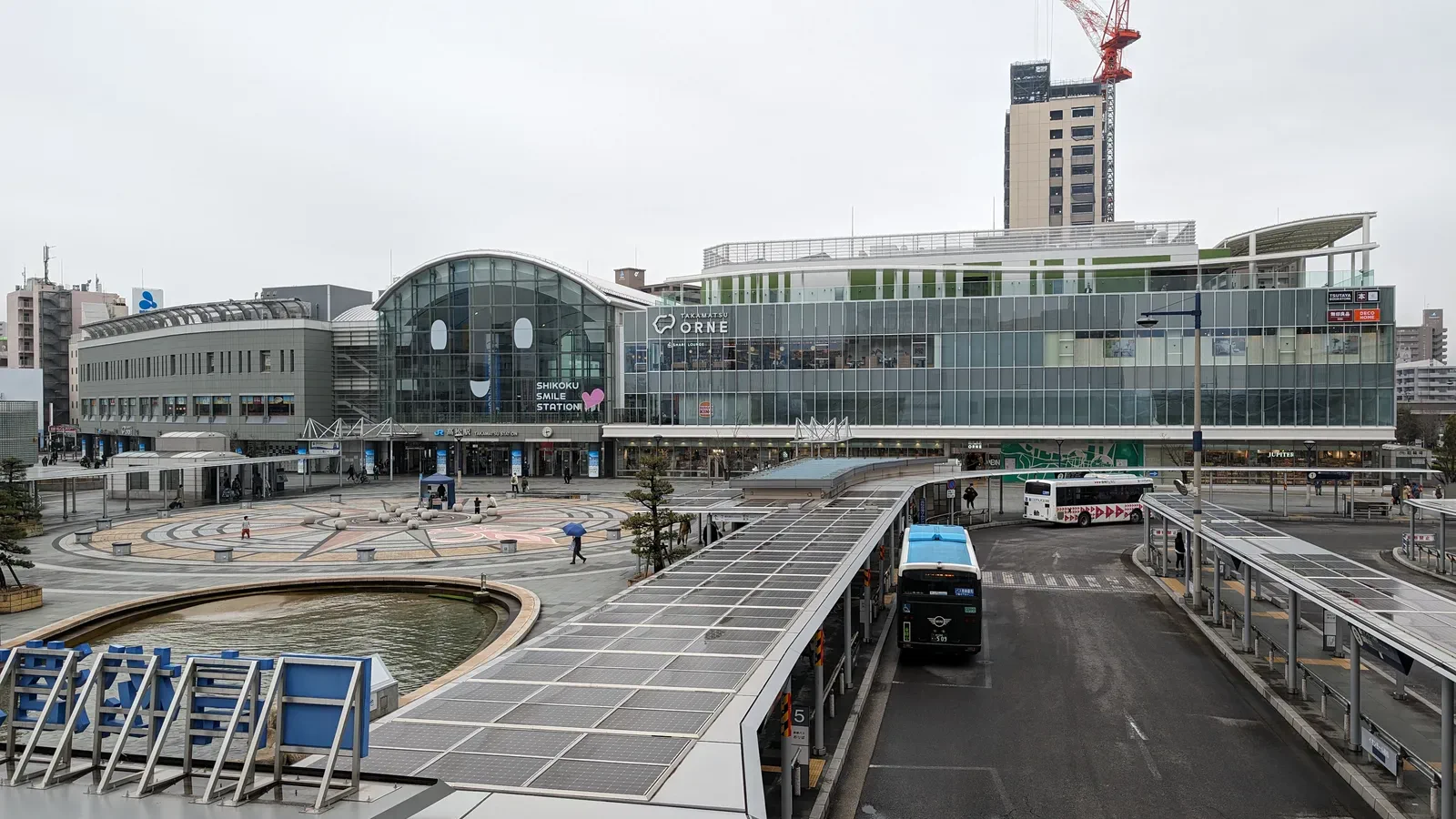
What leaves the four-day Takamatsu plan?
A four-day, three-night trip has a small number of complete sightseeing days. Ritsurin deserves more than a hurried photograph; Kotohira can consume much of a day; Shodoshima needs its own boat and island route. Add Naoshima only by deciding which of those experiences becomes shorter or disappears. Otherwise the itinerary looks full on paper while each destination gets its least rewarding fragment.
If Naoshima and Shodoshima are both fixed, two of the usable days are controlled by island transport. Takamatsu then functions mainly as a sleeping and dinner base, which can be a good Setouchi trip. It changes how much time is available for city streets, Ritsurin or Kotohira, so make that trade explicitly when setting the hotel nights.
Buses help with distance; they do not remove museum walking
For a single-day crossing, leave the main bags at the Takamatsu hotel. Older travellers, families with young children and people carrying camera equipment can use island buses to avoid some longer connections, but they still face walking within museums, slopes and waiting. Removing one art zone is often kinder to the day than adding another transport mode to preserve every stop.
If cycling is central to the visit, settle the Naoshima e-bike route before reserving museum times. A battery cannot extend the fixed return boat or erase walking inside the art sites.
A Naoshima night should buy a second kind of island time
Stay locally when the room gives access to sunset, an early walk, two art days or lodging you would choose for its own sake. For one museum-led day, moving bags and checking into another hotel can use the time the overnight was meant to create. The Takamatsu return ferry remains a sensible boundary if the next morning belongs to another part of Shikoku.
With several island days, reconsider the mainland base through the Naoshima and Shodoshima base guide comparison. Takamatsu does not have to be the only overnight option once the trip is built around art islands.
Three ways four days can work
A Takamatsu-centred version uses arrival time for the city, gives Ritsurin a proper visit, allocates another block to Kotohira or Shodoshima, then departs without a Naoshima crossing. This is the cleaner route when art is only a mild interest.
An art-led version protects a full Naoshima day around the one museum that justified the ferry. Use another day for Takamatsu and perhaps Kotohira, and keep the Takamatsu hotel for every night. The accommodation choice then supports both the early port start and the city evenings.
An island-led version gives separate full days to Naoshima and Shodoshima. It makes little sense to promise the same depth in central Takamatsu on those days. Keep the mainland base for transport convenience and accept that the two island routes, rather than the city, define the trip.
The crossing is easy; the art day has to earn its place
Naoshima belongs in a short Takamatsu stay when a particular museum, work or building would be missed more than the day it replaces. Protect that appointment, build slack around the ferry and decide whether a second island visit is worth narrowing Takamatsu itself. If the only definite goal is a pumpkin picture, the boat fare is not the main objection; surrendering a full day of a short trip is.
For an early island sailing, compare rooms near Takamatsu Port before committing to a station-side hotel.
Ferry and museum planning links
The Takamatsu–Miyanoura fare and sailing pattern, Chichu entry prices and dated ticket slots, and each facility’s opening calendar determine the practical route. Boat and museum bookings are separate. Check the cancellation terms displayed for the exact museum ticket before purchase because Benesse’s currently accessible guidance is inconsistent on that point.
Related guides: Onomichi Day Trip from Hiroshima: Is It Worth Adding in 3 Days? · Kamakura Day Trip from Tokyo: Is It Worth Adding to 4 Days? · Itoshima Day Trip or Overnight? Is One Coastal Night Worth It? · Nara Day Trip or Overnight? When Is One Night Worth It? · Takayama Day Trip or Overnight from Nagoya: 4-Day Trip Guide · Korankei Autumn Leaves Day Trip: Buses from Nagoya, Illumination and Traffic · Rusutsu Day Trip or Overnight from Sapporo? · Nara from Kyoto or Osaka: Which Day Trip Is Easier? · Mt Fuji Day Trip or Overnight: When an Extra Night Is Worth It · A Mount Fuji Day Trip from Tokyo Can Buy You Transport — Not the View