
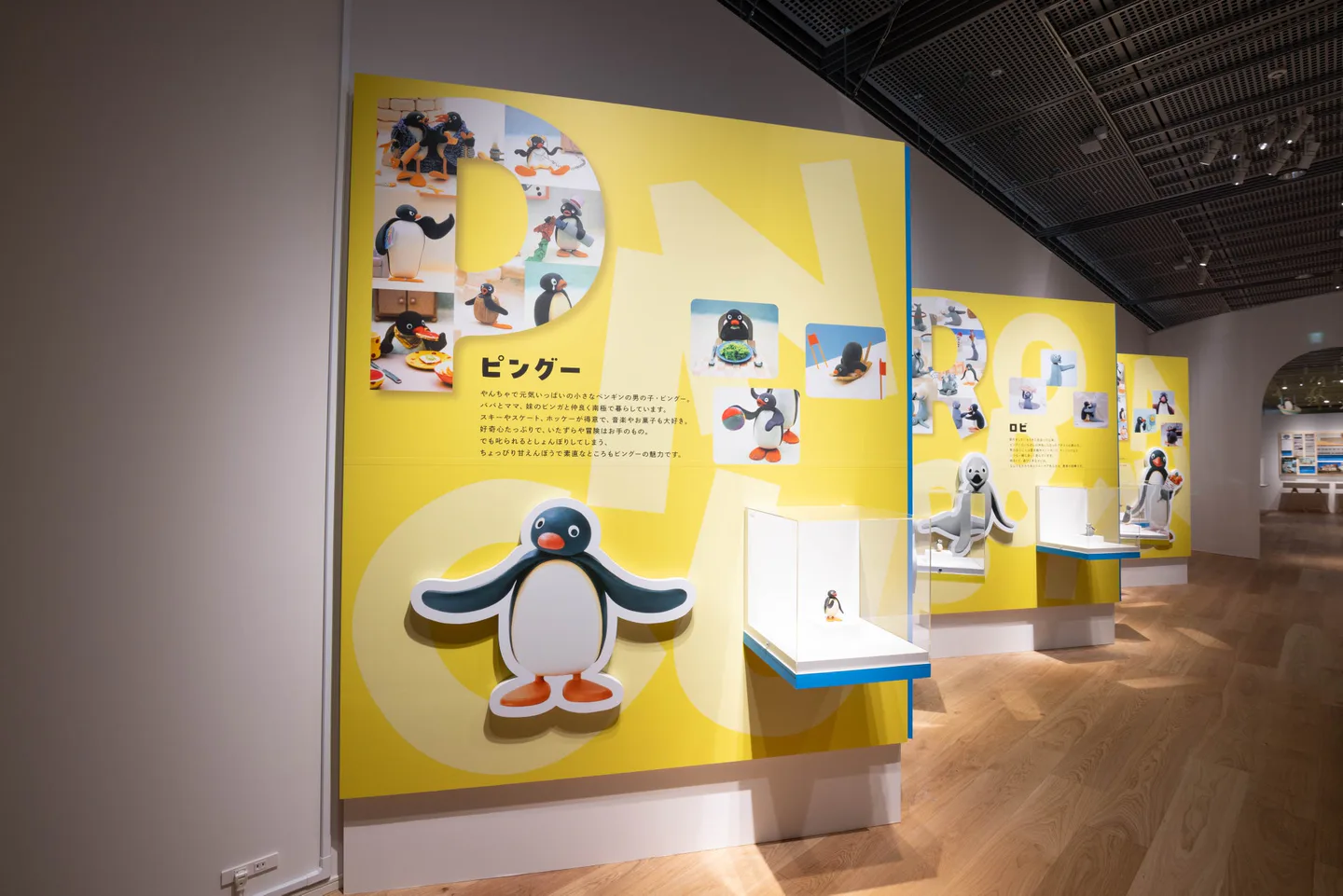
The Tokyo Pingu exhibition closed on September 6, 2026. Its Yurakucho tickets are no longer a bookable activity. A separate Fukuoka run is scheduled from November 21, 2026 to January 11, 2027, so visitors searching for Pingu now need to choose the right city and ticket. The Tokyo details below explain what the original show contained and what its admission bought.
What happened at Yurakucho?
The show ran from July 10 through September 6 at YURAKUCHO MUSEUM inside Tokyo International Forum. It brought the small-scale materials of stop-motion animation together with larger character displays and a shop. The original adult admission was ¥2,200; junior-high and high-school tickets were ¥1,650, elementary tickets ¥550, and accompanied preschool children entered free. These are historical prices, not current ticket offers.
A visitor generally needed about an hour inside, with more time for reading production panels or using the photo areas. The venue sat close to JR Yurakucho Station, which made it easy to combine with a Ginza or Marunouchi afternoon. That convenience was one of its strengths: the exhibition did not require dedicating most of a Tokyo day to a single building.
During the final part of the Tokyo run, the regular hours were 10:00–19:30, with last admission at 19:00; weekends and public holidays extended to 21:00, with last admission at 20:30. September 5 and 6 used timed entry. Tickets were non-refundable after purchase. Those hours and ticket rules belong to the ended Yurakucho programme and should not be copied into a new event plan.
Why the production material mattered more than the giant Pingu
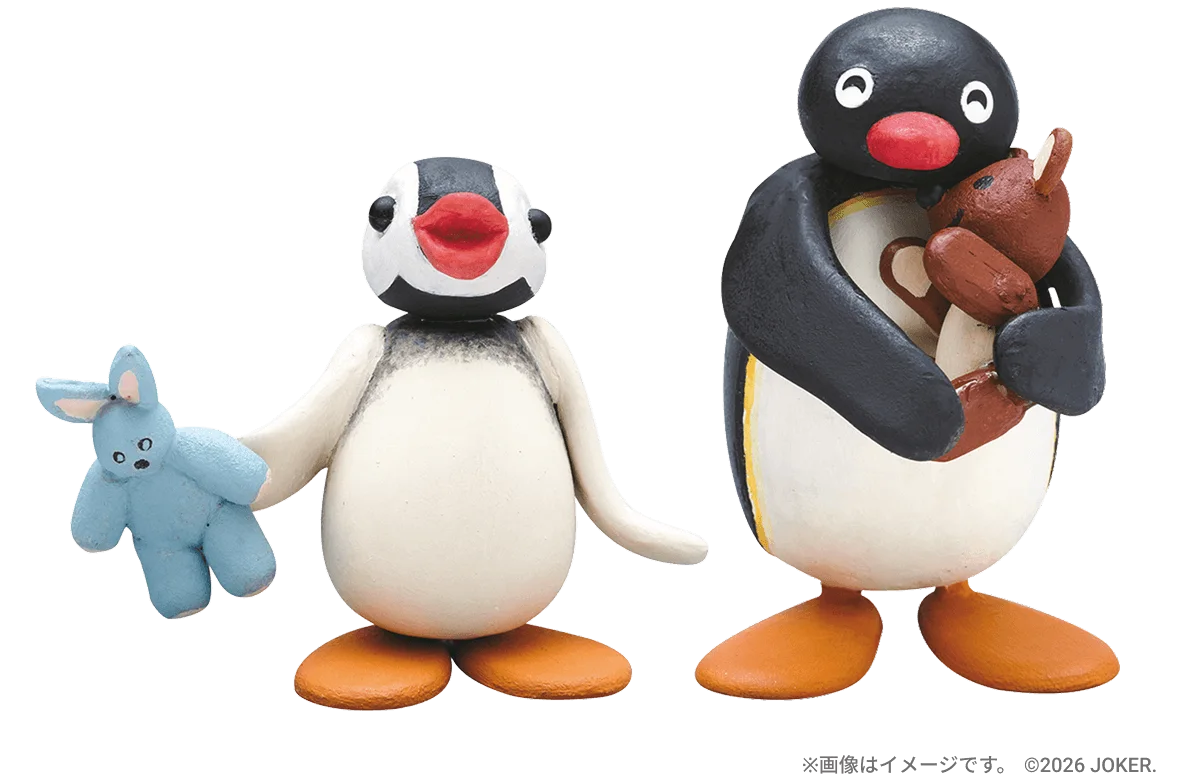
At the centre of the show were models and records from the making of Pingu. A clay character occupies far less physical space than its familiar screen presence suggests. Seeing a model at that scale changes the way you think about the finished animation: expression has to be planned, adjusted and photographed in increments, even when the action on screen looks effortless.
Storyboards and early studio material supplied the missing steps between a character idea and a moving scene. The useful question for a visitor was how a gesture could remain readable when the character had no conventional dialogue. The exhibition developed that question through mouth shapes, posture and timing, then gave visitors more playful ways to notice the same choices.
For someone interested in animation, the small objects were the reason to pay for admission. The giant Pingu and the photo displays made a strong final impression, but they could be understood in minutes. The production exhibits rewarded a slower look and gave the show more substance than a character-photo event.
Models, seams and expressions
A screen image conceals the labour in replacement parts, surface details and tiny adjustments. The displayed models made those decisions visible. You did not need technical training to notice how much character came from a slight change of face or position; the point was to look at them as working objects rather than as oversized toys.
©2026 JOKER.
The character's language and movement
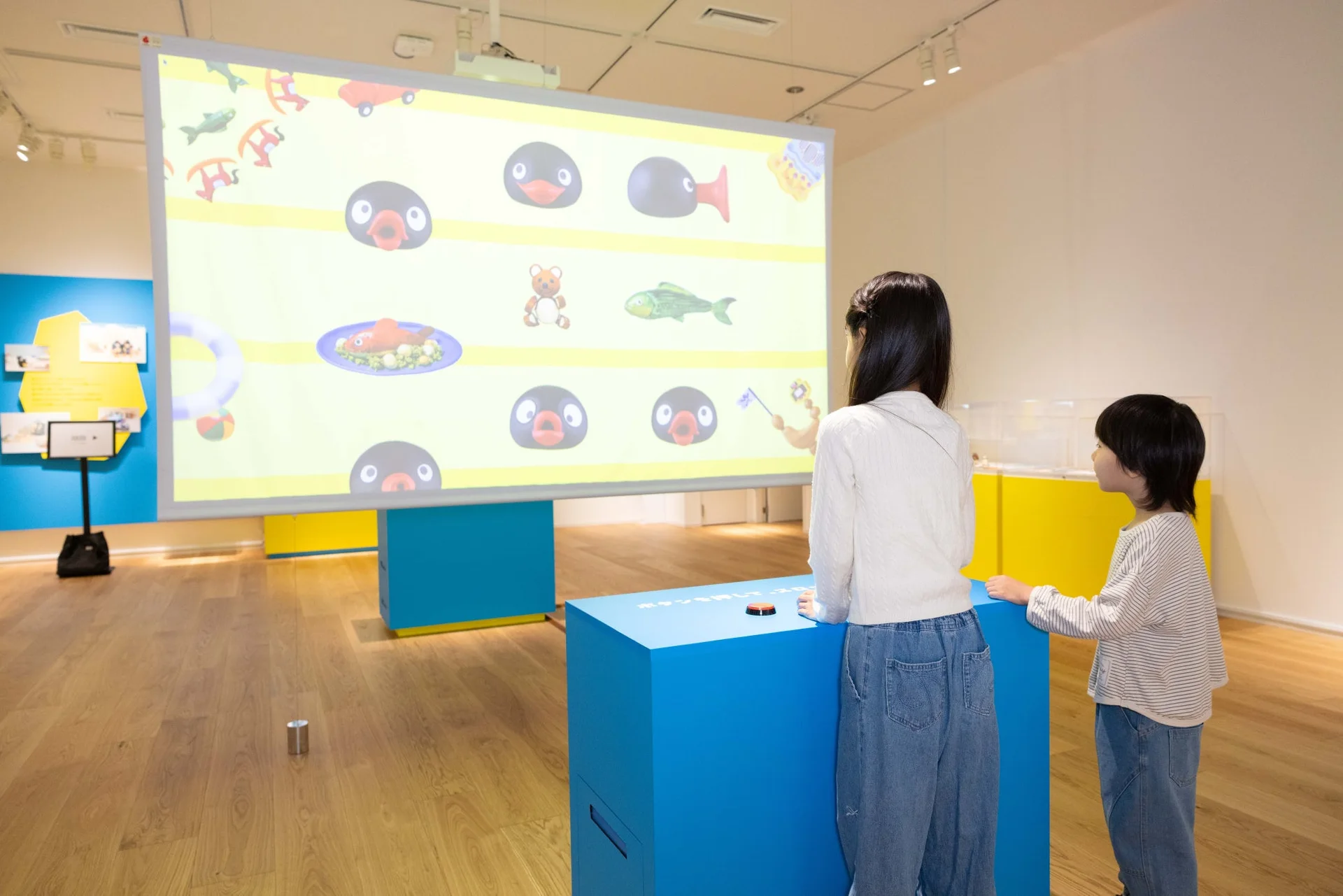
The interactive displays dealt with Pingu's expressive sounds and physical gestures. They worked best as a bridge between the production objects and the cartoons: after looking closely at a model, a visitor could notice how a small movement carries a joke or emotion. The section was lighter than the archival material, which helped families move through the show without turning it into a long technical lecture.
Not every interactive station demanded a queue. A focused visit could pick one or two demonstrations and leave more time for the models. That was a better use of a short visit than trying to complete every photo and activity simply because it was available.
Large-scale displays and collaboration pieces
The giant Pingu, Pingu Dance installation and a Tatsuo Tanaka collaboration gave the route a change of scale. They were good places to take pictures and gave casual fans a clear payoff. They were also the easiest elements to recognise from publicity, which could create a mistaken expectation that the whole event was an immersive playground. In reality, much of its value sat in the much smaller production material.
What the optional photo booth added
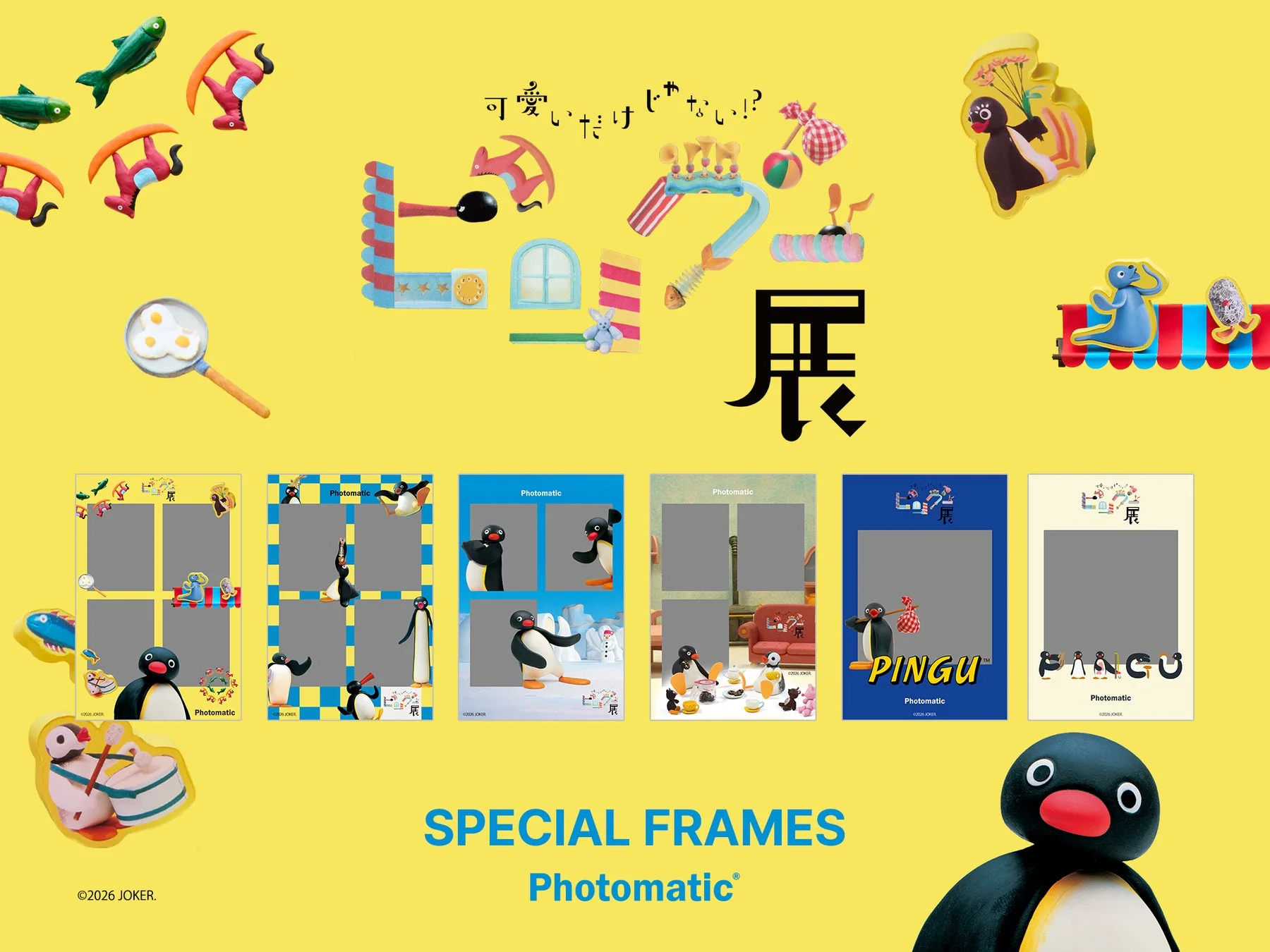
An on-site Photomatic booth offered six exhibition-specific frames. Its ¥1,000 charge included two prints along with digital still and video files. It was a souvenir purchase rather than part of the admission experience. For a visitor who already wanted a printed character photograph, the price was clear; for someone drawn to the animation displays, the show was complete without it.
Photomatic / Photo Create Co., Ltd.; ©2026 JOKER.
Old Tokyo ticket listings and booth descriptions can still appear in search results. They do not sell admission to the Fukuoka run. The new venue, hours and admission bands are different, so treat it as a separate booking.
How the shop shaped the visit
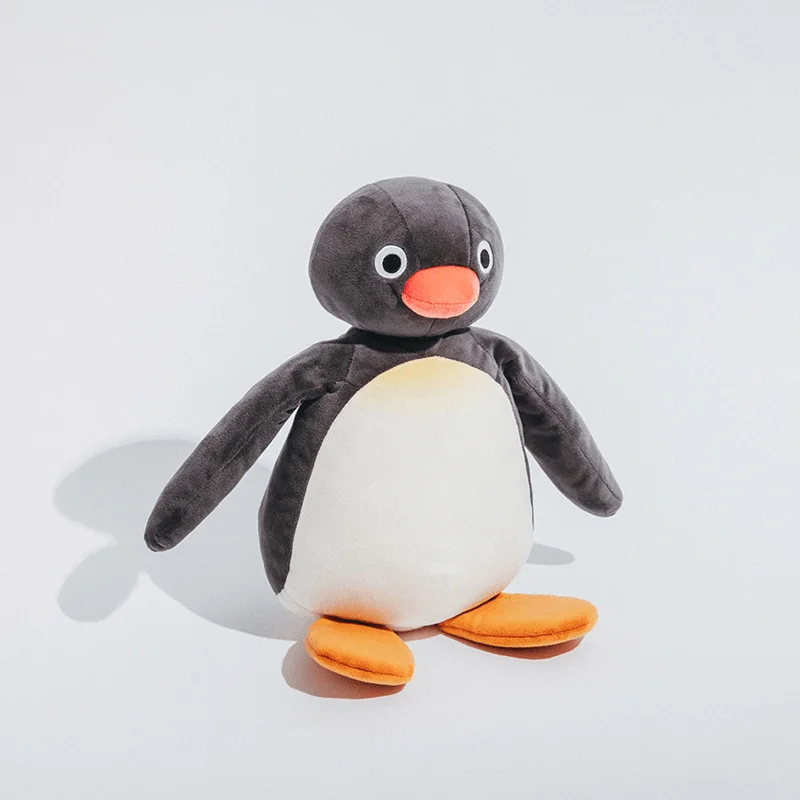
The exhibition shop carried more than 100 items, including small paper goods, keychains, plush toys and clothing. The inexpensive end started with postcards and stickers; plush toys and T-shirts moved the spend well beyond the admission price. Because the shop followed the exhibition route and required an admission ticket, it was never a separate free-entry shopping stop.
During the Tokyo run, small paper goods and selected keychains were roughly ¥330–990; towels, figures and smaller plush toys often sat around ¥1,100–2,750. A basic Pingu plush was ¥3,850 and an adult T-shirt ¥4,620. Those examples explain why a visitor buying only one small souvenir faced a different total from a fan planning a plush and a photo-booth session. They are historical shop prices, not a current Fukuoka catalogue.
That route design mattered for anyone going mainly for merchandise. You paid for the exhibition before reaching the goods, and you could not return to the displays after leaving them. It made sense to finish looking at the models and photographs before moving onward. Once you left the shop, re-entry was not offered either.
©2026 JOKER.
Custom souvenirs took additional time
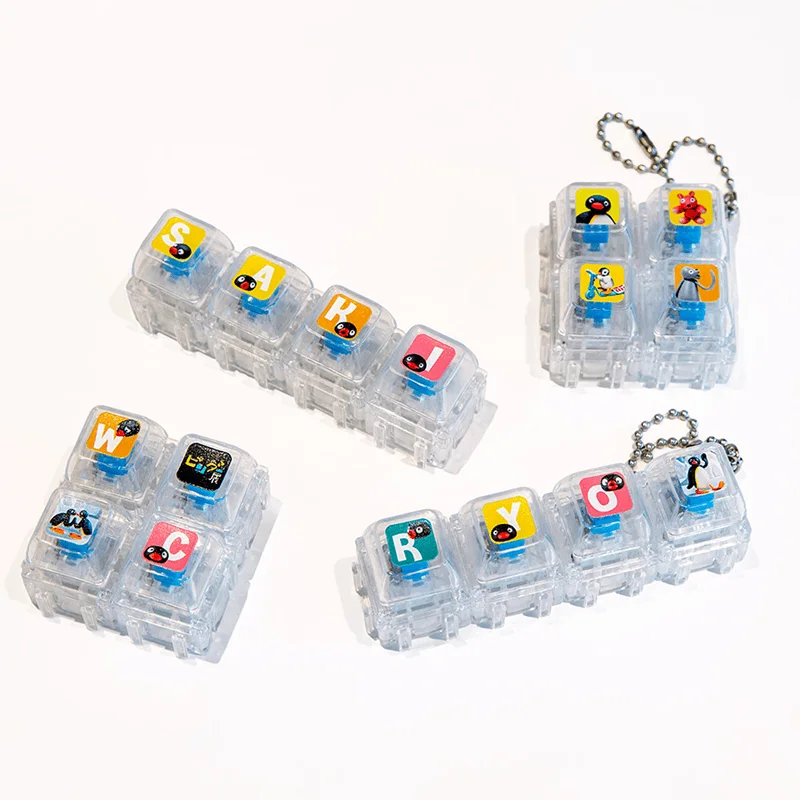
One of the more distinctive purchases was a make-your-own flake-seal set, priced at ¥1,650 during the run. Custom keyboard keychains combined ¥440 keycaps with a ¥110 chain, so the final cost depended on the number of letters or pieces chosen. These were not instant grab-and-go items: the stated production time was around 20 minutes, a relevant detail when fitting the exhibition before dinner or a train.
©2026 JOKER.
Those prices describe the ended exhibition. They should help readers understand what the ticket led to, not act as a current merchandise catalogue. Resale listings, if any, are a separate market with separate prices.
What families needed to know during the run
Strollers stayed outside the exhibition area and could be left at the museum cloakroom. Large suitcases could also be deposited there. The museum itself had no coin lockers, toilets, nursing room or changing area; the surrounding Tokyo International Forum facilities served those needs. Families who arrived without a pause before entry could end up interrupting a short visit for a basic facility trip.
Photography and video were allowed without flash. Large cameras, selfie sticks and tripods could be restricted when they interfered with other visitors. This was a compact gallery setting, so a child who wanted to run between installations would have had a different experience from one happy to examine models, watch demonstrations and take a few photographs.
The separation between gallery and shop was also useful to remember. The two spaces each allowed only one entry, and shopping came after viewing. A family could not treat the merchandise area as a place to wait while another member remained in the exhibition.
What to do around Yurakucho now
The former exhibition location is still a useful geographic reference. Yurakucho sits between Tokyo Station and Ginza, with Marunouchi and Hibiya close enough to combine in one afternoon. If you found this page while searching for an indoor Tokyo activity, choose the activity first and then map the walk or rail leg; the ended Pingu show should not anchor the day's schedule.
JR Yurakucho Station was about a minute from the museum, while the Keiyo Line underground connection from Tokyo Station was roughly five minutes on foot. A daytime visit once fitted between lunch near Tokyo Station and a later Ginza stop; the extended evening hours allowed the exhibition and shop before dinner. Both were two- to three-hour area plans, including the surrounding walk or meal, rather than two or three hours inside the display.
The next Pingu exhibition is in Fukuoka
The Fukuoka run is scheduled at Fukuoka City Science Museum in Ropponmatsu from November 21, 2026 to January 11, 2027. It opens 09:30–18:00, with last entry at 17:30; the final day is planned to end at 15:00. Tuesdays are closed except January 5, and the venue also closes December 28 through January 1. Adult admission is ¥1,800, high-school admission ¥1,000, elementary and junior-high admission ¥600, and preschool entry is free. These are Fukuoka conditions, not a continuation of the Tokyo ticket.
If this exhibition is the reason for a Fukuoka night, settle the Ropponmatsu journey from your hotel before choosing the room. The Fukuoka hotel-area guide compares the bases for a city visit; a Tokyo hotel cannot make the new exhibition a short local detour.
For an exhibition with a stronger science focus, check the current programme at Miraikan in Odaiba before travelling there. Our Miraikan Grand Antarctica guide covers a past timed exhibition and can help with the kind of visit it offered, but its dates also need attention. For a very different scale of event, the Tokyo Game Show guide deals with a convention day rather than a compact museum stop.
If you are building a character-focused day, the Doraemon exhibition guide explains a different ticket-and-shop arrangement. Check its own run dates before putting it on a live itinerary. A comparable theme does not mean comparable admission rules or a shared calendar.
Was the 2026 ticket good value?
For a Pingu fan or a visitor interested in how stop-motion characters are made, ¥2,200 bought a concentrated look at models, story material and the mechanics of expression in a central Tokyo location. The strongest case was an hour spent with the production exhibits, followed by a little time for the larger displays. A casual visitor who only wanted one photograph had much less reason to pay, particularly once the photo booth and merchandise were added.
That is a judgment on the finished 2026 run, not a recommendation to buy a ticket today. The practical decision now is to remove this stop from any current Tokyo schedule. Keep the Yurakucho area if it suits the rest of your day, then select an exhibition whose published dates cover your actual visit.
For a future Yurakucho or Ginza exhibition day, compare nearby rooms for your actual dates if you are also using the station area for the rest of the Tokyo stay.
Other trip decisions
For another compact indoor attraction, compare SMALL WORLDS Tokyo with teamLab Borderless. The SHIBUYA SKY booking guide and Tokyo attractions by area help if you are choosing how to spend the rest of a Tokyo day.
Families can use the KidZania Fukuoka, Tokyo Disney attraction tickets and Disney hotel versus package guides for different trip budgets. For museum time outside Tokyo, see the Kyoto Manga Museum guide. The JR TOKYO Wide Pass and 14-day JR Pass articles cover transport costs rather than exhibition admission.