
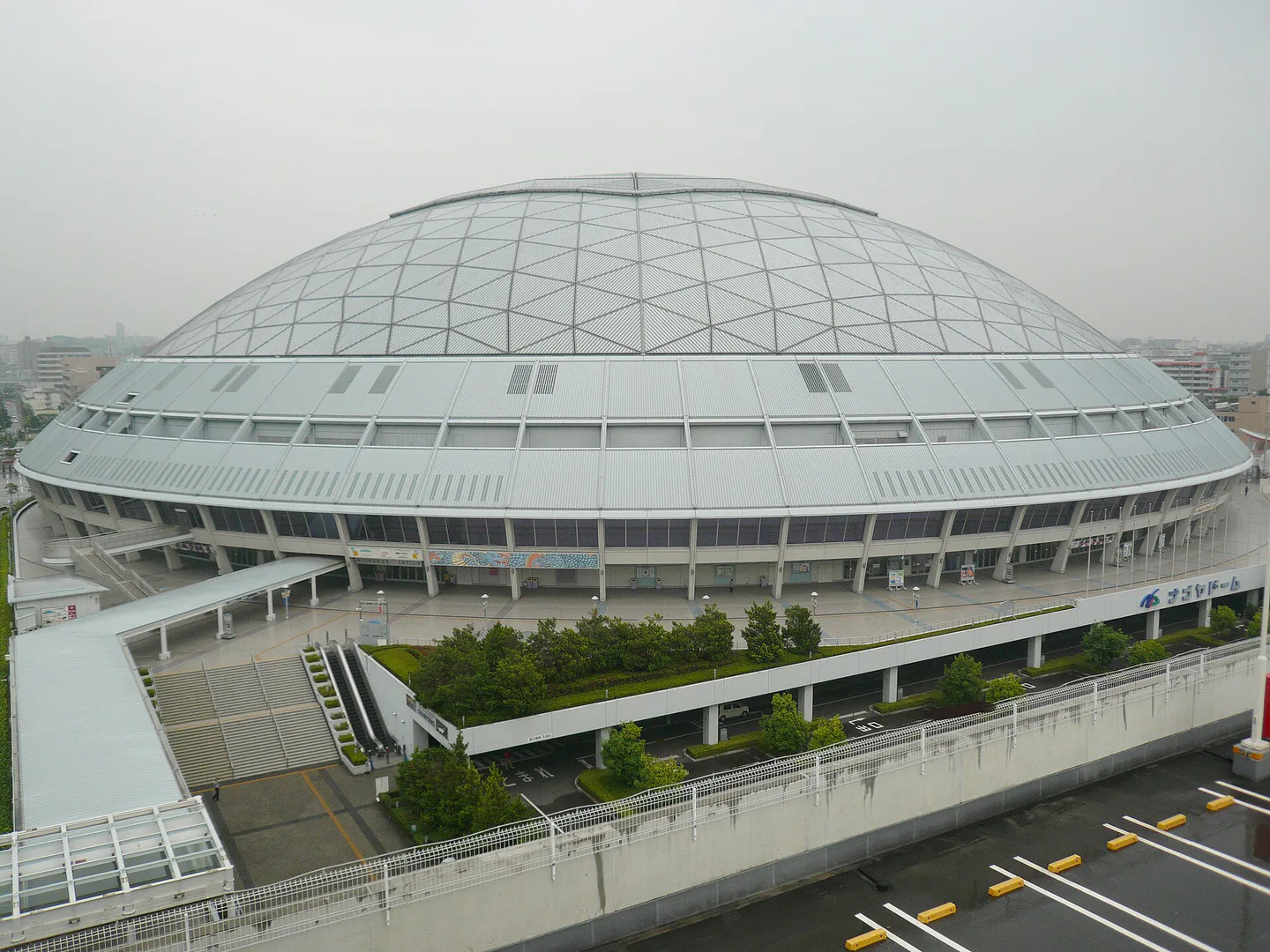
The 20th Asian Games in Aichi and Nagoya have finished. The main Games ran from 19 September through 4 October 2026, and the closing ceremony took place at Nagoya City Mizuho Park Athletic Stadium on 4 October. Ticket purchases, resale, After 4 entry and hotel advice in this article are therefore records of how the event was planned, not options for a coming session. The useful live question for some former spectators is now whether a canceled or defunct session qualifies for a refund.
The organising committee's 20 October notice says refunds for eligible sessions are expected to be processed in stages after the Asian Para Games conclude, beginning in November. It asks buyers to keep e-tickets, paper tickets, purchase confirmations and email. The application window and method depend on the sales channel and had not yet been announced in that notice. The announcement says start dates and deadlines will be issued through the ticket information site and by email once preparations finish, so retaining the original account details may be as important as keeping the ticket itself. Tickets bought through unauthorised resellers are excluded; canceled Games tickets cannot be exchanged for Para Games admission. Someone who still has a ticket should use the ticket information portal for the specific session and wait for the announced procedure rather than assume a ticket desk can refund it in person.
The refund categories are narrower than a general change of mind. They cover spectating sessions canceled or rendered defunct because of operational conditions or severe weather. Online purchasers were to receive eligibility emails in stages; people who bought at a counter or convenience store were directed to the ticket information site for the eligible-session list. The committee also said the in-person Ticket Center would not process refunds. Keeping the purchase channel and original ticket together will matter when the application details are published.
On the organiser's medal table, China finished first with 169 gold and 341 total medals, Japan second with 83 gold and 269 total, and the Republic of Korea third with 39 gold and 150 total. Those totals give a quick outcome, while individual competition results answer what happened in a particular session. A reader looking for a team or event should use the final results pages rather than an old ticket listing or a pre-Games draw. The closing ceremony account confirms the Games concluded on 4 October.
For readers reconstructing a 2026 itinerary, the central lesson remains how dispersed the event was. The pre-event planning figure was 43 sports across 53 anticipated venues; the organiser's present venue directory describes 54 competition venues. Neither number made Nagoya a universal hotel base. Swimming and diving were associated with Tokyo Aquatics Centre, artistic swimming with Hamamatsu, cycling track with Izu, and some other competitions sat outside central Nagoya. A ticket's actual venue, not the event's name, decided the journey.
Which information still matters after the event?
↔ Scroll table left or right
Original visitor situation | How the 2026 decision worked | What matters now |
One must-see medal session | Buy a suitable session when offered; resale was no guarantee | Use the event result or eligible refund notice, not a sales button |
Following a particular team | Matchup, session and venue were more useful than the sport name alone | Consult the final draw and results for the match actually played |
Opening or closing ceremony | Prior visitor registration, identity checks and a specified arrival deadline applied | The ceremonies have ended; the entry rule is an archive fact |
Several sessions across Aichi cities | Nagoya Station kept rail and subway directions open | Useful as a record of the event's transport geography |
Repeated early or late sessions at one outlying venue | A venue-side hotel could remove two difficult transfers | That was a lodging calculation for the 2026 dates |
“Currently unavailable” session | Later ticket releases or authorised resale might reopen inventory | Sales have ended; check refund status only if you held a ticket |
Flexible evening | Selected After 4 tickets admitted from 16:00 | The product was limited to 2026 sessions and is no longer a travel option |
The table distinguishes history from present action because the old buying advice would now mislead. Results and past schedules can still answer which teams met, where a sport was held and why an itinerary needed unusual transfers. None of them can turn an expired ticket into admission. For a canceled or defunct ticket, the refund notice is the current route.
Ticket status was a moving target in summer 2026
During general sales, the inventory was first-come, first-served for each session, subject to the ticket platform's rules and the session date. The ticket site later distinguished “currently unavailable” from a final sold-out judgment. On 14 July it changed wording for allocations that had ended, allowing for later releases. Additional-sale rounds did bring back some seats in August, and an authorised resale service began on 4 August. That sequence explained why a flexible spectator could keep watching inventory while a person travelling for one indispensable final should avoid staking flights and hotels on a possible release.
Those distinctions are historical now. The old portal may still display sales navigation or prior notices, but the Games period is over. An unsold or unused ordinary ticket is not made refundable by the fact that inventory fluctuated before the event. The 20 October refund announcement addresses sessions that were canceled or became defunct through operational problems or severe weather. Eligibility is tied to the actual session and channel of purchase.
Resale had narrower rules than “sell it later if plans change.” Eligible tickets generally could be listed until 23:59 three days before the session, while opening and closing ceremonies had separate conditions. Availability on resale depended on what another buyer listed; it could not guarantee an exact sport, seat, matchup or date. The organiser's historical resale launch notice remains linked below because it explains the 2026 process, not because resale is still a way to obtain admission.
That distinction had practical hotel consequences. A traveller with one non-negotiable final could secure that session and keep the hotel flexible until the venue and schedule were stable. A traveller considering a bonus sport could watch later releases without making a second, non-refundable room booking. The temptation was to treat every new sale notice as a reason to redesign the route. The better test was whether the newly available session fitted the transport corridor already established by the priority ticket.
Another late addition was the After 4 Ticket. For selected sessions, it allowed entry from 16:00, fitting a flexible evening after a light local day. It was weaker for a priority sport because the buyer intentionally missed whatever happened earlier in the session. In a Nagoya itinerary, the coherent pattern was daytime sightseeing, a confirmed eligible evening session on the same transport corridor, then a nearby hotel. A long regional excursion followed by a rushed 16:00 entry created more risk than the lower-friction name suggested.
A ticket labelled “After 4” also did not make the session finish later. The same event schedule and transport limits still applied. If a traveller cared about a particular athlete or match phase that occurred before 16:00, the product could not deliver it. It served people content to join the later part of an eligible event. This is why the original guide treated it as a flexible add-on instead of a foundation for an international trip.
Why the schedule could not be treated as fixed early
Before the Games, four clocks shaped each plan: the ticket's availability, the session timetable, the journey between venues and the entry deadline for ceremonies. A session bought months ahead did not fix the other three. Football team numbers changed some fixtures; the organiser issued another competition-schedule change notice in August, roughly a month before the opening. A screenshot from an earlier version of the programme could send a traveller to the right sport on the wrong day.
Matchups eventually became confirmed across sports. That moved team-following travel from a broad sport-and-city guess to a particular team, opponent, session, venue and start time. Two matches in different cities could make a single Nagoya hotel less attractive than the event branding implied. Even after a draw, visitors still needed to watch later operational notices. The point of this archived planning record is the dependency: a hotel choice was only as good as the venue and schedule information it rested on.
For instance, “I am going to watch basketball” was too broad to choose a room if the venue or opponent mattered. Once the draw identified a national team's match, the traveller could locate the actual session and assess its approach and exit. A second match on the same corridor might justify staying put; a second match far away could justify splitting the stay. The ticket was the anchor. Booking a hotel from the sport label alone risked paying for a base that was convenient for the wrong arena.
The Games' headline dates were 19 September–4 October, but football fixtures began on 14 September. A supporter following preliminary football needed accommodation before the opening ceremony and potentially in more than one city. The event dates alone were therefore an incomplete hotel search range. The same issue could arise at the end of a tournament if a team advanced to a different venue or a session ran later than the initial plan assumed.
For a team supporter, the workable sequence was to identify every match they were likely to attend, map each venue and then select a hotel corridor for repeated journeys. When two sessions clustered on one line, that line mattered more than a generic Nagoya city-centre ranking. When sessions scattered across prefectures, a one-base strategy could mean repeated long trips. The final results now replace the uncertainty about which games were played, but they do not change the travel distances those spectators faced.
Ceremony admission had its own deadline
The opening ceremony was scheduled for 19 September at 18:00 and the closing ceremony for 4 October at 18:00. Those start times did not mean spectators could arrive moments before 18:00. The ticketing guide required registration of visitor information in advance, followed by an identity check at entry. Overseas guests needed an accepted government identity document matching the registration. The organiser specified an earlier arrival time for verification and warned that a late arrival could mean refused admission without refund.
That rule made ceremony days different from ordinary evening sport sessions. A distant afternoon match, tight Shinkansen arrival or slow hotel check-in could consume the verification buffer. A room with a simple route to Mizuho Park Athletic Stadium had more value on those days than a hotel chosen for nightlife or a nominally cheap rate. The ceremonies have passed; these details explain the event's entry conditions rather than advising anyone to buy a ceremony ticket now.
For anyone researching a ticket that was never admitted, distinguish late arrival under the entry rules from a session canceled or rendered defunct by the organiser. The new refund announcement concerns the latter eligible categories. It does not state that every missed ceremony ticket is refundable. Preserve the ticket and related emails if the session itself is listed as eligible; use the published refund channel once the window opens.
The venue map was larger than Nagoya
The original venue list was the practical correction to an easy assumption: “Aichi-Nagoya” was a host title, not a single campus. Tokyo Aquatics Centre, Hamamatsu, Izu and Osaka examples sent some visitors well outside a Nagoya-based day plan. Within Aichi, a Nagoya-city session and an airport-side or other outlying session could have very different access needs. The current venue directory lists 54 competition venues, superseding the 53-venue planning count used before the event.
The difference between 53 planned and 54 listed venues is a reminder to distinguish a pre-event planning figure from the final published venue directory. It does not mean an individual spectator needed to know all 54. They needed the one or two names printed against their sessions and the route used by spectators on those dates. Someone who bought a Tokyo Aquatics Centre ticket would not become better placed by finding a cheaper Nagoya room. Someone with several Aichi-city sessions might still get good value from the Nagoya rail hub.
One pre-event discrepancy showed why a specific sport page was better than a generic index. An August approval notice named Nagoya City Higashi Sports Center for padel and teqball while an older English listing still showed a provisional or undecided status. The venue had not changed from the plan; the public pages had been updated at different speeds. That is a historical data mismatch, not a current itinerary uncertainty. For a results reader, the final venue listing is the better description of where competition was held.
Nagoya Station worked as a hedge only when the chosen sessions still formed a Nagoya-centred transport tree. It gave access to Shinkansen, JR, Meitetsu and subway services for a mixed Aichi programme. Sakae could serve repeated central-city evenings better; a station-area hotel could reduce transfer uncertainty yet still involve a meaningful outside walk. The right comparison was door-to-venue movement after each session, not the number of metres between a hotel listing and a station label.
That is why a mixed programme and a single outlying sport produced different answers. With sessions scattered around Aichi, access to several railway systems was a form of flexibility. With two late sessions at one venue, sleeping nearby could return hours and simplify the journey back after crowds dispersed. Sakae was not worse by definition; it simply optimised a different pattern of evenings. The hotel should have followed the session map, not the fame of the neighbourhood.
↔ Scroll table left or right
Priority-session geography | 2026 hotel logic |
Central or Nagoya-city venue | Nagoya Station was a flexible rail base; Sakae was worth comparing for repeated central evenings. |
One outlying Aichi venue | One Nagoya room generally avoided a hotel move unless the session had a hard early or late edge. |
Two or more sessions on the same outlying corridor | Venue-side lodging could delete multiple repeated transfers. |
Tokyo, Izu or Osaka venue | The overnight belonged in that event block's region rather than automatically in Nagoya. |
For a traveller who did use Nagoya as the base, the Vessel Hotel Campana Nagoya example shows the extra question behind “near the station”: did the walk, room, bath and breakfast package help after long venue days? That kind of hotel evaluation was more useful than choosing the nearest listing by name alone.
When did a second hotel earn its place?
A venue-side room made strongest sense when it removed at least two expensive journeys or protected one difficult deadline. Two consecutive early or late sessions at the same outlying venue could justify moving once. An early spectator access time at Aichi Sky Expo followed by a Chubu Centrair flight could favour an airport-side stay. One afternoon session outside Nagoya, followed by central Nagoya events, usually did not justify packing and checking in elsewhere.
A hotel move carried its own fixed costs: checkout, luggage storage, transfers, waiting for another room and repacking. Looking at a map could make an outlying venue seem far enough to warrant an overnight, but the event-specific shuttle or spectator access plan sometimes changed that calculation. Aichi Prefecture published venue access information covering combinations of public transport, shuttles, accessible transport and park-and-bus-ride arrangements. Those temporary arrangements were part of the 2026 event and should not be assumed to operate today.
Pairing two sessions on the same date needed more than the start times. If one event began in the morning and another at 17:00, the supposed five-hour gap was reduced by the real end of the first session, dispersal, security, shuttle waits, the venue-to-venue journey and admission at the second. One priority session plus one flexible block was often safer across different venue cities. A ceremony as the second event required an even larger margin because its identity-check cutoff could overrule the published 18:00 start.
The first event's finish was especially uncertain in some sports. A schedule could tell you when competition began but not exactly when a match, medal ceremony or post-session exit would conclude. If spectators were channelled to a shuttle, the queue after the event could be more consequential than the nominal train time. The 2026 spectator access pages gave venue-specific arrangements; ordinary-day map directions alone did not include every temporary shuttle, security perimeter or crowd-control measure.
These constraints also explain why a cheaper available ticket was not necessarily a good second purchase. Once the first priority sport established a hotel corridor, an additional session in another region could force a longer journey or another room night. The ticket price was visible on the screen; the travel tail appeared later. That was the central logistical trap in a 54-venue Games.
Child and accessible tickets changed seating
Under the 2026 ticket rules, a child ticket applied to someone under 15 on the session date and was attached to the sport's lowest seat category. When a child watched with a person aged 15 or older, the accompanying person's seat choice had to be compatible with the child's category. A low child price could therefore set the seating decision for the whole family. Comparing only the child's discount would miss the cost of the group's final arrangement.
A family that began by selecting the cheapest child fare could discover that the adults could not sit together in a different preferred category. The sensible comparison was the total group purchase in a compatible block of seats. This mattered especially for a one-off medal session where a separated group might not have another opportunity to attend together. The age test was made on the session date, so a birthday near the event could affect the ticket category as well.
Wheelchair tickets were different: the price included one adjacent companion, and that companion needed to enter and exit with the wheelchair user. Spectator transport and accessible routes could also vary by venue and session. A buyer needed both the ticket category and the venue-specific access plan. These rules are recorded here to explain past purchases; they are not current sales products for a completed event.
The companion inclusion did not make every route accessible by default. A wheelchair user and companion needed to reach the correct entrance together at the time required for that venue, then follow the event's accessible transport arrangement if one was offered. An itinerary with two sessions in different cities had to allow for both access plans, not simply compare the timetable between stations. This was another reason to plan from the exact venue rather than from the general Aichi-Nagoya label.
A four-day spectator trip in hindsight
One workable 2026 pattern was arrival and a central Nagoya orientation day, followed by a priority session and dinner on the same return corridor. A second event day could hold another priority session or a selected After 4 ticket after light sightseeing. The fourth day was better used for onward travel than for a distant venue before a Shinkansen. This itinerary shape protected time for the rest of Japan rather than treating every empty calendar slot as room for another ticket.
For a 10- to 14-day first trip, two Games days could occupy more than two simple sightseeing blocks once the transport tails were included. Takayama, Kyoto or a theme park did not fit automatically into the gaps. The 10-, 12- or 14-day Japan itinerary remains useful for seeing which destination an event block replaced, although the specific 2026 sports dates are now past.
In the final month before the Games, sensible checks included exact matchup, inventory status, revised schedule, venue, spectator access, ceremony identification and hotel cancellation deadline. The ticket portal highlighted confirmed draws; an August notice showed the schedule could still change. The Nagoya Higashi padel/teqball approval was a reminder to prefer a specific dated venue notice over a stale summary page. This was a sequence for 2026 spectators, not a checklist for buying Games tickets in late October.
Those checks had different deadlines. A ticket could become available again late, while a refundable hotel could become non-refundable earlier. A schedule change could shift the most useful hotel corridor after the room was reserved. The ceremony entry requirements could impose an arrival time before the visible programme began. Tracking the hotel cancellation deadline alongside the session notices gave a traveller a last safe moment to adjust without turning uncertain ticket inventory into an irreversible room expense.
The event is over, but three useful paths remain: use the Games results for the actual contest, the final venue directory for where it took place, and the 20 October refund announcement if an eligible session was canceled or became defunct. For the latter, keep the ticket and purchase record, check the ticket portal for the announced window, and follow the procedure for your purchase channel when it opens. Nagoya hotels, 16:00-entry products and resale inventory belong to the pre-Games record.
If Nagoya remains on a later Japan route after the Games, compare Nagoya rooms for those new dates using the actual station and venue plans rather than a finished event schedule.
Games archive and visitor information
Aichi-Nagoya 2026 Ticket Information — current ticket status, confirmed-matchup notice and venue-access links · ticketing guide — opening/closing ceremony identity verification and admission rules · Competition venues after the Games · August 7 venue approval for padel and teqball · resale-service announcement · competition-schedule change notice · Aichi Prefecture spectator venue-access information. Information rechecked August 25, 2026. Ticket inventory, competition schedules, matchups, identity-verification instructions and access plans can change; recheck the exact session before travel.
Related guides: Kyoto Autumn Illumination 2026: Temples, Tickets, Transport and Hotels · Kenrokuen Autumn Leaves 2026: Early Entry, Illumination, Transport and Hotels · USJ Halloween 2026 Guide: Dates, Tickets, Attractions and Hotels · Mifuneyama Rakuen Autumn Illumination 2026: Tickets, Access and Hotels · Naruko Gorge 2 Day Itinerary: 2026 Trains, Trails, Onsen and Hotels · Sumida River Fireworks 2026: Viewing Without a Seat, Two Venues and Exit Strategy · USJ Halloween Horror Nights All Night 2026: Tickets and Plan · Akita Kanto Festival 2026 Guide: Dates, Seats, Day Contest and Hotels · KidZania Fukuoka Tickets 2026: 4 vs 6 vs 8 Hours — and Is the English Program Worth It?
Miraikan Grand Antarctica Exhibition 2026: Tickets, Highlights and Odaiba Plan
Port of Nagoya Public Aquarium 2026: How Long to Spend and When Night Entry Is Worth It
Okinawa Travel Guide: First-Time Itinerary, Hotels and Transport
Takayama Autumn Leaves: Old Town, Hida Folk Village, Transport and Hotels
Dazaifu Shinko-sai 2026: Mikoshi Route, Candlelight and Transport