
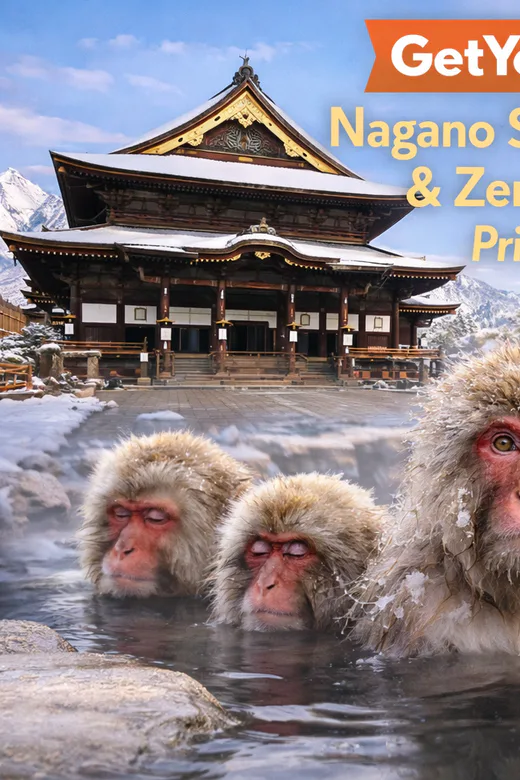
A guided snow-monkey day is a purchase of coordination. Once you reach Nagano, somebody else orders the temple stop, lunch, local transport and park visit. The operator cannot drive you to the macaques: the approach from the Snow Monkey Park bus stop is still around 35 minutes on foot. Nor can a reservation promise a monkey in the hot spring. Decide whether you want that multi-stop day, a self-directed park visit, or a night in Nagano before comparing ticket prices.
Tokyo makes the distinction especially sharp. The Hokuriku Shinkansen gets you to Nagano quickly, but a tour beginning at Nagano Station does not generally include that intercity train. DIY means arranging the train, onward bus or local railway, the woodland walk and the return; the tour takes over only part of that chain. If the departure morning will affect your accommodation choice, read the Tokyo Station versus Shinjuku base comparison before moving several hotel nights to serve one excursion.
The last 35 minutes cannot be bought away
The park’s access route puts a roughly 35-minute walk between the Snow Monkey Park stop and the entrance. The first-time visitor guidance also describes an unpaved mountain path and advises appropriate footwear. There are uneven stretches, steps and gradients; winter can add snow or ice. The tour operator describes its own group walk as 1.6 km one way. You must then walk out again after the visit, so budget for roughly twice the approach distance rather than treating the 35 minutes as the entire physical commitment.
A guide helps with finding the route and keeping the group together. A bus or van removes changes of local transport. Neither changes the path surface. The unpaved approach cannot take wheelchairs or carts, while the tour warns that it is unsuitable for guests who cannot manage the trail. If someone in your party has a mobility limitation, buying a more expensive tour is not a workaround. The Sapporo hotel guide for parents in snow discusses the same practical issue: published journey times do not describe steps and ground conditions.
Cold-weather footwear is a decision to make before tour versus DIY. A dry autumn path and a January path have different grip demands. The tour operator says rental boots may be available near the park and spikes can be bought, but those contingencies should not replace preparing suitable shoes. Winter road delays can also affect the vehicle’s return to Nagano. The Hakuba ski-bag transfer guide becomes relevant if this day sits inside a ski trip with bulky luggage; leave equipment at your base instead of carrying it onto the forest trail.
The animals set the most important limit on a booking
The park keeps wild Japanese macaques rather than a confined zoo population. Staff may attract them during opening hours, but the troop can remain away on some days. Autumn has more natural food in the mountains and particularly irregular appearances. Even when the monkeys are present, bathing is not scheduled. The classic hot-spring period is the colder stretch from December through March, and an individual visit within that season still cannot guarantee the photograph seen in advertising.
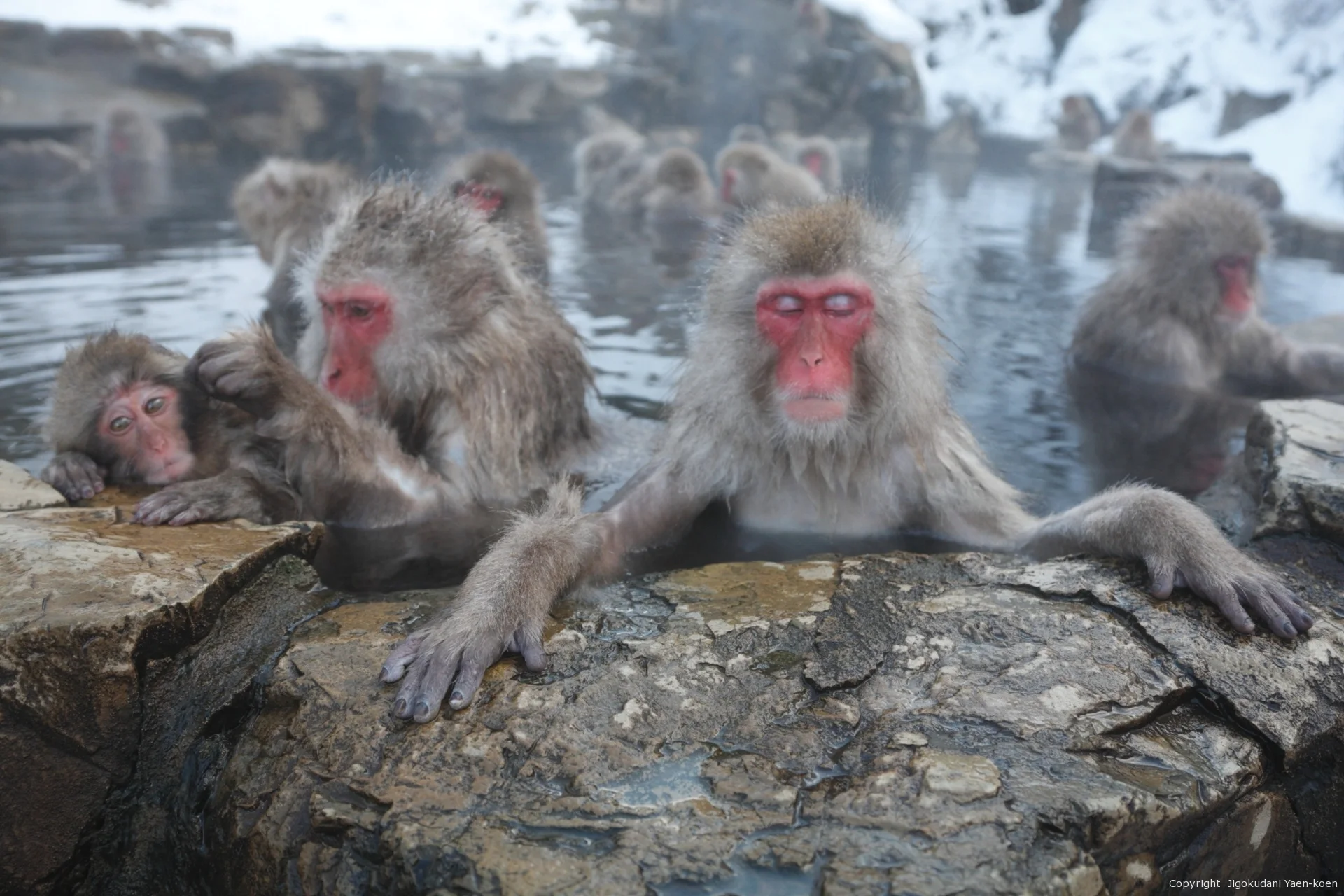
This is not a minor disclaimer to be tucked after purchase. If the day is worthwhile only with a monkey soaking in steam, both DIY and guided versions carry the same wildlife risk. A guide can explain behaviour and fill the day with Zenkoji and food if the park visit is quiet, but cannot bring the troop down from the mountain. That broader day is precisely what some travellers want and what others would resent paying for. A traveller choosing an autumn trip can use the Nagano-region autumn itinerary through Toyama and Matsumoto to build a trip that remains interesting without one animal encounter.
The park is generally open from 08:30 to 17:00 in April–October and 09:00 to 16:00 in November–March. It asks visitors to arrive at least 30 minutes before closing; weather and animal behaviour can cause changes. The earlier winter close matters to DIY travellers who start late from Tokyo: add the Shinkansen, bus, walk and return buffer before deciding how long you can stay. For visits from 1 December 2026, the park has announced an admission-fee revision, so a future budget should use the new date’s tariff rather than an older ticket figure.
A one-day tour buys a planned Nagano sequence
The currently listed Nagano-based group route meets at Nagano Station in the morning, visits Zenkoji, includes a sake stop and lunch, reaches the Snow Monkey Park area in the afternoon and finishes back at Nagano Station in early evening. It is a full day because the temple and meal are part of the product, not optional padding for someone who wants only macaques. The operator’s sample plan has a 09:35 station meeting and a roughly 17:35 finish. Use those as an example of the day’s shape; select your date and pickup option for the terms that actually apply.
The operator also lists some winter-only Hakuba pickups, a useful option if the trip already includes skiing. Those pickups happen before the Nagano Station meeting and the return reaches Hakuba later. Winter weather can shift the finish. Do not buy a tightly timed onward train simply because an illustrative itinerary prints a particular return minute. The Happo versus Echoland ski-base comparison helps position the excursion against ski lifts and evening life; the Happo versus Goryu base guide is more relevant if your normal ski days concentrate around Goryu or Hakuba47.
From Tokyo you still need your own Shinkansen ticket to and from Nagano. Build a station-arrival margin before the group meeting, not a connection that works only if the train, platform exit and meeting place all run perfectly. A guided day is attractive when a family can walk comfortably but does not want to coordinate local rail and bus times, or when a first-time visitor genuinely wants both Zenkoji and Jigokudani. The first-time Tokyo neighbourhood guide is a useful check if one Nagano day is about to dictate a less convenient Tokyo hotel for the rest of the trip.
| What you buy | Guided Nagano day | What remains yours |
|---|---|---|
| Intercity travel from Tokyo | Usually outside the Nagano-start tour | Shinkansen booking and a meeting-time buffer |
| Local itinerary | Temple, meal, park transfer and group order | Ability to follow the set pace |
| Park approach | Guide along the route | The same unpaved walk in and out |
| Wildlife | Time at Jigokudani | No guaranteed monkey appearance or bathing |
| Winter Hakuba option | Selected dated pickups and return transport | Reaching the pickup point and allowing weather delay |
The value is easiest to see when several of those middle-column items matter to you. If Zenkoji, lunch and a guided explanation would otherwise be separate pieces of research, the combined day can save planning effort. If you would actively skip them, you are buying a schedule that spends much of your available time away from the park. The Munakata shrine and sake-brewery tour decision illustrates a similar question: is the operator’s route useful, or are its stops simply taking time from your actual priority?
DIY gives the park more of your timetable
The independent route from Tokyo begins with the Hokuriku Shinkansen to Nagano. The park lists two onward patterns: a Nagano Dentetsu train toward Yudanaka followed by a bus, or an express bus from Nagano toward the Snow Monkey Park stop. Both end with the trail. Its access page quotes a fastest Tokyo–Nagano rail segment of 79 minutes, a 38-minute Nagano Dentetsu limited express to Yudanaka plus roughly 15 minutes by bus, or about 41 minutes on the direct express bus. These are component journey times, not a door-to-door promise; connection waits, the park walk and your own visit add substantially more.
DIY works particularly well when Jigokudani is the entire objective. You can arrive earlier, stay longer with the troop when it does appear, or move on promptly if it does not. You can omit a sake tasting, temple stop or group lunch without feeling that you lost an inclusion. The trade-off is making your own timetable and reacting to a missed connection or weather delay. Check both the outward and return bus before paying for a Tokyo rail return, especially in the shorter winter opening window.
Independent travel also opens a route that does not double back to Tokyo. A Nagano-area night can put Jigokudani on one side of a slower stay, then allow onward movement toward Matsumoto, Toyama or a ski area. The Toyama–Tateyama–Kamikochi–Matsumoto five-day route is one regional example. It does not imply those places are beside the monkey park; it shows the alternative to repeatedly returning to a Tokyo room.
One overnight may solve more than one guided day
Before comparing a tour ticket with local bus fares, decide whether Nagano itself deserves time. An overnight removes the compulsory same-day rail return and lets a park visit coexist with an onsen evening, another local stop or a slower meal. The tour is efficient at squeezing several stops into one day, but efficiency is not always the main goal. A night in the region can be a better use of the itinerary if you were already interested in hot springs and mountain towns.
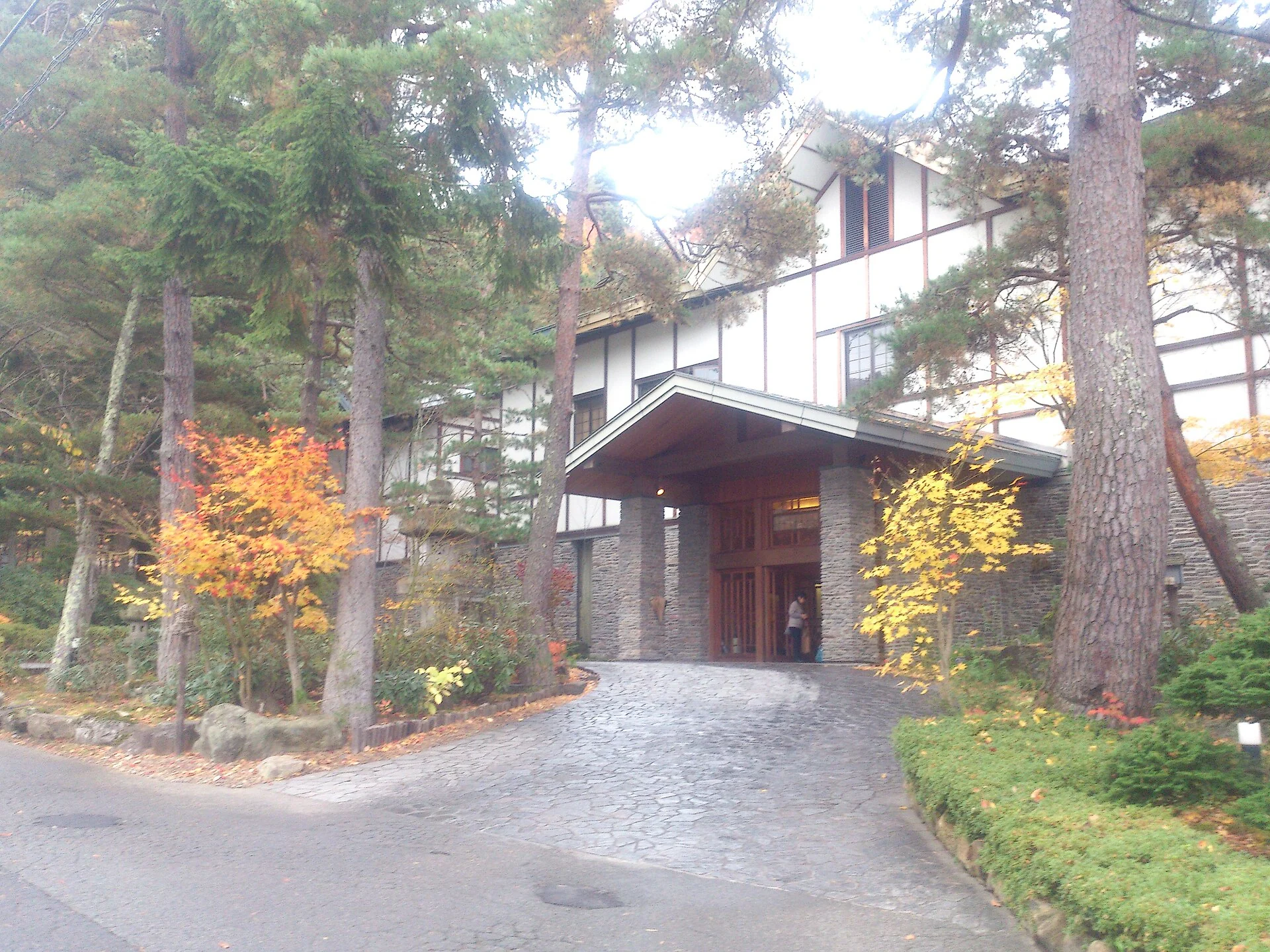
The location of that night changes the next morning. Staying near the park reduces the first approach but places you away from Nagano Station and its broad rail connections. Sleeping by Nagano Station keeps the onward transport simple while leaving the park transfer for the visit day. The Senjukaku versus Hotel Metropolitan Nagano winter stay comparison is designed around exactly that choice. A different regional stay in Ueda or Bessho Onsen is an alternative style of Nagano trip, not a claim that those places replace the Jigokudani approach.
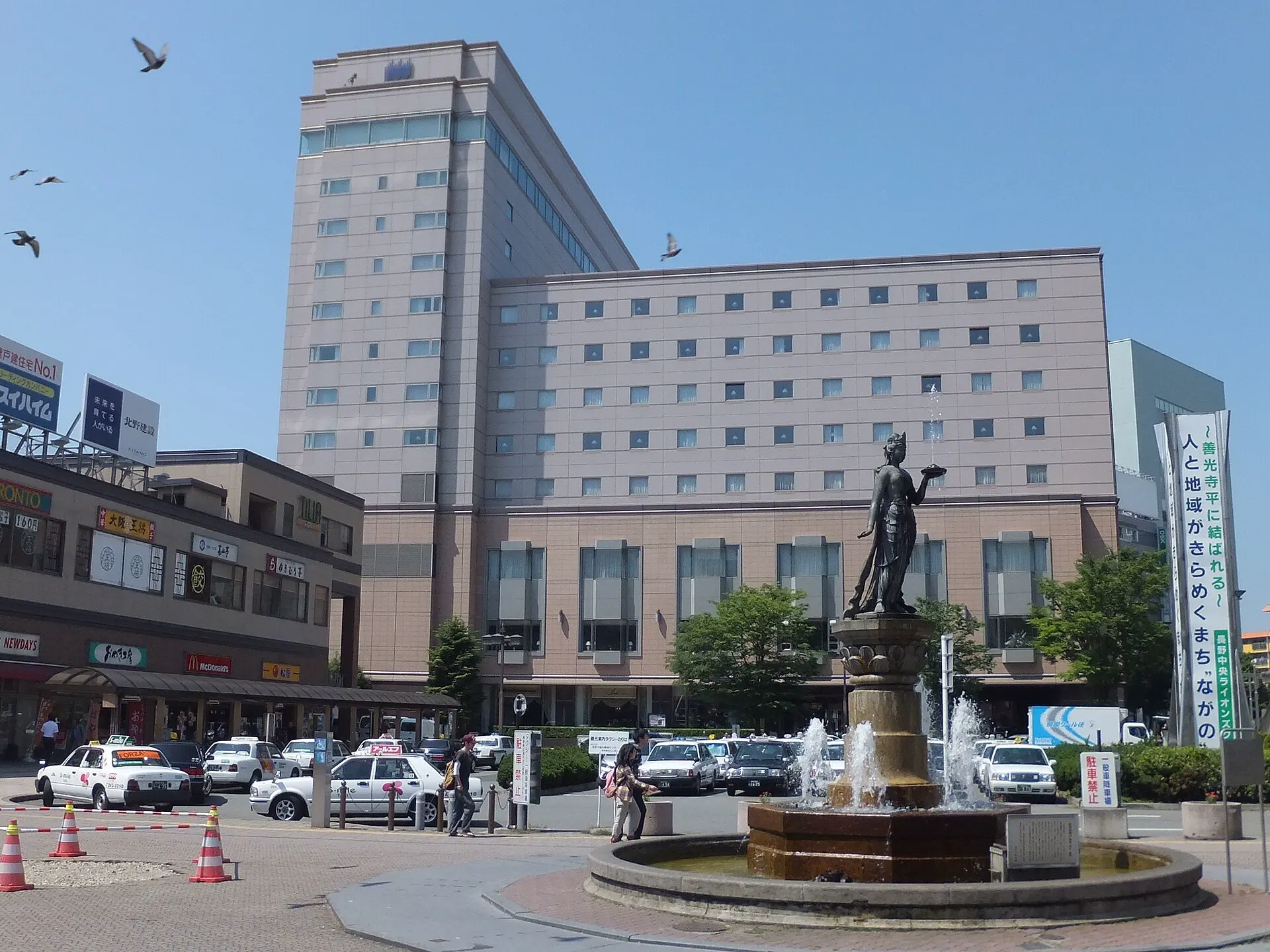
A Tokyo-based traveller may still prefer returning the same night because moving luggage and changing hotels would cost more time than it saves. That is a legitimate conclusion. The choice should include the hotel move, the two Shinkansen rides and the hours available in Nagano, rather than treating the tour fee as the only expense. The Fukuoka budget-hotel transfer-cost guide tackles the general problem of a seemingly cheaper night creating travel costs elsewhere.
Four travellers who should decline the group day
A person who cannot manage an uneven 1.6 km trail each way should not rely on a tour vehicle to reach the park. A traveller who needs guaranteed bathing monkeys should not buy any wildlife visit on that condition. Someone who wants several unhurried hours at Jigokudani may find the multi-stop group timetable restrictive. A visitor already keen to explore Nagano beyond the park should compare an overnight before committing to a compressed Tokyo return.
Fixed pace is another practical limit. The guide cannot normally rewrite the group lunch, spend an extra hour waiting for macaques or depart early because one traveller has finished. If that freedom matters more than arranged transfers, DIY is the better fit even if it takes more preparation. The Osaka Kuromon guided-food-tour decision shows a comparable difference between paying for a guide’s sequence and choosing your own stops.
Families sit between those extremes. A parent may gladly pay to simplify local transport while still judging the trail suitable for the children. Another family may discover that the round-trip forest walk, cold and group timing outweigh the transport convenience. Check the park’s child rules and winter clothing needs, then decide based on the least mobile member of the party. The Okinawa with parents walking-friction guide is useful in thinking about those final stretches that a simple journey-time estimate hides.
A workable Tokyo day has more than one deadline
Start with the tour meeting time or the first local connection you intend to use, then work backwards to the Tokyo departure. A Nagano Station tour can remove the day’s local transfer chain, but your Tokyo hotel, trip to the Shinkansen platform and rail ticket remain your responsibility. For DIY, also place the park’s closing hour, return trail and final bus on the timeline. A late-afternoon arrival at the park entrance is a poor plan when winter closing is 16:00 and the park asks visitors to arrive 30 minutes earlier.
| Decision point | Guided day | Independent day | Overnight |
|---|---|---|---|
| Main benefit | One planned Zenkoji–meal–monkey sequence | Control over park time and omitted stops | More usable Nagano time |
| Main burden | Group pace and Tokyo rail outside tour | Train, bus and return connections | Hotel change and luggage plan |
| Forest walk | Still required | Still required | Still required |
| Wildlife certainty | None | None | None |
| Best fit | Several Nagano experiences in one day | The monkeys are the main goal | The region itself matters |
Do not treat the fastest advertised rail segment as the length of this day. It excludes reaching a Tokyo departure station, waiting in Nagano, local transport, the inbound trail, time among the macaques, the outbound trail and the journey back. This is why an early start and a realistic return margin matter whether or not a guide is involved. If the trip includes a Hakuba ski base, the Hakuba Tokyu versus Green Plaza hotel decision may matter more to the week than the excursion operator you choose for one rest day.
The booking decision after you have set the route
Book the guided day if you want Zenkoji, a meal and Jigokudani in one managed Nagano itinerary, can walk the trail, and accept limited park time. Arrange the Tokyo–Nagano rail separately if you begin in Tokyo. Do the park independently if you mainly want macaques, can read connection schedules and prefer deciding your own departure. Stay in Nagano if a forced same-day return would discard time you actually want in the region. None of these choices turns wild animals into a reserved performance.
The precise tour option matters. Check its meeting point, start and finish, winter Hakuba availability, meals, entry inclusions and cancellation terms on the date offered. A tour from Nagano is different from a Tokyo-start product, even if both appear in a search for “snow monkeys from Tokyo.” The Tokyo hotel area guide helps test whether the excursion departure is worth changing the base used for the rest of a first visit.
Check the dated Nagano tour option. Compare the booking’s meeting point and included transport with the operator’s itinerary before buying a Tokyo rail ticket.
Compare places to stay near Nagano Station or the park. If staying close to the trail matters more than a station base, search the Kanbayashi and Yudanaka area separately. Compare the last bus, morning departure and luggage plan as carefully as the nightly room rate.
Route details that can change by travel date
The park publishes its walking approach and transport options, seasonal hours and wildlife notes and first-visit trail guidance. Its admission revision notice applies from December 2026. Nagaden Bus publishes the 2026 express-bus timetable, while the operator sets out the Nagano–Zenkoji–snow-monkey day itinerary. Use the date-specific version before committing to a connection.
Other itinerary choices: Yame Tea Experience: Hoshino, Tea Fields, Hiroshima Night Food Tour 2026: Worth, Warner Bros. Studio Tour Tokyo Tickets, Osaka Helicopter Tour 2026: Choose the, Sapporo Budget Hotels: Snow, Laundry, Public.
Other itinerary choices: lyf Tenjin Fukuoka Review: Is a, Kyoto Gozan Okuribi: What the 2026, Hotel Hankyu RESPIRE OSAKA vs CANDEO, Okinawa Hotels With Washer-Dryers: On a, Hotel Emion Sapporo vs Keio Prelia.