
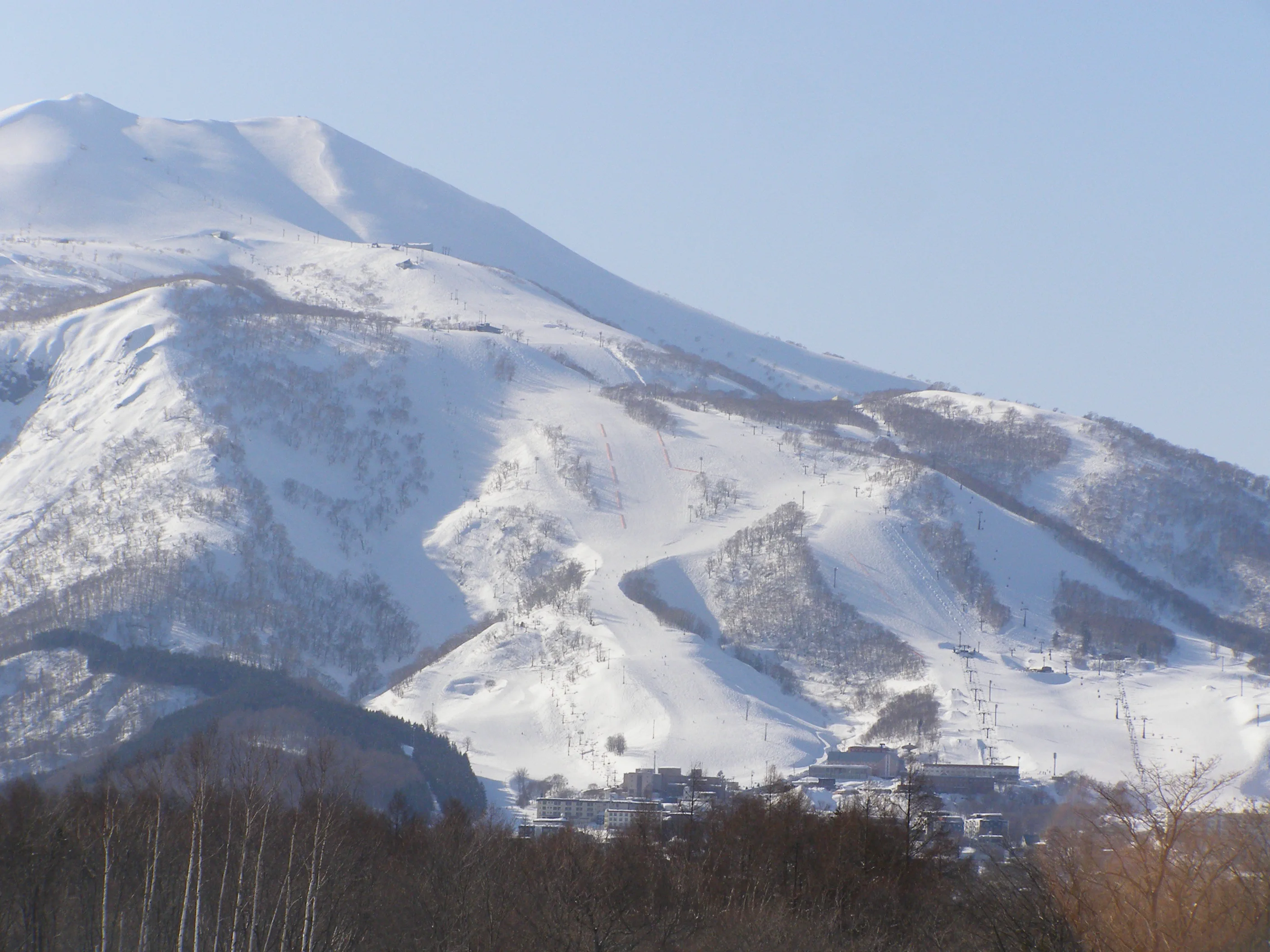
A four-day Niseko lift ticket is only ¥500 cheaper per adult than two separate two-day tickets in the 2026–27 peak period. That small difference matters if the trip has room for a day off: two ski days, a weather or rest day, then two more ski days cost ¥53,000 per adult instead of ¥52,500 for four consecutive days. For a couple, the extra cost is ¥1,000. A budget that leaves out this choice can look cheaper while giving you a schedule you do not want to ski.
The expensive decisions arrive in a different order. A family-sized apartment and a lesson slot in the right part of Hirafu may sell out well before a standard lift pass. The transfer depends on booked flights; rental fitting depends on where the lesson begins. Leave the ticket choice until the intended ski days are clear, especially if wind, tired legs or a child’s pace could change the week.
For winter 2026–27, the All Mountain peak tariff runs from 24 December through 28 February. Multi-day tickets run on consecutive days. The operator sells eligible tickets online at an average saving of about 5%, but payment is final. White Liner seats are on sale for its December–March airport service, and GoSnow lists winter private-lesson rates. Lodging and rental prices still depend on the dates, property, sizes and remaining stock you choose.
Which booking needs attention first?
↔ Scroll table left or right
Purchase | Why availability matters | When to settle it |
Room | Area, real beds, large units, slope access and peak-week stock | Before the narrow choices disappear |
Instruction | Child places, language, time slot and meeting base | As soon as the stay and dates are plausible |
Airport bus | Seats at a departure that fits the flight and final hotel journey | After flight times are known |
Equipment | Sizes, gear level and where each person is fitted | After the base and lesson are chosen |
Lift ticket | Generally easier to find, but fixed-day choices can waste a rest day | After the ski-day pattern is decided |
Scarcity and weather sensitivity pull in opposite directions. The six-person room and a specific instructor are difficult to replace if you wait. A ticket covering several fixed dates may be easy to buy early but less useful if one of those days becomes the natural rest day. Read cancellation terms at each step; one product’s flexibility does not carry over to the next.
Peak lift tickets: what a movable rest day costs
Niseko United’s peak window is 24 December 2026 to 28 February 2027. These adult counter prices cover the All Mountain ticket, which serves the four linked ski areas:
↔ Scroll table left or right
Duration | Adult peak counter fare | Difference from buying separate day tickets |
One day | ¥13,500 | Base daily rate |
Two consecutive days | ¥26,500 | ¥500 less per adult |
Three consecutive days | ¥39,500 | ¥1,000 less per adult |
Four consecutive days | ¥52,500 | ¥1,500 less per adult |
Five consecutive days | ¥65,500 | ¥2,000 less per adult |
The discount for adding consecutive days increases gradually, but a multi-day ticket keeps counting through a day you choose not to ski. That is the constraint to price before deciding whether a longer ticket saves money for your actual itinerary.
For someone expecting four days on snow, the ticket arrangements have three different price and calendar outcomes:
Four days in a row: ¥52,500 for one adult; the simplest ticket if every date will be skied.
Two separate pairs of days: ¥53,000 for one adult; a rest or poor-weather day can sit between the pairs.
Four single days: ¥54,000 for one adult; the dates can be chosen separately.
Two adults pay ¥105,000 for two four-day tickets, ¥106,000 for four two-day tickets covering two separate blocks, or ¥108,000 for eight individual day tickets. The middle choice buys a break for ¥1,000 per couple; individual days buy still more freedom for ¥3,000 over the consecutive option. Neither premium is a forecast that the weather will be bad. It is the amount paid to avoid having a ticket clock run through an unwanted ski day.
Online savings come with a firm purchase
Eligible online All Mountain tickets are advertised at an average discount of about 5% against counter prices; the precise saving depends on the product. A first online key card adds ¥500 per person and can be recharged for later use. It is possible to buy a day ticket online on the day of skiing, so the discount alone does not require an months-early commitment.
Once bought, an online pass cannot be changed, cancelled or refunded for weather, illness, injury, transport disruption or a mistaken order. Lift operations may also change in wind or poor conditions. For a fixed trip where everyone plans to ski regardless, paying online can still be sensible. A group deliberately holding a spare day should avoid turning that useful flexibility into a prepaid obligation.
Compare the actual web checkout, including each new key card, with the counter ticket that suits the itinerary. A percentage discount on a four-day block can be less valuable than two shorter blocks if the planned middle day is for recovery or if the mountain closes lifts.
Four ski days can fit a five-day window
Six resort nights can support four core ski days and one unallocated day without wasting the stay. Put the movable day between two two-day blocks if a lesson, family energy or the forecast calls for it. If everything aligns, it can be a fifth mountain day, a relaxed onsen day or time away from the slopes. The broader Niseko trip guide discusses how to fit this around arrival and departure travel. Niseko itinerary The difference from another Hokkaido base is set out in Niseko versus Furano.
The ticket arithmetic makes that five-day window realistic: the break between two pairs of peak days costs only ¥500 more per adult than a continuous four-day ticket. It is especially helpful when first-time skiers do not yet know how quickly their legs tire, or when a family needs more margin than two experienced adults. For a resort with a different terrain and lodging balance, compare Niseko and Rusutsu. The snow itself is discussed in Niseko powder conditions.
The spare day has a different job for different groups:
Beginners can pause when the first two days reveal how much instruction and recovery they need.
Families can keep a child’s slower day out of the ticket clock.
An onsen, a Sapporo outing or simple rest can fill the middle day.
Confident skiers can keep the hardest day for better wind and lift conditions.
On a three-night break, there may be no unallocated full day at all. If the only two or three complete resort days are already ski days, the extra calendar room and split-ticket comparison may have little practical value.
A private lesson is priced per group, but skill levels set the limit
GoSnow lists its four-hour morning private lesson at ¥64,000 on Value dates, ¥87,000 on Regular dates and ¥99,000 on Peak dates. A six-hour full-day private costs ¥81,000, ¥110,000 or ¥130,000 across those same bands. The private rate can cover up to six participants of similar ability; lift tickets are additional. Its lesson dates are not identical to the broader Niseko United lift-pass peak window, so use the lesson calendar for the actual day. Niseko passes and rental The formats and group limits are compared in Niseko private lessons.
At the ¥99,000 peak morning price, dividing one instructor among compatible participants produces these per-person figures:
Two people at the same level: ¥49,500 each.
Four at the same level: ¥24,750 each.
Six at the same level: ¥16,500 each.
The six-person figure is attractive only if everyone can work at a similar pace on the same equipment. GoSnow requires private participants to have the same or similar ability and does not mix skiers and snowboarders in one private. A stronger skier waiting for beginners, or a novice taken onto unsuitable terrain, reduces the useful instruction bought with the lower per-person price. Confirm the meeting base before lodging or rental choices are final.
GoSnow’s refund clock is separate from the resort ticket. A cancellation at least seven days before the lesson can receive a full refund; from seven days to 48 hours before, the fee is 20%; within 48 hours, cancellation or rescheduling incurs a 100% fee. Its terms also require lift passes and ready-to-use equipment at the start, and a late arrival does not extend the session.
New Chitose to Hirafu: add the journey after the flight
White Liner lists direct New Chitose Airport–Hirafu Welcome Center buses from 12 December 2026 to 23 March 2027. The regular adult fare is ¥7,000 each way; a return for two adults therefore costs ¥28,000 before any web promotion. The bus serves the domestic terminal, so an international arrival needs time to reach that departure point.
For web reservations made by 23:59 JST on 31 October 2026, the operator lists a 20% discount: ¥5,600 per adult each way. Its usual web discount is 15%, or ¥5,950. These are booking-date offers, not permanent fares for the whole winter; the former August ¥5,250 promotion has expired. Confirm the price on the payment screen.
At the October offer, two adult return seats total ¥22,400. That is ¥5,600 below the ¥28,000 regular-fare total. If the same party books later at the stated usual web price, the arithmetic is ¥23,800. Use the fare attached to your purchase date, and allow for any last-mile ride between Hirafu Welcome Center and the hotel.
The published airport-to-Hirafu run takes about two hours and 30 minutes, with a rest stop. White Liner recommends at least 45 minutes between domestic flight arrival and bus departure, or 90 minutes after an international arrival; on the way home it suggests 60 minutes before a domestic departure and 120 minutes before an international one. Snow, roads and flight delays can exceed those minimums. The Welcome Center is a bus stop, not a promise that a room or lesson meeting point is walkable with luggage. New Chitose transport choices A late flight changes the transport decision; see New Chitose late arrivals.
A two-adult example before the hotel bill
Consider two adults travelling during both the All Mountain and GoSnow peak bands. They want four ski days, one peak morning private and White Liner return seats bought under the October web offer. The published components are:
↔ Scroll table left or right
Two-adult example | Published amount |
Two four-day All Mountain passes | ¥105,000 |
Alternative: four two-day passes | ¥106,000 |
One peak four-hour morning private lesson | ¥99,000 |
White Liner returns for two, October web fare | ¥22,400 |
With four consecutive ticket days the subtotal is ¥226,400. Two two-day blocks make it ¥227,400. Those amounts exclude the room, ski hire, meals, insurance and any hotel-side transfer. If the October bus offer ends before payment, substitute the actual fare rather than repeating this illustrative total as a guaranteed package price.
The extra ¥1,000 for the couple permits a non-ski day between ticket blocks. Whether that is useful depends on the length of stay, the lesson booking and the conditions during that particular week; it should appear as a deliberate line in the budget, not disappear inside a headline total.
The room changes the morning budget
Accommodation is often the largest variable. A lower room price may be offset by a long walk in ski boots, a shuttle before an early lesson, or a taxi after dinner. Compare the actual bed arrangement and departure path, not merely the property’s claim to be near a ski area. The Niseko areas guide distinguishes Hirafu, Hanazono, Annupuri and Niseko Village for that decision. For the distance from bed to first lift, compare Niseko slope-access hotels.
Christmas and New Year weeks, Lunar New Year, apartments with enough real beds for a family and true ski-in/ski-out units have more limited substitutes. Check the room layout, kitchen, laundry, cleaning fees and cancellation terms before treating a nightly rate as a group cost. A room that sleeps eight on a listing may still leave a lesson or transfer needing two bookings. Niseko apartments The bed-and-kitchen trade-off appears in Niseko family apartments.
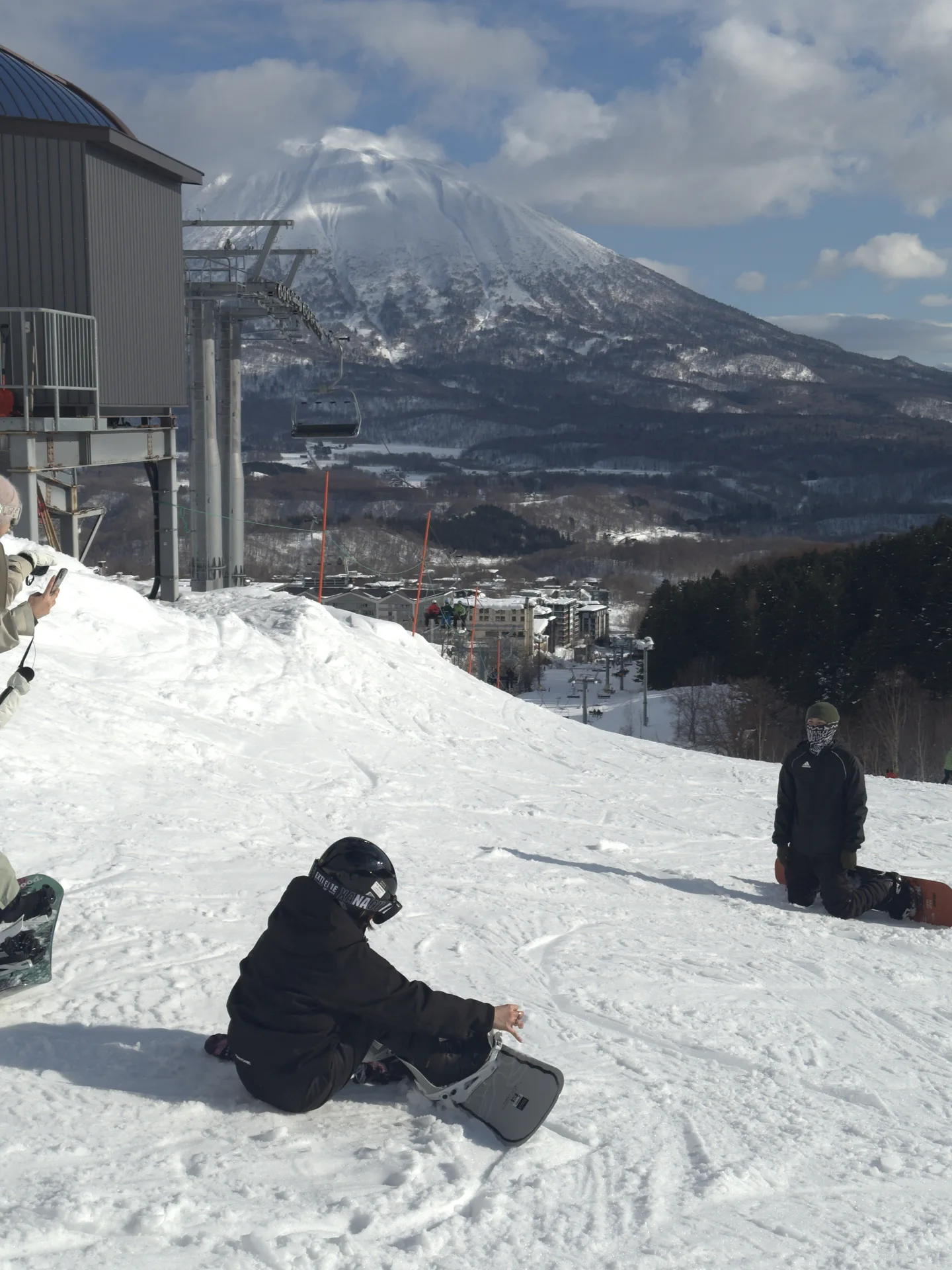
Choose the base before comparing hotel brands. A property close to the terrain you intend to use can save repeated equipment-carrying and bus time; an attractive rate elsewhere may still suit travellers who prefer quiet or a particular room setup. The area and ski-in/ski-out comparisons give the location trade-offs in more detail. Niseko areas One Hirafu example is MUWA versus Setsu.
Rental quotes depend on the fitting stop
A rental total varies with standard versus performance gear, adult and child sizes, boots, helmets, outerwear, delivery and the multi-day rate. Ask where fitting and collection happen relative to the room and lesson start. A separate morning trip to a cheaper hire shop can use the ski time that the discount was meant to save. Equipment choices sit alongside ticket choices in Niseko passes and rental.
Children need correctly sized boots and equipment, especially when a lesson begins early. Adult performance upgrades should be tied to skill and intended terrain. Compare the complete party quote and return procedure, then place the fitting into the first ski morning rather than assuming every supplier opens at the same base.
Good Sports says reservations for its 2026–27 daily rental range are planned to open in November. The currently displayed daily starting price may refer to a different inventory or promotion, so it is not a complete winter quote for your sizes and dates. Collect the rental numbers once the new season can actually be reserved.
Separate scarce reservations from weather-dependent ones
There are three different points at which paying a deposit or full balance becomes useful:
Reserve the structure first: accommodation and specialist lessons, once the refund terms work for the group.
Attach the timetable next: bus seats and any important dinner booking after flights and the room area are fixed.
Set weather-sensitive purchases last: the pass pattern and optional activities when the usable ski days become clear.
Cancellation freedom is not a goal by itself. Spend it where a changed ski day could alter the trip, and book early where a suitable bed or instructor is unlikely to reappear. Record each provider’s deadline separately so the room, lesson, bus and pass are never treated as one cancellable bundle. The grocery and dinner side of that calculation is in Niseko food planning.
Costs that hide behind the quoted room and ticket
The bus ends at Hirafu Welcome Center; ski bags may make the remaining trip to the room a paid ride.
A ticket that runs through a rest or wind day has an opportunity cost even if its per-day average looks low.
A remote room can add taxi or shuttle fares to dinner as well as to the morning.
Room, lesson, transfer, rental and pass cancellation deadlines do not match.
A room’s sleeping capacity does not mean six people can share a suitable lesson or one vehicle.
A booking timeline that follows the trip
Six to ten months before high-demand weeks, look at the scarce room shapes and the area. A large apartment, true slope access or a room with suitable beds is much harder to replace after the choice narrows.
As lesson slots open, settle the language, child programme or private group arrangement. Verify the base and its start time before pairing the lesson with a hotel and rental supplier.
When flights are set, select a bus whose check-in and flight buffers work in both directions. Add the walk or taxi after Hirafu Welcome Center to the accommodation cost.
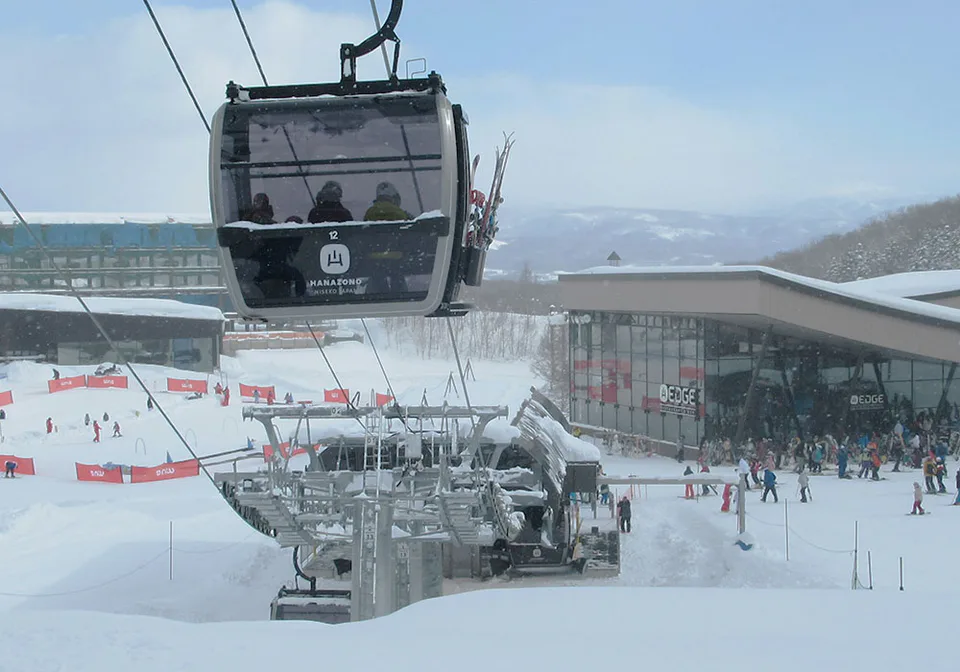
Once the lesson base is known, request rental prices for each person and book the equipment fitting at a point that works for the first mountain day.
Wait until the number and spacing of ski days are stable to choose a pass. For four days with a possible pause in the middle, compare one continuous four-day ticket with two two-day tickets using the actual online or counter totals that are available when paying.
What the arithmetic changes
The room and lesson usually demand the earliest decisions; the airport seat follows the flight. Rental is tied to the chosen base. The lift ticket is the last major choice because the ¥500 difference per adult between four consecutive days and two pairs is small beside the cost of a whole resort holiday.
If the spare day is used because lifts are affected by wind, someone needs recovery, or the family wants a slower day, the two-block ticket has done its job. If the dates are fixed and everyone skis straight through, the four-day option remains cheaper. The calculation belongs beside the itinerary, rather than being treated as a universal rule. For a different resort choice, use the Hokkaido ski-base comparison.
The room address changes shuttle, lesson and rental costs in Niseko. Compare Hirafu accommodation on the map after identifying the lift base you will actually use.
Planning details worth checking before payment
The peak lift tariff, consecutive-day rule and online purchase terms determine the ticket comparison. GoSnow’s lesson rate and cancellation schedule determine the instructor line; White Liner’s timetable and current fare determine the airport line. Open the linked operator pages again when choosing dates, because availability and promotions change. All Mountain prices Online purchase terms Private lesson rates Lesson booking terms White Liner fare and timetable
Other budget decisions around Japan have different room, food and transport costs. For this trip, the nearby guides on Niseko lessons, slope access and meals are the most relevant; the wider comparisons below are useful when the ski holiday is part of a longer Japan journey. Sapporo private lessons Okinawa five-day costs Niseko private lessons Fukuoka budget rooms Niseko slope access Niseko food planning Fukuoka group rooms Okayama and Kurashiki day trip Niseko slope access details Fukuoka stays with parents
For the next decision, compare the lift-pass and rental guide with the airport transport guide after you know the room area, travel dates and lesson base. Niseko passes and rental Airport transfer comparison
Fukuoka Hotels: Stop Ranking Properties—Choose by Trip Shape, Area and Who You Travel With
Niseko vs Furano: Which Ski Base Is Better for Your Hokkaido Trip?
Fukuoka Girls’ Trip Hotels: Twin Beds, Bathroom Queues, Shopping Bags and Late Nights
Osaka Girls Trip Hotels: Count Beds, Sinks and Shower Queues Before Square Metres
Niseko vs Rusutsu: Which Ski Resort Is Better for Your Hokkaido Trip?