
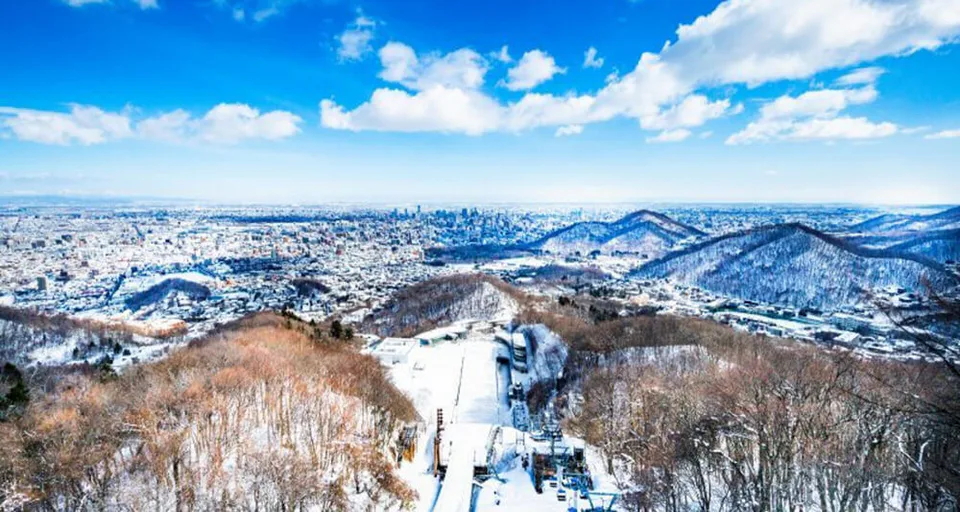
The first Sapporo parking decision is when the rental car should go back. A car that served Furano or Biei may have no useful work once the city days begin. If you return it after the first Sapporo night, Emion makes a practical switch to JR. If you must drive out and back each day, Vessel Campana publishes the clearest vehicle limits and permits 24-hour in-and-out use of its own parking. SAPPORO STREAM suits a car parked once while Susukino is explored on foot. Hotel Sosei needs particular care: its English page lists a lower-priced mechanical tier that the Japanese page still omits. Compare these conditions with your vehicle and daily movements, not simply with a “parking available” filter.
Rural Hokkaido and central Sapporo have different transport jobs. The rental can connect dispersed places while the city may be easier by JR, subway and walking. Keeping a vehicle that sits unused brings another day of rental, a parking bill and a return deadline. In winter it also preserves driving exposure. Draw the road-trip endpoint before choosing a city hotel around a garage.
Parking prices below are in yen and can change. Published rates describe a qualifying space at a particular lot, not a guaranteed reservation. For a three-night example, multiply only where the same vehicle, availability and re-entry pattern genuinely apply.
Which parking arrangement fits the way you will drive?
↔ Scroll table left or right
Car pattern in Sapporo | Begin with | The arrangement that helps | What could fail |
Last car night before switching to JR | Hotel Emion Sapporo | Adjacent discounted Navipark and four-minute surface route to JR North Exit | Public lot may be full, requiring a different coin lot |
Normal-height car leaves daily | Vessel Hotel Campana Susukino | Published vehicle limits, 80 spaces and 24-hour in-and-out access | Ordinary spaces are first-come |
One arrival, then Susukino on foot | SAPPORO STREAM HOTEL | Three affiliated lots and a walkable evening district | Timed windows and re-entry charges vary by lot |
Premium room with a car matching mechanical limits | Hotel Sosei Sapporo | English page lists a ¥2,000 mechanical option | Japanese page omits it; confirm before relying on that rate |
Only one of four city days still needs rural driving | Return the rental earlier | Avoid extra rental and parking days | A later rural trip may still require the vehicle |
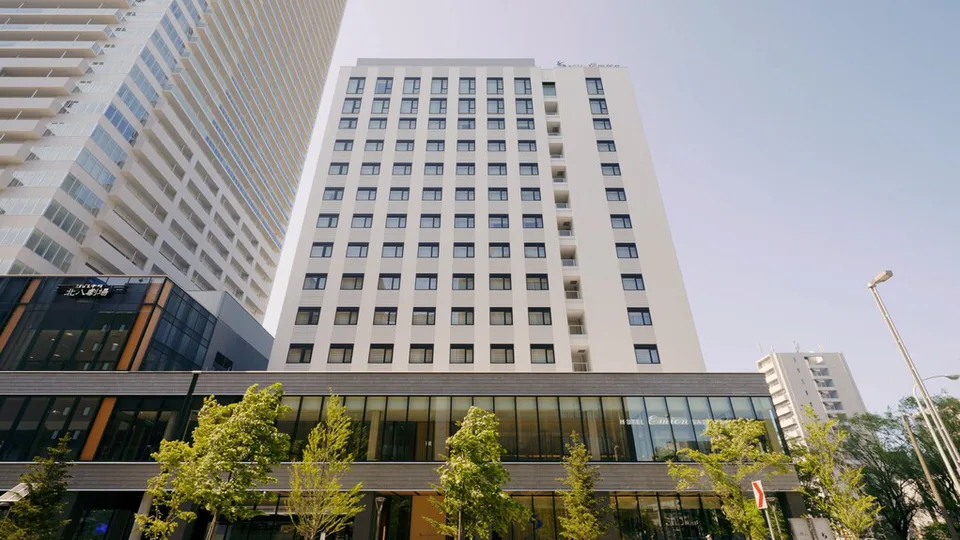
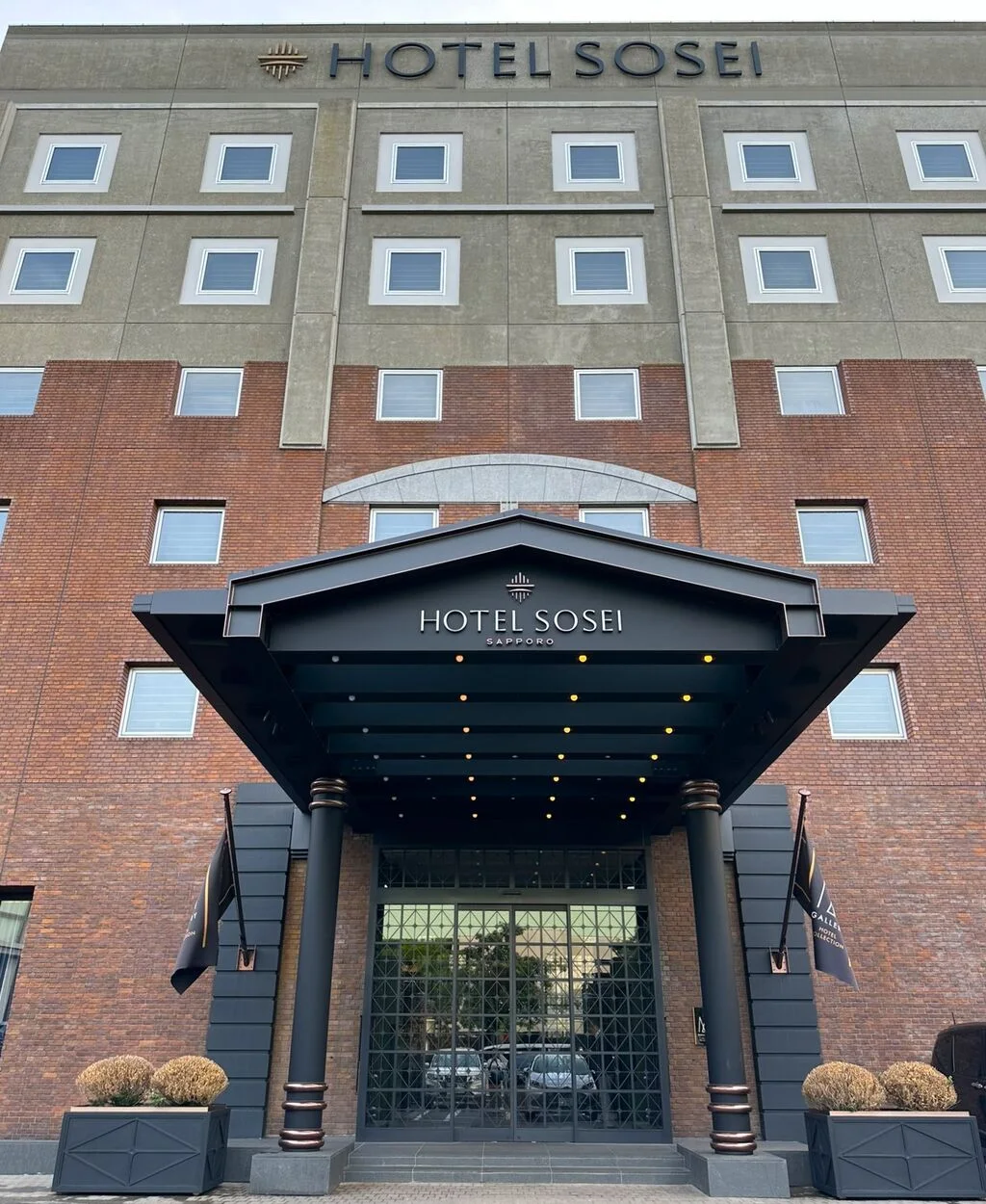
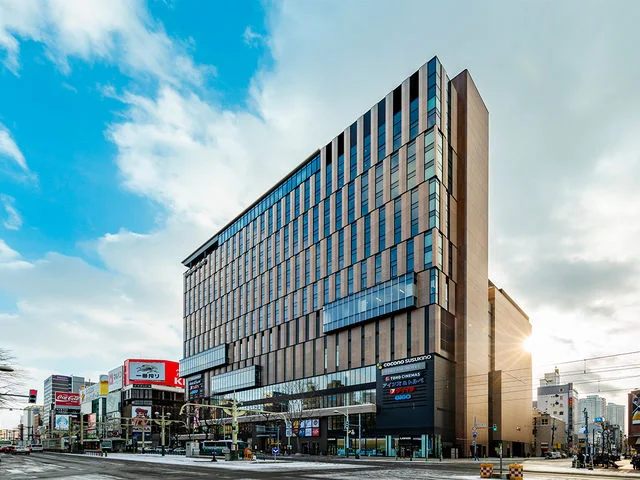
The first decision is whether the car belongs in Sapporo at all. The Hokkaido full-versus-partial rental guide compares a whole-trip booking with a shorter rural segment before parking locks in another city rental day.
The cost of parking includes more than its nightly charge
For each hotel, write down the nightly rate, the car-size restriction, whether leaving resets the discounted stay, the chance of finding a space on return, and how many Sapporo days the car could be returned early. These are separate parts of one decision; an attractive overnight price does not cancel a height limit or a long search after dinner.
An overnight quote can be expressed as a practical total: parking fee plus vehicle-fit risk, re-entry terms, full-lot fallback and any rental days the city no longer needs. Only the first component is an exact yen amount. The others are questions to settle against your car model and itinerary rather than numbers to pretend we can score precisely.
For example, a ¥1,500 lot with dependable in-and-out access can suit daily driving better than an affiliated lot with a similar overnight price and a new charge after an exit. A ¥2,000 mechanical space is irrelevant if a tall vehicle cannot enter it. Distinguish “the listed fee is low” from “my car can use this arrangement repeatedly.”
↔ Scroll table left or right
Hotel | Published parking price | Vehicle-size detail | Repeated exits | Natural transition |
Emion | Navipark guest rate ¥1,000 for 24 hours; public-lot fallback differs | Use Navipark rules and the exact vehicle | Public-lot availability can change | Car to JR |
Sosei | English page lists ¥2,000 mechanical and ¥4,000 front; Japanese page lists front only | Mechanical ceiling 1.58 m; width 1.85 m; length 5.05 m | Confirm the applicable facility and terms | Known vehicle with premium room |
SAPPORO STREAM | Affiliated choices ¥1,500, ¥1,600 or ¥2,000 by lot | Limits and entry depend on each lot | Times re-entry incurs regular rate | Park once, then walk Susukino |
Vessel Campana | ¥1,500 a night for a qualifying hotel space | 5.30 m long, 2.05 m wide, 2.00 m high | Hotel states 24-hour in-and-out access | Repeated daily driving |
One arrival or several returns to the hotel?
A vehicle left in place for three nights uses parking once on arrival and once at final departure. Driving it out every morning tests the availability and entry terms again each evening. The second pattern is more demanding even if both travellers book the same number of hotel nights.
Count the occasions when the parking arrangement has to work:
First arrival, each leave-and-return, and each fallback search after a full or unsuitable lot form the practical exposure. This is a planning count, not a statistic from a hotel. It makes the difference between a park-once city break and a repeat-driver stay visible before price becomes the only comparison.
A single late arrival can still be inconvenient if the primary lot is full, but repeated exits give that failure another opportunity to occur. A driver expecting shopping, dinner and a separate evening errand should consider replacing some car journeys with walking or subway trips, not merely searching for a more forgiving garage.
↔ Scroll table left or right
Three-night pattern | Parking events | Main condition | Closest match |
Arrive by car, return it next morning, then use JR | One hotel arrival; no re-entry after return | Easy change from car to rail | Emion |
Arrive once, keep car parked and walk in the evenings | One arrival, one final exit | Overnight window and final departure | SAPPORO STREAM |
Drive on days two and three, returning both evenings | Arrival plus two re-entry cycles | A predictable in-and-out rule | Vessel Campana |
Leave for errands, return with bags, go out for dinner | Several cycles in one day | Dedicated repeated access, or fewer car errands | Vessel or a changed city plan |
For one quiet overnight, ¥1,500 and ¥1,600 are close in cash terms. Across multiple returns, the entrance rules, open-space risk and discounted-window reset can matter far more. If the car repeatedly leaves only for short city errands, the simplest saving may be to park it and use the neighbourhood.
Compare seven parking decisions without a hotel score
The useful dimensions are route fit, certainty of a space, vehicle-size fit, re-entry rules, price clarity, winter fallback and the planned car-return day. A hotel cannot earn a universal numerical rating from them: the correct choice changes when the car changes, when the parking lot fills or when the rental ends. Use the table to see which condition would reverse each recommendation.
↔ Scroll table left or right
Driving scenario | First arrangement to assess | Condition that makes it fit | Why | What reverses the choice |
Last driving night, then use JR | Emion | Navipark has a usable space for the transition | The rail route matters after parking is no longer needed | Lot full or more suburban drives remain |
Qualifying rental exits and returns daily | Vessel Campana | Car fits 5.30 × 2.05 × 2.00 m and a hotel space is open | ¥1,500 rate with 24-hour in-and-out terms | Vehicle too large or ordinary spaces full |
Enter once, then use Susukino on foot | SAPPORO STREAM | One of three affiliated lots works for your entry and final exit | Parking need not support daily re-entry | Several exits or the chosen lot changes its terms |
Compact car fits a mechanical space | Hotel Sosei | Hotel confirms the English-page ¥2,000 tier for your vehicle and dates | Potentially lower than front parking while retaining a premium room | Japanese page still omits the tier or vehicle requires ¥4,000 front space |
Vessel is strongest for repeated driving in a qualifying vehicle; that does not make it the right place after the rental has ended. Emion’s advantage grows when JR takes over. A STREAM affiliated lot can be sufficient for one entry and one exit, while being awkward for several trips in a day. Match the arrangement to the movement pattern first.
Emion is a transition hotel, with a public lot next door
Hotel Emion uses the adjacent Navipark rather than guaranteeing an on-site space. Its current access page gives a 24-hour ¥1,500 public rate and a ¥1,000 guest rate when the parking ticket is shown at check-in. If Navipark fills, the hotel directs drivers to nearby coin parking. The guest discount therefore applies when a suitable Navipark space is available; it is not a promise that every arrival can use it.
Once the car is returned, Emion’s rail location becomes the main benefit. The hotel puts JR Sapporo North Exit about four minutes away by the surface route. Its detailed access directions give about eight minutes from JR Sapporo when using the underground passage via exit 15, rather than the five minutes in the earlier article. A first night with the car followed by two rail-led nights is the strongest case for this combination.
This is not an endorsement of Navipark for repeated daily driving. When the vehicle keeps leaving for suburban trips, a first-come public lot and a possible alternative matter more. Emion makes most sense when parking solves a short transition and the JR station serves the rest of the stay.
If the car ends after the first night, compare Emion’s room layout and station-side approach along with the Navipark guest rate.
Sosei: two language pages still describe different parking choices
Hotel Sosei’s English parking answer currently presents a mechanical lot for compact cars and sedans alongside a higher-priced front space. The Japanese version describes the front space and a Sapporo Factory or nearby coin-lot fallback, without repeating the mechanical offer. That mismatch is material if the lower rate is part of your hotel budget.
Multi-level spaces: English page lists first-come parking at ¥2,000 a night for cars no more than 1.58 m high, 1.85 m wide and 5.05 m long.
Front spaces: the English and Japanese pages list first-come parking at ¥4,000 a night for larger cars or when directed there.
The Japanese page currently names first-come front parking at ¥4,000 per night and says staff may point guests toward Sapporo Factory or a nearby coin lot when full. A traveller should not assume the English mechanical tier is available on their dates merely because it still appears online.
Send the hotel the exact model or its height, width and length if your plan depends on the mechanical space. Ask about the rate, availability and first-come procedure together. A vague “compact” class on a rental reservation is not proof that the car will fit a 1.58 m height limit.
The possible three-night difference is substantial: at ¥2,000 a qualifying mechanical space would cost ¥6,000, while three ¥4,000 front-space nights would cost ¥12,000. That ¥6,000 gap is a conditional comparison, not a promised saving. It excludes changes in the rental price, a full lot and any alternative parking charge.
A vehicle height that forces ¥4,000 front parking can also change which rental category looks economical. The Hotel Sosei room guide covers the separate question of whether its larger room justifies this location once the parking tier works.
Before reserving, settle the exact vehicle dimensions and ask whether the Sosei mechanical space can be used on those dates.
STREAM is easiest when Susukino replaces evening driving
SAPPORO STREAM has no dedicated hotel garage. Its current access page lists three non-reservable affiliated lots, while the English question page still names only COCONO SUSUKINO and Jumbo 1000. The fuller access listing includes Times Station Sapporo Susukino. If that third option is essential to your plan, use the current access listing on the travel date rather than relying on a cached summary.
↔ Scroll table left or right
SAPPORO STREAM affiliated lot | Overnight guest charge | Published period | Leaving and returning |
COCONO SUSUKINO | ¥2,000 | 15:00 to 11:00 next day | Do not assume multiple entries share the overnight rate |
Jumbo 1000 | ¥1,500 | 14:00 to 11:00 next day | Outside the period, hourly charges apply |
Times Station Sapporo Susukino | ¥1,600 | 24 hours from first entry | A return after exit is charged at the regular rate |
A guest arriving at 17:00, leaving the car overnight and walking to dinner can use one published window cleanly. Driving away for a meal, returning with shopping and leaving again asks a shared affiliated lot to behave like a hotel garage. The Times listing explicitly says a re-entry within its 24-hour period triggers regular charges; the other lots have their own timed windows.
STREAM’s strongest contribution is its Susukino position. Park once and let restaurants, shops and the subway replace short car trips. If the rest of the itinerary centres on JR Sapporo instead, the Sapporo area comparison should come before choosing a Susukino lot by overnight price.
The STREAM hotel guide covers the stay itself once the affiliated parking window fits your driving pattern.
Vessel Campana can handle repeat exits when the car fits
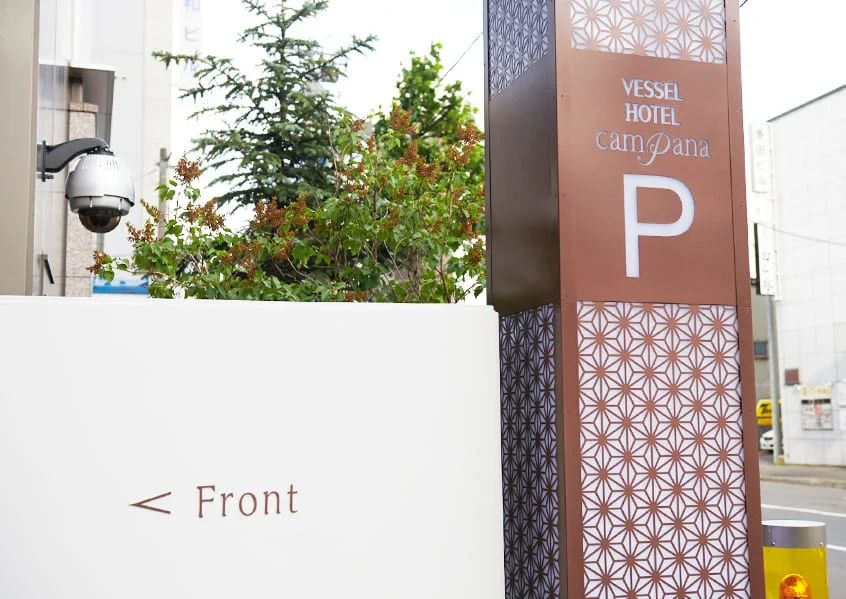
Vessel Hotel Campana Susukino publishes 80 first-come multi-storey spaces for ¥1,500 per night. The stated limits are 5.30 m in length, 2.05 m in width and 2.00 m in height. Two flat spaces at the same rate can be reserved for vehicles above 2.00 m or accessibility needs. Compare the actual rental dimensions, not the marketing class.
The hotel service information says its dedicated parking can be entered and exited 24 hours a day. This is the key difference for a driver who leaves in the morning and returns after each rural or suburban outing. It reduces uncertainty about the parking rule, although it cannot reserve one of the 80 ordinary spaces.
Three qualifying nights at the stated ¥1,500 hotel rate total ¥4,500 if a place is available each night. The multi-storey spaces are first-come. Vessel may suggest another nearby lot when full, but those alternatives are not affiliated and do not receive its hotel discount.
This makes Vessel a fit for a standard-height rental and several daily exits, not a blanket winner. A returned rental gives Emion’s rail position more weight; a car left parked once may need only a suitable STREAM lot. The driver must also be willing to use central Sapporo streets after a winter day trip.
The Vessel Campana hotel guide helps compare its rooms and bath after the car dimensions and hotel-space availability are settled.
What three parking nights really add up to
↔ Scroll table left or right
Example parking arrangement | Three-night base if usable | Condition missing from simple multiplication |
Vessel qualifying hotel space | ¥4,500 | A first-come space must be available each night |
Sosei mechanical tier, if confirmed | ¥6,000 | Car must fit 1.58 m height and hotel must confirm the tier |
Sosei front parking | ¥12,000 | First-come at the higher nightly charge |
STREAM affiliated lot | No single comparable total | Three lot windows and re-entry rules differ |
Emion Navipark guest rate | ¥3,000 | Only if Navipark has an eligible space on all three days |
The table is not a price league. The published base works only with the right vehicle, arrival time, exit pattern and available space. Compare those conditions first. At Emion, the ¥1,000 Navipark guest rate is now published, but a full public lot would send you to a differently priced alternative.
Return the car when the rural driving ends
Imagine four Sapporo nights after a road trip, but only the first day still requires a rural route. Keeping the rental throughout creates three further rental days and potentially three extra parking nights for a vehicle that does no useful city work. In winter, those days also preserve snow driving and a later car-return deadline.
For a road trip that uses Sapporo as a final city base, compare full-trip and partial Hokkaido car rental. A winter departure adds snow, ice and reduced daylight to that decision, as the winter rental comparison explains.
Keep the car if another planned day genuinely needs a route that is materially worse by rail or bus. Otherwise, ending the rental is a new calculation, even if the booking already covers the week. Continuing because the car is already in hand can turn an earlier good decision into extra parking and rental spend.
A flight morning is a fragile time to return a rental
Fuel, rental inspection, winter traffic and airport check-in are four separate constraints. Scheduling all of them on a very early flight morning may save one parking night but leaves little recovery if any stage takes longer than expected.
If the road trip returns to Sapporo in the afternoon, ending the rental then can remove a parking night and simplify the next morning. For an early New Chitose departure, compare the Sapporo-versus-Chitose last-night choice against your return branch and flight time.
A late flight and one remaining useful drive can change the conclusion. Returning the rental early merely to reach a hotel by rail can remove a valuable last outing. The point to hand it back is when its next day of mobility is worth less than the rental, parking and deadline it creates.
Snow raises the cost of an extra parking cycle
One short errand in winter can mean clearing snow from the vehicle, using an icy ramp and returning through city traffic to a possibly full lot. A system that permits repeated in-and-out use therefore matters more during a January self-drive stay than during a dry September stopover.
A garage with generous in-and-out rules does not make snow and ice driving safe. The Hokkaido winter driving guide covers weather, road conditions and fallback plans before parking convenience becomes a reason to keep the car.
Seven questions to settle before booking
Return day: mark the last journey that genuinely needs this car.
Exact dimensions: obtain height, width and length for the assigned rental model rather than relying on “SUV” or “compact.”
Space arrangement: distinguish dedicated hotel spaces, first-come stock, affiliated garages and public lots.
Re-entry: find out whether the quoted overnight amount survives an exit and return.
Fallback: know where the car goes if the primary lot is full at 21:00 in snow.
Conflicting pages: when two hotel language pages list different options, confirm the precise facility and rate needed.
Flight morning: allow room for refuelling, vehicle inspection, winter travel and airport check-in.
The best arrangement depends on when driving stops
Emion works for the last car night before a rail-led Sapporo stay, with a ¥1,000 Navipark guest rate only when a space is available. Vessel Campana has the clearest repeated-exit arrangement for a vehicle inside its published dimensions, though its ordinary spaces are first-come. STREAM is a park-once Susukino choice with three current affiliated lots and a re-entry limitation worth checking. At Sosei, ask about the mechanical space before counting its English-page ¥2,000 figure; the Japanese page still describes only the ¥4,000 front option.
The cheapest garage can be unnecessary. If the rural segment is over, return the car and choose a Sapporo room for its actual city transport. Parking should serve the itinerary, not force the itinerary to carry the vehicle through another three nights.
After choosing the car-return day and confirming the parking rule for your vehicle, compare room totals in the Sapporo area that fits the rest of the trip. See Sapporo hotel availability.
Routes that clarify the car decision
The Hokkaido full-or-partial rental guide helps identify the day on which a rural car stops saving useful time.
For a park-once city stay, the Sapporo Station and Susukino base comparison may change the hotel decision more than a small nightly parking difference.
The Hokkaido winter driving guide is useful before a driver commits to repeated city exits in January or February.
Parking terms used in this comparison
Property terms for this comparison: Emion’s access and parking page lists Navipark rates and the two station routes; Sosei’s English and Japanese parking answers currently differ; STREAM’s parking page lists three lots, while its English parking answer names two; Vessel’s access page gives dimensions and charges, and its service page confirms in-and-out use. Compare these terms with your actual dates and car.
Related guides: Sapporo with parents · Sapporo solo hotels · Sapporo long stays · Sapporo family hotels · Sapporo budget hotels · Okinawa friends trip · Osaka day-trip hotels · Fukuoka with a car · Osaka shopping hotels · Mt. Takao in autumn