
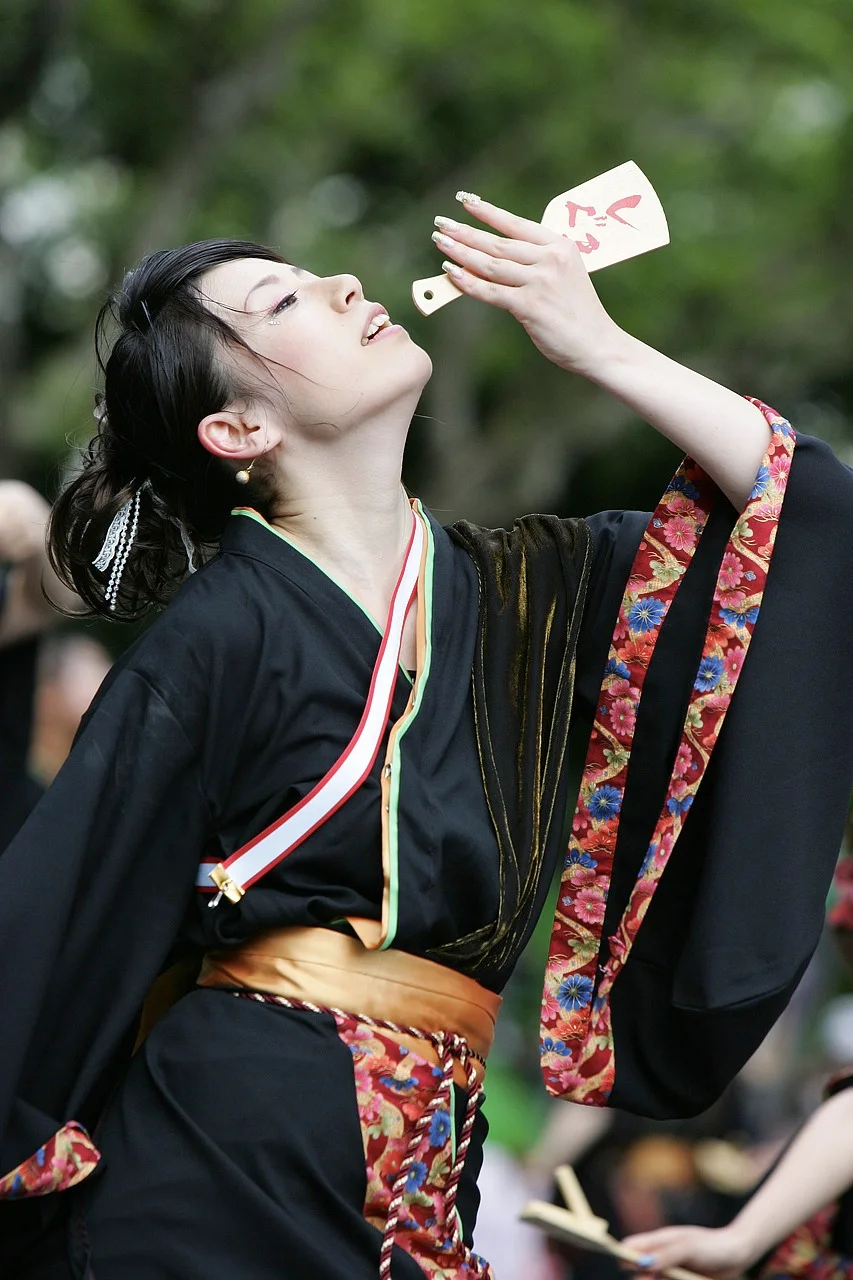
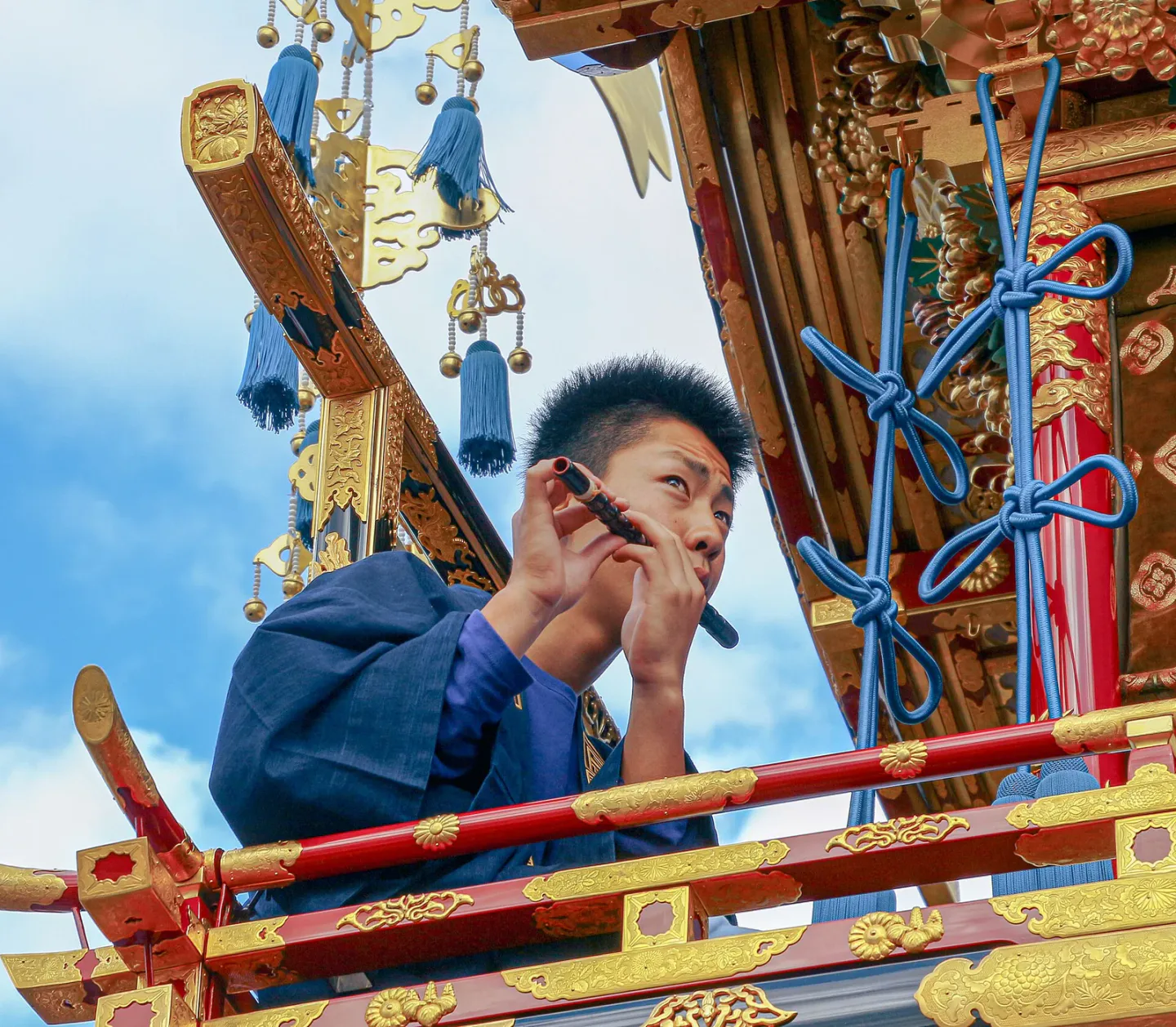
The workable four-day, three-night festival route is Kochi on the nights of 10 and 11 August, followed by Tokushima on 12 August and departure on the 13th. Takamatsu can be an arrival gateway on the 10th, but it is not a third hotel base in that schedule. Two Kochi evenings let you see Yosakoi in different streets; the daylight move to Tokushima protects the first Awa Odori evening from a late train.
Those dates describe how the festivals aligned in 2026, which has now passed. Kochi’s annual pattern places the eve programme on 9 August, the principal street days on 10–11 August and the finale on the 12th; Tokushima’s 2026 Awa Odori ran from 12–15 August. Check the next festival’s announced programme before booking. If you want the Kochi eve on the 9th as well, add a Kochi night or give up another part of the four-day plan; it cannot be included in the same two-Kochi-night, one-Tokushima-night stay.
The route is particularly sensitive to where you leave your suitcase. A station-area Kochi hotel can hold it while you visit the central dance venues, and a Tokushima Station hotel lets you drop it after the cross-island train. A late-night return to Takamatsu after either festival saves a hotel change on paper but replaces the best hours of the evening with transport. The festival comparison gives a wider view if the trip is still flexible.
The calendar determines the beds
Arrive on 10 August early enough to reach Kochi before the principal evening performances. Sleep there twice, on the 10th and 11th. Check out on the 12th, change trains at Awa-Ikeda on the way to Tokushima, store luggage and spend that evening around the Awa Odori venues. Sleep at Tokushima Station, then leave on the 13th. This is four calendar days and three hotel nights. A traveller landing too late on the 10th should book an additional arrival night rather than describe an overnight in Takamatsu as part of those same three nights.
Two nights in Kochi are a deliberate choice. Yosakoi teams move through Otesuji, Obiyamachi and the central park area, so one evening rarely covers all styles and locations. Keep the second night at the same hotel instead of packing between performances. The Kochi viewing-area guide helps separate mobile street watching from a more fixed viewing position; the Yosakoi day guide explains how the 2026 schedule differed by day.
Tokushima is the final overnight because Awa Odori’s street and paid-stage sessions continue into the evening. In 2026 the paid sessions were scheduled for 18:00–19:40 and 20:20–22:00. A room beside JR Tokushima Station makes the walk back more realistic after the second session, though festival crowd routing can lengthen a short map distance. The Tokushima hotel-base comparison shows what changes if you choose Naruto or Takamatsu instead.
Day 1: reach Kochi, then leave the timetable behind
Takamatsu works as the entry point for travellers arriving from its airport, crossing from Okayama, or returning from Naoshima or Shodoshima. JR Takamatsu Station and the port sit close together, so a ferry-to-rail change can be straightforward. The festival accommodation should still be in Kochi if the first Yosakoi evening matters. Put the long transfer before the crowds and give yourself time to check in or leave bags before moving towards central Kochi.
The Takamatsu station versus Kawaramachi guide is relevant when the flight or ferry genuinely forces an extra night. If you are arriving from an island, the Naoshima day-trip guide and island hotel-base comparison can help decide whether that night belongs on the coast or before the Shikoku festival route. Do not add a Takamatsu hotel simply to make a three-city checklist.
At Kochi, identify the tram stop and the return route to the hotel while the streets are still calm. A station room is less central to some performances than a room in Obiyamachi, but it simplifies the onward train two mornings later. A downtown room reverses that advantage. Compare the walking pattern in the Kochi festival neighbourhood guide before paying for an address based on a pin alone.
Day 2 and Day 3: use the second Yosakoi night differently
The first full day can be spent sampling street performances across several venues. Pick a limited number of areas rather than trying to cross every crowd barrier at the busiest time. On the second day, return to the area or format you enjoyed most: a fixed viewing spot, a more mobile street route, or a different part of the central district. The overnight does not move, so there is no check-out deadline between the two festival evenings.
Kochi’s main days in 2026 were published for 10 and 11 August, roughly 11:00–22:00, although individual venues and teams operated on their own programme. A family can break the day with a hotel rest instead of planning to stand for eleven hours. Anyone using a wheelchair or limiting walking should examine the Kochi accessibility and low-walking plan and reserve any appropriate seating when the next event releases it. A route that works at midday may not be as easy after a road closure.
Keep food close to the route instead of treating a restaurant stop as a separate day trip. Hirome Market timing can help choose lunch or dinner according to seating pressure. The Kochi katsuo comparison separates a hands-on straw-grilling booking from a quick market meal. Either belongs in a gap between performances, not across a session you specifically travelled to see.
Festival crowds also change how luggage feels. A daypack, water and a clear hotel-return plan are easier to manage than rolling bags through the dance streets. If arrival and departure use Kochi Station, a station hotel may win even when the evening walk is longer. If the group includes children who need a midday break, the shorter walk to the chosen venue can be more valuable. Let the least flexible person in the party shape the base.
Day 4: cross at Awa-Ikeda before the Tokushima evening
The Kochi-to-Tokushima rail route changes at Awa-Ikeda. This is the transfer to protect, rather than assuming the two festival cities have a frequent direct train. Leave Kochi in daylight and confirm the actual connection for the travel date. Build margin for the station change and for getting from JR Tokushima to the hotel with luggage. Reaching Tokushima only at the start of a booked stage session makes an ordinary delay consequential.
After dropping bags, choose between street dancing and a paid seating session. A paid ticket fixes the viewing time and location; free street watching gives more movement but less control of sightlines. In 2026 the two paid evening slots began at 18:00 and 20:20. The specific next-year ticket sale, venue layout and entrance arrangements need the new event announcement. Avoid buying a train that arrives with no room for check-in, dinner or a crowd-controlled walk.
Leave a quiet morning for another Tokushima activity only if your departure allows it. The indigo-dyeing workshop guide fits a separate morning better than the Kochi transfer afternoon. For an art stop near Naruto, the Otsuka Museum of Art half-day plan needs its own time allowance. From Tokushima, highway buses can make Osaka or Kobe the next leg; routes and departures should be checked for the travel day. Okayama-bound rail travel usually returns through the network to the north rather than ending in central Tokushima.
Three station hotels, three different jobs
These are location-led options, not interchangeable festival hotels. JR Hotel Clement Takamatsu is useful if an extra gateway night is needed; JR Clement Inn Kochi is the two-night working base; JR Hotel Clement Tokushima is the final-night landing place. Check the exact room configuration and cancellation terms for the rate being sold. A festival week can sell out differently from an ordinary August week, and a room-only offer does not include breakfast simply because the property serves it.
JR Hotel Clement Takamatsu: only when the gateway needs a night
The hotel is about a minute from JR Takamatsu Station, close to the port and airport-bus access. That position suits a late arrival, early ferry or Okayama connection. It should not displace a Kochi night in the three-night festival plan. For a party of two, the published Compact Twin is 23.8m² with two 100cm-wide beds; the Standard Twin is 31.9m² with two 120cm-wide beds and can accommodate a third person in selected arrangements. A sea outlook belongs to specific room categories and orientations, so do not infer it from the property name.
Check-in begins at 14:00 and standard check-out is noon, subject to the booked plan. The hotel has restaurant and bar facilities, luggage storage and paid laundry equipment; rooms have private bathing facilities. Breakfast is listed for 06:30–10:00 and the hotel’s English information gives an adult buffet reference of ¥3,000 where it is not in the rate. Its displayed starting room price is not a useful festival-week promise. Check the actual total and cancellation schedule for the date, including any advance-purchase conditions, before reserving an optional gateway night.
Compare Takamatsu Station stays
JR Clement Inn Kochi: keep the same room for both Yosakoi evenings
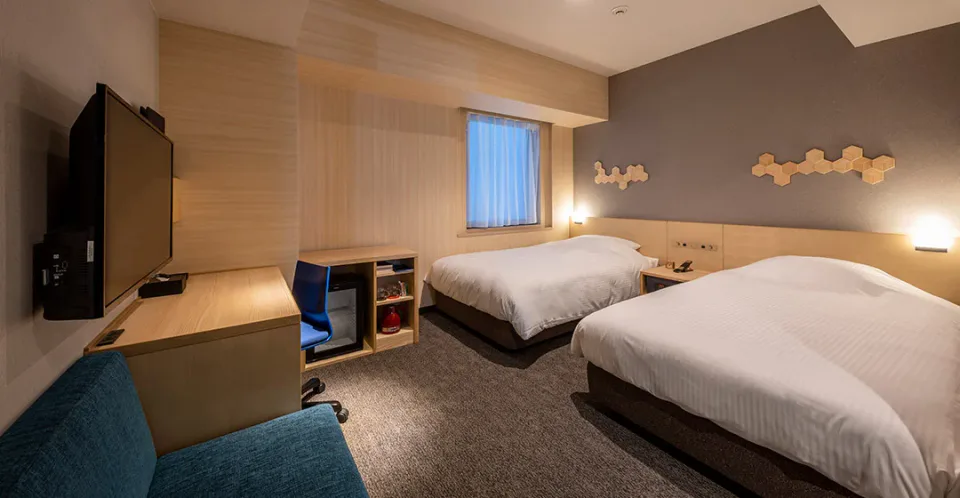
JR Clement Inn Kochi is at 1-10-59 Kitahonmachi, around a two-minute walk from JR Kochi Station and the Kochi-ekimae tram stop. That makes the arrival and Awa-Ikeda departure simple while leaving the central festival venues to a tram ride or walk. Street controls can make the return slower than the ordinary distance suggests. The hotel’s Single is around 15.1m² with one 140cm-wide bed; its Twin is about 21.2–21.5m² with two 120cm-wide beds. Some twin configurations add a sofa bed, which is not a third standard twin.
The regular check-in is 15:00 and check-out 11:00. Same-day luggage holding helps when you arrive before the room is ready or leave after check-out. Rooms have compact private baths; do not book expecting a public bath, pool or gym. The current Japanese breakfast page gives 06:00–10:00 with last entry at 09:30; the older English summary still says 06:30, so use the restaurant’s current hours when planning an early train. Seven Japanese or Western set choices are listed. The ¥1,700 reference applied only through September 2026; the posted price is ¥1,800 from 1 October 2026. Confirm whether the chosen rate includes breakfast and which cancellation rule the seller applies. The Kochi station and downtown comparison is useful if walking to the dance venues matters more than the final train.
Compare Kochi Station stays
JR Hotel Clement Tokushima: a short return after Awa Odori
JR Hotel Clement Tokushima connects to JR Tokushima Station at 1-61 Terashima-honcho Nishi. It gives the transfer day a clear endpoint: check in, set down cases, then walk toward the festival. Central venues are accessible on foot, but barriers and one-way crowd flows can alter the return path. A Superior Twin is around 27–28m² with two 120cm-wide beds; selected three-person arrangements use an additional sofa bed. Higher categories may add a separate shower or a different outlook, so compare the precise floor plan instead of assuming every Twin is the same.
Standard check-in is 14:00 and check-out noon. The hotel has dining, luggage services, coin laundry, a microwave and other practical facilities; it is not a public-onsen hotel. A breakfast buffet is served at the ground-floor dining café from 06:30–10:00. The listed adult price is ¥2,900, or ¥2,600 for staying guests showing the room key; a breakfast-inclusive rate is a separate arrangement. Check the current rate before using either amount in a budget. Limited festival-period availability, paid seating and room cancellation are separate purchases. The Tokushima, Naruto and Takamatsu base comparison explains why proximity to the station is most valuable after the late session.
Compare Tokushima Station stays
If you have fewer nights or more time
With only one overnight, choose which festival matters most. Kochi gives Yosakoi and a longer daytime programme; Tokushima gives Awa Odori and its evening street or stage format. Do not build a same-night commute from Takamatsu after either event simply to avoid a local room. With two nights, Kochi on 11 August and Tokushima on 12 August gives one main Yosakoi day and the Awa Odori opening night. It sacrifices the second Kochi evening, so it is an abbreviated trip rather than the full version.
If an extra night is possible, put it where the transport constraint actually lies. A Takamatsu night can absorb a late flight, an early island ferry or an Okayama arrival that cannot sensibly reach Kochi. Another Kochi night can capture the 9 August eve programme before the two main days. An extra Tokushima night gives a slower Awa Odori visit or room for an indigo workshop. These additions each change the number of nights; none should be smuggled into the four-day, three-night label.
A broader Shikoku journey may call for a different base entirely. The Takamatsu versus Matsuyama five-day plan is about region coverage rather than a two-festival sprint. The four-day Shikoku autumn route uses a different season and should not be pasted onto August festival dates. Keep the festival nights fixed first, then fit other destinations around them.
Useful decisions before paying for rooms
Book the scarce Kochi and Tokushima nights before the optional Takamatsu stop. For each hotel, check the exact bed type, guest count, breakfast inclusion and cancellation deadline on the chosen rate. A site-wide reference price or a hotel’s ordinary-night starting rate will not establish the festival-week total. If the party uses mobility support or is travelling with children, check the walk from the specific hotel entrance to the selected venue rather than relying on a city-centre label.
Train and stage bookings need a compatible timetable. The Kochi–Awa-Ikeda–Tokushima connection should be confirmed before choosing a non-refundable Awa Odori session on 12 August. Festival street restrictions can also affect taxis and hotel approaches. Leave the luggage at the hotel first, and do not assume a car would be faster through a closed central route. The Kochi low-walking plan and viewing-area comparison make that decision more specific.
The primary programme pages remain the places to check before the next booking: Kochi Yosakoi schedule and Awa Odori event programme. Both festivals’ 2026 editions are over as of October 2026. Treat the dates above as a tested route pattern, not a claim that next year’s tickets, venue maps or hotel prices are already published.
Related Shikoku and rail journeys
For a Kochi extension, compare Kochi hotel locations, Kochi dance viewing areas, Yosakoi with less walking, A meal at Hirome Market. These address where to sleep, how to watch the dance and where a meal fits.
For extra time around the Seto Inland Sea, see Takamatsu or Matsuyama as a longer base, Takamatsu station and Kawaramachi hotels, A full-day Naoshima visit, Island and mainland accommodation. The coast and islands need days of their own, not a hurried festival transfer.
If August is still undecided, Japan’s other summer festivals compares other events; An autumn route across Shikoku instead belongs to a different season.
For a continuation on the main island, Osaka with friends, Osaka on a budget, A solo week around Osaka, One Kansai base for several day trips, A couple’s Kansai week, Kobe and a Koyasan temple stay. Each has a different hotel-change rhythm from this Shikoku route.
For the southern islands and Kyushu, compare Okinawa with a rental car later, Five car-free Okinawa days, Two days in Naha by rail, A night in Kagoshima or Ibusuki, Five or seven days across Kyushu. These make more sense as a separate leg than as a day trip from a festival base.
For a broader rail journey, A first Japan trip of ten to fourteen days, Toyama to Matsumoto through Chubu, A longer autumn trip in Tohoku show how the time commitment changes with region and season.