
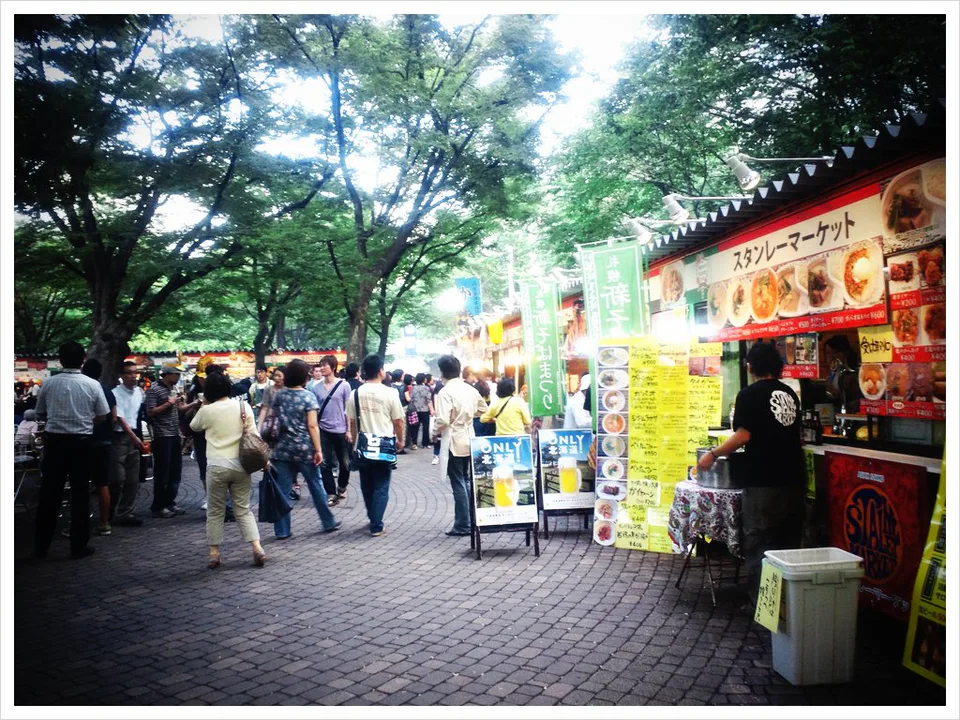
Sapporo Autumn Fest 2026 ended on 3 October. Its seven Odori Park areas stretched roughly one kilometre from West 11 to West 4, with a gap at West 9. The organisers currently plan the next festival for 10 September–2 October 2027; the dates are provisional, and the 2027 vendor and venue programme has not been announced. The useful part of the 2026 layout is the walking decision: begin at the western food areas and finish closer to Odori Station, or reverse it if your hotel and evening plans make an eastern finish awkward.
In 2026, a west-to-east tasting could start at West 11 around mid-afternoon, move through the meat and regional-food areas, then keep the central blocks for a final plate or dessert. It worked best when two people shared dishes and left room to stop buying before reaching every venue. This is a model for pacing, not a claim that the same stalls will return in 2027. The 2026 festival ran 10:00–20:30 with last orders at 20:00; future hours need the next programme.
Hotel location changes which end of Odori should be your start. Sapporo Station, Odori or Susukino as a base sets that choice. An Odori room keeps the park close; a Susukino room suits a later evening; a station hotel is practical before an early train. Settle luggage before entering the park. A crowded food lane is a poor place to drag a case after a flight or a long rail arrival.
The 2026 areas show how to build a route
↔ Scroll table left or right
| West block | 2026 food theme | How the finished 2026 route used it |
| 11 | Chefs and beer | A first shared plate or drink; cashless payment only. |
| 10 | Hokkaido meat | A savoury choice, rather than a second full dinner. |
| 8 | Regional Hokkaido market | Compare one regional dish before moving east. |
| 7 | Bar area | A drink only if the group still wants one. |
| 6 | Sapporo FOOD JAM | One possible later main dish. |
| 5 | EAT THE NORTH | A further food option, not an obligation. |
| 4 | IN4 information and food | A central finish or dessert decision. |
Why the western end made a useful first stop
In 2026, West 11 combined chefs and beer. It gave two adults a clear first decision: share one plate or choose a drink, then move rather than completing dinner at the opening stall. West 10 concentrated meat, and West 8 offered a regional Hokkaido comparison. The empty West 9 interval provided a natural pause to check hunger and seating. If the 2027 layout changes, keep the principle: begin where a distinct first course appeals, then use the walk itself to decide what still deserves appetite.
The western start also avoided arriving at Odori’s busy eastern entrance and immediately doubling back. Nishi 11-chome Station served the West 10–11 end, while Odori Station served the central end. Those two access points made a one-way route possible in 2026. Luggage should go to the hotel or arranged storage first, particularly if the park is the first stop after New Chitose Airport. A smaller daypack leaves hands free for food and makes queues less awkward. For late arrivals, the New Chitose first-night hotel decision helps decide whether the food route belongs on arrival day at all.
Mid-afternoon gave the tasting room to breathe
A weekday start around 15:00 let the 2026 route use daylight for menus and photographs before the after-work dinner crowd. It also left time to find a table rather than ordering a hot dish and then searching. Families could move the same idea to lunch; visitors interested in beer and evening atmosphere could still enter before the busiest dinner period. These are crowd-management choices, not fixed attendance forecasts for a future edition.
With only an hour, choose one or two nearby venue themes instead of rushing the whole kilometre. In the 2026 layout, West 11 plus 10 suited chef food and meat, West 8 suited regional tasting, and West 4–6 gave a shorter central outing. Two or three hours allowed the full west-to-east walk if the group shared dishes and skipped some stalls. A longer stay made sense only when the festival itself, including seating and conversation, was the evening’s main activity.
Sharing preserves a final choice
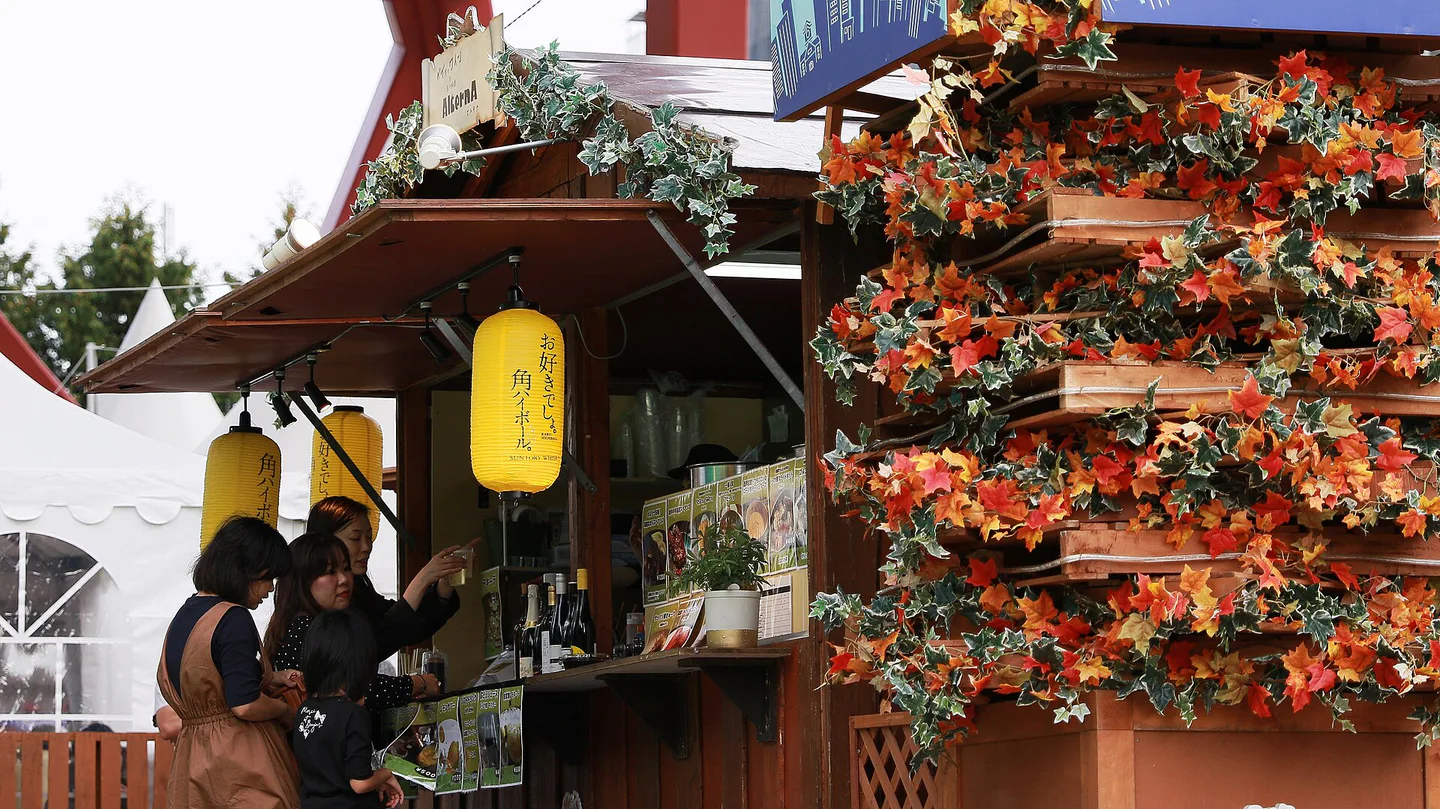
Two people each ordering a main dish in the first three areas would have finished dinner before seeing the rest. The more useful rule was one savoury plate for the pair at a chosen stop, followed by a deliberate pause after every second purchase. Keep one dessert or final snack undecided until the eastern end. A large beer belongs in the same budget and appetite calculation; buying it at every block can crowd out the food that drew the group across Odori.
This restraint matters when other Hokkaido meals are planned. The Hokkaido itinerary by region helps decide how many nights belong in Sapporo. An Otaru day trip or overnight offers a different canal-and-seafood day rather than another festival-length dinner. One evening of market tasting is more enjoyable when it does not turn every later meal into a comparison with a crowded stall.
Find seating before joining a food queue
In a busy block, agree on a meeting landmark before one person orders and another looks for seats. Do not buy a dish that needs two hands while hoping to find a table in the next venue. Each area has its own service pattern; return trays, cups and waste where directed instead of carrying them through the kilometre. The 2026 West 11 area was cashless only, so cash alone would not have worked there. Check the payment terms of the actual future stall before queuing.
A solo visitor cannot divide every plate, so fewer savoury stops are enough: perhaps a chef dish, one regional choice and a dessert or drink. A family should choose fewer blocks and an earlier meal so tired children are not waiting through dinner queues. Four friends can sample more items by sharing, but should agree where to meet when different queues separate them. The route succeeds by making clear choices, not by eating in all seven areas.
Pair the park with another Sapporo plan
Let the post-dinner walk influence the room
An Odori hotel can make a midday pause or short walk home practical; Tokyu Stay Sapporo Odori is one central option with named room and laundry differences. SAPPORO STREAM HOTEL makes more sense if the evening continues toward Susukino. Neither is automatically worth a premium for one food event: compare the room and the rest of the stay as well as the festival walk.
For an early rail departure the next day, JR Tower Hotel Nikko Sapporo deserves a separate station-access comparison. If snow and large luggage are the bigger concerns on another season’s visit, Hotel Gracery versus Hotel Emion addresses a different hotel trade. Do not pay for a station tower solely because a park event happens to be downtown. A compact Hotel Gracery Sapporo room is another station-side choice when its small floor area suits the trip.
Budget for the meal you want, not seven obligatory stops
Entry to the 2026 festival was free; food and drink were paid by item. There was no single useful spend target because a light tasting, a full dinner and an evening with alcohol are different purchases. Displayed prices and payment methods varied by vendor and venue. Carry a familiar cashless method and some cash, but note that West 11 was explicitly cashless in 2026. Save part of the budget for a last dish only if you still want it when you get there.
In rain, break the kilometre into shorter pieces
There was no continuous underground route beneath the full West 11-to-West 4 stretch. In heavier rain, visit one western food area, use the subway, then choose a compact eastern section near Odori instead of proving the entire park has been walked. A rain layer and shoes with grip are easier to manage in a food queue than a large umbrella. If outdoor eating stops being pleasant, finish dinner indoors rather than treating the weather as a test of determination.
A Hokkaido trip benefits from an indoor Sapporo day that can move around a wet evening. The Hokkaido without a car guide separates rail-friendly city time from excursions where rain affects more than dinner. If the festival layout or opening hours change next year, that spare city time also lets you visit the park on the better evening.
Odori and Nishi 11-chome served opposite ends
The 2026 access plan named Nishi 11-chome Station for the western venues and Odori Station for the eastern ones. That supported a west-to-east tasting without a long retrace. Odori Park itself had no festival parking; public transport was the natural choice, especially for anyone drinking. A group staying in Susukino could reverse the route if its hotel path made an eastern-to-western walk more useful, but should plan the final subway or walk before the last food order.
A Sapporo Station versus Susukino hotel comparison helps if rail convenience and later nightlife compete. A station room fits an onward train; Susukino fits an evening that continues after the park. For a single festival visit, choose the base for all the trip’s departures rather than this one dinner.
One festival evening should not control the Hokkaido route
The food event supplied a good reason for an evening in Sapporo, but not for using the city as a daily base for distant mountains. A winter traveller making a separate trip should use Sapporo or a ski-resort stay; a single snow day can use the Teine versus Kokusai comparison. Festival walking and ski transfer mornings are different hotel problems.
Even another Odori event can create a different daily rhythm. The Sapporo Snow Festival hotel decision needs winter walking and venue access rather than the autumn food route. A hotel that suited a September meal should be compared afresh for February.
A 2026 west-to-east tasting in four hours
A 15:00 arrival at Nishi 11-chome left time for one chef dish at West 11 and a shared meat plate at West 10. The gap at West 9 was the moment to drink water and decide whether a regional item at West 8 still appealed. Around 17:00, West 7 could be a drink stop rather than another compulsory course. Choose one later main dish in West 6 or 5, then leave West 4 for dessert, information or the final waste return. Solo travellers could cut one savoury purchase; families could move earlier and finish after West 8.
Before a future visit, settle these five details
- Confirm the next festival’s final dates, opening hours and vendor list before arranging a food-specific night.
- Inspect the weather for the outdoor eating window and keep an indoor Sapporo alternative.
- Set hotel check-in, luggage storage and the correct subway entrance before entering the park.
- Ask about allergies and ingredients before joining a vendor queue.
- Agree on the final walk or subway home if the evening continues into Susukino.
If the next morning begins by JR Sapporo, Solaria Nishitetsu Hotel Sapporo is another station-side comparison. Its value depends on the room and city plans, not just the festival route. When the next festival programme is published, compare Sapporo rooms around your preferred station on the same dates and cancellation terms.
Festival and city details
Sapporo Autumn Fest schedule and next planned dates; Odori venue information; park access and stations; Sapporo autumn activities; 2026 West 11 payment and food area. The 2026 edition is over; the organisers describe 10 September–2 October 2027 as the next planned period.
Related guides: Japan Autumn Leaves 2026: Forecast Calendar, Regions and Route Planning · Jozankei Autumn Leaves 2026: Day Trip or Overnight? The Foliage Buses Change the Answer · THE LUIGANS Spa & Resort Fukuoka: Is a 33m² Sea-View Room Worth Leaving Hakata for One Night? · Best Airport for Japan Autumn Leaves: Choose by Foliage Window and Open-Jaw Route · Takayama Autumn Festival 2026: Save October 9 Night for the Lantern Floats · Central Japan Autumn Leaves: Choose the Route by Elevation, Not by Map · Osaka for Couples: A 7-Day Itinerary That Saves the Best Nights for Kyoto, Kobe and One Big View · Nokogiriyama Ropeway: Round Trip or One Way? The Route Choice That Changes Your Day · Osaka Hotels for 4–6 Friends: When One Big Room Stops Being the Better Deal
Sapporo Snowmobile 2026–27: 30, 60 or 90 Minutes? Choose the Route First
Nada no Kenka Matsuri 2026: If You Only Go One Day, Choose Oct 15
Save Sunday for Omotesando: The One Super Yosakoi 2026 Plan Saturday Can’t Match
Osaka Kuromon Market Food Tour 2026: You’re Paying for a Guide, Not the Food
Dogo Autumn Festival 2026: October 7 at Dawn Is the Main Event