
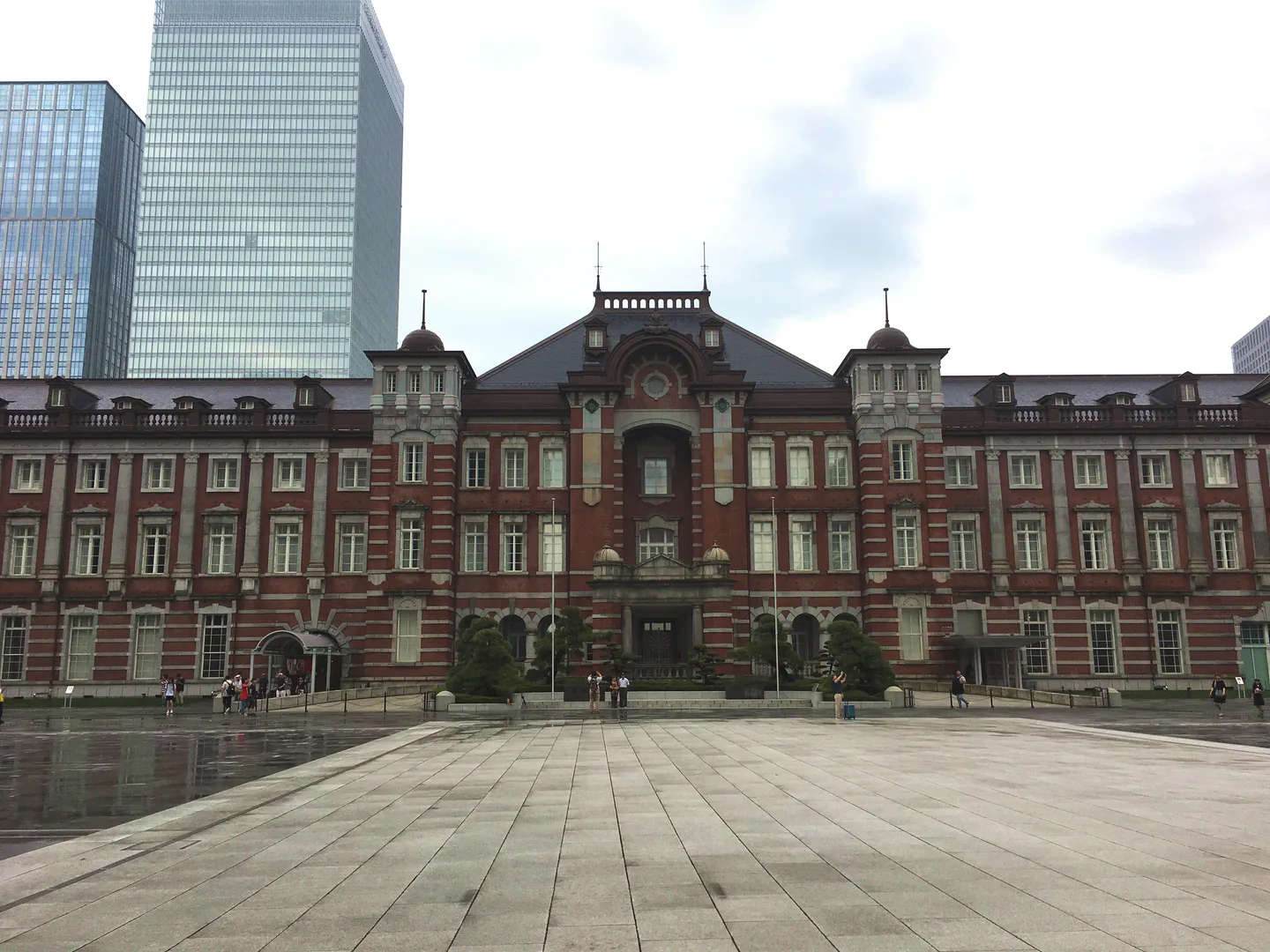
Tokyo's summer sightseeing day works better when the exposed walking has a time limit. If the forecast approaches 35°C, place one outdoor visit early, stay in one useful indoor area through the hardest hours, and decide again before going out after dinner. The indoor block should be something you wanted to do anyway. Four short air-conditioned stops connected by hot streets and station exits do not solve the problem.
Air temperature is only one signal. The wet-bulb globe temperature index, or WBGT, also responds to humidity and radiant heat. In the WBGT risk bands, 28–31 is a severe warning for exertion; at 31 or above the danger guidance is stronger, especially for children. Check the hourly local forecast before treating an outdoor route as fixed. A family with a stroller, an older traveller or anyone already feeling unwell should cut exposure earlier than an energetic adult party might.
Split the day at the hottest hours, then keep one part movable
| Part of day | Use it for | Decision before moving on |
|---|---|---|
| About 6–10 a.m. | One nearby temple, shrine, park or neighbourhood walk that actually opens early | Will the next train and station exit put you outdoors at the heat peak? |
| About 11 a.m.–4 p.m. | A two- to four-hour museum, central shopping/food area or hotel rest | Can lunch and a break happen without another long surface walk? |
| After about 5 p.m. | A local street, waterfront or view if conditions have improved | Check WBGT, rain and the group's energy again; drop this block if needed |
These hours are a planning sketch, not a claim that 5 p.m. will be cool. August evenings in Tokyo often remain humid, and heavy showers can arrive late. An August Tokyo weather summary gave daytime averages around 29.6°C, days often above 34.4°C and nights around 26.2°C; that is enough to show why sunset alone is no escape plan. On a particular day, the hourly heat and storm forecast matters more than any monthly average.
Tokyo's WBGT map has offered roughly one-kilometre heat cells, hourly risk forecasts up to forty-eight hours ahead, seven-day daily maxima, and marked cooling locations. Use it to find the exact hour when the itinerary has its longest exposed walk. A route that is reasonable at 8 a.m. may be a bad idea at noon. If you are still deciding the whole visit length, the three-, four- and five-day Tokyo comparison shows how much city time remains after one hot-weather day is simplified.
Do not read a warning category as a personal target to endure. The WBGT bands were designed to signal risk, and the exercise guidance becomes stricter as the index rises; sightseeing is not a sport, but long queues, heavy bags and repeated stairs still add exertion. A heat alert can cover an area while conditions differ between a shaded park and an unshaded crossing. Use the local hourly value together with what your group is actually doing. If you need a long, exposed transfer at the peak, moving that one transfer may improve the day more than buying a cooling accessory or adding another cafe stop.
Early sightseeing succeeds only when the place itself is ready
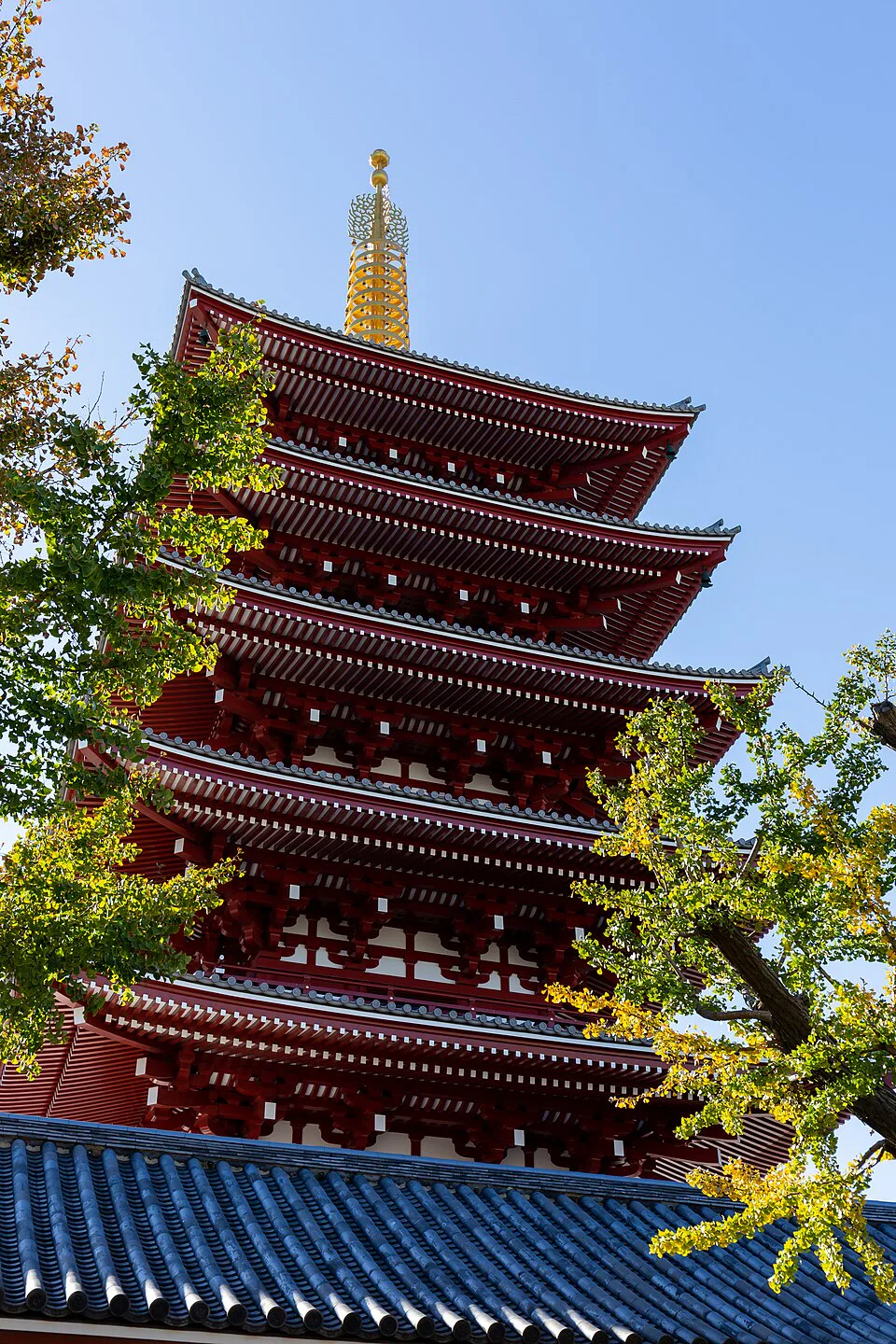
Asakusa rewards a genuine early start. In the warmer months, Senso-ji's Main Hall has opened from 6 a.m. in the April-to-September period. Kaminarimon, the approach and a short neighbourhood or Sumida-side walk can make a compact morning before the crowd and heat build. Nakamise shops and your preferred breakfast place do not all open at the same hour as the hall. Arrive at dawn for the temple and streets, not for a shopping session you will have to wait to begin.
Meiji Jingu offers a western-Tokyo counterpart. In July and August its grounds open at 5 a.m. The shrine buildings are still at least a ten-minute walk from an entrance, so an early visit shifts a meaningful outdoor walk into a more forgiving period. Harajuku stores do not become a dawn attraction because the shrine gate opened. The Tokyo area map helps keep Meiji Jingu with Harajuku and Shibuya, rather than using the cooler morning to cross the whole city for one photograph.
Whichever side you choose, count the walk after the train. Platforms, lift detours, station exits and crossings can turn a short mapped journey into a long stretch without shade. Someone staying east who travels to west Tokyo for a fifteen-minute outdoor stop may spend the best hour on the railway. This is one reason to use whole-day area planning instead of stacking isolated landmarks in one list.
Midday needs a place you can actually stay
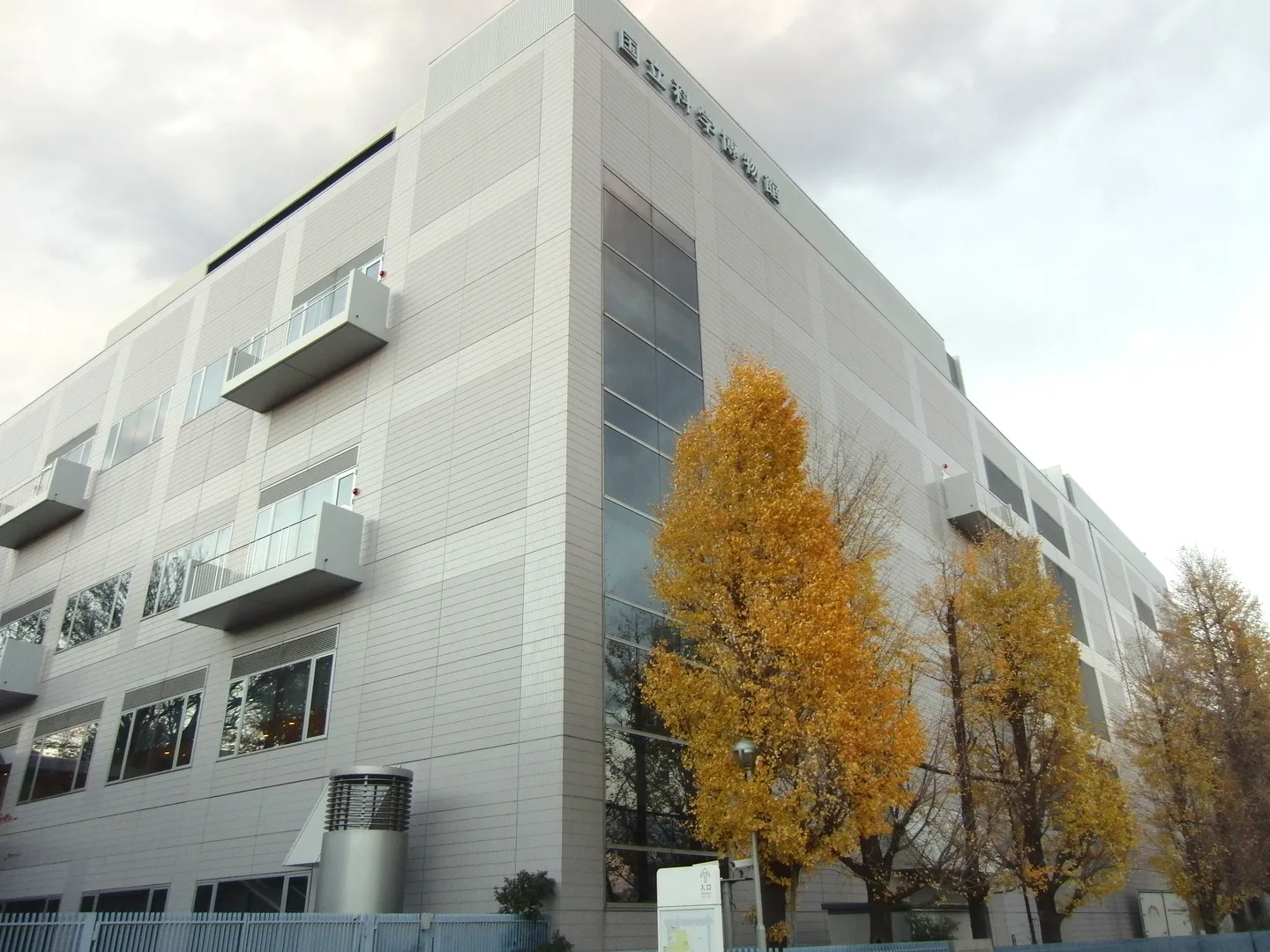
The National Museum of Nature and Science makes sense in Ueno when natural history or science is already an interest. Its usual opening is 9 a.m.–5 p.m., and the permanent galleries can absorb a long visit. The museum time-and-ticket guide helps decide if a three- to five-hour block is enjoyable for your group. Cheap admission does not make a museum a good heat shelter for someone who dislikes the subject.
Central Tokyo provides a different kind of long indoor block. Tokyo Station, Marunouchi and Ginza have museums, food and department stores that can be combined with fewer exposed gaps than a collection of venues in unrelated districts. This is useful when the forecast is uncertain: lunch or shopping can stretch, and the outdoor part can be postponed or skipped. The Tokyo Station-to-Ginza rain plan is a good companion because heavy summer rain and heat can affect the same afternoon.
“Indoors” can be misleading if it takes a sunny 500-metre walk to reach the door, a queue outside or three station changes to connect it with lunch. The best midday anchor reduces the number of transitions. Carry water and take real breaks; do not treat an indoor reservation as a reason to keep walking outside until the admission time. If a museum is sold out or the group loses interest, a hotel return can be the better use of those hours.
Three routes that do not cross Tokyo at noon
East: Asakusa and Ueno
Begin with Senso-ji and only a short Asakusa walk. Move toward Ueno before the severe part of the day, then use the science museum, lunch and an indoor rest as one block. Later, choose Ameyoko, a local dinner or the journey back to your room according to how the group feels. This is not an instruction to do the zoo as well. Both museum and zoo can be substantial; a second prepaid ticket removes the easy exit you need in heat.
Central: Marunouchi, Tokyo Station and Ginza
Someone already sleeping near Tokyo Station can use a nearby morning walk, return to the station or Marunouchi area for food and indoor time, and reconsider the street plan after dinner. This arrangement has fewer long surface transfers than going to a distant district simply to find a famous air-conditioned attraction. The Tokyo Station versus Shinjuku base guide shows when that geography serves the rest of the trip as well.
West: Meiji Jingu, Harajuku and Shibuya
Visit the shrine early, then let Harajuku or Shibuya take over when normal business hours begin. Food, shops or another indoor interest can hold the middle of the day. Keep the skyline option for evening only if weather and energy support it. Do not add Ueno or Asakusa in the afternoon merely because a transit app finds a train. Staying on the west side is what makes the early walk a heat-saving choice.
| Area day | Early outdoor anchor | Long middle block | Optional finish |
|---|---|---|---|
| East | Senso-ji and a compact Asakusa walk | Ueno museum, lunch and rest | Ameyoko or local dinner |
| Central | Nearby Marunouchi streets | Tokyo Station/Ginza museums, food or shops | Short walk after dinner |
| West | Meiji Jingu | Harajuku/Shibuya indoor interests | Shibuya streets or a view |
There are other good districts, but the area principle is the same. A day anchored at Toyosu, Odaiba or Ikebukuro can be built locally; it does not need to imitate these three examples. For an east-side family, the Tokyo family attraction guide can identify a child-appropriate indoor anchor before you buy another city crossing.
Evening views still have weather and reservation costs
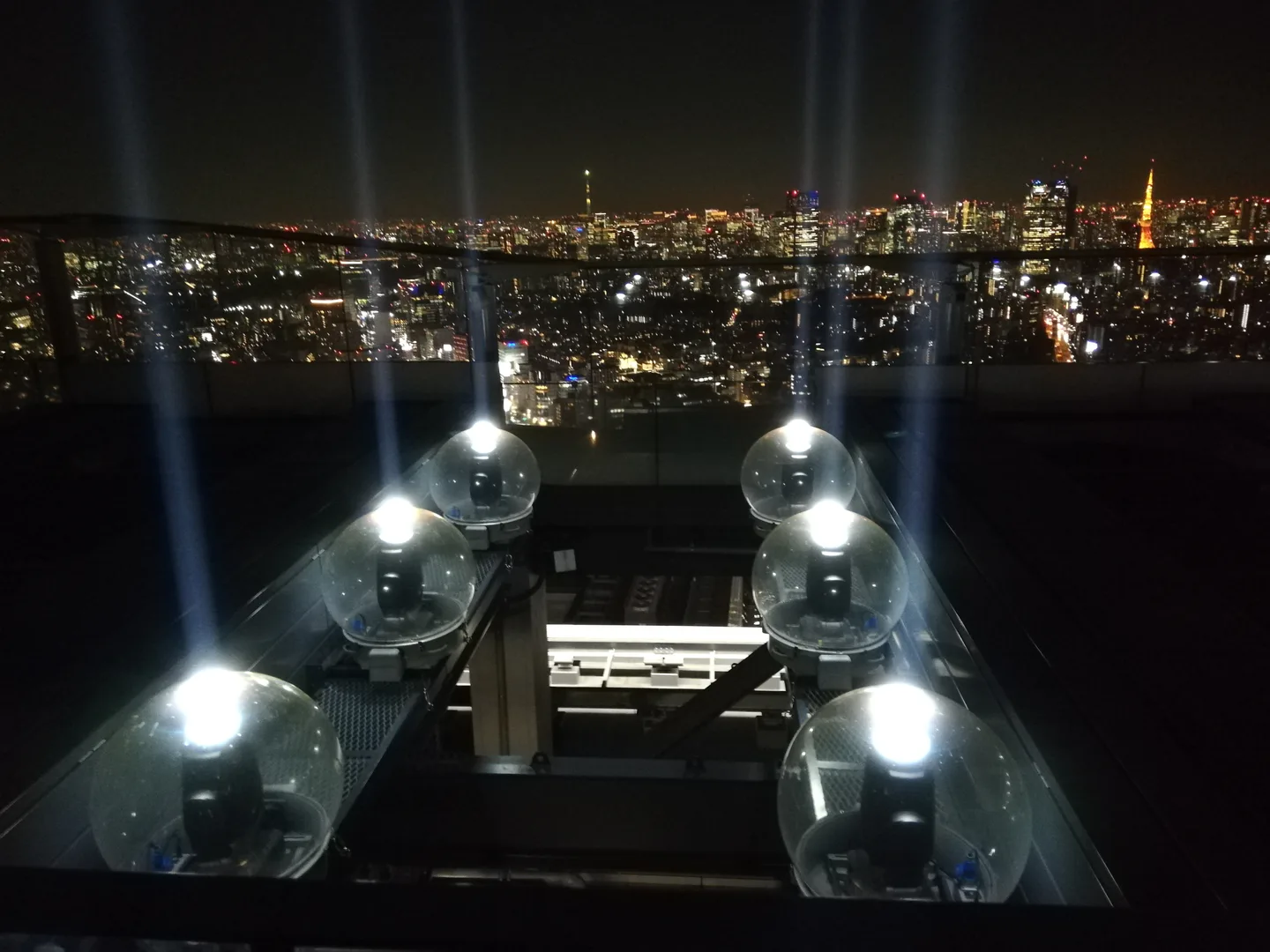
A skyline ticket can give the day a satisfying finish after an indoor afternoon. It can also turn the schedule rigid again. SHIBUYA SKY has an outdoor element subject to conditions, and a sunset slot has a narrow time window. Before paying more for that timing, use the SHIBUYA SKY ticket comparison and ask whether a different evening would still work if the heat or weather remains poor.
Other viewpoints have different indoor and outdoor trade-offs. The Tokyo decks comparison is useful if you need a substitute rather than another reservation added to the same night. A free waterfront view may be enough when the goal is fresh air and lights; the free Tokyo outings guide includes a low-commitment Odaiba option. None of those should be forced into a hot, stormy evening after a tiring day.
Disney does not fit the morning-indoor-evening split
A theme park is a full physical day. Leaving Disney at noon for an Ueno museum and coming back would consume the day in transport and entry friction. Keep the park as the main commitment, avoid adding 6 a.m. Asakusa before it, and make the following morning lighter if possible. Before fixing a date, the Disneyland versus DisneySea guide helps choose the park, the park-and-ticket decision guide addresses buying order, and the one- or two-day Disney guide explains why buying another day is not an automatic repair for an exhausting first one.
Two park days can justify a different lodging arrangement, but do not move hotels casually just to save a small journey in one direction. The Disney split-stay guide places the move around the actual park days. A family with children should also examine room layout and the return trip when choosing a city base; the four-person Tokyo room guide covers the difference between a room's capacity and usable space.
Children, older travellers and cooling spaces
Lower the threshold for cutting outdoor time when travelling with children or older adults. Check the exposed distance from station exit to venue, whether the lift route is direct, how much of the queue is shaded, and whether lunch or a nap can happen nearby. A family should be able to end the paid part of the day without crossing Tokyo again. The Tokyo hotel guide for parents is useful because the last station transfer and street walk often matter more than a map's straight-line distance.
Designated cooling shelters and Cool Share Spots are practical places to interrupt a route when a café is full or someone needs to get out of the sun. They are an exit, not permission to keep a long exposed walk on the itinerary. If the heat index reaches a severe band or anyone feels unwell, stop the outdoor block and cool down. The keep, shorten or reschedule framework can also help when a thunderstorm arrives on top of the heat.
A group with a week in Tokyo can allocate one city day as a weather valve. Keep an east or central indoor-heavy day movable until the short-range forecast is useful, rather than locking every hour of five consecutive days. The seven-day Tokyo route identifies which days are true full-day commitments; the four-, five- and seven-day comparison shows how a park or day trip removes the flexible day. Switch the indoor-heavy city day to the worst heat forecast and keep a better morning for the exposed route.
A hotel can shorten repeated heat exposure
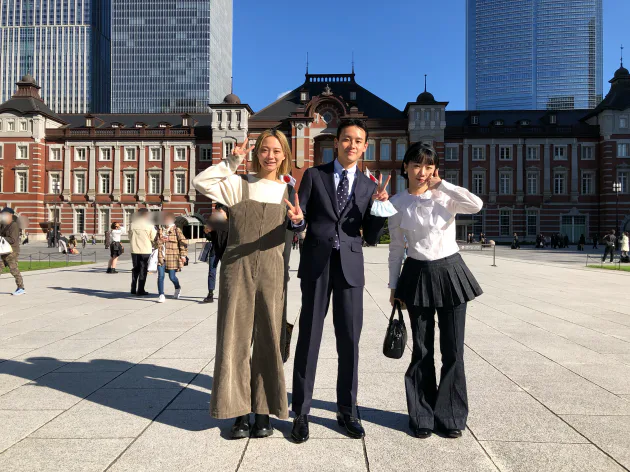
In mild weather, one extra station transfer is mainly a time cost. In August it may also mean another warm platform, lift detour and exposed street segment each morning. A hotel near the cluster where you will actually spend several days can reduce those repetitions. Do not choose a base by a vague “central” label; compare the real journey to your morning anchor and the return route around the midday break. The Tokyo accommodation-area comparison is a useful starting point.
If the itinerary is mostly Tokyo Station, Ueno and east-side museums, compare stays around Tokyo Station and check the walks to your own planned stops. If the trip is primarily Shibuya and Shinjuku, compare those areas instead. The point is to reduce the transfers that recur, not to book next to the one attraction with the most exciting photo.
Before leaving each morning, check the hourly WBGT, the amount of walking between stations and doors, whether the indoor block can genuinely hold the group for several hours, the evening storm outlook and anyone's need for a more cautious threshold. If two of those turn against the plan, remove an outdoor block. Outdoor Tokyo still fits a summer trip; it fits better when its timing can change.