
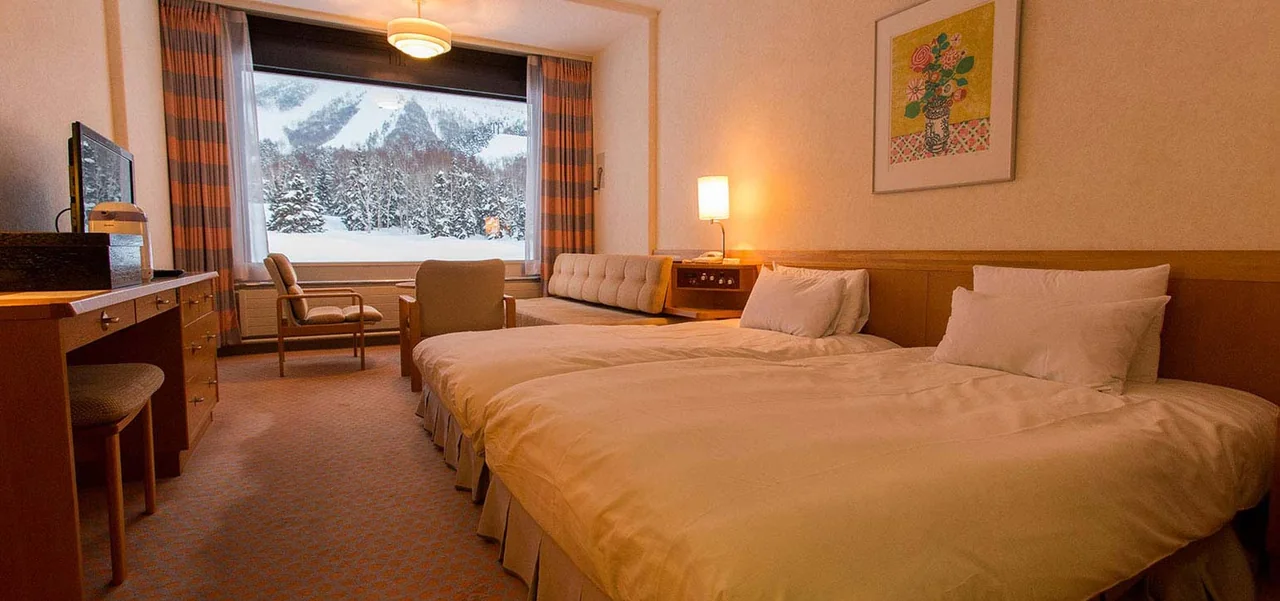
An East-versus-South-versus-West room ranking is the wrong first step for Shiga Kogen Prince Hotel in winter 2026–27. The three buildings occupy different bases of Yakebitaiyama, and they do not operate together for most of the season. The hotel lists South from 4 to 17 December 2026, West from 18 December to 21 March 2027, and East from 19 December to 4 May 2027. Those are the published operating periods, subject to change. In January the realistic comparison is East against West. In April the remaining hotel option is East. South's direct access to No. 2 Gondola is irrelevant to a January room search because South is not listed as open then.
Room size and beds by building
↔ Scroll table left or right
| Room | Area | Bed or occupancy point |
|---|---|---|
| East Twin A | 29 m² | Two 110 cm beds; extra bed may allow a third guest |
| East Comfort Twin | 29 m² | Two 140 cm beds; designed for two |
| South Twin B | 24 m² | Two 97 cm beds; possible sofa-bed third place |
| South Twin C | 18 m² | Two guests |
| West Twin D | 19.2 m² | Two 97 cm beds |
| West three- or four-bed | 21.7 m² | Check bed count against luggage space |
Swipe to compare the hotel rooms
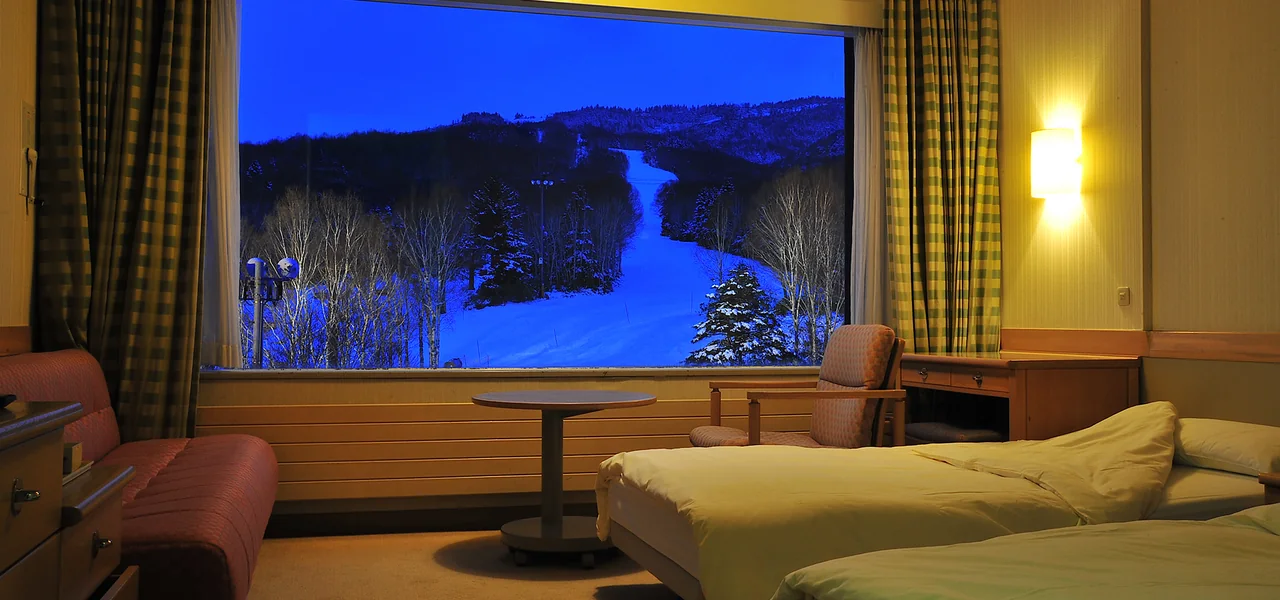
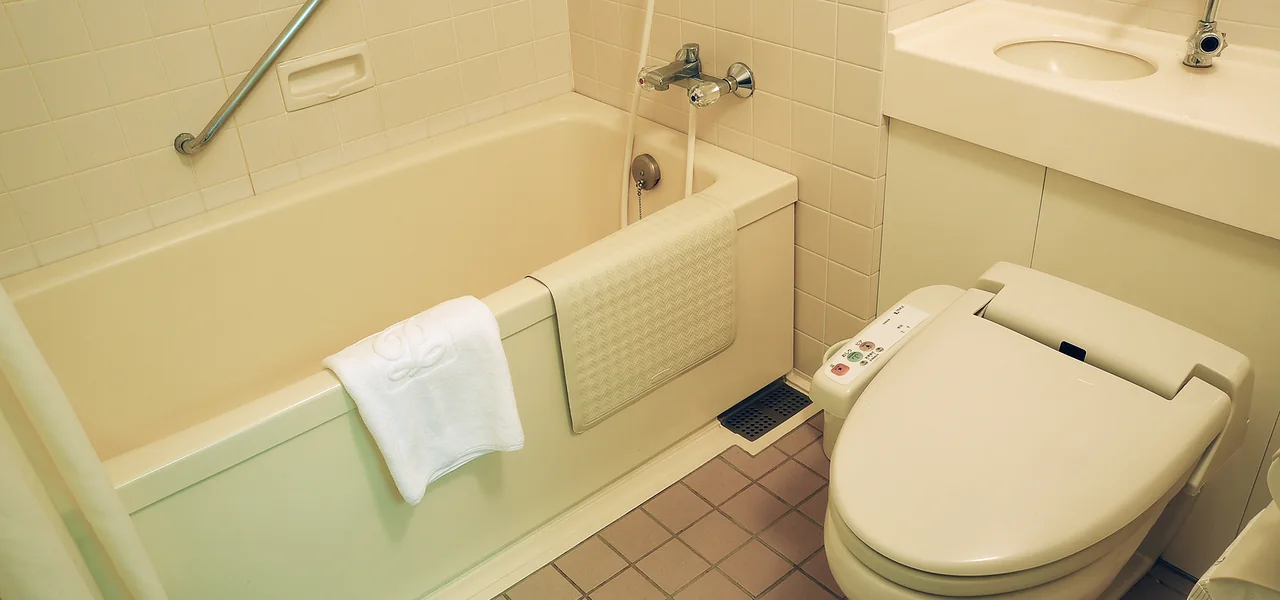
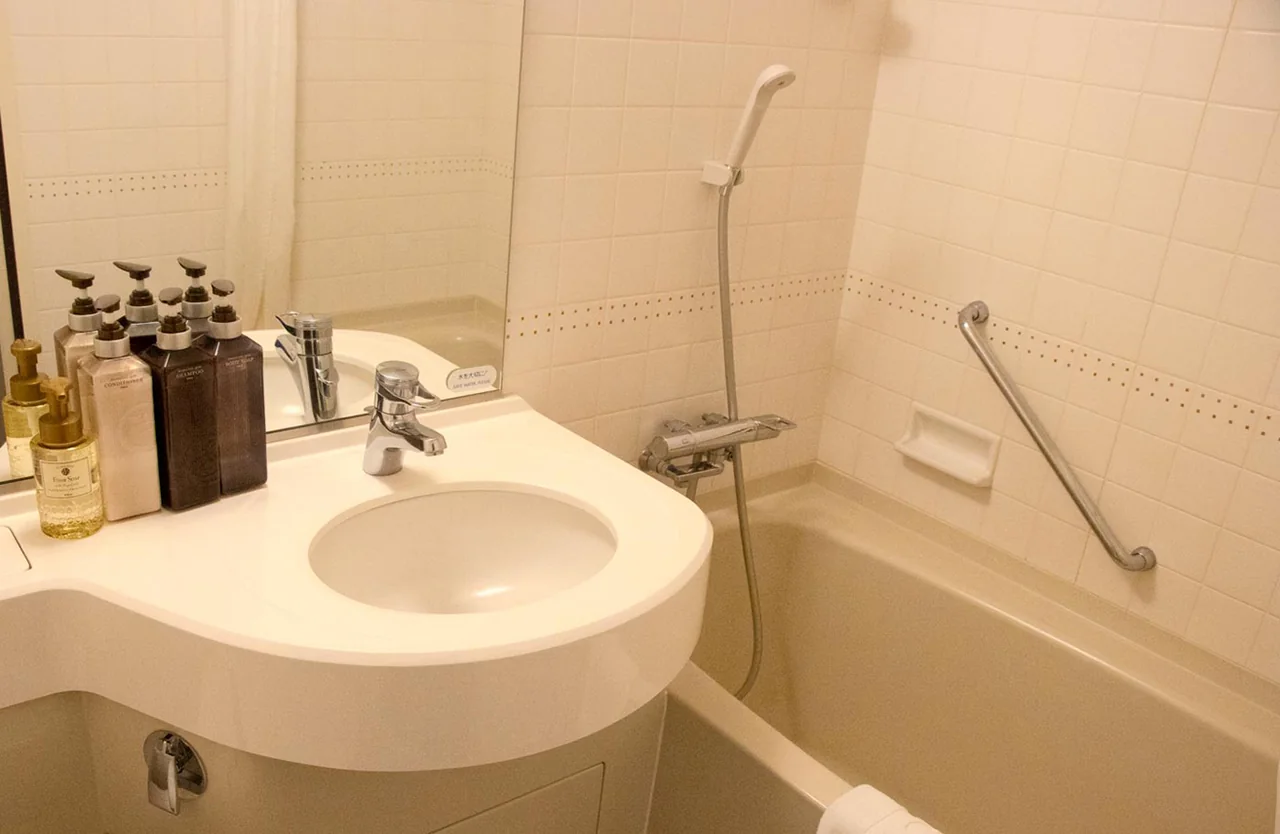
This calendar also changes a spring-ski decision. The Yakebitaiyama ski area lists a tentative season through early May, but a hotel night does not guarantee all runs, restaurants or transfers will operate on that date. If you are travelling in December or March, read the Japan December packing guide or March weather guide for clothing preparation, then check the mountain's actual lifts separately. A jacket list cannot settle whether a particular slope or building will be open.
Eliminate closed buildings before you compare rates
↔ Scroll table left or right
| Travel period | Published hotel choice | Booking trap |
|---|---|---|
| 4–17 December 2026 | South | Mountain and No. 2 Gondola operation still need checking |
| 18 December 2026 | West begins; South reaches its published end | Verify the exact check-in night; an end date is not an extra free night |
| 19 December 2026–21 March 2027 | East and West | Compare room, bath and ski-base access on the same dates |
| 22 March–4 May 2027 | East | Confirm spring lift, dining and transport range |
The table follows the published building periods; it is not a promise of room stock for every night. A booking engine may represent the final date as a check-out date rather than a last night. If your stay crosses 18 or 19 December, do not assume that South, West and East can be stitched into one room reservation without moving. Search the exact check-in and check-out pair and look at the named building on the final confirmation. This sounds elementary, yet the three buildings share a hotel name and appear together on general room pages.
West ends in March even though East continues into May. A cheap West price on a March search may disappear when you extend a stay by one night. For a spring trip, keep the cancellation and lift conditions visible: late-season terrain can change with snow and maintenance. The Hotel Green Plaza Hakuba Cortina decision shows another case where a slope-front hotel and an area's published season must be checked independently. The Furano Zone versus Kitanomine guide similarly prevents a single resort opening date from being mistaken for every lift and base.
Which building serves your first lift?
All three Prince buildings are described as ski-in/ski-out bases at Yakebitaiyama, but they serve different starting points. East has a more elaborate hotel setting and dining; South offers direct access to No. 2 Gondola when the building is open; West has a simpler, often lower-priced room product and the bath facility reserved for West guests. Do not picture a single lobby with three wings and a shared elevator. Open the current slope map, mark your intended gondola, rental counter, lesson meeting point, building entrance and dinner venue. That map will be more useful than calling one building “the best.”
A guest skiing only Yakebitaiyama may not need the same lift ticket as somebody exploring the wider Shiga Kogen network. Confirm the areas covered by the ticket you actually buy and the route back from a neighbouring area. The hotel's position at a ski base is most valuable when the preferred skiing can begin and end there. If the group wants to move toward Ichinose or Okushiga Kogen, ask how the inter-area transport works on the exact season dates. A previous winter's hotel-to-Ichinose shuttle notice is not a 2026–27 timetable. A lift connection that works at noon may not solve an evening restaurant trip after lifts close.
The Niseko ski-in/ski-out hotel comparison provides a useful check: find both the outbound and return route, then test it against skier ability. The mountain is different, but the term has the same weakness when an operator uses it without showing the route for a beginner or a child. The Hakuba Happo versus Goryu base guide is another reminder that a ski school meeting point can make a seemingly slope-side room the wrong base. If your travel partner is new to skiing, the nearest suitable class may matter more than the nearest advanced run.
Room names hide a meaningful bed and floor-space difference
East Twin A is 29 m² with two 110 cm beds and can take a third guest using an extra bed according to the room description. East Comfort Twin is also 29 m² but has two 140 cm beds and is designed for two people. The extra bed width is valuable to two adults who want space to sleep; it does not turn the room into a three-person category. East also offers 58 m² suite options, but their occupancy and layout vary. A suite label is not enough to settle how a family sleeps.
South Twin B is 24 m² with two 97 cm beds and a possible sofa-bed third place, while South Twin C is 18 m² for two. In the early-December window when South is the listed building, the smaller room may look attractive at a lower rate. Two large suitcases, ski clothes and boots can make 18 m² a difficult daily changing space. Compare the 24 m² option if gear is coming into the room, and check where skis are stored outside it. A photograph of a Prince lobby cannot tell you where the suitcase will lie when both beds are occupied.
West Twin D is 19.2 m² with two 97 cm beds. Its three- and four-bed rooms are 21.7 m², with narrow individual beds. The four-bed room genuinely answers a family request for four proper sleeping surfaces, but it gives four people relatively little floor area around them. If all four have full-size bags, check whether two rooms might work better. If the family would otherwise share two beds, the separate beds may be worth the space trade. It depends on ages and sleep preferences, not whether West appears “budget” on a hotel comparison chart. The Niseko family apartment checklist is useful for the bed-count question, though a Shiga Kogen hotel room should be judged on its own layout.
Keep the rate basis identical. A room with breakfast and dinner is not directly comparable to room-only unless you add the meals you will actually buy. A lift-ticket plan may cover a different number of days from the nights booked. One building's lowest rate may have a stricter cancellation condition. By the time these are aligned, the headline nightly gap can change substantially. The Niseko ski-budget booking timeline supplies a method for ordering room, transport and lesson purchases, not prices for this Nagano resort.
West's outdoor bath is exclusive to West guests and is not an onsen
This is the facility most likely to cause disappointment if a room search only shows property-wide photographs. The outdoor public bath in West is reserved for guests staying in West. East and South room bookings do not automatically include it simply because the buildings carry the same Prince hotel name. The property also describes the bath as heated water, not a natural hot spring. A guest searching for an onsen should not pay a premium on the mistaken assumption that the West bath is a mineral spring or shared across buildings.
Its published hours are morning 06:00–09:00 and afternoon/evening 14:00–23:00 during West's operating period. Dinner time can be busy. If the bath is a major reason for choosing West, plan when your party would actually use it. On a one-night late arrival, a 20:30 dinner followed by a short bath before 23:00 is not the same product as a full afternoon and evening at the hotel. If the group does not use communal baths, remove that feature from the value calculation. The Japanese bathing etiquette guide helps a first-time bather prepare, but the bath's access and water classification come from this hotel's own conditions.
West's bath arrangement is distinct from the private-bath or mineral-spring decision at an onsen ryokan. The ryokan and onsen selection guide explains why a public bath photograph cannot answer questions about source water, privacy and room entitlement. That distinction is relevant if you are adding an onsen night before or after skiing. It does not make West an inferior ski hotel; it simply prevents you from assigning value to a service you will not receive.
Dinner and non-skiers expose the mountain setting
East's dining is more elaborate, with a main dining room and bar. South and West have their own seasonal dining choices; West's casual buffet may suit a group that wants a straightforward post-ski meal. Restaurant names on a year-round website do not guarantee that each will open for your particular building's nights or accept walk-ins. Check the current dinner hours, reservation requirements and meal plan before deciding that a lower West room rate covers the same evening as an East package. Moving between buildings for a meal also takes time in snow; do not imagine the rooms are all on one corridor.
A non-skier who wants to spend each day in Nagano's shops will find the mountain hotel less flexible than a city base. Someone content to read, take short snowy walks and meet skiers for dinner may enjoy it. For families, ask whether an advertised snow-play area or ski class runs on the chosen date and for the child's age. A play area is not childcare. If both adults plan to ski, the cost and schedule of instruction or supervision belongs in the hotel decision. The Hokkaido non-ski activity guide is regional and should not be copied as a Shiga Kogen facility list; it is useful as a prompt to ask what the non-skier expects from a full day.
If evening restaurant variety is essential, compare the mountain hotel with a different Nagano base rather than expecting a bus after every dinner. The Happo versus Echoland accommodation guide covers another region with stronger village dining, so it is an alternative trip design, not an evening excursion from Shiga Kogen. The Sapporo city or resort stay comparison likewise shows the principle of trading a city evening for an early mountain start; its transport times should not be applied to Nagano.
Nagano Station to the right building is the final transport problem
The access route commonly uses an express bus from Nagano Station's east side toward Shiga Kogen, with a normal-road reference of roughly one hour forty minutes to the hotel area. Another approach is via Yudanaka and local bus. Neither estimate includes waiting, winter road delays or luggage loading. At this update, a detailed linked timetable visible on the hotel access pages belongs to the previous winter. Match the 2026–27 bus to your travel date, the correct East, South or West stop, and the last usable departure. A bus that stops at the wrong building can create an awkward final movement in snow.
From Tokyo, the morning Shinkansen and the mountain bus must fit together with enough slack. The Tokyo Station hotel for an early Shinkansen addresses luggage and departure timing at the first end; the Nagano-to-Shiga bus needs its own current schedule. The Tokyo airport ski-bag guide is written for Hakuba, but its carry-versus-forward decision also matters for a Nagano mountain bus once you verify that operator's baggage rule. If your flight lands late at Haneda, the airport or city overnight guide may prevent an unrealistic same-day mountain arrival.
Do not add a snow-monkey excursion to a day for which you have paid a full ski-hotel rate without seeing what it does to the ski hours. The Nagano snow-monkey day-trip guide can help place it before or after the mountain stay. A change of hotel may be worthwhile if it protects a full skiing day and allows the park visit from a more suitable base. If you do change hotels, account for bag storage and the first bus of the next morning. A cheap extra city night can be useful, but only after those movements are visible.
The actual 2026–27 booking decision
In early December, search South with the understanding that the mountain's opening and the No. 2 Gondola are still subject to conditions. From late December through most of March, compare East and West on the same dates. Choose West if its four-bed layout or guest-only bath is genuinely useful and its compact room works for your luggage; choose East if a larger twin or dining experience is worth the premium. For late March and April, focus on East and verify spring terrain and restaurant operation rather than comparing it to a closed West building.
For each available building, I would record the exact room size, beds, dinner entitlement, lift or lesson access, bath rights and bus stop. Only then would I compare final totals. The answer may differ between a pair of experienced skiers and four people with two new learners. A booking that names the right building for the right dates is the starting point; every other comfort claim depends on that basic fit.
Updated 3 October 2026. Operating dates, lifts, dining and buses can change; confirm the exact building and conditions before payment.