
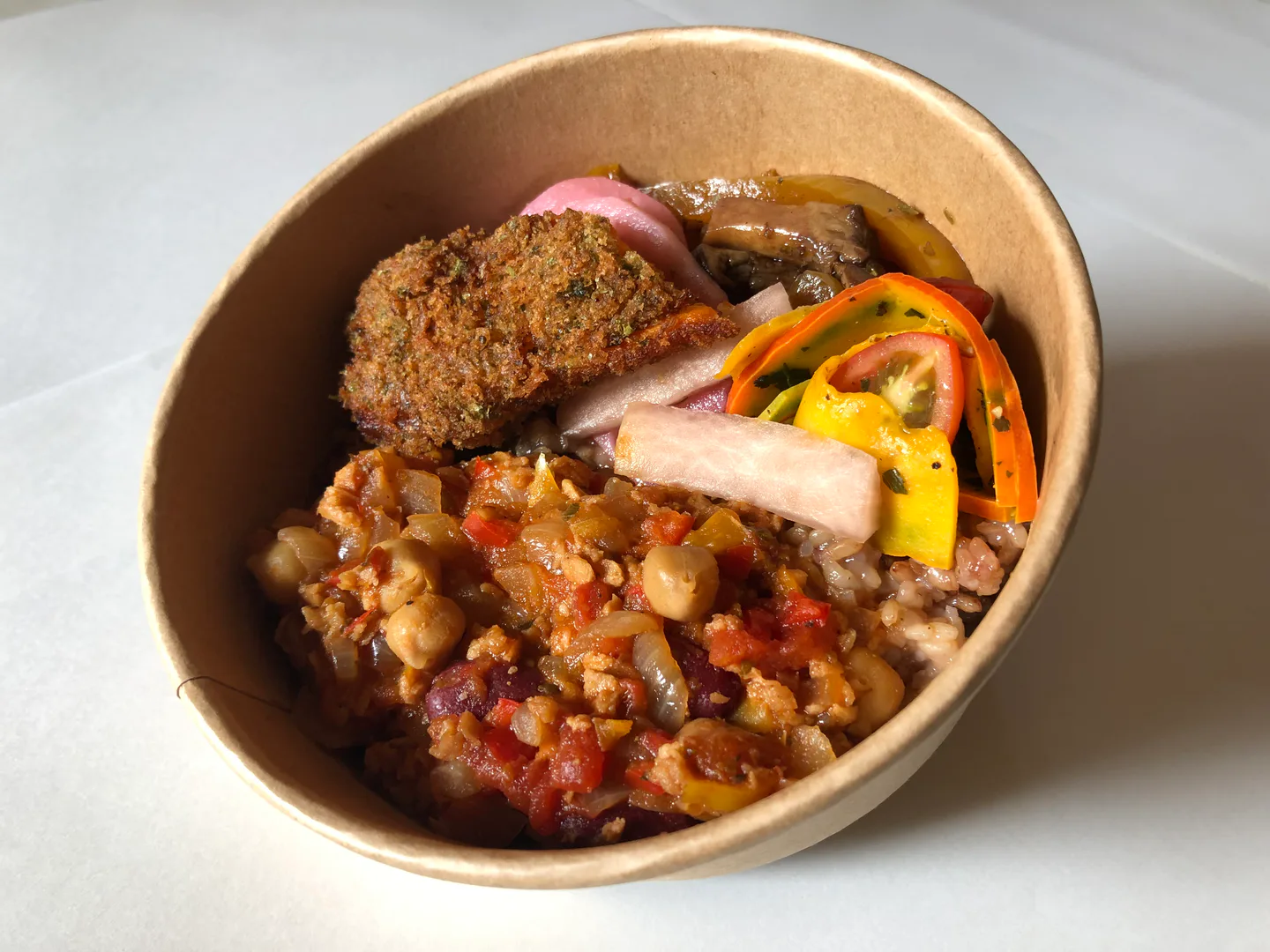
Okinawa food planning begins with the roads you are already taking. Kin taco rice belongs naturally to a central-island drive; a bowl of soba can anchor a northern lunch near Motobu. PO-TAMA has branches at the airport, Chatan, Makishi and Motobu, so an ordinary pork-tamago onigiri rarely needs a special crossing of Naha. Decide which meal is the day’s destination, then allow the others to sit near the hotel or the next fixed stop. Compare Okinawa five-day road route.
The main island is long enough for a restaurant list to become an accidental driving schedule. A famous bowl cannot restore the beach time, museum visit or boat check-in lost to a queue and detour. A five-day self-drive route and the car-versus-public-transport decision matter as much to meals as they do to sights. Plan the geography first; use the food you want to eat to refine stops along it. Read Okinawa 5-day self-drive itinerary. Read Okinawa car-or-no-car decision guide.
↔ Scroll table left or right
Food | Reserve a real stop when… | Let the route decide when… |
Okinawa soba | A Motobu or Nago restaurant sits beside a northern sight | It would require a special long drive north from Naha |
Taco rice | Kin and its 1984 food history are part of a central-island day | You only want the dish, available in other districts |
PO-TAMA | A particular branch-only filling or transfer makes that shop useful | The standard pork-tamago item is at another branch on your route |
Makishi seafood | You want to select an ingredient downstairs and pay for cooking upstairs before the last order | A predictable, fixed-price seafood dinner is enough |
Agu pork | Shabu-shabu or another preparation is the point of a slow evening | You can eat the speciality near the hotel without a remote trip |
Steak | A classic Naha restaurant interests you and the night can absorb a wait | A flight, ferry or show makes queue time unsafe |
Which meals are fixed to a place?
Some food experiences depend on location. Others can move to an easier part of the trip without changing much about what you eat. That difference is more useful than ranking restaurants by fame.
Kin has a direct link to taco-rice history, so its main King Tacos branch can justify a pause on a central or eastern Okinawa day. A Motobu soba lunch works when Churaumi Aquarium, Bise, Nakijin or another northern stop already commits you to the peninsula. In those cases the place helps explain the meal. Compare Kaichu Road cycling and stops.
Agu pork, sea grapes and goya champuru are easier to find across the island. A standard pork-tamago onigiri is similarly portable because PO-TAMA operates several branches. Save a longer journey for a specific preparation, location-only item or dining experience you value, not simply to tick a dish off a list.
Before adding a food detour, ask what it gives the day: a local story, a menu unavailable elsewhere or an easy stop in an otherwise awkward stretch. If the same dish can be eaten near tomorrow’s hotel, keep today’s time for the reason you came to that part of Okinawa.
Five meals worth planning on a five-day trip
You will eat far more than five times, but only a few meals need to determine where the car goes. Give each planned slot a different role so the trip includes regional food without making every breakfast and lunch a separate project:
Northern lunch: soba or a local set meal during the Motobu/Nago excursion.
Central meal: taco rice if Kin, Chatan or the east coast already lies on the road.
Portable breakfast or transfer snack: PO-TAMA at the branch that fits the movement.
Naha food experience: Makishi’s two-floor seafood process or a classic steakhouse, according to interest and time.
Unhurried dinner: Agu and other Okinawan dishes after the driving is finished; add awamori only without a driver drinking.
The rest can follow the day’s route and appetite. That leaves space for a late swim, an unexpectedly long market visit or a child who needs to eat sooner. Food remains a part of the trip rather than its timetable. Compare Naha car-free day.
Kin taco rice is a stop with a story
Kin Town traces taco rice to Parlor Senri in 1984. The King Tacos main branch in Kin carries that lineage, giving the town visit a reason beyond a familiar dish. Its large servings are part of the experience, and takeaway is an option. The history is most useful when Kin is already on a central or east-coast day.
A Kin stop fits Kaichu Road, another eastern route, or a day crossing central Okinawa from an Onna base. It is a much larger commitment during two nights spent only in Naha. In that case taco rice elsewhere can satisfy the food interest without surrendering a substantial part of the city stay to a lunch drive. Compare Okinawa four-day itinerary.
Order for the actual group. A generous portion may be useful as a shared or later meal, but can also leave everyone too full before an activity. If a boat check-in or another fixed appointment follows, protect that time and take the taco rice away or choose an easier meal. The restaurant is not the schedule keeper.
Chatan has other taco-rice options around American Village. They do not reproduce a visit to Kin, yet they work if the goal is to taste the dish rather than visit its birthplace. Let that reason decide the stop; authenticity is not limited to one branch, while Kin’s geographic context cannot be moved to Chatan. Compare Chatan hotel and evening area.
PO-TAMA has five Okinawa stops, so choose the branch by route
The chain lists Makishi Market, Naha Airport domestic arrivals, the airport international food court, Chatan American Village and Okinawa Motobu as its five Okinawa shops. A portable breakfast can therefore meet an airport arrival, Chatan morning or northern day without a separate Makishi trip. Check the individual shop before travelling because opening hours and services differ.
For the basic pork-tamago item, the nearest useful branch is normally enough. Makishi earns its own stop when a branch-only filling is the point, or when the market and Kokusai Street already belong in the Naha day. An airport branch is especially practical when a city transfer leaves little time for a sit-down meal. Compare Naha without a rental car.
PO-TAMA’s menu currently gives Makishi limited fillings including fried gurukun, fu champuru and brown-sugar-braised cartilage soki. Chatan, the airport international food court and Motobu list different local versions. Compare the current branch menu if a particular filling is why you are going; a standard onigiri does not depend on that choice.
The chain raised prices in 2026: its notice moves the basic item to ¥450, standard versions to ¥550 and many special versions to ¥750, with limited items varying. Makishi currently lists 07:00–20:00 and offers mobile-order service. Prices, queues and pickup capacity can change. If a morning tour or rental-car collection is fixed, use a branch that fits the route instead of staking the whole schedule on Makishi.
Makishi Market has two charges and earlier food cutoffs
At First Makishi Public Market, the distinctive meal is mochiage: buy eligible fish or meat on the ground floor and have it cooked at a second-floor restaurant. A visitor who only wants seafood can choose a simpler restaurant; the two-floor purchase is valuable when selecting the ingredient is part of the experience.
There are separate payments. The first-floor seller takes payment for the ingredient; the upstairs restaurant charges for preparation, and that cooking amount depends on the method. A fish price on display is therefore not the entire meal. Confirm both components before the seller starts the transfer upstairs.
Ask the seller what the selected item costs, ask the restaurant about the cooking charge for the desired preparation, and establish roughly how much finished food the group will receive. That prevents an open-ended bill and helps avoid buying more than the party can eat. The process should be clear before money changes hands.
The market building lists general hours of 08:00–22:00, but the first-floor cooking hand-off stops at 19:45 for eligible ingredients and second-floor restaurants list 20:00 as the last order. A 20:30 arrival may find the building open without being able to use the meal you planned. Individual stalls also have their own hours and closures.
There is no market car park. Makishi and Miebashi monorail stations are each roughly a ten-minute walk away, while nearby Kokusai Street has traffic restrictions at certain times. This is a strong car-free Naha meal, especially after returning a rental car. It can sit with a walk through Kokusai Street or Tsuboya rather than requiring a separate drive downtown. Compare Naha final-night hotel base.
Typhoons can change the plan entirely. The market says it can close one hour before local buses stop, and a morning suspension still in effect at noon can result in a full-day closure. On a disrupted day, check conditions before relying on the seafood dinner; keep a sheltered meal option near the hotel. Read Okinawa typhoon backup guide.
Northern soba belongs with a northern destination
Motobu is a substantial journey from Naha, around 90 minutes by car in the tourism planning estimate before delays. A soba shop there belongs beside Churaumi Aquarium, Bise, Nakijin or another northern reason for the drive. Public transport can take much longer. Sending the car north solely for a bowl is a different decision from eating soba while already visiting the peninsula. Compare Churaumi and the northern day. Compare Churaumi, Blue Cave and Kerama day planning.
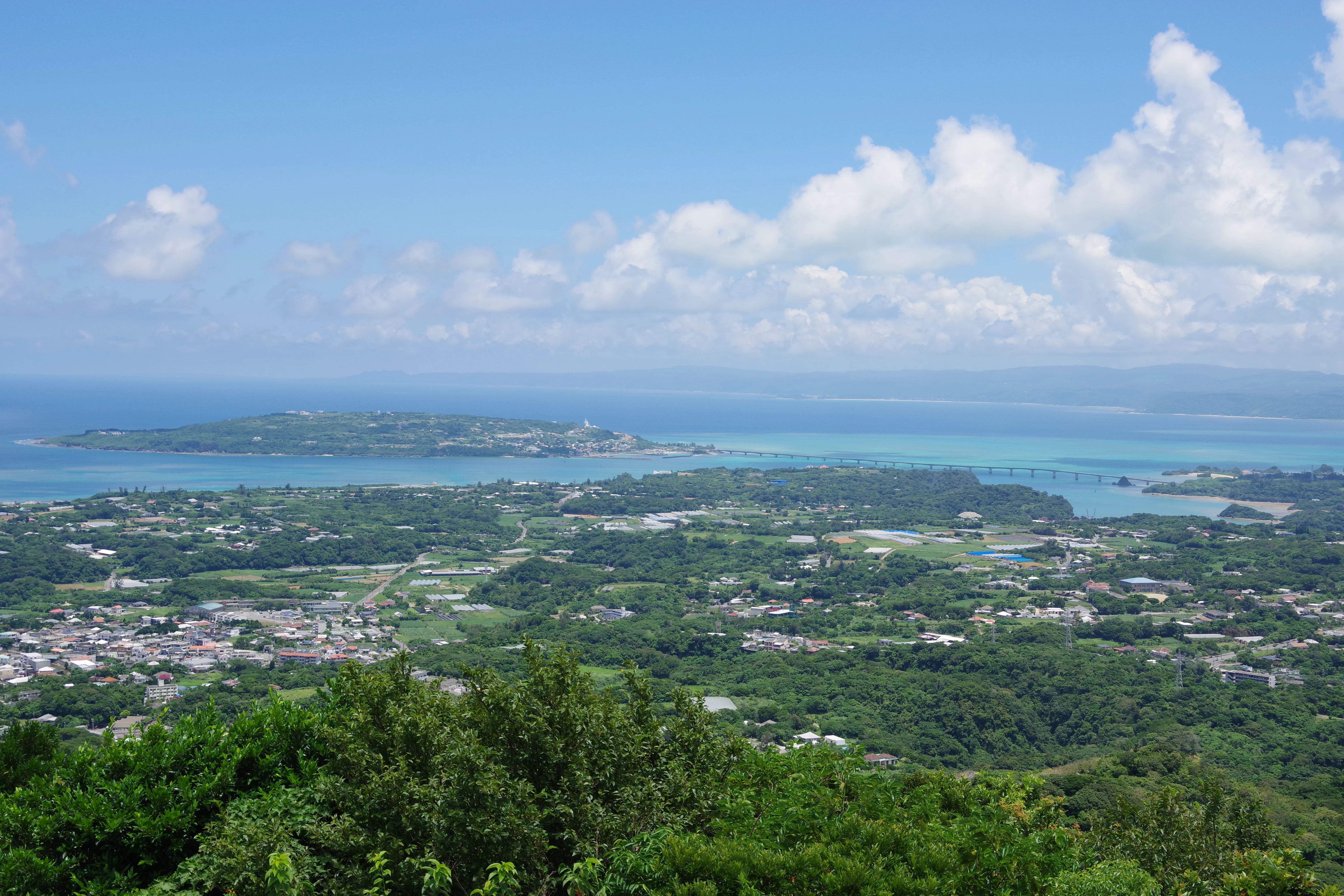
Protect the northern daylight and any reserved aquarium, boat or other appointment. If a well-known soba restaurant has a long queue, choose another northern noodle shop or local set meal instead of dropping Kouri Island or a fixed slot. The regional food can remain in the day even when one exact restaurant cannot.
Parking, toilets and getting a group back into the car can turn a map’s 20-minute restaurant diversion into a much longer pause. This matters particularly with children or older relatives. If lunch becomes the hardest transport segment, the choice is working against the itinerary; make the meal convenient or move it to a less demanding day. Compare Okinawa with older parents.
Agu pork works best as the evening’s meal
Agu is an Okinawan pork speciality, and shabu-shabu is a clear way to give it a dedicated dinner. This is a good use of a slow evening after the car is parked. If a particular restaurant’s preparation matters to you, plan around it; otherwise the hotel district can choose where to eat.
An Onna resort stay points to dinner nearby, preserving time to use the property. A Naha final night allows an Agu meal after the rental car has been returned, with awamori if the adults wish to drink. Chatan can keep the dinner within an evening walk. Agu also appears in other dishes, so a long cross-island drive is rarely needed simply to try the meat once.
A more celebrated restaurant can require a less pleasant evening: another drive, parking and a late return. If the hotel’s sunset or a relaxed meal was the reason for staying there, that cost belongs in the comparison. Choose the remote restaurant only when its food is a higher priority than the evening it displaces.
Jack’s is a Naha dinner with an unpredictable wait
Jack’s Steak House opened in 1953 and remains a way to connect a Naha meal with the city’s postwar restaurant history. Its current information gives an 11:00 opening, accepts arrivals until 22:00 and usually closes Wednesday, New Year’s Day and the lunar-Obon Ukui day. It takes cash, not cards or QR payment. Treat its walk-in queue as part of the plan rather than assuming a timed table.
The restaurant is awkward immediately before a flight, ferry or show: a queue cannot be shortened to protect a ticket. A free Naha evening works better, with only the return to the hotel afterward. If the wait is too long, a nearby alternative should be available without crossing the city again. Compare Naha without a car.
Jack’s revised some menu prices from 1 April 2026. Older posts may still show cheaper plates, so check the current menu before deciding it fits the budget. The price update changes neither the 1953 history nor the fact that a walk-in queue can dominate the evening.
If the party wants steak but needs a predictable meal or non-cash payment, choose a restaurant near its hotel with those terms. The aim can be an Okinawa steakhouse evening without requiring one specific queue. Keep the cultural interest separate from the operational constraint.
A boat departure outranks lunch
Blue Cave boats, Kerama departures and diving check-ins happen at fixed times. A restaurant normally does not. On a marine day, allow for the operator’s meeting point and conditions first; put the destination meal after the appointment or on another day. Compare Blue Cave timing. Compare hotel breakfast versus early departures.
An early boat pairs with a simple breakfast and lunch once the activity is over. For an afternoon outing, eat near the meeting route rather than driving across the island for a famous table. Weather can already change a marine plan; a meal detour should not consume the same buffer. Read Blue Cave guide. Read Kerama Islands guide. Compare Kerama Islands day trip.
This is when a flexible PO-TAMA stop or a restaurant close to the hotel can be useful. The best meal on an activity day is one that supports the appointment and still lets the family eat at a reasonable time.
With children, the backup matters as much as the menu
A famous restaurant can be a poor family stop if parking is uncertain, the queue has no easy exit or the portion size clashes with the children’s appetites. Keep a second nearby place in mind before setting off. The Okinawa family road-trip guide helps put meal stops around naps, child seats and the pace of a full day. Read Okinawa family road-trip guide. Compare Okinawa family road-trip planning.
Look for a known parking or transit option, a short fallback walk and a meal that can be taken away if energy runs out. An onigiri near an airport transfer can beat a destination lunch when everyone is tired. A food plan needs an exit route, especially when a child cannot wait through a long line.
Parking and alcohol affect the whole evening
Check legal parking before committing to a destination restaurant. Makishi itself has none, and central Naha traffic rules can make the monorail, taxi or a walk more sensible. Parking time belongs in the comparison with a place that looks cheaper but requires driving through the city. Compare Okinawa rental car options.
The person driving should not drink. Save awamori for an evening after the rental car is parked, name a driver who will not drink, or use local transport. A restaurant price saving cannot justify a risky return journey.
How five days can absorb the main food stops
The sequence below is a route example, not a set of reservations. A Naha arrival, central day, Onna activity, northern outing and final city night give each kind of food a natural window:
↔ Scroll table left or right
Day on the road | Food stop that fits | Timing advantage |
Naha arrival or city day | PO-TAMA, Makishi or an easy city dinner | There is no reason to start a rental solely for lunch |
Chatan and central island | Taco rice | The stop follows the route instead of reversing it |
Onna marine day | Flexible lunch, Agu near the hotel later | Operator check-in keeps its buffer; dinner uses the resort evening |
Motobu and Churaumi | Northern Okinawa soba | The trip already pays for the long drive |
Final Naha evening | Steak or another slow city meal | Return the car first; avoid mixing dinner, alcohol and departure tasks |
Change the meal sequence when the actual trip changes. A Kin lunch does not belong on a day that never reaches central Okinawa, and Motobu soba does not require a separate northern drive when the aquarium is absent. The itinerary should explain the meal location, not the reverse.
The detours I would remove first
A second famous taco-rice stop is easy to cut before a beach or museum. A remote Agu dinner is weak if it erases the resort evening. Another PO-TAMA branch is unnecessary when the standard item appears on tomorrow’s route. A long queue for a routine meal should not displace a marine check-in or Kouri daylight. Each cut protects a different fixed part of the trip.
Skipping those detours does not diminish the food. It gives each planned meal enough time to be enjoyed without arriving hungry, late or preoccupied with the next drive.
Give a few meals a place in the route
For a first main-island visit, three to five deliberately placed food moments are enough. Try northern soba on a Motobu day, taco rice during a central route, one PO-TAMA where its branch fits, and an Agu or steak dinner near the night’s hotel. Sea grapes and goya champuru can join meals already planned rather than demand separate journeys. Compare airport-area stays for early flights.
King Tacos Kin makes sense when Kin or its food history is itself a destination. Makishi earns a longer stop when the buy-downstairs, cook-upstairs system appeals; it is unnecessary for a quick seafood plate. Jack’s suits a free Naha night with cash and time for a wait. Those conditions decide the restaurant more usefully than a universal ranking.
If a particular meal matters enough that you would gladly trade an hour of sightseeing for it, give that restaurant a real slot. Otherwise take the best convenient version along the day’s route. That leaves room for weather, queues and the experiences you travelled across Okinawa to see.
Trips that pair with these meals
Restaurant and market details
For a Kin meal, review Kin taco-rice history · Kin taco-rice shops · PO-TAMA Okinawa shop locations · PO-TAMA branch menus; for Naha market dining, Makishi ingredient and cooking payments · Makishi hours and last orders · Jack’s opening and payment · Okinawa meat specialities. Hours and menus may change; put the chosen stop into the day’s route before travelling.
Related guides: Miyajima Food Guide: Oysters, Anago Rice and Momiji Manju · Okinawa Family Hotels: The Winner Changes Once You Add Bed-Sharing, Laundry and Pool Time · Dazaifu Food Guide: Kasanoya, Teradaya and Yasutake · Okinawa Girls’ Trip Hotels: Bathrooms, Luggage and Late Nights Matter More Than the Pool · Japan in February Is Still Winter: What to Wear in Tokyo, Kyoto, Hokkaido and Okinawa · Okinawa Cycling Routes: Chatan, Kaichu Road and Kouri Island Compared · Japan May Weather: Tokyo Warms Up, Kyoto Nears Summer, and Okinawa Turns Rainy · Where to Stay in Fukuoka: Hakata or Tenjin for Trains, Food and Day Trips · Hiroshima Food Guide: Okonomiyaki, Oysters and Miyajima Meals · Six People in Okinawa? One Big Room Is Often the Wrong Goal — Split Beds, Bathrooms and Bedtimes First
More island itineraries
Okinawa Hotels With Babies and Toddlers: Naps, Strollers and Laundry Come Before the Pool
Niseko Food Guide: Restaurants, Ski Lunches, Dinner Bookings and Groceries
Osaka Itinerary With Friends: 7 Days of USJ, Sumo, Food and Kobe — Without Moving as One Group
Southwest Grand Hotel Okinawa Review: Is a 45 m² Room and Pool Worth the Urban-Resort Premium?
If most of your food stops are around central Naha, staying nearby reduces the need to drive after dinner. Look at rooms around Kokusai Dori and check the walking route to the places you want to eat.