
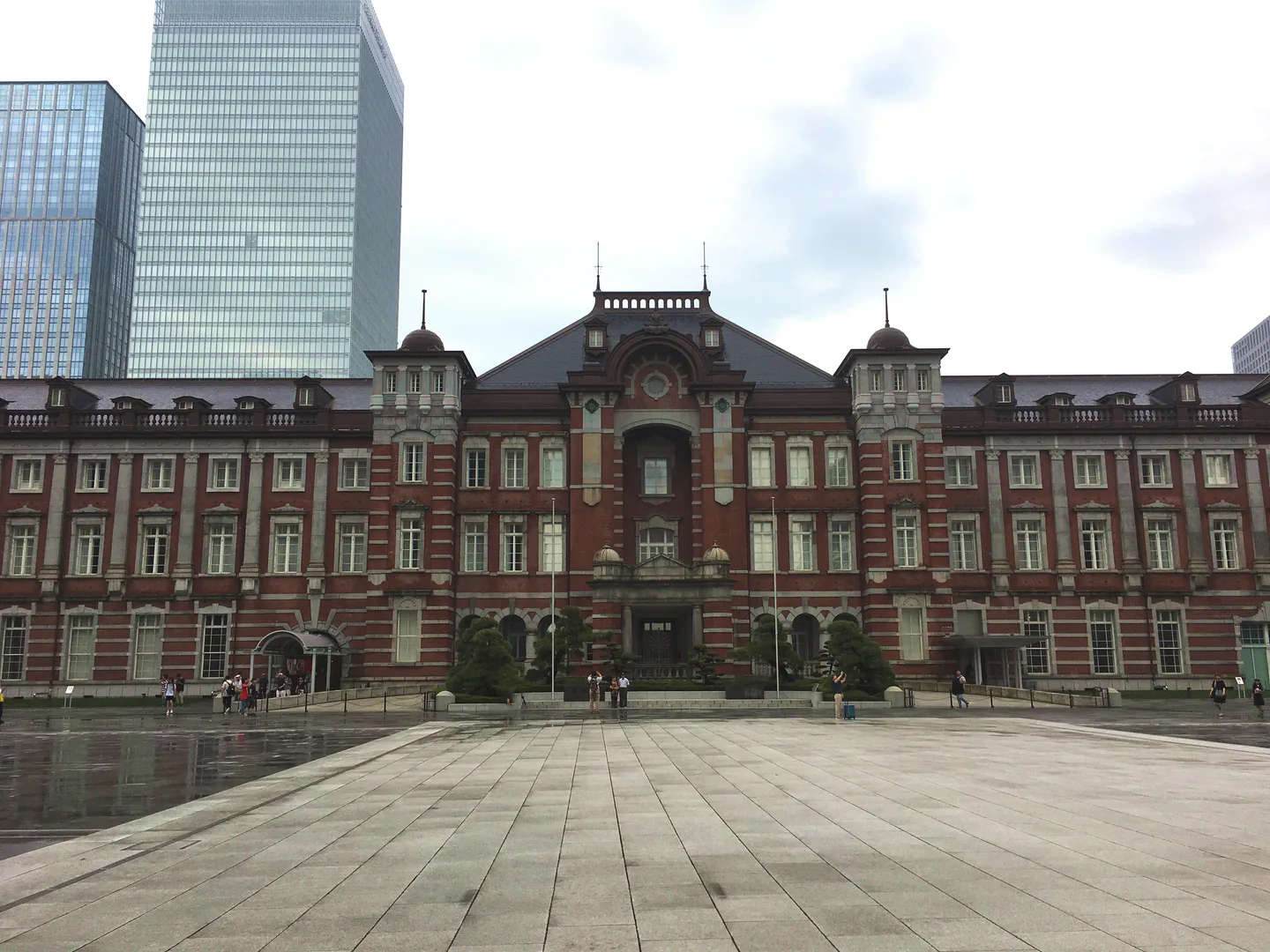
Tokyo before 10 a.m. is useful when your first stop belongs to the neighbourhood where you are already staying. Senso-ji and Meiji Jingu can receive visitors well before most ticketed sights. Tsukiji is operating early, but its first trading hours favour professional buyers. The Imperial Palace East Gardens do not admit visitors until 9:00. A morning can therefore begin with a shrine or a walk, while the rest of the itinerary waits for the doors that actually matter.
Choose this early block only after deciding what the main day is for. A dawn detour across the city can consume the energy needed for a museum, booked attraction or evening plan. If the whole trip still feels scattered, group Tokyo sights into area-based days. If the question is how much time to give the city around Disney or an excursion, use the four-, five- and seven-day comparison. Here the decision is narrower: what can be done from roughly 6:00 to 10:00 without getting stranded outside a closed door?
The city changes at 6, 9 and 10 a.m.
At 6:00, the good options are selective. Senso-ji’s Main Hall begins its day at 6:00 from April through September and 6:30 from October through March; Meiji Jingu opens at sunrise, as early as 5:00 in summer and at 6:40 in January and December. Park paths, riversides and some breakfast businesses may suit an early start, but individual premises decide their own hours. Neither a temple’s open hall nor a park’s open gate means the nearby retail streets have opened.
Between about 7:00 and 8:30, make the next choice close by. A shrine approach, one local walk and breakfast fill the gap better than a train ride to another district where museums, malls and timed attractions remain shut. The menu widens at 9:00: Tsukiji’s public-buyer period begins and the Imperial Palace East Gardens start admitting visitors on days they operate. Ueno Park can be walked before that, though its museums have separate schedules. By 10:00, shopping, museums and many paid sights are much easier to combine with the morning’s location.
An opening-time plan is also a food plan. A place listed as open at 9:00 may need a reservation, and a shop in the same district may not start serving until later. Check the one business you actually care about rather than using a neighbourhood’s reputation as a substitute for its opening hours. A convenience-store breakfast or hotel breakfast can be the practical bridge when a shrine opens much earlier than nearby cafés. This is particularly relevant on a first morning when you have not yet learned the walking distances between a station, the main attraction and the restaurants shown on a map.
Asakusa is useful before the shops wake up
Senso-ji is the simplest major sight to build around a 6:00 start. The Main Hall follows its seasonal opening—6:00 in April–September, 6:30 in October–March—and closes at 17:00. The temple’s visitor schedule also describes its morning observances. Starting early is a real temple visit, not a photo outside a locked building.
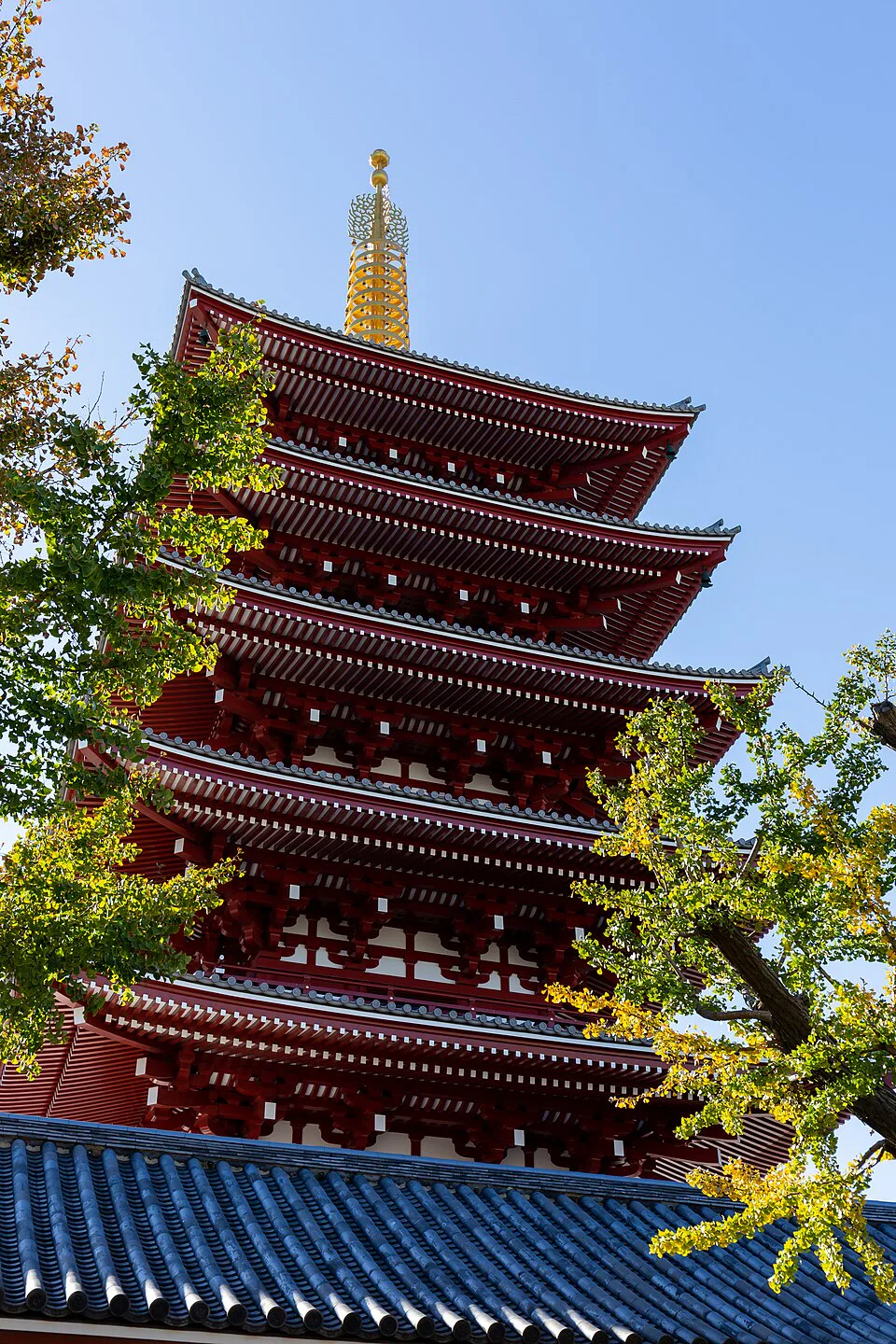
Walk through Kaminarimon toward the Main Hall, allow time around the pagoda, then continue toward the Sumida River if you still want to be outdoors. Nakamise shops and food stalls keep their own commercial hours; a quiet temple approach is not the same purchase opportunity as a midmorning visit. Arrive at opening for prayer, a less crowded walk or photographs. Sleep longer if the reason you came is a particular sweet, souvenir or food stall that will not serve you yet.
That route has special value from an Asakusa or Ueno hotel because it does not create an early cross-city commute. The Ueno and Shinjuku base comparison explains the wider trade: east-Tokyo starts and Narita access can favour Ueno, while nights in west Tokyo may favour Shinjuku. One attractive dawn at Senso-ji need not dictate every hotel night, but it is easy to use when the room is already nearby.
Asakusa can also absorb a late start without losing the point of visiting. If you wake at 8:00 rather than 5:30, the temple remains open, and the gradual opening of Nakamise may better suit a food or shopping interest. The difference is more people on the approach, not a lost reservation. That flexibility makes Senso-ji a useful unbooked morning after a long flight. A trip with one carefully chosen early Asakusa visit has room to sleep in the following day; treating every morning as a race usually erodes the advantage.
Meiji Jingu opens with daylight, and the walk is part of the visit
Meiji Jingu is free to enter and opens daily at sunrise, closing at sunset. Its monthly hours are specific: 5:00 in May–August, 5:20 in September, 5:40 in October, 6:10 in November and 6:40 in December and January. A summer plan copied into winter can leave you at a shut entrance. Some facilities within the grounds also have shorter hours, so the gate time should not be read as a museum or shop time.
The entrance is only the beginning. The forested approach to the main sanctuary takes time in both directions, and the shrine’s visitor information gives roughly one hour for the shrine visit itself, longer if the Inner Garden or museum is included. A dawn gate photograph and a complete shrine visit are different schedules. Afterward, Yoyogi Park or breakfast can bridge the hour before Harajuku and Shibuya businesses are useful.
Deal with luggage before entering the grounds. The shrine has no place to store suitcases. A check-out morning with a large case calls for a hotel hold or station locker first; otherwise the pleasant approach turns into a baggage walk. From Shinjuku, Shibuya or Harajuku, this west-side sequence makes geographical sense. From Asakusa, taking a train across town before breakfast often removes the supposed benefit of waking early.
The monthly shift is meaningful for anyone travelling in spring or autumn. February opens at 6:20, March at 5:40 and April at 5:10; October returns to 5:40 and November to 6:10. Closing also follows daylight, reaching 16:00 in December. You do not need to memorise all twelve entries; use the month of your visit, especially if dawn photography or a tight onward schedule is the reason for starting early. The shrine grounds are extensive enough that a precise opening time will not solve a rushed plan if you have ignored the walk inside.
At Tsukiji, 9 a.m. is the visitor-friendly threshold
The Outer Market has genuine early activity, but the market calendar and visitor guidance place professional buyers first from 6:00 to 9:00 and public buyers from 9:00 to 14:00, with more flexible hours afterward. Tourists are asked to give working buyers priority before 9:00. This is an etiquette and shopping distinction, not a blanket rule that every visitor is barred earlier. Shop schedules differ, and some food businesses begin earlier than others.
If you want to browse produce, pantry goods or specialist stalls, arriving around the public period gives more of the market a chance to be operating. A single early breakfast shop may justify an earlier arrival if you know its hours, but the assumption that 6:00 is always a better tourist time does not hold. Decide whether you are buying food or kitchen equipment as well: Tsukiji and Kappabashi serve different shopping lists.
Narrow lanes make a large suitcase an obstacle. The market asks visitors to put bags in a locker and also asks people not to block buyers or eat while walking. For a departure day with luggage, solve storage before trying to squeeze in breakfast and shopping. A nearby central-Tokyo walk may be easier if the bags cannot be left anywhere convenient.
The market calendar is useful for knowing the general trading pattern, yet it does not promise that each individual stall is open on a given morning. Check the store if the entire visit depends on buying from it. Market closures and special days also matter; arriving at 9:00 on a date when your chosen business is shut does not improve the trip. If you only want to eat breakfast and then continue to Ginza, keep the outing compact. If you intend to compare specialist food stores, allow the browsing time that follows their own opening rather than adding a second distant attraction before lunch.
The East Gardens have a fixed 9 a.m. opening
The Imperial Palace East Gardens are free, but their entry schedule begins at 9:00 in every season. Closing moves with the calendar; opening does not move forward for longer summer daylight. Mondays and Fridays are normally closure days, with holiday rules and additional closures for Imperial Court functions. There is an entrance baggage inspection, and visitors are asked to carry as little as practical.
From a Tokyo Station or Marunouchi hotel, use the hours before 9:00 for breakfast, a station-area walk or an exterior palace route. Then enter if the day’s calendar allows it. Waiting at the garden gate from 6:30 makes no sense. The Tokyo Station versus Shinjuku hotel decision changes on mornings like this: a station-area room can reduce luggage handling before a Shinkansen or a central-city visit even if Shinjuku has the stronger nightlife.
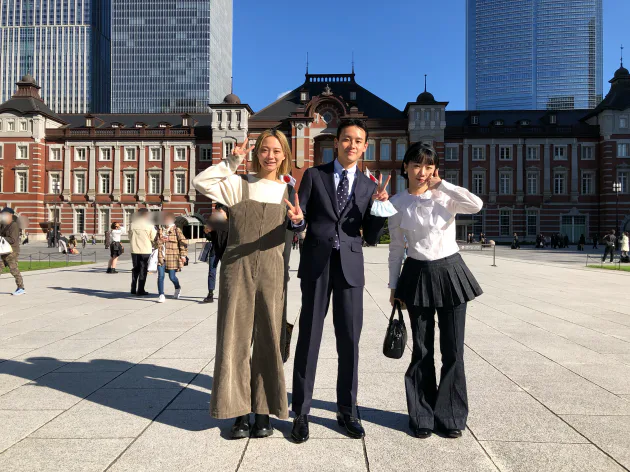
Checked-out luggage is a further reason to avoid improvising this stop. The Imperial Household Agency recommends a station locker or hotel storage rather than bringing bags through inspection and around the large garden. Admission costs nothing; the constraint is the bag, the opening time and the closure calendar. If any one of those fails, keep the central-Tokyo morning outside the garden and continue with the larger day.
The closure exceptions are easy to miss: a national holiday can alter a Monday or Friday rule, a Monday holiday can shift the following closure to Tuesday, and the gardens shut from 28 December to 3 January. Palace functions can also prompt a special closure. The seasonal closing time changes from 16:00 in winter to 18:00 in the longest spring-and-summer period, but each period still begins at 9:00. A calendar check is thus essential even if the planned visit is a casual free walk. For a short morning, the entrance inspection and distance inside the gardens consume time that an exterior Marunouchi walk does not.
Ueno Park is open when its museums are not
Ueno Park itself is free and has no daily gate-closing hour, as the park information states. That can absorb an early walk near Shinobazu Pond for a traveller awake with jet lag. Facilities within the park do not inherit those all-hours park access rules; museum, café and service hours must be read separately.
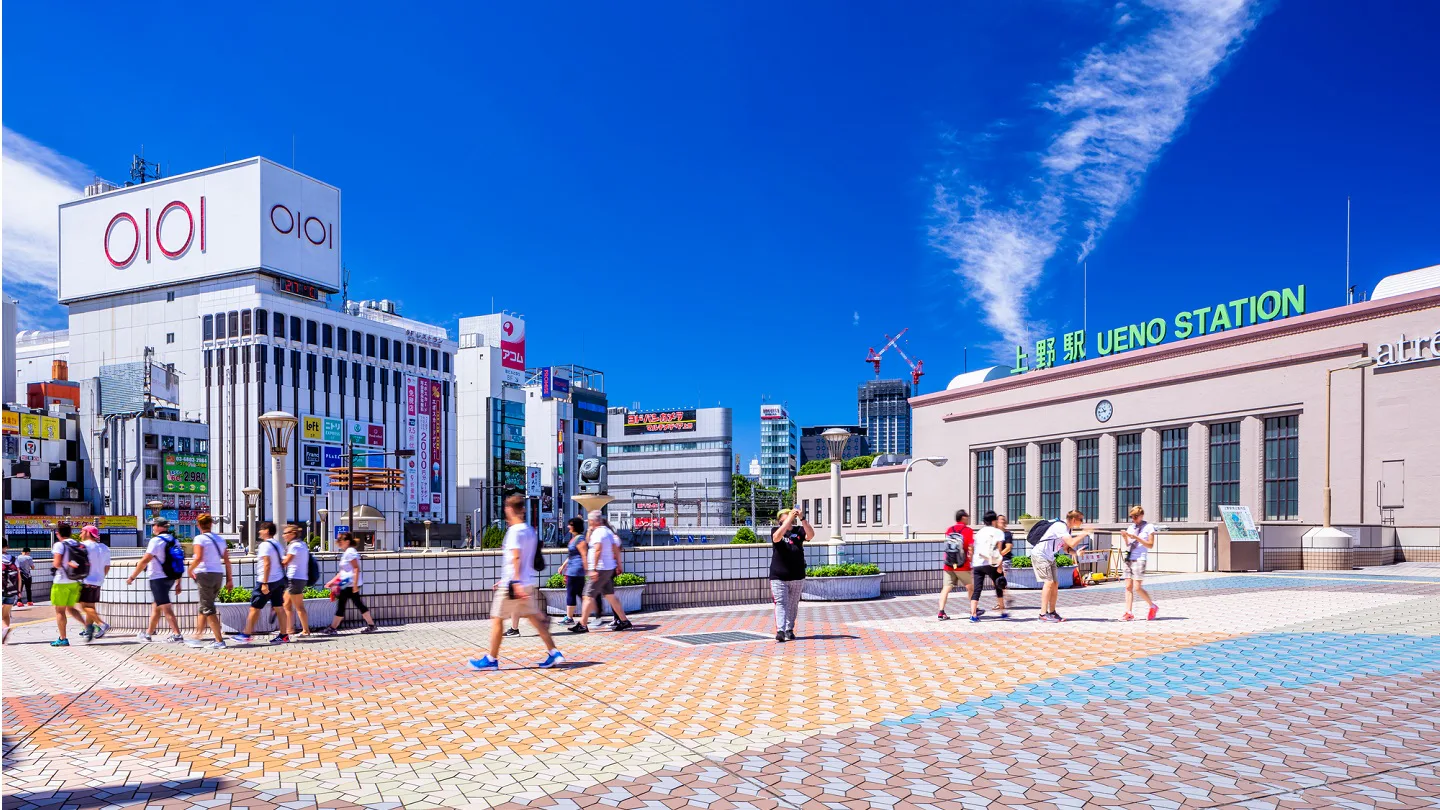
If the National Museum of Nature and Science is the day’s focus, the outdoor walk is the lead-in rather than the main energy expenditure. The museum time guide explains why a thorough visit can occupy three to five hours. Walking for hours before a long indoor museum session is not automatically a more productive itinerary.
An all-hours park is useful precisely because it requires no timed commitment. You can turn back when rain begins, cut the walk short for breakfast or simply sit near the pond until a museum opens. It should not be mistaken for a promise that the park’s boat service, restaurants or exhibitions are already available. If a paid indoor attraction is the day’s priority, look up its own first admission and reserve enough time to reach the entrance. The park path fills the gap; it does not need to fill the whole morning.
Three routes that stay on one side of Tokyo
East side, from Asakusa or Ueno: enter Senso-ji at its seasonal opening, use a local breakfast or the Sumida River for the quiet interval, then go to Ueno once museums and shops become realistic. Narita-bound travellers may also find this east-side hotel pattern easier. The route works because the stops lie along one corridor, with no need to rush west before the city has opened.
Central, from Tokyo Station or Ginza: stay around Marunouchi early and enter the East Gardens from 9:00 on an operating day. If food shopping matters more, go to Tsukiji nearer its public hours instead. These are alternatives, not a demand to do both before lunch. Start with the booked afternoon and whichever direction it takes you.
West side, from Shinjuku, Shibuya or Harajuku: take the seasonal Meiji Jingu opening, give the woodland approach and sanctuary enough time, then use Yoyogi Park or breakfast until Harajuku and Shibuya businesses are open. If the hotel area is still undecided, compare Tokyo’s first-trip bases against the whole trip: repeated west-side evenings have more weight than one east-side sunrise.
Jet lag can make these routes feel effortless for a few days, particularly after travel from North America or Europe. It is less useful when it triggers a long pre-breakfast train journey. Keep the benefit near the hotel. A late concert, bar, flight arrival or poor night’s sleep changes the calculation: losing one free park hour is cheaper than arriving exhausted for timed tickets and a long afternoon walk.
The route choice should also follow where the day ends. An east-side Senso-ji start before a west-side evening is possible, but it leaves a cross-city transfer somewhere in the middle; a local dawn start before an east-side afternoon does not. On an arrival day, first establish whether the hotel will hold luggage before check-in and how you will return there later. On a departure day, work backward from the train or airport transfer rather than filling every free-looking minute. These constraints can make a station-area breakfast a more satisfying use of time than a distant garden with one more security queue.
Children, older relatives and bags change the threshold
A child waking at 5:30 does not make an extra district a good idea. A stroller on crowded trains, a midday nap and the distance back to the hotel still decide how much the family can do. The family attractions guide gives the age and nap context for the rest of the day. An early local park can help; adding a major transfer may simply bring the difficult hours forward.
With older parents, count the walking inside a shrine or garden, not just the journey shown on the rail map. A long approach followed by a museum is a substantial morning even if both stops are free or inexpensive. The Tokyo hotel guide for parents evaluates bases where station access and manageable transfers matter more than squeezing in one extra sight.
Large bags create a simpler rule. Meiji Jingu has no suitcase hold, Tsukiji asks for bulky bags to be stored, and East Gardens entry involves inspection and a recommendation to leave baggage at a station or hotel. Until that is sorted, choose a breakfast or station-area walk rather than a long outdoor stop with the suitcase in tow.
Check the accessibility of the whole route, including the path within the destination. Meiji Jingu’s long wooded approach and the East Gardens’ scale can be more demanding than the train trip; Tsukiji’s narrow streets become uncomfortable with a stroller or a slow-moving group. A bench, toilet stop or easy return to the hotel may matter more than reaching the next landmark before 9:00. For a group with different energy levels, one neighbourhood walk gives people an exit without forcing everyone into a second rail journey.
Mornings to leave free
Do not bolt a 6:00 sightseeing start onto a Tokyo Disney day, another full theme-park day, a long excursion, an early group departure or a nonrefundable midday reservation. Those already have a demanding schedule. Breakfast, an unhurried transfer and arriving on time are usually worth more than one extra shrine or garden.
Rain can remove much of the value of an outdoor start. The Tokyo wet-weather route groups indoor options according to how heavy the rain is. Summer heat, a delayed flight and accumulated sleep loss are equally good reasons to shorten the early block. An optional morning should stay optional when it threatens the paid or reserved part of the day.
For a first visit, keep Asakusa and Ueno together, Meiji Jingu with Harajuku and Shibuya, and Marunouchi with the East Gardens. Tsukiji fits a Ginza or central morning. Trying to photograph Senso-ji, Meiji Jingu and Tsukiji before breakfast turns a useful head start into a transit puzzle. The area-based Tokyo guide shows the larger routing problem this creates.
The simplest decision is whether the first open place near your hotel is one you actually want to visit. Senso-ji and Meiji Jingu support a genuinely early visit; Tsukiji is generally more useful to a casual buyer from 9:00, and the East Gardens begin at 9:00 only on operating days. Ueno Park can hold a walk before its museums open. One worthwhile local stop is enough. Two long transfers, a suitcase or sacrificed sleep are signs to return that sight to the normal sightseeing day.
Connected plans: Tokyo sightseeing by area · Kawaguchiko and Hakone luggage · FUTURE OF LIFE+ in Tokyo · Kawaguchiko activities · Tokyo Station hotel review · Tokyo Disney split stay · Shin-Osaka hotel review · Tokyo arrival and departure days · Japan autumn route planning
For a dawn plan, compare Tokyo rooms beside the first useful train or walk instead of paying for an address that helps only at night.