
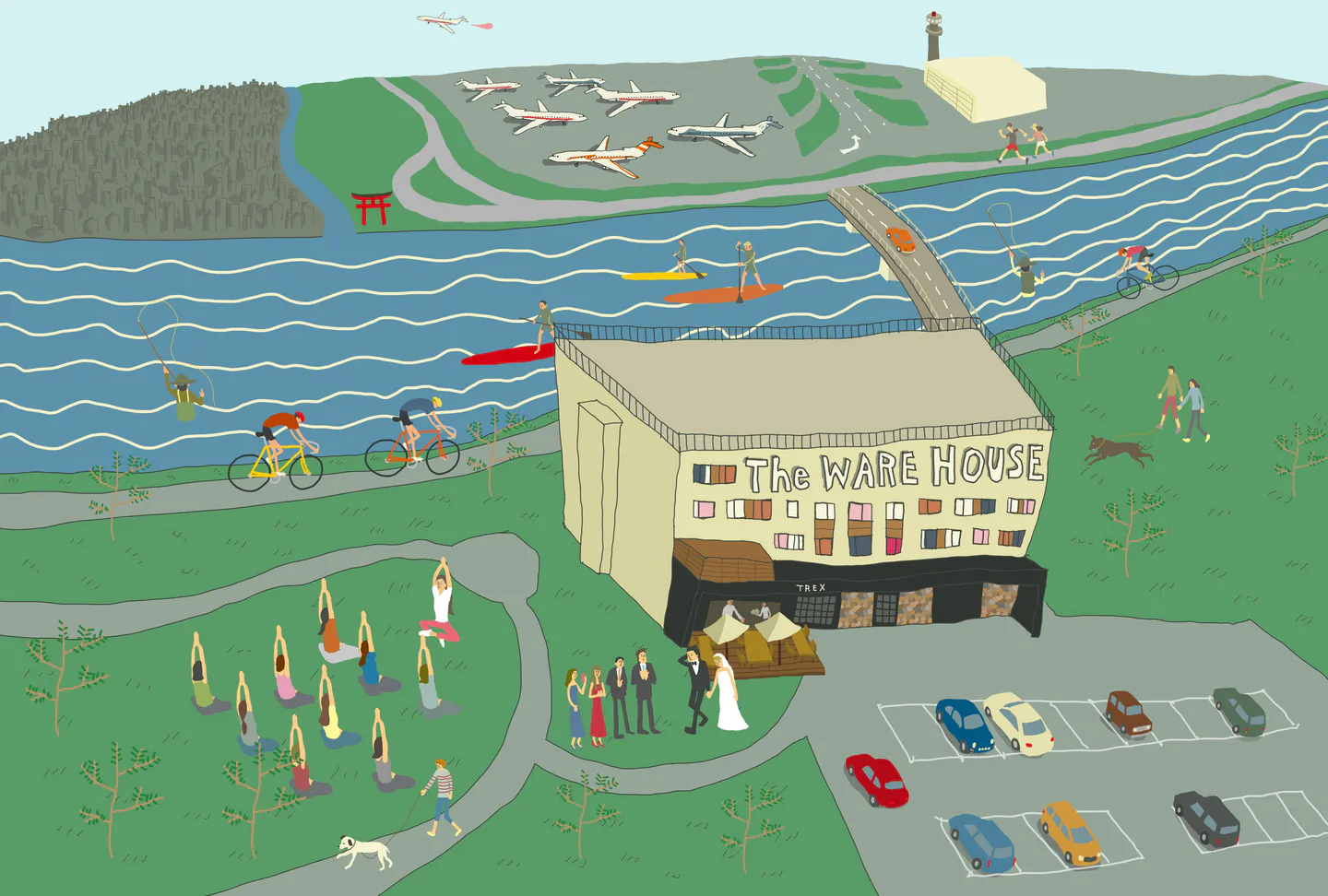
The HOTEL Well-hub Haneda is a useful airport night when the time between flight and sleep is wide enough to enjoy the property. It sits across the Tama River in Kawasaki, so reaching a terminal still means a vehicle ride. The free shuttle is a welcome part of that trip, but its 20 seats cannot be reserved. Weigh the ride against what you will actually use: an evening bath, a 07:00 breakfast, space to repack or time in the river-facing lounge. A very early departure that leaves none of those hours available favours a hotel with a simpler terminal connection.
Terminal 3 has a second route that changes the risk slightly: a public bus to King Skyfront (West), then about three minutes on foot. The hotel lists that journey at roughly 11 minutes on the bus. It does not remove the need to match the live timetable to an arrival; it gives a T3 guest another option when the small hotel shuttle is full. Travellers arriving at Terminals 1 or 2 should plan their own backup instead of assuming the T3 public-bus pattern applies. The Haneda arrival decision guide can help decide whether an airport-area stop is needed in the first place.
↔ Scroll table left or right
Travel situation | Hotel fit | What you gain | What can undo it |
Late T3 arrival with time left to sleep and use the bath | Good candidate | Hotel shuttle and a separate public-bus route | A very late flight can outlast both bus options |
T1 or T2 arrival with several large cases | Depends on timing | Direct hotel shuttle avoids rail changes | 20 seats or luggage capacity may fill first |
Very early departure whose main goal is certainty | Prefer terminal-connected | Remove a capacity-limited road transfer | Included Well-hub facilities may be unusable |
First night before Tokyo or Yokohama | Often useful | Sleep, bath, breakfast and baggage space near Haneda | The next morning still needs another move |
Several days of Tokyo sightseeing | Move after airport night | Use the flight buffer once | A roughly 15-minute station walk repeats each day |
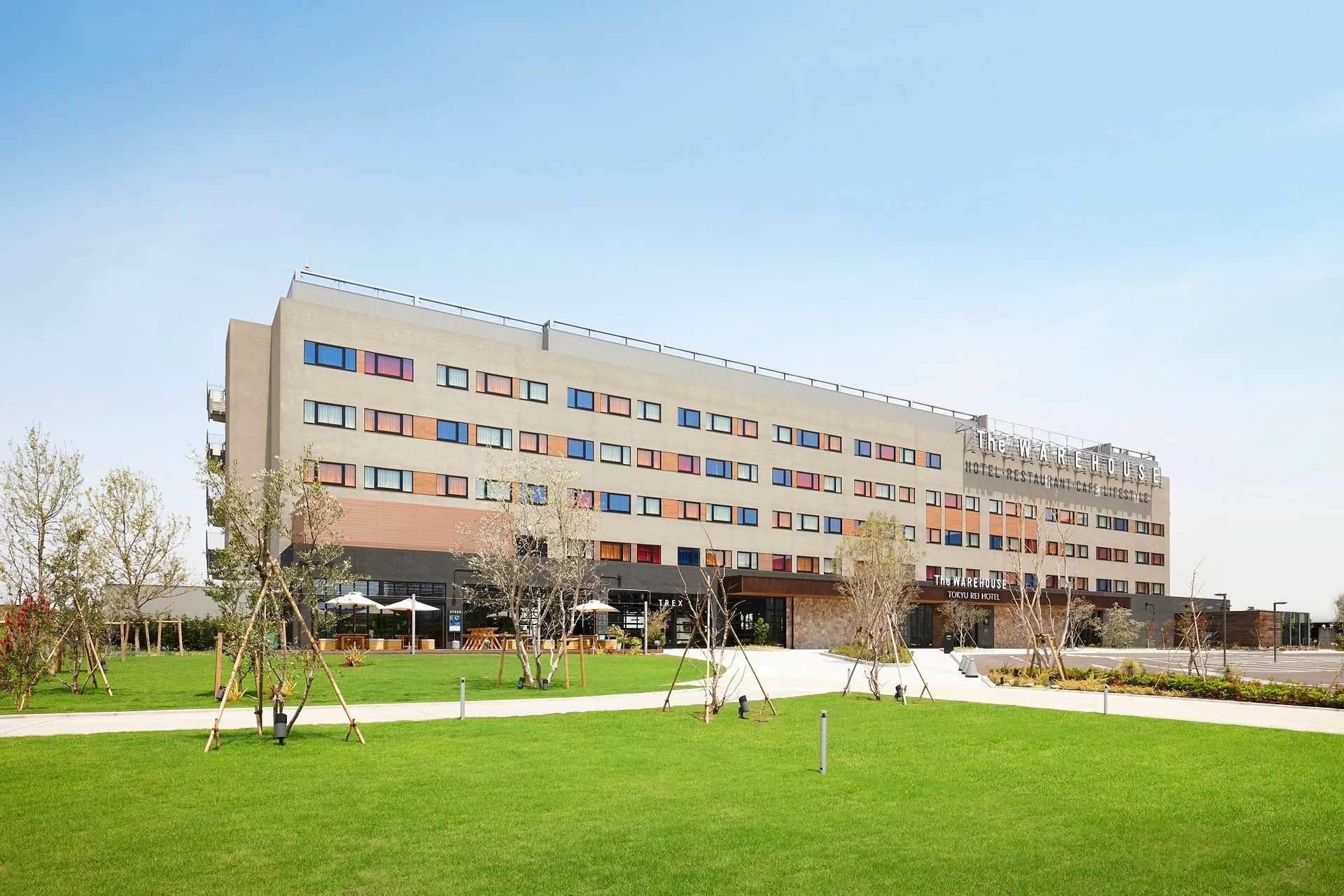
The hotel stands in King Skyfront, a Kawasaki riverside district on the far side of the Tama River from Haneda. It is an airport-area choice rather than a terminal building.
The hotel stay begins after the transfer
Reopened under the Well-hub name on 6 July 2026, this 186-room property is designed around more than a short sleep. Its lounge, restaurant, large bath, sauna and scheduled activities can turn a flight buffer into an evening at the hotel. The journey from Haneda by shuttle is listed at about 10–20 minutes, or about 10–15 minutes by taxi. Add walking to the pickup point and any wait before deciding how early you will reach the room. The Haneda terminal hotel comparison describes the contrasting walk-to-terminal purchase.
The nearest railway station is Kojima-Shinden on the Keikyu Daishi Line, around a 15-minute walk away. From JR or Keikyu Kawasaki Station, the property lists a free shuttle of roughly 20 minutes; local bus or train plus a walk are other routes. Those connections are reasonable for one airport night, yet each repeated central-Tokyo outing begins with an access leg before the main city rail trip. For a longer stay, the Tokyo area guide should decide the main base.
The competing hotel locations solve different travel problems:
A terminal hotel removes the road transfer before flight check-in.
Well-hub accepts a shuttle or bus in return for bath, breakfast and riverside time.
A Kamata or Kawasaki station hotel favours onward rail and neighbourhood choices.
A map can make Well-hub look as close to Haneda as a terminal property. What matters on flight day is the extra step between the room and check-in, and whether the hotel facilities compensate for it. For an early connection, the Haneda morning hotel comparison makes that difference visible.
The 20-seat shuttle changes the risk calculation
The hotel shuttle is first-come, with no seat reservations. Its stated capacity is 20; luggage space may run out before 20 passengers have boarded, and a substitute vehicle can hold fewer people. Treat the published departure as an opportunity to ride, not a reserved airport transfer. That matters most when several families appear with large cases after the same flight or before the same morning departures.
The outward and return journeys need separate plans. On arrival, the difficulty is often finding the correct hotel-bus stop after baggage claim. On departure, it is choosing a ride with enough spare time if the preferred departure fills. A taxi is a possible paid fallback; a later shuttle works only if it still leaves suitable flight margin.
Terminal 1, Terminal 2 and Terminal 3 have different pickup instructions. The T3 hotel-bus stop is in the charter-bus area reached from the arrivals level, rather than at every ordinary curbside bus stop. Locate the stop before the flight if several people will be navigating with luggage. A hotel shuttle being advertised at Haneda does not mean it collects guests at any exit.
For the airport-bound journey, a hotel-issued bus ticket gives access to the shuttle process but does not secure one of the 20 places. Choose a departure with another workable option behind it, particularly for a checked-baggage flight. If the backup would be a taxi, include both the fare and time to arrange it in the hotel comparison. A terminal-connected room removes that specific bus-capacity variable.
A free transfer can still be the better choice on a relaxed arrival or a midmorning departure. The point is to assign it the right level of certainty. People who cannot comfortably wait with luggage, or whose flight check-in leaves no room for a missed bus, should price the airport hotel by its failure mode rather than its advertised ride time.
Terminal 3 offers a separate King Skyfront bus
A Rinko Bus or Keikyu Bus route connects Haneda Terminal 3 to King Skyfront (West). The hotel describes about 11 minutes aboard and a three-minute walk from that stop. It is a public service, so its timetable and fare are separate from the free hotel shuttle. The route makes a late T3 arrival less dependent on one small vehicle if a suitable public departure still runs.
Check the public service for the day and time of the flight. A delayed international arrival can outlast both bus options, leaving a taxi as the practical route. Allow for immigration, bags and the walk to the correct stop; a scheduled bus a few minutes after touchdown is not a realistic connection. The late Haneda arrival options compare the wider overnight choices.
Do not transfer the T3 fallback to Terminal 1 or 2 by analogy. The hotel describes this particular public-bus route from T3. Domestic-terminal passengers can still use the hotel shuttle, taxi or a verified rail and bus combination, but should check the stop sequence for their own terminal. A mixed group on separate flights should agree which terminal they will meet at before planning a shared shuttle.
If the flight arrives early enough for a straightforward transfer into Tokyo, an airport-area overnight may add checkout and another journey the following day. Use the Haneda late-arrival decision guide to test that first; then compare Well-hub with other airport stays. A night here makes most sense when it protects useful sleep or provides facilities that the group will actually use.
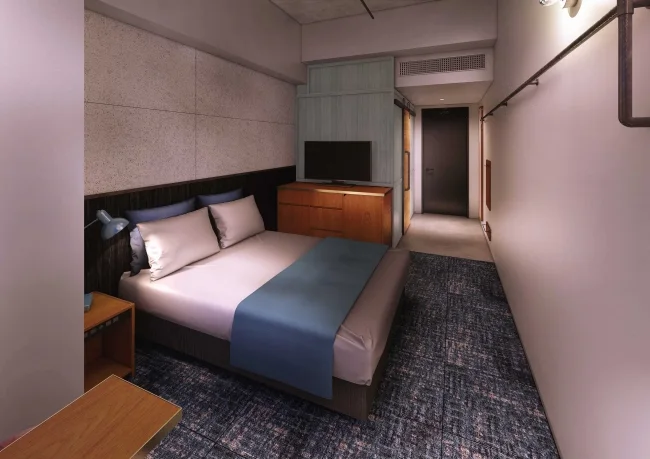
Included breakfast only counts if you are still there at 07:00
Breakfast and the hotel’s scheduled Day Contents are included with the current accommodation product. Breakfast runs 07:00–10:00, with last entry at 09:30. That is a meaningful difference from a room-only airport hotel when a later flight allows a calm morning. It is not an additional price-saving credit for someone already in a taxi or airport queue before the breakfast room opens.
Compare room rates on the basis that breakfast is part of the stated stay, then check the exact reservation terms. Paying more for this hotel on the assumption that breakfast will be useful makes little sense if the departure forces a 05:30 checkout. The Haneda terminal hotel choices may be more relevant in that pattern.
An arrival-night guest with a later onward train can sleep, eat and repack before crossing into Tokyo or Yokohama. On a final night, breakfast may still fit ahead of a late-morning flight. Working backward from airline check-in, baggage and shuttle timing produces the real breakfast window. The posted meal hours alone cannot establish whether the inclusive rate delivers value.
Yoga, karate, tea activities and evening entertainment are among the property’s Day Contents, but they are scheduled events. Check whether a session actually falls between arrival and departure, and whether the particular activity needs any advance arrangement. An activity that begins after checkout is not a benefit of that airport night. The riverside lounge may still be useful without joining a programme.
The bath is most useful on a flight schedule with spare hours
The public bath and sauna list two daily windows: 15:00–25:00 and 05:00–10:00. A traveller arriving in the afternoon can use the evening session, sleep and perhaps return early the next morning. That is a distinctive reason to accept one shuttle ride. A late arrival followed by an early departure may fit neither window; in that case, compare the room and transfer without assigning value to the bath.
After arriving: use the 15:00–25:00 bath window if the journey allows.
Before leaving: fit the 05:00–10:00 session around breakfast and the airport ride.
The second bath session matters only if it does not collide with breakfast, baggage preparation or the airport-bound bus. For a party that does not enjoy communal bathing, the facility should not become a hidden justification for a higher hotel rate. A Tokyo airport hotel decision based on a simpler flight morning may be more apt.
Guests bring towels from their rooms to the bath. The property says people who require diapers in daily life cannot use it; families should take that condition seriously before counting it as a group benefit. The published facilities page does not settle every personal-access question, including tattoo policy, so a guest affected by one should ask the hotel directly before committing to a bath-led booking. The hotel also lists separate safety access for the women’s bath.
Room area matters when two cases need to open
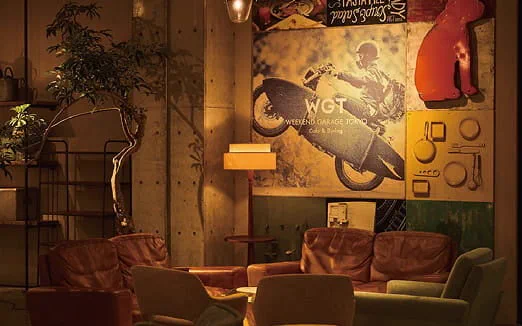
The room range gives a more useful decision than the brand name alone. The smaller Double, Queen and Standard Twin categories each publish 19m²; Superior Twin is 24.3m², and Superior Large Twin is 26.9m². The differences can matter after a long-haul flight when clothes and cases need to be reorganised. The appropriate upgrade is the room in which the group can sleep and move, not simply the highest label.
Superior Double: 19m², one 140 × 195cm bed, one or two guests, shower booth.
Superior Queen: 19m², one 160 × 195cm bed, one or two guests, shower booth.
Standard Twin: 19m², two 90 × 195cm beds, one or two guests, shower booth.
Superior Twin: 24.3m², two 110 × 195cm beds, one or two guests, unit bath.
Superior Large Twin: 26.9m², two 110 × 195cm beds, up to three guests, unit bath.
Premium-floor categories repeat the main size patterns on the fifth floor. A Premium name therefore does not automatically buy more floor area. Compare the rate’s inclusions, cancellation terms, bed arrangement and location before paying extra. For a late arrival and early checkout, an attractive floor description may deliver little usable time in the room.
A single light traveller may find 19m² entirely adequate for one night. Moving to 24.3m² adds about 28% to the published floor area; 26.9m² is about 42% larger than 19m². Those percentages describe area, not a guarantee that the luggage layout will be ideal, but they explain why two large cases can change the category decision. A couple packing before the next flight should inspect the actual room photographs and bed setup.
The 26.9m² Superior Large Twin lists occupancy up to three. Check what the third guest actually sleeps on: maximum occupancy is not a promise of three equal beds. A family should also test whether its own luggage and bath needs fit the chosen category. The family hotel area comparison for Tokyo matters once the airport night is over.
An arrival night and a departure night have different jobs
After landing: protect sleep without making tomorrow harder
Well-hub earns an arrival night when continuing into the city would trade much-needed sleep for one fewer hotel change. A guest can cross from Haneda, use the bath if it is open, sleep, then have breakfast before travelling onward. The airport proximity is helpful, but the next morning still includes a transfer out of King Skyfront. A Tokyo or Yokohama two-night comparison is useful if the onward base is undecided.
When immigration ends early and the main Tokyo hotel is easy to reach, stopping here can merely postpone the same train trip. You also add another checkout, another baggage handoff and another check-in. Compare actual door-to-door arrival times rather than assuming every overseas landing should end at an airport-area hotel. The best answer changes with the flight, party and next day’s fixed plan.
Before departure: reduce distance, but test the bus
A final night can remove a long Tokyo-to-Haneda journey from flight morning. This is especially appealing when the previous evening ends around Kawasaki, Yokohama or south Tokyo, and when the flight is late enough to use the bath or breakfast. Guests can repack near the airport and avoid setting a predawn city departure alarm. The last transfer is still a shuttle, public bus or taxi across the river.
For a very early flight, a room connected to the correct terminal may be a cleaner purchase. Well-hub’s meal and programming may be unavailable, and the non-reservable shuttle introduces a capacity question just when the whole purpose of the room is certainty. The Villa Fontaine Grand and Royal Park comparison is a more direct test for that schedule.
Flight disruption makes cancellation terms part of the room
The standard policy lists 100% charges for no-show, cancellation on the stay day, or cancellation after 15:00 on the previous day. A package or prepaid booking can use different conditions. Read the exact rate before payment, especially when an airline delay or cancellation could eliminate the airport-night plan. The stated policy includes service charge and tax in its percentage basis.
The lowest displayed price is not always the best airport buffer. If the inbound flight is uncertain, an inflexible room can be lost after the deadline; on a final night, disruption of the preceding domestic flight or train can create the same issue. Compare the price of flexibility with the cost of that failure, rather than treating cancellation terms as a small-print detail.
A traveller arriving by rail from another Japanese city should test the last transfer to King Skyfront as carefully as the next morning’s airport ride. If the upstream journey is weather-sensitive or tight, a flexible booking may matter more than an included activity that cannot be used. The Japan luggage forwarding guide can also reduce friction when changing bases.
The current hotel concept includes breakfast, shared lounge time and scheduled activities. The value of each one depends on the actual hours you occupy the hotel. An airport buffer is often short; count only the parts that remain after arrival, sleep and the required departure margin.
King Skyfront should be an intentional base
The bath and riverfront setting can make one airport stop attractive enough to suggest staying longer. For several days of Tokyo sightseeing, the repeated access to main rail routes usually becomes the stronger issue. A room that solves one flight-night problem need not solve the rest of the trip.
Each day into central Tokyo starts with a hotel shuttle, local bus, taxi or roughly 15-minute walk to Kojima-Shinden before the larger rail network. That is a modest inconvenience once, and a repeated cost in time and planning over multiple mornings and evenings. A first-time Tokyo hotel area guide can locate the city stay closer to its actual activities.
Stay several nights only if the itinerary belongs to Kawasaki, Haneda, King Skyfront, the Tama River or nearby work and activities. Otherwise use this property as a first or final airport night, then move once to the district needed for Tokyo. The Tokyo base guide helps choose that second location rather than letting an airport buffer dictate the whole trip.
The alternatives are different kinds of transfer
A terminal-connected property is the strongest rival when the correct terminal, an extremely early check-in or reduced luggage handling is the first priority. It usually gives up Well-hub’s particular mix of riverside space and included activities. The Villa Fontaine Grand versus Royal Park guide covers two distinct terminal-side options.
A station-side hotel around Haneda Innovation City can suit a traveller who wants easier rail movement into Tokyo while remaining on the airport side of the city. Check the specific station, terminal route and room door rather than grouping every Haneda-address hotel together. The access pattern matters more than the district label.
Kamata or Kawasaki station districts have more spontaneous food and onward rail choices. They trade the Well-hub shuttle-and-river setting for ordinary city connections. This can be useful when the night is part of a longer journey instead of a pure flight buffer. For a Tokyo stay after landing, the city-area guide helps decide where to move.
Compare the problem that must be solved: terminal walk, one shuttle ride with bath and breakfast, or station-area movement into the city. A hotel can be physically near Haneda and still be wrong for a 05:00 departure; another can be farther away yet suit a relaxed arrival better.
When the extra ride earns its place
Well-hub is persuasive for a single airport night with comfortable shuttle margin and at least two useful benefits beyond the bed: bath, included breakfast, scheduled activities, room area for repacking or quiet riverside time. If one missed shuttle would threaten a flight, or the stay begins and ends outside the facility hours, a terminal-connected room has the clearer job. Compare the exact room category and fare conditions, because a 19m² double and a 26.9m² large twin solve different luggage and sleeping needs.
For Terminal 3, the King Skyfront public bus is a genuine second route when its timetable fits. For Terminals 1 and 2, build a fallback from the actual pickup and current departures. On a longer Tokyo visit, move after the airport buffer instead of repeating the Kawasaki-to-city access each day. That keeps Well-hub in the part of the trip where its location and facilities can be used.
Compare Well-hub room layouts and cancellation terms
Seven marks for the night across the river from Haneda
| Dimension | JapanLayer score | What matters for this booking |
|---|---|---|
| Location | The hotel is near Haneda but sits across the river and requires a bus or vehicle transfer. | |
| Room | The 24.3 m² Superior Twin and 26.9 m² Large Twin give a useful upgrade over 19 m² basics. | |
| Cleanliness | Rooms and shared areas have a strong upkeep record after the July 2026 relaunch. | |
| Service | Help with airport transfers and late-arrival needs is a relative strength. | |
| Facilities | A large bath, sauna and river-facing lounge make a flight buffer more than sleep. | |
| Food | An on-site dinner option and 07:00 breakfast help when the flight schedule allows both. | |
| Value | The transfer is worth accepting when the room and evening facilities actually get used. |
JapanLayer score: 8.3/10 for a flight buffer with time to use the bath, dinner or breakfast. The free shuttle does not remove the need to check its 20-seat schedule against the flight; a terminal hotel wins when the transfer margin is too thin.
Related airport-night decisions
Hotel details for the booking decision
Haneda and Kawasaki transfer routes · Room sizes and beds · Bath and hotel facilities · Breakfast and Day Contents · Check-in, checkout and cancellations · July 2026 hotel reopening. Match the shuttle departure and booked rate to the flight.
Related guides: Shibuya Sky sunset tickets · Lake Biwa hotel shuttle · BEB5 Mojiko overnight · MUWA Niseko ski access · Ueno hotel station walk · Hiroshima night food tour · Naha Terrace station walk · lyf Shibuya room size · Kyoto Manga Museum visit · Kyushu National Museum tickets