
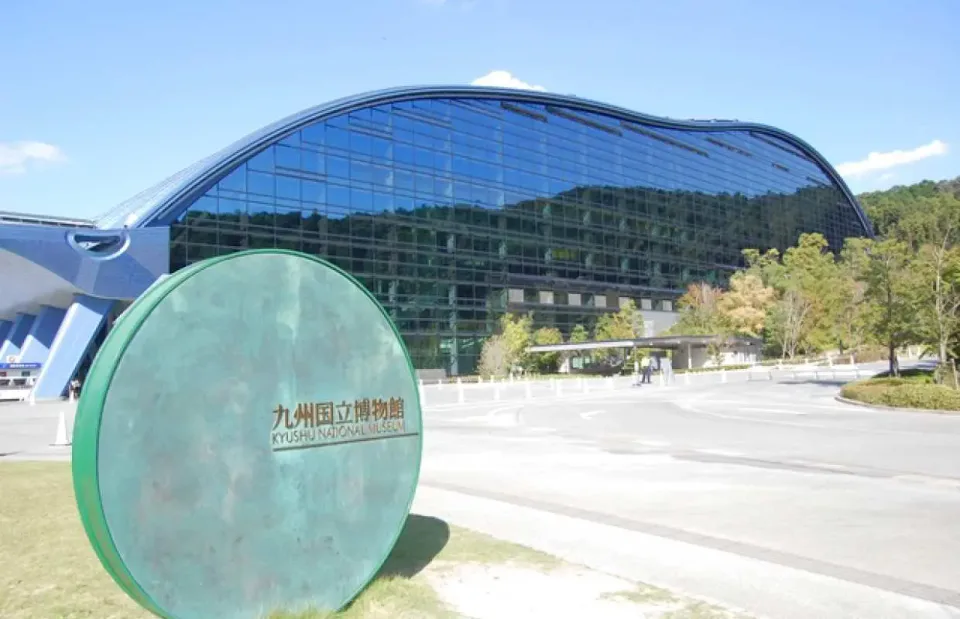
The ¥700 Cultural Exchange Exhibition remains the right Kyushu National Museum ticket for most first-time Dazaifu visitors. From 31 October 2026, the separate Himiko and Her Mirrors exhibition costs ¥2,000 for an adult and includes the fourth-floor Cultural Exchange galleries. That makes the upgrade ¥1,300, plus the extra museum time it takes out of Dazaifu. If ancient mirrors, Himiko or the formation of the Yamato kingdom are why you are making this trip, the higher ticket is easy to defend. If Dazaifu Tenmangu, the approach street and lunch are the main event, start with the fourth floor.
The date matters. The Ice Age exhibition used in our earlier ticket comparison ended on 27 September, and the hands-on history feature ended on 4 October. On 24 October, Himiko has not opened yet; visitors arriving before 31 October cannot buy its ticket. The next fourth-floor feature, Kyuhaku's Ryukyu Collection, runs 27 October–6 December and sits within the ordinary ¥700 Cultural Exchange admission. That gives a late-October visitor a real reason to select the cheaper ticket rather than waiting for a special show. Readers arranging the whole outing can pair this decision with our Dazaifu versus Itoshima comparison.
| Visit date and interest | Ticket to consider | Why |
|---|---|---|
| Before 27 October; Tenmangu is the main reason for the trip | ¥700 Cultural Exchange | The Himiko special has not opened and the earlier Ice Age show is over. |
| 27–30 October; curious about Ryukyu and Okinawa | ¥700 Cultural Exchange | Ryukyu Collection joins the fourth-floor ticket from 27 October. |
| 31 October–6 December; Himiko and early Japanese state formation are a major interest | ¥2,000 Himiko special | The ticket also covers Cultural Exchange and the Ryukyu feature. |
| 31 October–6 December; first Dazaifu visit with limited time | Usually ¥700 Cultural Exchange | The fourth floor costs less and is easier to fit after the shrine. |
| 7 December–11 January; mainly interested in Himiko | ¥2,000 Himiko special | The Ryukyu feature has ended; check the fourth-floor display on the exact date. |
| 24–31 December | No museum ticket | The museum is closed for its published year-end period. |
The fourth floor is the default Dazaifu museum visit
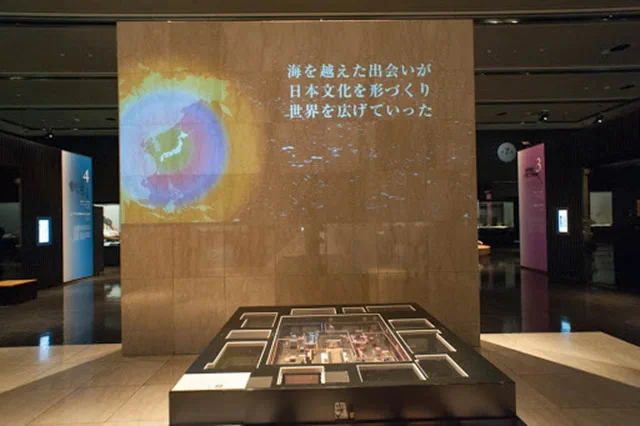
The Cultural Exchange Exhibition is the continuing framework of the museum: Japan's connections with other parts of Asia and Europe, presented through objects and changing displays. Adult admission is ¥700; university students pay ¥350. High-school students, visitors under 18 and people aged 70 or over enter free with the required proof. It is a substantial collection, not an access fee charged merely to reach the special exhibition. Set aside about 60–90 minutes if you want to follow selected themes without reading every label. A focused 45–60 minutes can work late in a day, although it should be a deliberate selection rather than a race through every gallery.
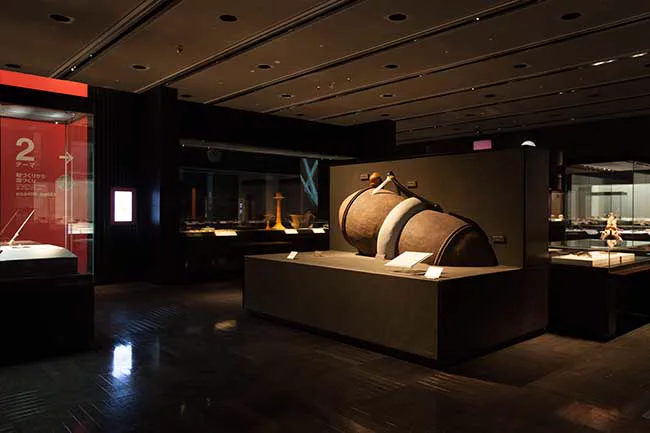
The Ryukyu Collection feature adds a more specific thread from 27 October to 6 December. A bird's-eye view of Shuri and Naha, a long illustrated scroll of Ryukyuan customs, lacquerware with mother-of-pearl, bingata textiles and objects linked to exchange with China show how the island kingdom's culture and foreign connections developed. The feature is in Room L on the fourth floor, so it does not require the ¥2,000 special ticket. For a traveller who will later visit Okinawa, it can add context to a separate Okinawa route; for a Dazaifu visitor, it makes the cheap ticket more interesting during this particular window.
Families should not use the old hands-on feature as a reason to choose the permanent ticket now. That 2026 feature ended on 4 October. The fourth floor may still suit an older child interested in objects and stories, but the earlier tactile programme is not a current promise. If your family wants a more activity-led Dazaifu stop, look at the shrine and approach street before assuming a more expensive museum ticket will solve the children's attention span. Our Dazaifu food guide helps plan a meal break between the street and museum.
What the ¥2,000 Himiko upgrade actually adds
Himiko and Her Mirrors: The Making of a Kingdom runs from 31 October 2026 through 11 January 2027. It follows the triangular-rimmed bronze mirrors associated with the third-century ruler and the developing Yamato kingship. The displayed evidence reaches beyond the familiar story of an envoy to Wei in 239 CE: mirrors excavated from burial mounds in several parts of Japan allow visitors to compare where these objects travelled and why they mattered to regional rulers. The attraction is strongest if archaeology and early political history can carry your attention for another substantial block.
The adult special ticket is ¥2,000, university admission ¥1,200, and high-school students and under-18s enter free with the required student proof. It includes the fourth-floor Cultural Exchange Exhibition, so do not add ¥700 again to the same visitor's cost. At the time of this update, the museum says there are no advance tickets for this special show: sales begin in person once it opens, at the first-floor counters and machines. A limited pair ticket is listed at ¥3,600 for two adult admissions while stocks last; two normal adult tickets would total ¥4,000. The pair option matters only if both visits fall within the exhibition period and the limited allocation remains.
There is also an ¥800 Japanese-language audio guide for the special exhibition. An English-speaking visitor should not treat that as an English supplement when deciding whether to pay for the show. The exhibition page and selected interpretation can still make the objects rewarding, but language changes how long you may need and what you expect from the extra spend. Check the Himiko exhibition details for any later changes to hours, ticket stock or displayed works before setting out.
There is no single correct monetary score for the upgrade. Our previous seven-dimension attraction comparison rated the ordinary ticket higher for a general first visit because it fits the Dazaifu route with less time and money. The special show won on subject-specific uniqueness for travellers genuinely interested in Ice Age history, but that temporary subject has gone. The present Himiko exhibition calls for a fresh personal decision: if early Japan is a main interest, its thematic value can outweigh a slower shrine visit; if not, paying ¥1,300 extra because you are already inside the museum is weak reasoning. The museum's Ryukyu feature details also show how much is available without that upgrade until 6 December.
The former comparison put the Cultural Exchange ticket at 8.9/10 and the now-ended Ice Age combination at 8.3/10 for a general Dazaifu first visit. Those were itinerary scores, not visitor-review averages, and the 8.3 cannot be reassigned to Himiko. The seven questions behind the comparison still help you decide whether the new show belongs in your day:
| Decision factor | ¥700 Cultural Exchange route | ¥2,000 Himiko route |
|---|---|---|
| Uniqueness | Broad Japan and cross-cultural collection; Ryukyu feature until 6 December | Specific early-Japan mirror and kingship exhibition |
| Route fit | Can follow Tenmangu without taking the rest of the afternoon | Best when the museum is a main destination |
| Time efficiency | Selective visit is possible | Allow another substantial gallery block |
| Weather resilience | Indoor galleries | Indoor galleries |
| Booking flexibility | Ordinary gallery ticket | In-person ticket sales once the show opens; possible entry wait |
| Crowd resilience | More scope to choose a theme and move on | Special-hall entry can be metered if crowded |
| Money value | ¥700 adult | ¥2,000 adult including Cultural Exchange |
| Ticket | Adult price | Useful planning allowance | What it displaces in a Dazaifu half-day |
|---|---|---|---|
| Skip the museum | ¥0 | None | Leaves more time for Tenmangu, shops and food. |
| Selective Cultural Exchange | ¥700 | About 45–60 minutes | A short section of the approach street or a leisurely lunch. |
| Cultural Exchange with Ryukyu feature | ¥700 | About 60–90 minutes | A meaningful portion of a four-to-five-hour Dazaifu block. |
| Himiko special and Cultural Exchange | ¥2,000 | About two to three hours for both | Potentially half the outing; allow more if reading closely. |
These durations are itinerary allowances, not admission limits issued by the museum. They turn the ticket into a time decision. On a practical four-to-five-hour Dazaifu outing, an ordinary fourth-floor visit may take roughly a fifth to a third of the block. Seeing both floors can take around two to three hours, or roughly two-fifths to two-thirds. A traveller who wants to inspect the mirrors carefully may use longer. The real upgrade cost is thus ¥1,300 and the additional Dazaifu hour or more. That is a better basis than comparing yen alone, especially if you also want a proper meal or the shrine's quieter approach.
Put the shrine first unless the exhibition brought you to Dazaifu
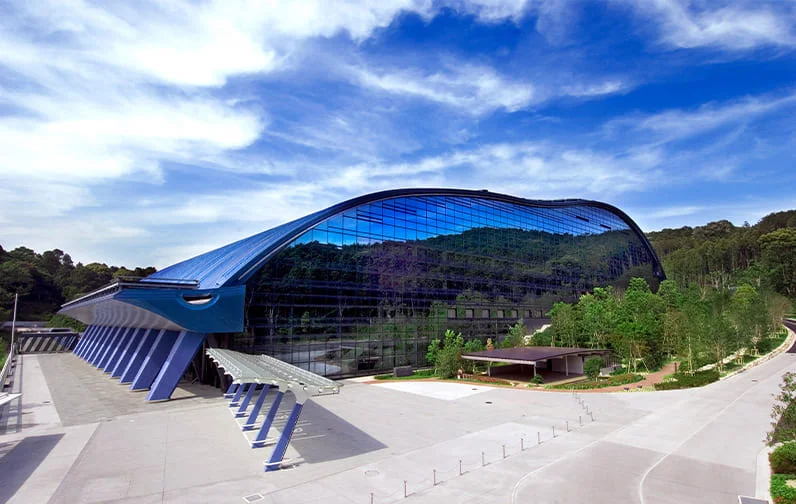
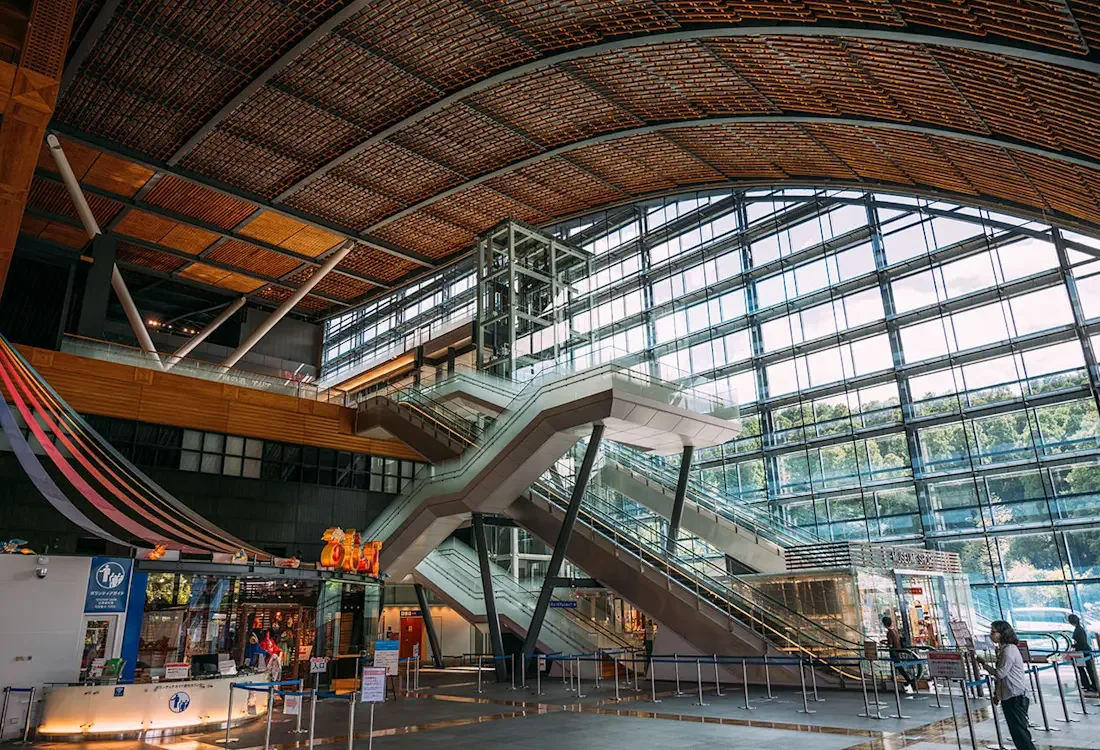
The museum is about a 10–15-minute walk from Nishitetsu Dazaifu Station depending on the route and is connected to the Tenmangu side by the Rainbow Tunnel. For a first visit, the natural sequence is the approach street, Dazaifu Tenmangu, food and then the museum. This protects the destination's main outdoor experience before you enter an open-ended gallery. If Himiko is the reason you bought the train ticket, reverse that order and see the special exhibition while you are fresh. A rainy forecast can also justify going indoors first, as long as the museum is open on your exact date.
A late start in Fukuoka changes this sequence. If breakfast takes the morning, a shrine visit followed by a full two-floor museum stay may collide with last entry, especially outside Saturday's extended opening. The Fukuoka breakfast guide can help choose a faster early meal on museum day. Someone staying near Hakata for rail travel can also use the Hakata Gion hotel decision to judge whether the extra station transfer still leaves enough time for Dazaifu after checkout.
Do not plan a wet Monday around the galleries. The usual closing day is Monday, with holiday openings and substitute closures. During Himiko, Monday 23 November and Monday 11 January are open, while Tuesday 24 November and 24–31 December are closed. Ordinary opening is 09:30–17:00 with last entry at 16:30. During the special exhibition, Saturday hours are listed as 09:30–19:00 with last entry at 18:30, subject to change. A later close gives a slower Tenmangu-first plan more buffer; it does not make the last half-hour a useful slot for two floors.
For travellers based in Fukuoka, route and hotel choice affect whether Dazaifu feels like a half-day or a whole-day commitment. The Hakata versus Tenjin base comparison explains the transfer trade-off. If you are staying in Tenjin, our Solaria Nishitetsu analysis puts Nishitetsu access against hotel price and room value; from Hakata, allow for the cross-city connection before reaching the Dazaifu train. The Fukuoka hotel area guide is useful if Dazaifu is one of several day trips rather than your only excursion.
When the museum should take more than one hour
There are three cases where it earns a longer stay. First, the special subject genuinely changes your reason to go to Dazaifu. Someone interested in Himiko and burial-mound archaeology is buying a distinct exhibition, not merely upgrading the same fourth-floor collection. Second, the Ryukyu feature connects to an Okinawa itinerary or to a deeper interest in maritime exchange. Third, heavy rain makes the indoor galleries a better use of the day than an extended exposed walk. The central Fukuoka rainy-day route is an alternative if the museum calendar or long Dazaifu transfer works against you. In clear weather, compare the travel time with a city stop such as Fukuoka Tower before making the museum your only afternoon plan.
For a family, compare total attention as well as total admission. Under-18 entry is free for the Himiko special, but a no-charge ticket does not create more hours in the day. If the adults want the archaeology and the children need a break after the shrine, split expectations before entering rather than treating both exhibition floors as mandatory. Our Fukuoka multigenerational hotel guide applies the same principle to the overall trip: repeated walking and transfers can matter more than a single headline price.
For someone with only 45 minutes left after lunch, ¥700 can still be defensible if a specific fourth-floor theme appeals. A ¥2,000 ticket for both floors would be a poor fit for that remaining window. If nothing in the current collection interests you, skip the museum and use the time around Tenmangu or the food street. The Dazaifu food route and day-trip comparison show where that time can go without padding the afternoon with a museum simply because one is nearby.
A short Dazaifu stay is usually a Fukuoka hotel decision
Most travellers need no hotel move for a museum and shrine half-day. Return to a Fukuoka base and let Dazaifu be one selected outing, especially if the next day involves trains or the airport. Our three-day Fukuoka plan shows where the outing fits among city and regional days. A Dazaifu night becomes more compelling when the town itself is the reason for staying, with time before or after the main visitor flow. Our Cultia Dazaifu stay decision tests that premium against simply returning to Fukuoka. The late-arrival hotel guide is relevant when your museum visit follows an evening flight, while the Fukuoka–Yufuin transfer comparison matters if you are leaving the region the next morning.
If you do choose a Dazaifu night, compare rooms around the station and shrine on the Dazaifu accommodation map. For a Fukuoka base, consider whether you want the evening in Tenjin or need Hakata's train convenience; our food-trip hotel guide links that choice to dinner rather than museum distance. A longer Kyushu plan should also leave room for non-Dazaifu days; the autumn day-trip comparison is useful if seasonal scenery is competing for the same day.
The current decision is simple once the date and subject are clear. Before 31 October, Himiko is unavailable; from 27 October, the ¥700 fourth floor includes the Ryukyu feature. During the Himiko run, buy the ¥2,000 adult ticket when its archaeology is worth both ¥1,300 more and enough time to see a second exhibition floor. Otherwise, the Cultural Exchange Exhibition gives Dazaifu a worthwhile indoor hour without consuming the whole trip. Check the museum's daily admission and closure information before travelling, particularly on a Monday, holiday or late-December date.