
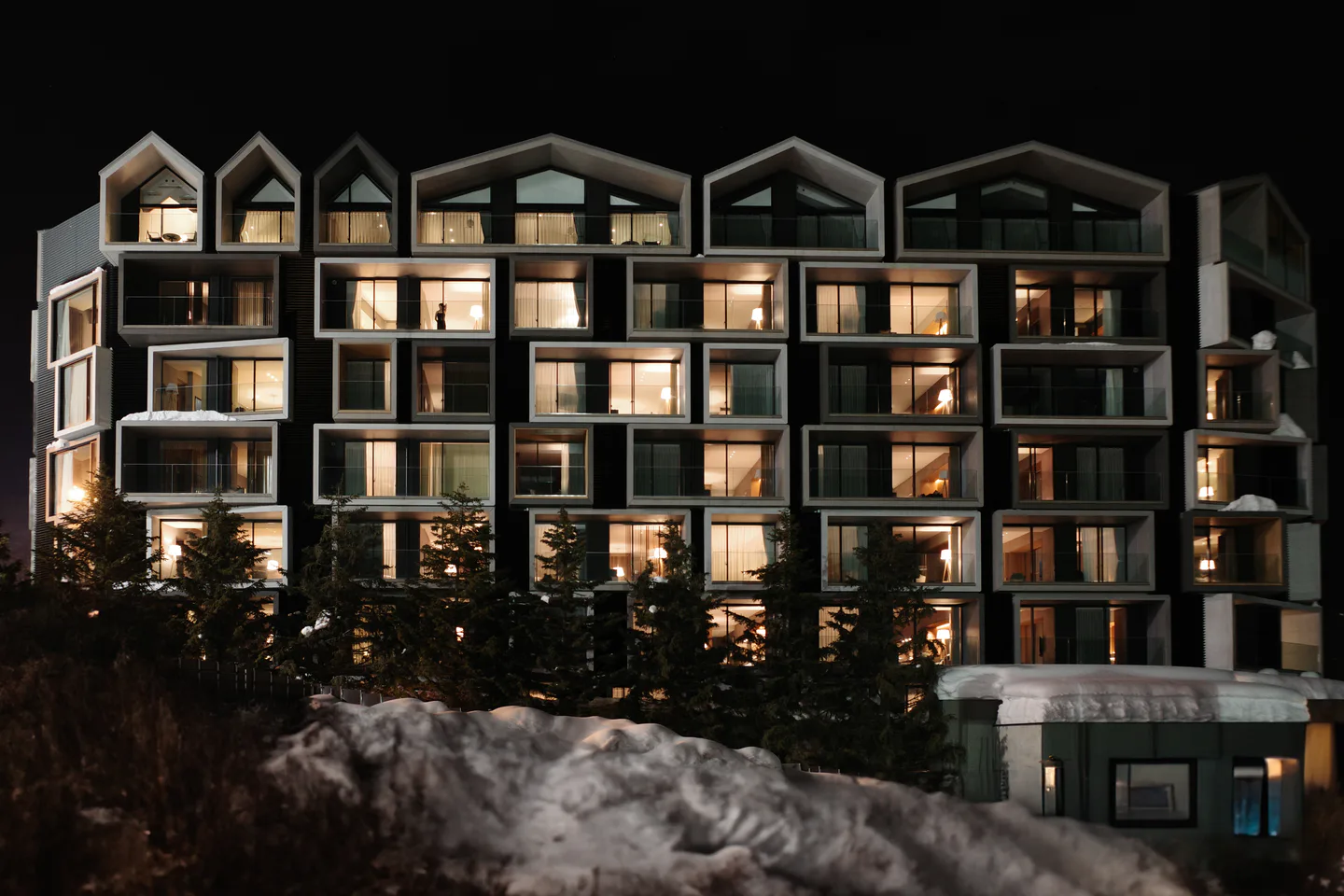
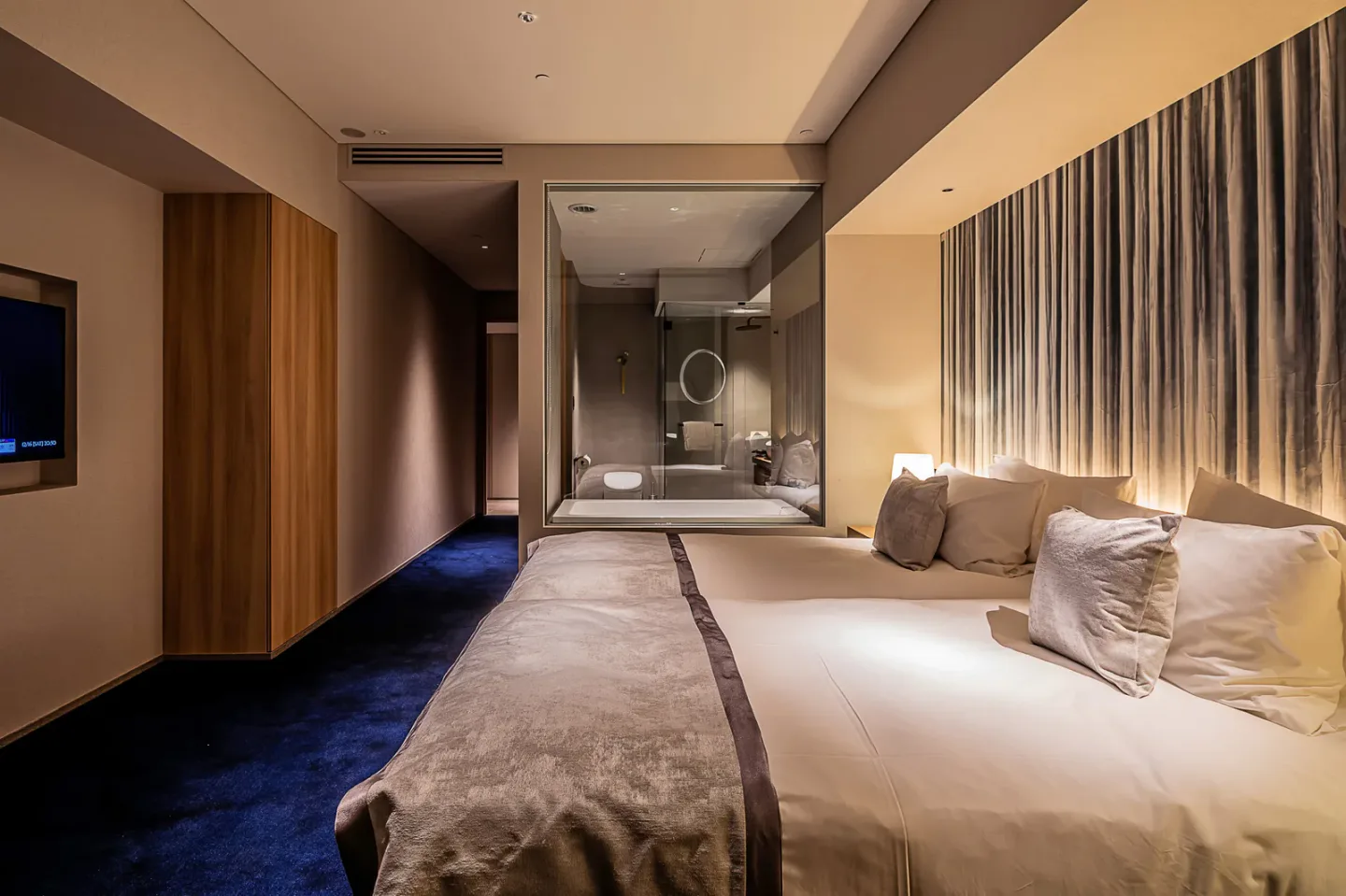
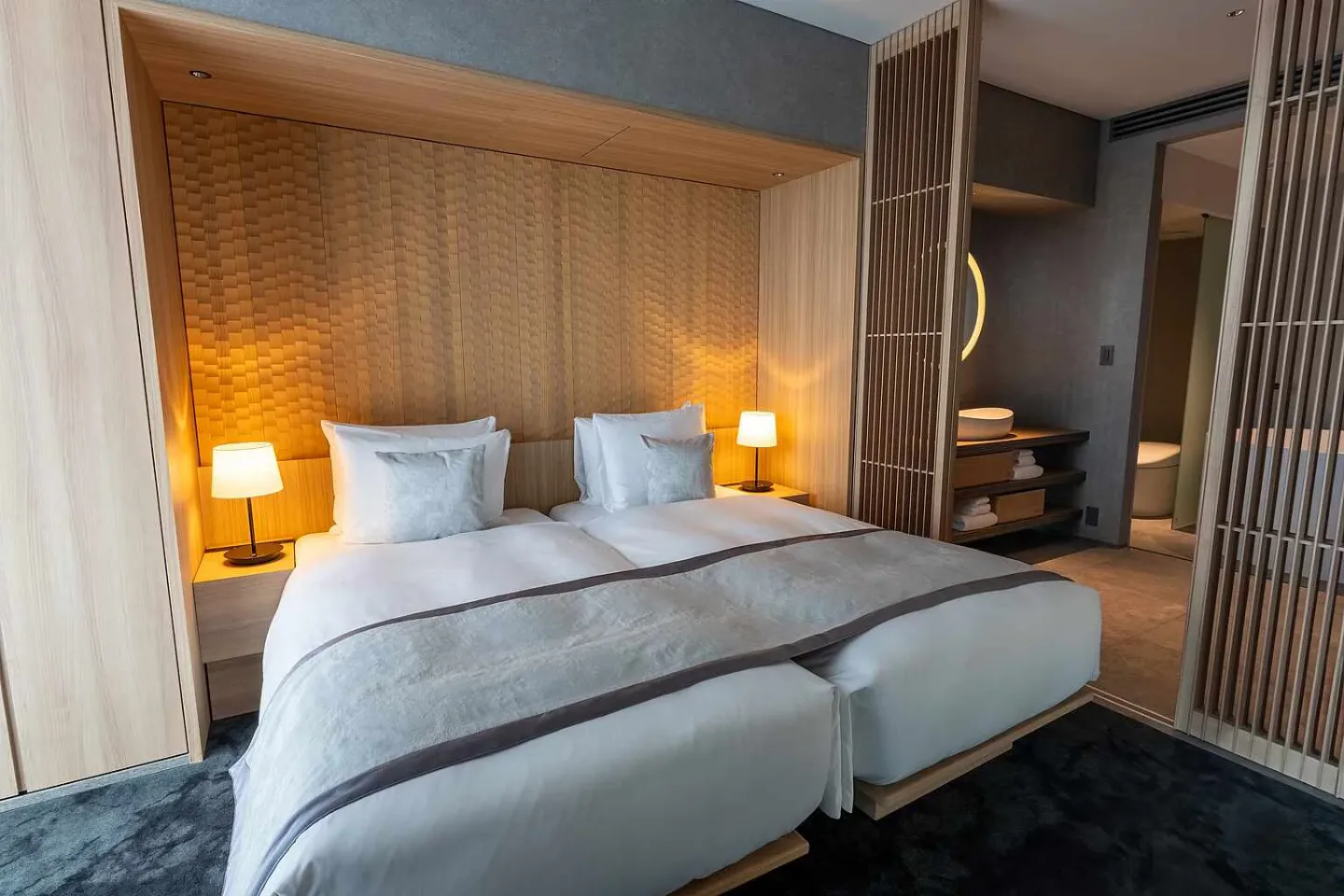
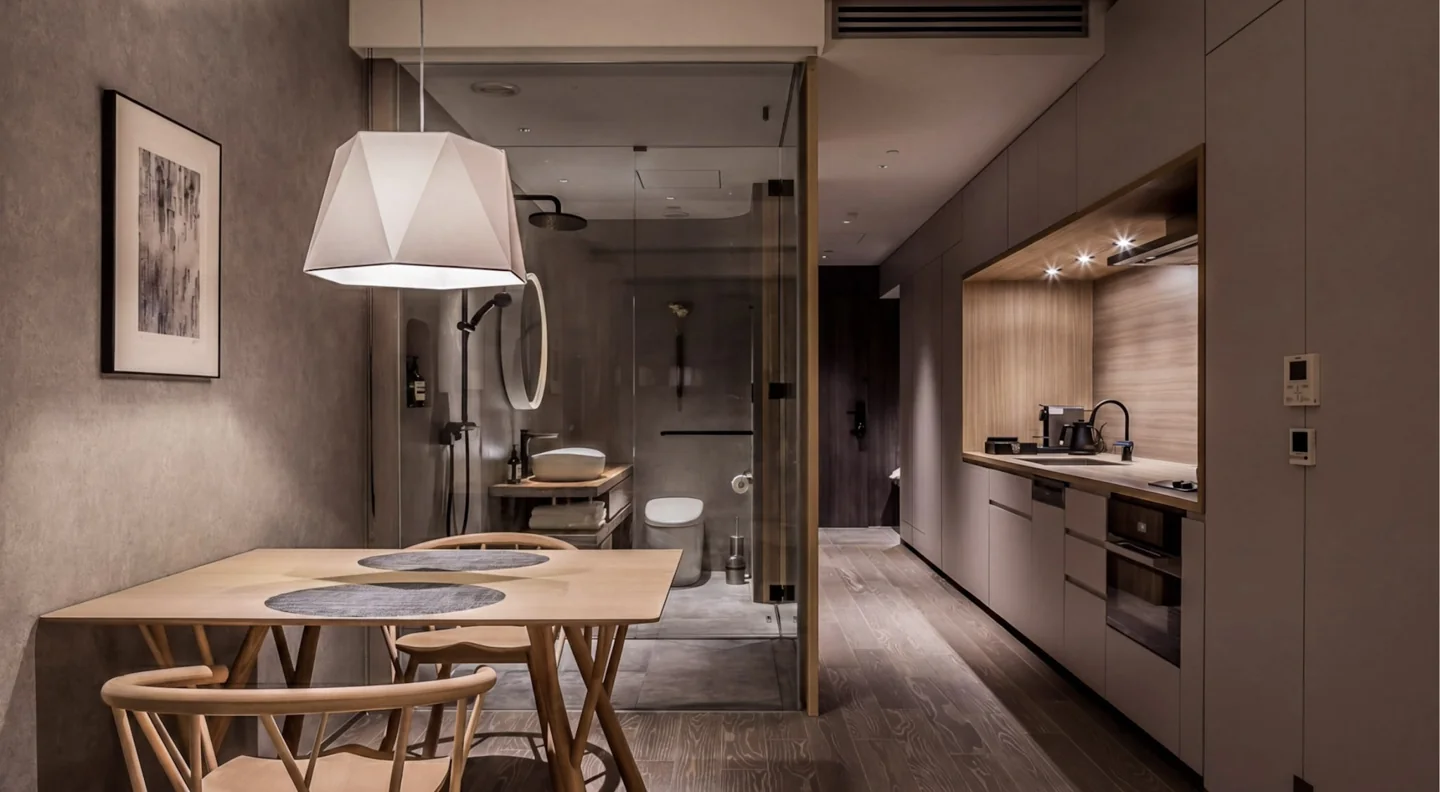
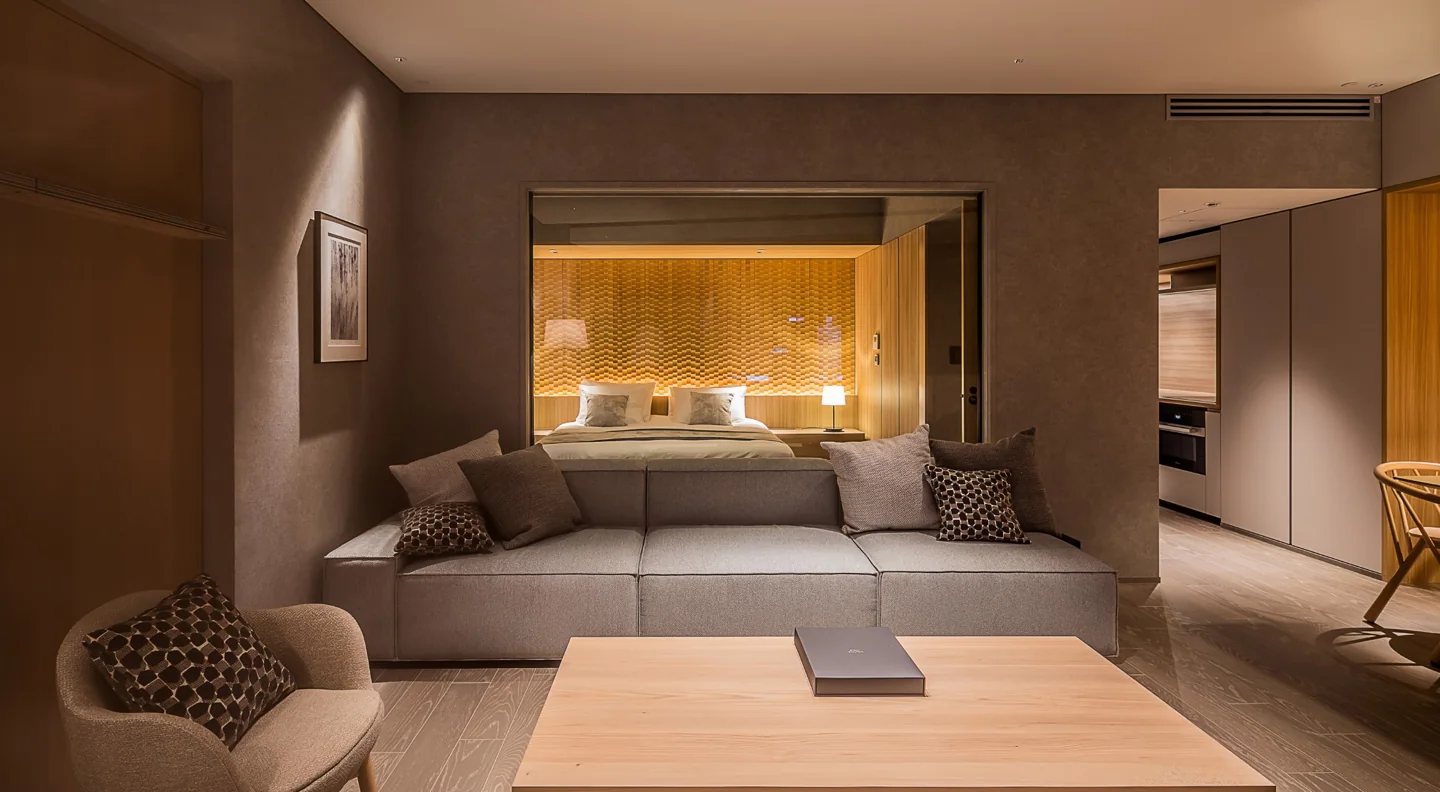
MUWA Niseko makes the most financial sense when its Upper Hirafu position and residence layout solve repeated problems. A group skiing Grand Hirafu for four or five days can use the slope-side entrance, a shared living room and a kitchen many times. A couple staying one night, skiing once and eating every meal out may enjoy the hotel just as much, but will use far less of what the rate buys. Start with the number of ski mornings and the exact room plan, not a luxury ranking.
The hotel sits beside Niseko Tokyu Grand Hirafu, with a route from the property toward King Gondola. That is not the same as staying in HANAZONO. Both are part of the wider Niseko ski area, yet your lesson meeting point, evening restaurant and the non-skier’s movements still begin on the ground beside the hotel. A map showing connected mountains can hide the inconvenience of choosing the wrong village base.
How many times will you use the ski edge?
↔ Scroll table left or right
Trip shape | MUWA fit | What decides the premium |
Four to seven nights, Grand Hirafu on most days | Strong | Repeated equipment exits and returns, plus group use of the residence |
Two adults, one or two nights, one ski day | Conditional | Little time for the kitchen, lounge space or multiple ski-edge trips |
Four to eight guests who need closed bedrooms | Strong if exact layout works | Real bedrooms, bathrooms and usable common space after bedding is deployed |
First-time skier | Depends on route | The easiest open slope back matters more than the ski-in label |
Daily lessons or friends in HANAZONO | Usually weak as a base | Ground transfers and meeting points remain away from MUWA |
A five-night booking with four ski days can create eight useful slope-edge movements: four mornings out and four returns. One ski day may give you one or two. That does not turn into a fixed currency value, but it exposes what a nightly surcharge must repay. Before booking, compare the genuinely slope-side Niseko hotels and the Grand Hirafu lift layout so the entrance serves the terrain you intend to ski.
“Ski-in/ski-out” still requires a viable return. Early snow cover, grooming, temporary lift closures and the weakest skier’s ability can change which run feels safe late in the day. A direct morning exit does not guarantee an easy route home for a beginner after fatigue sets in. Check the current open runs and ask where a beginner can finish; keep a non-ski return route in mind. The Niseko lifts, rental and lessons guide helps align a room purchase with the actual skiing plan.
Upper Hirafu is the point; HANAZONO is a different decision
MUWA belongs to the Upper Hirafu/Grand Hirafu side. Park Hyatt Niseko and many HANAZONO-centred days start elsewhere. Ski-area connectivity is useful once everyone can ski between operating lifts; it does not make a children’s lesson meeting point or an evening dinner in another village appear outside your hotel door. Decide where most mornings begin before rating one hotel above another.
If the party is still choosing a base, use Hirafu, HANAZONO, Annupuri and Niseko Village to settle the geography. MUWA versus Setsu Niseko then tests two Hirafu hotel formats. A group whose priority is a quiet Annupuri first lift should compare the Annupuri and Village access options before paying for an Upper Hirafu address.
Non-skiers make the ground-level question even more important. They may use the residence, restaurants and hot spring while skiers are out. If their daily plan depends on a different part of Niseko, the room’s direct Grand Hirafu access is valuable to only part of the group. That can still be the right compromise, but the nightly price should not be justified as though every guest uses the slope edge.
The residence is a stronger differentiator than the hotel label
The published project range includes a 1.5-bedroom unit of 65.18 m², a two-bedroom unit of 91.58 m², a three-bedroom unit of 139.79 m² and a four-bedroom unit of 217.40 m². There is also a 46.94 m² studio. These are examples of the property’s residential scale, not a claim that every booking channel names or equips every unit identically. Read the specification for the exact unit you can reserve.
↔ Scroll table left or right
Published residence example | Interior area | Group question before payment |
1.5 bedroom | 65.18 m² | Is the half-room a suitable sleeping space for your party? |
Two bedroom | 91.58 m² | Do four guests get the beds and bathrooms they expect? |
Three bedroom | 139.79 m² | Does a six-person group still have useful living space? |
Four bedroom | 217.40 m² | Will shared space replace several separate hotel rooms? |
At four guests, the two-bedroom example averages about 22.9 m² of published gross interior area per person. The three-bedroom example is about 23.3 m² for six; the four-bedroom example is about 27.2 m² for eight. Those are simple area divisions, not measurements of usable personal floor space. They are useful only to show why a residence should be compared with multiple hotel rooms plus shared living space, rather than with a single conventional bedroom. The Niseko apartment comparison tests that alternative directly.
A headline guest maximum can hide a poor final bed. Ask how many closed bedrooms the exact unit has, who sleeps on permanent beds, whether a sofa or Murphy bed will be used, and how many bathrooms and toilets the group can use in the morning. Check whether the dining table and living area remain usable once all sleeping surfaces are open. A larger advertised unit can be the wrong purchase if the fifth or sixth guest receives a layout no one wants.
Seven site scores for a Grand Hirafu ski stay
Dimension | Site score | MUWA's room and mountain trade-off |
|---|---|---|
Location | The slope-side approach to King Gondola saves repeated ski transfers, but HANAZONO lessons and the airport still need separate transport. | |
Room | Residences reach four bedrooms with substantial shared space; the exact beds, bathrooms and Mount Yotei view depend on category. | |
Cleanliness | The current aggregated guest cleanliness category is about 9.2/10, on a modest review sample. | |
Service | The current aggregated staff category is about 9.4/10, while the sample remains relatively small. | |
Facilities | Residence kitchens, ski access and hotel hot spring make a multi-night routine; private baths belong only to selected room categories. | |
Food | On-site dining and Hirafu restaurants broaden dinner choices, yet winter reservations and the kitchen plan need separate decisions. | |
Value | The premium needs repeated slope access and group use of residence space; a short couple stay may not recover it. | |
Overall | Most convincing for a Grand Hirafu group that will ski several days and actually use its residence layout. |
These /10 site marks reflect a multi-night Grand Hirafu group stay. Cleanliness and Service draw on a small aggregated guest sample; the other marks apply the room, slope, bath and dining conditions to that specific trip.
The kitchen starts earning its space after more than a weekend
A residence kitchen is useful if the group will change its food routine. Quick breakfasts before a lesson, snacks for children, drinks kept cold, reheated takeaway or a simple storm-day dinner can remove daily restaurant decisions. For one or two nights, that may matter little unless dietary needs make it essential. Around three or four nights, the kitchen starts to replace repeated logistics; over five to seven nights it can become core trip infrastructure. These are planning thresholds, not hotel rules.
If everyone wants to eat out every time, compare a smaller room or another hotel rather than paying for unused worktops and a dining area. In deep winter, going out for dinner carries extra movement through snow, steep streets, taxi availability and reservation timing. That gives the kitchen a different value from the same fixture in a mild-season stay. Niseko’s food and grocery choices can help decide whether you will realistically cook or order in.
On-site dining can also reduce winter movement. The property names HITO by TACUBO and Sukiyaki Hiyama among its restaurant options. That is not a guarantee that both will fit every night, party size or dietary requirement; check the season’s operation and table reservations. For a group, the meaningful comparison is a booked dinner versus a kitchen plan, not a vague assumption that luxury lodging will solve meals automatically.
Mount Yotei view and private bathing are category decisions
Do not pay a mountain-view premium on the strength of a request box. If seeing Mount Yotei from the room is central to the purchase, reserve a category that actually names that outlook. Clouds or falling snow can hide the mountain for much of a stay even when the room is correctly oriented. Ask whether the residence, ski access and group layout would still justify the price with no clear Yotei day. If not, the view is carrying too much of the decision.
Keep the bath types separate too. The hotel promotes hot-spring facilities, while some higher categories describe private or in-room bathing. A normal private bathroom is not automatically an in-room onsen. A hotel-wide hot spring does not mean every residence includes one. If privacy is essential for children or other reasons, confirm the named category, the water/bath feature and current access conditions before booking. Avoid counting both a private bath premium and the communal hot spring as two major benefits if the group will use only one.
A family can also overbuy rooms by starting from the most dramatic photograph. Start with permanent beds and the morning bathroom queue; only then decide whether a Yotei outlook or category-specific bath deserves more. The Niseko ski-budget timeline puts those optional room upgrades beside transfers, lessons and passes, where the same money may remove a more serious constraint.
The airport journey is its own booking problem
New Chitose Airport transport does not become door-to-door because a hotel listing mentions a shuttle. Winter coaches may use Hirafu Welcome Center or another designated point; private vehicles have their own pickup and delay terms. Decide with the actual flight arrival, number of ski bags, children and check-in date in front of you. Ask where the vehicle drops the group and what happens if a delayed flight misses a scheduled service.
Our New Chitose to Niseko transport comparison separates coach, private car, rail and rental-car trade-offs. A very late landing may make an airport hotel more sensible than a tiring same-night mountain transfer. A premium residence cannot repay the time lost to an arrival plan that never had a workable final connection.
For ski bags, confirm storage and delivery at both ends. A large residence can hold luggage once you arrive, but that does not make crowded transfers or slippery last metres vanish. Groups who split across vehicles should decide who holds check-in details and which bag has the children’s warm layers. These are small operational decisions with a larger effect than a lobby photograph.
2026–27 dates matter to the ski-in premium
Grand Hirafu currently schedules its winter season from November 28, 2026 through May 5, 2027, and night skiing from December 12, 2026 through March 22, 2027. Opening can move with snowfall. A November booking must not treat the stated opening day as a guarantee of an easy ski-home route. The late-season end date likewise does not promise full terrain in spring.
Night skiing may add another use for the hotel’s slope position, but only within the operating period and if your group will actually go out again after dinner. Check current lift and run status close to travel. The 2026–27 Niseko ski guide and private lesson planning help test whether your booked hotel is near the start and finish of the days you have designed.
If the party is weighing Niseko against another ski region, compare Niseko versus Furano or Niseko versus Rusutsu before solving the MUWA room. A perfect residence in the wrong resort still creates avoidable transport. A group combining city and mountain nights can use Sapporo versus Niseko night allocation to decide how many costly slope-side nights it will actually use.
Compare MUWA and nearby Upper Hirafu stays for your dates after fixing the room category, bed plan and airport arrival. A map pin can confirm the base; it cannot turn every unit into the same residence or guarantee the same slope return in every snow condition.
When the premium holds up
MUWA is a strong candidate for a family or group spending several nights in Hirafu, skiing Grand Hirafu repeatedly and using the living room or kitchen together. It can also suit two couples who would otherwise book separate hotel rooms but want a common space. Those travellers should pay attention to the exact bedroom count, bathrooms and any view or bath category they choose.
Reopen the comparison for a one-night couple, a group that will never cook, a beginner who assumes every ski return is easy, or travellers whose days centre on HANAZONO. The room can still be attractive, but fewer of its expensive features solve those trips. The purchase works when the ski edge, residence space and winter food routine are used repeatedly; the rate alone cannot establish that fit.