
A room in Aomori city and a room at Sukayu Onsen solve opposite parts of a Hakkoda winter trip. Hotel JAL City Aomori is a short walk from Aomori Station and leaves the rest of the evening open. Hotel Aomori offers larger conventional rooms but sits farther from the station. Sukayu puts the bath and snow at the lodging, with a mountain-road arrival that needs advance planning. The detail most likely to catch a returning visitor is the shuttle: Sukayu's guest-only free transfer moved from Aomori Station to Shin-Aomori Station's east exit in late 2025. An old saved boarding point can now cost you the ride.
The decision is less about a general “city versus nature” preference than the particular day. A family arriving by Shinkansen at Shin-Aomori with a secured Sukayu seat can go straight to the mountain. A guest reaching Aomori after the last mountain bus is better served by a city night. Someone hoping to ski Hakkoda should also distinguish Sukayu's inn from the ropeway base; staying in the area does not place a skier on the first gondola without a transfer and a check that the ropeway is operating.
Seven dimensions for three different stays
The city and mountain stays solve different nights. Aomori keeps restaurants, rail services and alternative plans within reach when the Hakkoda ropeway cannot run. Sukayu removes a long morning transfer for a traveller whose day centres on the mountain, but its room categories differ in toilet, bedding and meal arrangements. A room reservation also does not reserve a seat on every bus. For 16–18 November 2026, check the announced Sukayu closure before arranging the trip. The most useful comparison is the exact room and the first usable departure on the dates you travel.
↔ Scroll table left or right
| Lodging | Access | Space | Comfort | Cleanliness | Neighbourhood | Service | Value |
|---|---|---|---|---|---|---|---|
| Hotel JAL City Aomori | 9.0/10 | 8.6/10 | 8.6/10 | 8.7/10 | 8.4/10 | 8.9/10 | 8.2/10 |
| Hotel Aomori | 7.5/10 | 8.8/10 | 8.8/10 | 8.8/10 | 8.2/10 | 9.0/10 | 8.6/10 |
| Sukayu Onsen Ryokan | 8.0/10 | 7.4/10 | 7.2/10 | 8.2/10 | 8.0/10 | 8.2/10 | 7.8/10 |
Swipe to see the three lodgings
The mountain transfer must fit the arrival train
Sukayu will close the entire property for maintenance from 16 through 18 November 2026. No room or day-bath visit can be planned for those dates, and telephone service is suspended from 15 November at 15:00 until 19 November at 13:00. If your Hakkoda dates fall in that interval, use a city hotel or move the mountain night rather than relying on a shuttle or bath reservation.
Sukayu's own access instructions currently show a free, reservation-required shuttle for staying guests from Shin-Aomori Station's east exit. The published outward departures are 10:15 and 14:00, with morning returns from the inn. Seats must be requested with the stay. The operator's late-2025 notice explicitly moved this boarding point away from Aomori Station. If you have an old itinerary showing a city-centre pickup, replace it before booking a room. Also distinguish Shin-Aomori, where the Shinkansen stops, from Aomori Station, where a local train continues to the city centre.
A scheduled shuttle can make the mountain stay simple, but it adds a hard deadline. Leave a realistic margin between train arrival and pickup, including time to find the east-exit bus stand. A party arriving after the afternoon departure needs another verified route or a city night. Sukayu also lists a JR bus from Aomori Station to the inn, but its precise winter timetable and road conditions should be checked for the actual date. Its site describes regular winter bus service and the possibility of emergency road restrictions. Nighttime access gates and limited ploughing after late afternoon make “we can drive up after dinner” an unsafe default plan. Our winter-driving decision guide covers the kinds of preparation relevant to snowy roads, although the Hakkoda regulations must be checked locally. If equipment is being carried through Shin-Aomori, the ski-bag transport checklist helps expose the luggage problem before the transfer is booked.
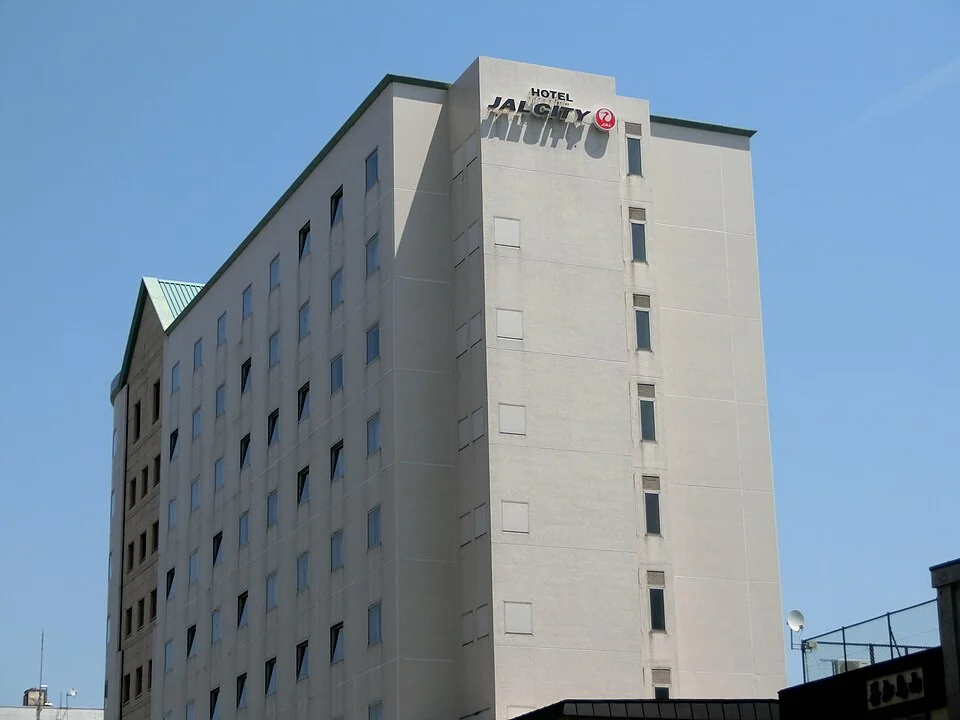
Hotel JAL City Aomori is about six minutes on foot from Aomori Station. This is useful when the group will take a morning JR bus, or when a late arrival makes a mountain transfer impractical. Aomori is a city base: allow time for the bus to Hakkoda and for the return journey, and accept that a ropeway closure may leave a day in town instead. The Rockwood's winter-stay decision covers a different Aomori mountain base; do not assume its access or snow conditions apply at Sukayu.
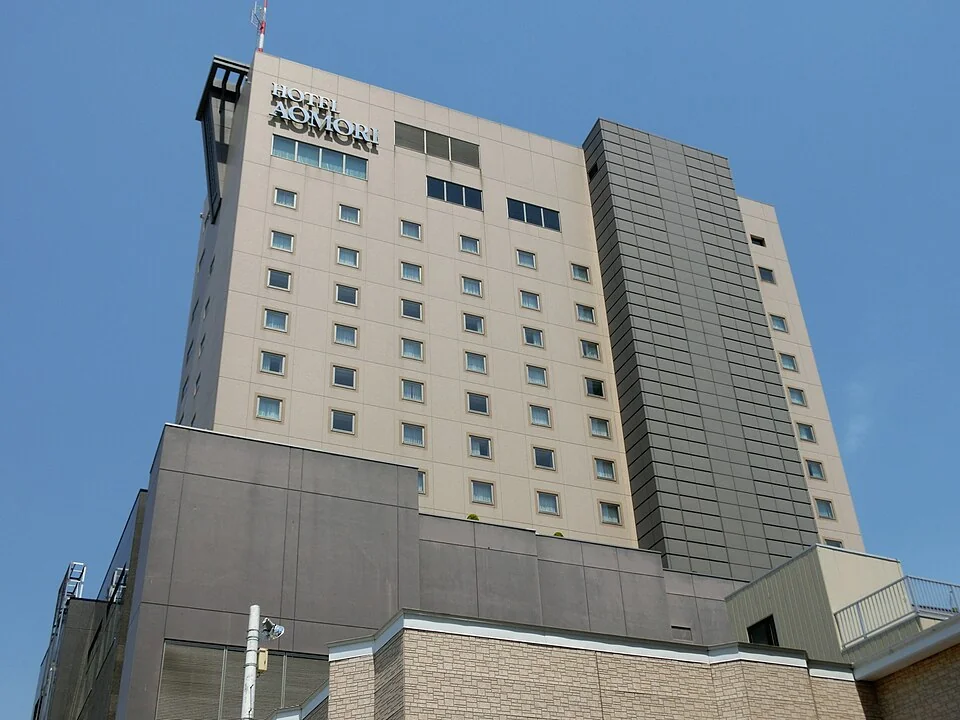
Hotel Aomori is not a station-front property. Its address in Tsutsumi-machi is about a short drive rather than a simple six-minute station walk, so the morning mountain bus requires a separate trip back toward the station or another confirmed connection. The hotel has a reservation-only microbus for some Shin-Aomori arrivals and departures, but its fixed service is not a general on-demand transfer to Sukayu or Hakkoda. Check the live shuttle notice and the direction and timing of the one you intend to use. Hotel Aomori may still be the better city room for a party that prizes floor space and uses taxis; its distance from the station must be costed honestly.
At Sukayu, the room building changes the experience
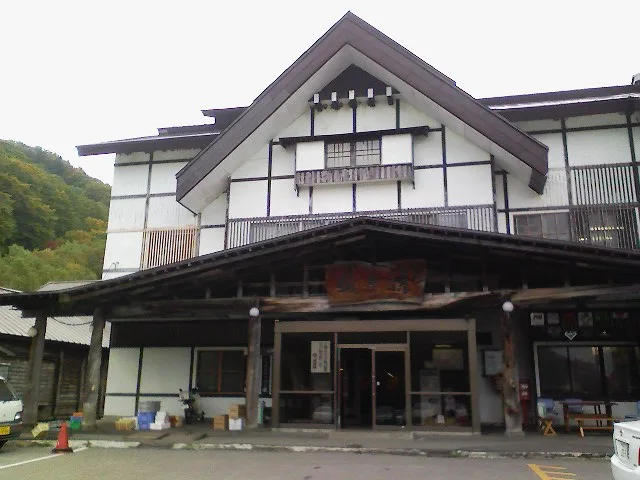
Some visitors picture one traditional room type when they hear Sukayu. The inn sells several. Its renovated No. 1 ryokan building has Western-style rooms with beds and private toilet and washbasin. The I and No. 7 ryokan buildings have older six- to eight-tatami Japanese rooms; the I building's meals may be served in the room, while No. 1 and No. 7 use a dining area, depending on the plan. The simpler therapeutic-stay buildings include rooms using shared washing and toilet facilities, though certain rooms in Building No. 3 have toilets. A lower room quote may therefore change both how you sleep and what you share.
If a member of the party needs a bed or frequent night-time toilet access, request the exact building and room features rather than selecting “Japanese room” broadly. The building layout includes stairs and separate sections; the inn asks guests with difficulty on stairs or a need for a nearby toilet to raise it while reserving. Confirm how far the specific room is from the bath and dining area. Ask whether meals are included, served in the room or in a restaurant, and what happens if weather delays arrival beyond the dinner sitting. Our ryokan room and meal checklist is particularly relevant here because the cheapest plan is not necessarily the same stay with a smaller room.
Sukayu's famous large cypress bath is mixed bathing, with designated women-only periods; it also has separate-gender Tama-no-Yu. A traveller uncomfortable with mixed bathing can use the separate facility, but should still check current hours and whether the main bath's women-only time fits the visit. People with skin sensitivity or medical concerns should read the inn's bathing advice and decide whether the strong acidic spring is suitable for them. A room at Sukayu makes the bath easy to revisit, but it cannot turn a guest who does not want this style of bathing into an enthusiastic bather. The onsen etiquette guide explains the general routine; our first-onsen piece helps set expectations before choosing a bath-centred night.
What the two city hotels buy instead
Hotel JAL City Aomori's published standard twin measures about 23.2–28.34 m² and sleeps two. A standard triple is 23.95 m² with two regular beds and one shorter extra bed. The renovated deluxe triple also uses two regular beds and a third auxiliary bed, with its own dimensions. For four, the connecting-room category gives two approximately 23.2 m² rooms joined by an internal door. That can be more comfortable than putting four people into one room, but check availability and whether the reservation actually guarantees the connecting pair. The named 2025 renovated rooms are on specified non-smoking floors; do not assume every standard room is newly refurbished.
Its location works particularly well when one person wants an independent city day while the others travel toward Hakkoda. A six-minute station walk may still be unpleasant with ice or a large suitcase, so confirm the best entrance and route. If a morning JR bus is the centrepiece, compare breakfast hours with the departure you need. A generous breakfast buffet does not help if the group must leave before it opens. The car-free winter itinerary offers useful thinking about rail and bus buffers, but its Hokkaido schedules are not Aomori timetables.
Hotel Aomori lists 30–35 m² for twins, 19–29 m² for singles and 32 m² for doubles. Its mountainside twins are described as having separate bath and toilet areas. For a family or two travellers carrying bulky winter clothing, that floor area can be a genuine advantage over JAL City's standard triple or twin, if the hotel-to-station leg is handled. Confirm the room's view and bath arrangement on the actual plan; the category range does not mean every twin has the same layout. Its accessible room is a separately named 30 m² category. If someone needs step-free movement, ask about the entrance, bathroom and chosen transfer rather than inferring suitability from the room area alone.
A city night also creates a different weather fallback. If the Hakkoda ropeway closes, the party can remain in Aomori and adjust the day without being committed to a mountain dinner and return shuttle. This matters for a one-day snow-monster visit when wind and visibility are uncertain. The Aomoriya versus Oirase lodging comparison covers a different hotel-and-nature split in the prefecture, and the two-hotel order guide helps if Hakkoda is only one stop in a longer Aomori itinerary. A day without skiing can still be productive, but activities must be chosen locally; our non-ski winter activity checklist offers a way to sort options by weather and transport, rather than an Aomori schedule.
Sleeping near Hakkoda does not guarantee a ski day
A Sukayu stay is attractive when the bath itself is a central activity, or when the party has secured a suitable mountain transfer and wants to spend an evening in the snow. It may be less efficient for someone whose sole aim is the Hakkoda Ropeway. The ropeway base is not the inn entrance. Check the bus or inn transfer between them, the return timing, and whether the current winter arrangement permits a stop at the ropeway. A past seasonal notice described limited designated ropeway drop-offs, not a continuous shuttle. Ask the inn to confirm the service for the current season before building a ski day around it.
Winter mountain skiing also has terrain and weather constraints that a city-hotel photograph cannot reveal. Decide whether the group will use groomed skiing, guided backcountry activity or simply ride for the view. Confirm equipment, lesson or guide requirements and the last safe return. Do not infer a guided service from a room reservation. If the ropeway is suspended, a Sukayu guest still has the onsen, while a traveller who booked only for an ascent may prefer a more flexible city base. Our lift, rental and lesson booking checklist helps separate products, though Hakkoda's rules must be verified directly.
Driving to Sukayu calls for a stricter threshold than walking to a city hotel. The inn warns about exceptional snow, winter tyres or chains, cold-weather vehicle preparation and road restrictions. The fact that a public bus normally runs does not promise that every private car can safely make the trip on every evening. A driver should check the current road authority notice, daylight, fuel and the last practical arrival for dinner. If that is uncertain, a city hotel with a known bus or a booked transfer gives the party more options. The partial-versus-full winter rental guide can help decide whether a car is needed for the rest of the trip, while local road rules remain decisive here.
Three booking situations
↔ Scroll table left or right
| Trip constraint | First property to price | Condition to settle before paying |
|---|---|---|
| Shinkansen arrives before reserved mountain shuttle; onsen is the main reason to travel | Sukayu Onsen Ryokan | Shin-Aomori east-exit seat, exact room building, bath and dinner plan |
| Late arrival or uncertain ropeway day; morning JR bus possible | Hotel JAL City Aomori | Station walking route, breakfast time, bus timetable and cancellation terms |
| Larger conventional twin desired; party accepts a separate city transfer | Hotel Aomori | Exact twin layout, taxi or hotel shuttle, and morning route back to the bus |
For a guest arriving at Shin-Aomori before a confirmed Sukayu shuttle, a bed-and-toilet room in the correct building can make the mountain night coherent. For a traveller arriving after that fixed departure, the city is a more honest first-night plan. JAL City's station proximity makes the next morning leg simpler; Hotel Aomori can compensate with a larger room if the party will pay for or otherwise arrange the extra transfer. The best choice changes if a skier values an early mountain start, a non-skier wants city restaurants, or a family needs a private bathroom.
Price only plans you would actually accept. Include every person's meal, the bathroom and toilet arrangement, permanent beds versus auxiliary beds, cancellation deadline, and transport to the entrance. Confirm whether Sukayu's shuttle seat is available before treating the mountain room as usable. For a city stay, check the current JR bus timetable and the ropeway's weather notice. The luggage-forwarding guide is useful if you plan to send larger bags ahead and carry one night of winter gear. Use the December, January or February clothing guide for the travel month, but conditions on the plateau should decide the final kit.
The practical dividing line is commitment. Sukayu rewards a guest who wants its spring even if the mountain activity changes. JAL City keeps the rail and bus plan flexible. Hotel Aomori gives more conventional room space when the additional city transfer is acceptable. Confirm the exact transport and room before paying; a general Hakkoda weather forecast cannot supply either of those answers.