
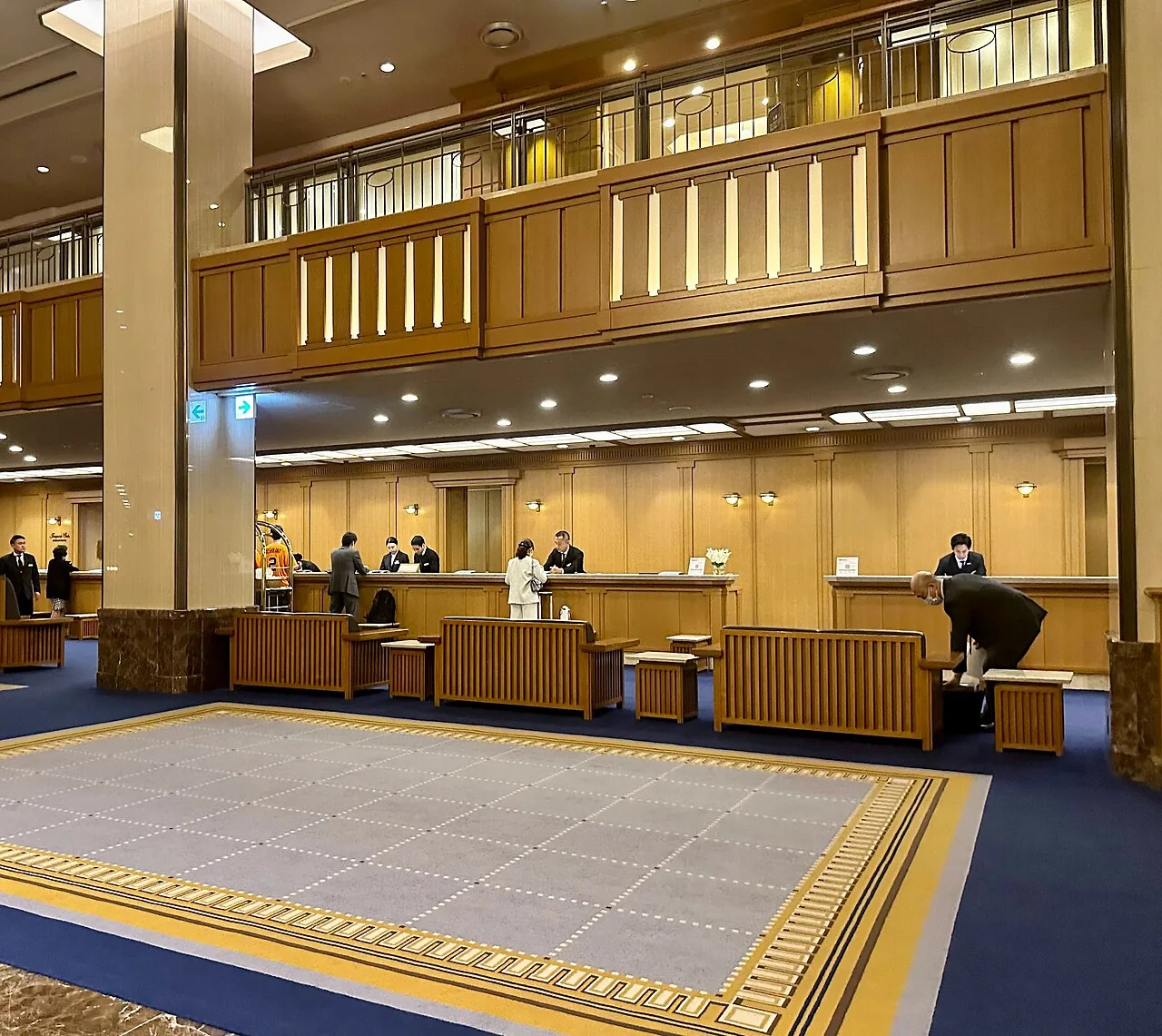
Swipe through the Imperial Hotel Tokyo
Booking a Christmas dinner at the Imperial Hotel Tokyo does not automatically make a room there the sensible second purchase. The hotel has published its 2026 festive restaurant period as 19–25 December, with different menus and meal times across its dining rooms. A guest who finishes an early meal and has a simple train ride home may get little from the overnight rate. Someone celebrating late, carrying luggage, or planning an unhurried breakfast in Hibiya the next morning could use the room well. The useful decision is therefore not whether the hotel feels suitably festive. It is what the stay removes from the evening and what you will actually do before checkout.
There is a second distinction that matters at booking time: the restaurant reservation and the room reservation are separate commitments unless a named package says otherwise. A room does not secure a table at Les Saisons or a place at the Christmas buffet. The restaurant's 2026 menus have date-specific offerings, including a family lunch on 24 and 25 December, so two nights that appear equivalent on a room calendar may produce very different dining plans. Start with the meal or event you want, confirm its date and reservation conditions, and only then compare rooms. If Tokyo is one leg of a longer trip, the Tokyo split-stay guide helps decide whether changing hotels for one celebratory night is worth handling bags twice.
Decide which part of the evening the room is buying
The strongest case for staying is a night that would otherwise end with an awkward journey. The Imperial Hotel is in Hibiya, with the nearest Hibiya subway exit about three minutes away on the hotel's access guide. JR Yurakucho is listed at five minutes on foot, Shimbashi at seven, and Tokyo Station at roughly five minutes by taxi. These are useful location facts, but they are not a guarantee of a short door-to-door trip after a long dinner. You still need to allow for the restaurant's finish, coats, station entrances and the actual last connection toward your accommodation. If the next hotel is near Shinjuku rather than Tokyo Station, compare that route at the time you expect to leave, rather than at midafternoon.
The case is weaker when dinner is the entire plan and the following morning has no Hibiya purpose. You can enjoy the hotel's dining spaces without paying for a bed. If your own Tokyo hotel is already suitable, the extra check-in and checkout can eat the relaxed time you hoped to buy. A couple staying in Ginza or Marunouchi may prefer to keep one base and walk or take a short ride to dinner. Visitors arriving late from Haneda should be especially wary of combining flight uncertainty with a fixed meal slot: the room can be booked independently, but it cannot make a missed restaurant reservation useful.
On the other hand, a room can turn the occasion into a two-day pause. The hotel lists breakfast at four restaurants as well as room service. A guest can choose a morning meal that fits the departure, spend time around Hibiya Park or Ginza, and leave after the busiest commuting period. For families with young children, the benefit may be simpler: no late transfer after dinner. The family Christmas lunch dates are different from a late dinner, though, so staying only to avoid an evening journey may make less sense for that booking. The Tokyo family hotel guide is useful if bed layout and morning routine matter more than the dining room.
Seven dimensions for this specific December stay
The scores below are editorial judgments for a Christmas dining visit, not a claim that every room or rate has the same value. Access is high because several rail routes and the Ginza/Hibiya area are close; it is lower than a station-connected hotel for an early Shinkansen. Space reflects the published range from a 30-square-metre Tower Standard to larger Main Building and Tower categories, so the exact category matters. Comfort and Service reflect the available facilities and full-service operation, while Value is deliberately conditional on using the second day. A room bought merely to eat in the building can be poor value even if the room itself is excellent.
| Hotel | Access | Space | Comfort | Cleanliness | Neighbourhood | Service | Value |
|---|---|---|---|---|---|---|---|
| Imperial Hotel Tokyo |
Cleanliness and Service are strong signals, but neither number guarantees the condition of the specific room assigned to you or that a restaurant request can be accommodated. Check the current room images and booking conditions. Value can rise if the stay replaces another paid Tokyo night, gives the group a breakfast it wants, and avoids a genuinely inconvenient return. It falls when the booking creates a second hotel transfer or when a dining reservation, breakfast and transport have all been assumed to be included. Travellers who mainly need a dependable departure base should compare the Tokyo Station hotel alternatives before choosing Hibiya for a train schedule.
The room category is a separate decision from the dinner
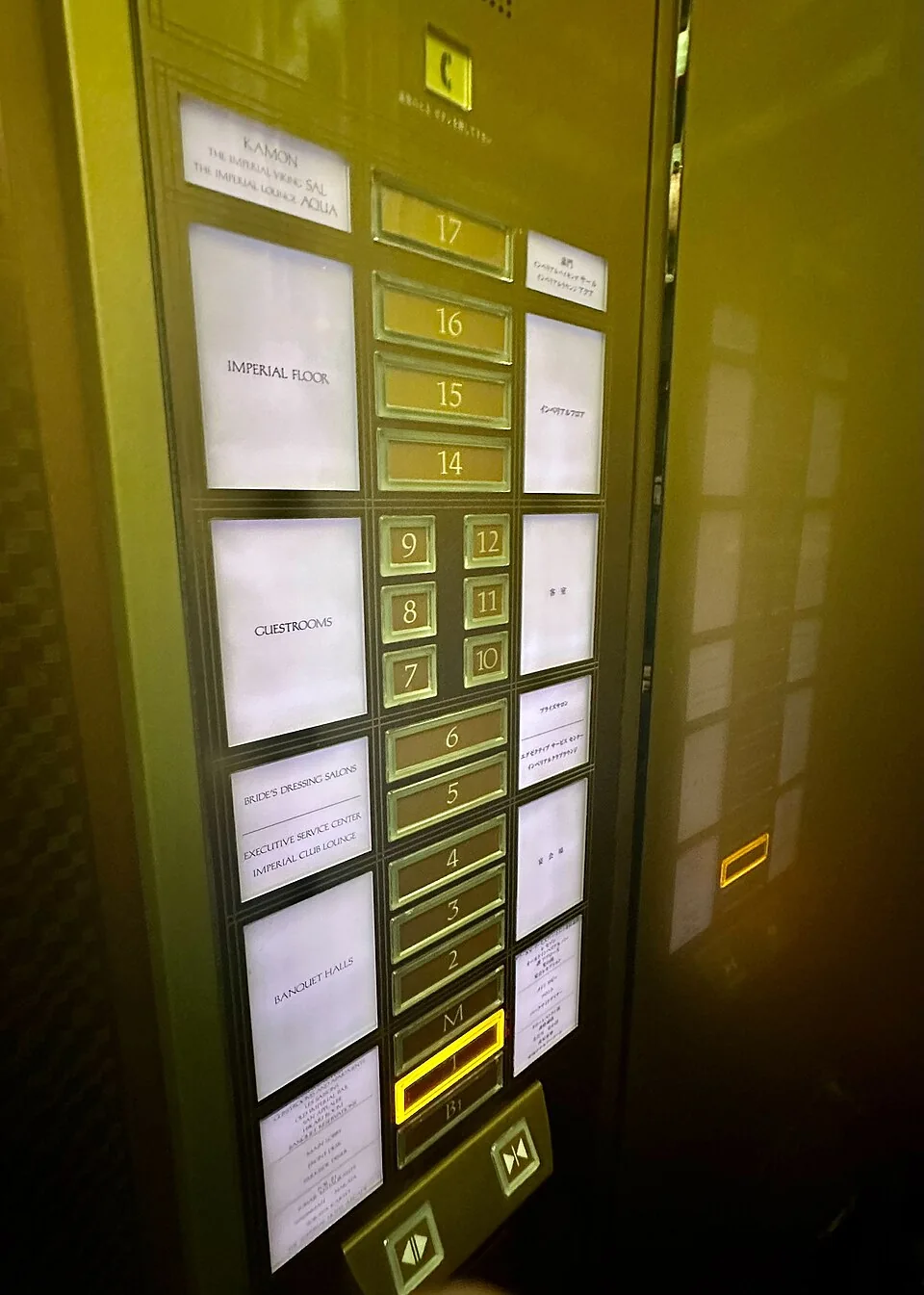
Imperial Hotel Tokyo markets three broad accommodation areas: Imperial Floors in the Main Building, regular Main Building floors, and the Tower Building. The published list places regular Main Building rooms on floors seven to twelve and Imperial Floors on fourteen to sixteen. Tower guest rooms are listed on upper floors. That distinction is more actionable than choosing a room solely because a photograph looks celebratory. The restaurant, lobby, and guest-room floor may be in different parts of the property. A Tower room can be perfectly suitable, but allow time to move between the buildings; the hotel directs guests through the Main Building first-floor banquet exit when passing between Main and Tower.
A Tower Standard is listed at 30 square metres, with twin or king configurations. That is a reasonable size for two adults who intend to spend most of the evening out of the room. The published Tower Premier is 49.9 square metres and can accommodate up to three guests with the relevant bed arrangement. In the Main Building, the regular Deluxe is listed at 42 square metres; larger suites are a different purchase again. The decision should be made from the exact room name, bed type, occupancy and cancellation terms on the date you book. A three-person party should not infer that a spacious-sounding room automatically has three permanent beds. If the night includes grandparents or children, the Tokyo room-size guide offers a useful way to translate square metres into practical sleeping and luggage space.
Paying for a view needs the same discipline. The Tower list includes high-floor rooms and a Ginza View Corner Suite, while some Main Building categories explicitly face Hibiya Park. A room title with neither view promise should not be treated as if the skyline in the hotel's marketing belongs to it. December daylight ends early, and you may see the room mainly after dark. If the city view is a principal reason for upgrading, ask which category guarantees it and whether you expect to spend enough time there to use it. The Blossom Hibiya view guide is a useful nearby benchmark for judging how much the view matters compared with location and room area.
Put the restaurant clock beside the travel clock
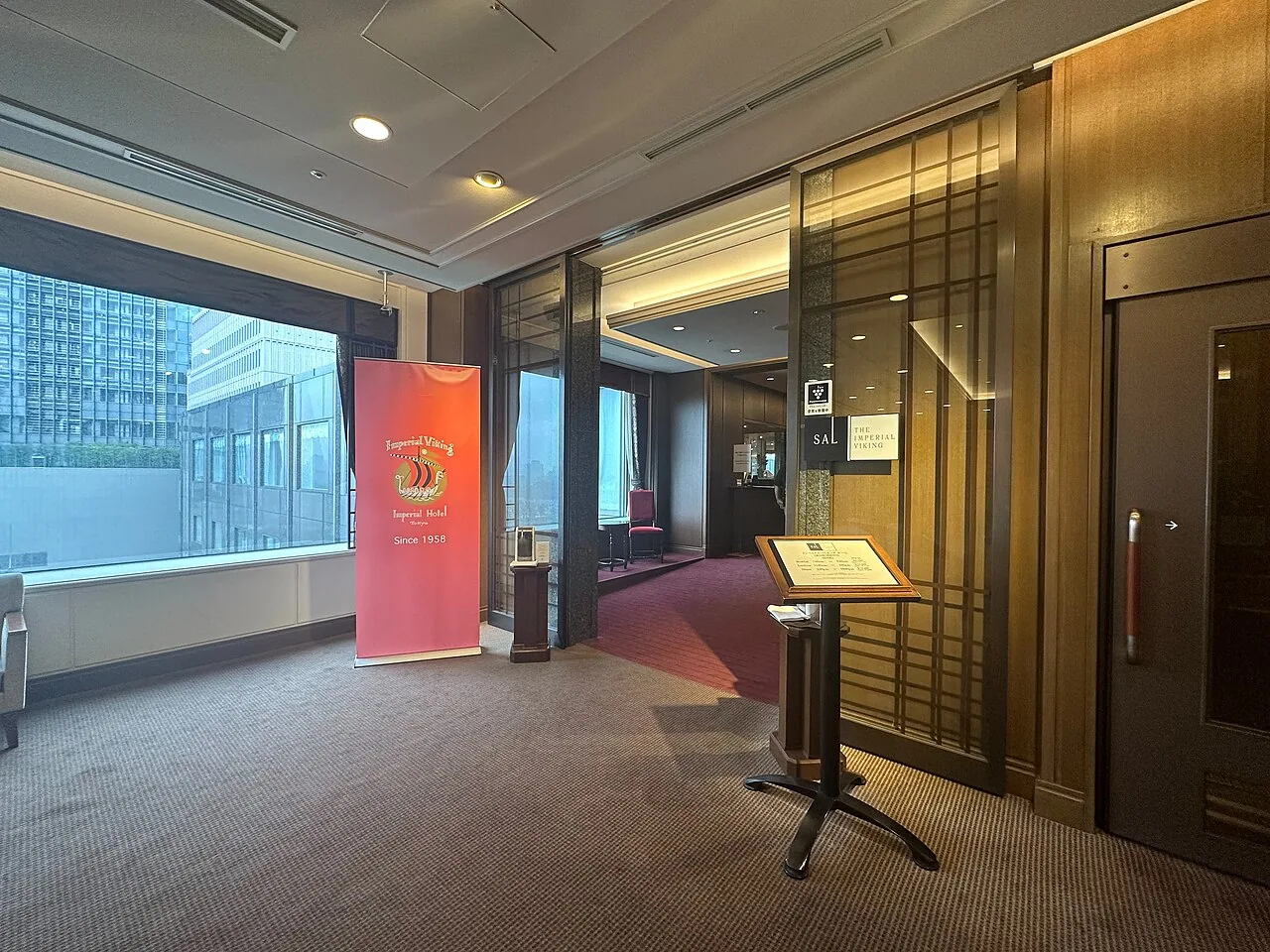
The hotel's 2026 Christmas dining announcement gives Les Saisons a dinner last order at 20:30 during 19–25 December and identifies a special 24–25 December menu. It also lists the Christmas buffet in both lunch and dinner periods and a separate family lunch on 24 and 25 December. These details are valuable because “Christmas dinner” is not one interchangeable product. A long course, a buffet with children, and a family lunch create different room needs. Confirm the restaurant, party size, booking deadline, deposit and change rule directly at reservation time. Do not use a hotel room purchase as a substitute for that confirmation.
For a late course, write down the actual route after dinner. Hibiya Station is close, but the most convenient line depends on where the party sleeps or travels next. If you are moving to Ueno or Shinjuku, a short walk to one subway entrance can still lead to transfers. If the next morning begins at Tokyo Station, the hotel describes a short taxi journey, but a taxi time is only an indicative travel time, not a substitute for allowing luggage, road traffic and station navigation. The early-Shinkansen comparison illustrates why a station-side night can be worth more than a festive address when the train is fixed.
For a lunch booking, the question changes. The family meal can finish in time for more city sightseeing or a straightforward trip to an existing hotel. Staying at Imperial can still be desirable if the room is itself the celebration, but the logistical reason is smaller. A family considering a second Tokyo base might spend the extra night near its next activity instead. If a Disney day follows, read the Disney or central-Tokyo base decision before letting Christmas lunch dictate the next morning's commute. A visitor heading to an airport should use the Haneda terminal-hotel comparison to weigh how much travel is being postponed.
Price the complete night, not the room tile
↔ Scroll table left or right
| Plan | What to reserve | What to check before paying |
|---|---|---|
| Dinner, then return to an existing Tokyo hotel | Restaurant table only | Expected finish, last useful rail connection, total journey to the other hotel |
| One celebratory Imperial night | Restaurant and named room category | Whether the rate includes breakfast, two checkouts or a bag transfer, cancellation dates |
| Family Christmas lunch | Correct child places and restaurant time | Age conditions, meal duration, whether a room still solves a real problem |
| Next-day intercity train | Hotel plus separately reserved onward train | Full route to Tokyo Station and enough time for luggage and platforms |
Compare the same dates and party size across the choices. If you already hold a non-refundable room elsewhere, an Imperial night is an additional purchase rather than a replacement. If you can move the existing reservation, include the difference in room price, breakfast, local transport and the cost of storing or moving luggage. This is especially relevant during the late-December travel surge. The Tokyo shopping-hotel guide can help if the second day is mostly Ginza, while the day-trip comparison may show that a central rail base has more use after Christmas than a single-property occasion.
Cancellation terms deserve separate attention because the room and restaurant may have different rules. A flexible room rate cannot be assumed to make a prepaid dinner flexible. Conversely, a secure table does not protect the room price if travel plans change. Check each confirmation, especially where the trip also involves an international flight or a Shinkansen seat. For 25 December to 5 January, the announced all-reserved Nozomi period makes a “we will choose a train on the day” plan less robust than it is at quieter times. If your visit leads west, the rail-pass versus individual-tickets guide helps frame the larger transport purchase; the specific holiday train still needs its own reservation.
When to choose the Imperial night
Stay if the room is a deliberate part of the celebration, your table is secured, and the following morning has enough open time to enjoy the hotel or Hibiya. The same answer fits a party for whom avoiding a late cross-city journey has real value. Book the exact room category rather than a general promise of luxury, and verify the bed layout if anyone beyond two adults is sharing. Breakfast should be chosen according to when you actually leave; paying for it and then rushing through it to catch a train defeats the purpose of staying.
Keep the existing hotel if the dinner is the whole occasion, the return route is manageable, or the next morning begins elsewhere. A single-night switch creates two sets of luggage handling and two check-in processes. It can be enjoyable when intended as part of the experience, but it is not a convenience by default. Someone already based close to Ginza may find that the better use of the budget is a room category upgrade for a longer stay, an unhurried restaurant reservation, or simply a taxi after dinner. The Tokyo occasion-hotel guide helps compare the role of the room itself; the Tokyo Station early-train guide is a check against choosing the wrong final-night base.
Finally, treat December 19–25 as the confirmed festive dining window, not a guarantee that every restaurant has the same menu every night. Match the table, the room and the onward journey to one real date. If any of those three is missing, wait before committing the other two. That sequence leaves the hotel stay as an informed purchase: a comfortable night that solves a specific part of the trip, rather than an expensive assumption attached to dinner.
Before choosing a room, ask how the party will handle coats, presents and luggage during dinner. A room at the same hotel can remove the need to carry those items through a crowded return journey, but the restaurant may have its own cloakroom arrangements and the existing hotel may already be close. Confirm the practical storage option rather than assuming the overnight is the only solution. If the celebration includes a guest who needs an accessible route, map the path between the named restaurant, the specific room building and the next morning's exit. A hotel address does not tell you how many lifts or corridors lie between those points.
Another useful test is to imagine cancelling only one part of the plan. If the restaurant table is unavailable but the room remains, would the Imperial night still be worth its price? If the room category you wanted disappears but dinner remains, can everyone return comfortably to the current hotel? A robust itinerary has acceptable answers to both questions. That is especially helpful when dining and lodging have different booking windows or cancellation terms. Save the restaurant confirmation separately from the room confirmation and check the names, dates and number of guests on each.