
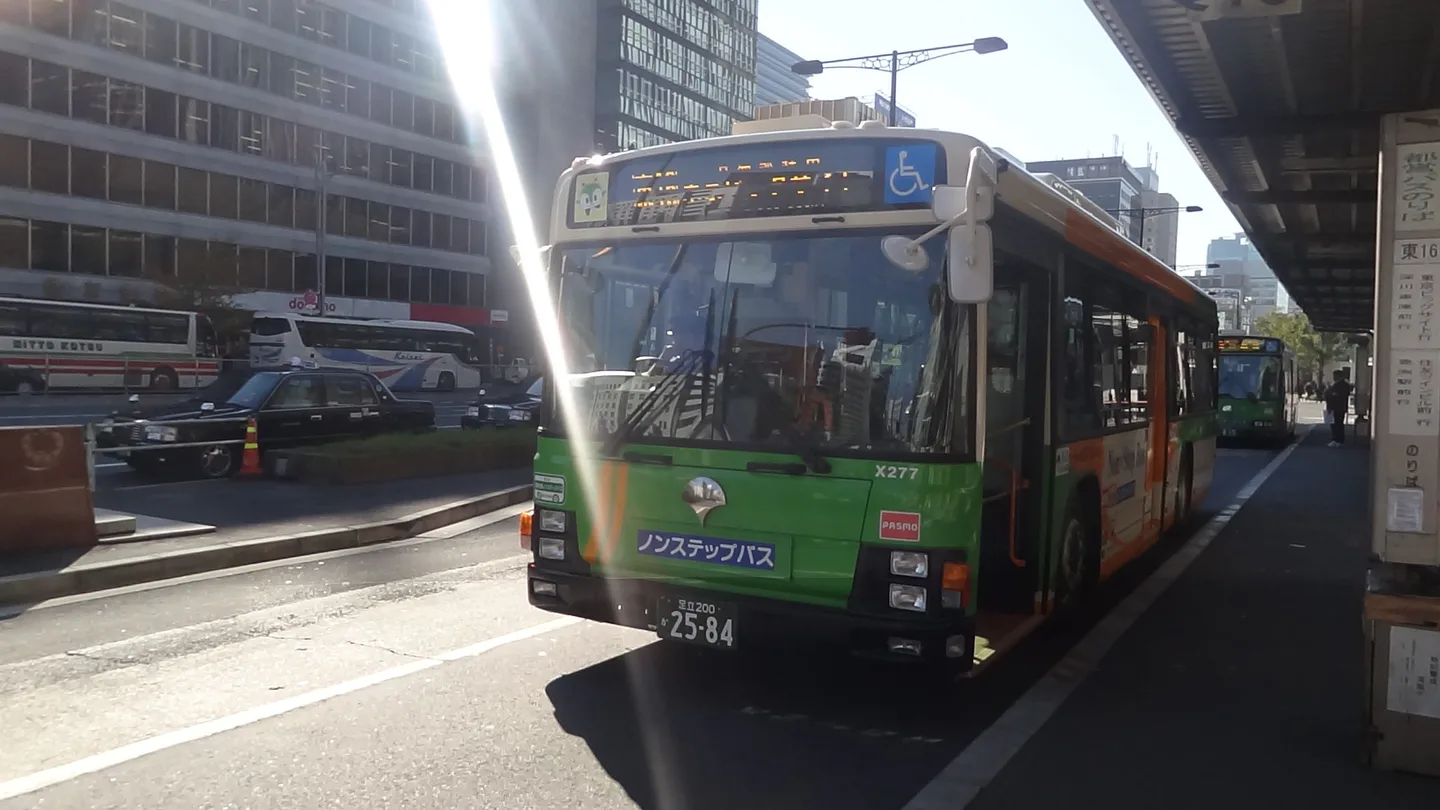
A bus stop in Japan can feel straightforward until the vehicle arrives with two open doors. The entrance, fare box and IC reader may be in different places from the last bus you took. There is no national boarding pattern to memorize: even Tokyo's Toei network changes method between the 23 wards and Tama. Take a moment at the stop to confirm the destination, then follow the signs on the vehicle itself.
The first distinction is between when you board and when your fare is calculated. Some buses charge a fixed amount as you enter. Others record where you joined and take payment as you leave. Door position is a clue, but the ticket dispenser and card reader give the better answer. That approach works when you move between Tokyo, Kansai and a rural route on the same holiday.
At the stop: destination before payment method
Check the destination display, direction of travel and stop timetable before the bus arrives. Two routes can share a stop and diverge soon after, while a short-working service may finish before the landmark you want. On a rural route, identify the return departure as well. Missing the last bus may be a much larger problem than misunderstanding the fare box.
Once the bus pulls in, look for the posted boarding sign beside a door. If other passengers are boarding, their movement is useful evidence, though a crowded stop can hide the sign. Do not push toward the front merely because that is how the previous city's buses worked. Allow those leaving to get clear, board through the indicated door, and move away from it so the next passengers can enter.
Before entering, glance at the equipment beside that door. A numbered-ticket dispenser means the fare may depend on the stop where you board. An IC reader at entry can serve the same purpose electronically. If neither is present, you may simply board and pay later. Watch what happens on this vehicle instead of applying a rule based only on the city name.
How the main city systems differ
These examples describe the named operators, not every private or intercity bus in the area. A city bus, airport coach and mountain shuttle can have different procedures on the same street.
Toei buses in Tokyo's 23 wards: board at the front, pay on entry, and leave by the rear door. In the Tama area, Toei uses rear boarding and payment when you get off.
Kyoto City Bus: the usual pattern is rear boarding, front exit and payment on exit. Some routes are exceptions, and the city has announced changes for selected flat-fare services.
Osaka City Bus: enter at the rear and pay as you leave through the front. On its standard city routes, there is normally no numbered ticket and no IC tap on entry.
Nara Kotsu: several boarding and payment combinations are in use. Follow the markings and equipment for the route in front of you.
The Tokyo contrast is especially instructive. A visitor who learns the front-door arrangement in central Tokyo can encounter the reverse arrangement within the same operator's network. Changing prefectures is not what causes the uncertainty; route and fare system are what matter.
Tokyo: one operator, two boarding habits
Within Tokyo's 23 wards, a standard Toei bus takes passengers at the front. Have your card or fare ready as you enter, then move through the vehicle toward the rear exit. The arrangement lets the driver handle fares at boarding. If you head into the Tama service area, the sequence changes: use the rear door and settle the fare when leaving at the front.
That difference matters most when your day starts on a central city route and ends farther west. A map may show both services under the same Toei name. At each stop, read the bus rather than trying to extend the morning's pattern. Travellers with a stroller should also leave time for boarding and follow the crew's direction about where it can be positioned or secured.
Kyoto: familiar for now, with route exceptions
On a typical Kyoto City Bus, board through the rear door and leave at the front, paying beside the driver. The city distinguishes flat-fare areas from routes where the fare depends on distance. In a distance-based area, the boarding record matters, so take the numbered ticket or use the entry reader if the vehicle calls for it.
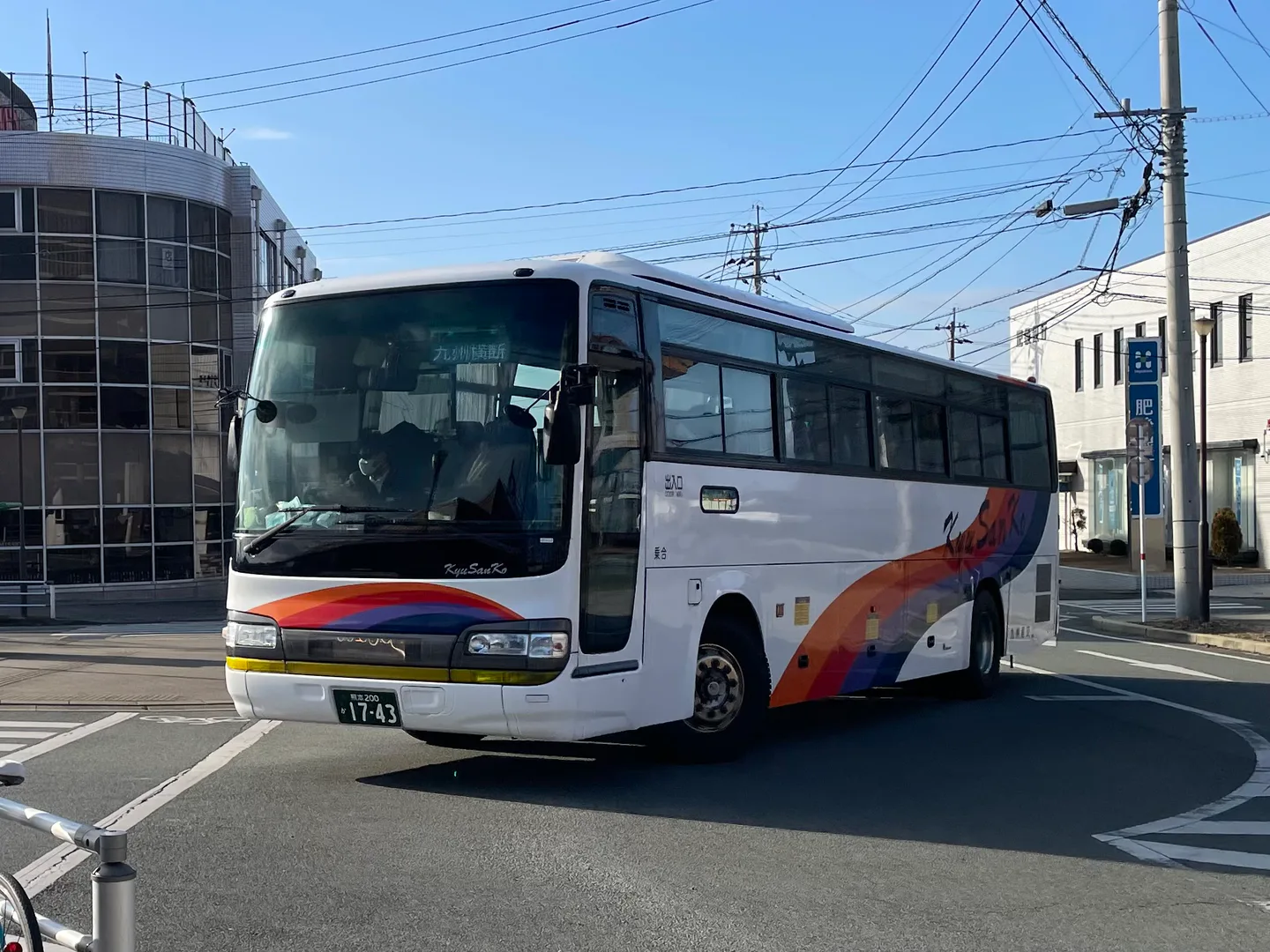
Kyoto has announced a staged switch toward front boarding on some flat-fare routes. A guide that states only one arrangement will eventually be wrong for part of the network; bus signs and the boarding lane at your stop are the immediate instructions. If the vehicle is already crowded and you have bulky luggage, consider whether rail and a short walk would make the journey simpler. Correctly paying the fare does not solve the problem of getting a case through a packed aisle.
A change of bus in Kyoto can also involve a private operator. The city-bus pattern is useful for city buses; it does not automatically describe a suburban service with a similar colour scheme. Check the operator name on the timetable if the journey goes beyond the central sightseeing area.
Osaka: wait until the front exit to pay
Osaka Metro's city-bus instructions put boarding at the rear and payment at the front exit. The ordinary city system does not ask you to take a numbered ticket or tap your card when you step aboard. This is an easy place to become uncertain after riding a regional bus where the rear-door reader recorded your starting stop. Here, board, move inside, and have the fare or IC card ready when your stop approaches.
If you cannot find a reader where you entered, do not search for an invisible first tap. Look toward the fare box by the driver and observe the passengers leaving. Route-specific signs take precedence if you are using a special service. The Osaka example shows why rear boarding and two-tap payment should never be treated as synonyms.
Nara: decide from the vehicle, not the city
Nara Kotsu's network documents multiple ways to board and pay. A service may use front or rear boarding, with a fare taken at entry or on exit. That variety reflects different route and fare arrangements, so a single Nara rule would mislead you. Notice the door sign, then check for a ticket machine or reader as you get on.
The same caution applies around Nagoya and on tourist buses outside the central cities. Nagoya City Bus usually takes passengers at the front and collects fares on entry, but an exception or another operator can change the experience. A shuttle to a museum, a mountain trailhead and a highway bus have distinct baggage, reservation and payment needs even when all three are called buses.
Why a small paper ticket can matter
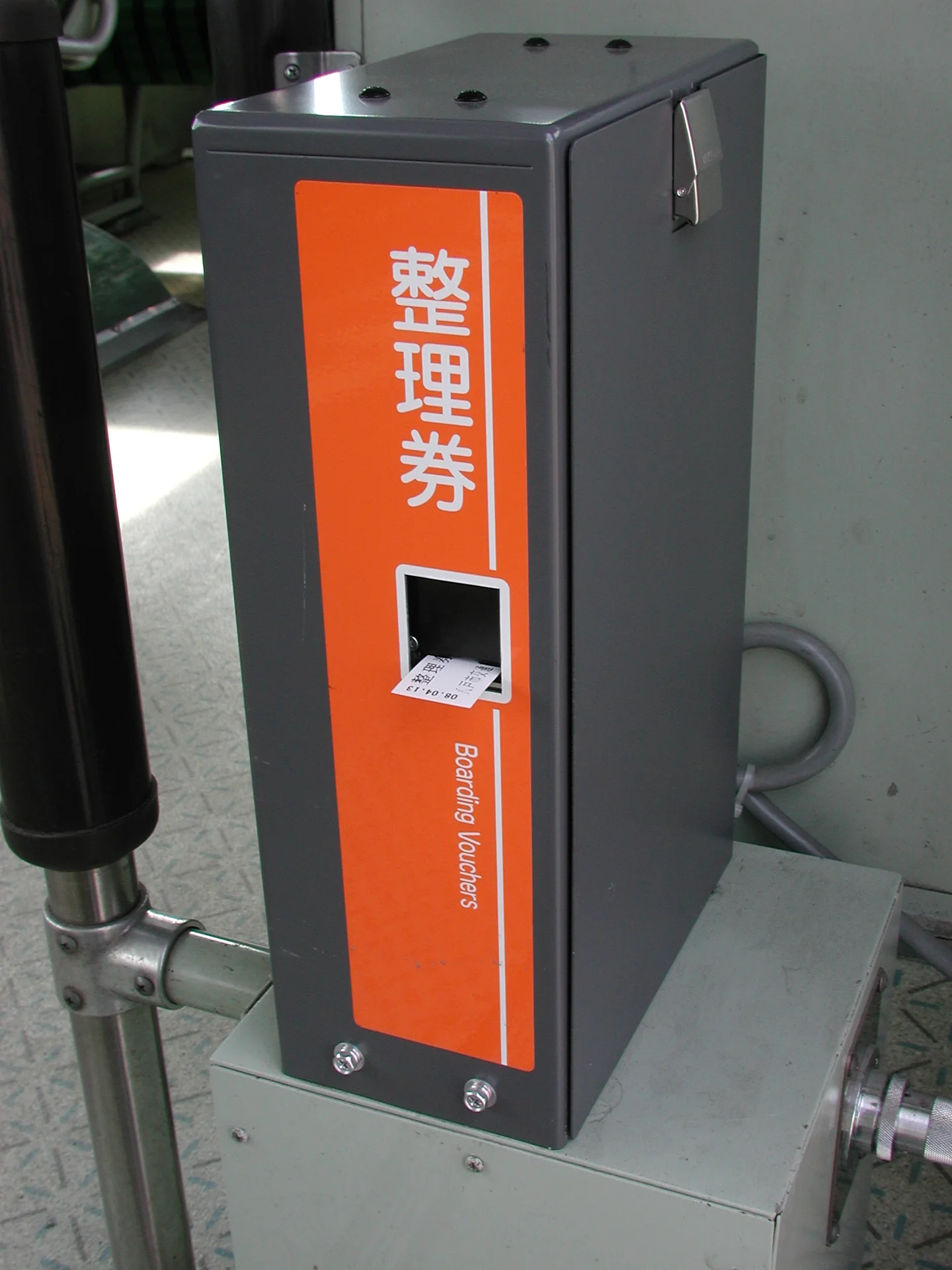
On a distance-based bus, the numbered ticket identifies the fare zone where you boarded. The electronic fare display near the front pairs ticket numbers with amounts due at the next stop. Keep the ticket until you pay and leave. Its number is not your seat or a queue position.
A compatible IC card may record the same boarding point when you tap at entry. You then tap again at exit so the system can calculate the journey. If you forget the first tap or lose the ticket, tell the driver where you got on. Guessing an amount from another passenger's fare may underpay or overpay because their trip could have started elsewhere.
When the bus nears your stop, press the stop button in time and move toward the exit only when it is safe. Read the fare display while the bus is slowing, rather than trying to work it out after you reach the driver. Keep cash or the card accessible; digging through a suitcase at the fare box delays everyone behind you.
IC cards: when to tap once, twice or only at the end
A flat fare taken on entry commonly means one tap as you board. A distance fare can mean one tap beside the boarding door and another by the front exit. Osaka's standard city-bus method is a useful counterexample: rear entry, with the tap at exit. The decisive information is where readers are installed and what the vehicle signage says.
Cards such as Suica, PASMO and ICOCA work across many major transport systems, but regional acceptance is not universal. A phone wallet does not expand acceptance beyond the underlying card system. Check the logo on the bus or operator information before a remote trip, and keep cash for services that do not take your card. If a card fails to read, explain the issue to the driver before tapping repeatedly and risking confusion about whether the fare has been recorded.
Cash: prepare small notes before the rural leg
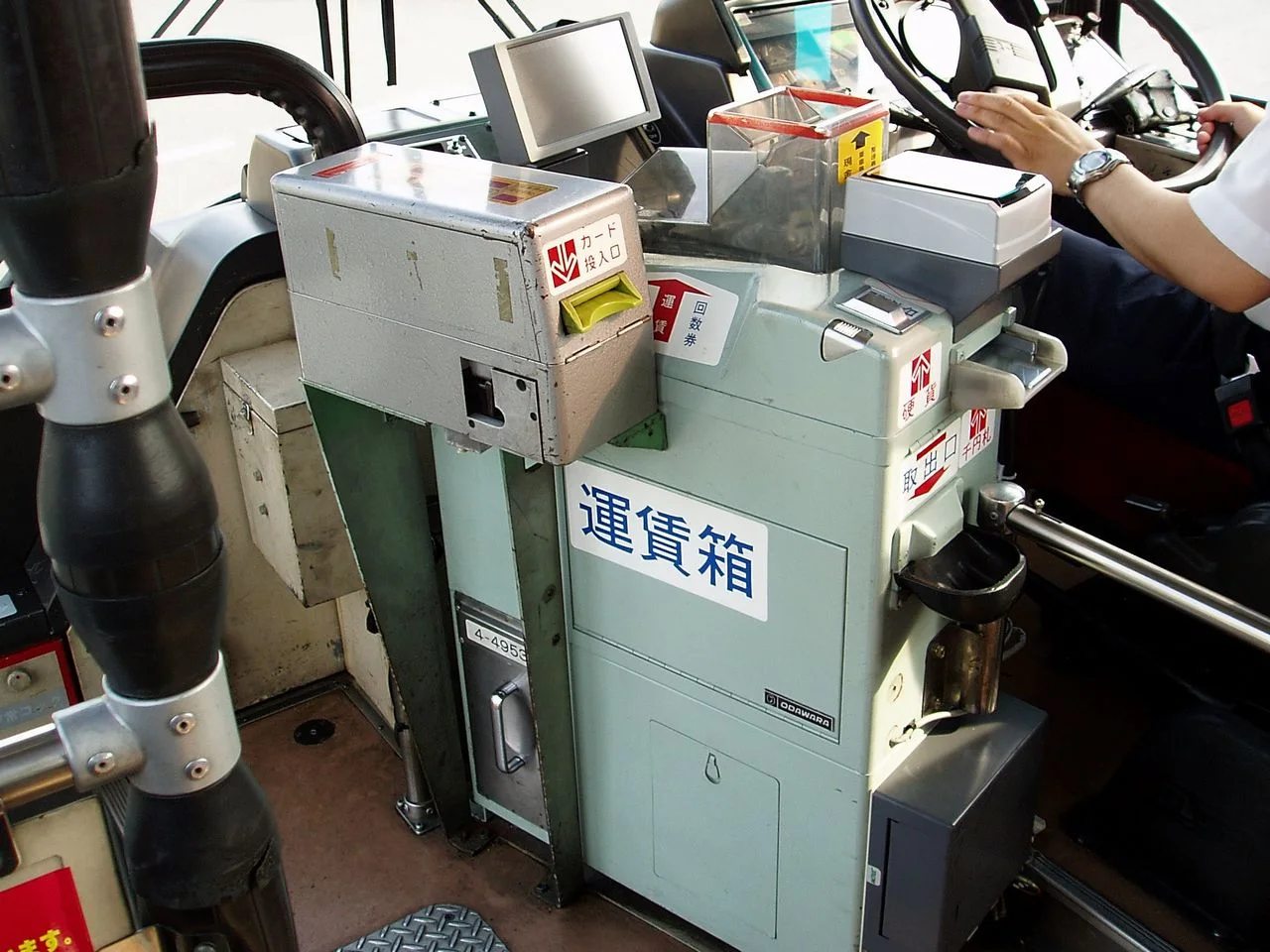
Many city fare boxes can deal with coins and a ¥1,000 note, often through a changer. A ¥10,000 note is a poor fallback, particularly on a quiet rural route where the driver may not have change. Break a large note at a shop or station before boarding. Keep the ticket and coins in a pocket you can reach without setting down a bag in the aisle.
If you discover at the exit that you cannot pay as expected, tell the driver immediately. The driver can explain that operator's solution; standing in the doorway silently looking for coins is harder for everyone. On a pay-on-exit bus, you can usually spot a cash problem well before the destination and prepare for that conversation.
The trip can fail even when you board correctly
For a mountain area or rural onsen, establish the timetable first. Confirm that the bus operates on your travel date, whether a reservation is required, and the departure that gets you back. Seasonal schedules, road conditions and event days can change the answer. A route number by itself may have short and long variants, so verify the destination shown on the approaching vehicle.
The Kyushu Odan Bus route guide illustrates a route-specific planning problem: access to the main corridor and access to an attraction beyond it are separate legs. Do not assume a bus you can board will carry you all the way to the final sight. On the Fuji Five Lakes, Hakone or rural Kyushu routes, the last return can matter more than a short wait at the outbound stop.
If you are travelling with large cases, a local bus may simply be the wrong vehicle for the journey. Standing room and storage vary, and an ordinary city bus may have nowhere to secure two large suitcases. Intercity coaches often have a luggage compartment, but their limits still depend on the service. The Japan luggage forwarding guide can help when the bag only needs to reach a later hotel. Otherwise, compare a train, airport coach or taxi against the effort of moving bags through a crowded local bus.
A quick decision at the door
Check the destination first. Then find the entrance, look for a ticket dispenser or IC reader, and notice when the passengers ahead of you pay. Keep any numbered ticket; present it or settle the IC fare at the exit. That small routine covers the ordinary variations without pretending Japan has one universal bus rule. If the route is infrequent, use the stop timetable to secure your return before you leave the area.
If Kyoto is where you will first use local buses, choose a Kyoto room near the routes you actually need rather than expecting one boarding rule to fit every city.
Bus operator instructions
Related guides: Omagari Fireworks 2026: Train, Drive or Park & Ride? How to Get Home After the Finale · Korankei Autumn Leaves Day Trip: Buses from Nagoya, Illumination and Traffic · The Busena Terrace: How Much Resort Time Do Two Nago Nights Need? · Suzuka Circuit Park Is Better for a 5-Year-Old Than an F1 Fan — Height Rules Decide the Day · Is Oirase Keiryu Hotel Worth It? Rooms, Access, Dining and City-Hotel Alternatives · Oirase by Car or Public Transport: Parking, Buses and One-Way Walks · Nagasaki City, Huis Ten Bosch or Unzen? Where to Stay in Western Kyushu · Hotel JAL City Fukuoka Tenjin: Is a 1-Minute Akasaka Walk Worth Choosing Over Tenjin Station? · How Many Days in Fukuoka? 2, 3 or 4 Days for a First Visit · Mount Fuji Yoshida Trail 2026: Fee, Huts, Buses and Sunrise