
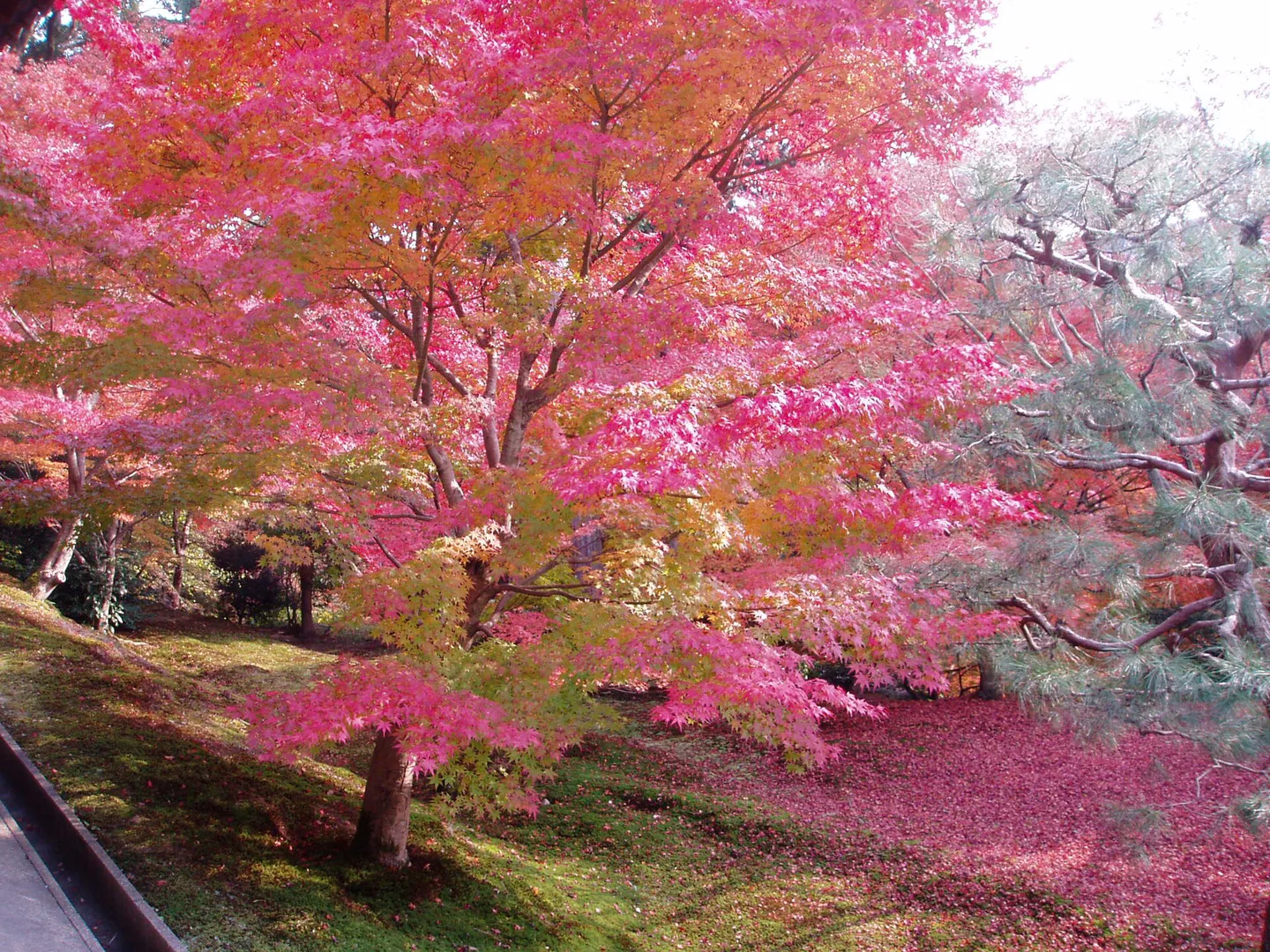
The railway map makes these three stops look like an easy chain: Tofukuji, Fushimi Inari, then Uji. In practice, each asks for a different kind of time. Tofukuji rewards a focused autumn morning; the shrine can be a short visit or a mountain walk; Uji needs room for Byodoin, the river and perhaps tea. Two stops make a stronger day for most travellers. Pair Tofukuji with Uji for foliage, with lower Fushimi for Kyoto landmarks, or see Fushimi at dawn before spending the rest of the day in Uji.
Byodoin's published hours give Uji a firm afternoon boundary: the garden admits visitors from 08:45 until 17:15 and closes at 17:30; Hoshokan Museum opens 09:00–17:00. Phoenix Hall interior visits use timed, limited places, so regard one as an addition if the next session fits. Tofukuji's autumn entry arrangements and crowd controls can vary by season. Look up the temple's current notices before choosing a precise first-train plan or buying any admission in advance.
Three stops compete for a short autumn day
At Tofukuji, leave roughly 90 minutes to two and a half hours in foliage season. The Tsutenkyo bridge, maple-filled valley and Kaizando are the core of the visit; the Hojo can wait if a queue has already consumed your morning. Arriving early protects your afternoon, though it will not guarantee an empty view. In the busiest weeks, follow any one-way walking directions and restrictions on stopping or photography rather than assuming you can double back at will. The Tofukuji visit has two different clocks: the time spent inside and the time required to reach the entrance through an autumn crowd. A short queue can leave enough room for the Hojo, while a long one should push that optional section out of the plan. If the bridge is the main attraction, give yourself the time to look into the valley without blocking the flow or trying to retrace a controlled path. The morning succeeds when it protects the next train as well as the photograph.
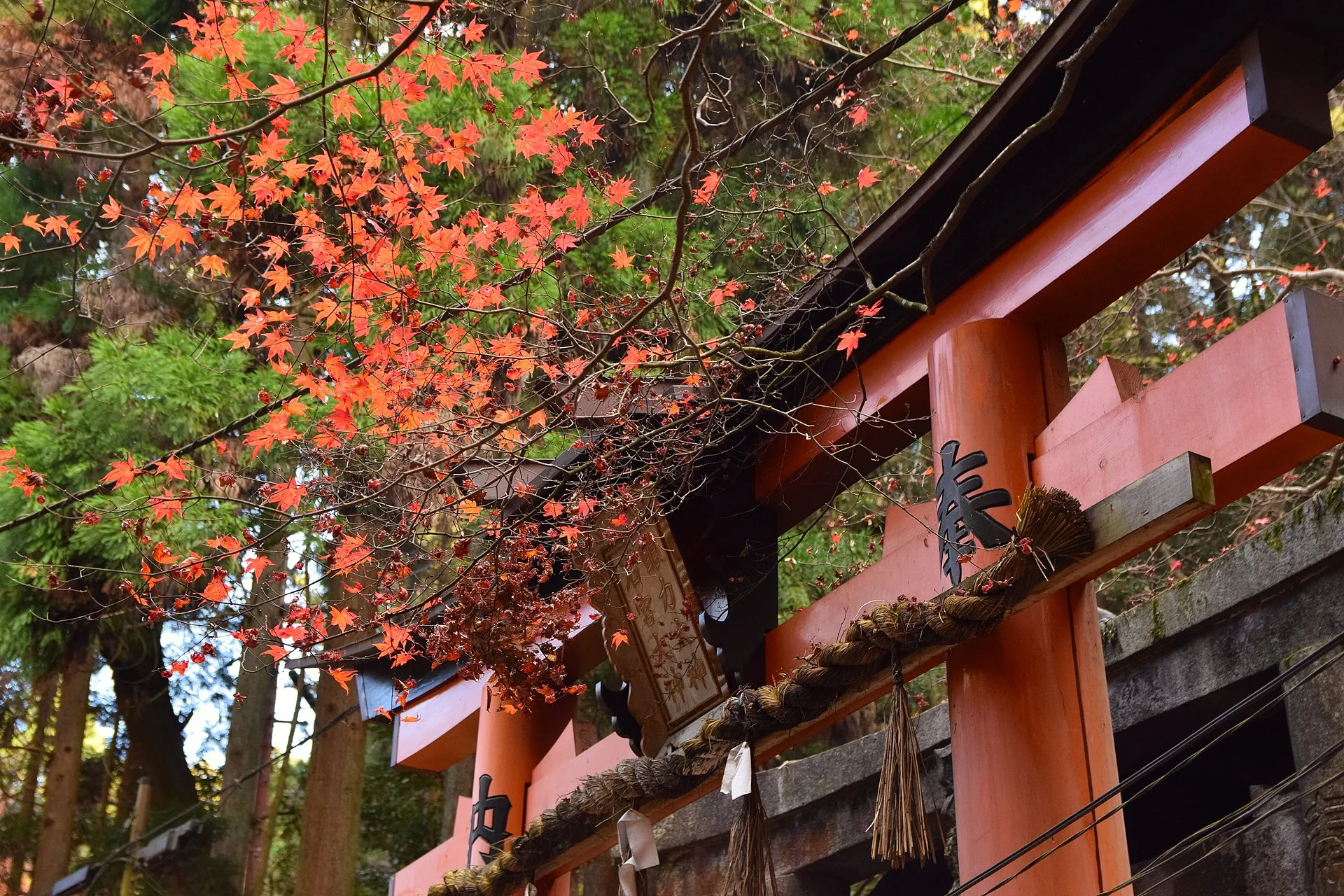
Fushimi Inari changes character as you climb. Romon, the main hall, Senbon Torii and Okusha can fit into about 45 to 75 minutes for an unhurried lower-shrine visit. Reaching Yotsutsuji and returning is a different outing, often taking two to two and a half hours; walking the whole mountain can occupy three to four. Add time for worship, wet steps and crowds. If another substantial destination follows, choose your turning point before you enter the torii path. At Fushimi Inari, a visitor who turns at Okusha has seen the recognisable lower shrine and torii route without committing to the longer hillside circuit. Yotsutsuji adds a viewpoint and more physical work; the full mountain is a separate hike. State the turning point to companions before setting off, particularly if one person wants to climb while another prefers a shorter walk. A long unplanned climb is what most often pushes Uji into closing time, even when the trains themselves run smoothly.
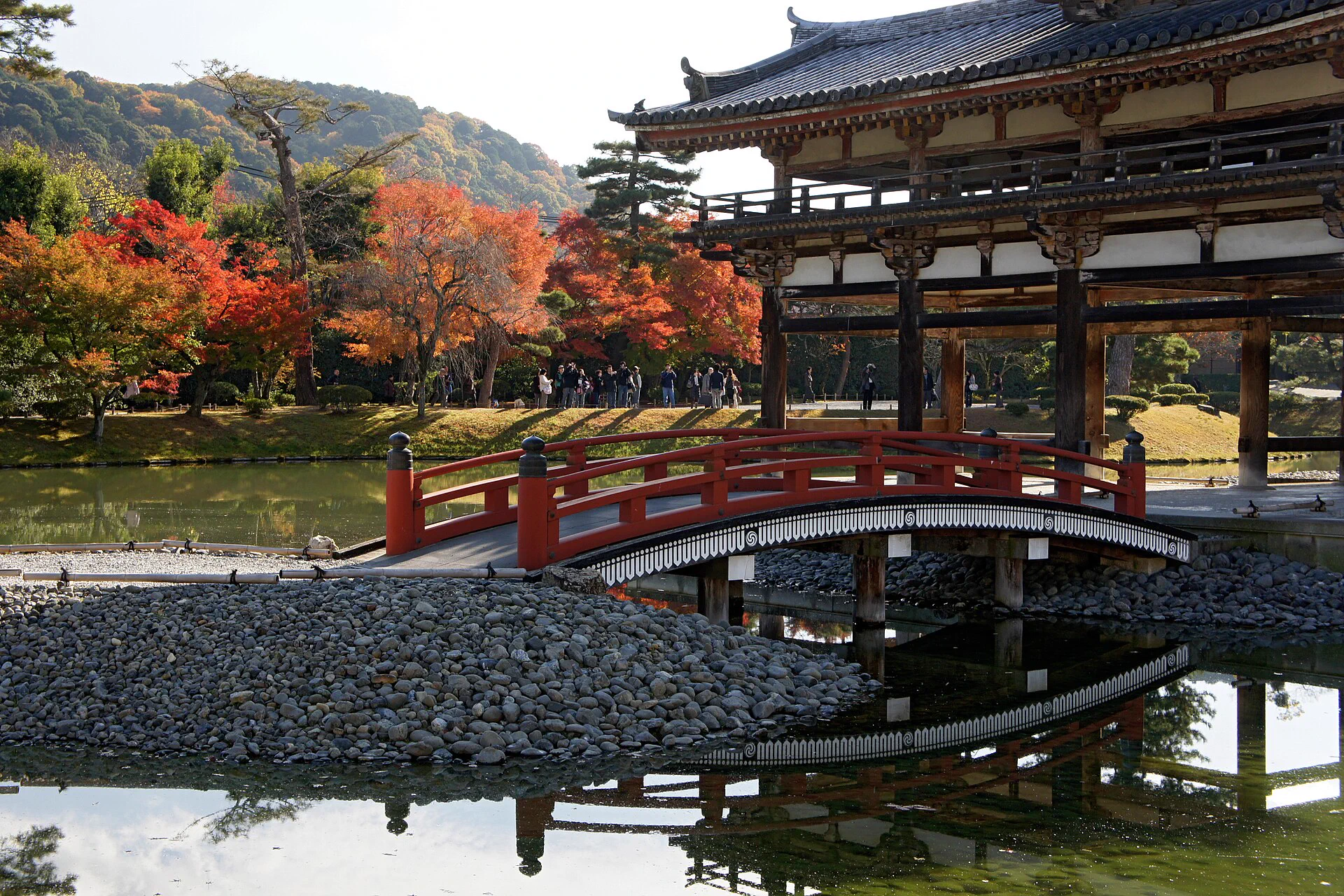
Uji deserves three to four hours even on a selective visit. Byodoin's garden and Hoshokan Museum can anchor that half day without a Phoenix Hall interior ticket. Then choose a river walk, Ujigami Shrine, Koshoji or a tea stop according to what you enjoy. A sit-down meal or long photography session uses time quickly. Arriving after two full temple visits and giving Uji only the last hour means missing much of what makes the town worth the extra rail leg. Uji is easiest to appreciate when Byodoin does not become the only timed task. The garden, museum, river crossing and tea streets sit within a walkable town, but a meal queue can absorb the margin intended for a shrine or temple on the other bank. Choose one indoor component and one outdoor extension if the afternoon is limited. A traveller focused on tea may reasonably give the tasting or shop visit more time and drop an additional monument instead of collecting entrances.
If autumn foliage comes first: Tofukuji, then lower Fushimi
From Kyoto Station or Gion, travel early enough to be at Tofukuji around its opening. Eat breakfast and sort out luggage before joining the entrance queue. A morning block around 08:30–10:30 leaves time to walk the Tsutenkyo area and look into the valley without rushing. When the queue is long, let the Hojo go. Holding a strict plan for every building is less useful than keeping the second half of your day intact.
Around late morning, ride one stop on JR to Inari or use Keihan for Fushimi-inari. Walk through the main shrine grounds and the lower torii sections as far as Okusha. It is tempting to keep climbing when the path looks calmer, but Yotsutsuji adds a substantial ascent and return. Spend the remaining afternoon in the Fushimi sake district, near Kyoto Station or back in Gion. Uji would turn this balanced two-stop route into a race. A Tofukuji–lower Fushimi day can finish without another long rail leg. After Okusha, return toward Kyoto for dinner or keep the Fushimi area as the afternoon focus. This leaves space for a slower shrine visit if the morning bridge queue was shorter than expected. It also makes the day more forgiving for people carrying cameras, travelling with children or breaking for lunch. Adding Uji should be a conscious extra with a clear closing-time plan, not an automatic continuation because its station appears on the same map.
For the deepest foliage day, let Uji follow Tofukuji
Leave Tofukuji for Uji on the JR Nara Line and pass Inari without stopping. Once inside Byodoin, ask when the next Phoenix Hall interior visit is available. If the timing sits comfortably beside lunch, the garden and Hoshokan, take it; if it pushes everything else late, skip the interior. The garden and museum already give you a substantial visit, and an inconvenient session should not determine the whole afternoon. If Phoenix Hall interior places are unavailable at a useful time, the garden and museum are still the central Byodoin visit. Waiting for a late slot can take time away from the Uji river and eastern-bank choices. A person who mainly wants to see the hall exterior and exhibits should not treat the interior as a compulsory ticket. Keep the return station in mind as you choose the last stop: JR Uji and Keihan Uji are across the bridge from one another, so the river crossing may be part of the exit route.
Beyond Byodoin, select perhaps two of Koshoji, Ujigami Shrine and the eastern riverbank before sites begin to close. Check which railway you want for the return: JR Uji is straightforward for Kyoto Station, while Keihan Uji via Chushojima fits Shichijo, Gion and many Osaka-bound plans. The stations sit on opposite sides of Uji Bridge. Allow for that walk instead of treating them as platforms in one interchange.
For a quiet shrine morning: Fushimi at dawn, then Uji
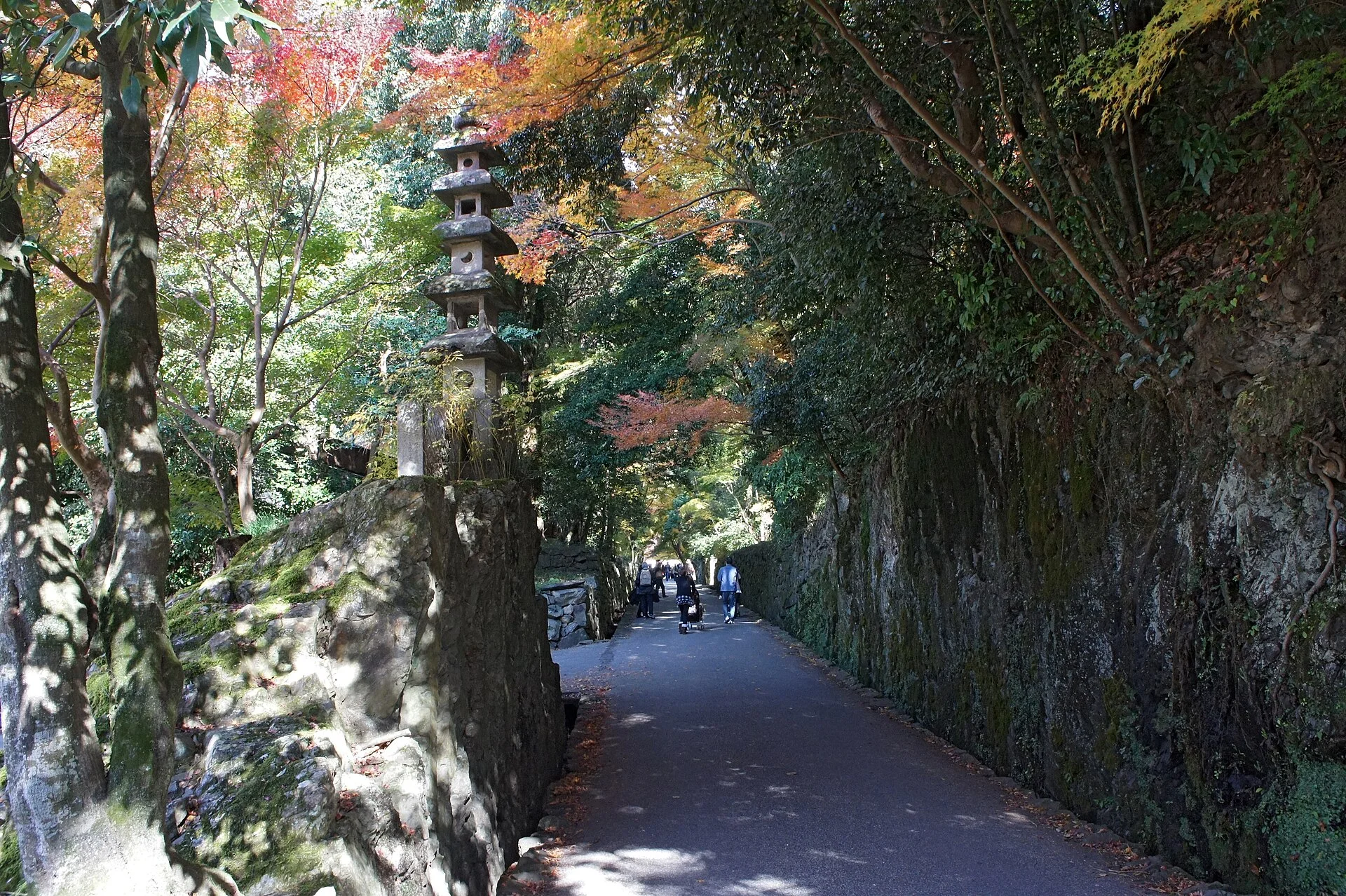
A simpler early start reaches Fushimi Inari around 06:00, visits the main hall and lower torii as far as Okusha, then leaves around 07:30 for Uji. You gain a calmer shrine visit and can give Uji a real half day once its sites open. The early hour helps at Fushimi; it does not bring forward Byodoin's opening time, so use the gap for breakfast or a gentle river walk if necessary. This dawn-first sequence also solves a different crowd problem from the Tofukuji-first plan. The lower Fushimi paths can be quiet before many group arrivals, while Byodoin will still open at its posted morning time. That interval is useful for breakfast and travel to Uji; it is not a reason to hurry through a closed gate. If the shrine turns into a full mountain walk, remove Tofukuji entirely and let Uji carry the afternoon. Trying to preserve all three destinations after a long climb makes the rail efficiency irrelevant.
Trying all three stops is possible only with tight choices: a weekday, first entry at Tofukuji, the lower Fushimi route and a shorter Uji visit. If the morning slips by half an hour, drop a shrine climb or a Uji extra instead of repeatedly squeezing meals and transfers. This version is a poor fit for a family with a stroller, slower walkers, kimono plans or anyone who wants time for a formal lunch and photography.
Let your hotel decide between JR and Keihan
For a Kyoto Station start, JR strings together Tofukuji, Inari and Uji with little fuss. Hotels around Gion-Shijo or Shichijo, and some Osaka bases on the Keihan line, favour Keihan for the first or last leg. JR is generally the direct choice between Tofukuji and Uji. An IC card makes mixed operators easy to manage; check a sightseeing pass against the fares for the rides you will actually take before buying it.
Leave a full-size suitcase at your Kyoto or Osaka hotel, send it ahead or secure storage early. Autumn lockers near busy stations can fill. Food deserves a little planning too: there may be few useful breakfast choices at an early Tofukuji start, while well-known Uji tea shops can have long waits. Save an ordinary backup restaurant. If your group has limited walking energy, make either Tofukuji or Byodoin the paid main event and keep Fushimi to its lower grounds.
What to cut when the day changes
A long Tofukuji queue is a reason to choose Tsutenkyo and move on, leaving the Hojo for another visit. If Fushimi feels packed, stop after the main hall or a short torii walk. Rain makes the higher shrine climb less appealing; Uji's museum and a shorter temple visit give you indoor time. Take Phoenix Hall only if a workable session is available. When one railway is disrupted, JR and Keihan offer alternatives, but check where the new transfer falls—Kyoto Station and Chushojima are not interchangeable.
Where to base this day
If Kyoto is the base for this rail loop, compare Kyoto Station rooms with the first JR or Keihan departure in mind.
If Uji is the overnight rather than a stop on the loop, compare Uji rooms instead of using the Kyoto Station search.