
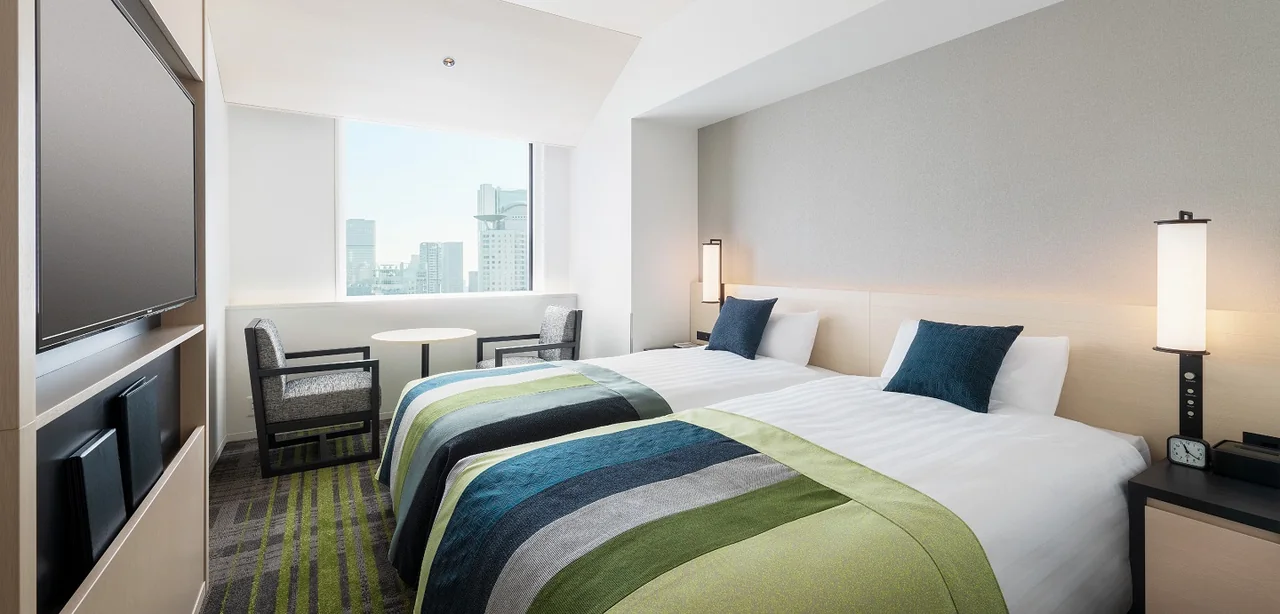
The hotel base determines which rail journey you repeat through the Kansai week. Hotel Hankyu RESPIRE OSAKA places your luggage beside the Osaka Station and Umeda network, close to trains for Kyoto, Kobe and Himeji and to Osaka evenings. Hotel Granvia Kyoto places the room inside Kyoto Station Building, beside rail departures for Osaka and Nara and near the city's bus and subway hub. Both are plausible for a Kansai week, but the better room follows the first and last journey of each day. Count the evenings you actually want in each city, then judge the trains you will repeat. A short advertised Osaka–Kyoto train time does not include walking to the platform, waiting, or returning from a sightseeing district after dinner.
JapanLayer hotel assessment by dimension
↔ Scroll table left or right
| Hotel | Access | Space | Comfort | Cleanliness | Neighbourhood | Service | Value |
|---|---|---|---|---|---|---|---|
| Hankyu RESPIRE Osaka | 9.7/10 | 7.6/10 | 6.5/10 | 6.9/10 | 8.7/10 | 8.0/10 | Insufficient evidence |
| Hotel Granvia Kyoto | 9.1/10 | 9.6/10 | 9.7/10 | 9.3/10 | 9.2/10 | 8.6/10 | Insufficient evidence |
Where the repeated journey begins
↔ Scroll table left or right
| Trip pattern | Hankyu RESPIRE Osaka | Granvia Kyoto |
|---|---|---|
| Two early Kyoto days | Rail to Kyoto before each local route | Start from Kyoto Station each morning |
| Kobe or Himeji day | Return directly to the Umeda district | Continue back to Kyoto after the Kansai rail leg |
| Nara day | Choose an Osaka-side JR or Kintetsu route | Choose JR or Kintetsu from Kyoto Station |
| Named standard twin | 25 m²; two 98 cm beds | 26–30 m²; two 115 cm beds |
Swipe to compare the hotels
Draw the week as out-and-back journeys
Take a seven-day example: two Kyoto sightseeing days, one Nara day, one Kobe day, one Osaka day and two travel days. An Osaka Station base gives a straightforward Kobe day and an easy city evening, but makes each Kyoto day a return journey. Granvia Kyoto makes the Kyoto days simpler and gives a direct JR or Kintetsu approach to Nara from the station area, but places Kobe and most Osaka evenings farther away. The Kyoto-versus-Osaka stay comparison helps identify which activities are time-sensitive enough to determine the base.
Look beyond the city name on a ticket. A Kyoto day at Fushimi Inari begins differently from a day in Arashiyama or a Gion evening. From Granvia, you are at Kyoto Station, but some sights still require a local train, bus or taxi. From Hankyu RESPIRE, you first reach the appropriate Osaka or Umeda platform, ride to Kyoto, then cross to the same local leg. Conversely, a Kobe evening is generally easier to return from to Umeda than to Kyoto. The day trips from Osaka guide lists the towns; use the hotel choice to remove the repeated transfer that matters to your version of the week.
If you plan Kyoto temples at opening time, staying in Kyoto can be worth more than the raw train fare. The first JR service from Osaka may still get you to Kyoto early, but you need to leave the hotel, find the platform and continue to the temple. A Granvia guest can start that chain at Kyoto Station and return for a rest before dinner. If your Kyoto visits are mostly midday shopping and major station-connected sights, the extra morning margin has less value. The one-day Kyoto route shows how much a station start helps depending on the first stop.
The Hankyu RESPIRE room is beside a large station complex
Hankyu RESPIRE's approach is about three minutes from JR Osaka Station's third-floor Bridge Exit, around five minutes from Hankyu Osaka-Umeda and around five minutes from the Osaka Metro Midosuji Umeda station. These are different entrances to a large and layered station area. “Three minutes from Osaka Station” is useful only if you know which gate and platform you will use. The Hankyu RESPIRE station guide maps the arrival more precisely. A first visit with luggage should allow time to locate the correct elevated passage through the surrounding commercial complex.
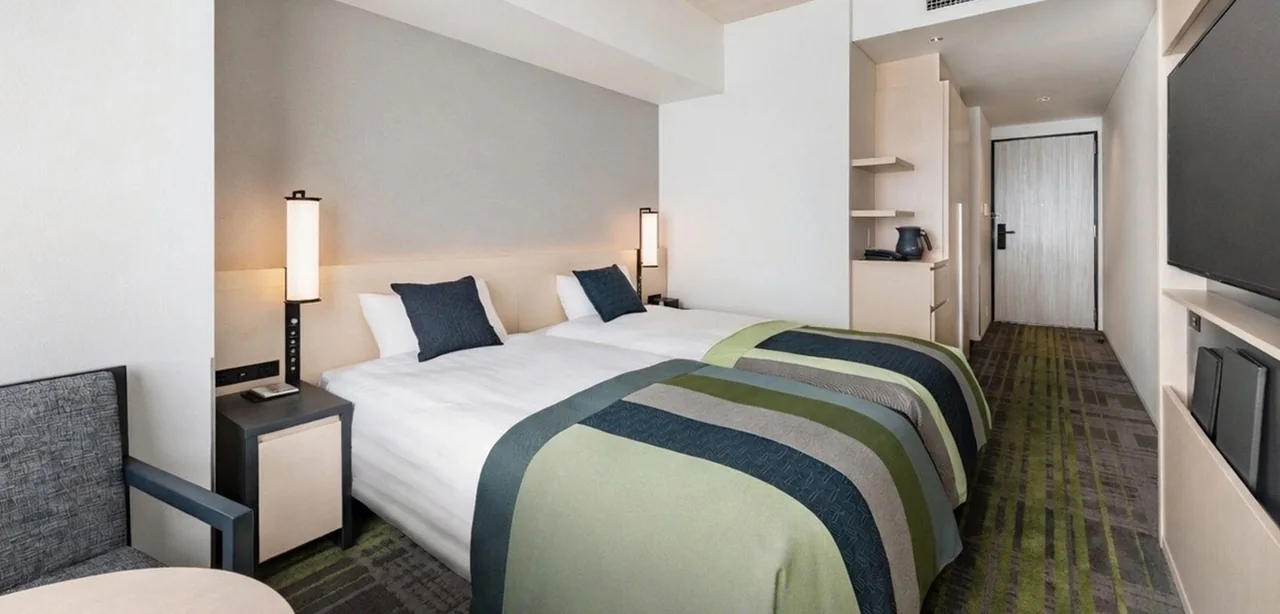
The hotel lists check-in from 3 p.m. and checkout at noon. A noon departure can be helpful if you plan a short Osaka morning or a late train, although it does not solve a full sightseeing day with luggage. The standard twin is 25 square metres, sleeps two, and separates bath and toilet with its own washbasin. Its beds are published at 98 centimetres wide. Those measurements are more useful than a generic “spacious room” claim: two adults who want wider separate beds may prefer a different category, while a family may need a triple, fourth or connecting room. The Osaka Station hotel comparison places that room against the nearby alternatives.
Hankyu RESPIRE has several larger room configurations. A Deluxe Triple is listed at 33 square metres; a Fourth can accommodate four; connecting rooms can handle a larger group subject to the exact plan. Book the named layout, not merely the hotel's headline capacity. A third or fourth sleeper can consume the floor space needed for cases and a morning bathroom queue. For a family moving between Nara and Kyoto, fewer hotel changes are helpful only if the shared room remains comfortable for the full stay. The Osaka group-room guide helps compare one large room with two smaller rooms on the actual dates.
Umeda is strong when evenings are in Osaka. You can return from Kyoto, eat near the hotel and avoid another metro ride after dinner. The station area's shops and restaurants may also serve a rainy day. Yet the commercial complex around the hotel is large; a rushed guest may discover that the nearest visible entrance is not the best one for their platform or lift. Save both the JR Osaka Bridge Exit route and the direct path from the train line you will use most. The Namba-versus-Umeda guide explains when Umeda suits the wider itinerary better than a southern Osaka hotel.
Granvia Kyoto buys a more useful Kyoto start
Hotel Granvia Kyoto sits in Kyoto Station Building at the Central Exit side. The lobby is above the ground-level station circulation, so a platform-to-room trip still involves finding the hotel's correct entrance and lift. The practical gain is that you are not dragging cases across town on arrival day or returning from a late rail trip through a second local transfer. A Shinkansen arrival or a departure to Tokyo is especially straightforward. The Kyoto Station versus Gion hotel guide is useful because Granvia's station access does not give it Gion's evening atmosphere.
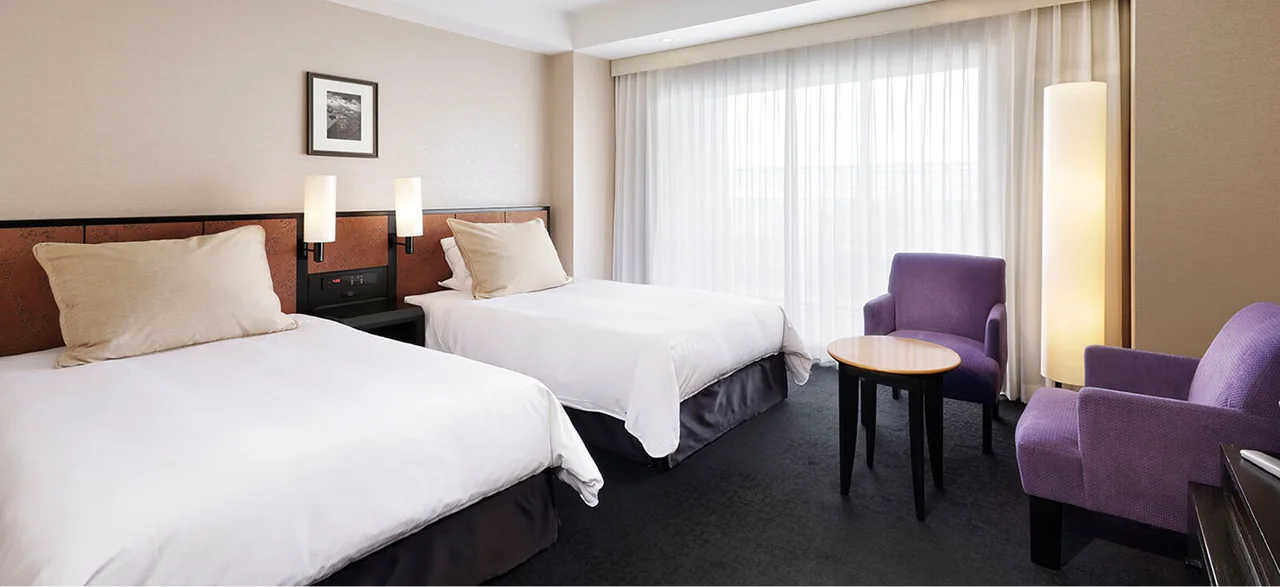
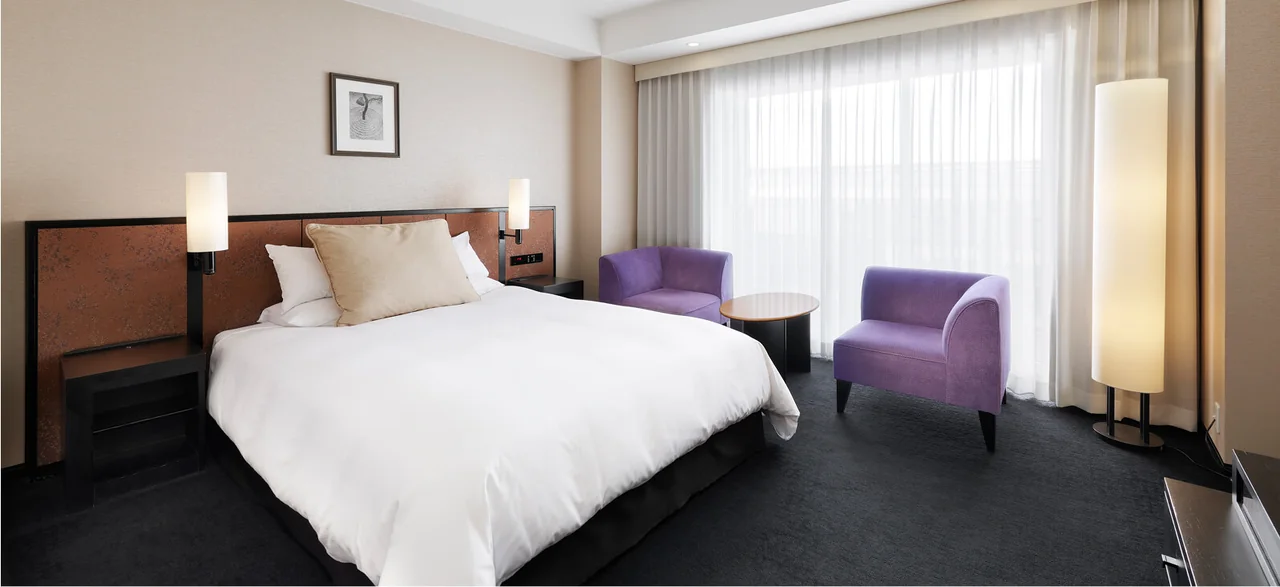
Granvia's Standard Twin is 26 to 30 square metres, with two beds listed at 115 centimetres wide and capacity up to three under relevant configurations. A Standard Double ranges from 24 to 26 square metres. Those ranges mean that “standard room” is not one fixed footprint. If a third guest joins, confirm how the extra bed is arranged and whether the quoted breakfast covers everyone. For two adults staying several nights, the larger twin beds may matter more than one or two square metres of floor area. A suite or deluxe room should be judged against the specific activity it enables, not purchased only because this is a station hotel.
Granvia normally lists 3 p.m. check-in and noon checkout. A Kyoto sightseeing day beginning early can leave luggage at the hotel before the room is ready, subject to current storage conditions. A departure day by Shinkansen may make the noon checkout more valuable: there is time for a short morning walk, a final meal and a return to collect bags without crossing the city. However, a train at 8 a.m. makes checkout time irrelevant. The Kyoto autumn hotel availability guide is relevant if a station room becomes expensive during foliage season.
Kyoto Station is a transport hub, not a substitute for proximity to every temple. An early Arashiyama start still involves local travel; a Gion evening may end with a bus or taxi back. If several Kyoto days concentrate in Higashiyama, a hotel farther east could shorten the repeated local trips more than Granvia does. That is a real limit to this two-hotel choice. The Higashiyama autumn walk and Kyoto autumn crowd guide help judge when an early local start has more value than rail convenience.
Nara is not a single “easy day trip” from either base
From Kyoto Station, JR Nara Line and Kintetsu's Kyoto-side routes give distinct ways into Nara, with different arrival stations. Kintetsu Nara is generally closer to the main park approach than JR Nara, but the best train depends on your stops, ticket and schedule. Granvia makes the Kyoto departure simple because the hotel is at the station. An Osaka Station base needs a transfer route towards Nara; the exact path depends on whether you use JR, Kintetsu via Namba or another combination. The Nara from Kyoto or Osaka comparison lays out that station-level choice.
A Nara day that ends at sunset should include the return journey from the final temple or garden, not just the inbound train. If you want to stay for an evening event, the later return can be tiring from either base; a Nara overnight may be better. If you only intend the park, Todai-ji and a meal, either hotel can work, and the other days of the week should decide the room. The Nara day trip or overnight guide helps avoid making the hotel choice carry a day-trip ambition it cannot solve.
Families should also consider how much of the Nara day children can walk. A station-adjacent hotel at the start of the day does not shorten the distance across Nara Park. Returning to Granvia may be appealing if the following day is another Kyoto outing; returning to Umeda may be better if you are taking a rest day in Osaka. The Nara day-trip activities guide can support a shorter route rather than an overpacked list.
The cost of switching hotels is easy to undercount
A split stay can outperform either single base when there are two or more full Kyoto days and multiple Osaka nights. But moving between Hankyu RESPIRE and Granvia creates a checkout, a rail journey with bags, a period before the next room is ready, and another unpacking. The trip can become especially awkward if the transfer day was also meant for a distant sightseeing stop. The Osaka–Kyoto seven-day split-stay itinerary shows where a move can be placed without wasting the middle of a good day.
Price the move with more than rail fare. There may be a luggage forwarding charge, locker cost or taxi, and the group loses time checking out and checking in. If your dates bring high Kyoto foliage prices, a longer Umeda booking plus two early Kyoto day trips may be better value. If Kyoto is the emotional centre of the trip, paying more for a Kyoto night can preserve evenings after day visitors have left. The Kyoto autumn hotel guide helps check whether a station room's seasonal premium is serving your actual route.
For a single base, compare the total price of the named room over all nights, including taxes, breakfast and cancellation. One site's cheapest double may not have the twin beds you need. Hankyu RESPIRE's 25-square-metre standard twin and Granvia's 26–30-square-metre standard twin are comparable on footprint, but differ in bed width and the city you wake up in. Breakfast at the hotel is a separate decision: a very early train may make a paid buffet poor value, while a slower departure can make it convenient. Neither hotel's room score substitutes for checking the exact rate rules.
Which room fits which week
Choose Hankyu RESPIRE when Osaka is the evening home base, Kobe or Himeji is important, and Kyoto is one or two daytime visits. The Umeda rail network lets the group return to an Osaka room rather than pay for a Kyoto address it barely uses. A standard twin can suit two adults if its 98-centimetre beds work for them; choose the actual triple, fourth or connecting configuration for a larger group. The Kansai seven-day Osaka-base itinerary is a practical check on whether this shape of week matches yours.
Choose Granvia Kyoto when Kyoto has several early starts or evenings, your Shinkansen arrives or departs there, and Nara is an important outing. The direct station connection removes a recurring first leg, but it does not remove Kyoto's local travel. Its named standard twin can offer wider beds than the Hankyu standard twin, subject to price and availability. If the trip is mostly Kyoto shrines and lanes, also compare a non-station Kyoto hotel before buying solely for the rail hub. The Kyoto one-day itinerary and station-versus-Gion comparison make that local-route distinction visible.
If the two hotels price similarly and the itinerary is evenly divided, count nights after dinner rather than attractions on a list. Most travellers return to the room after the day is already long; the final train and station walk influence the experience more than a ten-minute saving on one morning. Mark each day's first platform and final dinner area, then compare the weekly sum. Book the named room, guest count, breakfast arrangement and cancellation cutoff, especially in peak Kyoto seasons. That is enough to turn a broad Osaka-versus-Kyoto debate into a room decision you can act on.
Updated 4 October 2026. Train connections, room layouts and rates depend on the travel date.