
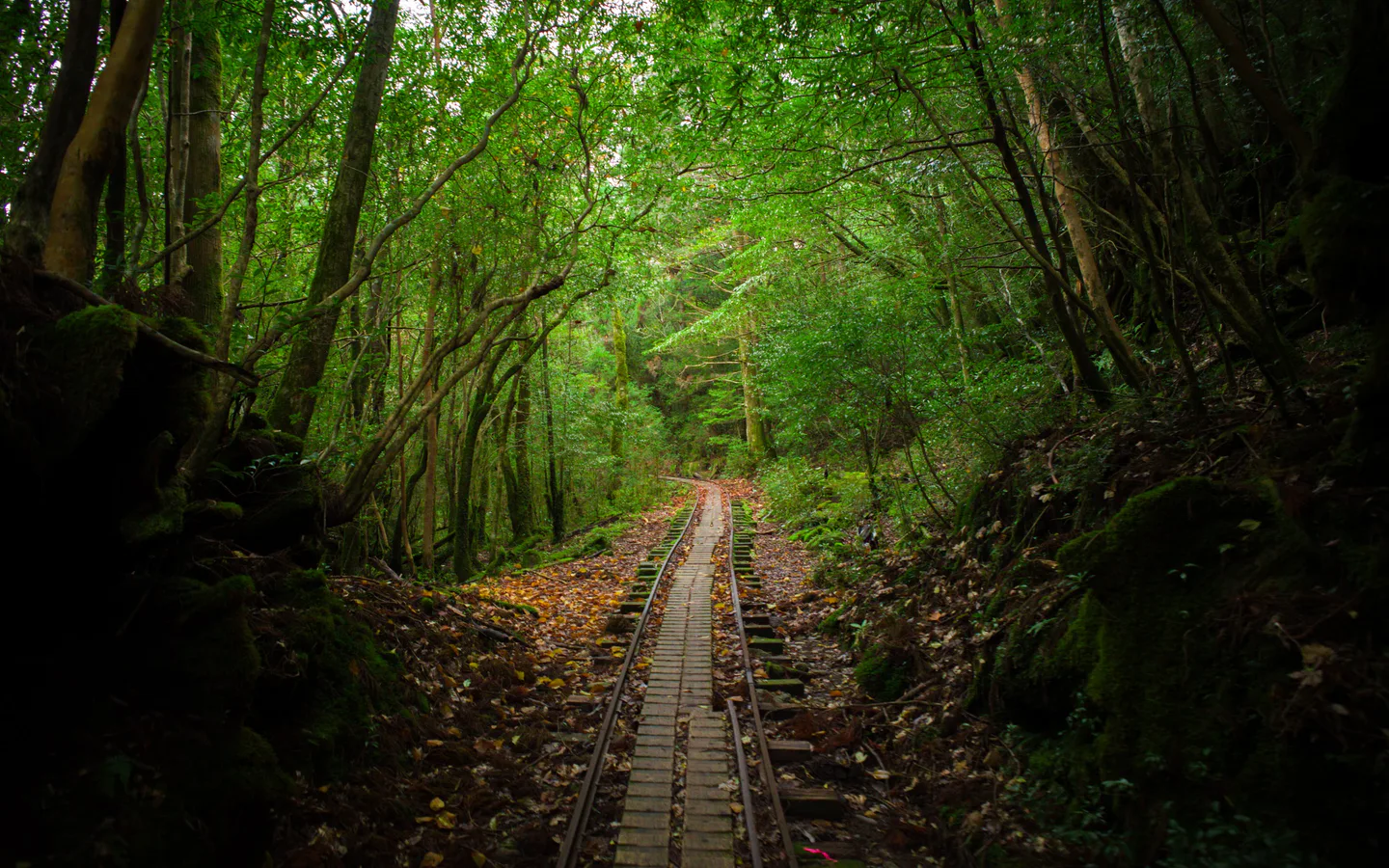
Five calendar days on Yakushima usually mean three genuine sightseeing days between an arrival and a departure. That is enough for Jomon Sugi, Shiratani Unsuikyo and a coast or recovery day if the middle slots can trade places. It is not a promise that five major attractions will fit regardless of rain, fatigue or ferry changes. The island’s mountain roads and Arakawa bus can close in poor conditions; the jetfoil may change its arrival port. Build the trip around what you can move, then protect the exit.
The long hike should get the best safe mountain window, not automatically the first full day. Shiratani can expand or contract with your legs and visibility. A coastal day is the movable reserve: if Jomon is postponed, it gives up its place; if the hikes happen on plan, it becomes a waterfall, beach or low-tide bath day. The Yakushima hike-length comparison is the right preliminary read if anyone in the group is unsure about a ten-to-twelve-hour walking commitment.
A five-day calendar with three movable middle days
| Day | Plan before reaching the island | What can move |
|---|---|---|
| 1 | Arrive, settle transport, buy trail food, check equipment and sleep early | A late arrival cancels sightseeing; it should not consume the weather reserve |
| 2 | Best available long-forest window, often Jomon Sugi | Exchange with Day 3 or 4 if access or weather deteriorates |
| 3 | Second forest window, normally Shiratani | Select its one-, three- or four-hour course according to recovery |
| 4 | Coast, waterfalls, low-tide bath or a short ride | Reassign to a postponed forest day if conditions require |
| 5 | Ferry or flight with a modest nearby activity at most | Keep the departure connection ahead of another remote hike |
The table is a priority order rather than a hotel voucher tied to dates. At the start of each middle day, compare forecast, trail access, bus operation, group energy and the relevant tide. If the long hike gets a poor window, exchange it with a lower-load day while there is still another chance. A weather buffer is real only if one planned activity is allowed to move or disappear. For a wider regional itinerary, the five-or-seven-day Kyushu route shows the mainland time you are trading for that reserve.
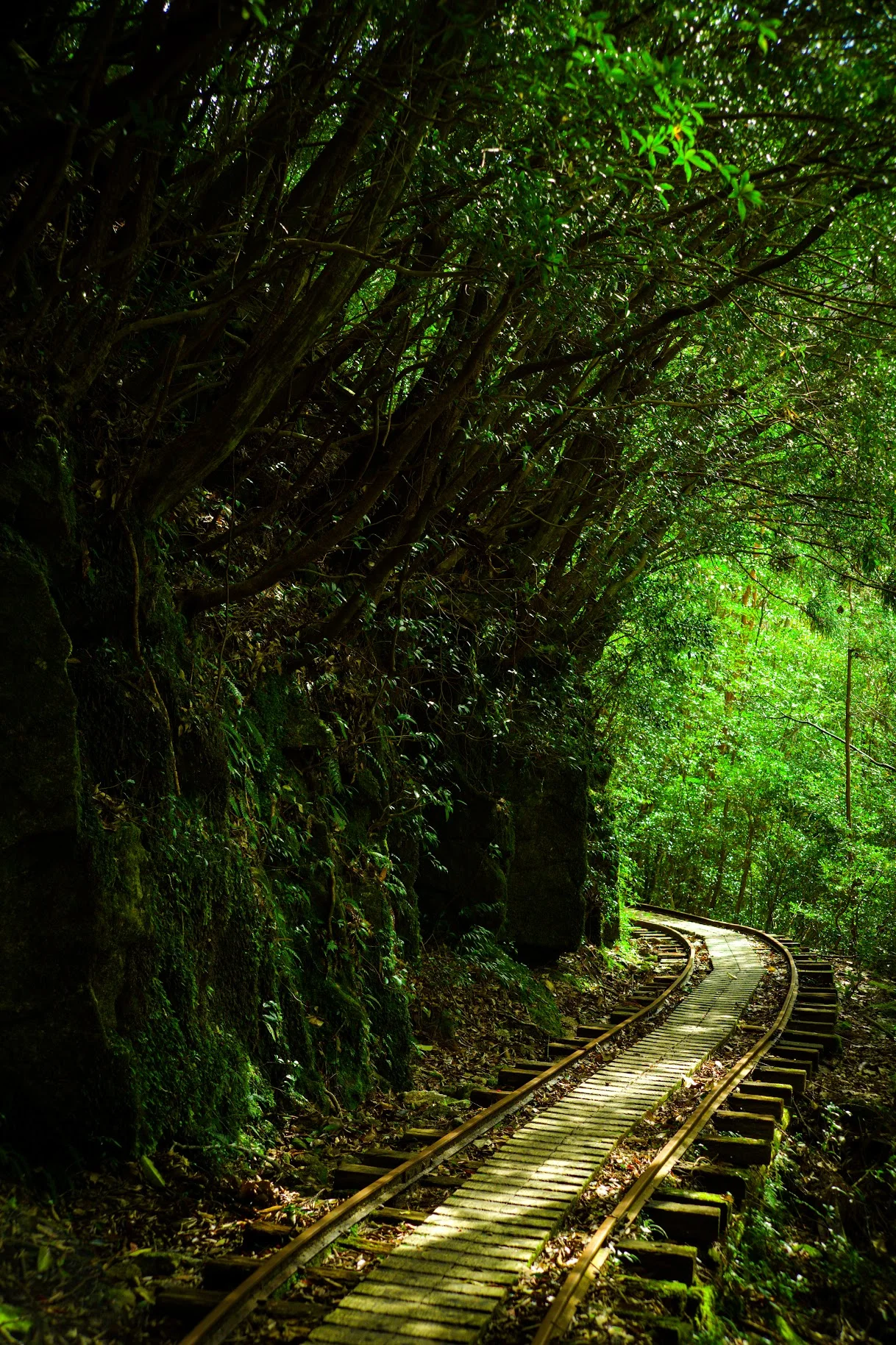
The Jomon day dictates the most demanding morning
Yakushima Town describes the standard Arakawa round trip to Jomon Sugi as roughly 21.2 to 22 kilometres, depending on the page’s measurement, and about ten to twelve hours on foot. The old logging railway makes parts of the outward route look level, yet roots, stairs and the long return still accumulate fatigue. This is the full-day commitment that deserves the earliest preparation, enough food and a transport plan which works before dawn. A scenic photo of the rails does not convey the entire physical demand.
From 1 March through 30 November, ordinary visitors cannot drive their own rental car, motorcycle or bicycle through the regulated Arakawa access to the trailhead. They board the Arakawa Mountain Bus at Yakusugi Museum, unless travelling under an eligible chartered bus or taxi arrangement. A car can make the hotel-to-museum departure easier, but it spends the hiking hours parked. The town currently lists adult mountain-bus fare as ¥700 one way or ¥1,400 return, separate from any conservation contribution and from normal island-bus tickets.
The town’s current mountain-bus schedule lists museum departures at 05:00, 05:20 and 05:40; a 06:00 departure does not run in June or November. Return times vary by date. Services have no reserved-seat system and can be suspended for weather or road conditions. Write down the actual last return you can reach after a realistic hike, not just the first departure you hope to board. A pre-dawn hotel pickup, packed breakfast, rain layers, light and backup battery should be resolved before sleeping on Day 1.
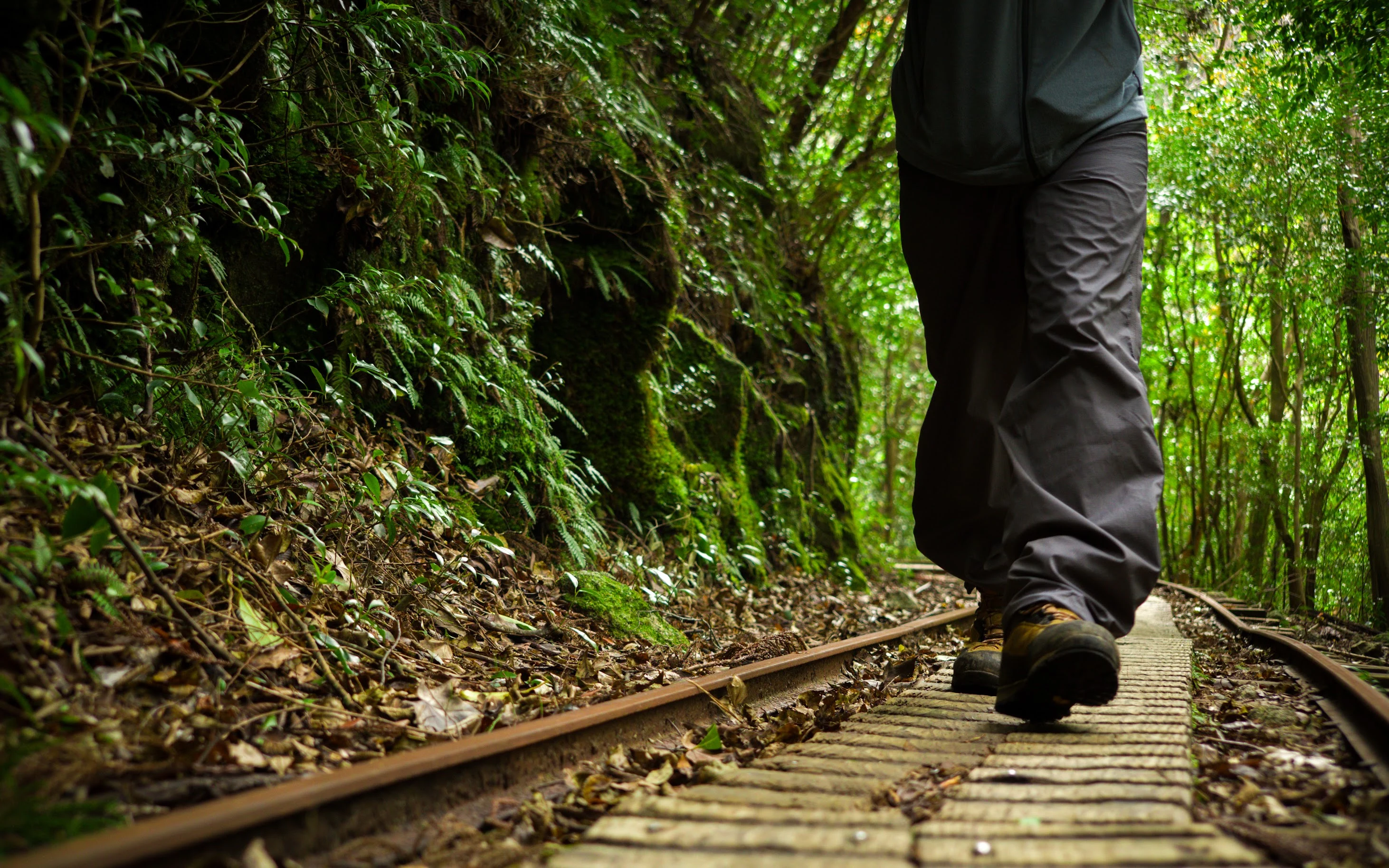
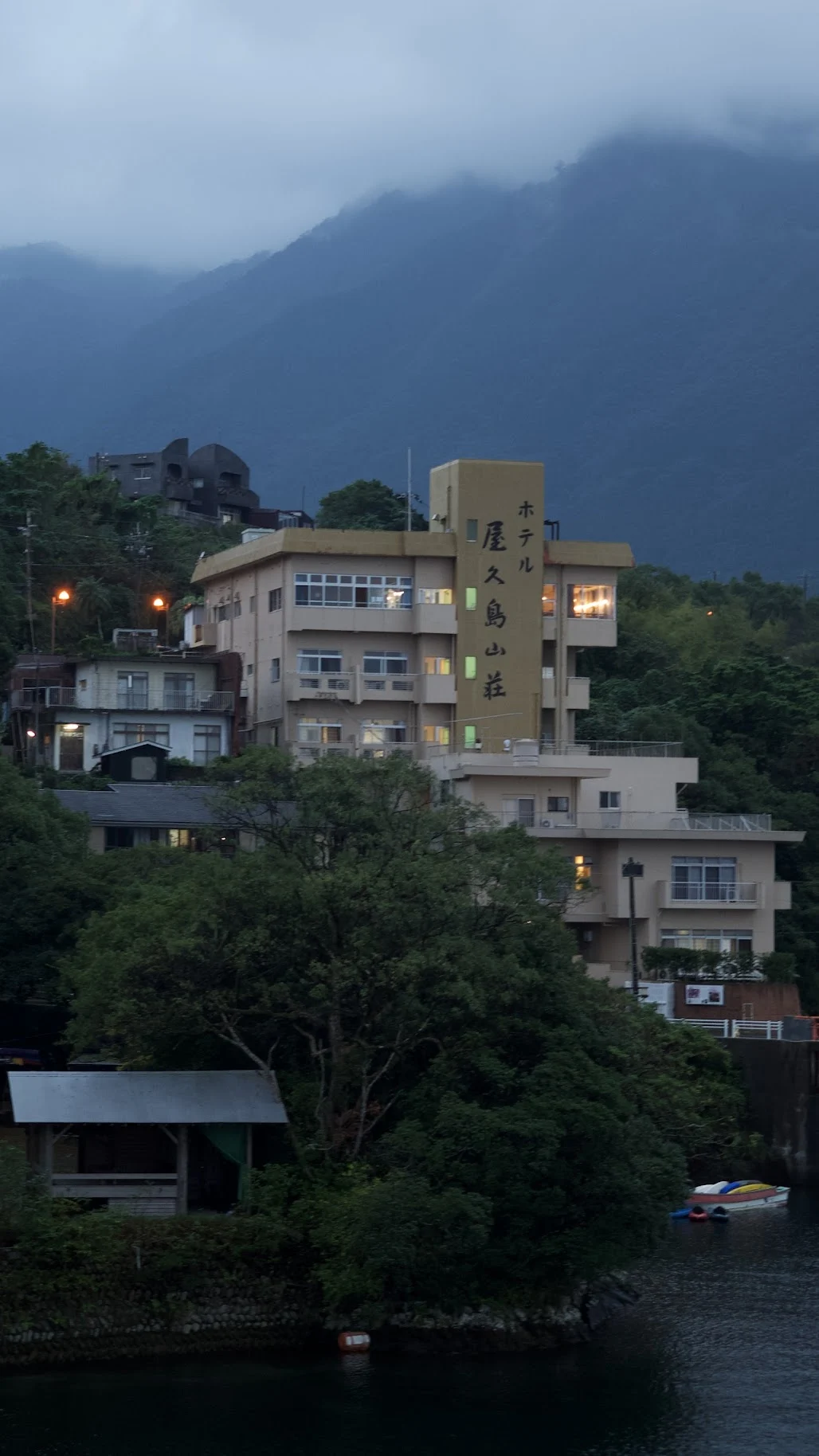
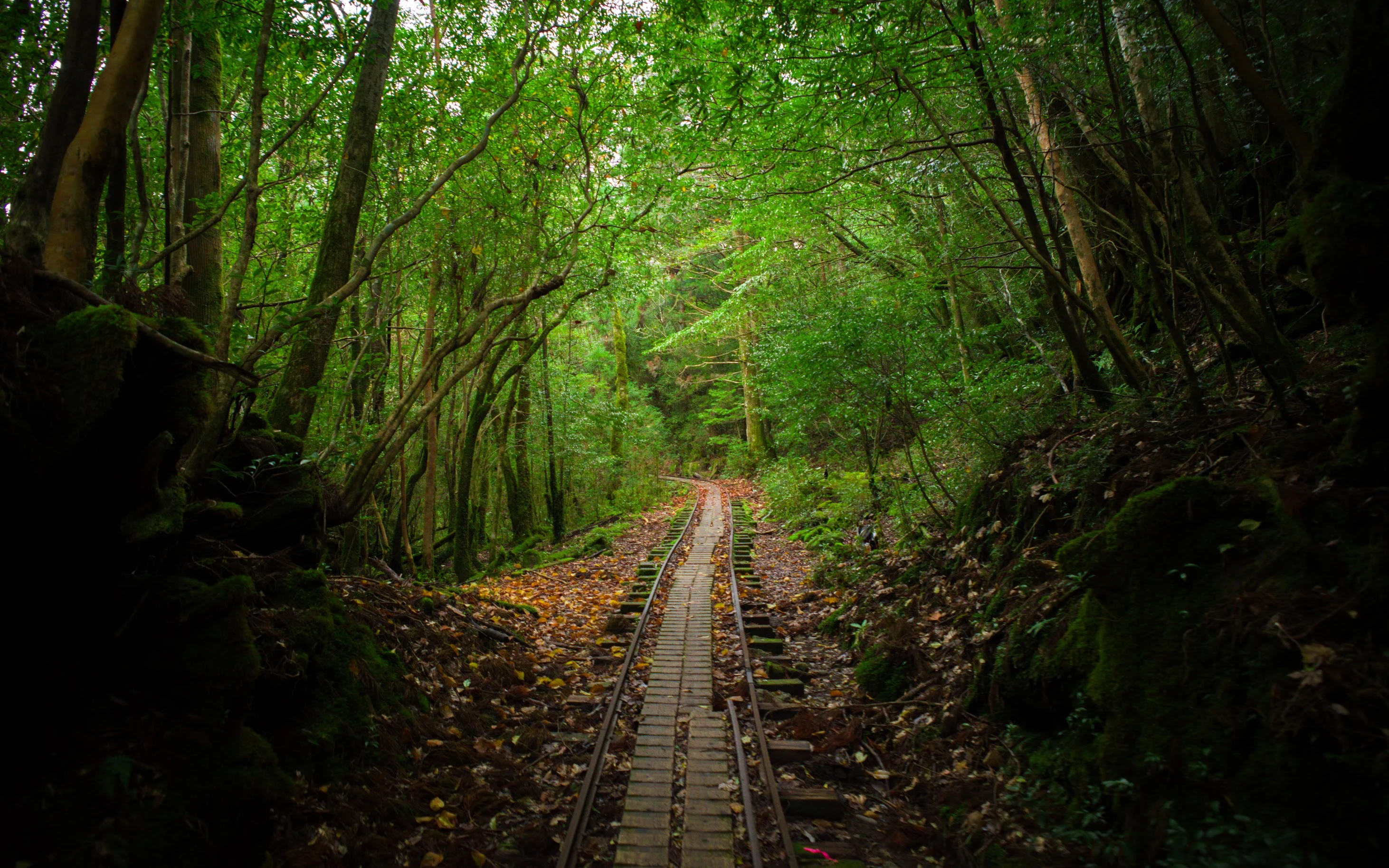
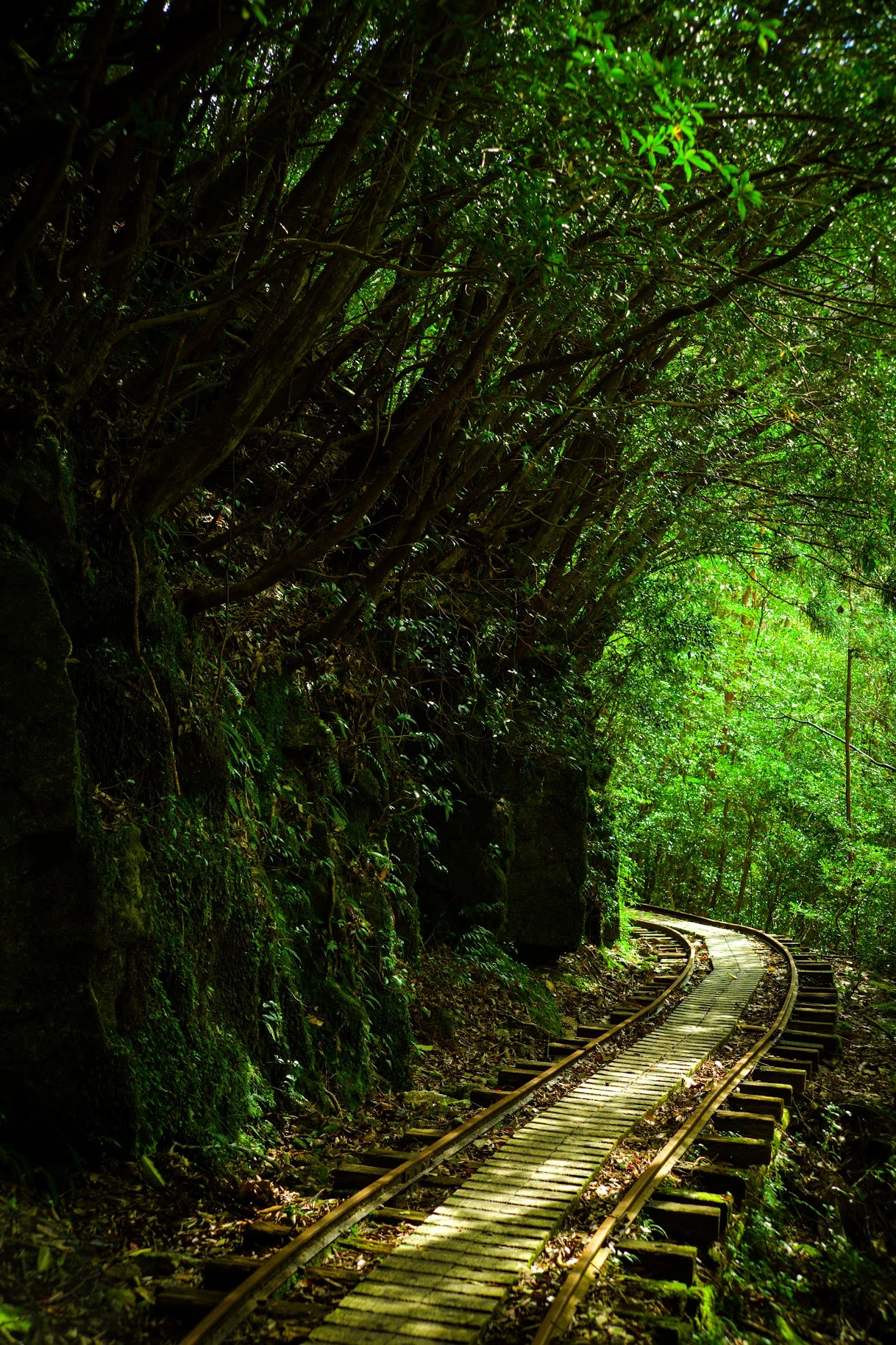
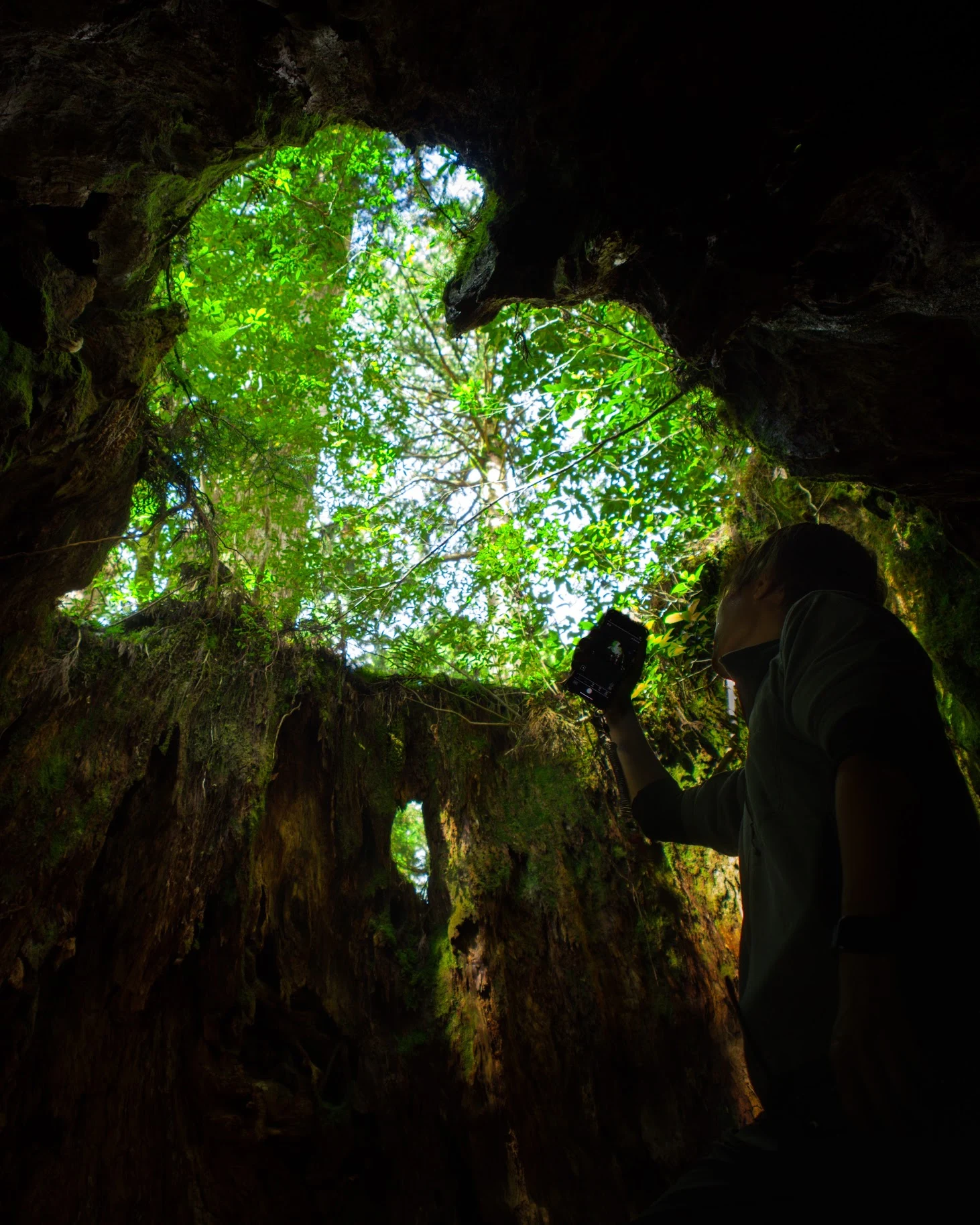
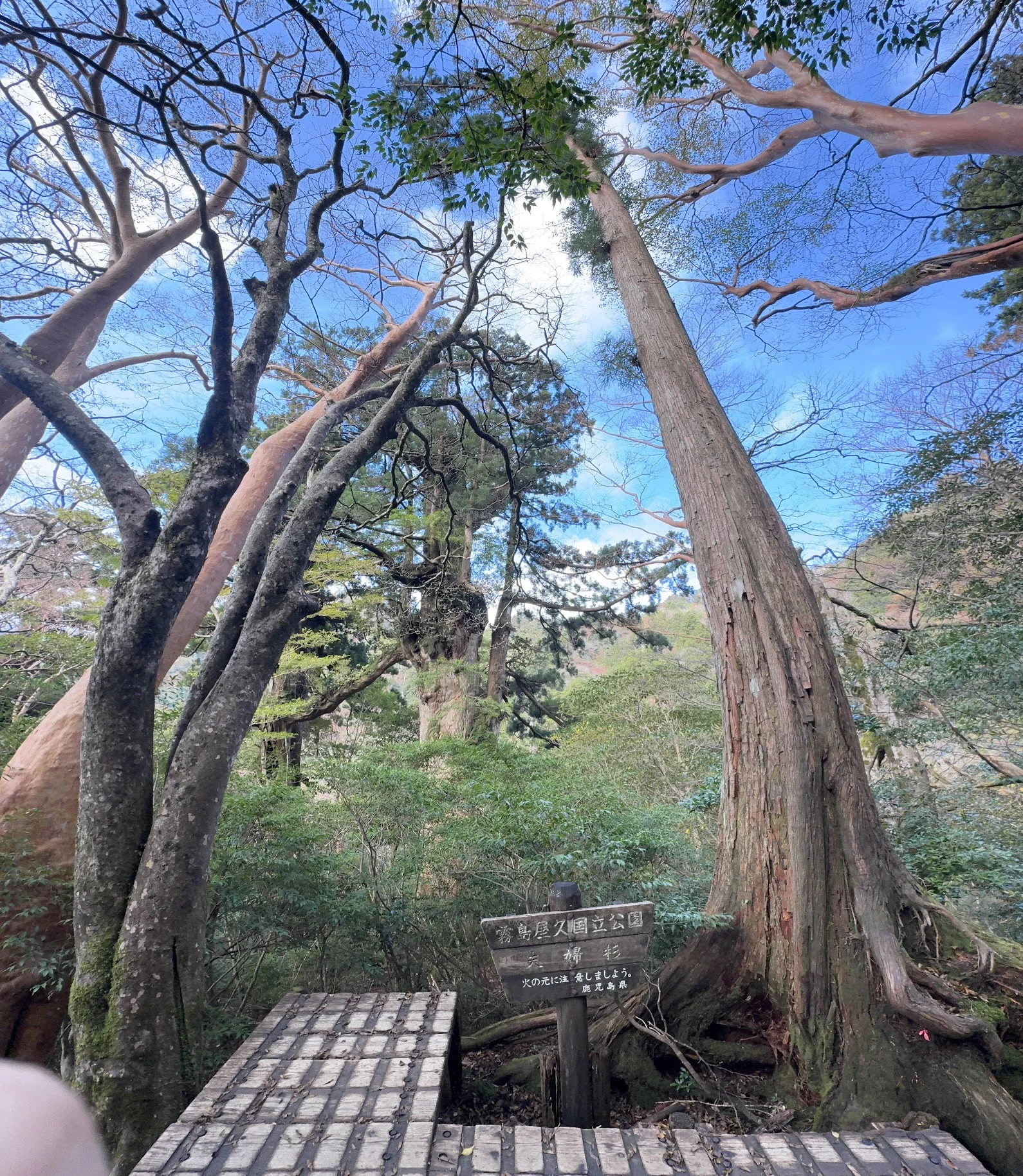
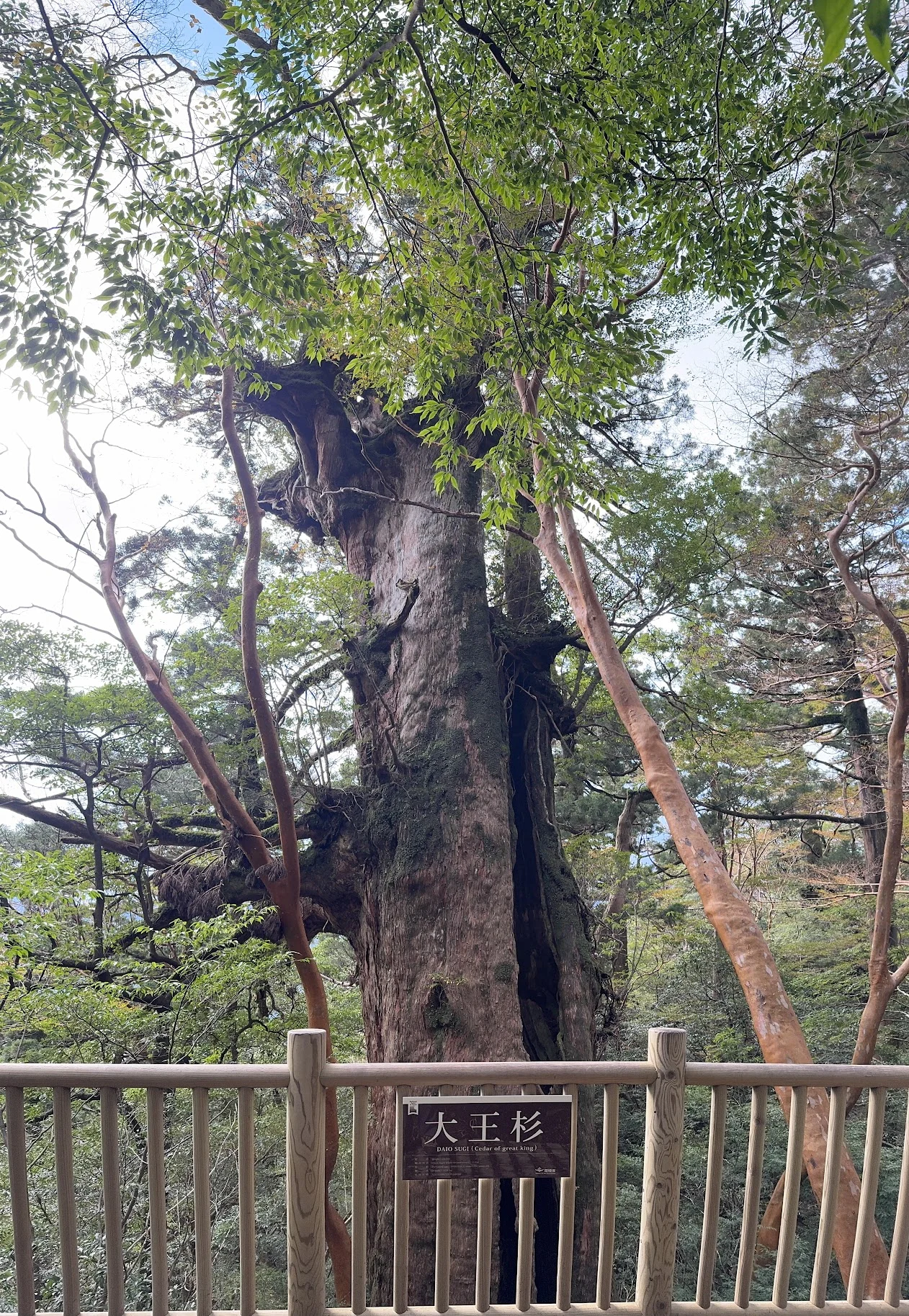
The forest gallery shows the route’s mixture of railway walking, close vegetation and ancient trees. It also illustrates why a ten-hour plan must be judged against the slowest walker in the group. If a Jomon completion would leave the party unable to enjoy Shiratani or the coast, choose a shorter forest route while the trip can still be reshaped. The Jomon, Shiratani and Yakusugi Land hiking comparison sets the alternatives beside the long route.
Anbo shortens the Jomon departure, Miyanoura shortens Shiratani
For a single four-night base, Anbo often wins when Jomon Sugi is non-negotiable. Yakushima Town places Anbo about 3.6 kilometres and six minutes by car from Yakusugi Museum, where the regulated mountain bus starts. Miyanoura is about 22.3 kilometres and thirty minutes from the museum. Using those town driving figures in both directions gives an indicative 48-minute difference on the longest day. That is a planning calculation, not a guarantee for a specific hotel, taxi or traffic condition.
Miyanoura has the reverse advantage for Shiratani. The town lists Shiratani Unsuikyo at about 11.5 kilometres and 24 minutes by car from Miyanoura Port, against about 28.5 kilometres and 44 minutes from Anbo Port. The current bus schedule shows seven Miyanoura Port–Shiratani services a day, with the last listed return from Shiratani at 16:10. A bus-first traveller who values Shiratani and a Miyanoura ferry arrival may accept a longer Jomon positioning trip.
Do not turn four island nights into two hotel stays merely to save one road leg. Checkout, luggage storage, repositioning and another check-in can consume the claimed time saving. A remote ryokan may have a distinctive bath or setting, but if its transfer fails to meet the first Jomon bus or last Shiratani return, it is not a transport shortcut. The Japanese ryokan meal-and-bath guide is relevant only when the stay itself is the reason to move.
After fixing the hiking emphasis, compare Anbo rooms or Miyanoura stays. Ask the property how the first trailhead transfer works, where the nearest ordinary bus stops and whether a delayed ferry changes check-in or dinner. A map pin alone will not settle those questions.
Day 1 is for removing morning failures
Arrival day should produce a packed and reachable start. Buy breakfast and trail lunch before shops close; check shoes, waterproof layers, spare dry clothing and a working light. Charge the phone and power bank, note the bus or taxi pickup, and have the mountain-bus ticket arrangement understood. Yakushima Town cautions that mobile reception in the mountains is limited and there are no shops on the trail. A late port or airport arrival followed by a long coast loop is a poor trade if it compromises the next morning.
A changeable island arrival is another reason to avoid an inflexible Day 2 Jomon appointment. Some Toppy & Rocket jetfoil operations can shift between Anbo and Miyanoura ports under poor conditions. A plan that assumes a precise arrival port, a distant car counter and a same-day rural dinner can fail before the hike begins. Keep the first evening close to the actual arrival and use it to verify the next day’s notices. The Japan luggage-forwarding guide may simplify the mainland segment, but trail essentials must remain with you.
When the incoming journey already includes a mainland flight, preserve enough time to survive a late island connection. The Izu Oshima jetfoil-versus-overnight-ferry guide concerns another island and different operators, yet illustrates why the vessel and overnight choice cannot be reduced to the crossing time alone. For Yakushima, record both possible jetfoil arrival ports in the hotel approach plan, and keep a short list of food options near the actual room.
Shiratani has three workable versions after Jomon
Shiratani Unsuikyo is shorter than Jomon Sugi, but Taiko Iwa is not automatically a rest walk. The town’s course menu runs from Yayoisugi at about two kilometres and one hour, through Bugyosugi at about four kilometres and three hours, to Taiko Iwa at about 5.6 kilometres and four hours. Pick the version that matches the legs and mountain view available that morning. Moss forest can be the purpose even when the rocky viewpoint is cloudy or the group needs a shorter day.
A Miyanoura-based bus traveller must work backward from the last return, currently listed at 16:10 from Shiratani. Seven services a day are not continuous service. A leisurely photo stop or a longer route can erase a bus plan that looked comfortable at the entrance. Anbo-based visitors gain flexibility from a car or arranged transfer on this day; they should still know when the gate, weather and daylight make the chosen course unsafe. The Yakushima hiking route comparison helps make the shorter choice without treating it as failure.
If Jomon has consumed more energy than expected, use Day 3 as a real recovery day and move Shiratani to Day 4. That exchange is exactly why the coast day is not fixed. A party with sore legs may enjoy the one-hour Yayoisugi course, a town meal and an early night more than forcing a four-hour climb. The five-day label does not require the most difficult version of every forest route.
In late summer, warm lowland weather does not make the mountain route a casual walk. The wider August weather and itinerary guide explains why a mainland heat plan can mislead; Yakushima adds elevation, heavy rain and slippery surfaces. Pack for the trail conditions, not only the temperature at the hotel. When the short Shiratani option is chosen, use the freed time for meals or a proper rest rather than stacking another distant attraction onto a tired group.
Yakusugi Land can replace the long hike
Jomon Sugi is an option, not admission to Yakushima. Yakusugi Land offers maintained courses of approximately 30, 50, 80, 150 and 210 minutes. The town places it about 16 kilometres and 30 minutes by car from Anbo; bus service is limited. A family, older traveller or anyone whose tested walking capacity is well below a 22-kilometre mountain day can combine one of those routes with a separate Shiratani visit and preserve the rest of the holiday.
That choice loses the Jomon Sugi destination, so state the trade clearly when travelling with companions. It gains forest variety, a shorter exposure to weather and space for the coast or a ryokan. A difficult hike completed at the cost of two unusable recovery days is not automatically a better trip. The Yakushima forest routes by walking time lets the party decide before buying trail transport.
A coast day is a spare mountain day in disguise
Use the third middle-day slot for a coherent coastal section, waterfall stops, a beach or a timed bath if the forest days happen as hoped. If weather removes one mountain day, this slot becomes its replacement. Avoid labelling it a full-island cycling circuit by default. Yakushima’s ring road follows a mountainous island circumference; the town notes there is no quick road across the centre. A bicycle trip therefore carries real distance and elevation after two possible hiking days.
A rental car has its highest value on the coast: waterfalls, beaches and places with limited bus service can be joined without forcing a full circle. A shorter e-bike or bicycle ride is valid when cycling itself is the experience, and leaves strength for stops. A one- or two-day car rental may be more rational than paying for all five days when the Jomon day still requires the mountain bus. Price the actual pickup, fuel and parking against the days it changes, not a general claim that every Yakushima day “needs a car.” The Kyushu car-versus-public-transport guide gives a wider trip-level comparison.
If the trip is in autumn, a coast drive and a forest day can show different seasonal stages. The Kyushu autumn timing map helps place the island alongside mainland mountain plans, but it cannot forecast a precise Yakushima trail. A group that wanted a bath and a slow forest day may value a ryokan more than another road circuit; the autumn onsen ryokan guide helps identify when a specific bath and room are worth the night.
Hirauchi Kaichu Onsen is a tide appointment, not a stop to add whenever the car reaches the south coast. The town describes access for roughly two hours before and after each low tide, twice daily. Swimsuits and underwear are not permitted; a towel wrap or accepted bathing garment may be used under the local rule. Its Japanese information currently suggests a ¥300 contribution, while an English page has displayed ¥200, so take the current local instruction at the entrance as the amount to follow. The Japanese onsen etiquette guide helps with the shared-bathing decision before arrival.
Weather selects the safer mountain window; the tide selects the bath window. Neither is improved by writing “Day 4” on a booking sheet months ahead. If a mountain road closes, do not compress Jomon and Taiko Iwa onto the following day to preserve every coast stop. Give the long hike its full day, shorten Shiratani if needed and let a beach or cycling plan go. That is the practical deletion order behind the extra night.
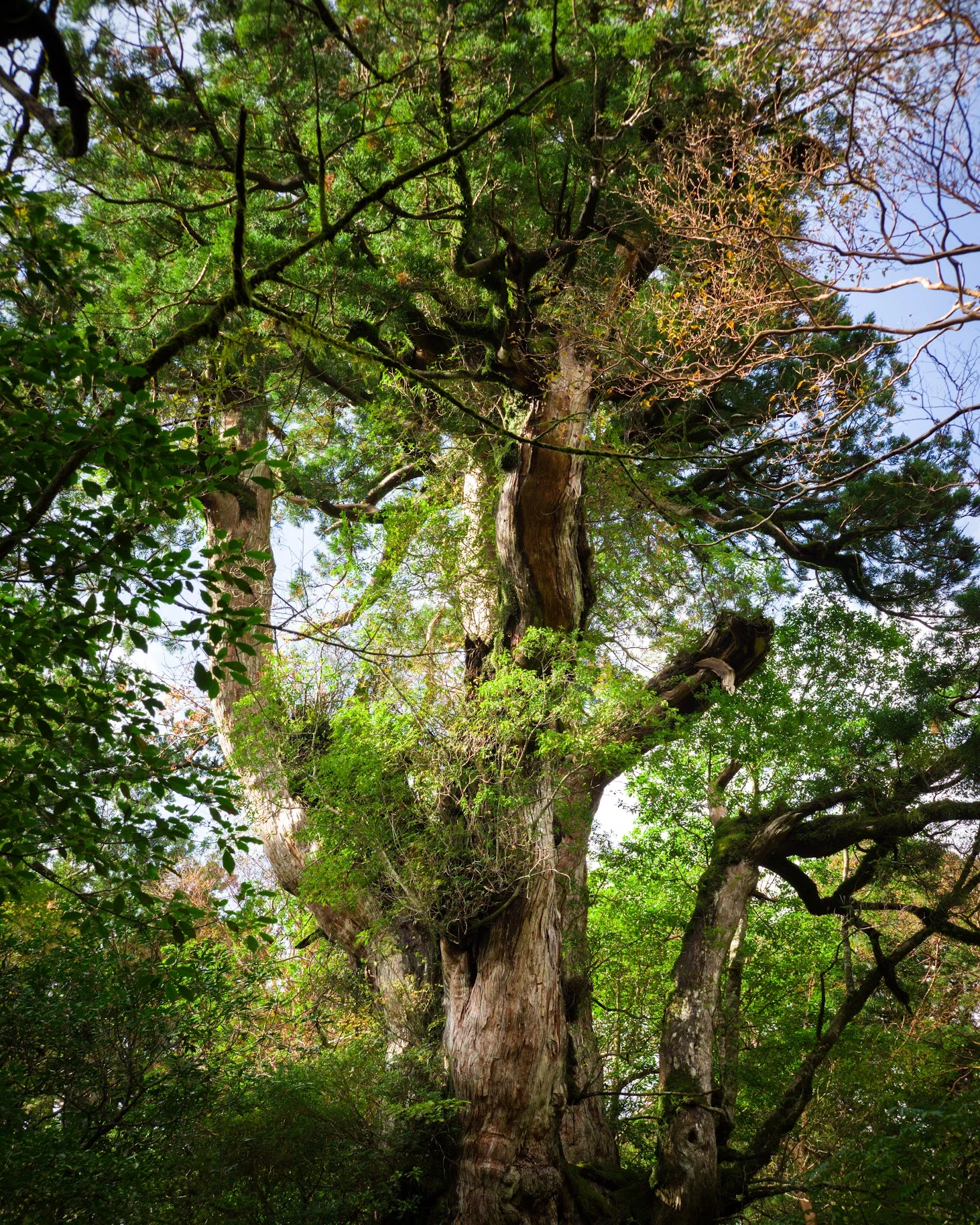
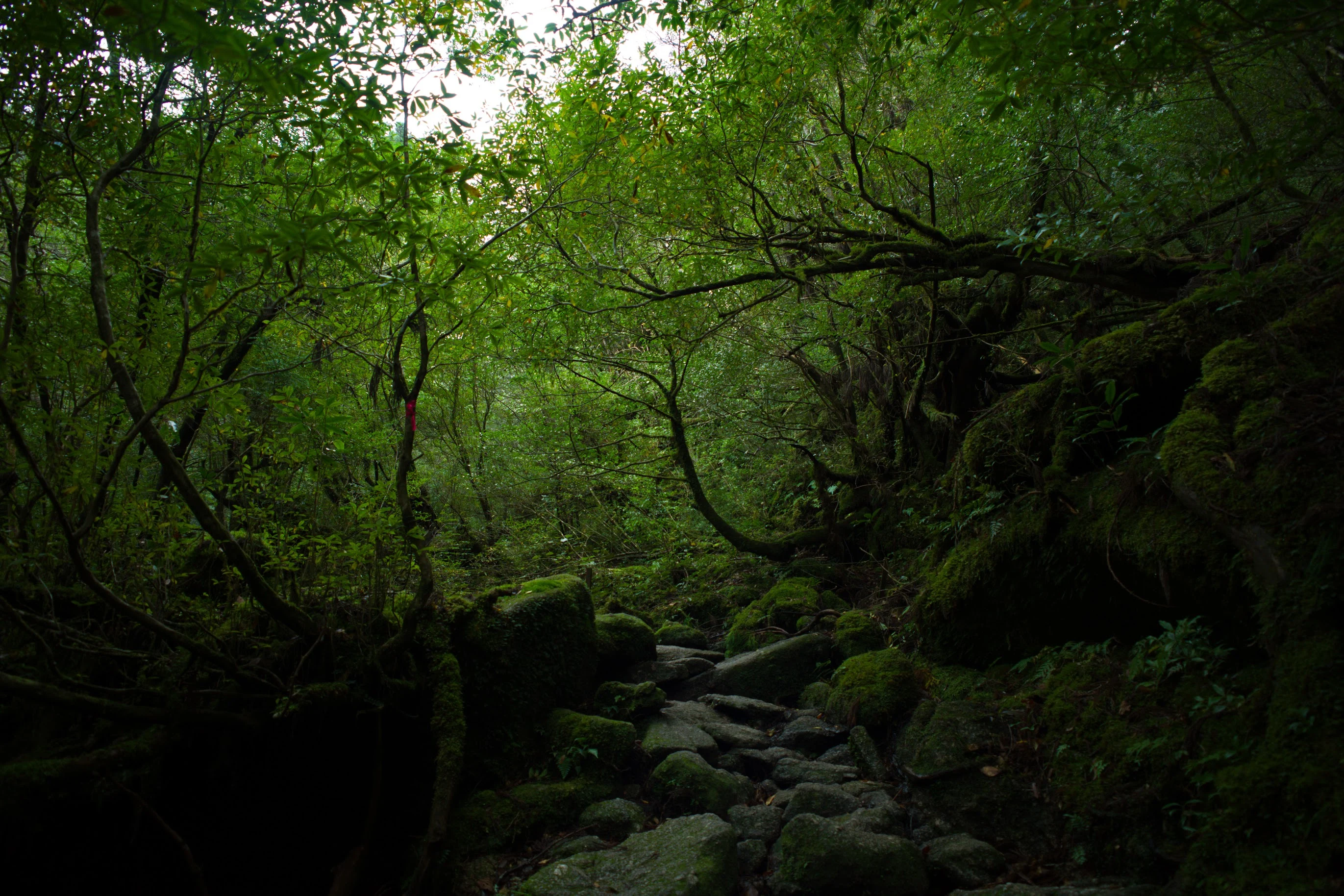
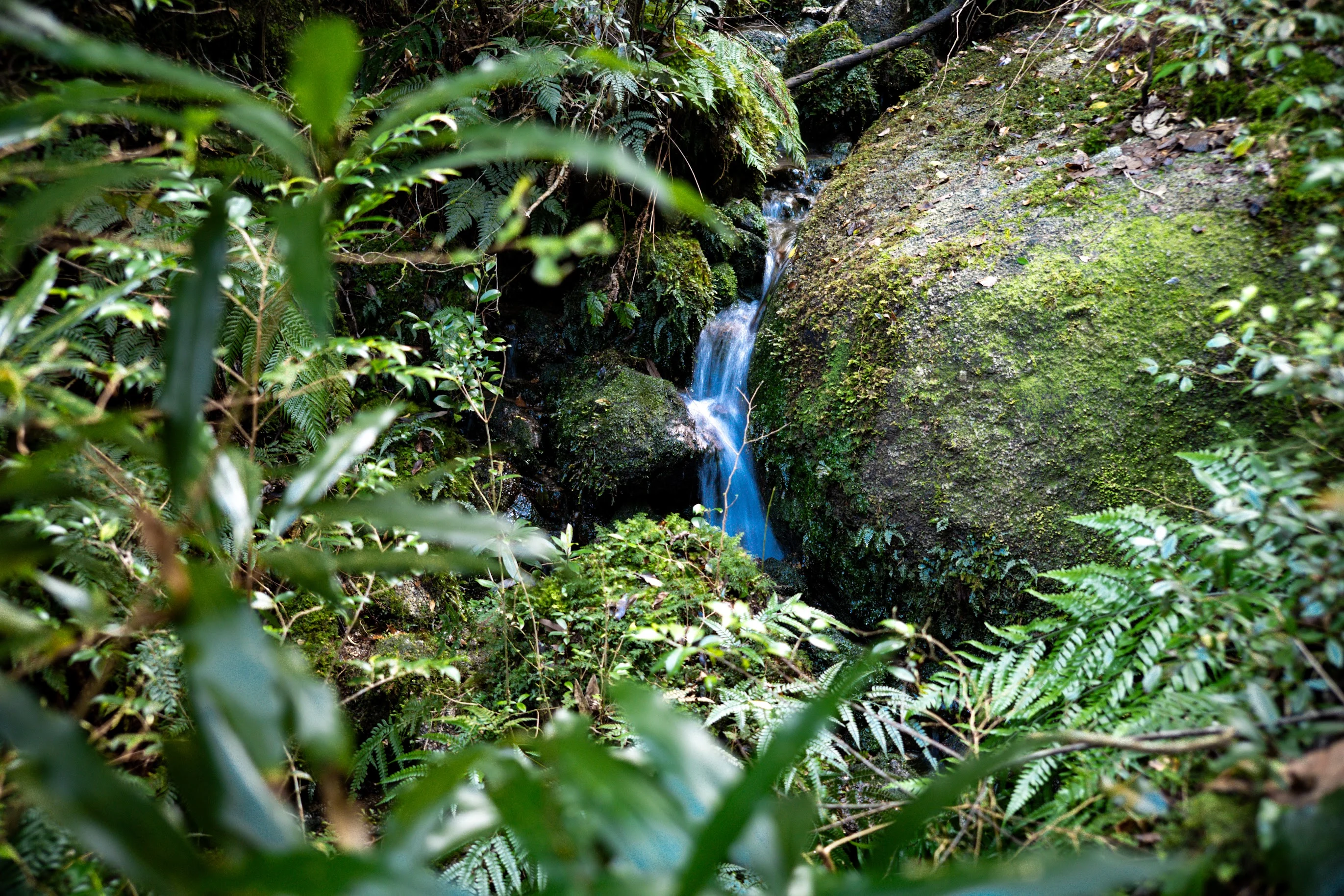
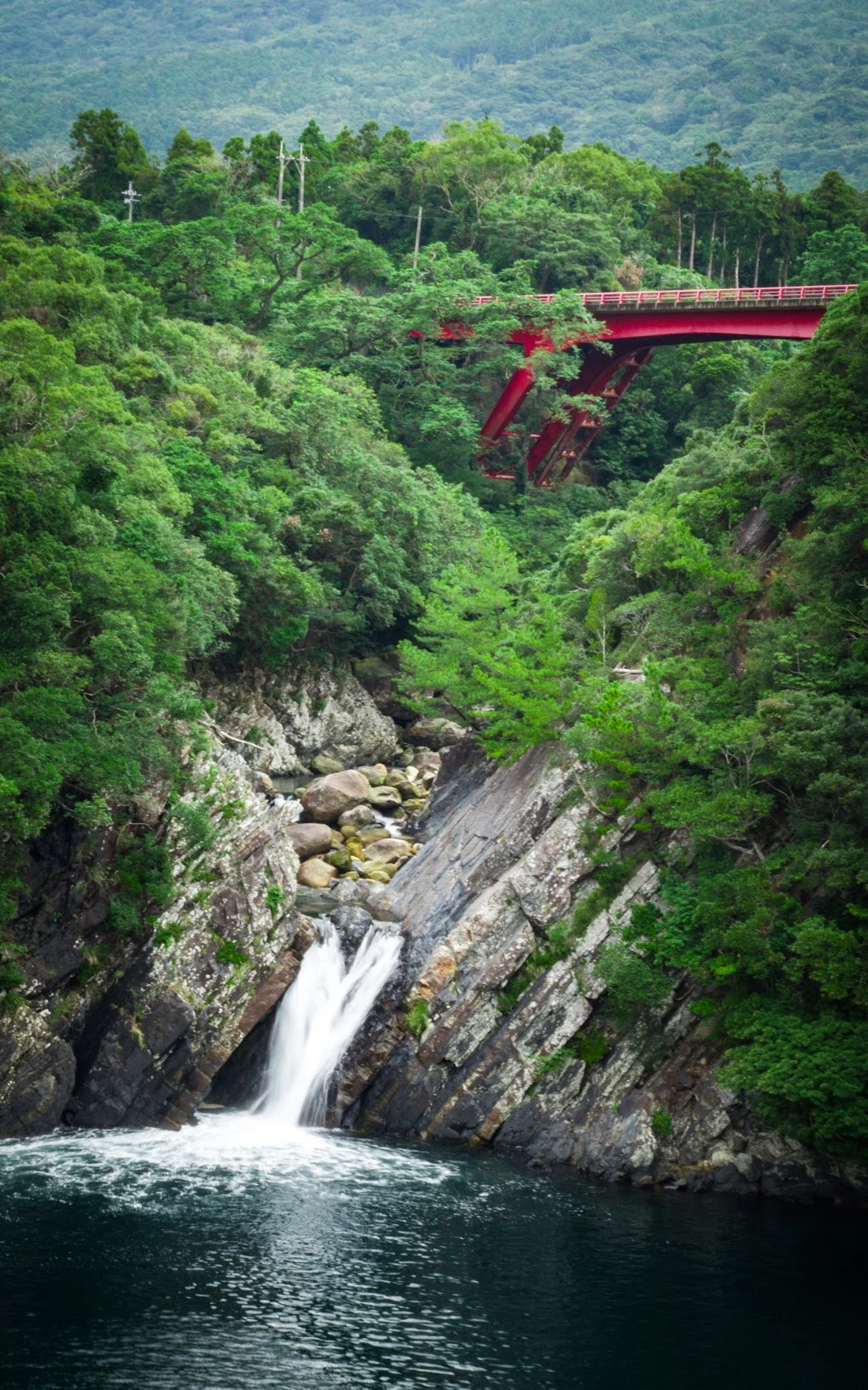
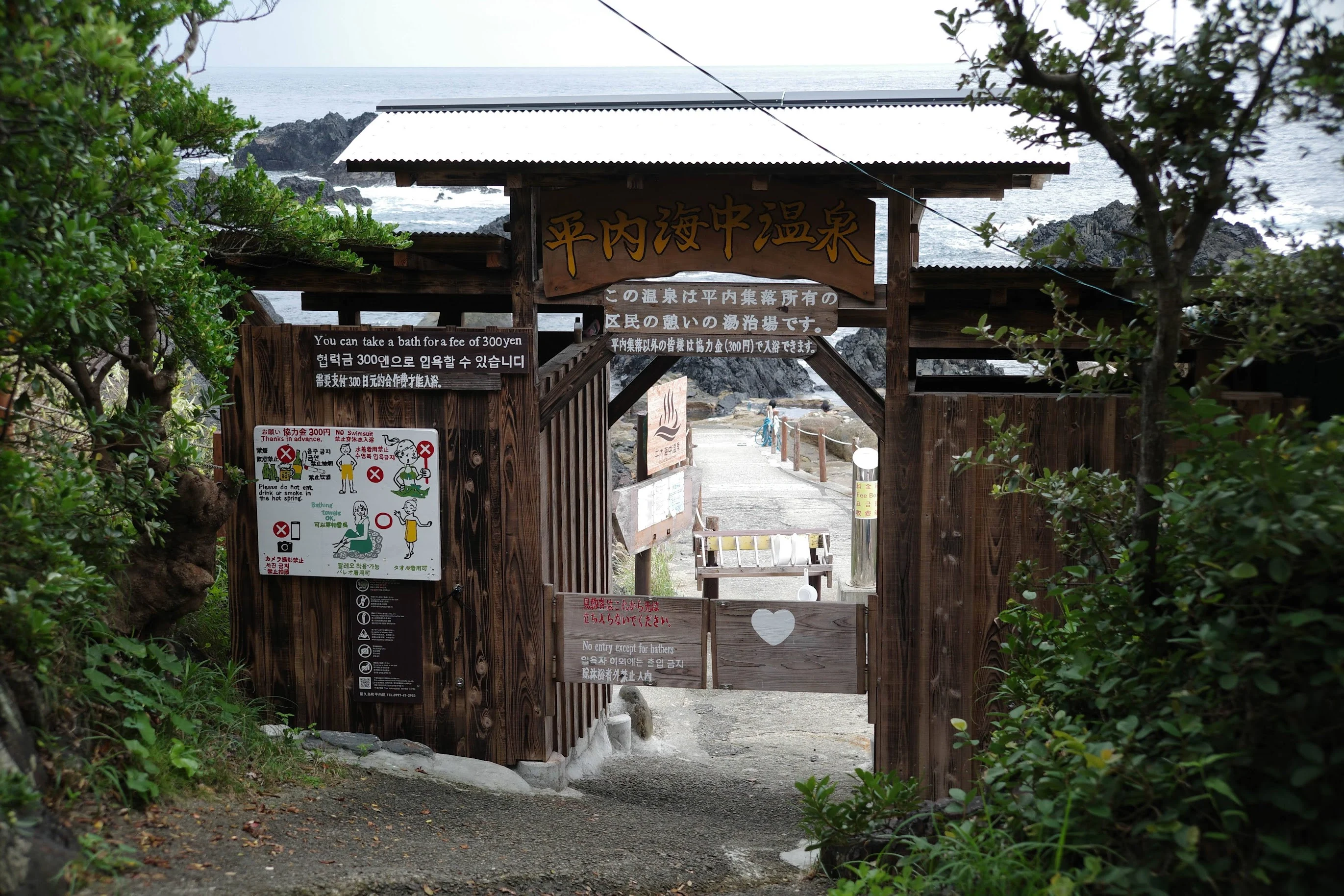
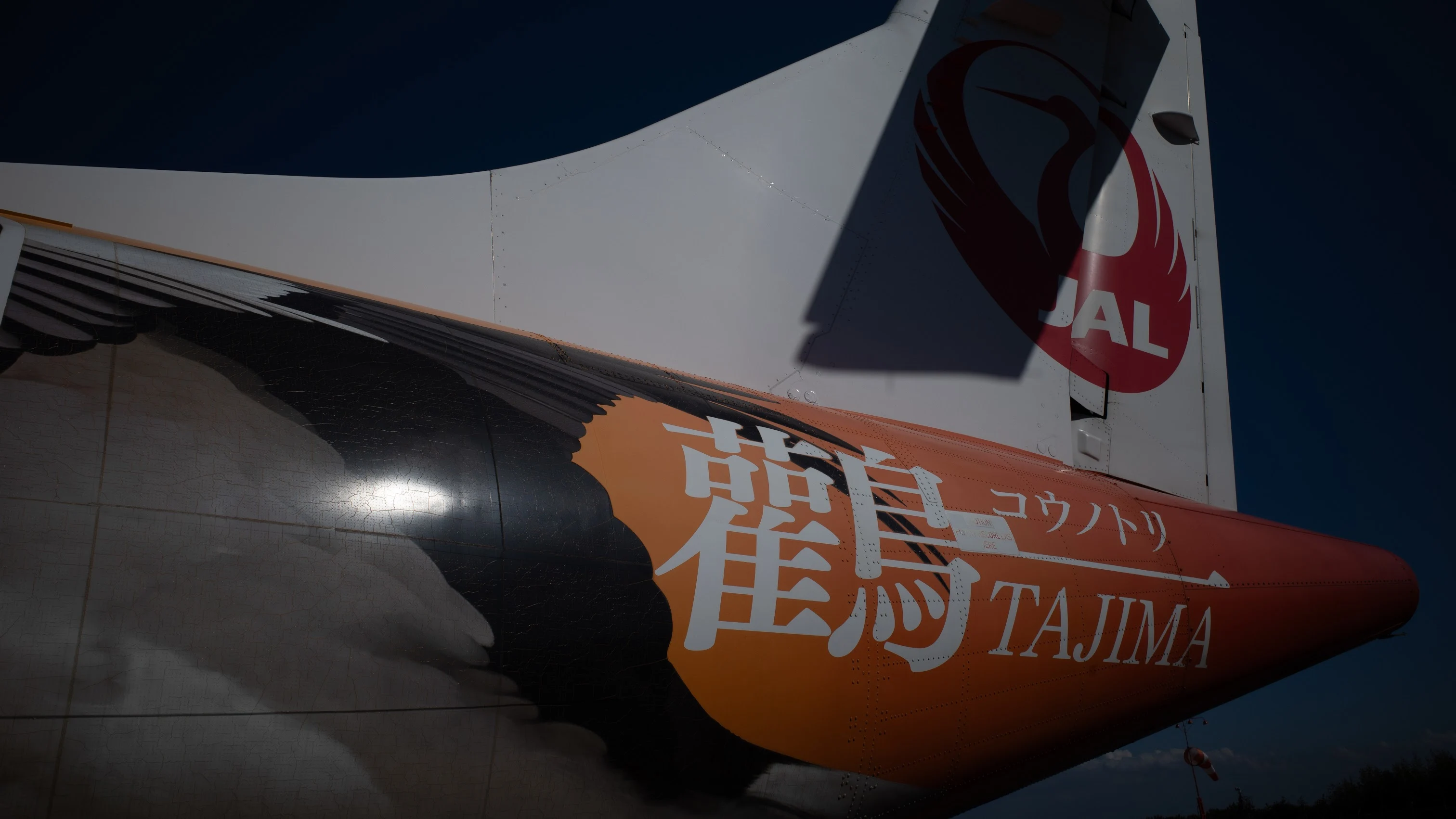
The second gallery moves from old trees and forest streams to an entrance and airport image, reflecting the change from a hiking day to the exit plan. Do not infer that the waterfalls pictured can all be linked in one easy bus trip; the reason for a coastal drive is that separate places take separate road time. The ancient trees are a reason to slow down and choose a manageable forest route, rather than collecting every possible stop.
The last day belongs to the ferry or flight
Yakushima Town warns that typhoons, heavy rain, flooded roads and high seas can disrupt the local transport network. A jetfoil arrival or departure port can change between Anbo and Miyanoura. A distant west-coast drive, another long walk or an inflexible meal booking on the final morning can consume the margin needed to react. Keep bags ready, inspect the operator’s notice and add a short nearby activity only after the exit is secure.
The Okinawa rain-and-typhoon travel guide discusses different islands and operators but the same basic problem: a forecast can change the journey out, not only the sightseeing. On Yakushima, the protected final morning is especially important when your onward itinerary has a separate mainland train or flight. Place the island exit before that onward commitment with a margin suited to the season and ticket terms, rather than assuming a scheduled vessel will always connect.
A late Day 1 arrival and early Day 5 departure leave three full days, not five. In that version, the central plan is Jomon, Shiratani and one coast or reserve slot. If Jomon is impossible because of conditions, substitute Yakusugi Land or another safe forest day rather than borrowing departure morning. The Tokyo first-and-last-day usable-hours guide applies the same principle to city travel; island transport makes the protected edge even more important.
The bus-only version demands a narrower map
Yakushima can be visited without a car, but each attraction needs the correct service, not merely a line on a route diagram. The town lists seven Miyanoura–Shiratani runs per day and only two local-bus services to Yakusugi Land. The Arakawa Mountain Bus is a separate system, outside the ordinary Yakushima Kotsu free-pass coverage. Anbo reduces the Jomon museum approach; Miyanoura helps the Shiratani bus and port. A remote hotel pickup can undo either advantage if it misses the first or last bus.
For a bus-first itinerary, print or save the latest schedules before leaving a reliable connection. Then mark the final return for each forest day and choose the walking course accordingly. A rental car for one coast or Shiratani day can be a targeted solution; it does not have to become a five-day commitment. The Ishigaki, Taketomi and Iriomote flexible-island route is a reminder that island transfers and weather make timetable space a real resource, even though its ferries and geography differ from Yakushima.
What the fifth day buys over four
With an early arrival, late departure and stable conditions, four calendar days can fit Jomon Sugi, Shiratani and some coast. A fifth day is most valuable for one lost mountain window, physical recovery or rearranging the order. Yakushima combines a long hike, limited buses and weather-sensitive access, so that freedom can be worth more than a new attraction. The extra night should be judged against the cost of missing the one forest experience that motivated the trip.
There is an opportunity cost. In a short Kyushu holiday, one more island night is one less night for Kagoshima, Fukuoka or another mainland stop. The Kagoshima Chuo-versus-Tenmonkan base guide helps with the gateway night; the Kyushu five-or-seven-day itinerary tests whether the island extension fits. A small-weather-risk group with only two easy forest priorities may prefer four days. A party committed to Jomon in changeable weather has a stronger reason to keep five.
Another island route can look superficially similar while demanding a different sequence. The Okinawa five-day self-drive plan protects its arrival day for different transport reasons; it is useful as a contrast when a car rental is being booked for all five Yakushima days. Yakushima’s regulated Jomon access makes that blanket rental less persuasive. If the island is only one branch of a wider foliage journey, the seven-day Japan autumn route comparison helps decide whether its weather reserve can fit at all.
The resulting first-trip plan is simple but not rigid: arrive and prepare, allocate the three middle days among Jomon, Shiratani and coast according to conditions, and leave with transport margin. Anbo is the usual single base when the Arakawa start is decisive; Miyanoura becomes stronger when Shiratani, its port and local buses dominate. If Jomon is too long for the group, Yakusugi Land is a deliberate alternate plan. The itinerary succeeds when one poor-weather day can be absorbed without putting safety or the exit at risk.
Related route reading
Other time-and-transport plans: Japan Luggage Forwarding Guide, Japanese Onsen Etiquette: Practical Guide, Kyushu 5–7 Day Itinerary, Yakushima Hiking: Jomon Sugi, Shiratani or Yakusugi Land? Start With How Long You Can Walk, Tokyo First & Last Day Itinerary: What to Do With 3, 5 or 7 Usable Hours.
Other time-and-transport plans: Tokyo, Kawaguchiko and Hakone: 3-Day Itinerary, Osaka 5-Day Itinerary: Give USJ a Full Day — Namba, Umeda, Kaiyukan and Tennoji Without Backtracking, Japan August Weather: The Heat Changes Your Itinerary More Than Your Packing List, Tokyo Itinerary 2026: 4, 5 or 7 Days — What Changes When You Add Disney or a Day Trip?, Okinawa 5-Day Itinerary: Don’t Rent a Car on Day 1 — Naha, Onna and Churaumi Without Hotel Hopping.
Other time-and-transport plans: Lake Chuzenji 2 Day Itinerary: Kegon Falls, Irohazaka and Hotels, Otsuka Museum of Art 2026: ¥3,300 Isn’t the Real Cost — Your Half-Day Is, Okinawa Without a Car: A 5-Day Itinerary That Keeps the Long Bus Days to Two, Kishiwada Danjiri Half-Day Itinerary: Daylight or Lanterns?, Osaka for Couples: A 7-Day Itinerary That Saves the Best Nights for Kyoto, Kobe and One Big View.
Other time-and-transport plans: 7 Day Japan Autumn Leaves Itinerary: Hokkaido, Tohoku, Tokyo, Kyoto or Kyushu, Ishigaki, Taketomi and Iriomote: A Flexible 4-Day Island Itinerary.
Yakushima Town provides Arakawa bus and access details, Jomon Sugi route information, Shiratani course information, bus connections for the forests, Yakusugi Land routes, Hirauchi bathing conditions and weather and transport cautions.