
Eating well in Niseko starts with the address of your room. A family based in Central Hirafu can find a different dinner most nights without planning a vehicle, while an Annupuri stay may depend much more on the hotel's meal plan. A HANAZONO skier can eat beside the lifts; a Niseko Village guest now has the Niseko-yo cluster as well as hotel restaurants. Those distinctions matter more than a list of restaurants ranked without regard to where the party will finish skiing.
Before choosing dinner reservations, secure the meals that can derail a day: food after the airport transfer, breakfast before a fixed lesson and a reliable option for a tired child. Then reserve the two or three dinners whose particular menu or occasion matters. Keep the remaining evenings adaptable. Wind, lift queues and energy levels can change the party's appetite as much as the weather changes the skiing. The Niseko area comparison should come before a restaurant shortlist if accommodation is still undecided.
Decide which meals must work before you pick restaurants
| Meal situation | Plan that protects the day | Common mistake |
|---|---|---|
| Arrival from New Chitose | Hotel food, flexible takeaway or a meal already in the room | Prepaying a dinner that cannot tolerate flight and road delay |
| First morning of lessons | Breakfast included or groceries already bought | Discovering the nearest café opens after check-in at ski school |
| One special dinner | Reserve the exact date, headcount and menu; check the cancellation rule | Assuming a small restaurant can add people on the day |
| Six to eight guests | Book a table early and give children's ages and diet details | Comparing individual menus while no suitable table remains |
| Kitchen-led apartment stay | Name at least two meals it will replace and plan the first shop | Paying for cooking space while eating out every night |
A useful five-night pattern is one dinner you cannot miss, one other reserved meal and several close-to-home options. A family with a fixed lesson timetable may book breakfast every day but leave lunch uncommitted. Friends who want long dinners may do the opposite. A trip with no kitchen still needs one late-arrival fallback; a kitchen with no groceries is not a fallback. The Niseko booking timeline helps place restaurant deposits alongside accommodation and lessons, where cancellation terms can interact.
Arrival night and breakfast carry the most schedule risk
The flight can be on time while baggage, coach connections or snowy roads still delay check-in. A hard-to-cancel restaurant on the first evening adds another deadline to an already uncertain transfer. Keep one primary option near the accommodation and an alternative that works after its kitchen closes. If there is no late food at the hotel, carry a shelf-stable meal or buy something before the last transfer leg. Check whether the room has a fridge, microwave or kettle before assuming that a purchased meal can be prepared there. Airport-to-Niseko transport makes the arrival window easier to estimate.
Breakfast should be judged by when everybody must leave the room. Rental fitting and a child's first lesson take longer than breakfast itself; finding a café at the wrong end of Hirafu can cost the calm start the family paid for. A hotel buffet can be useful even to people who seldom eat hotel breakfast if it removes a morning walk and reliably feeds the group before a lesson. If the apartment includes a real kitchen, shop the day before and decide who will cook. A small kitchenette with one hob cannot serve six people as readily as a full suite kitchen. The kitchen premium becomes easier to justify if two breakfasts or dinners are genuinely replaced, or if allergies make predictable ingredients necessary.
A grocery run on the morning of the first lesson defeats the point. The same is true of a restaurant breakfast that requires an icy uphill return to fetch boots. Locate breakfast, the gear locker, the lesson meeting point and the first lift on one map before booking. Lesson duration and group size may change the sensible eating hour. For a multi-bedroom apartment, the Niseko family apartment comparison separates a usable kitchen from a decorative kitchenette.
Hirafu offers variety, but the walk home is the test
Hirafu has the broadest independent dining choice of the four main ski bases. That advantage shrinks if the chosen room is a steep, icy walk from the restaurants the party actually wants. Upper, Central and Lower Hirafu describe meaningfully different returns after dinner. A 700-metre summer walking estimate says little about snowbanks, a stroller, a tired child or the climb at the end of a ski day. For a car-free trip with several evening reservations, choose accommodation close to where those meals end. A taxi should be a planned expense rather than the hidden rescue for every dinner.
Central Hirafu may fit an adult group spending evenings out; a ski-focused family may value a slope-side room and eat in the hotel or apartment more often. MUWA versus Setsu is a useful example: direct ski access and kitchen-and-laundry facilities change the food routine in different ways. An on-site restaurant still needs a booking during peak periods, and a fully equipped suite still needs groceries. Setsu versus Skye adds the first-morning shuttle question to that accommodation choice.
What changes at HANAZONO, Niseko Village and Annupuri?
HANAZONO's 2026–27 dining schedule currently places HANAZONO EDGE, Café Hanazono 308 by SPROUT and Hana1 Café at the resort from November 28 through April 11. EDGE sits beside Hooded Lift 1 and accepts ski boots. Its restaurant is scheduled to 20:30 during the night-skiing period, with a 16:00 finish outside that period; food ordering closes before the venue does. Hana1 is a daytime café, and the 308 café has its own shorter non-night-ski hours. A skier who stays and takes lessons here can often eat at the base without leaving the mountain plan. Someone who wants a different independent restaurant each night will need to account for a Hirafu trip back. The slope-access hotel comparison makes the HANAZONO-versus-Hirafu room location part of that dinner decision.
Niseko Village has more than hotel dining. Niseko-yo lists casual food alongside sushi, hotpot and higher-priced counters, with different operating hours and some closed days. The useful conclusion is that a Village stay no longer implies eating at the same hotel restaurant every night. It is still a resort-centred dining pattern: venue-specific hours and the walk or shuttle from the booked building determine whether the extra choice solves the evening. A family's dinner inside the resort can avoid a road transfer, while travellers seeking Hirafu's bar and restaurant scene will still be in the wrong area. Niseko versus Furano compares the destination-level dining and skiing trade-off.
Annupuri's quieter evening is part of its appeal, but breakfast and dinner need more advance attention. Confirm which hotel and nearby venues operate on the actual winter dates, whether breakfast is included and what happens when the first restaurant is full. A half-board rate can remove both a food problem and an evening transport problem here. Its price should be compared with the realistic alternative, including taxi time and the loss of spontaneity, rather than with an imaginary Central Hirafu walk-in dinner. If two people want quiet and onsen time but the rest of the group wants late Hirafu dining, settle the accommodation conflict before buying a meal plan.
Ski lunch is a route decision
A cheaper lunch can be poor value if reaching it consumes 45 minutes of good snow and a second lift queue. Put the proposed lunch beside the lesson meeting point, morning lift and afternoon terrain. Ask where skis will be left, whether the non-skier can enter without a lift ticket and whether the group will have to cross a resort boundary. HANAZONO EDGE's ski-boot access and base-lift location make it a practical lunch for somebody already skiing HANAZONO; it is less compelling if the party is on the opposite side of Niseko United. Passes, rentals and lessons should be arranged before counting on an easy cross-mountain meal.
Upper lifts and connections can close in wind. Lunch should usually be the meal that changes with the mountain: eat at the base the group can physically reach. A booking across the ridge is only robust if there is a road or shuttle route and enough time to use it. Dinner can stay fixed when everyone has returned to the accommodation side and can judge the evening conditions. On a rest day, an unhurried lunch or grocery trip may make more sense than forcing a ski-day schedule. The Grand Hirafu terrain guide and the wider Niseko ski guide help locate those movements.
Reserve scarce dinners; inspect the cancellation rule
Small tasting-menu restaurants, private rooms and peak Christmas or New Year dates justify earlier booking. Dietary requirements also need written confirmation before a costly fixed menu. There is less reason to make every evening non-refundable when a group may finish skiing exhausted or a storm changes the journey home. For a six- or eight-person booking, confirm the complete headcount and child ages in writing; one extra chair is not guaranteed at a compact counter. An earlier family seating may allow children to eat before overtiredness, while adults who still want to ski at night can plan around it.
A restaurant's cancellation terms are part of the cost of its menu. Before entering a card, establish the fee start time, whether it applies per person or per table, what happens if the headcount drops, whether children have a mandatory menu and whether the terms mention transport disruption. Do not assume weather automatically creates an exception. Compare two meals at the same price differently if one can be cancelled until that afternoon and the other charges the full amount from the previous day. Save the booking confirmation where the person organizing the group can find it on the mountain.
Vegetarian, vegan, halal and severe-allergy requests cannot be bundled into one vague 'special diet' note. Fish-based dashi can appear in food described as vegetable-led; halal questions include preparation as well as ingredients. A serious allergy requires a cross-contact answer and a safe fallback, not only removal of the visible ingredient. Send the exact requirement before paying for a set menu. If a restaurant cannot confirm it, book elsewhere and identify one reliable option close to the hotel. This matters especially when the village has few walkable late alternatives.
A kitchen only helps when food can reach it
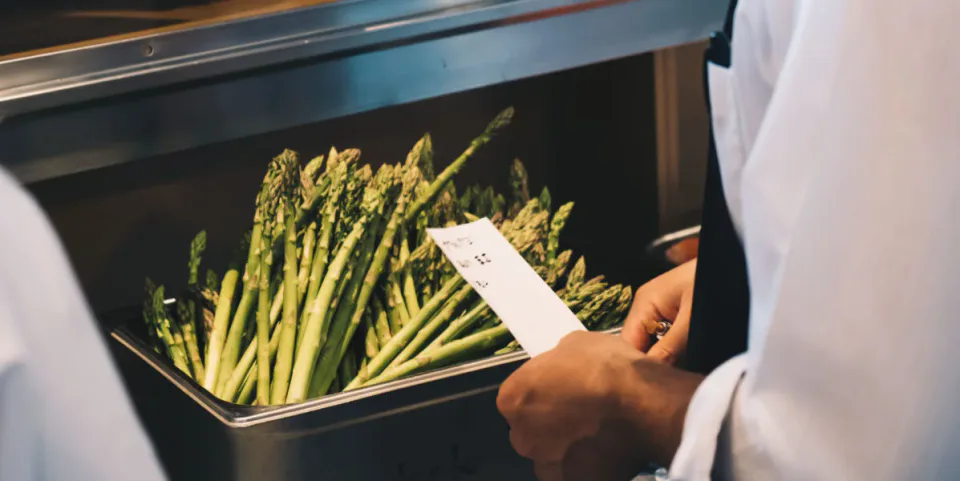
Kutchan is a major grocery and service centre for the Niseko area, but it is not an evening walk for a Hirafu guest carrying bags through snow. A rental car makes a first shop easier, subject to safe winter driving and parking. Without a car, ask whether the airport transfer can stop, the accommodation accepts grocery delivery or a local shuttle reaches the right shop at a useful hour. Count how much a family can carry back before making self-catering the main money-saving argument. Hokkaido winter driving may rule out an otherwise convenient grocery car for inexperienced drivers.
The first shop should cover breakfasts, one easy dinner, snacks and a delayed-arrival reserve. Then the party can decide whether another cooked meal is worthwhile. A couple who prefer restaurants should not pay an apartment premium on the theory that they might cook. A family using a kitchen several times may recover time as well as money, particularly if children eat earlier than adults. Compare the full suite cost and grocery logistics with a hotel room that includes breakfast and has an accessible dinner choice.
One workable five-night sequence
| Day | Food plan | Why it fits |
|---|---|---|
| Arrival | Hotel, flexible takeaway or the room's reserve meal | Airport and road delay cannot trigger a restaurant penalty |
| First lesson | Breakfast already secured; lunch at the active ski base; early dinner nearby | Learning the resort adds enough new timing constraints |
| Best snow day | Quick lunch without crossing the mountain; one reserved evening meal | Protect lift time, then use the calmer evening for the special dinner |
| Wind or rest day | Long lunch, grocery run or cooked apartment dinner | Move the time-consuming meal work away from a valuable ski day |
| Final evening | Flexible dinner close to the room | Packing and next-day transfer remain adjustable |
This sequence is a model to adjust, not five reservations to copy. It gives the high-risk meals a confirmed answer and lets weather dictate lunch. If the party has a wedding dinner, a birthday or a dietary constraint, that meal may be the first booking made. If a child is on a short lesson each day, more lunches at the room might be worth a slope-side hotel. The three-resort comparison can still change the entire food calculation if Niseko's resort pattern does not suit the group; Niseko versus Rusutsu focuses on that pair's ski and evening geography.
Once the ski base and meal routine are clear, compare accommodation around Hirafu dining streets for the same party and dates. Check the actual dinner walk and the exact breakfast or kitchen terms before choosing. For HANAZONO, Niseko Village or Annupuri, move the map to that specific base; the restaurant you want should still be reachable after skiing.