
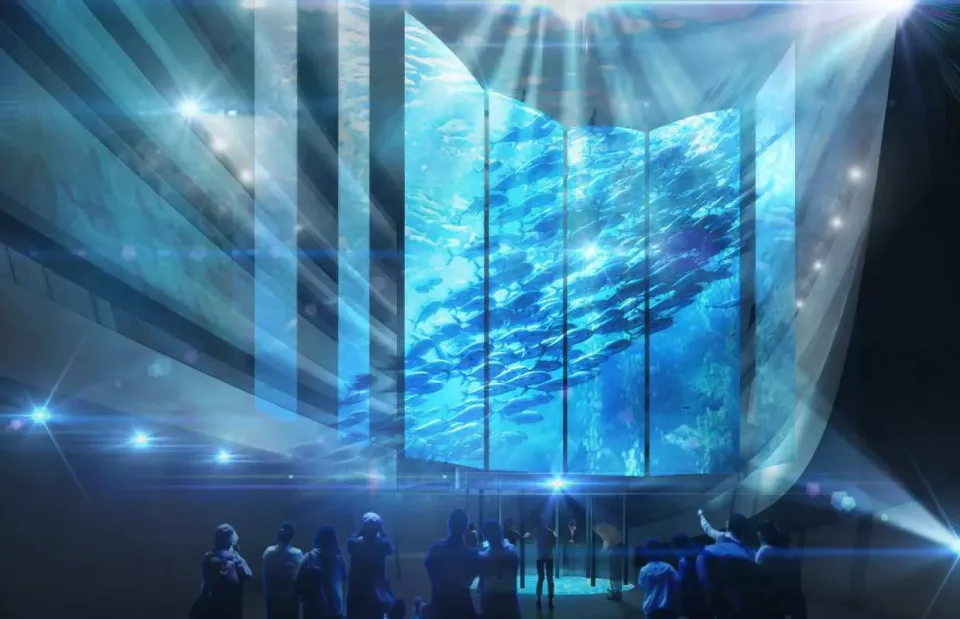
The Kanmon Strait Museum has two useful ways to visit. You can walk through its free Retro Lane, see the waterway from the viewing areas and take an indoor break without buying a ticket. The ¥500 adult exhibition ticket makes more sense when ships, port history or the geography between Mojiko and Shimonoseki are part of the reason for coming. A family escaping rain may also use the paid rooms well. A traveler with 25 minutes before a ferry probably will not.
The admission is small beside the time already spent reaching Mojiko. What changes the decision is whether a museum hour improves the rest of the day or crowds out the waterfront, ferry, yaki curry and sunset. The paid exhibitions can make the shipping channel outside easier to understand; the free floors already serve someone who mainly wants retro streets and a strait view. If the wider day is still undecided, compare Hakata and Tenjin as Fukuoka bases and whether the Northern Kyushu rail pass pays for the actual route before optimizing a ¥500 ticket.
Free or paid depends on the next hour
Current admission is ¥500 for an adult and ¥200 for elementary or junior-high students. Kaikyo Children's Square is a separate ¥100 choice from age one upward. The promenade deck, observation deck, cafe and Kanmon Strait Retro Lane are free. Those are substantial spaces, not a corridor placed before a paywall. A visitor can therefore make a useful short stop even if the exhibition ticket would be wasted.
| Museum option | Price | What it changes |
|---|---|---|
| Retro Lane, promenade and observation decks, cafe space | Free | Short history atmosphere, strait views and an indoor pause |
| Paid exhibitions | Adult ¥500; elementary and junior-high ¥200 | Visual programmes, historical models and interactive interpretation |
| Kaikyo Children's Square | ¥100 from age one | Active play; apparatus aimed at age three and older |
| Time and purpose | Best first choice | What to protect |
|---|---|---|
| 20–40 minutes before a train, ferry or meal | Free areas | View the strait and Retro Lane without watching the exit clock |
| 60–90 minutes with interest in maritime history | Paid exhibition | Catch a visual programme and examine the models |
| Children who want hands-on time | Paid exhibition; consider Children's Square separately | Allow for a possible 40-minute play session |
| Clear light and a photo-first Mojiko visit | Start outside, then use free floors | Waterfront, heritage streets and ferry timing |
| Rain, summer heat or outdoor fatigue | Paid zone gets stronger | Keep enough time before the 16:30 final entry |
The planning ranges are editorial allowances, not promises about how long everyone spends inside. Under 40 minutes, the free areas do the job with less pressure. An adult who wants the large visuals and exhibits should leave roughly an hour to an hour and a half. Children using the interactive displays and play area can stretch the stop toward two hours. The choice resembles the one at the Kyushu National Museum: the modest ticket is only one part of a larger day-trip budget. For a different indoor half-day around Fukuoka, Marine World Uminonakamichi takes much longer than its admission line suggests.
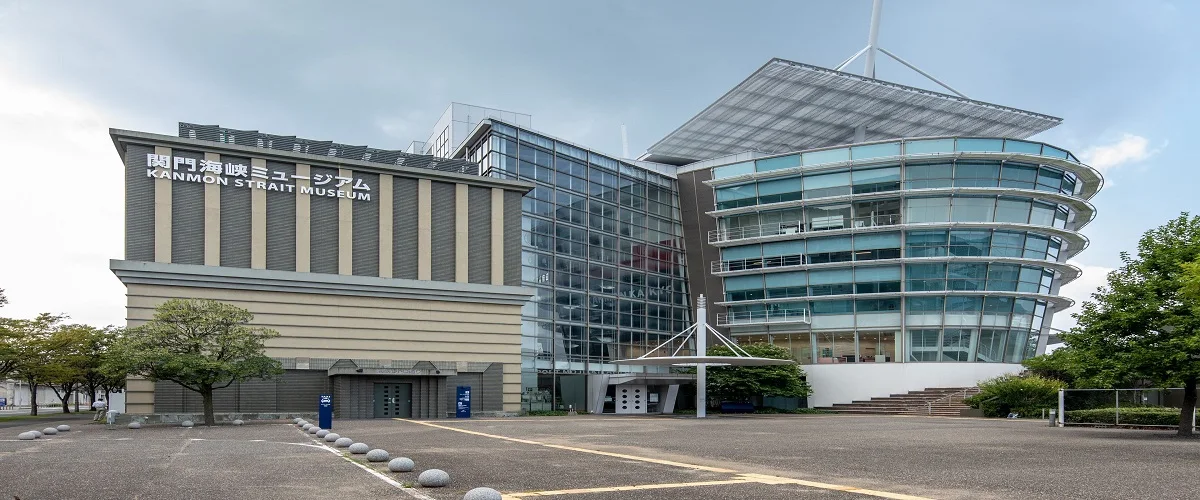
Use the free floors with a specific route in mind
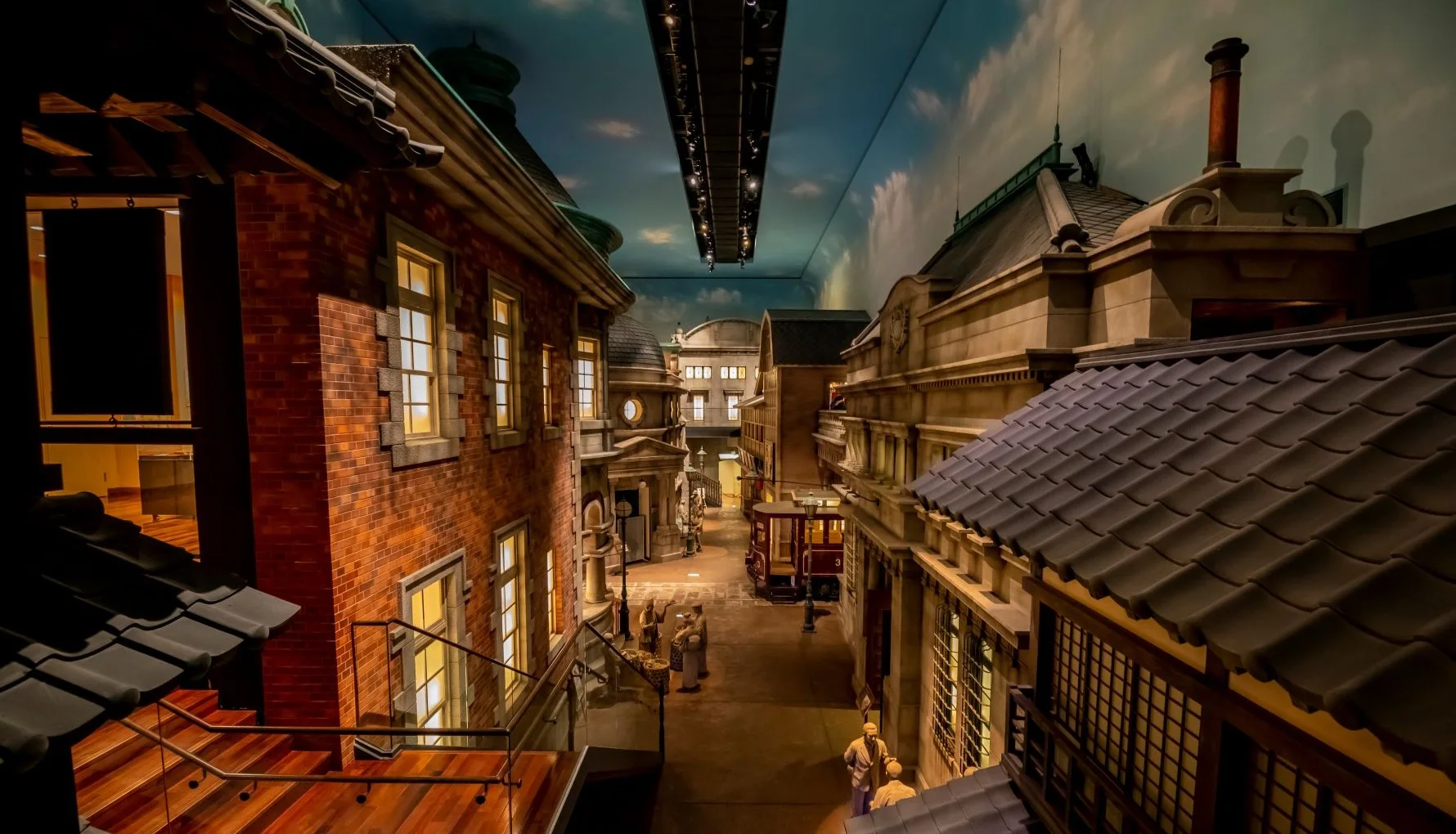
Retro Lane recreates the feel of Mojiko as a trading port through period shopfronts, a streetcar and old street scenes. Its indoor setting is useful when weather interrupts the harbor walk. The observation spaces let visitors put that streetscape beside the real water between Kyushu and Honshu. Together they can be enough for a guest whose interests are architecture, photographs and food rather than shipping or local history.
KUU COFFEE now occupies the fourth-floor cafe space. A previous tenant ended operations in April 2026, but the space reopened under the new name after an April 25 preview and May 1 grand opening; the announced hours were 09:00–17:00. That corrects the older impression that the cafe floor remained closed. A coffee stop can make the free visit more useful before a ferry or a walk to the Mojiko Retro Observation Room. The room has its own sunset decision; spending the first clear hour indoors can cost more in experience than the museum admission saves.
The free route also works as a buffer between commitments. On a day beginning in Fukuoka, a traveler might reach Mojiko, walk the station and waterfront, visit Retro Lane while deciding how much time remains, then cross toward Shimonoseki or eat yaki curry. It is more flexible than buying a paid exhibition entry immediately on arrival. Someone planning dinner back by Hakata Station can set the return train first and let the museum expand only if the rest of the route stays comfortable.
What the ¥500 exhibition adds
The paid part explains why this narrow waterway has mattered for transport, trade, geography and conflict. Large projections, models and interactive displays link the physical strait to stories that are harder to see from the promenade alone. The Kanmon Strait separates Mojiko from Shimonoseki and connects inland and open seas; ships, currents and port development become more interesting when the exhibits give them scale. The history covered includes the Battle of Dan-no-ura and Ganryujima as well as Mojiko's later trading-port growth.
The big visual programmes are worth planning around. The current published sequence gives “A Day in the Strait” at 10:30, 12:30, 14:30 and 16:30. The history theme lists “The Story of Mojiko” at 10:00, 12:00, 14:00 and 16:00, and another Kanmon history sequence at 11:00, 13:00 and 15:00. A visitor arriving ten minutes before a useful screening can explore a nearby display first. Someone who has just missed it and must leave before the next may gain less from the same ticket.
For an English-language visitor, not every label necessarily delivers the same depth, even though the paid exhibits include Japanese, English, Korean and Chinese support. The models and visuals are strong anchors: find the place, vessel or historical episode that connects to something visible outside, then read further where it interests you. Trying to translate every panel in order can turn a short Mojiko stay into a text exercise. A traveler interested in another regional collection might compare this experience with the Dazaifu museum's collection and special-exhibition choice; those venues solve different interests and need different amounts of time.
Children's Square is a separate clock
For many adults, the value of the paid zone rests on ships and local history. Children may instead spend their time operating or identifying things and moving between interactive exhibits. The Children's Square then offers active play for ¥100 from age one through elementary school, while the apparatus itself is aimed at children aged three and above. The museum asks visitors and accompanying adults to wear athletic shoes for the area.
On weekends, national holidays and long school breaks, play may be capped at 40-minute sessions. This matters more than the add-on fee. A child could get excellent value from the session, yet the session may also push lunch, a ferry or a return train beyond the family's comfortable window. Do not promise “museum plus play” as a tiny stop between two fixed departures. A family choosing between this and an aquarium should compare how much indoor time the child will actually use; the Marine World route is a substantially different half-day.
| Fixed commitment today | Role for the museum | Practical choice |
|---|---|---|
| Ferry or a meal across the strait | Time buffer | Begin in free areas and buy admission only if the window remains |
| Mojiko sunset from the observation room | Earlier indoor block | Protect the outdoor light and arrive with at least an hour |
| Rainy afternoon | Main indoor stop | Use the paid exhibits and a screening |
| Return train to Hakata | Cuttable stop | The ¥500 saving cannot justify missing the planned connection |
Parents or older travelers who would prefer to reduce repeated walking can also decide on the base first. A Fukuoka hotel near the useful departure line may matter more than the difference between paid and free museum entry. The Fukuoka hotel guide for parents makes that wider choice; the last-night Hakata versus Tenjin decision matters when an early flight follows the Mojiko day.
Weather changes the order of the day
On a dry day, the outdoor parts of Mojiko have a stronger claim on daylight: the heritage station, Blue Wing Moji, waterside buildings and ferry views all benefit from seeing the water. The paid zone remains interesting, but entering as soon as the train arrives can use the best light. In rain or strong heat, the cost of giving that hour to an indoor exhibition falls. The museum can become the main afternoon activity while the free deck and cafe give shorter breaks.
This does not mean weather should dictate the whole schedule months ahead. Keep the museum as a movable block when the forecast is uncertain. If a clear period opens, walk the waterfront and return for the screening later. If rain settles in, spend the hour indoors and use the free areas as a soft finish. This logic also applies to a Fukuoka Tower sunset ticket or Osaka skyline choice: the right observation time can be more valuable than filling every gap with a fixed indoor stop.
Do not confuse last entry with a full museum visit
The building currently operates 09:00–17:00 with final admission at 16:30. An arrival at 16:25 may still satisfy the gate rule but cannot provide the relaxed 60–90 minutes described above. It may miss most of a screening sequence. If the paid zone is not the day's main objective and the clock has moved past about 16:00, the free floors and waterfront are usually the safer use of the remaining time.
The museum's calendar lists irregular maintenance closures, including November 10, 2026 and January 12, 2027; the September 8 closure in the earlier version of this article has passed. Its published address is 1-3-3 Nishikaigan, Moji Ward, Kitakyushu, around nine minutes on foot from JR Mojiko Station. Some older regional guides quote other walk times and opening hours, so use the museum's current site for the visit day. If the journey from Fukuoka is long enough that you want sunset, dinner and a slower morning, the BEB5 Mojiko overnight decision may be more consequential than admission.
Buying the exhibition e-ticket ahead is useful only after the date, opening day and paid-visit window are firm. Compare redemption and cancellation terms for the exact ticket offered; a voucher that cannot be used after a route change is no advantage merely because it was purchased earlier. Admission is inexpensive enough that the main commitment is still the hour taken from Mojiko, not a small nominal saving.
The train fare or pass deserves the same scrutiny. Do not buy a Northern Kyushu pass solely because the museum is a regional attraction; calculate all planned rail legs. A traveler based near Hakata can often treat Mojiko as a day trip, while someone who wants to cross to Shimonoseki, keep the evening view and avoid a rushed return may value a local night. The Fukuoka hotel-area comparison shows how the base changes other day trips as well, including a Dazaifu or Itoshima day.
One decision for the paid zone, another for accommodation
I would pay when there is at least an hour, a screening fits, weather weakens the outdoor plan, or the group wants to understand ships and the strait's history. I would stay with the free floors when Mojiko is a short photo and food stop or a ferry departure is close. The two choices are both legitimate uses of the same building. A lower ticket price cannot make an hour available that the itinerary does not contain.
After deciding the museum time, compare the station and evening route. If the return to Hakata is tight, a central Fukuoka base can be more practical than a scenic overnight. If the day is built around the strait at dusk, look at Mojiko rooms and their walk back from the waterfront. Compare hotels around Mojiko waterfront
Other ticket decisions become clearer with the same approach. The Cup Noodles Museum depends heavily on a workshop slot; the Tokyo science museum can consume several hours despite low admission. Here, the scheduled projections, free floors and ferry clock are the three details that decide whether ¥500 is well spent.
Source record
Checked October 24, 2026: Kanmon Strait Museum hours, admission, free floors, screenings, Children's Square and closure dates; KUU COFFEE opening notice. Ticket inventory and cafe service on a particular date can change.