
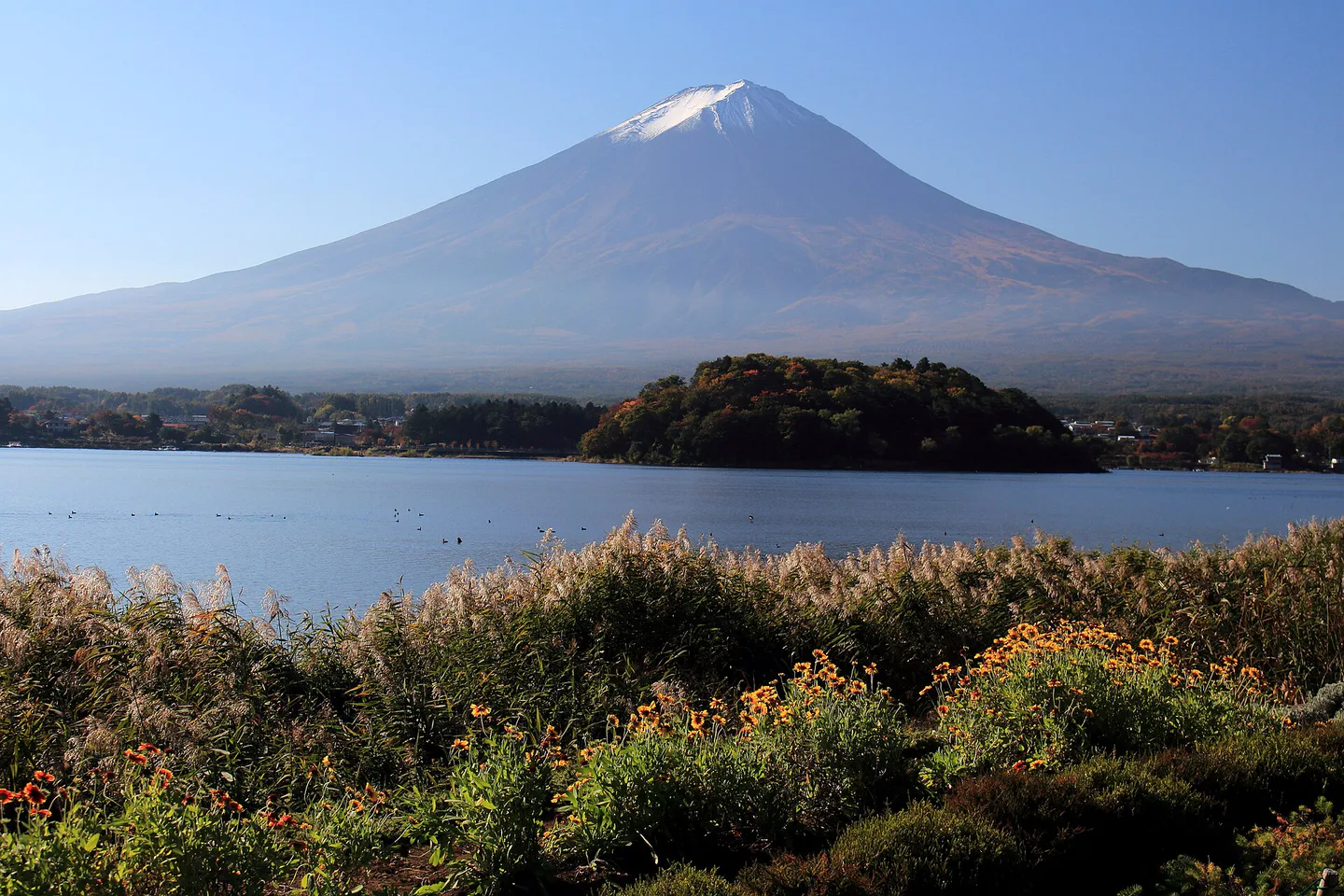
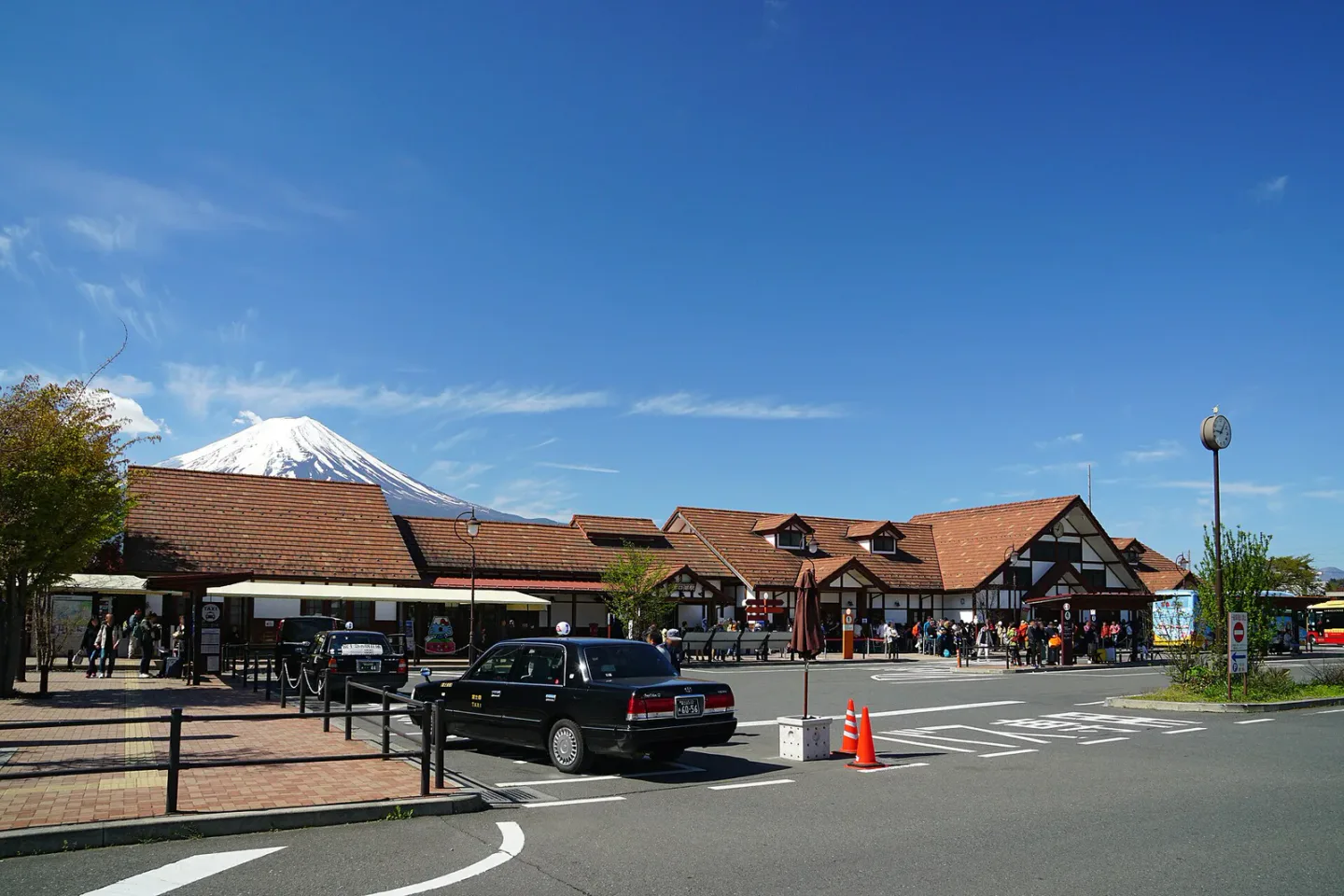
A Kawaguchiko day gets easier once you stop treating every lake attraction as an obligation. Mount Fuji may be visible for one hour and hidden for the next four, so use a clear window for the viewpoint that matters most. Then choose one paid activity and leave room for a café, museum or bath that still works under cloud. Oishi Park, the Panoramic Ropeway and the boats answer different questions; Fuji-Q Highland is large enough to take its own day. The right mix depends on usable hours after transport, not the number of pins on a map.
Car-free travel changed in July 2026 when the Oishi Park Line began sailing between Funatsu Pier and the north shore. Its fifteen-minute crossing can replace part of a Red-Line bus journey in the middle of the day, while the Appare sightseeing boat remains a separate lake circuit. The shuttle does not create a late-evening return from Oishi. A visitor planning sunset or autumn illumination still needs a bus, taxi or accommodation strategy after the last boat. Where to stay around Lake Kawaguchi for autumn colour is more useful for that decision than another attraction list.
The October 2026 fare is ¥1,000 for a ropeway round trip, but the operator has announced ¥1,200 from 1 November, with a ¥600 child fare. Scheduled November inspection days and a December maintenance closure also affect some trips. Boat departures and Fuji-Q rides can be interrupted by weather or operations. Those date-specific conditions matter to this itinerary; a fixed attraction order written months in advance cannot guarantee the mountain or the transport.
↔ Scroll table left or right
Usable time | Core plan | First thing to remove |
Around six hours | One clear-Fuji zone, one paid view, then a flexible food or indoor stop | Fuji-Q and a second shore circuit. |
A full lake day | Oishi/north shore, one Funatsu block and one weather fallback | An attraction added merely because it appears nearby. |
One night and two usable days | An early or late lake window, then a distinct second-day purpose | A hotel move that adds little to the route. |
Fuji-Q is the main reason to go | Give the park the whole pass day | A full Oishi and ropeway itinerary on the same day. |
Fuji remains hidden | One low-cost view check plus museums, food or onsen | Repeated paid viewpoints chasing the same cloud. |
The first clear view is the scarce part of the day
A ropeway ticket, lunch or museum stop can often wait. An unobstructed Fuji summit may vanish while you cross the lake. Before leaving the station or hotel, check what you can actually see and how long reaching your preferred shore will take. If the mountain is clear, use the nearest strong view rather than automatically following a memorised Oishi-first sequence. If it is hidden, begin with a lower-stakes activity and keep a later view opportunity open.
Oishi Park is a low-commitment north-shore choice. The park itself has no entry fee and can be visited at any hour, while the local tourism route gives about thirty minutes from Kawaguchiko Station by Red-Line sightseeing bus under ordinary conditions. Flowers, the lake edge and Fuji can justify a short visit without another admission decision. An overnight guest already based on that shore may be able to respond quickly to a clear morning; a day-tripper must account for the ride there and back.
Suppose the bus reaches Kawaguchiko Station around 09:00 and Fuji is sharp against a blue sky. If the ropeway area is nearby and its queue looks manageable, taking the near-side view immediately may protect that weather window. Travelling to Oishi first can also be right if the bus or boat departure aligns and the north-shore photograph is your priority. What matters is the transfer time before the first view. The Fuji Excursion booking guide helps fix the return constraint before choosing an extra loop.
On a two-day stay, the first afternoon and next morning create several chances; the order can shift with clouds. On a six-hour visit, one missed transfer can remove the only clear interval. Treat the route as two or three zones with a flexible order, not a parade of attractions that must be completed. How many nights at Lake Kawaguchi expands that weather-window calculation for an overnight decision.
Oishi Park works best when the return route is known
Oishi combines a lake foreground, seasonal planting and a broad Fuji view without a gate or ticket queue. A clear-day stop of roughly 45–90 minutes often covers a shoreline walk and photographs, although flower seasons or a long café break can justify more time. The park is easy to enter; leaving it efficiently without a car is the more important planning detail. For a quick Tokyo day trip, decide how you will get back to Funatsu or the station before committing most of the day to the north shore.
The Red-Line bus, taxi and a long walk were the familiar options for linking Oishi with the ropeway and Funatsu. Since July 2026, the Oishi Park Line adds a direct water crossing from Funatsu Pier. That is a meaningful car-free option, but it operates on published daytime departures and can stop for poor weather or water conditions. It should complement the bus plan, not erase the need for a fallback.
The operator began the Oishi Park Line on 17 July 2026. Adult one-way fare is ¥1,000 and the child fare ¥500; a round trip is listed at ¥1,800 and ¥900. The crossing takes about fifteen minutes between Funatsu Pier and Oishi. This is a transport link with a lake view, different from Appare's sightseeing circuit. A one-way ticket can be particularly useful when you want to arrive north by boat and leave by bus, or reverse that direction, without paying for a full return crossing.
One practical car-free loop uses the shuttle as the middle link:
Kawaguchiko Station / ropeway area → Funatsu Pier → Oishi Park Line (about 15 minutes) → Oishi Park → return by a scheduled boat, bus or taxi.The last Oishi-to-Funatsu departure is 15:50 in the normal timetable and 14:50 in the winter timetable beginning 1 November; the published summer pattern adds a later 16:50 departure. The last sailings from Funatsu are later in each pattern, but they do not help if you are stranded on the north shore after the Oishi departure. A sunset at Oishi therefore requires another return plan. The cruise operator posts seasonal tables and occasional disruption notices; their actual date takes precedence over an attractive generic loop.
If you want the north-shore autumn lights or a slow dinner, consider a north-shore room, a preplanned taxi or the relevant evening bus rather than assuming a boat will be running. Kawaguchiko or Fujiyoshida as an overnight base changes the morning and evening choices too. A hotel near the station and a hotel near Oishi are buying different degrees of access to the first clear Fuji hour.
Ropeway and Appare boat show different parts of the lake
The Mt. Fuji Panoramic Ropeway and the Appare sightseeing boat are near one another on the Funatsu side, but their proximity is not a reason to buy both automatically. The ropeway rises to a high viewpoint above the lake; Appare gives a seated circuit at water level. A clear day with spare time can justify two perspectives. With only a short weather window or a fixed departure, decide which view you care about more.
↔ Scroll table left or right
Decision | Mt. Fuji Panoramic Ropeway | Appare sightseeing boat |
View type | Elevated panorama over Lake Kawaguchi toward Fuji | A seated circuit on the lake surface. |
Adult fare | ¥1,000 return through 31 October 2026; ¥1,200 from 1 November | ¥1,000 for the sightseeing circuit. |
Time in motion | About three minutes each gondola leg, before queue and summit time | Roughly twenty minutes around the lake. |
Weather weakness | Wind, thunder and lost mountain visibility | Wind or water disruption and hidden Fuji. |
Mobility point | Operator lists 64 lower-station and 112 upper-station steps; wheelchairs face difficulty | Potentially less walking, subject to suitable pier access and boarding help. |
Best use | Clear mountain view, height and photography | Relaxed lake time, families or travellers preferring a seated activity. |
The ropeway ride reaches the upper viewpoint in about three minutes per direction, but the full visit also includes queuing, stairs and summit time. Its published schedule varies by season; the source itinerary's 08:30–17:00 pattern and summer extension are useful examples, not permanent guarantees. The operator recommends earlier visits when queues are a concern. As of 24 October 2026, an adult return is ¥1,000, and the operator has already posted a rise to ¥1,200 from 1 November. Inspection short hours on 25–26 November and a planned 7–18 December closure can override an ordinary autumn plan.
Appare is a sightseeing loop rather than a shuttle to Oishi. Its adult fare is listed at ¥1,000, and the lake circuit takes roughly twenty minutes. The operator gives different departure spans for normal, summer/GW and winter operation; for example, its normal-season window reaches around 16:30, while winter finishes earlier. Weather and scheduled closures can interrupt service. It is the lower-effort choice when the group wants time on the water, but a boat ticket cannot guarantee a clear Fuji view if the mountain is already covered.
On a first clear visit, the ropeway is often the stronger high-view purchase if the group can manage the stairs. Choose Appare when a seated lake ride is more appealing or movement to the ropeway summit is difficult. Do both only if the distinct perspectives matter to you and the time after queuing still leaves a safe return buffer. If Fuji is hidden, paying for both usually duplicates disappointment rather than increasing the chance of a view.
A combined ticket is useful only for activities already chosen
The Ropeway & Cruise set lists ¥1,700 for adults, while the individual ropeway return and Appare fares before 1 November are ¥1,000 each. On those stated prices, the set is ¥300 less than buying both. The operator's ropeway individual fare changes on 1 November, and combination products can be revised separately; check the live set price for your travel date instead of assuming the old saving continues unchanged. The set's two-day validity may help a traveller staying overnight, but it does not create extra hours in a six-hour day trip.
A discount is worthwhile only when both experiences are wanted. After Oishi, a ropeway visit, lunch and travel back to the station, another twenty-minute boat circuit plus boarding can be too much for a short visit. A bundle may cost less than two separate tickets while costing more time than your plan can spare. Decide on the second perspective first, then decide whether the combination ticket is cheaper.
The operator also lists a ¥2,500 adult Ropeway & Oishi Park Shuttle set covering the ropeway and a round-trip Oishi Line crossing, sold online. At the pre-November individual prices, a ¥1,000 ropeway plus ¥1,800 boat return totals ¥2,800, not the old article's ¥3,000 calculation; the set is ¥300 lower on those figures. After 1 November, the ropeway increase changes that arithmetic. If you intend to return from Oishi by bus, a shuttle round-trip bundle may be the wrong product even if its headline saving looks attractive.
Fuji-Q Highland deserves a separate day
Fuji-Q is close on a map, yet a full amusement-park visit competes directly with a lake day. The park's date-priced adult one-day pass currently ranges from ¥6,000 to ¥7,900. Some rides can close or have long queues, and operating hours vary by date. Paying for a pass only to leave mid-afternoon for Oishi wastes part of what the ticket buys. Where to stay for Fuji-Q and the lake matters when the park is the central purpose of the trip.
The reverse plan is just as cramped. A morning bus to Oishi, lunch and the ropeway can leave a 15:00 entry at Fuji-Q; the park then becomes a partial-day visit with uncertainty over rides and queues. An afternoon pass exists and may fit someone deliberately planning a shorter park session, but it is a different purchase from a full one-day pass. Do not treat Fuji-Q as another quick Kawaguchiko viewpoint to be inserted after the boat.
Divide the days by what the ticket is buying:
One usable day: give the lake and Fuji views the day; buy Fuji-Q only if the park is the trip’s true purpose.
Two usable days: split one lake day and one Fuji-Q day so each ticket and route has enough time.
Park-first visit: base around the Fuji-Q journey, then reserve a separate lake morning if the schedule permits.
If Fuji-Q owns a full day, choose a hotel and transfer route around the park's opening and the next morning's plan. If the lake is the reason for the trip, use the park only on a second usable day or on a deliberately chosen partial-day ticket. The Fuji-Q versus lake hotel geography can save more effort than trying to cram both attractions into one schedule.
With six usable hours, stay in one view zone
A Tokyo day trip may advertise a full day yet leave only about six hours on the ground after arrival and departure. That can still produce a memorable lake visit if you do not chase every shore. Choose one clear-Fuji viewpoint, one paid activity and a flexible final stop. The transit connection back to the station is part of the usable time, not an invisible margin at the end.
A six-hour route can be divided into three blocks:
Use the first clear interval at Oishi or the nearby ropeway, whichever you can reach without losing the view.
Choose one paid lake activity: a ropeway panorama or a boat ride, after accounting for the pier and queue.
Keep lunch, a café, one museum or onsen as the flexible final block before the station return.
Leave Fuji-Q for another day. Museum stops on the north shore may look adjacent on a map but still require waiting for a bus or walking farther than the group wants. A reserved Fuji Excursion train or highway bus sets a hard deadline; aim to be back near the station before boarding time instead of ending the last attraction as the vehicle departs. Tokyo to Kawaguchiko transport choices are worth settling before buying any local add-on.
The return rail seat makes attraction order concrete. If a boat leaves Oishi too close to the departure, use the Red-Line bus earlier or cut the extra stop. Even a free view is not free if it risks the last easy connection. The Fuji Excursion seat and timing guide is a companion to this six-hour plan because the way home determines how much time remains at the lake.
A full day needs one disposable block
A complete day can hold the north shore, a Funatsu attraction and one flexible afternoon choice, provided one of those blocks is optional. Decide the order in response to the first clear Fuji window. A good forecast does not remove queues or boat disruptions, so the plan still needs a branch that can be deleted without spoiling the day.
Morning: respond to visibility with Oishi/north shore or the ropeway rather than a fixed first stop.
Midday: use Funatsu for the ropeway, Appare or lunch, or let the Oishi shuttle replace a bus crossing.
Afternoon: retain one museum, café, bath or Fujiyoshida stop that works when Fuji disappears.
If the ropeway line is long, omit Appare or move it to another time. If Fuji disappears after Oishi, replace another paid viewpoint with a museum or café. If the Oishi boat cannot sail, change to bus or taxi only when the return remains workable. The point is to remove a block intentionally rather than force the group through every preselected stop. Lake Kawaguchi autumn timing can also make the late-day window a specific priority.
A plan with no stop that can be dropped is brittle. It depends on views, transport and queues all cooperating. Leave a choice open after lunch so the afternoon can follow conditions instead of the order of a saved map. A full day gives room to adapt; filling every minute removes that advantage.
An overnight should create a second weather opportunity
A room by the lake earns its place when it lets you see Fuji early, linger at sunset, enjoy a ryokan or onsen evening, or try again the next morning. Simply sleeping near a famous mountain is not enough justification. For a guest arriving from Tokyo midday, the extra night can turn a single uncertain afternoon into two distinct chances separated by rest. Day trip or overnight at Mount Fuji makes the time-versus-cost decision explicit.
If cloud hides Fuji at 14:00, stop paying for progressively higher viewpoints. Use a museum, the hotel or a bath, then reassess in the morning. That is the main optionality purchased by an overnight stay. A north-shore hotel may make the first light easier; a station-side hotel may simplify onward transport. How many nights in Kawaguchiko addresses when one night is enough and when a second changes the trip.
Give the second day a separate purpose. Fuji-Q, photography, a slower Oishi visit, a Fujiyoshida or Chureito block, or travel onward toward Hakone are materially different from repeating the same lake circuit. If the second day exists only to wait for a cloudless replay, compare that extra hotel cost with the chance you are buying. The Tokyo–Kawaguchiko–Hakone route also changes whether moving luggage consumes the morning.
A cloudy day is not four new chances at the same view
Cloud can break, and a short free check at the lake edge is sensible. But paying for ropeway, Appare and several viewpoints in succession does not create independent weather systems. When Fuji is fully hidden and the short forecast remains poor, switch the day's purpose. The ropeway can still show the lake in some conditions, yet its signature mountain panorama may be absent. A boat ride may still be pleasant if being on the water was the attraction in the first place.
Once the mountain has disappeared, choose an activity for its own value:
Choose one north-shore museum with content you want to see, rather than collecting several similar stops.
Allow a café or slower lunch to occupy the cloudiest period.
Use a hotel bath or day-use onsen only if its actual opening and entry terms fit.
Walk Fujiyoshida streets when the transport from your current position remains straightforward.
Spend on Fuji-Q only if the park was already a priority and its rides operate; cloud alone is not a reason to buy a pass.
If the trip has no appealing cloudy-day option, shorten it rather than buying extra attractions to defend the original schedule. A partial view can return later, particularly on an overnight stay. The Hakone versus Kawaguchiko choice may be relevant when the wider trip has room to shift, but changing towns on the day is not always realistic.
Mobility and children change the size of a good day
The ropeway operator lists 64 steps at the lower station and 112 at the upper station, and says wheelchair movement is difficult. That is a specific access issue, not a vague warning about hills. A seated boat journey may reduce walking for some groups, but boarding assistance and pier access still need to suit the particular traveller. The Oishi shuttle can also be used as transport rather than merely an attraction. Check what the group can physically do at each transfer, especially with a stroller or older companion.
A smaller geographic day can be better than a longer list labelled family-friendly. One shore or Funatsu zone per half day gives time for toilets, food, queues and rest without repeated bus transfers. A museum near the current stop may fit better than a famous viewpoint reached after two changes. If an overnight room will supply afternoon rest, Kawaguchiko hotels with Fuji views and private baths can help place that pause near the route.
If the accommodation includes a private bath that the group will use, an afternoon return can be a legitimate part of the lake day. A parent who has paid for room space and a bath does not need another attraction at 16:00 just to fill a schedule. The hotel choice and the activity list should support each other rather than compete for the same hours.
The shortest useful answer for a first visit
With one day, aim for a single Fuji-view zone, then choose the ropeway or a boat according to visibility, mobility and the return route. Oishi is a flexible free north-shore stop; the July 2026 water shuttle helps connect it to Funatsu in daytime. Its last Oishi departure comes too early for a sunset return, and the ropeway's announced November fare change means ticket arithmetic depends on the date. The day works best with one weather-independent fallback, not a compulsory final loop.
Use both ropeway and Appare only when their distinct views interest you and the schedule still has room after queues. Keep Fuji-Q as a full-day priority on its own. An overnight can add a genuine early or late lake window and a second weather chance; it is not a licence to collect every ticket. For a group with limited walking tolerance, the number of transfers may be a more important measure than the number of attractions.
Before adding one last stop, ask whether it changes the lake experience enough to justify the travel, price and risk to the way home. If it only makes the itinerary look more complete, leave the hour open for the view you came to see—or for a slow meal when Fuji stays hidden.
Compare Lake Kawaguchiko stays for an early or late Fuji window.
Routes that change the Kawaguchiko choice
Mt Fuji Day Trip or Overnight? · How Many Nights at Lake Kawaguchi? · Kawaguchiko or Fujiyoshida? · Tokyo–Kawaguchiko–Hakone Itinerary · Kawaguchiko–Hakone Luggage Guide
Ropeway, boat, park and Fuji-Q details
Mt. Fuji Panoramic Ropeway — current fares, hours and accessibility · Mt. Fuji Panoramic Ropeway — morning queue patterns · Fuji Five Lakes Cruises — Appare and Oishi Park Line schedules · Fujikawaguchiko tourism — Oishi Park opening and access · Fuji-Q Highland — current operating calendar · Oishi Park Line seasonal timetable · Ropeway fare and maintenance notices.
Related guides: 40 Best Things to Do in Tokyo in 2026 — What’s Actually Worth Your Time by Area · 35 Best Things to Do in Osaka 2026: What’s Worth Your Time by Area, Budget and Trip Style · Early Morning Things to Do in Tokyo: What Actually Works Before 10 a.m. · Lotte Hotel Busan vs Arban Hotel: Is the Five-Star Premium Worth It in Seomyeon? · Fukuoka Tower: Is the ¥1,000 Ticket Worth the Detour? Timing Changes the Answer · RIHGA Royal Gran Okinawa: Is Asahibashi Worth It for Your First or Last Night? · What Your First Onsen Feels Like: The Awkward First Five Minutes · Okinawa Hotel Breakfast: Don’t Add It Until You Know What Time You Leave · Obon Shinkansen 2026: What the Reserved-Only Nozomi Rule Actually Changed