
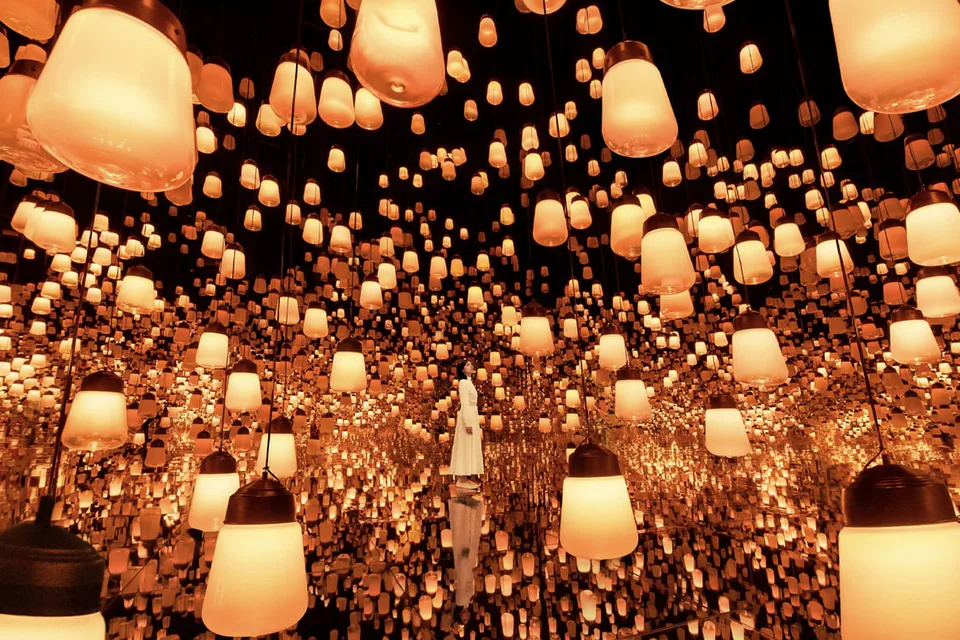
teamLab Biovortex can take a full three-to-four-hour block of a Kyoto day once the station walk, entry and unhurried time inside are counted. Its hours, 09:00–21:00 with a 19:30 last entry, make a late visit especially useful: the indoor installations remain available after many garden and temple visits have ended. A first-time visitor with only one full Kyoto day should give that daylight away only if immersive art is a major reason for the trip.
With two or more Kyoto days, I would first protect the outdoor sights that require daylight, then see whether Biovortex fits after a meal or station-side break. A repeat visitor, a rainy day or a late train connection changes the calculation. This is a time decision as much as a ticket decision; Kyoto versus Osaka for a first Japan trip helps decide how much Kyoto time exists before an indoor booking takes it.
↔ Scroll table left or right
| Kyoto trip | Biovortex fit | What it displaces or adds | When the answer changes |
| First visit with one full day | Usually leave it out | Three or four hours take a large share of daylight sightseeing | Immersive art is a top trip priority |
| At least two Kyoto days | Good late-day option | Outdoor heritage can keep the brighter hours | Children or a fixed dinner need an earlier entry |
| Repeat visit or rainy afternoon | Strong candidate | The indoor route can take time otherwise less useful outside | A named artwork you want is unavailable |
| Rail transfer day | Possible with buffer | Station walk is short, but bags and entry timing still need solving | A tight onward train makes the plan fragile |
Young children / stroller | Conditional | Interactive physical spaces can be excellent for the right family | Stroller and supervision rules make the visit harder than the art is worth |
Why an evening slot changes the Kyoto calculation
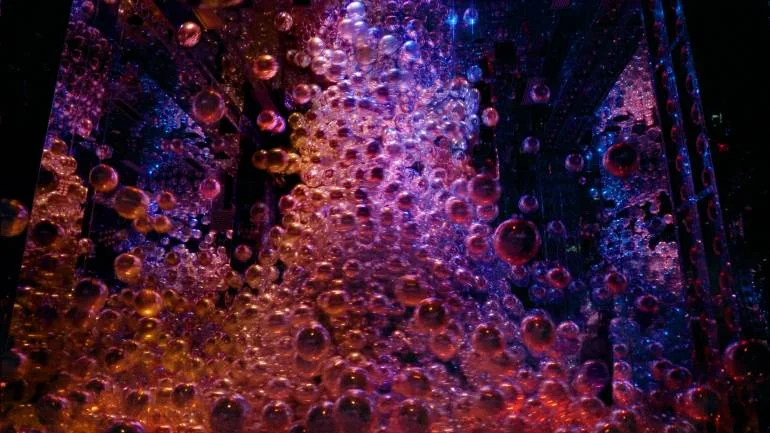
The museum lists a 21:00 close and 19:30 last admission on regular days. That late finish lets Biovortex occupy hours when a garden, temple interior or daylight-dependent neighbourhood walk would already be difficult. A 17:00 entry can still leave meaningful time inside because the venue has no fixed stay-length limit after admission. The exact closing date and hours should be checked for the chosen visit, but the current operating pattern gives this museum a scheduling advantage that many Kyoto sights lack. Higashiyama walking route are better considered in daylight.
Suppose the same day also contains Fushimi Inari, Arashiyama or Higashiyama. Moving an indoor art block later preserves light for paths, streets and gardens; it does not require pretending the museum is quick. If a visitor has only one Kyoto day, those outdoor choices might still outweigh Biovortex entirely. A Kyoto day trips from an Osaka base leaves even less room for a three-hour art visit than an overnight does.
The evening option has limits. A young child who is exhausted after dinner, a traveller taking a fixed evening train, or someone who wants a long Kyoto meal may do better with an earlier slot or a different day. Last entry at 19:30 is also not an invitation to arrive at 19:29 and expect an unhurried route through every installation. Put the museum on the itinerary only when the people and onward transport still have room for it. What to shorten when rain reaches a Japan itinerary can help reassign a day.
Budget a half-day block, not a photo stop
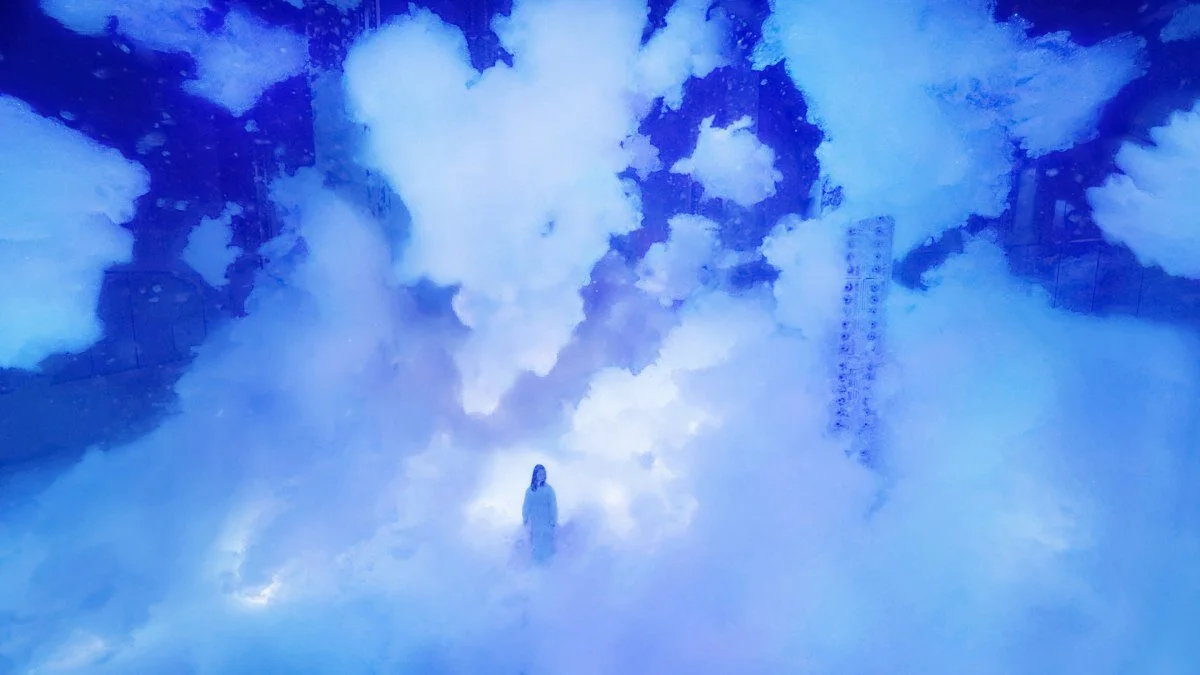
Allow roughly three to four hours between leaving Kyoto Station and the next immovable commitment. That is an editorial planning allowance for walking, ticket entry, moving at a natural pace through the installations and leaving; it is not a museum-imposed minimum or a guaranteed queue time. A 60–90 minute gap would make the ticket feel rushed. Even though there is no internal visit-time quota after entry, a timed train or dinner booking can impose one of your own. Kyoto Station versus Gion accommodation matters if the hotel return sits within that block.
The alternative use of those hours is the fair test of value. On a first visit, the same part of the day might hold a neighbourhood walk, a temple and garden pairing, a craft booking or a slower meal. If none of the installations particularly interests your group, “Kyoto has teamLab” is too thin a reason to surrender the time. If immersive environments are a priority, a large indoor museum close to the station can be a coherent centrepiece rather than filler. An Osaka–Kyoto four-day plan with USJ shows how quickly those blocks compete.
Before buying a fixed time, settle the larger Kansai allocation in Kyoto versus Osaka for first-time visitors. A ticket cannot solve a trip that has too little time in Kyoto for the places you care about more.
Kyoto Station is close; the suitcase question is separate
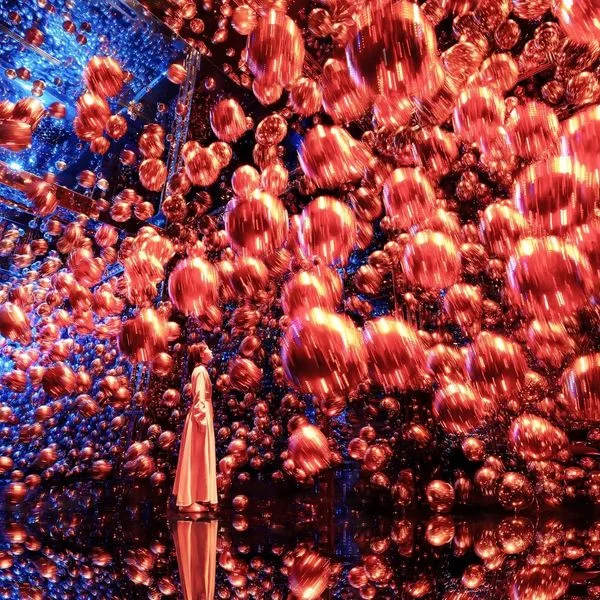
The venue puts its entrance about seven minutes’ walk from Kyoto Station’s Hachijo East Exit and about eleven minutes from Shichijo Station. It lists no dedicated car or motorcycle parking. Those facts make a train-based arrival or departure day plausible: you can avoid a cross-city detour. They do not make a large suitcase welcome inside a dark, physical exhibition. Check the venue’s current baggage arrangements and put cases at the hotel or a suitable locker before the ticket time. Japan luggage forwarding and lockers gives alternatives for a transfer day.
A workable arrival plan is train, hotel or locker, then the museum. The fragile plan is a delayed long-distance train, an international-size case, a timed entrance and another fixed departure immediately afterward. If the ticket window makes the rail day tight, the station proximity stops being the main advantage. Visitors sending bags from Tokyo can compare same-day Tokyo-to-Kyoto luggage delivery with a locker rather than assuming the case will follow automatically.
The museum is one reason to consider station-side accommodation, but it should not determine every night of the stay. Kyoto Station versus Gion hotels weighs the rest of the itinerary, including morning sightseeing and evening streets.
What the Flexible Pass actually buys
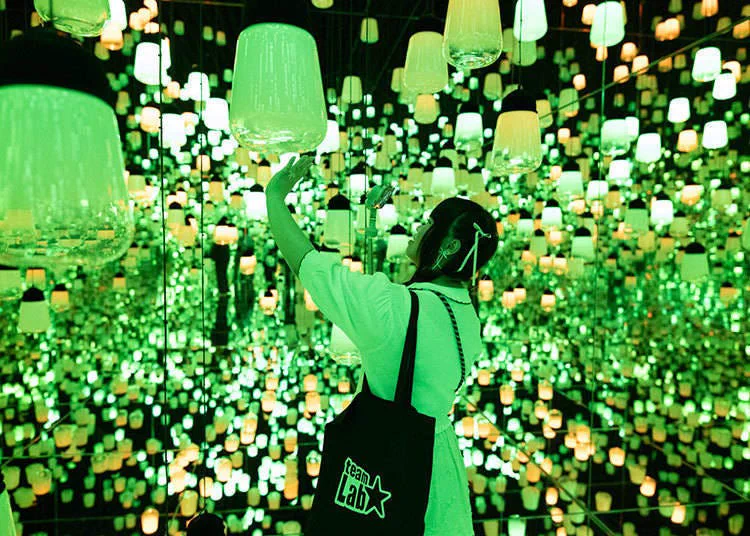
An ordinary Entrance Pass fixes an entry time. The pricier Flexible Pass permits entry during opening hours on the selected date, within the venue’s admission rules. The extra cost is for schedule flexibility; it does not add a private route or extra artworks. That distinction matters when deciding whether an uncertain train arrival justifies the premium. If the museum is already the planned anchor of an ordinary Kyoto day, the timed ticket may be sufficient.
Flexible entry is more useful after an international flight, an uncertain long-distance connection, a family day with unpredictable breaks, or another appointment that might run late. If your preceding activity ends predictably, pay for the art rather than insurance you are unlikely to need. Allow time for the station walk and security/entry line even with a Flexible Pass. Early or late Kansai Airport arrivals shows when a hotel and transport buffer may matter more than ticket flexibility.
Directly purchased eligible tickets can generally be moved up to three times before the applicable deadline, subject to remaining capacity and the venue’s restrictions; the ordinary Entrance Pass deadline is two hours before reserved entry and the Flexible Pass deadline two hours before last entry. The venue also says a completed purchase is generally not cancellable, ticket types cannot be swapped through that change process, sold-out times cannot be selected and a group order cannot be partly split across dates. Tickets bought elsewhere follow that seller’s terms. Those limits are worth reading before paying extra for flexibility. The Biovortex ticket conditions carry the current rules.
The ticket should survive a missing favourite artwork
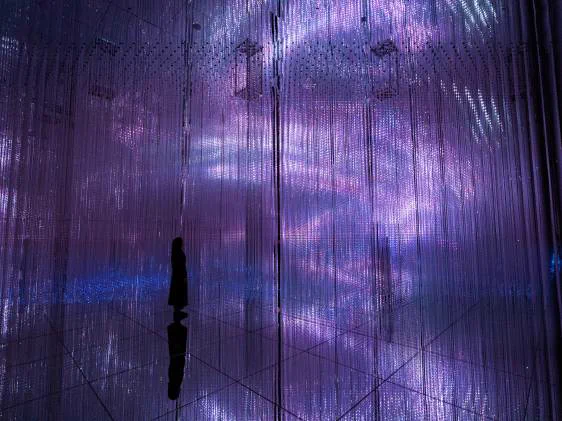
Biovortex is a collection of changing ways to move and look, not just one room. The installation lineup includes Morphing Continuum, Massless Amorphous Sculpture, Massless Suns and Dark Suns, Athletics Forest, Future Park and mirrored light spaces. Some installations ask for physical participation, while others reward slower observation. Work availability and the presentation of a room may change; a viral photograph is an uncertain promise. Compare this with teamLab Borderless in Tokyo if the question is really which single museum belongs on the trip.
If a named installation alone motivates the purchase, look at the current artwork information close to booking. A visitor interested in the whole museum has a more resilient reason to commit half a day. The teamLab Planets barefoot water experience is a different physical proposition, so a picture-led comparison is especially weak.
A family needs a workable supervision plan
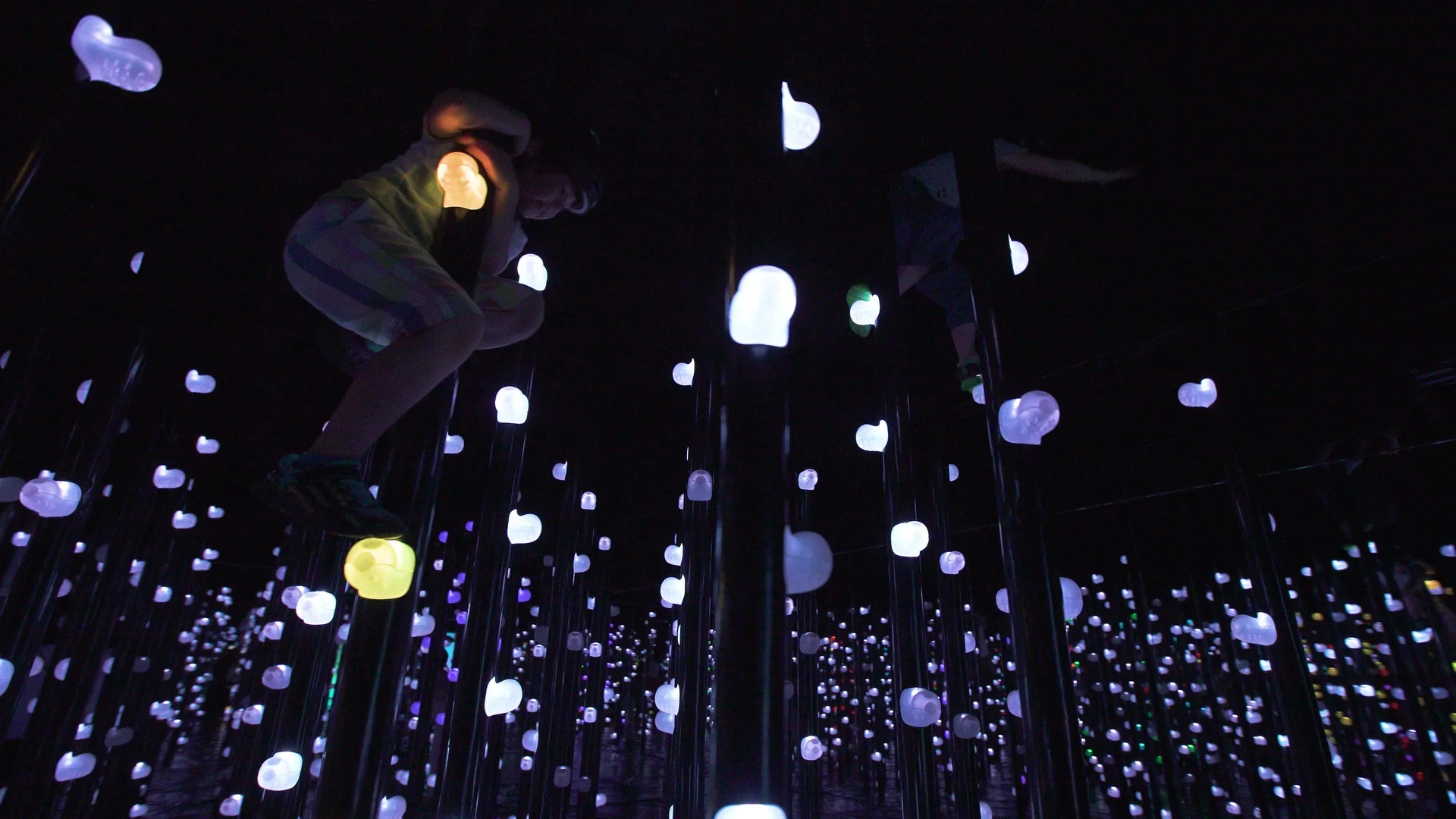
The venue’s child rules require an accompanying adult for elementary-school-age children and younger, with one adult for every three children, including children aged three or below. Strollers cannot go into the exhibition; a large-baggage area is available. This changes the visit for a child who relies on a stroller nap or for an adult who cannot comfortably carry a toddler for a long period. Timed entry, low light, uneven attention and active rooms deserve a realistic family plan before payment. Kyoto hotel areas can reduce the travel fatigue around that plan.
Athletics Forest and collaborative works can be a reason for an active family to choose Biovortex, but colourful pictures alone do not answer the supervision question. Consider the child’s walking stamina, the adult-to-child ratio and whether the party can leave an installation without a nap or meal crisis. The no-time-quota rule helps only if the family can make use of it. A shorter Kyoto Railway Museum family visit might fit a different day better.
Wheelchair entry does not open every installation
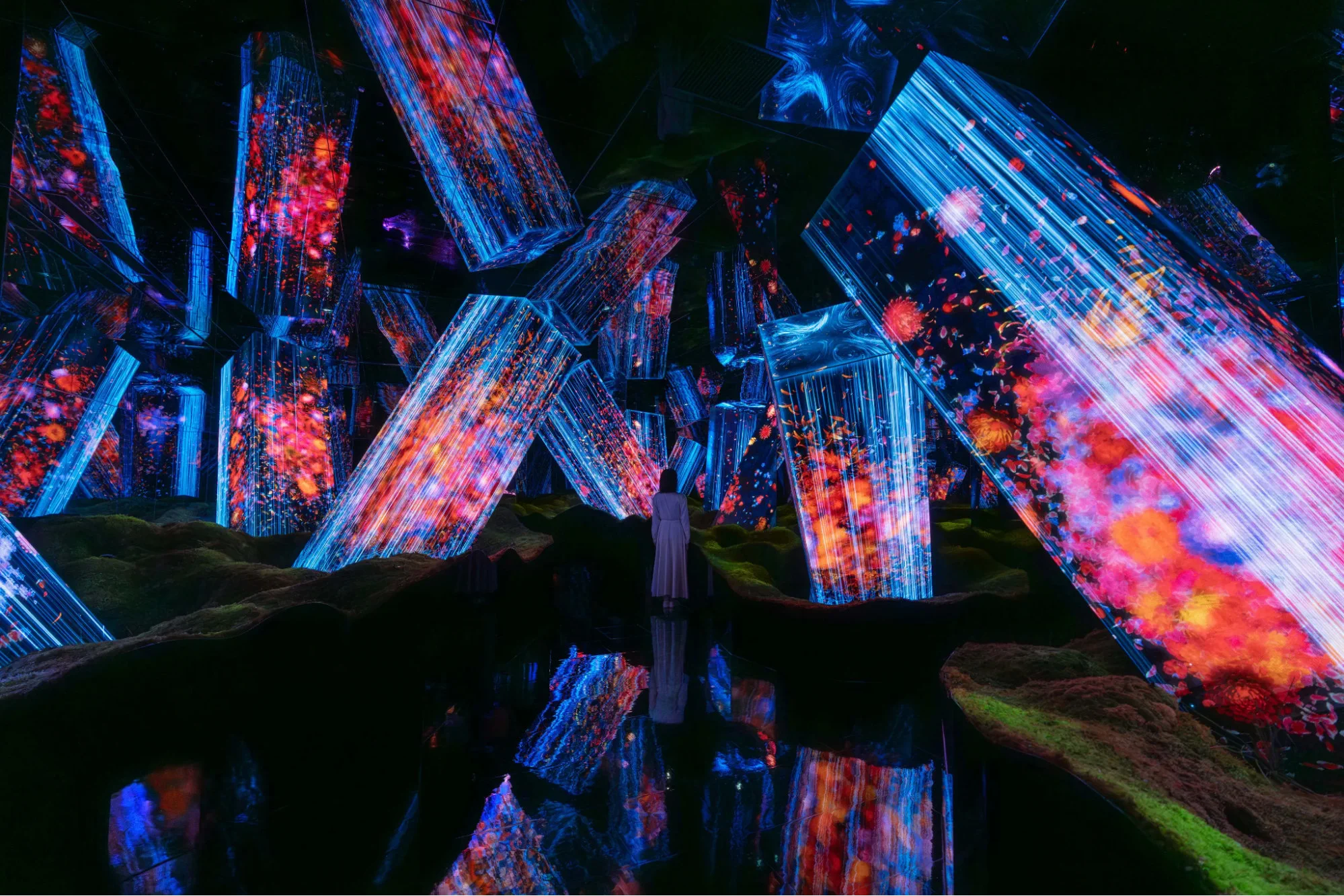
Wheelchair users may enter the venue, but the museum says some works cannot be experienced in a wheelchair for structural or safety reasons. It also limits the number of wheelchairs entering at once, so a wait is possible, and it does not lend wheelchairs. If access to a particular work is important, ask about that work before booking rather than inferring that every gallery route is step-free from the fact that the building admits wheelchairs. A Kyoto Station or Gion base can also matter to the rest of the day.
If Tokyo already contains teamLab
A visitor who has booked Borderless and has only two days in Kyoto may find a second teamLab use of time harder to justify than an outdoor Kyoto afternoon. A repeat visitor or someone particularly interested in immersive art may make the opposite choice. Biovortex includes sculptural and physically participatory work, but sharing the teamLab visual language still creates some overlap in the itinerary. The question is whether the extra category time displaces anything more distinctive to your trip. Art Aquarium Ginza as another indoor choice shows a different, shorter art format.
The Borderless Tokyo review and Planets Tokyo review make it easier to decide whether Tokyo already supplies enough digital art before allocating a Kyoto half-day.
Who should reserve the time?
Biovortex fits when immersive art is a stated trip priority, when rain makes a long outdoor walk less appealing, or when a repeat Kyoto trip already covers the heritage visits you care about. Its station-side location can make a train-transfer day work, provided bags and ticket timing are handled first. It is less persuasive on a one-day first visit if that same afternoon would displace the only Higashiyama or garden block. Kyoto day trips from an Osaka base clarifies that tight version of the decision.
For a short first visit that still includes Biovortex, try a late-afternoon or evening reservation before cutting the most useful daylight. Keep dinner, child energy and the return journey in view; an open-to-21:00 attraction can still make an overfilled day. If the museum belongs in the plan, give it a genuine three-to-four-hour door-to-door window. If it does not, Kyoto has enough alternatives without forcing a modern-art block into a single precious day.
Check current teamLab Biovortex Kyoto ticket times
A half-day installation can fit into a wider Kyoto stay. Compare Kyoto rooms using the rest of your route and your arrival station, rather than shifting hotels just for the exhibition.