
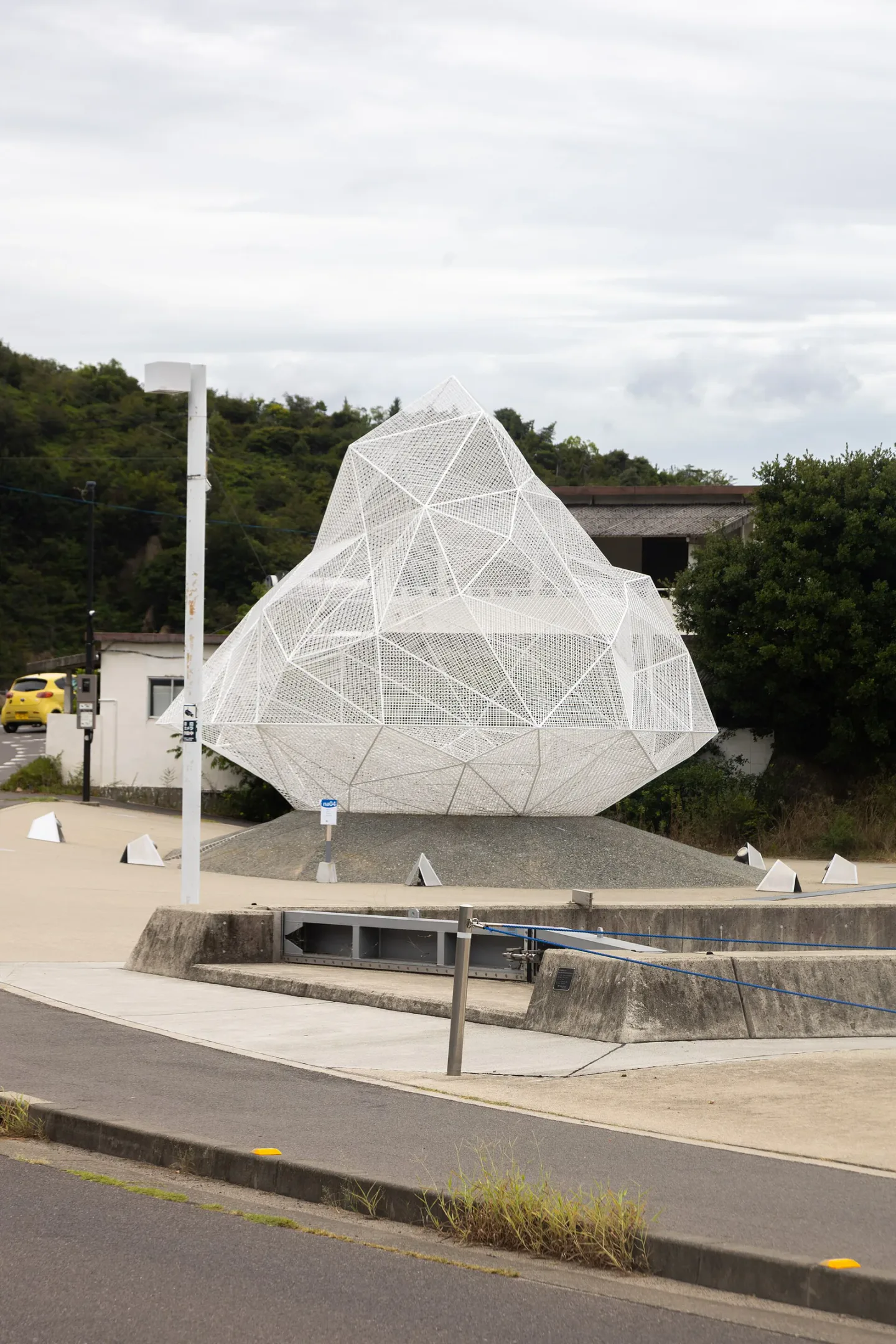
A hotel near Uno Port gives Naoshima its easiest mainland start. Takamatsu makes more sense when Shodoshima gets the longer day or the trip continues through Shikoku. Okayama protects a late Shinkansen arrival and a suitcase-heavy onward journey. These bases solve different problems, so the cheapest room on a map is rarely enough to settle the choice.
The awkward itinerary is one day on each island. Uno has a quick, frequent link to Naoshima, but its Shodoshima connection is a separate timetable through Teshima. Takamatsu has the stronger Shodoshima network and a longer Naoshima crossing. Work out which island day has the tighter museum reservation or more distant stops before choosing a room. If Naoshima is your first art-island visit, the Naoshima cycling and ferry plan shows how much movement the day already contains.
Choose the mainland base by the crossing you cannot afford to miss
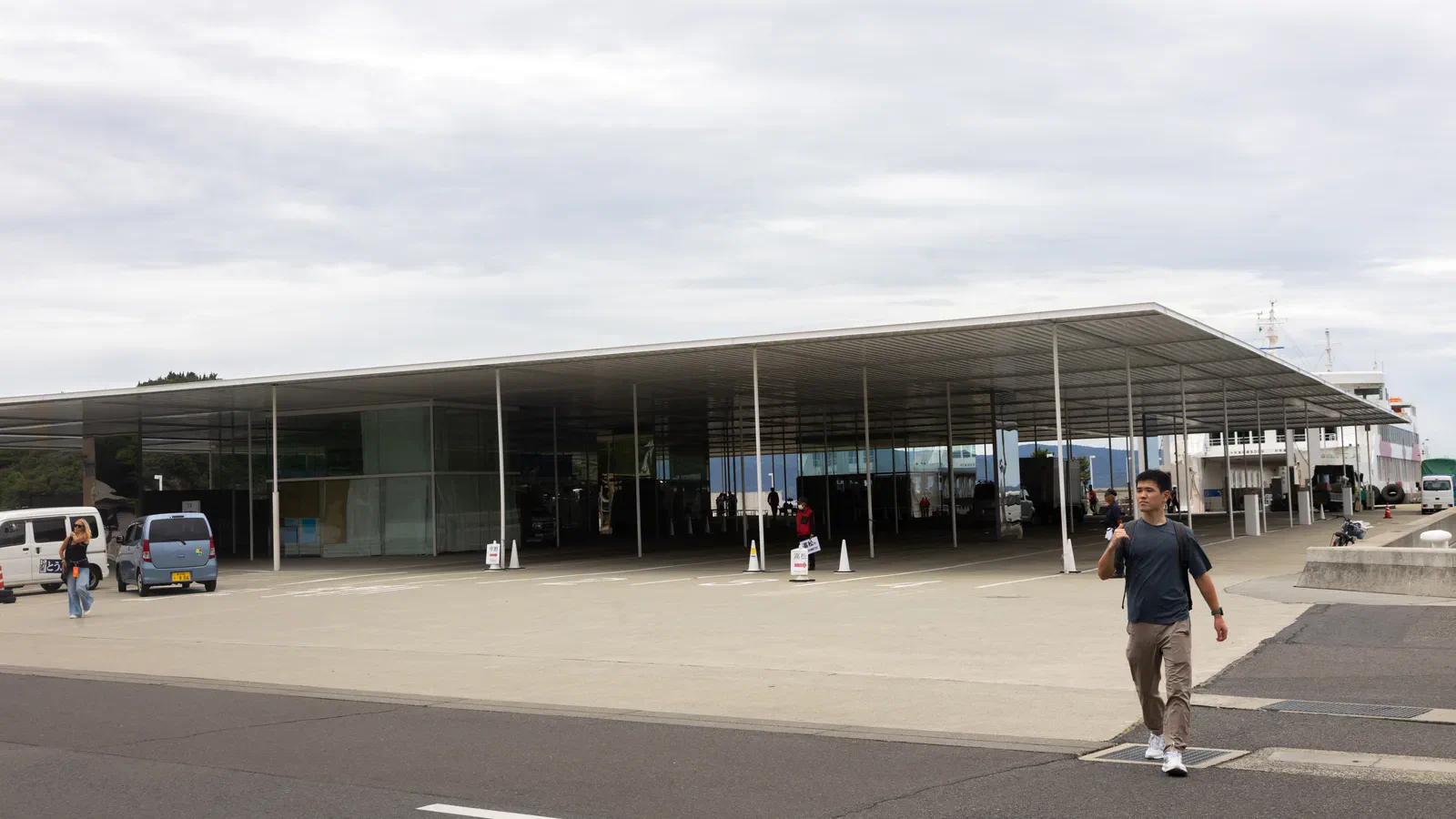
| Base | Most useful when | Main friction | Hotel area to check |
|---|---|---|---|
| Uno | Naoshima is the main event, or you want an early ferry and an easy return | Shodoshima is possible but timetable-sensitive; a late arrival may require another rail leg from Okayama | Walking distance of Uno Station and Uno Port |
| Takamatsu | Shodoshima gets a full day, or you continue into Shikoku | Naoshima takes a longer ferry; check the last suitable return | Takamatsu Station and the port, then Kawaramachi if evenings matter more |
| Okayama | You arrive late by Shinkansen or keep one mainland room around a single island day | Every Naoshima visit adds the Okayama–Uno train in both directions | Okayama Station, especially with large luggage |
| Naoshima or Shodoshima | The evening and following morning on the island have their own purpose | Ferry baggage, local transfers and the next day's exit need planning | The port or the specific sightseeing zone, rather than the island name alone |
Use this table as a route test, not a ranking of towns. A room beside Takamatsu Port can outperform one beside Uno Port for a Shodoshima-heavy trip even though Uno looks closer to the art islands on a regional map. If the wider route is still open, compare the Takamatsu versus Matsuyama base decision before locking the ferry nights.
Uno earns its price through usable Naoshima departures
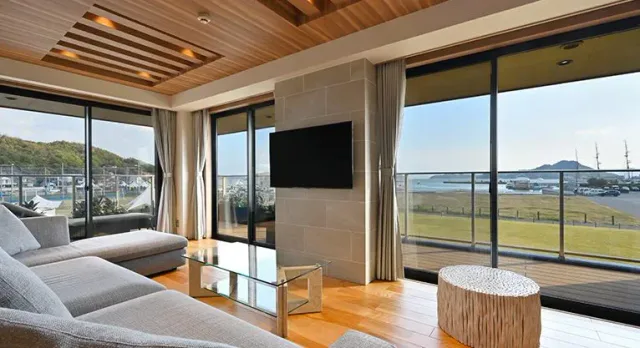
JR Okayama to Uno takes about 50 minutes on the usual rail route; the station is a short walk from the port. Uno to Miyanoura on Naoshima is roughly a 20-minute ferry crossing. The important benefit is not the difference between 20 and 60 minutes on the water. Several departures give you room to select an early start, come back after a long museum day, or abandon a plan that has become tiring without sacrificing the whole afternoon.
That flexibility has limits. The ferry company does not take advance reservations on the standard passenger service, and boarding is first come, first served. A room across the street does not secure a place on a particular sailing. Allow for the walk, ticket purchase and a busy boarding queue, particularly when your museum entry is fixed. Watch the departure port as well: Miyanoura and Honmura are different Naoshima arrivals. If you intend to collect an e-bike, confirm the shop's location and hours against the ferry you select. The Naoshima day-trip comparison also shows why extra hours on the island matter more than a token photo stop.
I would pay a moderate Uno premium when it removes an extra train before a reserved first stop or after a full art day. The premium stops making sense if the room is far from the port, the arrival train is very late, or the trip has only a casual afternoon on Naoshima. Compare the whole door-to-pier route, including check-in and baggage storage. If an onward train heads west, the Okayama and Kurashiki hotel comparison helps judge whether staying by the Shinkansen is worth the extra morning transfer.
Shodoshima gives Takamatsu a different advantage
Takamatsu has a dense connection to Tonosho on Shodoshima, with a conventional ferry taking around an hour and a faster passenger boat around 35 minutes. Service patterns, fares and the terminal used differ by vessel. Check the return you will actually take; a fast outbound that leaves you with an unsuitable last return is a poor basis for a hotel decision. Shodoshima's attractions also spread well beyond Tonosho, so the crossing is only the first part of the day. The Kankakei route guide makes the island's inland travel clearer.
Uno does connect to Tonosho through Teshima, yet this is not the same kind of turn-up-and-go network as its Naoshima ferry. The through route runs on a thinner schedule and changes the risk of a missed departure. Do not carry an old travel time into a new itinerary: whether a sailing stops at Teshima and the day's published timetable determine the actual crossing. If you base in Uno, book the Shodoshima day around the available outbound and return first, then place the museums and inland stops. A route with several hours of unusable waiting is a reason to move your base, even if the Uno room is cheaper.
Takamatsu can also reach Miyanoura on Naoshima in about an hour. That makes it a workable two-island compromise, especially when the next leg continues to Tokushima, Kochi or Matsuyama. You accept a longer Naoshima crossing in return for simpler Shodoshima access and no hotel move back across the Seto Inland Sea. For a trip heading towards the Iya Valley, the Shikoku route example puts that continuation in context; the car-free Shikoku itinerary tests the onward rail and bus legs. If you stay in town, the Takamatsu Station versus Kawaramachi guide deals with the last kilometre between hotel, railway and port. A half-day in Kagawa can also include a Sanuki udon class, provided it does not displace a ferry you need.
Okayama protects a rail itinerary but costs a repeated train ride
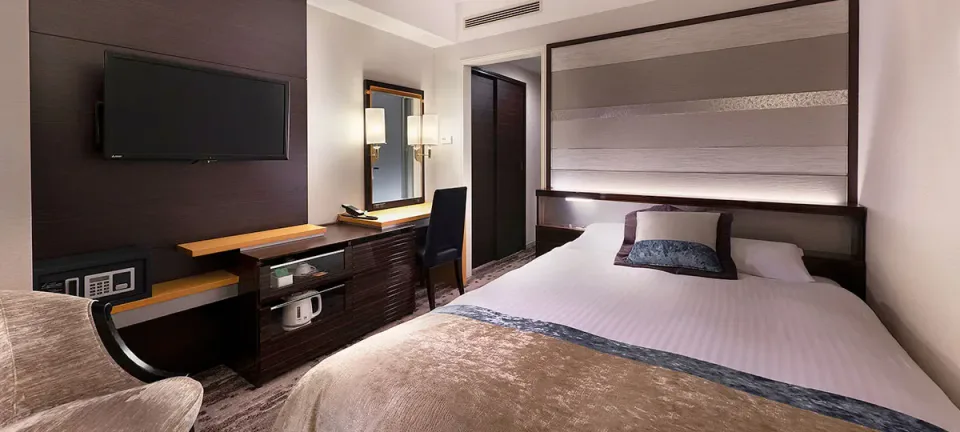
Okayama works when you finish a long Shinkansen day and do not want a final evening transfer to Uno, or when the following morning takes you directly onward by rail. It is also a simple place to leave the same large suitcase for several nights. For one Naoshima day, the extra train may be a reasonable price for that stability. For two Uno-side island days, you pay for the Okayama–Uno ride four times and repeatedly start the morning inland from the ferry.
Price the real sequence: arrival train, hotel walk, first morning departure, return ferry, and next intercity leg. The room closest to Okayama Station is most valuable when a tight rail connection or luggage move would otherwise dominate the day. If the first ferry is the trip's key appointment, Uno deserves the first hotel search. These are itinerary costs, not a rule that Okayama is uncomfortable. The luggage forwarding guide gives another way to keep a main case off the island without choosing a less useful base. Heading west afterward? Compare a night near Hiroshima Station or Peace Park before assuming Okayama must remain your final mainland stop.
Kurashiki is an evening choice, not a ferry shortcut
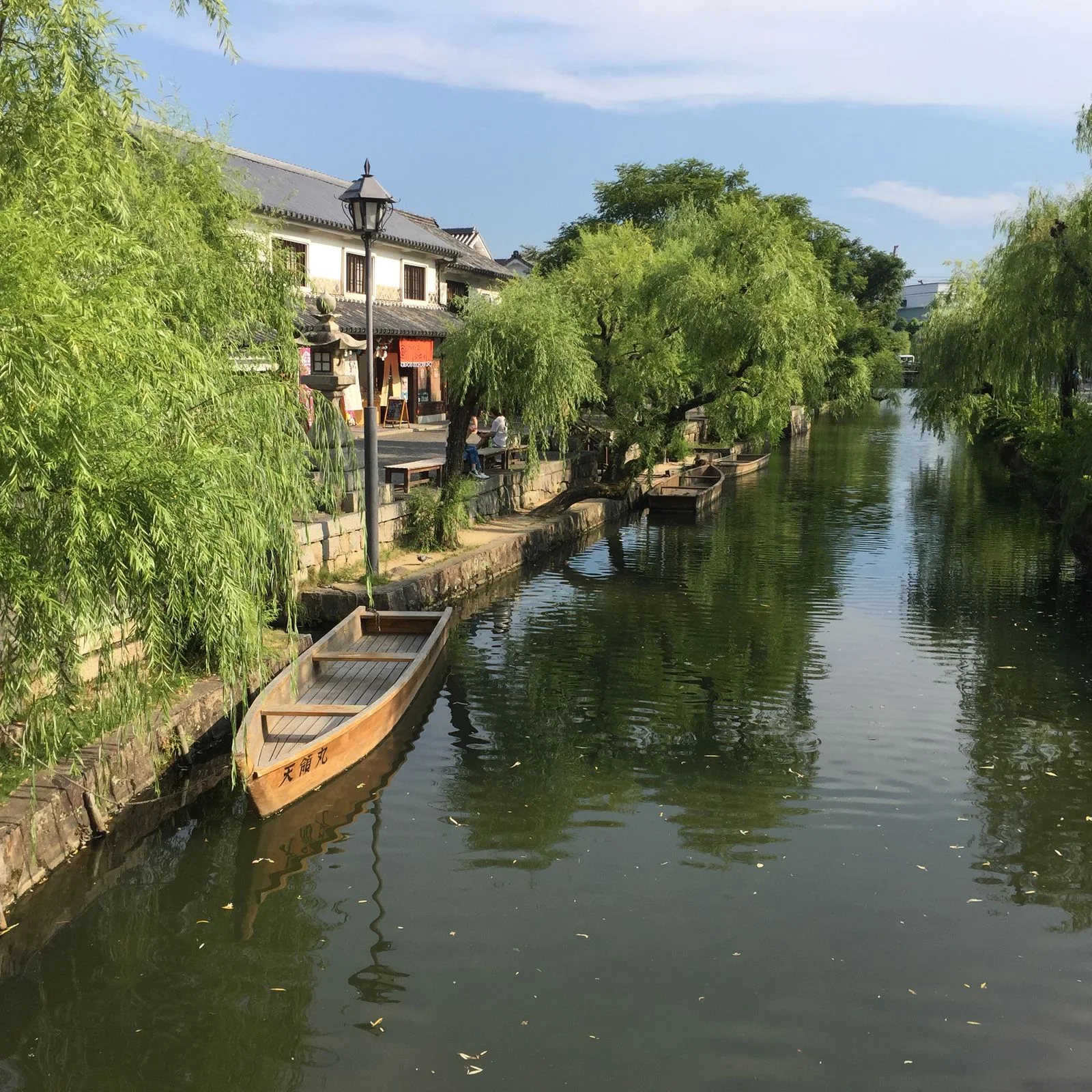
Kurashiki is a separate experience decision. Its Bikan quarter is especially appealing after day visitors leave; that evening can justify a hotel there. It does not make Kurashiki a central ferry hub. You still have to reach the relevant port next morning, and a heritage street address does not shorten a fixed sailing deadline. Keep a Kurashiki night if you would want it even without Naoshima. Otherwise, visit on its own day or evening; the Kurashiki canal walk helps set that time aside.
An island night must create hours you will actually use
Naoshima changes after the day-trip pressure eases. A quiet Miyanoura or Honmura evening, a slower dinner, or an unhurried first hour the next morning can be the strongest reason to sleep there. It is not an automatic way to see more art. Facilities keep their own opening days and entry arrangements. The Naoshima New Museum of Art, for example, has a separate calendar and a scheduled closure extending from late November into December 2026. If that visit anchors your island night, check the specific date before paying for a non-refundable room.
The move carries a small but real cost: bring luggage onto the ferry, cross from the arrival port to the hotel, then reverse that journey or leave by another route. A hotel at Miyanoura behaves differently from one near Honmura or the museum zone. Verify check-in timing and whether your bags can be held before the room is ready. If you want the island primarily for a single reserved museum slot, a mainland day trip may still give you the hours you need. The Naoshima route and rental guide is useful before deciding whether your day has spare time for a second evening.
Shodoshima overnight has a different payoff. Tonosho's ferry links help with arrival and departure, but inland sights and other ports may require a bus, a car or a timed connection. A hotel on the island is useful when it eliminates backtracking and makes a second sightseeing block practical. It is less useful when you merely sleep between two ferry rides and still spend the next morning returning to the same port. Work backwards from the next day's first attraction and exit ferry. A low nightly rate at the wrong end of the island can erase the saving in transport and time.
For two islands, design the fragile day first
Imagine a Naoshima day with a reserved art entry and a Shodoshima day reaching Kankakei. From Uno, Naoshima's frequent, short crossing is the easy day. Shodoshima is the fragile one because the through ferry and inland connections are less forgiving. From Takamatsu, Shodoshima starts with more ferry choices, while Naoshima has the longer crossing and needs a deliberate return plan. Choose the base that gives the fragile day enough margin; then check whether the easy day still fits.
Weather is another reason to preserve alternatives. Ferries may be delayed or cancelled in adverse sea conditions. A single mainland room makes it easier to swap island days without moving luggage, but only when both island routes remain workable from that room. Save the live service-status page and the last usable return for each port. If a cancelled ferry would strand you away from a booked intercity train, keep that train for the following day or leave a larger buffer. The Takamatsu-to-Naoshima timing guide helps test one of the longer crossings.
| Route you are actually taking | First base to price | When to change the answer |
|---|---|---|
| One Naoshima day between Kansai and Hiroshima | Uno | Use Okayama for a late Shinkansen arrival or a next-morning rail connection |
| Naoshima and Shodoshima, continuing into Shikoku | Takamatsu | Use Uno if Naoshima has the tighter reservation and Shodoshima's through ferry works on your date |
| Naoshima and Shodoshima, returning to Honshu | Uno | Use Takamatsu when Shodoshima needs more time or the Uno through sailings leave poor margins |
| Naoshima itself is a main part of the trip | Naoshima for one night | Use Uno if you cannot name a useful island evening or next morning |
| Several Shodoshima zones over two days | Shodoshima | Use Takamatsu if each day stays close to a workable Tonosho ferry and you want one mainland room |
These are starting points, not promises that a particular sailing runs every day. Your actual dates, a museum booking and the onward direction can reverse a default. For travellers considering another Setouchi stop, the Okayama and Kurashiki route shows how a mainland sightseeing day competes with an extra island crossing.
Keep the big case on the side of the sea that serves your next train
A mainland base lets you take a daypack on the ferry. That is particularly valuable when two large cases would otherwise move from train to pier, onto a boat and through an island bus or walking route. If you do change hotels, confirm the new property's baggage acceptance, the port-to-door route and the next departure before paying. A room labelled “near Naoshima” in a search result may still mean another bus or shuttle from your arrival port. The same luggage calculation appears in the Hiroshima versus Miyajima overnight choice, where an island night should buy usable time beyond its ferry transfer.
Forwarding can make an island night easier, but check delivery time, hotel acceptance and the gap before you will need the contents again. Carry medication, reservations, charging gear and one night's essentials yourself. Do not assume an island hotel participates in the same luggage arrangements as a large station hotel. If the itinerary includes a later Kyushu leg, the Hakata and Yufuin luggage example illustrates why a main suitcase can follow a different route from the traveller.
Before booking, compare accommodation on the side of the water you have chosen: rooms by Uno Port for a Naoshima-first plan, rooms near Takamatsu Port for a Shodoshima-first plan, or Okayama Station rooms when the rail connection controls the night. Check the walking route with luggage as well as the listed distance.