
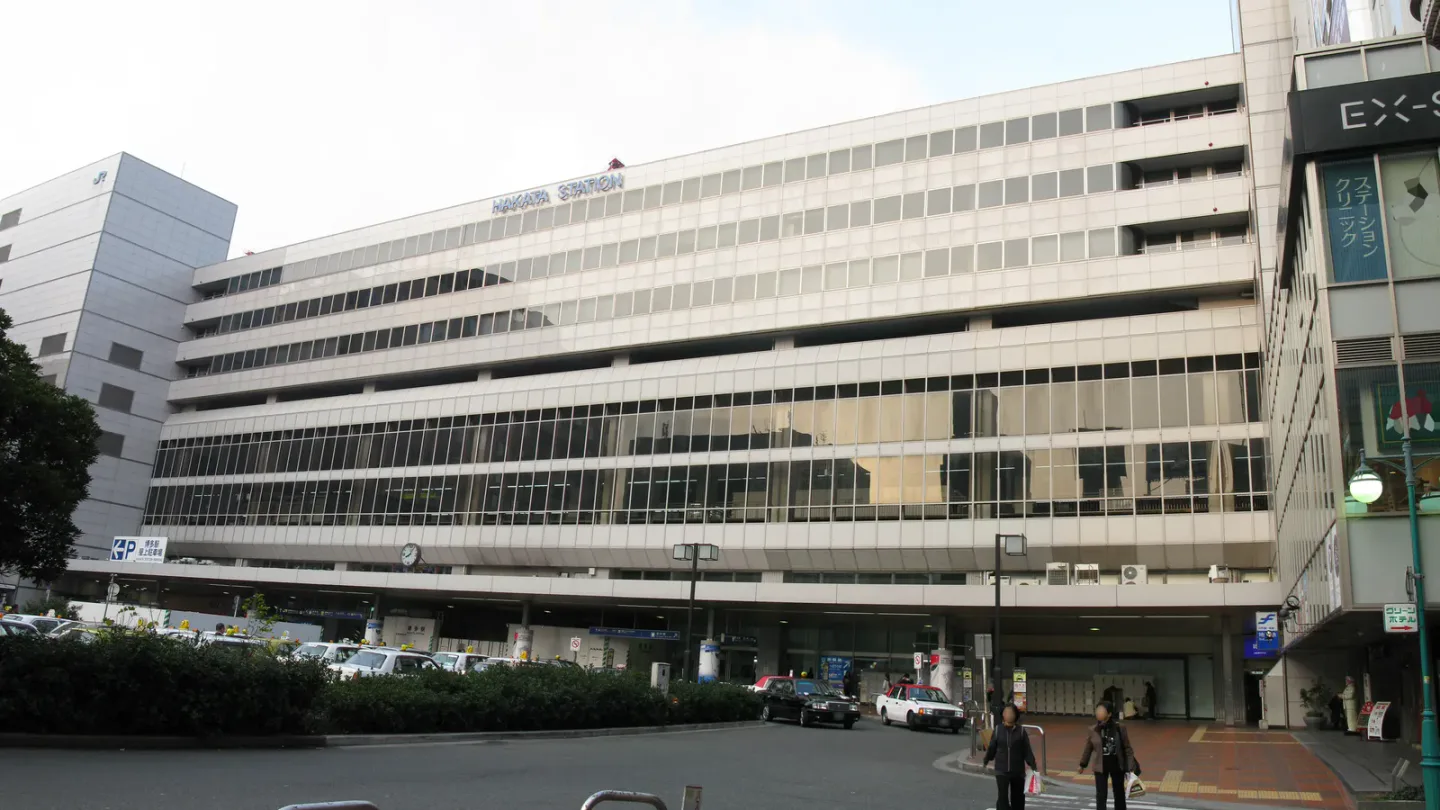
A four-day stay based in Fukuoka has less spare time than it appears to. An arrival day and departure day may leave only two full sightseeing days. Nagasaki is worth one of them when its peace history, harbor neighborhoods or Mt. Inasa evening view is a primary reason for the trip. If it is only a place you could add because the train connection is straightforward, keep the time for Fukuoka and a shorter local excursion.
The rail journey uses a Relay KAMOME limited express from Hakata to Takeo-Onsen and the Nishi Kyushu Shinkansen KAMOME onward to Nagasaki. JR Kyushu describes a transfer across the same platform at Takeo-Onsen. That makes the train change manageable, but Nagasaki sightseeing begins after you arrive: the peace sites, Dejima, Minamiyamate and Mt. Inasa occupy different parts of a hilly city. Decide between a day trip and an overnight by counting the whole hotel-to-hotel outing, not just the two train legs.
Where Nagasaki fits in a four-day calendar
↔ Scroll table left or right
| What is already fixed | Nagasaki plan | What gives way |
|---|---|---|
| Arrival and departure leave two complete days | Choose Nagasaki only if it outranks a Fukuoka day or nearby excursion | One of those two core days |
| Peace Park and museum are the main draw | A focused same-day visit can work | Several southern-city sights and usually the night view |
| Mt. Inasa after dark matters | Consider sleeping in Nagasaki | A Fukuoka hotel night and another regional activity |
| Dazaifu and Itoshima are both priorities | Extend the trip or omit Nagasaki | There is no third full day to allocate |
| Early flight from Fukuoka on Day 4 | Return to Fukuoka for the final night | A second Nagasaki morning, if necessary |
One city will have to lose time. That is an honest trade rather than a criticism of Nagasaki: its harbor setting and layered history offer a different day from Fukuoka. The choice should follow your interests. Someone whose main Kyushu goal is the Atomic Bomb Museum may happily give up Dazaifu; someone coming for Fukuoka food and neighborhoods may find the cross-region day an expensive interruption.
Day trip or overnight: what the hotel buys
↔ Scroll table left or right
| Format | Best use | Main cost |
|---|---|---|
| Return to Fukuoka the same day | One or two Nagasaki themes, chiefly daytime history | Intercity travel at both ends and a narrower evening |
| One Nagasaki night | Daytime sightseeing, an unhurried evening and a second morning | Hotel move, luggage handling and another day partly committed to Nagasaki |
| Stay in Fukuoka and skip Nagasaki | Fukuoka city plus Dazaifu, Itoshima or a slower food day | You miss Nagasaki's distinct history and harbor topography |
A night is valuable when you use the two windows it creates. Arrive and visit one part of Nagasaki, stay for dinner or the Mt. Inasa view, then use the next morning for a different area before continuing. If the plan is to check out at dawn and return directly to Fukuoka, the second window vanishes; a long day trip may be simpler.
The original ten-point comparison for a same-day Nagasaki return from a first four-day Fukuoka trip gave cost efficiency 6.5, time efficiency 3.8, booking flexibility 7.5, weather resilience 6.5, crowd resilience 7.0, route fit 4.5 and uniqueness 9.3, with a composite 6.4. These are itinerary-fit judgments, not measured transport performance or ratings of Nagasaki itself. The unusually low time and route scores explain why a distinctive city can still be the wrong branch for a short Fukuoka stay.
The station is a starting point, not the sightseeing center
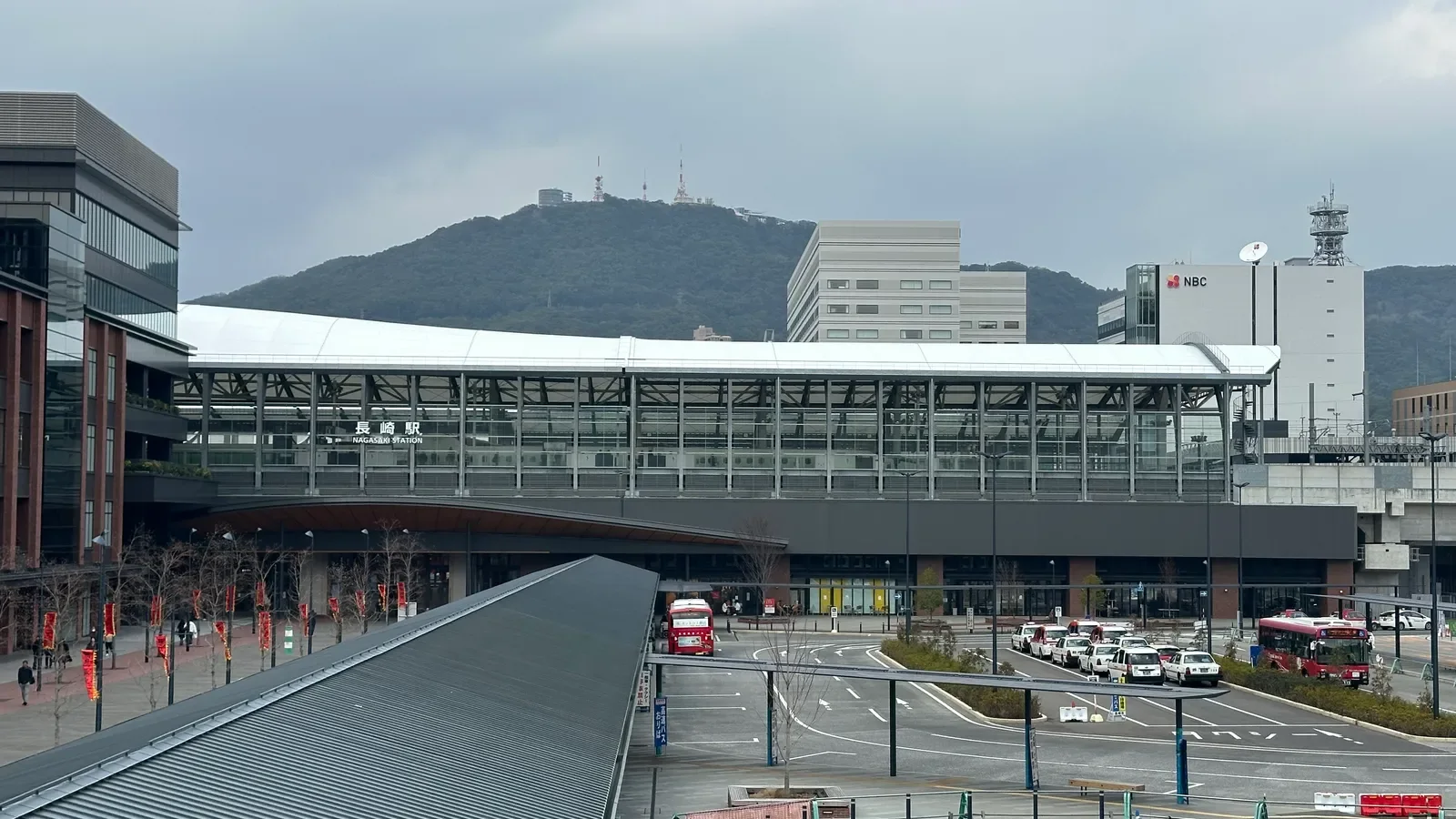
The peace sites sit north of the station. Dejima and the waterfront lie elsewhere, while the Minamiyamate and Glover Garden area brings climbs and local movement into the day. Mt. Inasa is another separate journey. Nagasaki's trams help link major areas, but they cannot erase the time spent reaching stops, waiting, walking uphill and returning. A timetable that looks comfortable from Hakata to Nagasaki Station may still produce a rushed city visit.
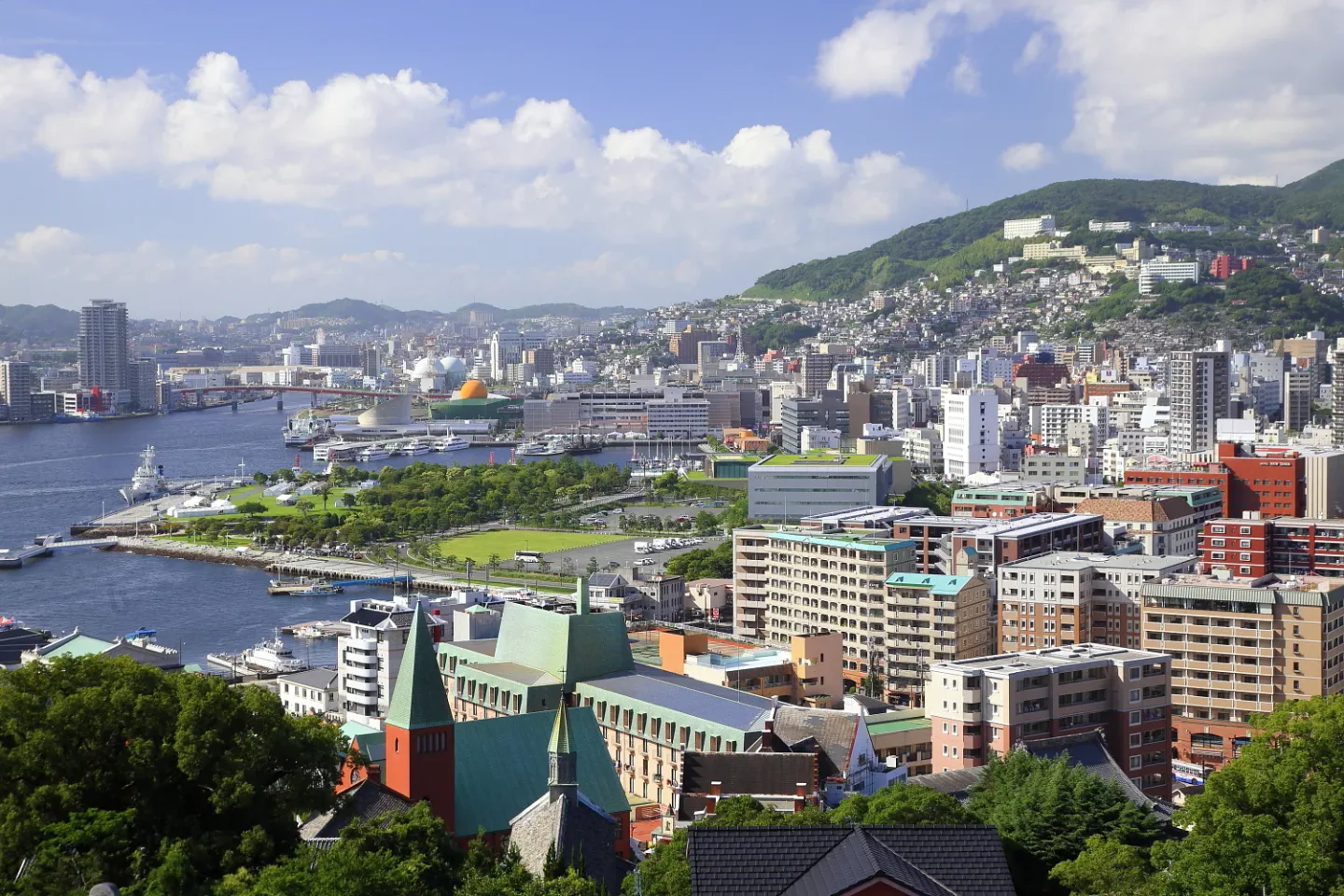
For a day trip, group sights by geography and subject. Peace Park with the museum can be one substantial theme; Dejima and the harbor can be another. A southern route around Minamiyamate and Glover Garden is also coherent. Choose two such areas at most if you want time to see them rather than just pass through. Tram routes link these major sightseeing districts, making a focused plan practical.
The Mt. Inasa evening changes the return
Daylight history and an after-dark viewpoint create very different itineraries. A visitor who wants the night view must preserve energy through dinner, reach the viewpoint at the right time, descend and still return to Nagasaki Station. Only then does the intercity trip back to Fukuoka begin. The last suitable train and the final local connection to a Fukuoka hotel become part of the sightseeing plan.
Sleeping in Nagasaki can remove that return deadline. Use the evening for Mt. Inasa when visibility is worthwhile, then visit Peace Park, Meganebashi or another compact area the next morning. If clouds or weather spoil the view, the night still has value only if the city itself interests you. The overnight should not depend entirely on one photograph from the observatory.
Pick the overnight area for the following morning
A hotel near Nagasaki Station suits an early train return or onward rail leg. A central or harbor-side location can suit an evening focused on Dejima, dinner and the waterfront, provided the next morning's departure remains simple. Minamiyamate has a different appeal but may demand more movement with luggage. The best location depends on the order of the sights, not a generic rule that every rail traveler should sleep beside the platform.
If the wider western Kyushu route might include a theme park or hot-spring town, the Nagasaki, Huis Ten Bosch and Unzen base comparison handles that larger choice. Do not book a Nagasaki city night merely because it is the first rail stop west of Takeo-Onsen; book it for the evening and morning you will actually spend there.
Check Fukuoka's own day trips before committing
A four-day visitor can fill two complete days quickly with Fukuoka city, Dazaifu and Itoshima. If both nearby excursions already matter, use the Dazaifu or Itoshima comparison and decide which one Nagasaki would replace. Adding all three to two full days by calling arrival and departure “sightseeing days” hides the real constraint.
The two-, three- and four-day Fukuoka guide can help establish how much city time you want. A Nagasaki day makes sense when it wins against the alternative day on its own merits. If you must also fit Hakata food, Tenjin, a waterfront stop and an excursion into late-night fragments, the short trip is trying to serve two itineraries at once.
Families and luggage need a calmer version
A same-day return is easier for travelers who can move lightly and keep a steady pace. Small children, older companions and large bags make the city transfers and hills more consequential. For an overnight, keep only what is needed in Nagasaki and investigate forwarding the main suitcase when the receiving hotel accepts it. Another option is to leave bags at the Fukuoka hotel if the same room or property will be used again and storage is confirmed.
Do not build the trip around a rail pass before the route is decided. Compare the actual Hakata–Nagasaki fare and any other covered legs with the Northern Kyushu pass. An overnight does not automatically make a pass worthwhile; the number and length of eligible journeys do.
Protect the final Fukuoka departure
If the flight on Day 4 is early, spend the final night back in Fukuoka. A Nagasaki night immediately before a dawn flight creates a tight intercity transfer at precisely the point when luggage and airport check-in demand margin. Use the Hakata or Tenjin early-flight guide to place that last hotel. You can still include Nagasaki earlier in the stay and return to Fukuoka after its second morning.
Three four-day shapes are coherent: Fukuoka city plus one nearby excursion and no Nagasaki; one complete Nagasaki day replacing that excursion; or a Nagasaki overnight segment that uses its evening and following morning. The third shape deliberately drops another outing. For most first visits with only two complete days, keep Nagasaki out unless a specific Nagasaki experience is one of the trip's strongest priorities. A focused history day works as a return excursion. The night view and a second city area make the overnight more persuasive, provided you remove another stop rather than compress every part of the trip.
What the second Nagasaki morning buys
An overnight works best when the next morning has a real purpose. After a Mt. Inasa evening, a guest could use daylight for Peace Park or for the streets around Dejima and Meganebashi before returning to Hakata. That changes the trip from one long out-and-back day into an evening plus a second compact area. If the party would only eat breakfast and leave, the hotel has purchased little sightseeing time; a day trip with an earlier return may be more sensible.
The hotel location should follow that second morning. Station-side lodging shortens the bag transfer and the return rail departure. A central or harbor room favors an evening on foot but may add another local journey with luggage the next day. A Minamiyamate address can be appealing for the area itself, yet its slopes deserve attention for a family or older visitor. Look at the two sightseeing clusters and the return train together before deciding that the room closest to the station is always the easiest.
Keep Day 4's Fukuoka flight separate from the Nagasaki calculation. If departure is early, return to Fukuoka for the final night and leave the airport morning uncomplicated. If the flight is later, the extra margin still belongs to check-out, rail and airport procedures; do not promise a full Nagasaki sightseeing day just because the calendar shows a fourth date. The overnight earns its cost through the prior evening and next morning, while another nearby Fukuoka excursion must be dropped to make room.
Related route choices: Dazaifu versus Itoshima, Fukuoka stay length and the Northern Kyushu rail-pass calculation.
Once the overnight version wins, check Nagasaki rooms for the middle night and keep the following morning’s station route in view.