
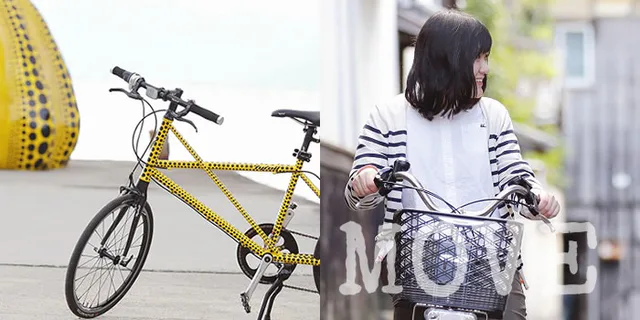
An electric bicycle is useful on Naoshima for the space between Miyanoura Port, Honmura and the edge of the museum area. It is not a pass through the Benesse art grounds. General visitors must leave bicycles outside the private stretch between the East Gate near Tsutsuji-so and the North Gate near Lee Ufan Museum, then walk or use the free museum shuttle. If Chichu, Lee Ufan and Benesse House occupy most of the day, a ¥100 town bus may move you just as effectively.
The harder decision is the order of the day. A timed museum ticket can decide when you must reach a district; a rental desk can close before your chosen ferry; a crowded return bus can turn a comfortable-looking connection into a missed boat. Rent only after those constraints are on one page. The bicycle is at its best when it removes waits between flexible parts of an art day, not when you expect it to take you to every gallery door.
↔ Scroll table left or right
Day you are planning | Better mode | Where that mode stops helping |
Miyanoura, Honmura and one museum-area block | E-bike, then walking or shuttle | Park before the private Benesse area rather than riding through it |
Chichu, Lee Ufan and Benesse House take most of the visit | Town bus and free shuttle | Leave return slack because the town bus has limited capacity |
Several Art House Project stops | Ride to Honmura, park once, walk | Frequent short rides through residential lanes add little |
Rain, strong wind, severe heat or an unsure rider | Bus first | Check a workable return connection rather than relying on the last possible bus |
Ferry later than bike-shop closing | Bus or an earlier bike return | An evening boat does not extend your rental contract |
Three clocks matter more than cycling speed
The first clock is a scarce art reservation. Chichu Art Museum's ticket system assigns a date and time. Hiroshi Sugimoto Gallery: Time Corridors, Kinza, Minamidera and the night session of Ring of Fire are among the other facilities with time-specific admission. Online slots may sell out. If Chichu is booked for 10:00, cycling through Honmura first can create an unnecessary race. A 13:00 entry leaves more room for a morning in the village before you head toward the museum area. The multi-site Art House ticket does not include Kinza or Minamidera, so it cannot replace those separate plans.
Keep digital tickets available offline as well as in your inbox; the Japan digital-ticket checklist covers that backup when mobile data or battery power fails. The second clock is the rental shop. The Naoshima rental list gives Ougiya's regular hours as 08:00–18:00, opening at 08:30 in December–February. T.V.C. Miyanoura lists 09:00–18:00, extending to 19:00 in July and August; T.V.C. Honmura lists approximately 08:30–18:00. The shop's actual reservation and return conditions decide how long you own the bicycle. A rider who chooses a late museum slot needs enough time to retrieve a parked bike and reach the correct branch before it shuts.
The third clock is the boat. The Miyanoura–Uno sailing table includes 19:02 and 20:25 ferries back to Uno after most rental desks close, followed by a 21:15 passenger boat. The late departures can extend an evening on foot, but they do not give you extra cycling time. Passenger boats do not carry bicycles. Boat service can change with sea conditions, and a rail connection from Uno still needs its own margin. If you are deciding whether to devote a whole day from Takamatsu, the Naoshima day-trip comparison should be decided before selecting a bike.
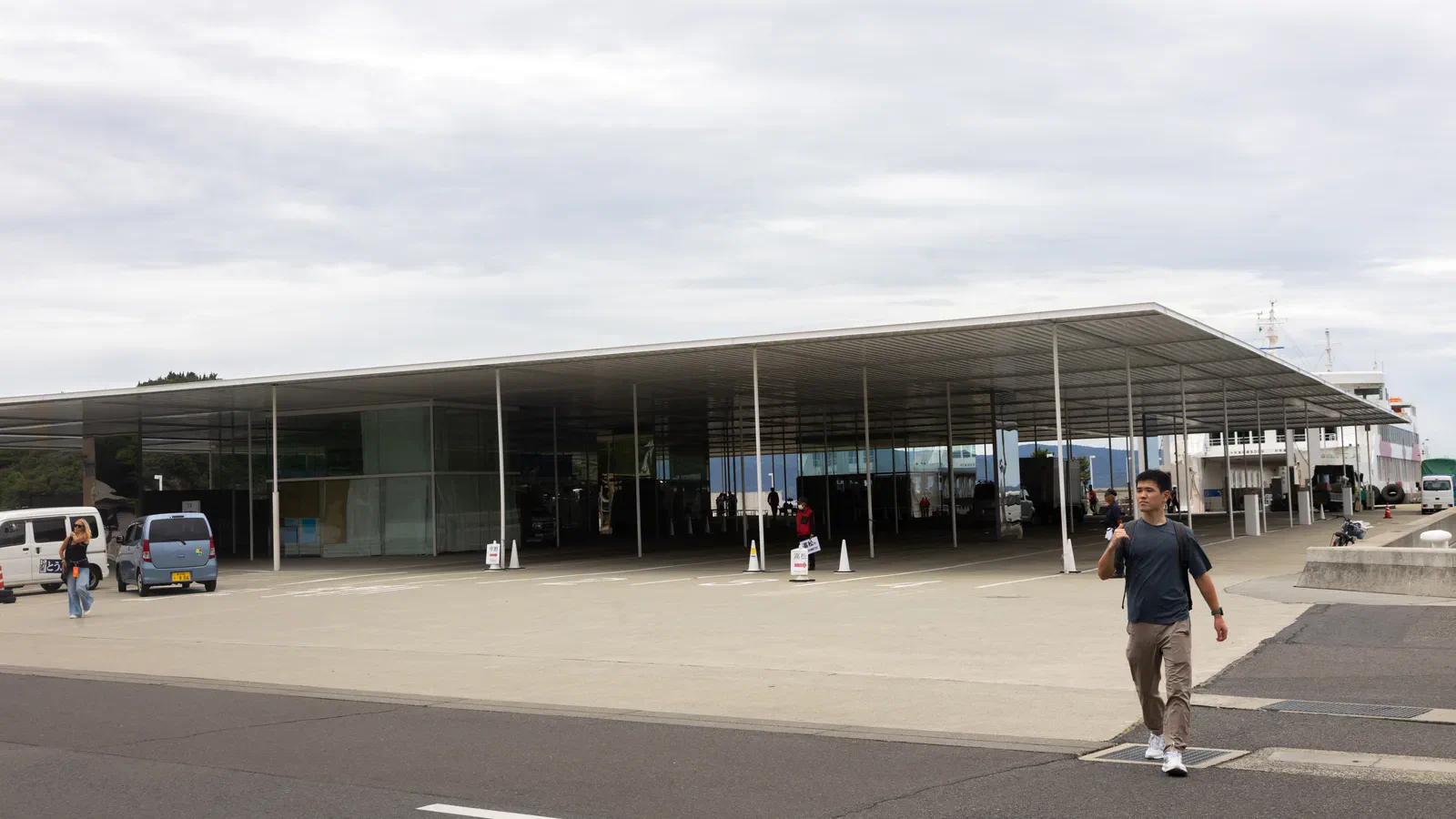
The museum boundary changes the route
The Benesse area access map bars ordinary bicycles, motorcycles and cars between the East Gate by Tsutsuji-so and the North Gate near Lee Ufan Museum; Benesse House guests have different access. Visitors can leave a bike near Tsutsuji-so or at the Chichu Art Museum Ticket Center. The free shuttle then runs between Tsutsuji-so and Chichu, calling at Benesse House Museum and Lee Ufan Museum. The current visitor guidance describes extra service at roughly 20-minute intervals on high-demand days; use the timetable for your date instead of planning from an old generic frequency.
This is why the price of an e-bike cannot be judged by how many museums appear on your list. You may ride from Miyanoura to the edge of the art area, then spend hours walking and shuttling while the bicycle sits outside. If Miyanoura, Honmura and the route between them also matter, that independent movement earns its keep. A visitor with only Chichu and the Benesse museums can often use the town bus for the approach and the shuttle inside. The Shikoku trip without a car offers a larger example of matching transport to the places where it actually operates.
The boundary is not a technicality to test at the gate. The privately managed area includes artworks and pedestrian routes, and a bicycle parked in the right place prevents backtracking after the museum block. Pick the entrance from which you will later retrieve it. If your timed ticket sends you first to Chichu, the ticket-center parking may be the natural choice; if you arrive through Tsutsuji-so, the parking there pairs with the shuttle. Neither arrangement makes the galleries door-to-door by bike.
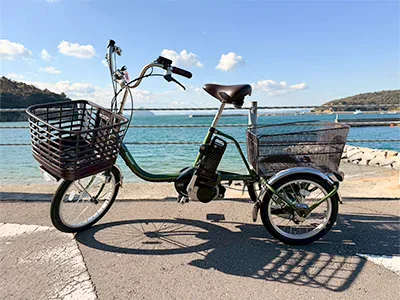
Honmura is a walking district once you arrive
The Art House Project and ANDO MUSEUM sit within Honmura's residential streets. A bicycle helps get you there from Miyanoura; locking and unlocking it for every short art-house hop wastes attention and adds friction in lanes shared with residents. Park once in a permitted area and walk the houses in the order your tickets allow. A 10:00 Minamidera slot and a later Kinza appointment create a different walking sequence from a day with only the five-house multi-site ticket.
The Art House admission choices also separate the five-house pass from Kinza and Minamidera. Treat those two as appointments, not as stops you can insert whenever the bicycle reaches a nearby street. This is one reason a flexible ride before or after Honmura can be valuable: the bike takes away a bus wait between districts, while the district itself remains a pedestrian visit. A comparison with Kurashiki's walkable Bikan Quarter helps if your broader Setouchi trip has only one relaxed art-and-street day.
What the ¥1,500 rental replaces—and what it cannot
The currently listed day price for an Ougiya electric bicycle is ¥1,500, excluding the stated year-end/New Year exception. T.V.C. lists ¥1,500 at both Miyanoura and Honmura; its Miyanoura winter rate is ¥1,000 for December–February. One older quoted ¥1,200 Ougiya rate should not set the budget now. Confirm availability, return branch and the price actually offered for your date before comparing it with bus fares. At ¥100 per adult town-bus ride, several bus rides can still cost far less than a whole-day bicycle.
↔ Scroll table left or right
Decision factor | E-bike | Town bus plus free museum shuttle |
Published cash cost | Around ¥1,500 for a typical listed electric-bike day; T.V.C. Miyanoura has a ¥1,000 winter listing | ¥100 per adult town-bus ride, ¥50 for eligible children; museum shuttle is free |
Waiting between Miyanoura and Honmura | Rider controls departure | Use the fixed route and timetable |
Benesse museum grounds | Bike must be parked before the restricted section | Town bus reaches Tsutsuji-so; shuttle and walking cover the grounds |
Return risk | Rental counter's closing time and rider energy | A 28-seat bus can fill, especially in a busy return period |
Weather and group fit | Exposed to rain, wind, heat and road confidence | Less cycling exposure, though crowds and walking remain |
The town transport guide says the bus links Miyanoura Port, Honmura and Tsutsuji-so. It has 28 seats, and on busy holiday afternoons a full departure from Tsutsuji-so can leave travellers unable to board. That is the bus's main weakness when the ferry is fixed. Do not aim for the last mathematically possible bus. Move back toward Miyanoura one service earlier, or leave the museum area before the crowd does. The bus and the bicycle solve different uncertainties: one has a capacity limit, the other has weather, road and rental-return limits.
The Takamatsu versus Matsuyama base comparison and Takamatsu station versus Kawaramachi hotels are useful if this ferry is one piece of a longer Shikoku itinerary. An early Takamatsu start may make a day trip feasible; a distant hotel can erode the advantage of choosing the cheap island bus. For a separate Shodoshima day, a four-day Shikoku route keeps those island days from being treated as interchangeable half-day add-ons.
Miyanoura in and Honmura out has a bicycle catch
Miyanoura is the principal arrival for ferries from Uno. There is also a passenger-boat route between Honmura and Uno. Its Honmura timetable lists 17:20 and 18:10 departures in the evening. A pedestrian can arrive at one port, finish at the other and let the boat make the day roughly linear. A rented bicycle usually brings a return obligation. Do not plan to hand an Ougiya or T.V.C. Miyanoura bike to another branch without an explicit arrangement from that operator. The passenger boat itself cannot carry the bicycle.
That is a larger planning issue than a small fare difference. If you rent at Miyanoura and finish in Honmura, the ride back to the shop is part of the day, followed by the walk to your chosen pier. If the Honmura boat is your preferred exit, a bus-and-walk route may make more sense. The Uno, Takamatsu and Okayama accommodation comparison can settle which side of the water you need to reach that evening. If the next day belongs to Okayama or Kurashiki, the Okayama/Kurashiki hotel-base decision and the Korakuen–Kurashiki route help account for the onward train rather than ending the plan at the island pier.
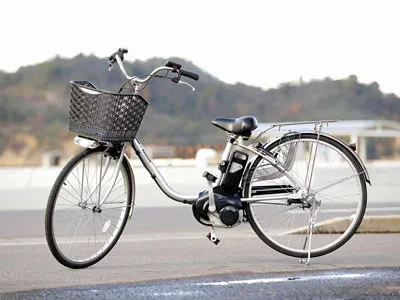
Leave the suitcase at the port
The town tourism guidance points day visitors to the coin lockers at Umi no Eki Naoshima beside Miyanoura Port. A rental bicycle is for a day bag, not an intercity suitcase. If you are changing overnight bases, deposit large luggage before collecting the bike or plan luggage forwarding for a later hotel. Do not assume a late-night locker opening or staffed storage service without checking the facility terms for your travel day.
A stroller changes the choice too. If the child still needs it for long museum walks, carrying that equipment around each bike-parking point may be harder than using the town bus and shuttle. Someone uneasy about island roads or hills should not buy an electric bicycle merely because it appears in a popular itinerary. The route still demands steering, traffic judgment, parking and a return before the shop closes. The bicycle removes some waits; it does not remove the walking inside the galleries or the consequences of a missed boat. If riding is the trip's main attraction, Okinawa coastal cycling routes are a different kind of day; Naoshima bikes mainly join art districts.
A day that makes the bicycle useful
Arrive at Miyanoura early enough to use lockers and collect the reserved bike without rushing. Ride to Honmura for the Art House Project and ANDO MUSEUM; park once and honour any timed entry there. Move toward Tsutsuji-so before the fixed Chichu or other museum appointment, leave the bicycle outside the private area and continue on foot or by the free shuttle. Leave that zone with enough time to retrieve the bike, return it to its contracted branch and reach your ferry. This is an example of a workable sequence, not a promise that each gallery will have same-day tickets.
The reverse order can be better when Chichu is the morning appointment. What matters is that the scarce ticket sets the direction, with the bicycle filling the flexible gap. A Naoshima day from Takamatsu should also include the mainland port transfer. If there is not enough time for Honmura and the museums, cut a block instead of racing through both. Sanuki udon classes on the Kagawa side belong to a different part of that day or another day entirely, not a stop to squeeze between ferry and museum tickets.
When the forecast turns poor, change the mode before abandoning the island. Rain, wind or harsh heat may make cycling unpleasant while timed indoor art remains worthwhile. A town-bus plan still needs its return margin, and severe weather can affect art facilities and ferries too. The rainy-day route decision helps identify which reserved day can move; the Japan eSIM guide addresses the practical need to reach ticket confirmations and live transport pages away from hotel Wi-Fi.
If an overnight on or near the island makes the departure less brittle, compare rooms around Miyanoura and Uno. The art reservation, rental return and ferry still need to align, but a local stay removes the need to force every museum into a single mainland day. For a wider coastal trip, where to stay for Naoshima and Shodoshima compares the port bases before you add a second island.
Rent an e-bike when Miyanoura and Honmura both matter and you value independent movement between them. Use the town bus when museum tickets dominate, the weather argues against riding or your group needs a simpler mode. In either case, the museum's timed entry comes first; the route back to the boat is the final constraint, and the bicycle is only helpful where it is allowed to go.