
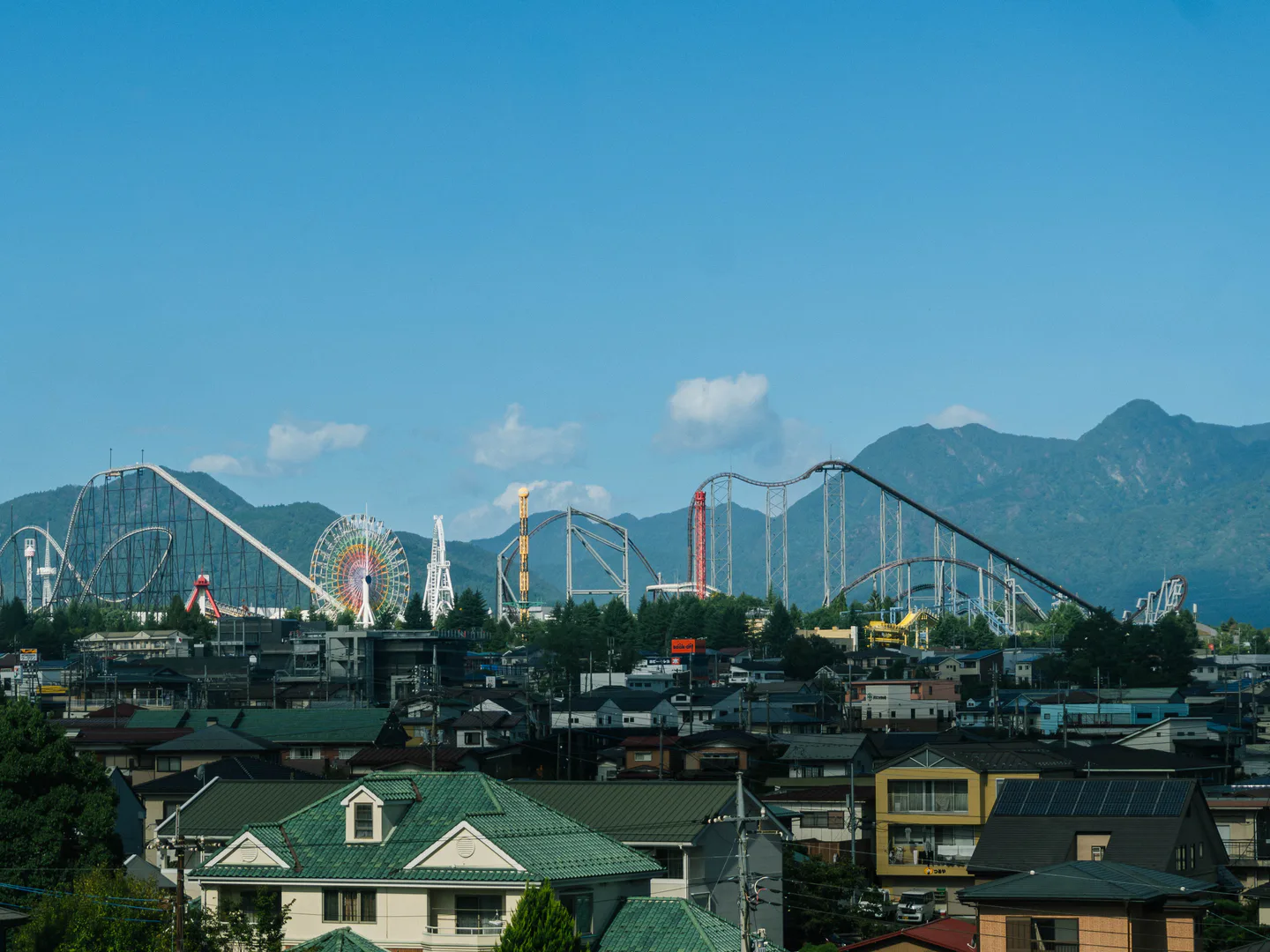
Fuji-Q Highland lets you enter without paying admission, then choose how to pay for rides. That makes the ticket decision personal even when you arrive as a group. A coaster fan may get value from a One-Day Pass; a companion who wants a photograph, lunch and one ride can enter on a free ticket and buy that ride separately. Before putting four passes in a family basket, price the rides each person is both allowed and likely to take.
The current adult One-Day Pass range is ¥6,000–7,900 by date. FUJIYAMA, ZOKKON, Takabisha and Eejanaika are each listed at ¥2,000 for a single ride. Three of those rides add to ¥6,000, which ties the cheapest adult pass but saves ¥1,900 against a ¥7,900 date. A fourth major coaster changes the arithmetic; so can smaller paid attractions or a repeat ride. Actual queue capacity, operating status and your arrival time determine whether that planned fourth ride happens.
The area around the park also competes for the same day. If you are travelling from Tokyo, compare train, highway bus and tour timings to Kawaguchiko before buying the ticket. Reaching the first queue early and arriving at 11:00 are not equivalent for a four-coaster plan. The later start may remove a paid ride from the realistic list, even when the ticket price has not changed.
Next decision: compare the Tokyo–Kawaguchiko journey.
The break-even point depends on the day
↔ Scroll table left or right
Ticket route | Published adult price or basis | When to calculate it |
Free admission plus individual rides | ¥0 entry; four headline coasters listed at ¥2,000 each | Only a few definite rides, companions with different interests, or a short visit |
One-Day Pass | ¥6,000–7,900 depending on date | Several eligible paid attractions and enough park time to reach them |
Afternoon Pass | ¥4,100–6,000 for adults after 13:00 | A genuine afternoon visit with a short, achievable ride list |
Thomas Land Pass | ¥3,000–3,500 adult; child bands differ | Repeated use of the twelve Thomas Land attractions |
Use the price for your chosen date, not the lowest figure in a range. Write three short lists for each rider: certain, possible and excluded. Add the individual prices for the certain rides, then include a possible ride only if the queue, operating hours and the group's stamina make it credible. A pass can look cheap against every attraction on the map while offering poor value against the three you will actually board.
There is no prize for keeping a pass holder inside the gates all day. Meals, watching children, photographs, a character area and a coaster queue may fill seven hours while only two paid rides happen. Equally, a fourth ¥2,000 ride makes a ¥7,900 adult pass cheaper than four singles before counting any other eligible ride. The same rule yields opposite answers on different dates and for different people.
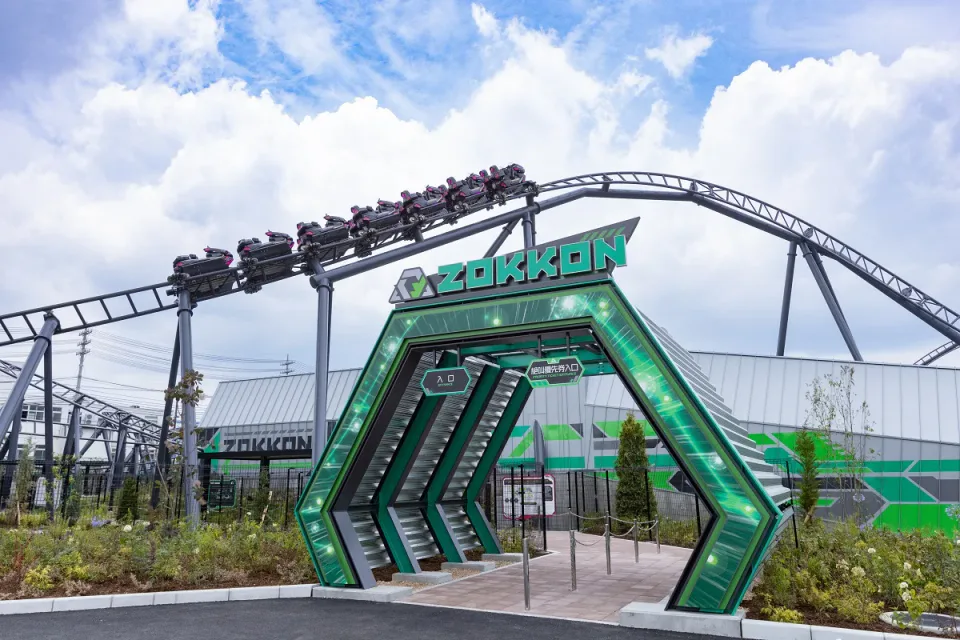
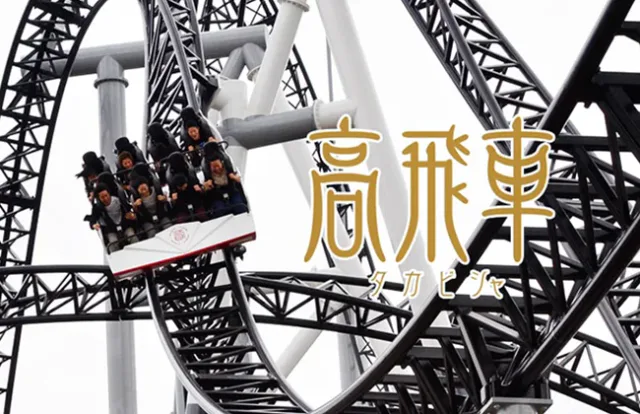
Consider a rider who names FUJIYAMA, ZOKKON and Takabisha as the only essential attractions. The ¥6,000 single-ride total is a tie with the lowest adult One-Day Pass, so convenience or the possibility of a fourth attraction could break the tie. At the top of the adult pass range, those same three rides cost less separately. Now change only one assumption: the rider genuinely expects Eejanaika as a fourth ¥2,000 ride. The ¥8,000 total edges above even a ¥7,900 pass. This comparison is useful precisely because it is tied to the person's ride list and the date's price.
Mid-priced attractions also matter. A plan of three major coasters plus a ¥1,500 ride is not the same calculation as three coasters alone. But avoid adding an attraction solely to make the pass appear economical: if the extra ride costs less than the amount you would overpay for a pass and you would not otherwise board it, the pass has not saved you money. If waiting time makes a repeat coaster uncertain, leave it in the possible column until you have looked at that day's operating hours.
Families need more than one ticket calculation
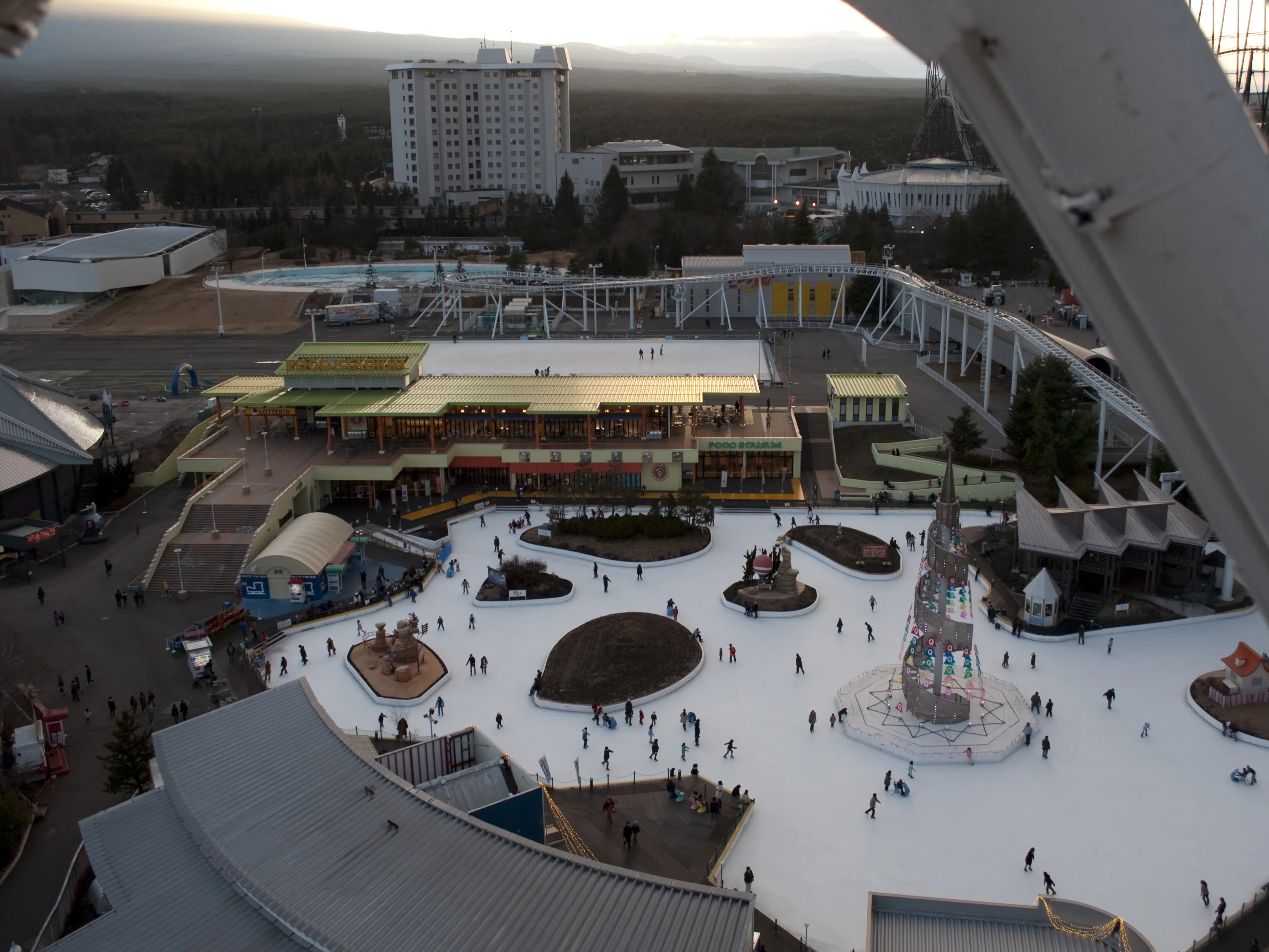
Picture two adults, an older child keen on coasters and a younger child who cannot use the headline rides. Four identical passes would charge for an invented family itinerary. Instead, the keen adult and older child can assess their own One-Day Passes; the adult supervising the younger child can use free entry and pay for any ride they actually take. If the younger child's day revolves around Thomas Land, compare that pass with individual Thomas Land rides on their own terms.
The split is useful for adult friends too. Motion sickness, fear of heights, a preference for photography or simply a shorter stay are legitimate reasons to use free admission while a companion rides. The group can still share meals and walking time. What differs is the prepaid ride allowance, which should follow each person's plans rather than the number of people entering together.
Two riders in the same family may also have different start times. An older child and one adult might queue at opening, while a younger child and a second adult arrive later or spend most of the afternoon in Thomas Land. If you price the family as one unit, those schedules disappear. If you price each person's actual hours and rides, the answer may be a full-day pass, one Thomas Land Pass and one or two free-entry tickets. That is a normal combination at a park where the gate itself is free.
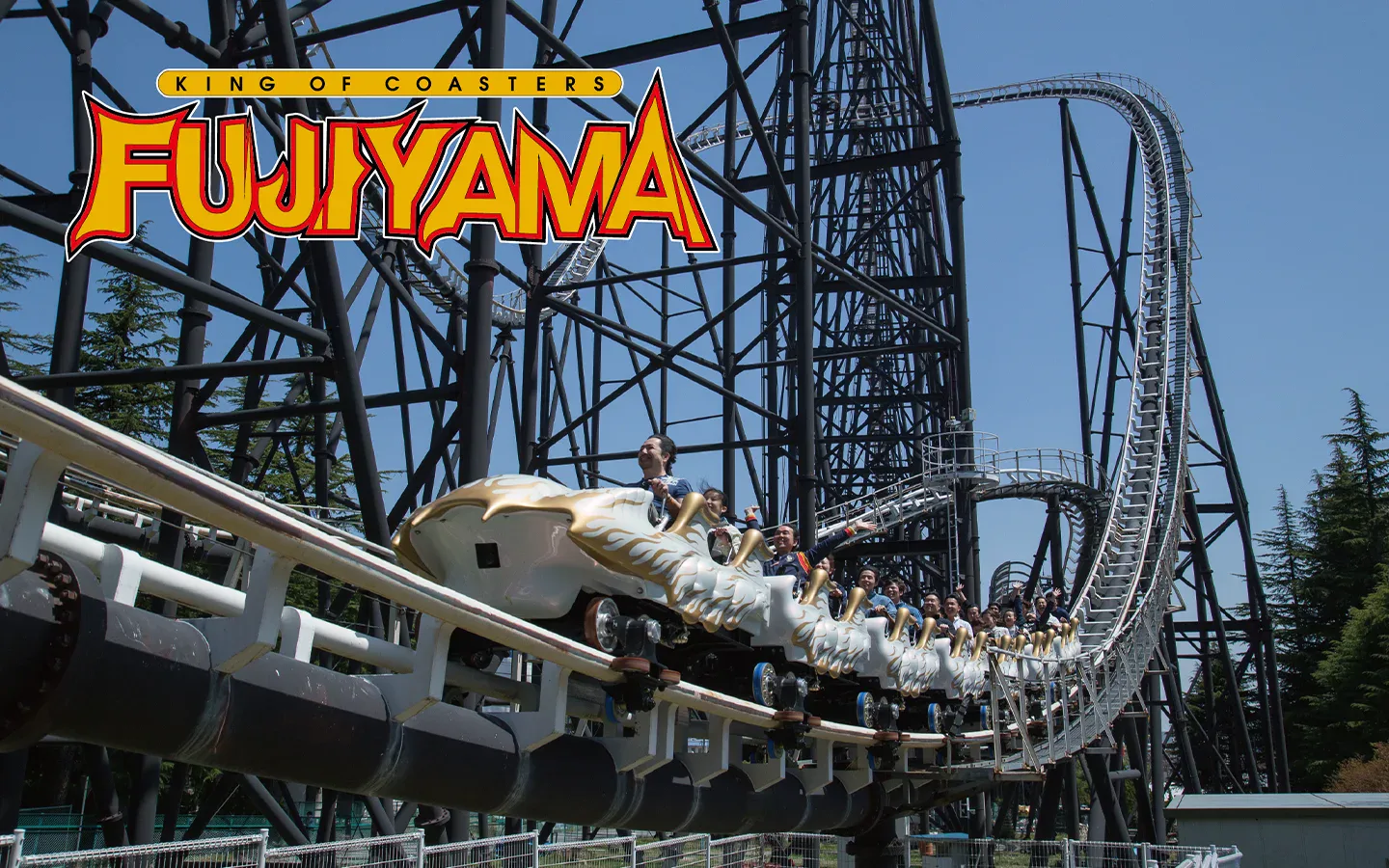
Do the eligibility check before the cost comparison. FUJIYAMA begins at 110 cm; riders from 110 cm to under 130 cm need an accompanying person of junior-high-school age or older. ZOKKON accepts riders from 120 cm to under 195 cm. Both have an upper age limit of 64. Other attractions set their own restrictions, so a child who misses one threshold may have a very different paid-ride list from an older sibling. Measuring first prevents a pass being justified by attractions that cannot be used.
Fuji-Q is also a different choice from a Mount Fuji sightseeing day. The Kawaguchiko activities comparison helps if the family is deciding between the park and lake viewpoints, a ropeway or slower sightseeing. Set the day's main purpose first; otherwise the park's ticket options may end up dictating an itinerary you did not want.
For children close to a threshold, use the park's current ride-by-ride criteria rather than a general description of the "big four" coasters. The minimum height is not universal, the upper height rule for ZOKKON differs from FUJIYAMA, and some children need an eligible companion even after they meet the centimetre minimum. Ask whether the accompanying adult actually wants and is able to board that attraction. A technically eligible ride that no one in the family will accompany the child on should not be counted in their pass value.
The 13:00 pass does not lengthen the afternoon
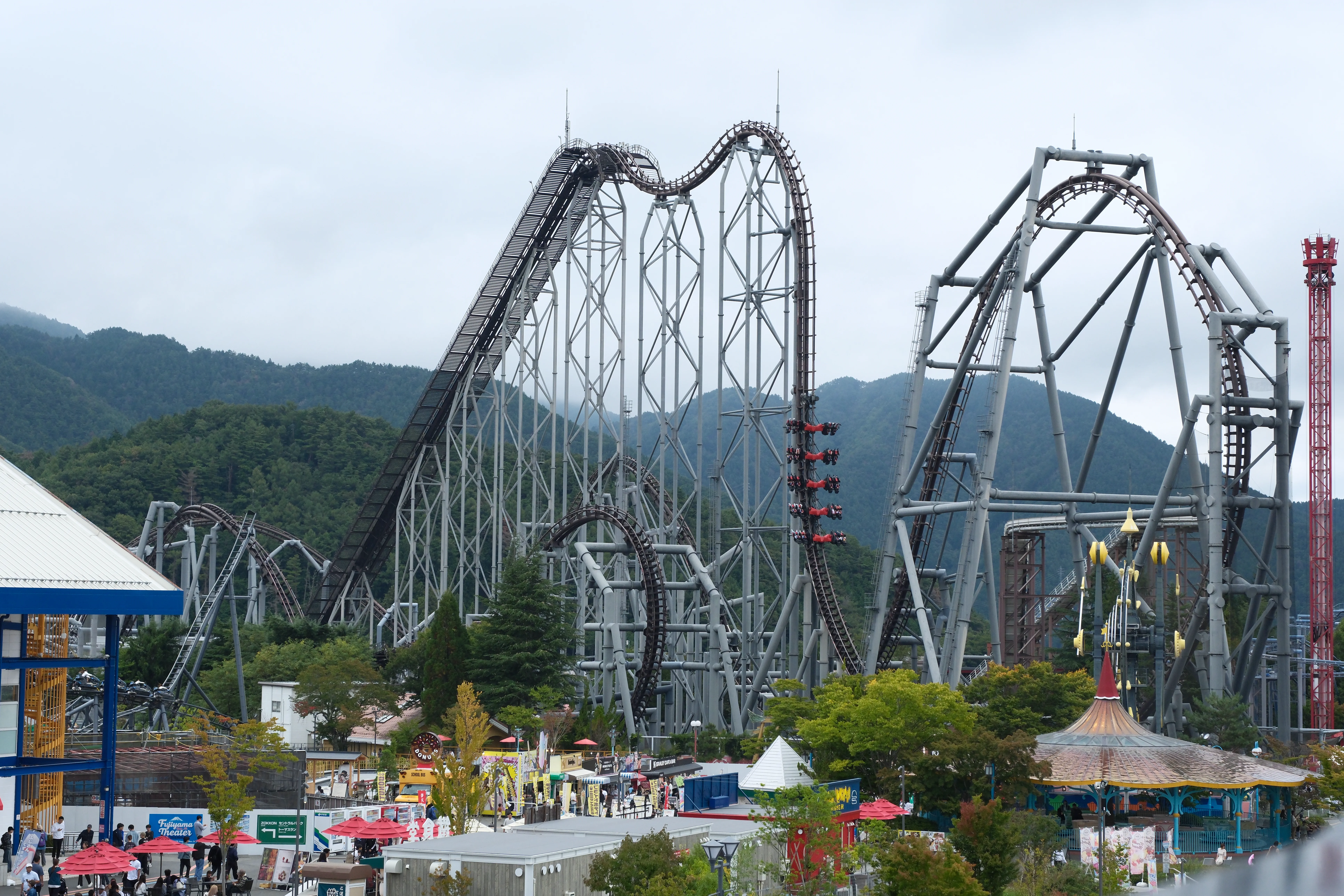
Fuji-Q's Afternoon Pass begins at 13:00 and is priced below the full-day ticket on many dates. For adults the published range is ¥4,100–6,000. It fits an actual late arrival or a lake-first day. It cannot make queues shorter or return the hours spent coming from Tokyo. Someone entering after lunch with four essential coasters has to fit entry, walking, possible ride stops and each wait into the remaining opening hours.
For a short park visit, choose the two attractions that matter most and compare their single-ride fees with that day's Afternoon Pass. A third ride can be a bonus rather than a commitment that forces you to skip a meal or a return train. If Kawaguchiko scenery is the priority, enjoy the morning around the lake and decide on rides when you reach the park. If coasters are the trip's purpose, protecting the opening hours is often more important than shaving the pass price.
An early start from Tokyo is one way to protect those hours, but transport bundles need their own comparison. A package may combine a bus and rides, while another offers only admission products; the outbound arrival, return departure and cancellation terms decide whether the format fits. The itinerary once shown for a Klook Shinjuku package—early departure, morning park arrival and evening return—was a dated example, not a promise for another travel date. Build the ride list against the departure printed on the product you would buy.
The old package example left Shinjuku around 07:00, reached the park around 08:45, departed around 18:15 and returned to Shinjuku around 20:00. Those times explain why a bus bundle once supported a substantial riding day, but they should be treated as an example of the timing to look for, not as today's booking timetable. Compare any current bundle with an independent return route: an early outbound is less useful if the included bus leaves before your last preferred ride, while a later departure does little for someone entering the park only at lunchtime.
Priority access is a separate purchase
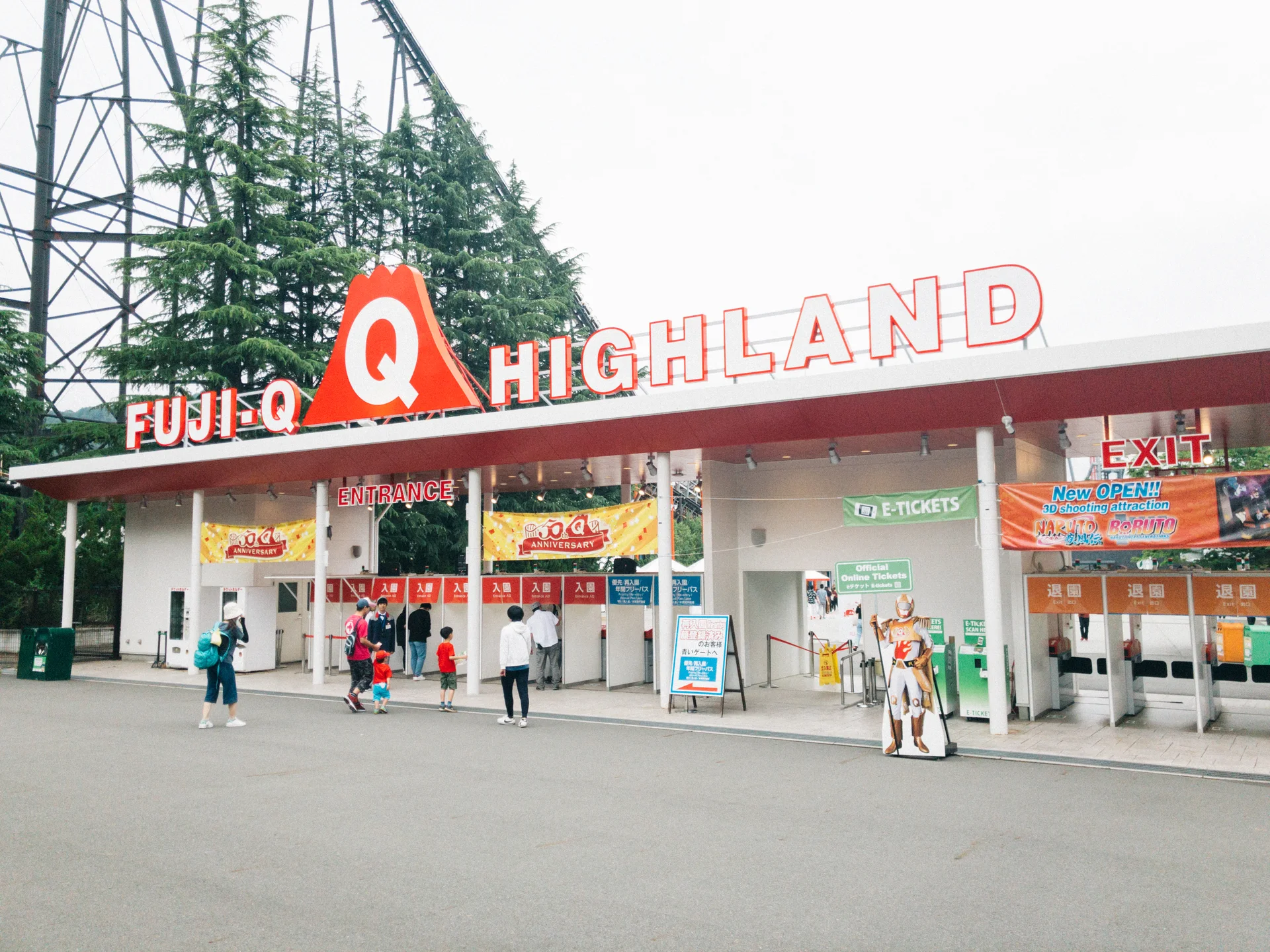
A One-Day Pass covers eligible rides; it does not by itself move you to the front of their queues. Fuji-Q sells attraction-specific Priority Tickets separately. Online sales open at 18:00 three days before use and run until 60 minutes before the designated slot if inventory lasts. Pricing changes by ride and time. The ticket still requires a day pass or the combination of free admission and an individual ride ticket.
Priority access is most valuable for a single non-negotiable attraction whose ordinary wait would endanger the rest of your plan. It is not a park-wide Express Pass. The park says the priority line can still take around 30 minutes depending on operating and crowd conditions. Tickets are limited, fixed to a ride and time, and generally cannot be changed after purchase; sudden weather-related shutdown has a separate counter procedure. Treat a saved queue as time you may gain, not a guaranteed extra coaster.
The payment layers are easy to confuse. A free-entry visitor buying a Priority Ticket still needs the separate ride ticket. A One-Day Pass holder already has access to eligible rides but must pay again for the priority slot. The park also has attractions that require a timed ticket rather than being covered by an ordinary ride-unlimited pass, so read the conditions of any special attraction on your list. A normal queue, a priority queue and admission to a separately ticketed experience solve different problems.
There is also an online One-Day Pass with admission before the regular opening. During that early window, only the large coasters operate. It has a clear use if you know which major coaster you intend to ride first. It buys little for a family beginning with Thomas Land or a visitor still deciding what to do. The park currently says this early-entry product is not sold from December 2026 through 5 February 2027, so check the date-specific calendar instead of assuming it is always available.
Early entry and a timed Priority Ticket are distinct: the former changes when you may enter and ride a limited set of coasters, while the latter targets one attraction at a particular time. Neither is included automatically in a standard One-Day Pass. If you are deciding which upgrade might help, identify the bottleneck first. Someone with a morning arrival but one must-ride attraction may get more use from a single Priority slot; someone whose entire list is major coasters may gain more from reaching the gates early, when that product is sold.
Thomas Land has its own price scale
The Thomas Land Pass permits unlimited use of twelve attractions in that area. Current published ranges are ¥3,000–3,500 for adults, ¥2,500–2,800 for elementary pupils and ¥2,000–2,300 for toddlers and seniors. Rides outside Thomas Land need a separate ticket. Many Thomas Land rides are also sold individually, so a family planning only one or two should calculate those first.
A young child can want several repeats of a favourite ride while an accompanying adult mostly watches. Free park admission still allows different ticket choices within that family. Conversely, if an adult must board repeatedly with a child, the adult's Thomas Land usage is real and belongs in the price calculation. The distinction is who will ride, not who will accompany the child through the entrance.
Thomas Land's smaller ride prices create another break-even test. The park lists many individual Thomas Land attractions at ¥500. Several definite rides or repeats can approach the pass price, but one favourite repeated twice does not automatically do so. The adult ticket can be the larger hidden cost when a parent needs to join each ride. Put the child and adult totals side by side before choosing two Thomas Land Passes, and remember that a full park One-Day Pass serves a different mixed-attraction plan.
Free entry still has a gate step
There is a zero-yen admission ticket rather than an open walk-through gate. Before the day of travel, one route is to obtain it online and register a facial photograph by 20:00 the previous evening. A same-day online QR route is also offered. Infants cannot use the facial-registration route and need the QR ticket with an adult. A One-Day Pass holder does not need an additional free admission ticket.
This step matters most to non-riding companions: there is no reason to buy a paid ride pass solely to enter together. Complete the correct free-entry process, then purchase individual rides or a suitable pass only for those who need one. If your group separates inside the park, agree on a meeting place and whether children will need the same accompanying adult at restricted rides.
Weather and where you sleep can change the purchase
Coasters may stop because of wind, rain or other operating conditions, and the park's opening hours vary by date. A calculation based on four rides is no longer persuasive if two cannot run. Check the operating calendar and ride status near the visit, and allow the possibility that a temporary closure may consume the margin that made a pass economical.
An overnight in the Fuji area gives more room to rearrange a weather-sensitive park day. The Mount Fuji day trip versus overnight guide considers that trade-off; the one- or two-night Kawaguchiko comparison is useful when an extra night could protect views or rides. If the park is central, a Fuji-Yoshida base may ease an early start. Kawaguchiko Station and the north shore serve different lake-oriented plans; compare them in the area guide.
An overnight is not automatically a reason to buy a full-day pass either. It may let you move the park visit to a clearer morning or take only a few rides after a lake outing. If your hotel is near Fuji-Q, you can avoid making the Tokyo return bus the hard end of the riding day. If the hotel is selected for lake views or a ryokan dinner, protecting that time may be more valuable than squeezing in another coaster. Choose the area's main experience, then place the ticketed park hours around it.
Next decision: test the value of staying near Mount Fuji.
The order to use before payment
First, select your actual date and read the One-Day and Afternoon prices and park hours for that date. Next, give each person a realistic ride list and remove any attraction barred by height or age. Price the remaining single rides, including Thomas Land separately where relevant. Compare that total with the pass available during the hours you can be at the park. Only then ask whether one timed Priority Ticket protects a ride you cannot miss.
The One-Day Pass is easiest to justify for someone arriving around opening, eligible for several paid attractions and willing to spend much of the day riding. Free admission with individual tickets is often stronger for a companion, a child below coaster thresholds, a late arrival or a lake-first itinerary. An Afternoon Pass or Thomas Land Pass can sit between those choices. The right combination may include several ticket types in the same group.
Before paying, identify what would change the answer: a later Tokyo arrival, a shorter operating day, a height measurement, one closed coaster or an overnight nearby. Each changes the number of rides likely to happen. A ticket comparison built on that number is more useful than dividing the pass price by every attraction on a map.
If the park day should not end with a long Tokyo return, look at Fujiyoshida rooms for that night before buying transport around a late exit.
Park ticket and ride details
Fuji-Q Highland free admission procedure
Fuji-Q Highland attraction pricing
Fuji-Q Highland Priority Ticket information
Fuji-Q Highland FUJIYAMA restrictions
Fuji-Q Highland ZOKKON restrictions
Klook Fuji-Q Highland Activity 95879
Related guides: Nagashima Spa Land Tickets 2026: Do Not Buy the Same Pass for Everyone in Your Family · Nijigen no Mori Tickets 2026: Free Entry Makes Three IPs the Expensive Choice · Japan’s 100 Famous Castles No.6: Morioka Castle — The Ruins Are Free, but Is the ¥450 Museum Worth It? · Free Things to Do in Tokyo: Don’t Cross the City Just to Save on Admission · How to Book the Fuji Excursion—and What to Do When It Sells Out · Yokohama Anpanman Children's Museum 2026: Age 1 Pays the Adult Price — Check the Free 1F First · Edogawa Fireworks 2026: The Best Free Side to Watch, When to Arrive and How to Get Out · Osaka Budget Itinerary: 7 Days With USJ, Kyoto, Nara and Kobe — Without Buying Every Pass · Nezu Museum 2026: The Garden Isn’t Free — and That Changes Whether ¥1,400 Is Worth It · USJ Tickets and Express Pass 2026: Halloween Buying Guide
Tokyo Attractions Map: Which Areas Actually Belong on the Same Day?
Osaka Night Views: When Free Beats the Observation Deck — and When HARUKAS 300 Is Worth Paying For
Kanmon Strait Museum: When the ¥500 Ticket Is Worth It—and When the Free Areas Are Enough
Osaka Amazing Pass 1-Day vs 2-Day Itinerary: The Route That Avoids the Biggest Time Traps
JR Kyushu Rail Pass 2026: Is the Northern Kyushu Pass Worth It?