
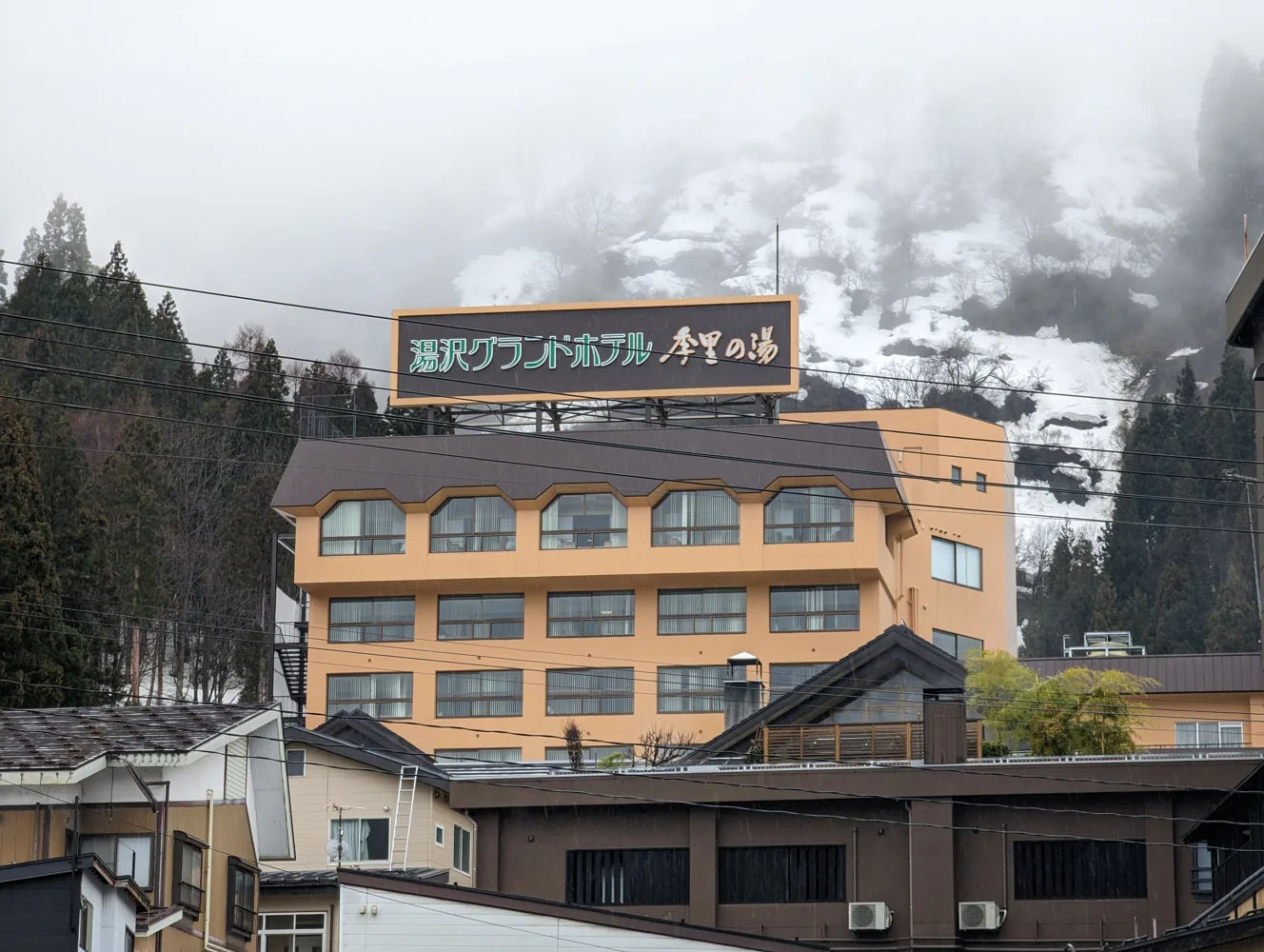
Swipe to compare the photographed hotels
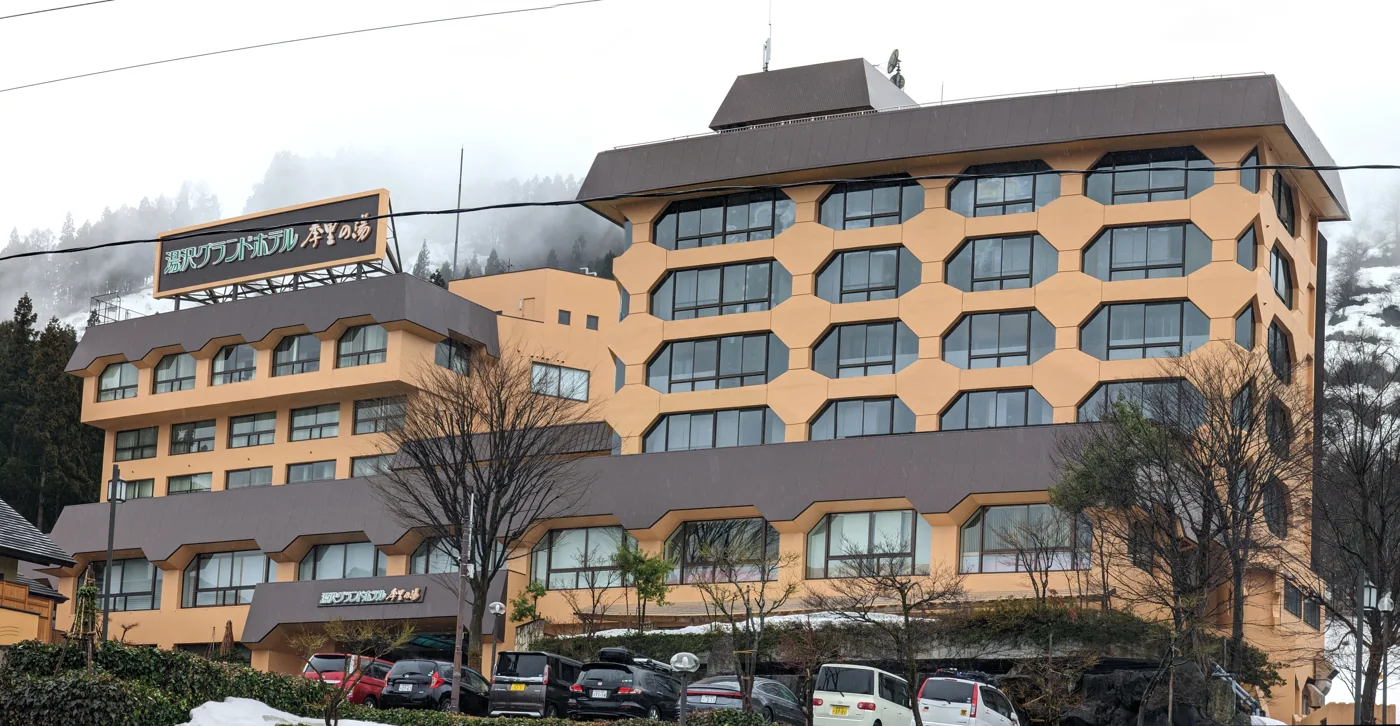
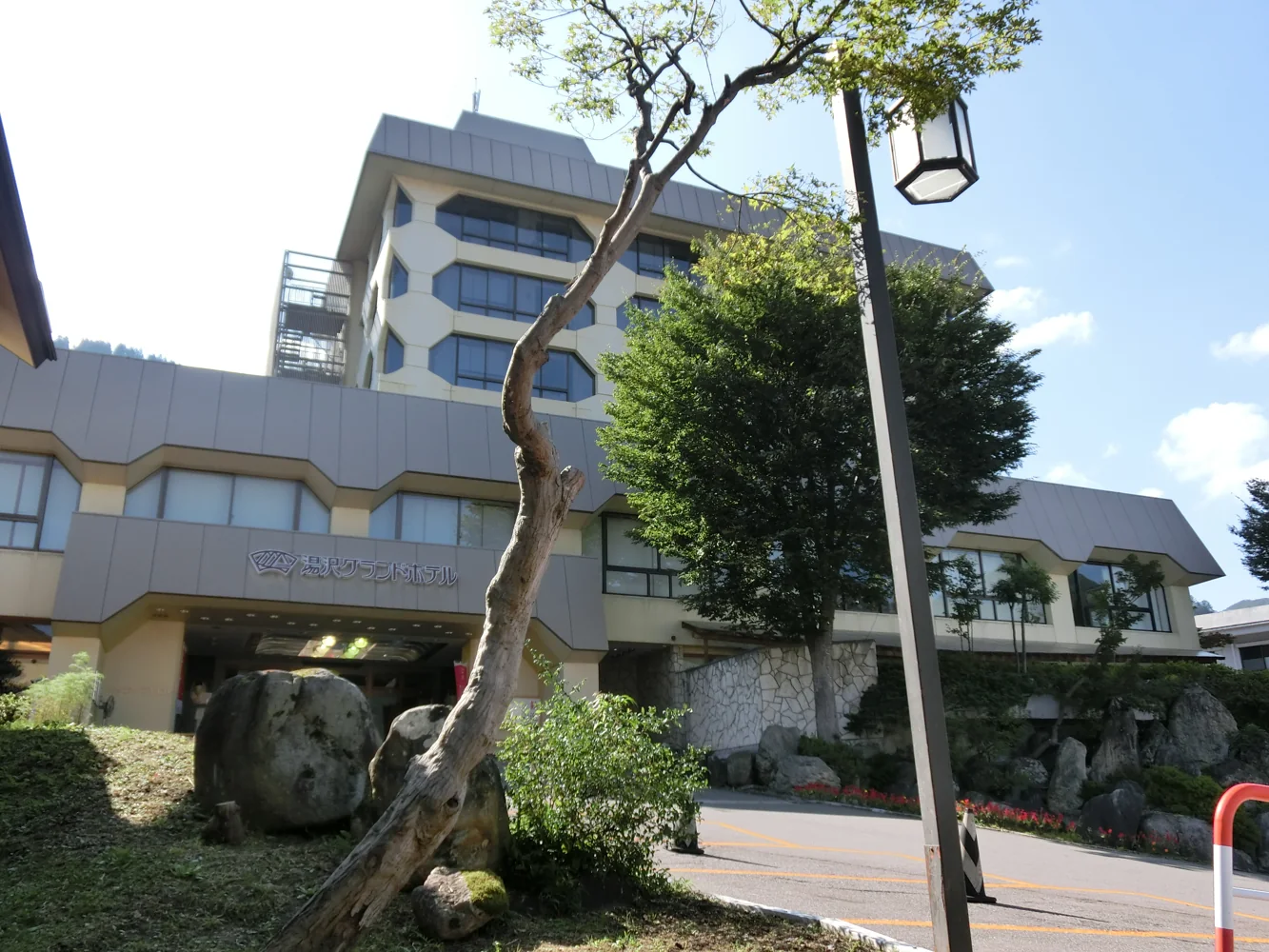
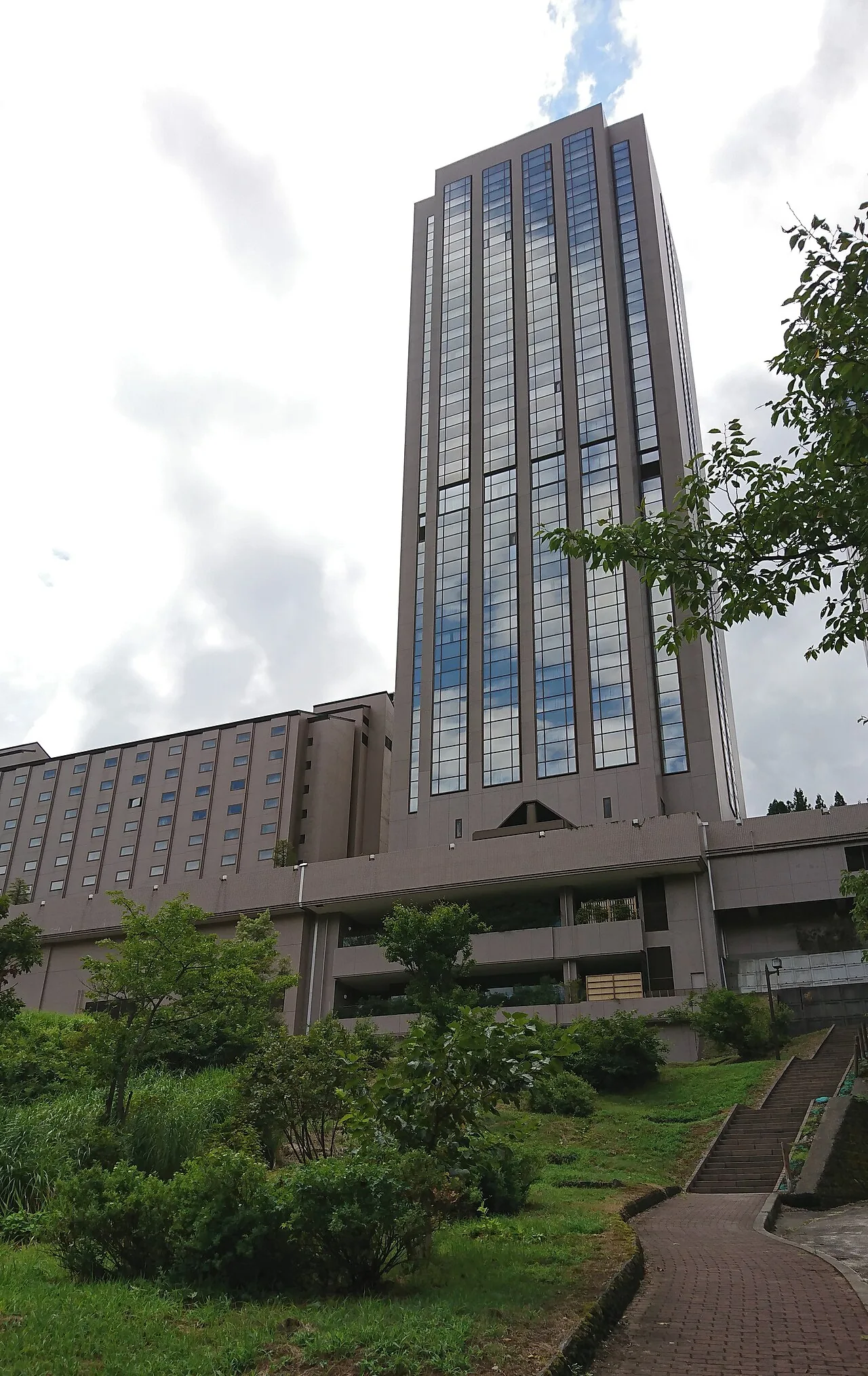
A Yuzawa hotel can put you beside the train or beside a lift. Yuzawa Grand Hotel is close to Echigo-Yuzawa Station, making several ski areas possible from one room. NASPA New Otani sits next to NASPA Ski Garden, allowing skiers to begin at the hotel's own mountain. The choice is easy to get wrong when a party includes a snowboarder, a child with a lesson, or someone who does not plan to ski. Set the actual mountain, equipment and first morning's meeting point before comparing nightly rates.
JapanLayer hotel assessment by dimension
Yuzawa Grand lets a rail arrival reach a room close to Echigo-Yuzawa Station before the next day's resort choice. NASPA trades that station convenience for skiing beside the hotel, with a shuttle leg on arrival and a ski-only rule on its own slope. Decide which of those journeys you will repeat more often. Check whether the exact winter rate includes a lift product and whether your group includes snowboarders. At Yuzawa Grand, the room name also determines whether a private bath contains hot-spring water; the photograph alone is not enough.
↔ Scroll table left or right
| Hotel | Access | Space | Comfort | Cleanliness | Neighbourhood | Service | Value |
|---|---|---|---|---|---|---|---|
| Yuzawa Grand Hotel | 9.0/10 | 9.0/10 | 9.3/10 | 9.3/10 | 9.6/10 | 9.6/10 | 8.5/10 |
| NASPA New Otani | 8.0/10 | 9.2/10 | 8.8/10 | 8.9/10 | 8.6/10 | 8.9/10 | 8.1/10 |
What a station room actually buys
Yuzawa Grand is roughly two minutes on foot from Echigo-Yuzawa Station. Ipponsugi Snow Park is a short walk behind the hotel. That is useful for a gentle session or a child who wants to play in snow, but it is not a substitute for choosing a full-day resort. GALA Yuzawa, Yuzawa Kogen, Kandatsu, Iwappara and other areas have their own access routes, lift tickets and closing times. Decide which one the party will use before treating the station hotel's location as proof that every ski day is equally simple.
The hotel advertises a particular shuttle benefit when eligible international guests buy both a lesson and rental package for specified ski areas. It does not say that every guest receives a free transfer to every resort. Its English winter page also retains older operating dates for some detailed services and contains a few travel estimates that do not fit the geography. Check the current lesson operator, shuttle stop and return bus against the season you are booking. Our Yuzawa Grand property guide covers its station and small-slope arrangement; the question here is whether that flexibility offsets the daily travel to a larger mountain.
The station location matters when a group separates. One person can ski, another can return to the room early, and a snowboarder can choose an area where boards are permitted. It is also helpful when the weather forces a change: after checking the actual lift notices, the party may find another bus and use a different mountain. This is a fallback possibility, not an automatic resort switch. The first lift ticket may not transfer, equipment may be rented at the first area, and the next bus could be too late. Before paying, decide whether a closed primary mountain would mean a second resort, a short Ipponsugi session, or an onsen day.
A two-minute location claim does not describe the condition of the path with a ski bag. Ask which station exit to use, whether the approach is cleared after snowfall, and whether luggage can be left before check-in. If equipment will be forwarded, confirm the address and delivery acceptance date. The ski-bag forwarding versus carrying guide uses a Hakuba route, but its timing questions apply here. Travellers taking an early Shinkansen can use the Tokyo Station hotel comparison to plan the first train without adding a fragile airport connection.
The practical difference becomes clearest on checkout morning. A guest at Yuzawa Grand can leave a packed bag near the station, spend a final session at a reachable slope, and return for the train without arranging a hotel-to-station ride after skiing. That sequence only works if the hotel accepts the bag after checkout and the chosen resort's return service leaves enough margin to collect it. At NASPA, the skier can start close to the room, but the final step still includes the station shuttle or a separate transfer. Check the shuttle's last usable departure before buying a train ticket; a late checkout or an extra lift run cannot make up for a missed connection.
For a child in a lesson, put the lesson meeting point on a map alongside the hotel's rental counter and the adult's intended slope. NASPA's adjacent ski centre reduces one transfer if the lesson takes place there. A class booked at another Yuzawa resort changes that calculation, even when the room is beside NASPA's own lift. At Yuzawa Grand, proximity to the station helps if the class requires a bus, but the family still needs to allow time for fitting boots and collecting a lift ticket. If adults plan to split between skiing and supervising a child, choose a pickup point both can reach without depending on one shared set of equipment or a single return bus. These small movements usually determine whether the hotel location is useful to this group.
NASPA's adjacent lift has a strict equipment boundary
NASPA New Otani is next to NASPA Ski Garden, with rental and ski-centre services in the hotel complex. A group that intends to ski that mountain on consecutive days avoids the morning station-to-resort bus. The hotel operates a shuttle from Echigo-Yuzawa Station, with a short road journey; verify the departure time, pickup point and last run for the actual arrival date. That shuttle solves the station leg, while slope adjacency solves the morning ski leg. They should be evaluated separately.
NASPA Ski Garden is ski-only. Snowboarding is prohibited there. If one person in the room wants to snowboard, the other mountain, return transport and separate lift ticket belong in the budget. A slope-front room then saves that person no morning transfer. A mixed group might still prefer NASPA if the skiers and a child use its facilities, but make the split explicit before booking. The ski-in/ski-out hotel guide explains why the term is useful only when the guests actually use the adjacent terrain. The Hakuba ski-base comparison offers another example where the lesson point can outweigh a hotel's slope photograph.
The 2026–27 winter offer makes this difference financial as well as logistical. NASPA has announced that qualifying accommodation plans for stays from 24 December 2026 through 27 March 2027 include lift use at NASPA Ski Garden during the stay, except the 30 December to 2 January New Year period. Kids Garden and the night first-track session are excluded. The benefit has no cash refund, room-rate reduction or substitute ticket for someone who does not use it. A party skiing at NASPA daily should compare the full package against a Yuzawa Grand room plus appropriate transport and passes. A snowboarder or non-skier must not assign a fictional saving to the included lifts. Verify that the selected room plan actually carries this benefit; a generic rate may have different conditions.
A family should still price lessons, rentals and children's activities separately. An on-site mountain does not guarantee a place in a class, English instruction or supervised care. Confirm the child's age, equipment collection point, lesson meeting time and who accompanies them after a half-day programme. Our lift-pass, rental and lesson checklist gives a sequence for booking these moving parts. The costs and age rules must come from NASPA's current programme.
Compare actual rooms, not minimum rates
↔ Scroll table left or right
| Booking case | Yuzawa Grand | NASPA New Otani |
|---|---|---|
| Two adults wanting beds | Check the exact Western or Japanese-Western room; the latter pairs two beds with a tatami section | 37 m² Standard or Superior Twin; verify building and bed arrangement |
| Four travellers in one room | Japanese-Western ten-tatami-plus-two-bed or a two-room Japanese category; confirm futons and child fees | 50 m² Family Room or 74 m² Superior Four; confirm the actual four sleeping places |
| Private-bath priority | Only the explicitly named source-fed open-air bath room supplies private hot-spring water; semi-open-air rooms use non-spring water | Confirm room bath type and whether any private bath is included or separately reserved |
| One ski day after a late arrival | Shorter station-to-room leg; resort chosen next morning | Station shuttle needed; adjacent skiing the next morning |
Yuzawa Grand has a wide room range. Its Japanese-Western category combines two beds with ten tatami mats; two-room Japanese categories can give a larger family more separation. The small 12 m² Western rooms do not offer the same changing and gear space. The hotel says these compact Western rooms and its barrier-free rooms have no bathtub. That detail matters if a guest cannot use the public bath or returns after its hours. An attractive lowest rate may also be attached to a room that is inappropriate for four suitcases and wet ski layers.
The distinction between its private-bath categories is unusually important. Two rooms are described as having source-fed open-air hot-spring baths. Six newer semi-open-air bath rooms have tubs near the windows, but their water is not hot spring water. A photograph of a private bath can therefore describe two materially different products. Confirm the exact category on the final reservation, the number of permanent beds and the policy for futons. The ryokan and onsen room checklist helps separate room-bath entitlement from access to a shared facility.
NASPA lists 37 m² Standard and Superior Twins, a 50 m² Family Room, a 74 m² Superior Four and larger suites. This makes a genuine same-party comparison possible, but floor area does not prove the number of full-size beds. Ask whether a four-person offer uses four beds, sofa beds or futons, and whether it is in the main building or tower. A family that skis daily may value a larger changing area and a place to dry equipment more than a view upgrade. Our family accommodation bed-count guide explains how to audit sleeping places and gear space, without claiming that its Hokkaido room examples apply to either Yuzawa property.
Both hotels offer a post-ski bath, but compare the service that the booked room and plan actually include. Check public-bath hours, private-bath reservations, age rules and any seasonal closures. A guest who wants to bathe together with a partner or child needs a different answer from someone happy with a public bath. The private versus public bath decision addresses that trade-off, while the bathing etiquette guide covers the shared-bath routine.
Meals, non-skiers and the second night
From Yuzawa Grand, the station district makes an independent dinner plan easier, although opening hours should still be checked for the travel day. NASPA's mountain setting makes its on-site restaurants or an intentional shuttle trip into town more central to the evening. Compare room-only, breakfast and half-board offers for the same guests and nights. An included buffet has value when children are tired and the family will use it; it has less value if a late train causes the party to miss service. Ask about children's meal charges, dining reservation rules and what remains open after late arrival.
A non-skier needs a day plan at NASPA. A pool, bath or lounge can make a half-day pleasant, but check the winter hours and whether admission is part of the room rate. Someone who expects independent shopping and several restaurants may prefer the station district. If one adult skis while the other spends most of the day with a young child, the room's usable space, bath access and meal flexibility may matter more than the lift outside. The ski-day food guide shows how meal timing shapes a resort stay; its Hokkaido costs should not be copied into Yuzawa.
Write down the actual two-night sequence before deciding: arrival, equipment pickup, first breakfast, lesson check-in, lunch, dinner and departure. Add every transfer and pass that is not included in a selected plan. A NASPA lift benefit may be valuable to skiers staying on that mountain, while a Yuzawa Grand guest may use a different resort each day. Rental packages can omit goggles, gloves or a helmet, and a child may need a different ticket or lesson category. The ski-trip booking timeline is a useful order of operations, though its prices are not Yuzawa prices.
Make the booking decision on the least flexible guest
Yuzawa Grand is the more adaptable base for a snowboarder, a group choosing multiple ski areas or a one-night arrival by rail. Its special room categories may also settle a private-bath request, but the exact water type must be checked. NASPA is more coherent for a party that will ski its own mountain, can use the announced lift benefit, and wants a predictable ski-centre start. Its Family Room or Superior Four should be compared against Yuzawa Grand's larger Japanese-Western or two-room plans, not against an unrelated minimum twin rate.
If the flight reaches Tokyo late, check the last useful Shinkansen and the hotel's last arrival route before paying for either snow night. The Haneda arrival guide can help protect the first connection. The January clothing guide covers layers for the trip, but the mountain's actual weather should decide the day's gear. Travellers still comparing destinations may look at the Shiga Kogen ski-hotel building decision or the city versus resort ski base guide; neither should substitute for checking Yuzawa's own buses and room terms.
Price both hotels with the same guest ages, meals and cancellation deadline. At Yuzawa Grand, confirm the exact room and transport to the mountain you will use. At NASPA, confirm that every rider skis, that the package's lift benefit applies, and that the station shuttle fits arrival and checkout. Once those are answered, the cheaper-looking room may or may not remain the lower-cost ski trip.