
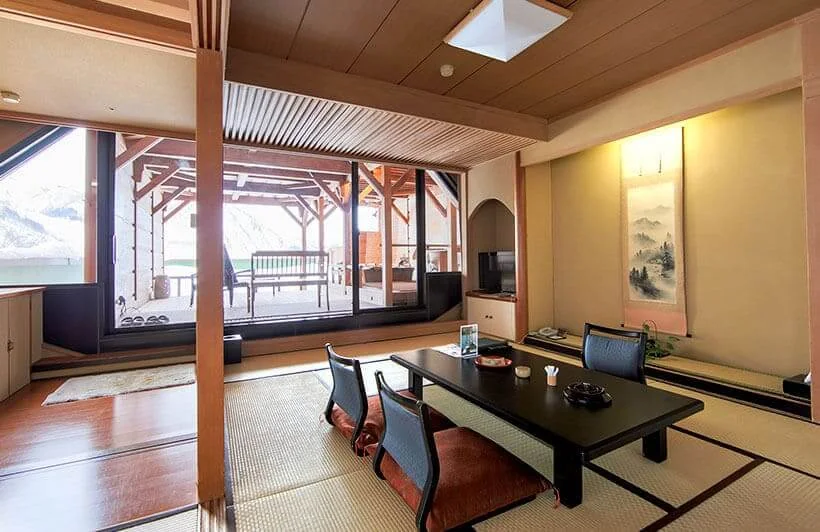
Yuzawa Grand Hotel can make a snow weekend unusually easy to start. The property is about a two-minute walk from Echigo-Yuzawa Station, and Ipponsugi Snow Park is about two minutes from its entrance. Those two short distances are real, but they do not describe the same thing as staying beside GALA Yuzawa, Kagura or a larger resort's main lift. For a family wanting a first lesson, gentle snow play and a bath after the Shinkansen, the combination can be excellent. For strong skiers planning every day at a different mountain, the station and the day's bus stop matter more than the small park behind the hotel.
JapanLayer hotel assessment by dimension
| Hotel | Dimension | JapanLayer score |
|---|---|---|
| Yuzawa Grand Hotel | Cleanliness | |
| Yuzawa Grand Hotel | Service |
Swipe to compare the hotel rooms
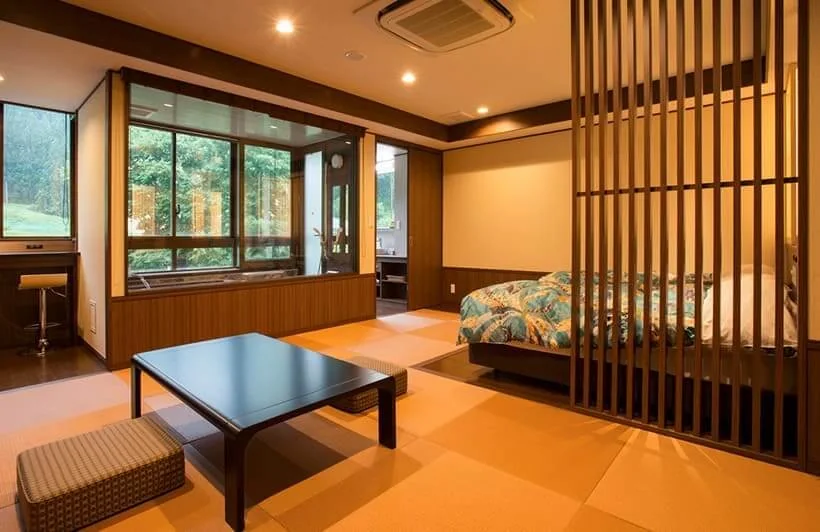
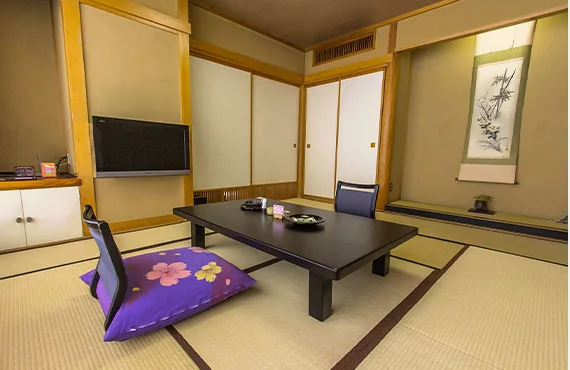
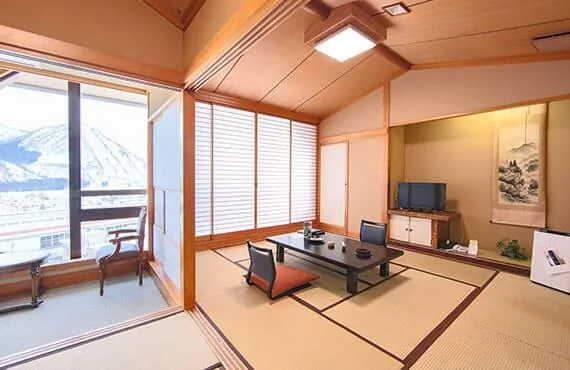
The distinction is sharper in the 2026–27 season. The hotel's Japanese winter information describes a snow escalator at Ipponsugi and says ordinary lift operation will not run this season. The area can suit first steps and play, but the two-minute walk should not be sold as two-minute access to a full chairlift network. A guest expecting long runs needs to identify the intended ski resort and its shuttle before choosing the hotel. This is a different decision from Shiga Kogen Prince's three ski-base buildings or Cortina's slope-front Green Plaza, where a particular mountain is the principal reason for the room.
What the two-minute distances actually buy
Echigo-Yuzawa's Shinkansen connection makes a short snow break possible without the long road transfer many resorts require. The hotel lists a short walk from the station; a complimentary hotel-station pickup can be arranged by calling from arrival. That service is helpful with children or large bags, but do not turn it into an assumption of an always-waiting bus. Confirm the hotel's pickup procedure and reception hours for the train you plan to take. A couple carrying small bags may simply walk; a family with rental gear, a stroller and icy pavements may prefer the pickup even for a short distance.
Ipponsugi is almost as close to the hotel as the station. For a child learning to stand on skis, the ability to return to the room for dry clothes or an early nap is worth more than a large trail map elsewhere. The hotel's rental shop is on site, and its winter information advertises lessons as well as several transport options. Check the child's age, lesson language, meeting point and whether snow play requires a separate ticket. The Tomamu lesson-duration guide deals with another resort, but the question of two hours versus a full day is useful for a beginner whose stamina is unknown.
↔ Scroll table left or right
| Purpose of the trip | The hotel's strongest feature | What still needs transport or confirmation |
|---|---|---|
| First snow play with a child | Ipponsugi very close; room and bath nearby | Snow-escalator and activity operating dates |
| One coached beginner day | Rental, lesson arrangements and easy room break | Exact lesson venue, language and included transport |
| GALA, Iwa-ppara or Yuzawa Nakazato skiing | Shinkansen arrival and a central overnight base | Correct resort shuttle stop and last return |
| Kagura or Naeba days | Comfortable station-area base | Paid bus, earlier departure and longer travel |
| Non-skier accompanying skiers | Bath and town/station area access | Independent day plan and bathing hours |
The snow escalator is not a reason to buy a full-area lift pass without checking what the learner will use. The Japanese 2026–27 page lists a 09:00–16:00 operating window and separate child and adult charges, but weather and the park's actual opening still matter. A family arriving at 14:00 does not have a full day's use of a 16:00-closing activity. That is one reason a second night can be valuable: it creates a full middle day between rail travel on either side. The Kinosaki one-night versus two-night onsen guide addresses another town, yet the method of counting arrival, bath and departure hours is relevant here too.
If your main mountain is elsewhere, map the morning bus
The hotel lists several nearby ski areas with different access routes. GALA is approximately five minutes away by car in its broad location guide, with a free shuttle from a nearby stop subject to the ski operator's schedule. Iwa-ppara, Yuzawa Nakazato, NASPA and other areas use different stops, sometimes at Echigo-Yuzawa's east or west exit. Kagura and Naeba involve longer journeys and paid buses for the routes listed. The headline travel times on a hotel page do not include walking to the right stop, waiting, queueing with equipment or the final move to a lesson base.
Do not assume that “free shuttle buses to local ski resorts” means a single hotel bus going to every lift at every hour. The hotel's winter page separately advertises complimentary pickup for international guests who book both lessons and rentals through its programme, to selected areas; rental alone does not qualify. Other resort shuttles are services with their own operators and conditions. If you book an independent lesson, ask whether its meet-up is actually served by your chosen bus. The Niseko lift, rental and lesson cost guide offers a good accounting method for these separate products, but Yuzawa's tickets and shuttle rules must be priced on their own.
A good morning plan names the resort, lift base, bus stop, departure and fallback. A good return plan does the same after lifts close. If the family has different skiing levels, one adult may return with a child while the other continues. The hotel's station proximity helps when the return bus uses Echigo-Yuzawa, but you still need the specific route. If skiing GALA on day one and Kagura on day two, the accommodation choice is a base for separate trips rather than a ski-in/ski-out hotel. The Sapporo city versus resort-stay guide uses a similar city-base calculation, although its Hokkaido transport times should not be applied to Niigata.
One popular error is to compare a station hotel and a mountain-front property using room price alone. At a mountain hotel, the slope may begin outside and the dinner choices may be concentrated inside. Here, the room is near rail and the small Ipponsugi area, with wider ski choices reached by transport. The Shin Furano Prince versus Nozo hotel decision illustrates why the lesson's ski zone can outweigh an advertised slope-front address. In Yuzawa, the equivalent question is whether the lesson you paid for is at Ipponsugi or at a different resort that takes a morning bus.
The room's bath is not always hot-spring water
Yuzawa Grand Hotel has a large communal bathing complex and a reservable private-bath option. Its main bath schedule currently runs from 05:00 until 01:00, with a midday cleaning interruption; smaller bathing areas have separate hours. Private baths have time slots and a charge. These details make a post-ski bath possible even when one member of the group comes back early, but a private slot should be reserved if privacy is the deciding factor. Do not read “onsen hotel” as a promise that every guest-room bathtub contains mineral water.
The room categories make this distinction explicit. The property lists two rooms with private open-air hot-spring baths, as well as six rooms with semi-open-air baths whose water is not hot-spring water. A category photograph showing a bath by a window may therefore represent a different product from the two onsen-bath rooms. Check the exact room name, water type, occupancy and view on the final reservation. The ryokan and onsen selection guide is useful for separating in-room mineral baths from bookable private and communal baths; Yuzawa's specific room descriptions settle which one you are buying.
There are also Japanese-style rooms, two-room layouts and Japanese-western rooms with two beds. A published maximum of seven or eight people may include futons on tatami rather than seven permanent western beds. For a multi-generational family, the real questions are who can sleep on the floor, who needs to reach the bathroom at night and whether four people's luggage can be stored without blocking a sleeping space. Some room types allow advance futon setup on request. A couple should not pay for a large group room unless the extra separation is useful, while a family should not choose the cheapest two-bed plan without confirming child bedding. The Niseko family group-room checklist is a way to count usable beds; it does not imply this onsen hotel has apartment-style kitchens.
The bath and room products are a reason to stay overnight rather than day-trip from Tokyo, but only if the evening fits the group. The hotel can serve buffet or Japanese set meals depending on the date; it says the format is assigned rather than chosen by a guest on arrival. The hotel advises arriving by 19:00 for dinner. A late Shinkansen followed by check-in cannot be assumed to preserve a booked meal. Fix the train you can actually catch, then check the dinner service attached to your room plan. A room-only price may be sensible if you plan to eat around the station; a meal plan may be simpler for a child who will be tired after snow play.
If somebody has food restrictions, do not infer from a buffet photograph that the kitchen can meet them. The hotel's English information says it cannot provide halal or vegetarian meals and warns that buffet allergens are handled in a shared environment. Ask directly if this affects the party, and consider another dining plan if the answer is unsuitable. This is a booking constraint, not a small preference to resolve after arrival. The Japanese onsen etiquette guide can also prevent uncertainty at the bath, while the hotel's current access conditions should be checked for any personal bathing requirements.
Rental discounts and lessons belong on the total-cost sheet
The hotel operates or connects to a ski rental shop and advertises guest rates, multi-day rentals and a further advance-booking discount when arrangements are completed by the previous afternoon's cut-off. Do not calculate a saving from the largest displayed “up to” discount without selecting the items, days and skier sizes your group needs. Gloves, hats and goggles are not rented under the stated conditions, so a family arriving with no equipment still has purchases or packing to do. A rental shop open 08:00–18:00 is useful, but a late-night check-in does not enable 07:00 gear pickup.
For lessons, the hotel's international-guest pickup promotion is tied to booking both instruction and rental through the specified route. The lesson venue may be Ipponsugi, Iwa-ppara or Yuzawa Nakazato depending on level and programme. A strong skier should not pay for a beginner package because it includes a vehicle; an absolute beginner should not select a demanding area because its shuttle appears free. Write the total as room, meals, rental items, lesson fee, lift or snow-escalator ticket, transport to the lesson and any private bath slot. The Niseko ski trip booking timeline gives a useful ordering principle: scarce lessons and suitable beds should be coordinated early, while each resort's own prices remain separate.
The station base is particularly valuable to a short trip with a firm Tokyo departure. The Joetsu Shinkansen can return you to Tokyo without a long ski-resort transfer first, but do not schedule the last afternoon as if checkout, locker, rental return, bath and platform transfer take no time. Ask about luggage storage and the location of rental return. The Tokyo Station hotel comparison may matter if an international flight or early train makes a final Tokyo night sensible; the Haneda late-arrival overnight decision is relevant to the first night if you land too late to reach Yuzawa comfortably.
Three trips that lead to different verdicts
Parent and child trying snow for the first time: Yuzawa Grand is attractive. The station arrival, Ipponsugi's short walk, rental and bath give you a forgiving loop. I would verify that the 2026–27 snow escalator and desired lesson operate on the exact day, and I would avoid overbuying a large-mountain lift ticket before the child's ability is known. A two-night stay protects one full snow day and an unrushed bathing evening.
Two adults aiming for GALA and Kagura: The hotel can still be a useful rail base, but its “two minutes to snow” claim is not the main advantage. Put each resort's bus and return time into the itinerary. If both days require an early vehicle, compare the total against a hotel nearer the principal mountain. The Sapporo ski-day-trip versus resort overnight method is written for Hokkaido, but the idea of pricing usable ski hours rather than only room nights applies.
Family with a non-skier and an older relative: The station area and hotel baths can work well, provided the booked room bedding and meal format suit everyone. The non-skier has more independence than at a remote mountain hotel. I would ask whether the walk from station to hotel is manageable in snow, whether a pickup should be arranged, and whether the relative will use the communal or a reservable private bath. The Rockwood Aomori Spring stay decision shows the opposite transport pattern: slope access is stronger there, but reaching and leaving the hotel takes more planning.
My final test would be to name the activity that fills the middle day. If it is Ipponsugi snow play, the nearby room is a concrete advantage. If it is a full mountain elsewhere, the hotel is a convenient station-and-onsen base whose value depends on the correct bus. Compare final room rates after adding the lesson, transport, meals and the bath product you will actually use. That approach is less glamorous than a “steps from the slopes” label, but it is much closer to the holiday you will have.
Updated 3 October 2026. Check current snow-escalator operation, lesson and shuttle terms, room bath type and meal plan before payment.