
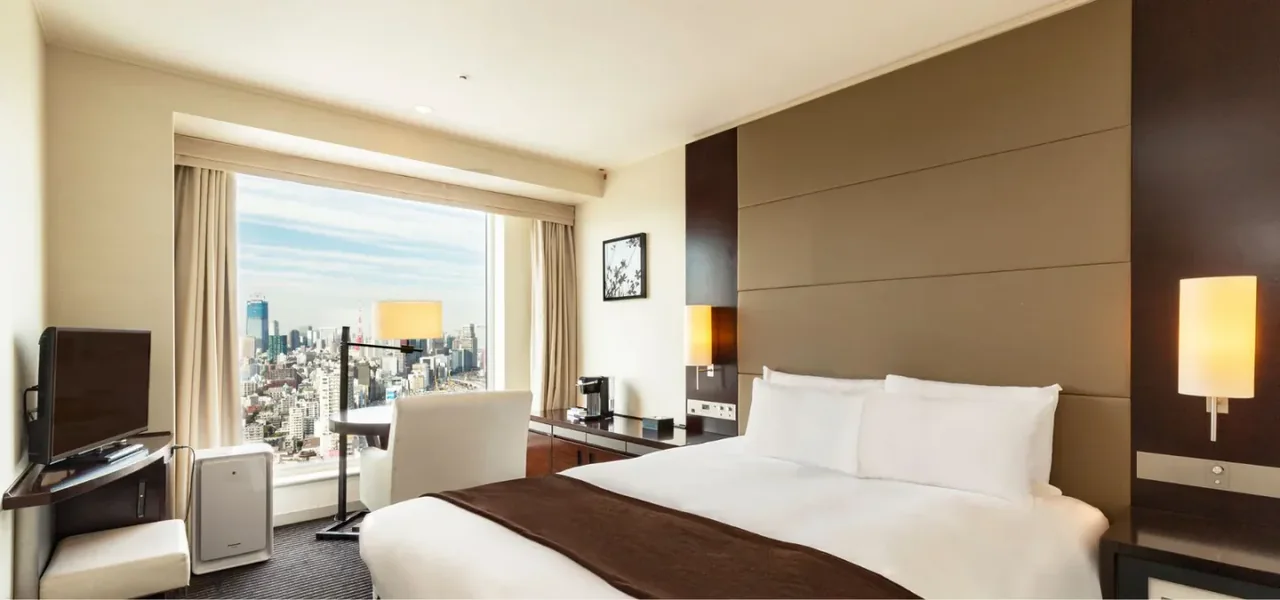
Shinagawa Prince Hotel and Yokohama Bay Sheraton both sit close to major stations, but they do not make the same Tokyo itinerary easy. Shinagawa keeps you in Tokyo beside the Tokaido Shinkansen, JR lines and Keikyu. The Sheraton places you at Yokohama Station's west side, useful when Yokohama itself is part of the trip and when its room or rate justifies the extra ride into Tokyo. A lower Yokohama nightly rate does not automatically mean a cheaper or less tiring Tokyo holiday. Count the days that begin and end in Tokyo before comparing the two hotel bills.
JapanLayer hotel assessment by dimension
↔ Scroll table left or right
| Hotel | Access | Space | Comfort | Cleanliness | Neighbourhood | Service | Value |
|---|---|---|---|---|---|---|---|
| Shinagawa Prince | 9.3/10 | 8.0/10 | 9.0/10 | 6.5/10 | 8.5/10 | 7.5/10 | Insufficient evidence |
| Yokohama Bay Sheraton | 9.2/10 | Insufficient evidence | Insufficient evidence | 9.2/10 | Insufficient evidence | 9.2/10 | Insufficient evidence |
Count the returns before choosing the room
↔ Scroll table left or right
| Trip pattern | Shinagawa Prince | Yokohama Bay Sheraton |
|---|---|---|
| Four Tokyo days, one Yokohama day | Fewer repeated southbound returns | Add a Tokyo-to-Yokohama return most days |
| Several Kanagawa days | Travel south repeatedly | Yokohama Station west-exit base |
| November 2026 onward | Check Main/Annex tower renovation notice | Check room and facility terms for dates |
Swipe to compare the hotels
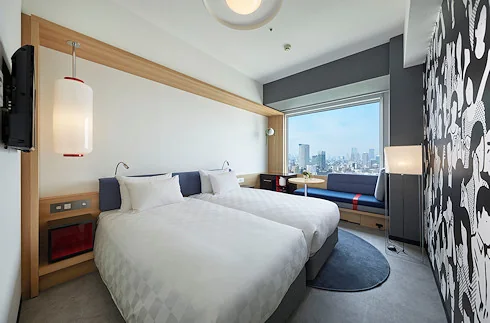
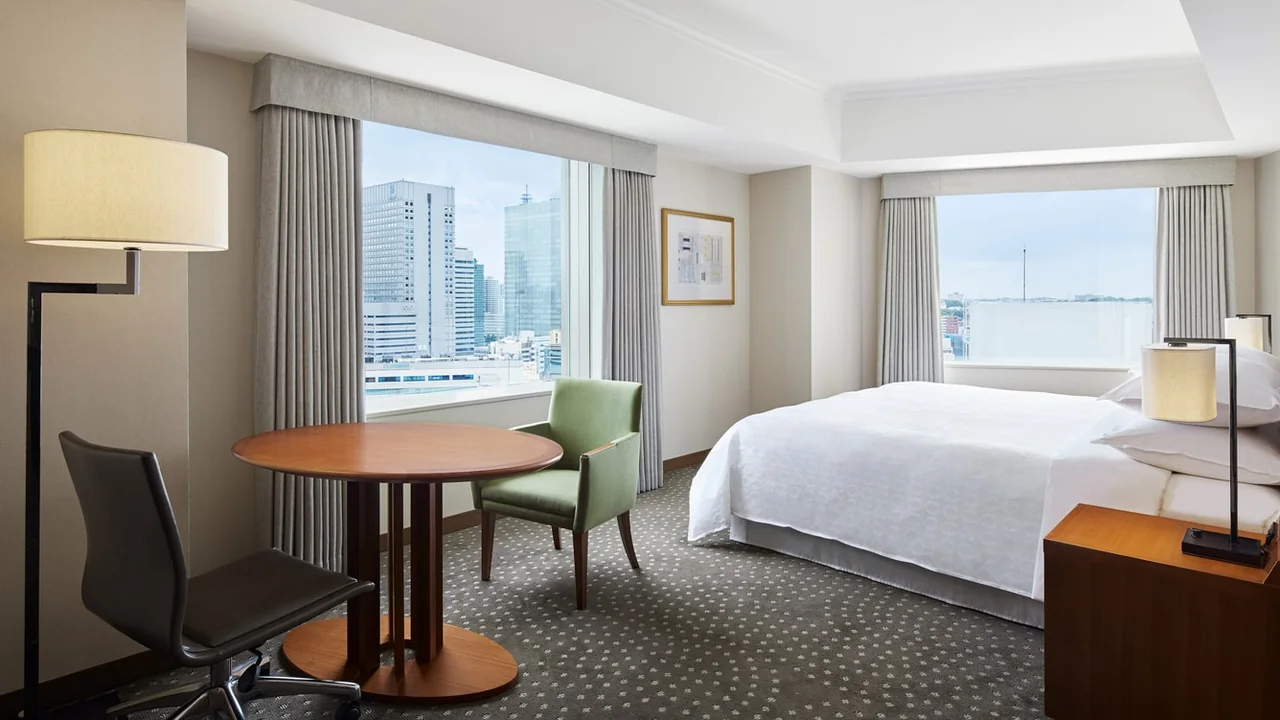
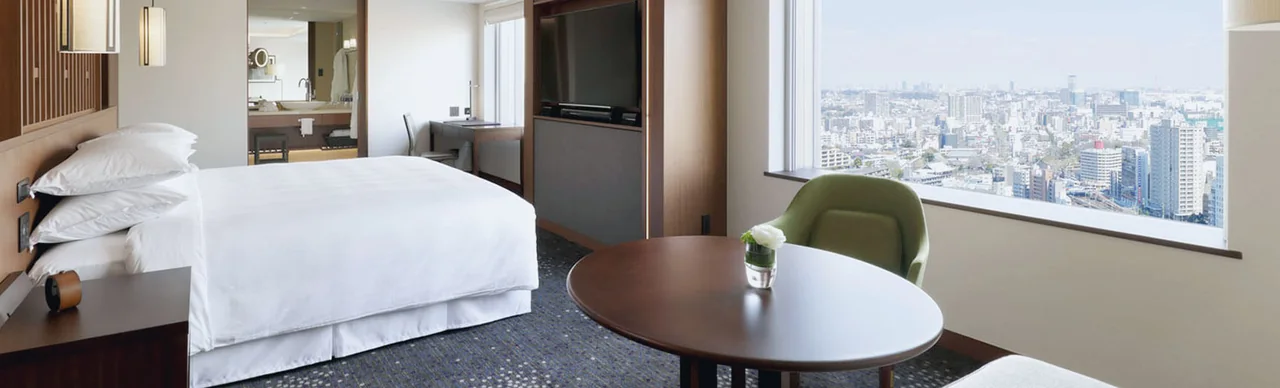
This comparison uses Shinagawa Prince Hotel, especially its Main Tower room categories, and Yokohama Bay Sheraton Hotel & Towers. Shinagawa Prince has several towers with different rooms and facilities. A search result showing the complex name is not enough to identify the tower in which you will sleep. The Sheraton name includes “Bay,” but its station-side location is not the same as staying on Yokohama's waterfront. If a harbour walk is the purpose of the night, account for the local journey between Yokohama Station and the waterfront rather than assuming you can step from the lobby onto a pier.
Count the Tokyo returns before counting the room discount
Write down the destination and finish point for each day. A plan with four Tokyo days and one Yokohama afternoon usually gives Shinagawa a stronger claim. Every Yokohama hotel night adds a rail return after the Tokyo day. A plan with two Yokohama days, a Kamakura excursion and only one Tokyo day can make the Sheraton more sensible. The Yokohama or Tokyo two-night guide handles the broad city choice. Here the test is a named station hotel on each side of the prefectural boundary.
JR East lists Tokaido Line services from Shinagawa toward Yokohama, Odawara and Atami, and in the other direction toward Tokyo. That makes Shinagawa practical for a mixed Tokyo–Yokohama itinerary, but “direct train” is not the entire door-to-door journey. You still walk through a busy station and from the arrival station to the day's first stop. Yokohama Station is also a large interchange. The Sheraton is by the west exit, while some Yokohama attractions sit in Minato Mirai, Kannai or farther down the harbour. Check the complete journey for your actual attraction before declaring either hotel “five minutes away.”
The cost of commuting is more than the fare. Returning from a late Tokyo dinner to Yokohama may shorten the time you are willing to spend in the city, especially with children or older parents. The Tokyo itinerary for seven days helps identify whether your nights end in Shinjuku, Shibuya or east Tokyo. If those days are spread widely, a central Tokyo base may be preferable to both hotels. If most departures are to western Kanagawa, Shinagawa and Yokohama deserve a closer comparison. The Tokyo to Hakone guide and Hakone area hotel guide can also show when one night closer to Hakone makes more sense than repeated day trips.
For a single Yokohama day, moving the whole stay to Yokohama is rarely necessary. The Yokohama harbour walk and Cup Noodles Museum guide can fill a day from a Tokyo base. A family aiming for Hakkeijima Sea Paradise or the Anpanman museum should calculate each attraction's route separately; “Yokohama” covers a large city. A hotel near Yokohama Station can simplify one segment without placing you at the attraction gate.
Shinagawa's advantage is strongest on a rail or airport change day
Shinagawa Prince is across from Shinagawa Station's Takanawa Exit. The hotel's current room-only promotion describes roughly a two-minute walk from that exit; allow more time from the platform, with luggage, and when crossing the station concourse. The hotel is particularly attractive if your trip begins or ends with the Tokaido Shinkansen, or if Keikyu is your chosen Haneda route. It does not make every Tokyo sight a short ride. A morning in Ueno or Asakusa still takes an urban journey, and a night in west Tokyo ends with another return.
The distinction between Shinagawa and Tokyo Station matters for Shinkansen travel. Both serve the Tokaido Shinkansen, but a specific train, ticket and boarding plan should decide which station you use. Do not book Shinagawa solely because a search result says “Shinkansen access” if your journey is on a different rail corridor. The Tokyo Station hotel comparison and early Shinkansen hotel guide are better for departures that genuinely require Tokyo Station. The first and last day itinerary helps price the final morning without letting a single transfer dominate a week.
For Haneda, the airport-to-Tokyo transport guide and late Haneda hotel decision address route and landing-time differences. The Sheraton's property page lists Haneda as the nearer airport and a distance of 18.5 kilometres, but it does not provide its own airport shuttle. A distance figure is not an airport transfer plan. Check the actual train or bus that serves the airport terminal at your arrival time, then the final walk to Yokohama Station's west side. For a late arrival with a next-day Tokyo start, staying all the way in Yokohama may add a needless second morning journey.
Yokohama Station can be the better base for a real Kanagawa stay
The Sheraton sits immediately by Yokohama Station's west exit. That is valuable for a traveller with two or three Kanagawa days and luggage, especially when day trips move through the station. It does not put you on the waterfront; Yokohama Station is a transport and shopping hub. If your evenings are meant for Minato Mirai and the harbour, compare the extra local ride with a hotel actually in that district. The Yokohama night walk shows why the waterfront itself may be the destination rather than just a name on the hotel's masthead.
Kamakura is another reason some travellers look south of Tokyo. A Yokohama base may reduce part of that journey, but do not assume you should sleep at Yokohama Station for a full Kamakura day. The Kamakura or Fujisawa hotel decision and Tokyo four-day plan with Kamakura identify when a day trip suffices and when an overnight in the destination makes sense. If you want a quiet early start among Kamakura's temples, a Yokohama hotel is still a commute; if you want a Tokyo and Yokohama combination with one Kamakura day, the station connection may be enough.
Some visitors choose the Sheraton because of a special room, club access or a more attractive rate rather than the city. That is a legitimate reason if you will use the hotel. Marriott lists an indoor pool, fitness facilities and restaurants, but opening hours, eligibility and any charges need checking with the rate you book. The club lounge is associated with qualifying rooms or membership; do not count it as included with every entry-level booking. A hotel feature only saves money or improves the day when your plan has time for it. Likewise, a late dinner in Tokyo followed by a train to Yokohama may leave little use for a club cocktail hour.
Compare named room categories, especially at Shinagawa Prince
Shinagawa Prince's Main Tower twin on floors 17–27 is listed at 21 square metres with two 105-centimetre beds. A Corner Twin category is larger at 26.5 square metres, while the hotel's other towers offer different configurations. If you search only by the complex name, a rate can refer to a room much smaller or in a different tower from the photograph you studied. Record tower, floor range, room name, bed count and cancellation conditions. The complex has multiple entrances and facilities, so even the final walk within the property can differ after you reach the station.
At the Sheraton, select the exact room category and check the bed layout, approximate area and whether breakfast or club access is included in that rate. Marriott says room sizes are approximate. A “bay view” or “club” result should be read as the named product it is, not as the default experience of every reservation. The station-facing location is fixed, but the room you receive is determined by the purchase. A family should enter the children's ages and check whether an extra bed is available rather than assuming a king or twin label accommodates everyone. The Tokyo hotels with parents guide is relevant where bathroom access and the station walk matter as much as the nightly price.
For a short stop before the Shinkansen, a 21-square-metre Shinagawa twin may be quite adequate. For several nights with two large suitcases, a larger Sheraton room can alter the comfort calculation, but only if its price and repeated Yokohama commute make sense together. The Tokyo five-to-seven-night room-size guide puts room area alongside laundry and daily travel. Do not compare a premium Sheraton category with Shinagawa Prince's lowest room and conclude that the cities, rather than the rooms, caused the price gap.
For stays from November 2026, check the Shinagawa renovation notice
Shinagawa Prince has announced renovation work from November 1, 2026 to April 1, 2029, covering Main Tower guest rooms and lobby, Annex Tower guest rooms and lobby, and a restaurant. The notice warns of heavy building noise during work from 09:00 to 17:00, and says guests may be asked to use a different room type depending on the work. That is a material booking condition for anyone who intends to work, nap or spend daytime hours in the room. It does not prove that every room will be noisy every day. Ask which tower and category is currently affected for your dates, and retain a cancellable option until you understand the likely impact.
The renovation changes the comparison in a way that an old hotel review cannot capture. A traveller who will leave at 08:00 and return at 20:00 may be less affected than someone travelling with a baby or recovering from a long flight. If the booked room category might change, a view or bed arrangement should be confirmed in writing where it is essential. The Sheraton could become more attractive if its rate is competitive and your route tolerates Yokohama; another Tokyo hotel may be better still if your days are mostly in Tokyo. A construction notice is a reason to inspect the booking, not an automatic verdict against Shinagawa.
The same principle applies to dining and facilities. Shinagawa Prince is a large complex; the particular tower can affect how convenient a restaurant or laundry room feels. The Sheraton's breakfast is available for a fee in several venues, while club-room terms differ. Check the breakfast plan, service hours and whether you will actually eat there before adding five nights of meal charges. If your most important morning is an early train, a breakfast that starts after you leave has no value in the comparison.
Make the final decision with a total-trip comparison
Put both quotes on the same dates and guest count, then use a room category that you would actually accept in each hotel. Include taxes, breakfast, any facility charge that applies, and cancellation policy. Next list the days when the hotel location changes your morning or evening journey. If four days end in Tokyo and only one in Yokohama, the rail return and time costs should be charged against any Yokohama room discount. If several days are in Kanagawa, charge Shinagawa for the repeated journey south instead. You do not need a theoretical “best Tokyo base” when your own itinerary gives a countable answer.
Choose Shinagawa Prince when the Shinagawa rail connection is repeatedly useful, the named tower and room meet your needs, and the renovation terms are acceptable for the dates. Choose Yokohama Bay Sheraton when Yokohama or nearby Kanagawa is a substantial part of the trip and its room or facilities justify the city-side difference. If the plan is primarily Shinjuku, Ueno or east Tokyo, test another base before buying either hotel. The general Tokyo hotel location guide and Tokyo split-stay guide help decide whether one base or a purposeful two-hotel trip is cleaner. Keep the final reservation's tower, room name, bed configuration and cancellation cutoff in your travel notes.
Updated 3 October 2026. Confirm train service, tower, renovation effect and room terms for your stay.