
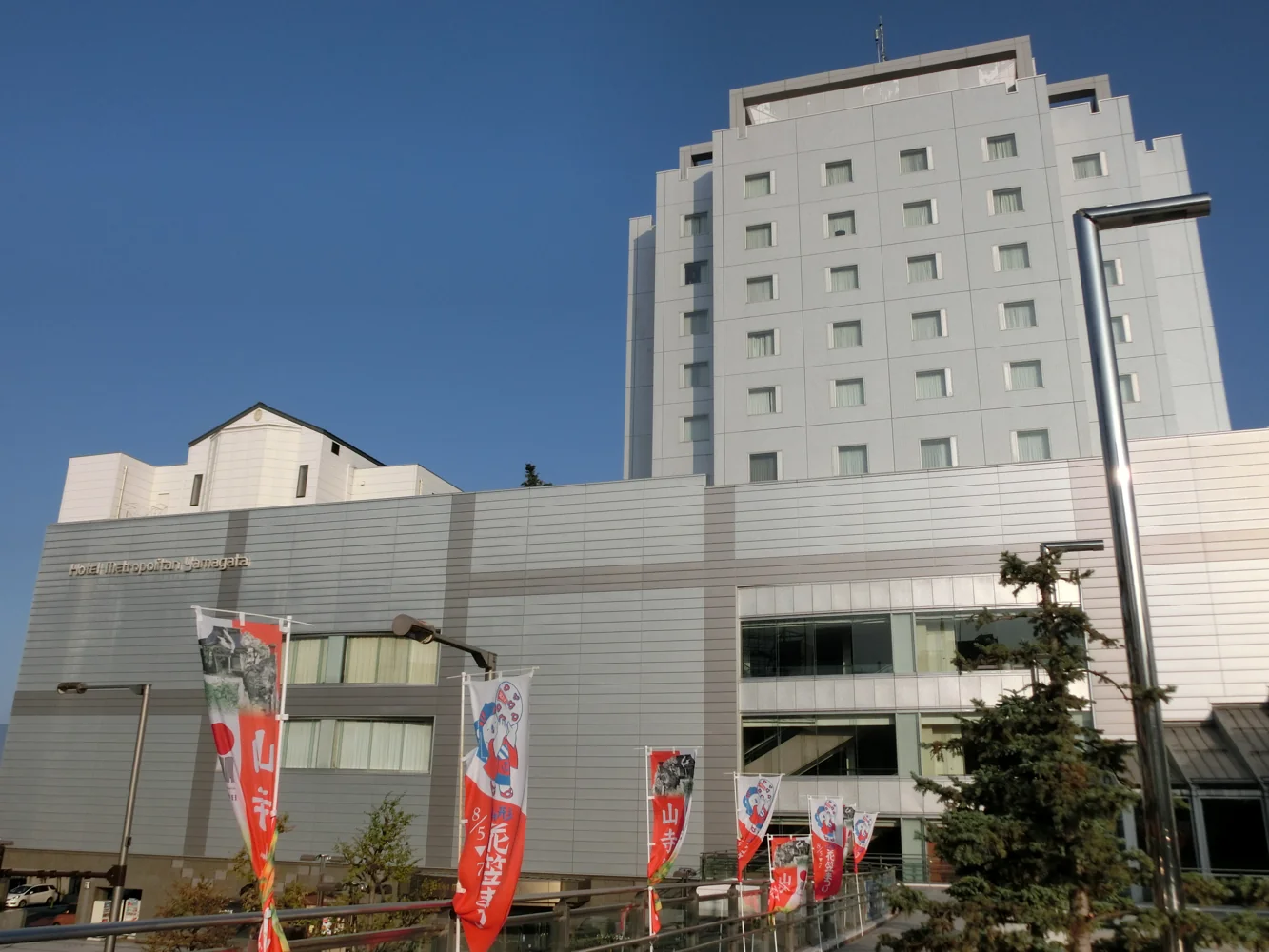
A public bath can be the reason to choose a winter hotel in Yamagata. It can also be the feature most easily misunderstood from a search card. Hotel Route-Inn Yamagata Ekimae's own facilities notice says its public bath will be unavailable after 10:00 on 10 December until its scheduled reopening at 15:00 on 12 December 2026. That is a timed limitation on a shared facility, not a statement that every guest-room bath is unusable or that the hotel itself is closed. For those nights, compare Route-Inn with Hotel Metropolitan Yamagata and Richmond Hotel Yamagata Ekimae on the room you will actually use, the breakfast you can attend and the station route you will walk.
Swipe through the hotels
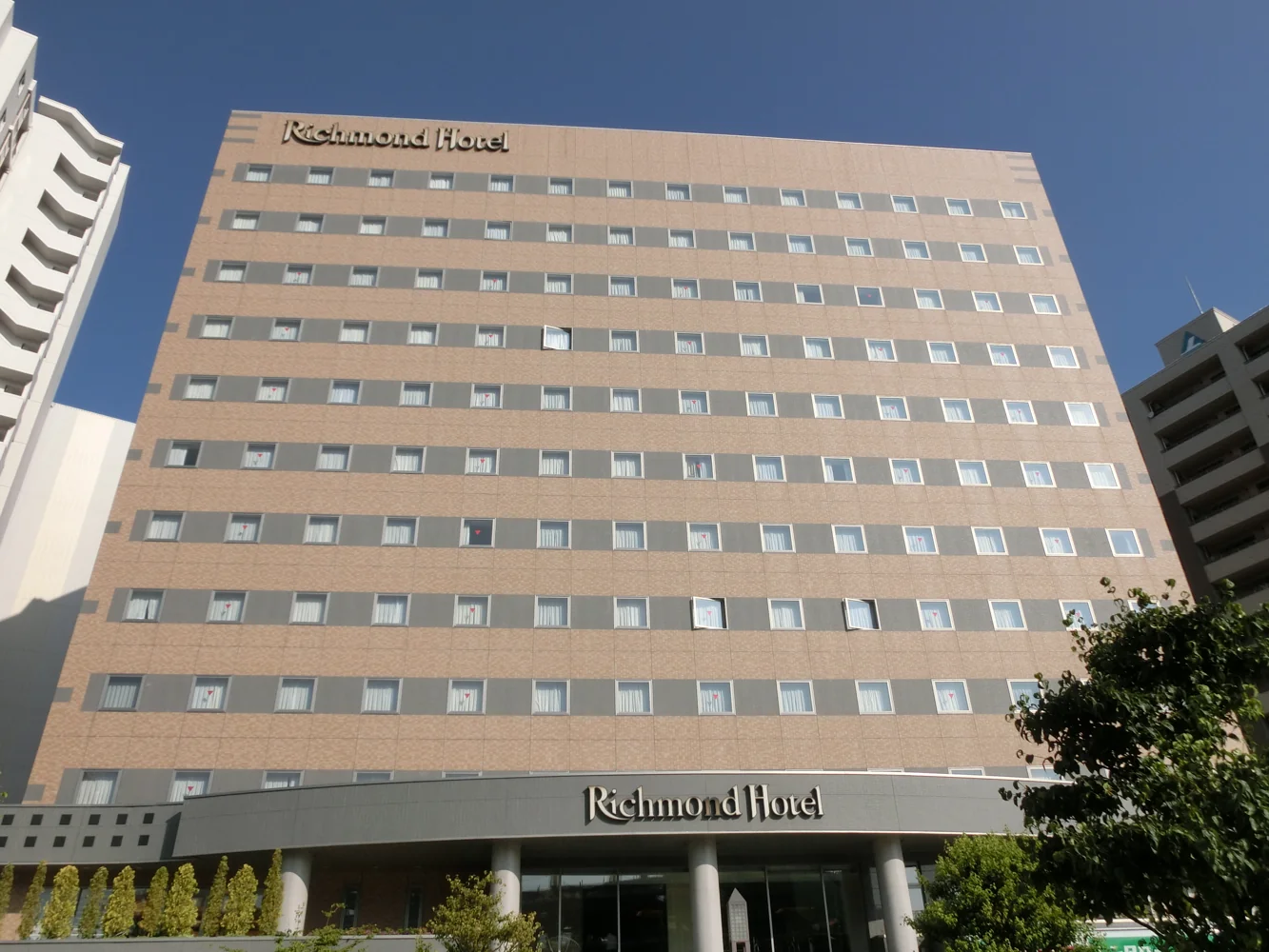
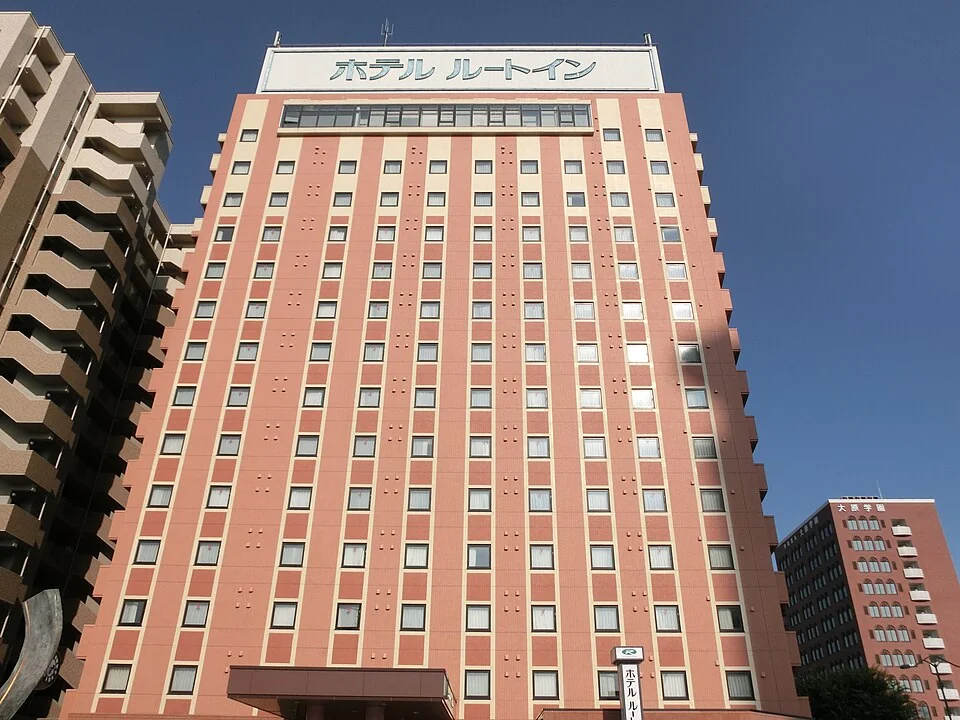
This choice has three different jobs. Metropolitan is closely tied to Yamagata Station and can suit a rail arrival with luggage. Richmond is a west-exit hotel with a different room and breakfast proposition. Route-Inn may appeal when its rate and usual public-bath offer fit the plan, but that bath cannot be counted on during the stated closure. None of these descriptions establishes the cheapest December 2026 room: inspect the live total for your dates and party. The hotel's exact building and room category matter more than a broad “Yamagata station hotel” label.
Decide whether the closure changes your trip
Start with the time you would bathe. The operator says the bath is usable before 10:00 on 10 December and scheduled to resume at 15:00 on 12 December; it is unavailable between those points. If that overlaps the only bathing window you would use, remove the shared bath from the value calculation. Check the operator's latest notice again before payment in case the schedule is updated. Do not assume the room's private bathing arrangement is the same thing as the shared bath. The published closure gives a clear reason to reconsider the hotel, but not a reason to misrepresent all of its rooms. If the room price is attractive and you never intended to use the public bath, the closure may have little practical effect.
If the desired experience is a full hot-spring stay, ask a different question: should the night be in a spa area rather than beside Yamagata Station? A station hotel supports rail day trips and an onward departure; it is not automatically a substitute for an onsen ryokan. The guide to choosing a Japanese ryokan and onsen explains what that different purchase entails. The Aomori city versus Sukayu winter hotel comparison shows how the decision changes when a mountain bath and a city rail base compete. Do not pay a station-hotel premium to solve an onsen wish that the station area cannot satisfy.
| Stay dates and purpose | Route-Inn public bath | Better next question |
|---|---|---|
| 10 December after 10:00 to 12 December before 15:00, bath is central | Operator says the shared bath is unavailable | Does another station room or an onsen night fit the budget and route? |
| Those hours, rail stop only | Closure may not change the use of a suitable room | What is the total rate and private room-bath arrangement? |
| Other December dates | Recheck current facility status | Would you use the bath after your actual arrival time? |
| Ski or hot-spring trip | A station public bath is only one feature | Is sleeping closer to Zao more useful? |
The bath question is easy to exaggerate because accommodation sites compress facilities into icons. A bath icon may refer to a guest-room unit bath, a shared public bath, an onsen source or a nearby bathing venue. Those are materially different. Read the hotel's own facility description and the exact room listing. For a traveller with mobility needs, also check whether a bathing space is accessible; a high guest bath score does not certify access. If the party includes children, confirm age restrictions and hours rather than assuming shared-bath rules match a different hotel chain.
The station route becomes important in bad weather
Metropolitan Yamagata publishes a station-linked location. That can be valuable after a late train or when the next departure is early, especially with a large suitcase. Richmond publishes a west-exit approach, and Route-Inn also needs to be located by its precise entrance rather than a map pin. Compare the route from the platform you will use, not only the straight-line distance between station and hotel. You may need a lift, a crossing or a particular exit. A few minutes of walking in clear weather can feel different with snow, slush or wet luggage; the forecast for the actual day matters.
The Yamagata station hotels for a Zao snow day looks at the broader station-base question. The Sendai December station-hotel comparison is relevant if you arrive across the mountains and need to protect a connection on either side. A traveller arriving by Shinkansen and leaving the next morning may value the shortest dependable room-to-platform sequence. A two-night visitor who will return in daylight can reasonably choose a room that is a little farther away if it offers a better layout or breakfast. Walks are not points to minimise abstractly; count the ones you will actually make.
If your train arrives in the evening, check the restaurant hours around the hotel before committing to a room-only rate. A hotel breakfast can be helpful the next day, yet it does nothing for a missed dinner. The Japan December weather and clothing guide helps with general packing, but it cannot predict Yamagata's pavement on your arrival date. Keep shoes and luggage suitable for the forecast and verify any late check-in requirement on the purchased rate. For a family, the easiest room may be the one that avoids a complicated last transfer even if another hotel has a higher breakfast score.
Room and breakfast: compare the purchased categories
Metropolitan's official information distinguishes accommodation areas and describes services including breakfast and laundry. Richmond publishes its room and breakfast offer. Route-Inn describes facilities and its public-bath closure. Those pages establish what each operator says it offers, but the booking rate decides which category, meal and cancellation terms you receive. Put three offers on one sheet for the same dates, occupancy and refund tolerance. If one includes breakfast and another does not, add the meal cost for the people who will actually eat it. If a child needs a bed rather than existing bedding, search with that child entered correctly.
Richmond's guest breakfast signal is strong in the seven-dimension comparison. That is worth investigating if you have a relaxed morning. It is less useful when the train or a bus to the mountains requires an early departure. Check service hours for your date; do not assume a highly rated breakfast is available before your chosen connection. Metropolitan may win if its station connection and the offered room protect a tight departure. Route-Inn can still be the practical purchase on a night when its room rate and facilities, excluding the closed bath, suit a simple stop. None of these outcomes follows from a score alone.
| What to compare | Why it can change the winner | Where to verify |
|---|---|---|
| Exact room and bed type | A higher category at one hotel may outperform another's entry room | Rate detail and hotel room page |
| Breakfast for every guest | Inclusion, child charge and service time can alter the total | Purchased rate and current hotel hours |
| Shared bath status | Route-Inn lists closure after 10 December 10:00, scheduled reopening 12 December 15:00 | Operator's latest facilities notice |
| Cancellation deadline | Weather or day-trip plans may change | Payment screen and confirmation |
| Station-to-entrance route | Bags and winter conditions affect the walk | Hotel access diagram and current forecast |
Do not equate an artificial-water public bath with a natural onsen. Route-Inn's facility information describes the bath's characteristics; the closed dates are the decisive detail for the affected stay. The practical Japanese onsen etiquette guide can prepare a first-time bather for a shared facility, but etiquette guidance does not establish whether a particular bath is operating. The first onsen experience guide addresses the personal side of that choice. For a guest who wants privacy, the room's bathroom information may matter more than any shared facility. A traveller with a late arrival might not have time to use a public bath even when it is open.
Seven guest-experience dimensions
↔ Scroll table left or right
| Dimension | Hotel Metropolitan Yamagata | Richmond Hotel Yamagata Ekimae | Hotel Route-Inn Yamagata Ekimae |
|---|---|---|---|
| Location | 8.9/10 | 8.8/10 | 8.2/10 |
| Room | 8.9/10 | 9.0/10 | 8.2/10 |
| Bath | 8.3/10 | 8.2/10 | 8.0/10 |
| Breakfast | 9.1/10 | 9.4/10 | 7.6/10 |
| Service | 8.7/10 | 9.0/10 | 8.2/10 |
| Cleanliness | 9.1/10 | 8.9/10 | 8.2/10 |
| Facilities | 8.7/10 | 8.8/10 | 7.9/10 |
The score table shows Richmond ahead on breakfast and room, Metropolitan strong on cleanliness and breakfast, and Route-Inn lower across several broad dimensions. These are summaries of published guest category signals, not promises about a specific room or a December price. Most importantly, a bath score cannot override the operator's explicit closure notice. The Route-Inn bath score reflects past guest feedback; it does not turn a closed shared facility into an available one during the announced work period. Use the numbers to decide which details deserve a closer look, then read the current room and facility conditions.
Small score gaps should not be made into dramatic claims. Metropolitan and Richmond are close on location and room, so the exact exit, bed layout and rate can decide a practical stay. Route-Inn may still be appropriate when the public bath is irrelevant and the total price fits. Guest scores also do not measure snow clearing, an accessible route, a guaranteed view or the availability of a particular breakfast table. If those are central to the trip, ask the hotel or inspect the official details rather than attempting to infer them from decimal places.
Keep Zao expectations separate from the room booking
Many Yamagata winter itineraries mention Zao's celebrated ice-coated trees. The ropeway operator provides winter operating information, but December conditions cannot be guaranteed from a hotel reservation made in October. The full formations associated with the destination depend on weather and season; even a clear city morning does not ensure visibility on the mountain. Treat the ropeway as a conditional outing and check official operating status and forecast near departure. A station hotel is useful because it leaves alternatives open if the mountain plan changes.
The Yamagata station-hotel guide for a Zao snow day explains the base decision. The Nagano winter hotel comparison for a snow-monkey day offers another example of an excursion whose conditions need checking. A December Yamagata hotel stay should not be sold as a guaranteed snow-monster visit. If the ski area is your priority, sleeping on the mountain may save an early transfer, but the room and transport need a separate comparison. If your plans include other Yamagata city or rail days, the station may be more efficient even without the ropeway.
Yamadera is another day-trip idea that needs a separate winter check. The destination's visitor information gives seasonal access guidance, and stairs can be affected by conditions. Check the current opening and walking advice for your date, then decide whether the day fits the party's footwear and pace. The Yamadera autumn visit guide helps identify the destination, but its foliage expectations and seasonal rhythm do not apply to a December stair climb. A guest who chooses the cheapest station room but must rush through breakfast for a narrow excursion window may have optimised the wrong part of the day. Start with the outing and work backwards to the hotel morning.
A three-hotel decision by traveller type
For a one-night rail connection, I would price Metropolitan first because its station-linked location can remove one uncertainty. I would then compare Richmond's exact room and breakfast offer; a better room at a similar total can justify the west-exit walk. Route-Inn remains in the comparison if its rate is good and the facility mix is suitable on the actual dates. During the announced closure, I would not pay a premium for its public bath. This is a sequence for comparing offers, not a ranking that survives every date and room category.
For two or three nights with a day trip, I would give room comfort and breakfast more weight. You will return to the same space after being outdoors, perhaps needing to dry layers and charge devices. Read the actual room dimensions and laundry information, and ask whether the property has a convenient meal option after the excursion. The Utsunomiya east-side winter rail hotel comparison presents a similar room-versus-transfer calculation in another region. An extra transfer every morning can consume the saving from a cheaper room.
For an onsen-led trip, compare a true onsen stay directly with the station alternatives. The Nyuto Onsen area stay guide illustrates the larger logistical change involved in sleeping near a hot-spring destination; it is in another prefecture and should not be mistaken for a Yamagata excursion. A shared public bath at a city hotel is a convenient facility, not the same holiday as an overnight in a hot-spring town. If the bath is the emotional centre of the trip, describe that honestly before searching rates. It will prevent a low-cost station booking from becoming an expensive compromise later.
Final booking check
Confirm the Route-Inn notice against your exact nights, then compare the three final payable totals with the same number of guests. Save the room name and cancellation deadline. Locate the correct station exit on each hotel's access page and verify breakfast against the first train or bus you intend to take. For Zao or Yamadera, keep a flexible plan and recheck the official operating information nearer the day. The hotel can give you a comfortable base; it cannot promise mountain weather or reopen a dated facility closure.
If the announced work hours overlap the bathing time that matters to you, choose another room or another overnight setting. If the bath is irrelevant, Route-Inn can be judged on its remaining merits alongside Metropolitan and Richmond. A good booking is the room whose actual conditions match your timetable, not the hotel with the most appealing facility icon in a search result.
There are useful comparisons outside Yamagata when judging how much a winter station room is worth. The Nikko Kanaya versus Chuzenji Kanaya snow-road decision shows how a destination hotel's appeal interacts with winter access. The Yuzawa Grand Hotel station and snow-park review looks at a much shorter transfer to winter activity. Neither article supplies Yamagata conditions; each helps separate the location question from the room-quality question. If your day depends on a mountain connection, write down the connection first and compare hotels second.
A family may also find that bath privacy matters more than a shared facility. The Hakone ryokan private-onsen guide describes a different trip, but it can clarify what “private bath” needs to mean before you pay. The Kinosaki private-versus-public bath guide makes the facility distinction especially explicit. Yamagata station hotels should still be checked on their own room pages; those guides cannot verify a Yamagata room. They can help prevent a booking based on an ambiguous bath icon, particularly when a closure notice already removes one public facility for the dates you want.