
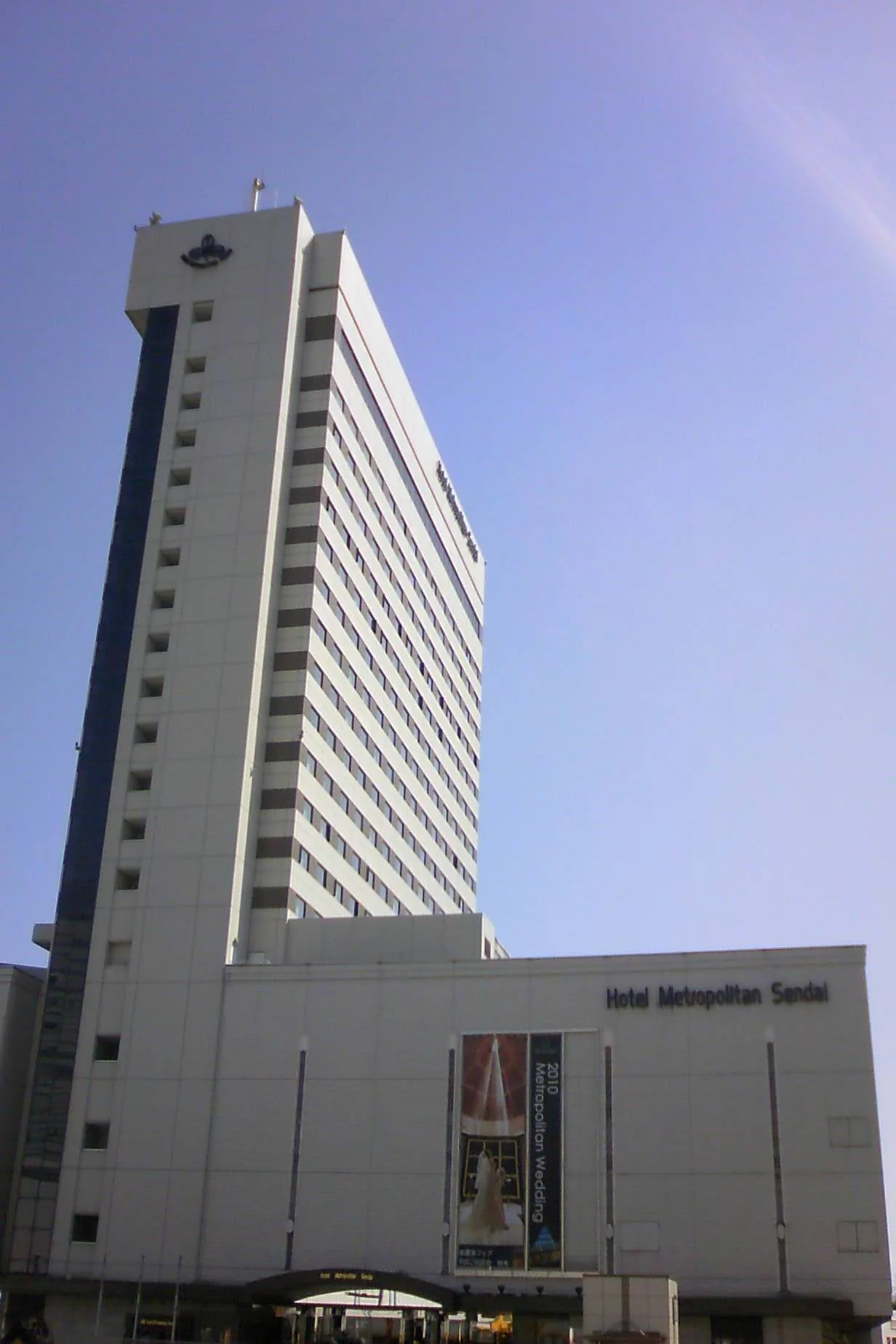
The attractive version of a Sendai December stay is simple: arrive by train, leave the bags, spend an evening among the city lights, then make a day trip without changing hotels. The difficult part is that a possible SENDAI Pageant of Starlight night cannot be booked from an assumed 2026 calendar. The city information page explains the event, but a December 2026 date and operating plan must be checked against a current announcement. Hotel Metropolitan Sendai and Hotel Metropolitan Sendai East are both station choices. Pick the room and exit that work even if your preferred illumination evening is unavailable.
Swipe through the hotels
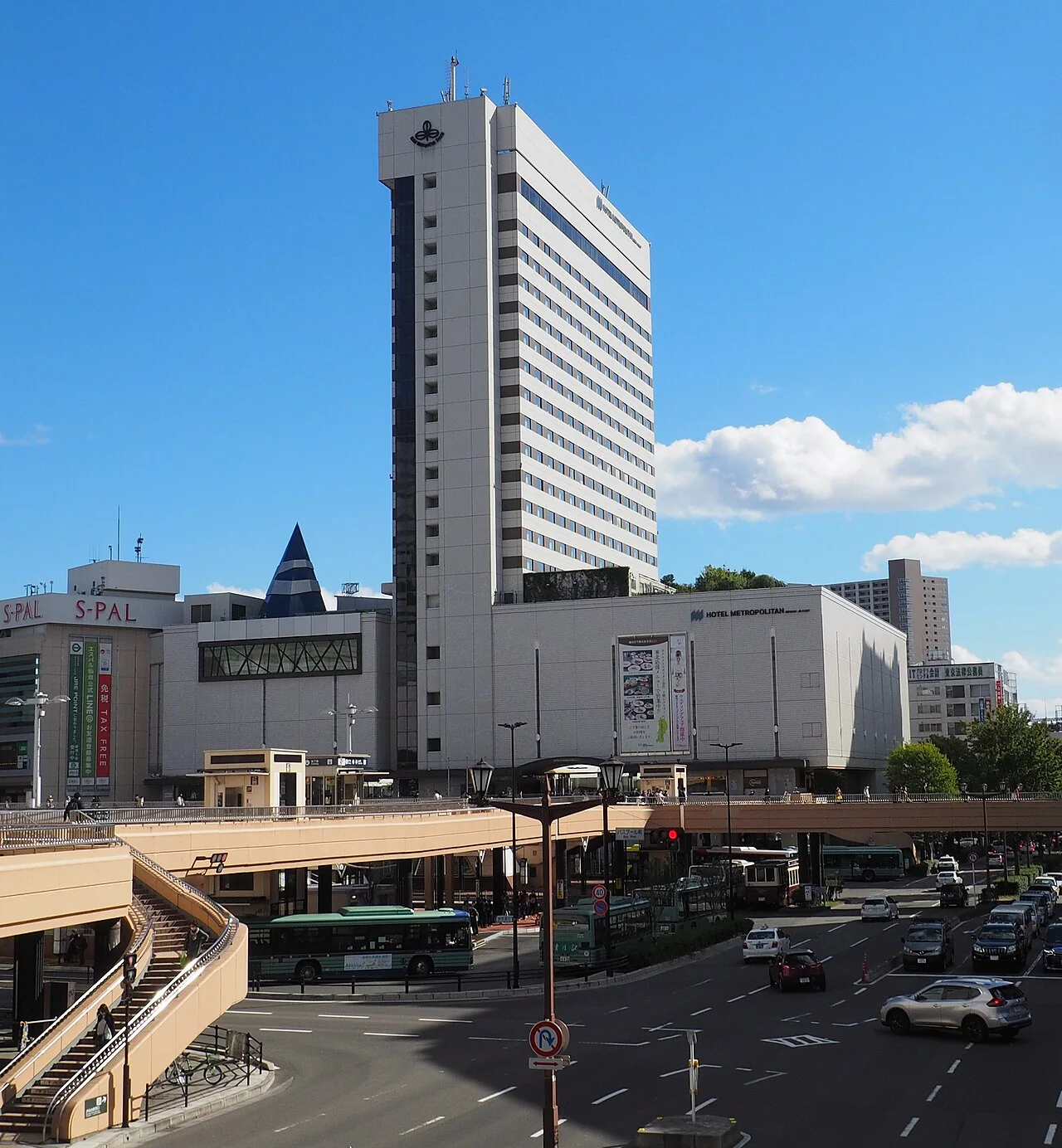
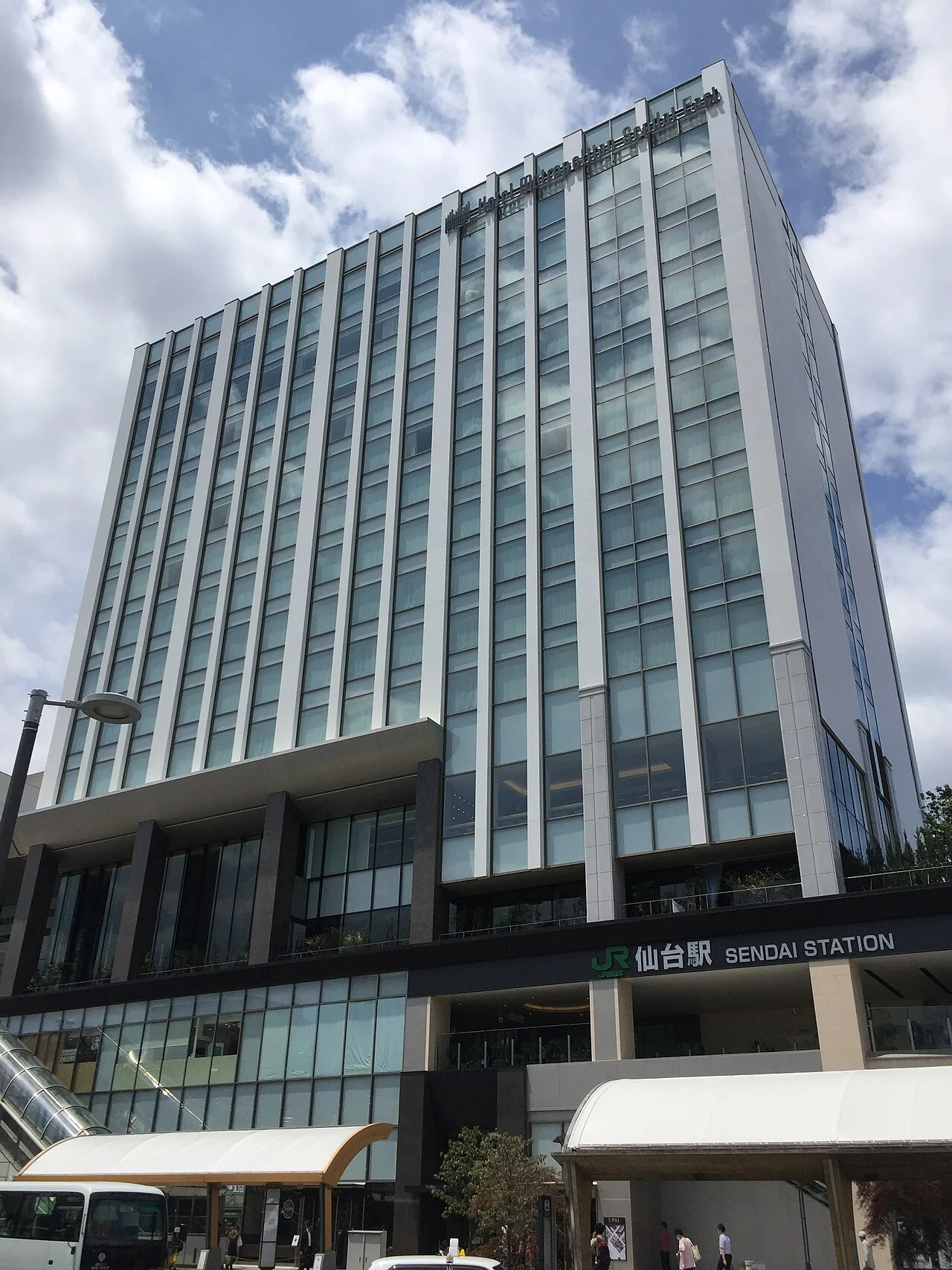
The two properties solve the rail arrival in different parts of Sendai Station. Metropolitan Sendai is the established west-side station hotel; Metropolitan Sendai East connects on the east side. That geographic distinction is useful only when tied to where you will go after dropping your bags and which train entrance you will use the next morning. The hotels' own access and room pages are better evidence for an entrance than a generic map pin. If you have a mobility constraint, compare the actual step-free path and the room category rather than treating “station hotel” as a guarantee of an effortless transfer.
Book the room before committing the evening
An illumination night has three uncertainties: whether the event is operating on your date, the conditions outside and how long you want to remain in the city after dinner. None of them requires buying a particular hotel first. Reserve a suitable, appropriately flexible room at the station, then build the evening around the published event information when it becomes available. If the event is the main reason for travelling, the sensible sequence is to check its official date and access advice before buying a non-refundable train-and-room combination. If the broader Tohoku trip would be worthwhile without it, the hotel decision can proceed on rail and room merits.
The Yamagata station-hotel choice for a Zao snow day illustrates the value of starting a winter excursion near the right rail exit. The Utsunomiya east-side hotel choice for a Nikko winter train presents a similar early-departure calculation in another region. Read those as route questions, not as a promise that every December night has the same city programme. The Japan December weather guide is a useful packing baseline, but use a fresh local forecast before deciding how long to stay outdoors.
| Evening condition | Sensible hotel response | Check before leaving the room |
|---|---|---|
| Event confirmed and an evening in town is the priority | Choose the room that fits the party, then plan the station-to-event route | Official date, operating hours, crowd guidance and return route |
| Event date unconfirmed | Prefer a room you would still want for an ordinary Sendai night | Cancellation deadline and current event notice |
| Rain or a very cold evening | Keep dinner and an indoor alternative viable | Restaurant hours and latest train or bus if returning from elsewhere |
| Early train the next morning | Protect sleep and a simple station exit | Breakfast opening, checkout and platform approach |
The comparison is particularly important for a one-night stay. A visitor arriving at 18:00 can plausibly enjoy dinner and a walk, but the plan becomes fragile if the train is late, bags need to be rearranged and the group is unfamiliar with the station. Check in first and decide how much of the evening remains. A train reservation and a hotel booking establish a base; they do not guarantee the event timing or weather. A flexible dinner plan reduces the cost of a change far more effectively than a speculative extra attraction ticket.
West and east are itinerary choices, not hotel grades
Metropolitan Sendai's west-side position can feel natural when the evening is spent in the central shopping and dining area. Metropolitan Sendai East's east-side station connection can feel easier when the next morning's train and the immediate station facilities dominate the stay. The relevant walk begins at the specific train exit you use and ends at the hotel's reception. Compare that route with luggage, especially if your arrival comes from the Shinkansen and your departure is on a local service. A station can be physically connected yet still require lifts, a change of level and a short search for the right entrance.
The Sendai Castle guide gives one city outing against which to test the station location. If your visit is mostly a city evening, it is worth asking whether you will really return to the station between every activity. Conversely, a two-night Tohoku base with bags and a day trip may justify paying for the station connection even if a cheaper central room looks more atmospheric. The Tohoku summer-festival itinerary shows a rail-intensive route in a different season; use its city sequence as an example, not its festival dates for a December journey. Count your actual platform journeys before paying a station premium.
Neither property should be selected from a photograph of its lobby. Open the exact rate and room type for your party. Compare floor area, bed layout, smoking designation, bath configuration and whether breakfast is included. The west hotel's published room inventory covers more than one size and class, while the east hotel's room pages also describe distinct categories. A better category at one property may be more comfortable than an entry room at the other even when its nightly price is similar. A parent travelling with a child must check the child bed and meal policy on the actual rate, not infer it from an adult two-person search.
For a long winter itinerary, the ability to unpack and dry clothing can matter more than a small difference in station walking time. Check whether the room has the storage you need and whether any laundry service fits your stay. Do not assume a hotel photo shows the room category being sold. If you are travelling with a suitcase and a carry-on, visualise where both will open without blocking movement. If the hotel night is a brief rail stop, you may reasonably accept a compact room; if you will take an afternoon break after Matsushima, the room becomes a more substantial part of the purchase.
A Matsushima morning is a separate decision
Matsushima is a compelling reason to use Sendai as a rail base. The bay cruise operator provides current operating information, and a sailing can be affected by conditions on the day. Decide first whether the trip is a full day or one element in a larger route. A hotel next to Sendai Station saves a transfer at the start and end, but it cannot make a cancelled cruise operate. If you are dividing nights among several Tohoku cities, the Aomori city versus Sukayu winter stay shows how a mountain excursion changes the appropriate overnight base. The rail-versus-destination choice is similar even though the locations differ.
If the day begins early, a breakfast included in the rate has value only if service starts before you need to leave. Confirm the actual hours for your travel date and allow time for a queue. A generous breakfast score is a broad guest signal, not a timetable. A room-only rate plus a quick meal near the station may be preferable for one traveller; a family that wants a settled breakfast might choose a later departure and use the hotel restaurant. Check the first excursion connection before deciding that a particular meal package is essential.
| Trip pattern | What to optimise | Why the alternative may still win |
|---|---|---|
| One city evening, late arrival | Room comfort and a manageable walk after check-in | The opposite station side may offer a better room at the same total |
| Two nights with Matsushima | Repeatable station access and a breakfast plan that fits the train | A room with more space may outweigh a shorter exit route |
| Early onward Shinkansen | Checkout, luggage and platform margin | A slightly farther hotel can win with a better cancellation rate |
| Event-led visit | Current event details and flexibility | A fixed-rate room is risky before dates are confirmed |
An evening after Matsushima is not the same as an evening after a slow city day. If the boat and walking have taken longer than expected, a long illumination route may feel like a chore. Keep a simple dinner option near the hotel and decide after returning. The Yamadera autumn day-trip guide can help locate that alternative excursion, but its foliage expectations do not apply to December; check winter visitor guidance before using the route. Two ambitious excursions and one evening event can overload a short stay.
Seven guest-experience dimensions
↔ Scroll table left or right
| Dimension | Hotel Metropolitan Sendai | Hotel Metropolitan Sendai East |
|---|---|---|
| Location | 9.1/10 | 9.3/10 |
| Room | 9.0/10 | 9.3/10 |
| Bath | 8.5/10 | 9.2/10 |
| Breakfast | 9.1/10 | 8.9/10 |
| Service | 9.1/10 | 9.0/10 |
| Cleanliness | 9.0/10 | 9.3/10 |
| Facilities | 8.8/10 | 9.2/10 |
The numerical pattern shows East ahead on location, room, bath, cleanliness and facilities, while the original Metropolitan has a slight edge in breakfast and service. Those are useful prompts for checking particular rate pages. They do not make East the automatic choice for a west-side evening or guarantee a larger bath in the room you book. The bath dimension is about aggregated guest feedback, not a claim that either property has a particular public bathing facility available to every guest. If breakfast is central to the morning, inspect the actual restaurant offer rather than buying on a tenth of a point.
A score cannot price the cost of changing plans. If the Pageant date remains unannounced, cancellation terms and the practical value of a normal Sendai night may matter more than all seven numbers. If two rooms have very different sizes or views, compare the purchased categories. The hotel's overall reputation can help identify questions, but it does not replace a room description, booking conditions or a route drawn from your arrival platform. Keep the score table in proportion to the narrower choice you actually face.
Connect the stop to the wider Tohoku route
Some travellers use Sendai only because the Shinkansen timetable puts a convenient break here. That can be sensible, but it is worth testing whether the following night belongs in another city. The Yamagata December station-hotel comparison becomes relevant if your next day is west of Sendai and you want to avoid repeating the same transfer. The Morioka Sansa festival guide is specifically a summer event, but its location is a reminder that Morioka is a different northern base, not a Sendai evening excursion. A hotel with an excellent station connection cannot solve an itinerary that moves in the wrong direction every morning.
For a more northerly route, where to stay in Aomori asks when a city station stop should give way to another setting. The Rockwood Aomori winter-stay assessment deals with a mountain hotel rather than a railway base. These are not substitutes for Sendai when the event or Matsushima is the purpose of the stay. They are checks against adding nights here simply because station hotels are easy to search. Give each night a reason in the actual journey.
If the next stop is Tokyo, verify the specific Shinkansen and the time you must check out. The Tokyo Station hotel for an early Shinkansen offers a useful reverse perspective: near-platform lodging protects a connection only when the route through the building is understood. For a family with several bags, calculate the transfer from the Sendai room to the platform in real steps. Leave a margin for a lift or a wrong corridor. Do not plan to buy breakfast and locate the carriage in the same few minutes.
What I would reserve
I would choose Metropolitan Sendai East if a suitable room is available at a reasonable total and the stay is organised around repeated station departures. I would choose the original Metropolitan if the exact room offer, breakfast package or west-side evening route is better for the group. Those choices are close enough that a flexible cancellation term or a materially better bed arrangement can reverse them. Compare the same occupancy and dates, including meals and local charges, before treating either headline price as the full cost.
For a Pageant-focused night, keep the booking adjustable until the official 2026 programme is clear. If that flexibility has a price, compare it with the genuine risk of having to change travel dates. For a broader Sendai visit, book the room that also works for Matsushima or an ordinary city evening. Before final payment, check the hotel's own access map, the room and child policy, breakfast hours, cancellation deadline and your train. The lights can enhance the night when confirmed; they should not be the unverified foundation under the whole reservation.
It is surprisingly easy to pull the wrong Sendai event into a December search. The Sendai Tanabata festival guide covers a summer celebration and its transport patterns cannot establish Pageant dates. A venue or street name that appears in both event descriptions does not make their operating hours interchangeable. Save the specific organiser announcement for the December event once published, including the year, and check it again before the trip. If you will arrive after its published closing time, do not buy a hotel night on the assumption that you can catch the last few minutes. An ordinary dinner and a short city walk may be the more honest plan for that arrival.
The choice also has a useful comparison outside Tohoku. The Hotel Metropolitan Tokyo Marunouchi rail guide asks whether a station-side room actually protects an early train. Its city and hotel prices differ, but the process transfers: identify the platform, set a time to leave the room, then compare exact rooms. In Sendai, add one further question: will the second night be spent in the same hotel, or are you changing cities immediately after an excursion? A room that helps with two return journeys deserves more weight than one used only between a late arrival and early departure. If the stay is a single short stop, cancellation flexibility may be the strongest feature of all.
For travellers continuing north, the Aomoriya versus Oirase Keiryu hotel comparison is an example of how a destination stay differs from a station room. It belongs to a later leg of the journey, not to a Sendai night. Keep that distinction clear when dividing the budget: a practical rail base may need only a comfortable room and reliable morning route, while a resort night asks you to spend meaningful time at the property.