
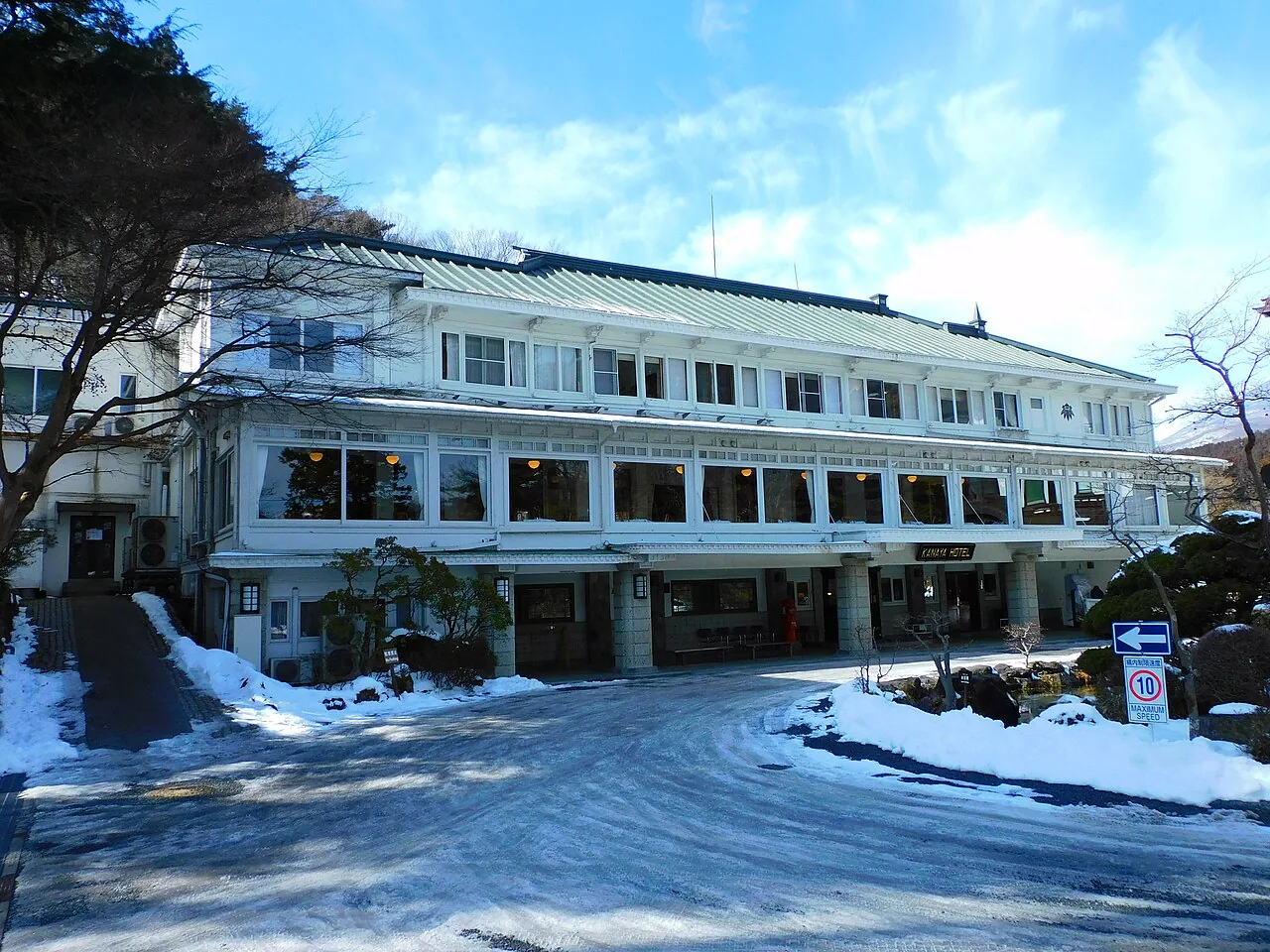
Swipe to compare the photographed hotels
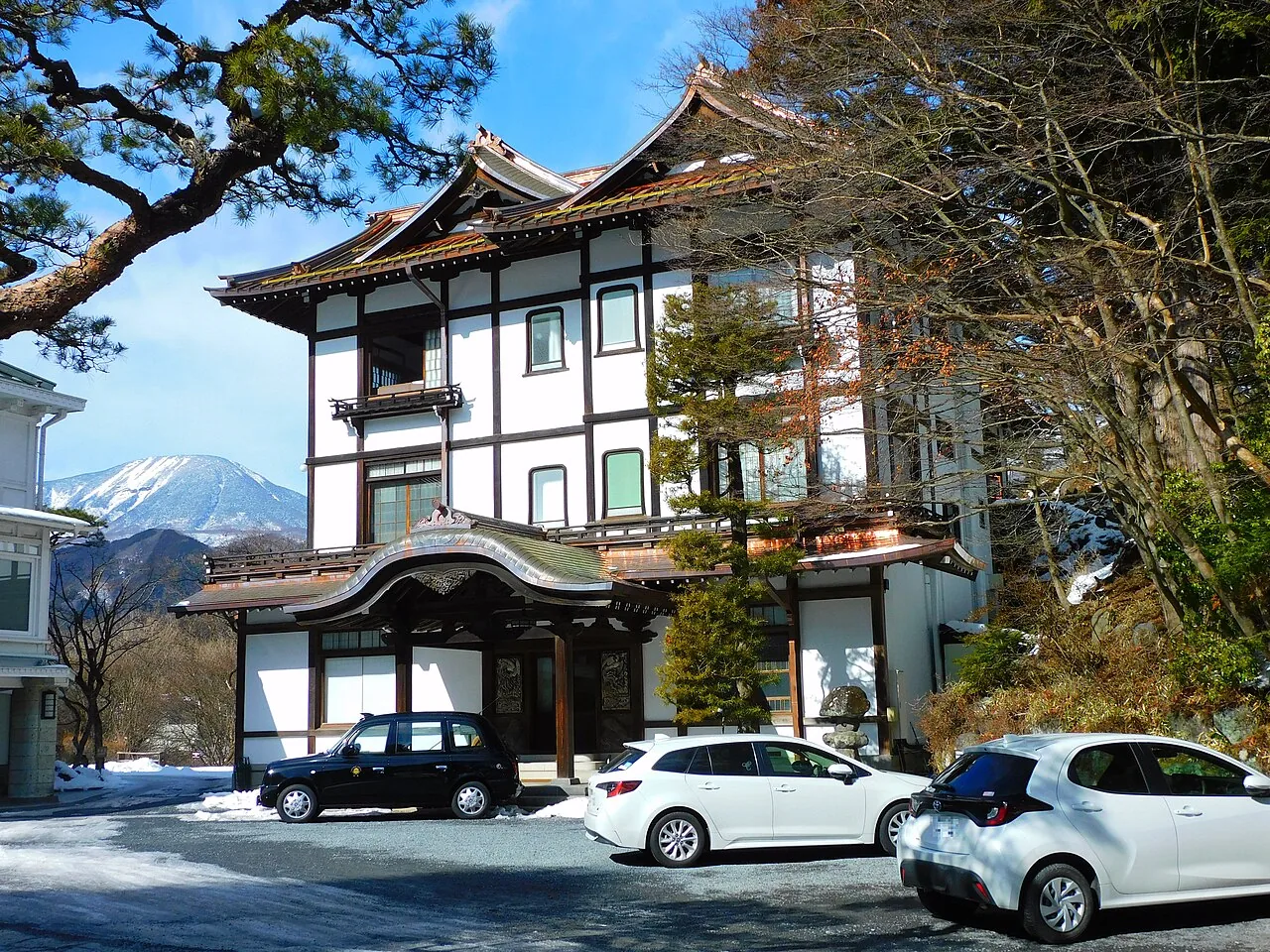
Nikko Kanaya Hotel and Chuzenji Kanaya Hotel share a name, but they do not share a winter timetable. The first sits below the Irohazaka climb near Shinkyo and the World Heritage precinct. The second is above the bends, near Lake Chuzenji, with its own hot spring and a quieter evening. In clear weather a traveller can visit both districts in one day. In winter, the road, bus frequency and early darkness make the sleeping location a material part of the itinerary.
Choose Nikko Kanaya if the main purpose is the temples, a flexible arrival from Tokyo or a short first visit. Choose Chuzenji Kanaya if the lake and a long hotel evening are the point, and you can reach the upper hotel well before the final useful bus or shuttle. Do not assume a lake hotel supplies a lake view: the room category matters. This comparison treats the two properties as separate bookings, with different room inventory and bath facilities.
The road between the hotels is part of the stay
From Tobu Nikko or JR Nikko, the city hotel is the simpler arrival. The hotel group runs a shuttle between the former Tobu sightseeing bus stop, Nikko Kanaya and Chuzenji Kanaya, with different journeys in each direction. It describes the times as scheduled and warns that road conditions may delay them. Its posted timetable includes seasonal variations; verify the version covering your exact winter dates, the station-side pickup point and whether your luggage can travel on the chosen run. A late Tokyo departure can still leave time for a city-hotel check-in after the shrines close. The same arrival at the lake hotel requires another mountain-road leg. The Tokyo–Nikko transport guide helps identify rail approaches, but its autumn bus times must not be used as a winter schedule.
Public Tobu buses also travel between Nikko Station, the heritage stops, Chuzenji Onsen and farther Oku-Nikko stops. The published winter 2025–26 timetable shows a service pattern different from the April–November 2026 schedule. Neither is an approved 2026–27 timetable. Before booking a nonrefundable upper-lake room, check the operator’s current winter PDF for the arrival day and the return day, including the stop named Chuzenji Kanaya Hotel-mae if that is your plan. A hotel shuttle may be the easier option, but only if its actual departure fits your train. The two-day Chuzenji route helps identify which sights truly require sleeping uphill.
Driving makes the transfer more flexible but does not make the road weather disappear. Irohazaka is a winding climb and descent with winter conditions; leave daylight and avoid treating a map estimate as an arrival guarantee. Ask the rental firm for the correct tyres and confirm the hotel parking arrangement. If a storm or road control disrupts the climb, Nikko Kanaya is a less committed first-night choice. A deliberately late arrival belongs in the city or at the station, followed by an early trip uphill. The Nikko versus Oku-Nikko base guide is useful for separating lower-town sightseeing from upper-mountain time, even though its foliage examples are seasonal.
Seven dimensions, then the room you will actually get
The two Kanaya hotels do not place a guest on the same winter route. Nikko Kanaya works around the town and its rail arrival; Chuzenji Kanaya commits the party to the lake road and a different onward journey. Check the last usable bus, any hotel transfer and the road conditions on the day of arrival. A lake stay is hard to justify if a late train leaves no practical way to reach the room. Equally, travellers planning a full Lake Chuzenji morning should allow for the extra climb when comparing a town room with a lakeside one.
↔ Scroll table left or right
| Hotel | Access | Space | Comfort | Cleanliness | Neighbourhood | Service | Value |
|---|---|---|---|---|---|---|---|
| Nikko Kanaya Hotel | 9.0/10 | 8.5/10 | 8.9/10 | 8.9/10 | 9.3/10 | 9.4/10 | 8.1/10 |
| Chuzenji Kanaya Hotel | 7.5/10 | 8.5/10 | 9.0/10 | 9.1/10 | 8.8/10 | 9.1/10 | 8.0/10 |
The city property’s location signal reflects its proximity to the lower-town attractions, not an inherent superiority over a quiet lakeside retreat. Chuzenji’s 7.5 Access is not a complaint about the hotel driveway. It represents the extra road and schedule dependency for a typical rail arrival. A guest who drives early and spends two nights at the lake will experience that trade-off differently. Conversely, someone who needs an early Tokyo train may feel the upper hotel’s remoteness even after a good night’s sleep. The Nikko day trip versus overnight decision can test whether either hotel should be added to a short Tokyo itinerary.
Nikko Kanaya: historic rooms are not one interchangeable category
Nikko Kanaya’s accommodation spreads across the Main Building, New Building, Annex and Second New Building. The Standard A is 29–38 m² with no additional bed; Standard B is 21–30 m², also without an extra bed. A lower advertised category can therefore feel quite different from the photograph of an expansive corner room. For a couple travelling light, a Standard A may be enough. For an adult with mobility concerns or a group needing a third bed, identify the building, floor and bed provision before paying. A room name alone does not tell you how far it is from reception or whether stairs intervene; confirm the precise route with the hotel.
The Deluxe Modern Type measures 34 m² and does not take an additional bed. The Annex Deluxe spans 35.2–41.3 m² and has rooms where an extra bed is available. The Corner Twin has 62 m² and an extra-bed option, but only two such rooms exist. These distinctions matter if parents are joining, or if a child is too old to share existing bedding under the booked terms. Booking a larger-looking twin without checking occupancy can still fail the family plan. The hotel planning guide for travelling with parents explains why lift access, walking surfaces and room layout deserve an explicit check; its city examples are separate from Nikko.
There is another practical room issue at the city hotel: some units are labelled “Room With a Shower.” They have a shower booth and no bathtub. This is entirely suitable for a short stay if you prefer a quick wash, but it is a poor substitute if you have imagined a long hot bath after a cold heritage-site walk. The heritage atmosphere is also not a hot-spring entitlement. Choose Chuzenji for its named onsen, or confirm an alternative bath plan in town. The first-time onsen account and bathing etiquette guide explain what a communal bath entails before it becomes a booking condition.
A winter visit to Nikko’s shrines can still involve slippery exterior paths, queues and closures. Staying near Shinkyo lets you start without first descending Irohazaka. It also makes a weather-shortened heritage morning easier to salvage: return to the hotel for luggage and leave by rail. If a traveller expects to combine the shrines, Lake Chuzenji and Yumoto in one day, the hotel choice will not create more daylight. Use the Nikko area overview only for the layout of lower and upper districts, and recheck winter opening hours separately.
Chuzenji Kanaya: book the lake evening, then inspect the view claim
Chuzenji Kanaya’s Standard Twin is 28–30 m². It is the hotel’s most numerous room type and takes no additional bed. Some specified standard rooms can connect, but a generic standard booking does not promise one of those numbered pairs. A Deluxe Twin is 33 m²; an additional bed is available with exceptions. The room type includes regular twin and Hollywood-style configurations. If three people need to share, obtain a confirmed eligible Deluxe Twin rather than rely on the general category description. The Junior Suite varies by individual room, from 45 to 60 m², and one of the rooms excludes an extra bed. Large floor area and third-person capacity are separate questions.
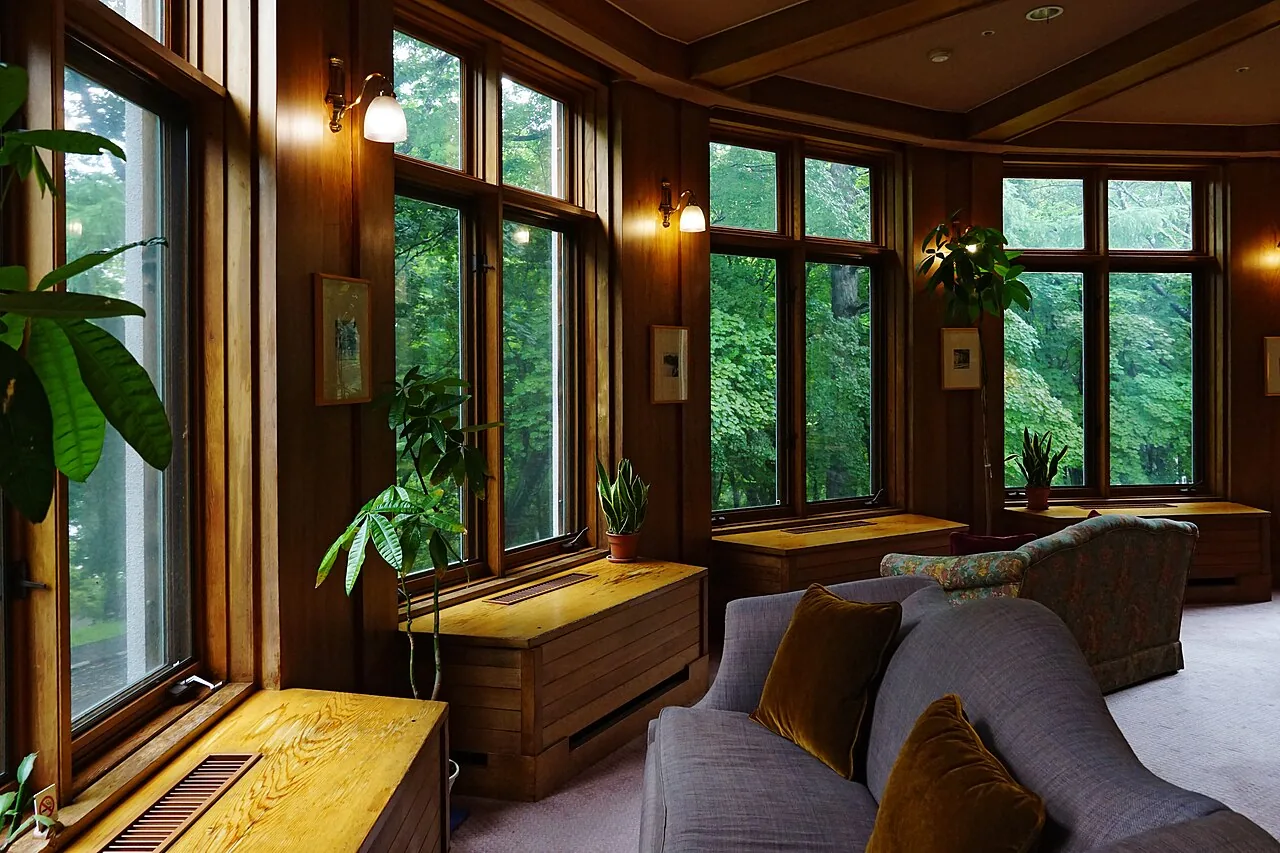
The hotel is near Lake Chuzenji, but its room descriptions do not warrant translating every booking into an unobstructed lake view. The Deluxe Suite is singled out for its full lake outlook; it is a single room with no extra bed. If the view is the reason to pay for this property, look at the exact room’s view wording, floor and cancellation terms. If the reason is simply a calm evening near the lake, a Standard Twin with breakfast or dinner may be the more rational purchase. The lake itinerary helps decide whether a full morning beside the water is worth the uphill overnight.
Chuzenji’s Soraburo hot spring has an open-air bath as well as an indoor bath. In winter it is a genuine point of difference from the lower city hotel, especially for guests who will be at the property after dark. Check the bathing hours, tattoo and child rules, and any temporary maintenance notice for the stay dates. If you will arrive very late and depart on the first shuttle, you may barely use it. A bath should not be counted as free value when the booking timetable leaves no time to go. The room-and-bath selection guide is useful for comparing public-bath access with a private-bath expectation; this hotel is a Western-style property, so verify its own terms.
Dinner matters more above the bends
The two hotels should be priced with the actual evening attached. Around the city property, a traveller can return from a heritage walk and choose dinner according to what is open. Chuzenji Kanaya is an easier choice when you want to spend the evening at the hotel, but restaurant availability and last orders need to be matched with the arrival time. A room-only price may look lower until you add a reserved dinner, transport to another restaurant or an early meal before the climb. Check whether the booked plan is room only, breakfast included or half board, and whether each child receives an adult meal, a child meal or no meal.
If dinner is included, identify its start time and the latest arrival the hotel will accept. A delayed bus is a transport problem and a meal problem at once. On the return day, compare the breakfast service with the departure shuttle or public bus. The general dinner-included versus room-only calculation is applicable as a budgeting method, although Kinosaki’s local food options differ. The before-check-in versus after-checkout route decision illustrates the same scheduling issue on a different mountain route.
There is no advantage in reserving both hotels for adjacent nights solely to experience two lobbies. Moving luggage across Irohazaka and changing rooms consumes the hours most visitors need for the lake or the shrines. A split makes sense when a late rail arrival requires a safe lower-town night followed by a full upper-lake day, or when the return train follows a heritage morning. Otherwise, choose one base for two nights and treat the other district as a weather-contingent excursion. The Nikko versus Kinugawa lodging comparison is another option if an onsen stay matters more than Chuzenji itself.
What a winter two-night plan actually looks like
↔ Scroll table left or right
| Plan | Base that fits | Booking dependency |
|---|---|---|
| Late rail arrival and heritage day | Nikko Kanaya in the lower town | Named building and room; daylight for the shrine precinct. |
| Lake evening and upper-area morning | Chuzenji Kanaya | Winter road or bus, dinner time and actual lake-view room category. |
| One night before a long onward train | Choose the base nearest the next departure | Return bus from the lake and a margin before the train. |
For a heritage-first trip, arrive by rail, leave luggage at Nikko Kanaya and visit the lower precinct while there is daylight. Use the second day for Chuzenji only if the current road and bus conditions support a comfortable round trip. If the weather turns, a lower-town day still works. A guest who has only one night should usually resist a late uphill transfer after a full Tokyo day. The Tokyo day-trip comparison can help decide whether Nikko deserves that night at all.
For a lake-first trip, travel to Chuzenji early, make the hotel evening the centre of the stay and hold a second day for the lake, a winter walk or a weather-safe indoor afternoon. Check which trails and lakeside facilities operate in winter; autumn articles describe a different season. Leave a generous buffer before a same-day flight or long-distance train. The final bus or shuttle from the lake is a hard dependency, not a suggestion. If you want to continue to Yumoto or Oku-Nikko, check that road and bus section independently rather than extrapolate from service to Chuzenji Onsen.
Before payment, compare the same occupancy and meal basis, then confirm: the named building and room at Nikko Kanaya; Standard versus Deluxe and any lake-view claim at Chuzenji; shuttle pickup and drop-off points; the current winter bus table; dinner time; bath hours; and cancellation terms. If those details are unresolved, a refundable rate has practical value. The December weather guide and January weather guide are packing starting points, while a forecast close to departure should govern the actual climb and footwear.