
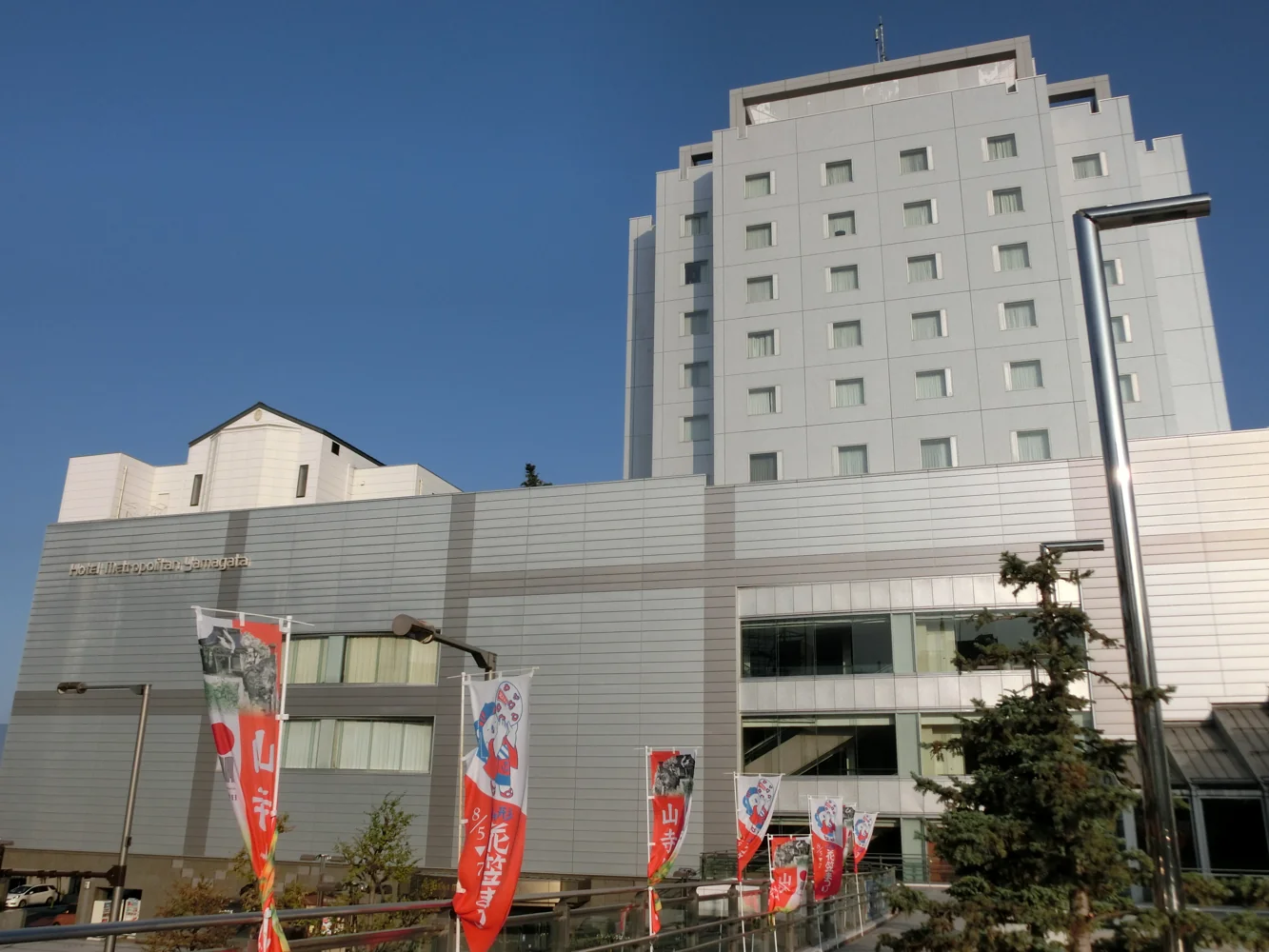
The best Yamagata station hotel for a Zao snow day is the one that lets your group catch the right bus with the right equipment. Hotel Metropolitan Yamagata joins the station building. Richmond Hotel Yamagata Ekimae and Hotel Route-Inn Yamagata Ekimae sit on the west side. The regular Zao Onsen bus, however, leaves from Yamagata Station's No. 1 stop on the other side of the station. This is a small geographic fact that matters more at 7:30 on a snowy morning than a hotel's straight-line distance from the railway tracks.
Metropolitan is the lowest-friction rail choice. Richmond gives a group substantially larger twin-room options and can fit up to four in a specified plan. Route-Inn may work well for one or two travellers who intend to be out all day and will use its breakfast and public bath, but its standard twin is 15 m². None of these hotels puts you on the mountain. The bus, ropeway queue and last return service still decide how much of the day you get at Zao.
Seven dimensions, with the morning bus kept separate
Staying near Yamagata Station keeps a Zao snow day flexible, but the first bus still determines how much time remains on the mountain. Check the bus stop, departure and likely queue before comparing a station-connected room with one across the square. A family should look at the exact twin or triple floor plan and whether breakfast opens before the chosen bus. If snow or wind changes the Zao plan, a Yamagata base makes it easier to spend the day in town or move by rail. The hotel should be chosen for that route, not for a mountain view it does not promise.
↔ Scroll table left or right
| Hotel | Access | Space | Comfort | Cleanliness | Neighbourhood | Service | Value |
|---|---|---|---|---|---|---|---|
| Hotel Metropolitan Yamagata | 9.5/10 | 8.8/10 | 9.3/10 | 9.2/10 | 9.3/10 | 9.2/10 | 8.6/10 |
| Richmond Hotel Yamagata Ekimae | 8.5/10 | 9.0/10 | 8.8/10 | 8.9/10 | 8.9/10 | 9.1/10 | 8.4/10 |
| Hotel Route-Inn Yamagata Ekimae | 8.5/10 | 8.2/10 | 8.3/10 | 8.3/10 | 8.6/10 | 8.5/10 | 8.0/10 |
Swipe to compare the station hotels
The Zao bus makes east and west exits unequal
The regular Yamagata Kotsu service to Zao Onsen leaves from Yamagata Station No. 1 bus stop and does not require a reservation. Its current timetable shows a journey of roughly 36 to 40 minutes to the onsen terminal, depending on the departure. The operator tells passengers to buy a ticket at the station information centre before joining the line and to queue about twenty minutes early when it is crowded. Treat that as part of the morning, not as time you can spend over breakfast. Confirm the current timetable and fare for your travel date; an older tourism page still displays a different fare and should not set the budget.
Metropolitan's station connection helps on arrival by Shinkansen and when setting out for the No. 1 stop. It does not remove the Zao bus queue. The direct connection is most valuable when snow is falling, one person needs to return to the room, or the party is carrying bags between trains. Ask which hotel entrance is convenient for the bus side of the station and whether your chosen room lies in the main building or South Tower. The Tokyo early-Shinkansen hotel comparison can help plan a first train to Yamagata without a rushed departure from the capital.
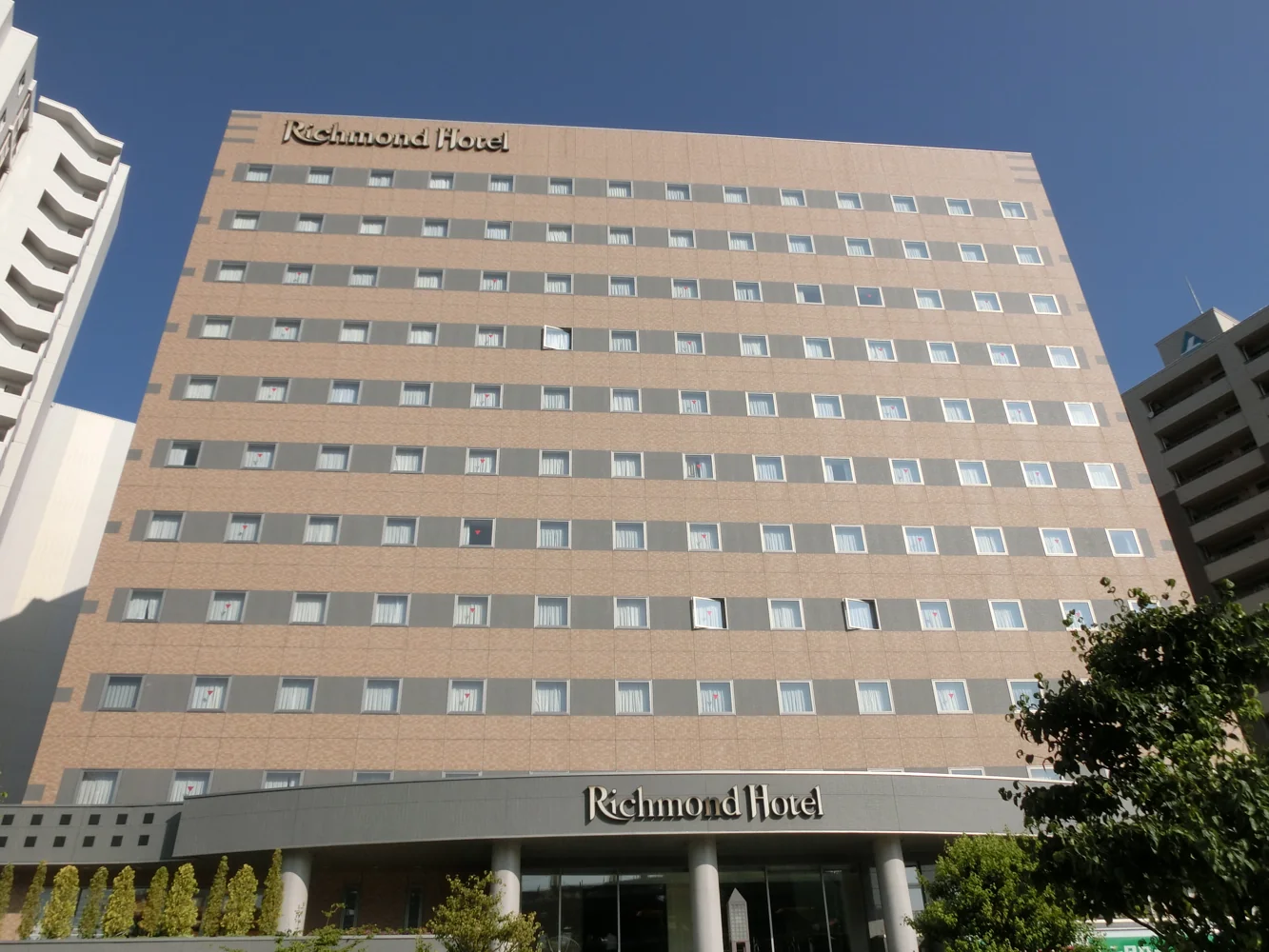
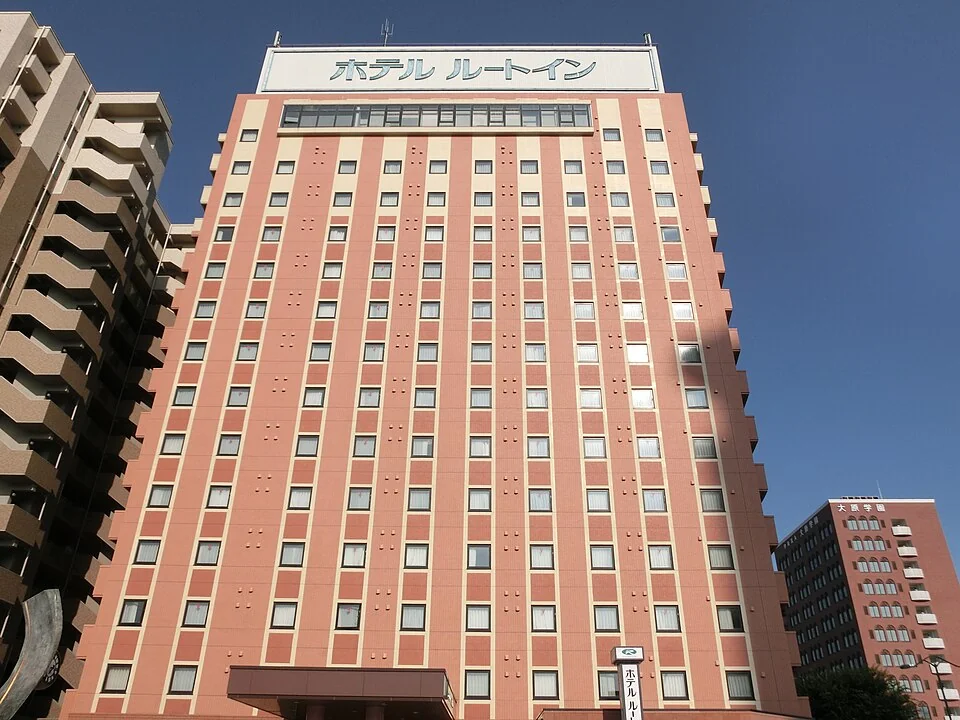
Richmond is a five-minute walk from Yamagata Station's west exit; Route-Inn lists about three to four minutes from the station. Those are hotel-arrival claims, not direct walking times to the Zao bus. On a ski morning, cross the station to the bus side, find the ticket counter, then join the correct line. If you will hire skis at Zao, the walk is mostly a question of footwear and time. If you bring skis or a board, test the route on the first evening and allow space for other passengers in the station. The Japan luggage-forwarding guide and ski-bag carry versus forward checklist cover timing and address checks that apply here too.
A Zao bus reaches the onsen terminal, not the ropeway summit. For the main Zao Ropeway at Sanroku, budget the onward walk and any equipment collection. A traveller whose sole aim is the snow monsters should distinguish the sightseeing round trip from a skier's ropeway product. The online priority feature applies only to the upward Sanroku-to-Juhyo Kogen section; its boarding time is an estimate, and weather or congestion can suspend the priority line. Do not choose an expensive room on the assumption that buying online guarantees a fixed ascent. Check ropeway operations in the morning before leaving the hotel.
Metropolitan buys flexibility at the station, but check the building
Hotel Metropolitan Yamagata is joined to the JR station, an advantage for a late train, bad weather or a one-night stop with luggage. The hotel's room list spans its main building and South Tower. A main-building standard twin is listed at 36 m² with a capacity up to four in the named category; South Tower's ordinary twin and double categories are 20 m², and its Superior Twin is 25 m². A direct-station hotel can therefore sell two very different amounts of usable floor space. Compare the exact building and room name before assuming the station hotel's rate includes a 36 m² family room.
For four people, ask how the main-building Standard Twin achieves four-person occupancy. Its published capacity is not a promise of four permanent twin beds. Confirm supplementary bedding, the child's age classification and where winter coats and boot bags can be placed. If two adults want separate proper beds and room to change after the mountain, a 36 m² twin may justify a higher total rate. If one person is making a solo snow-monster day trip, a South Tower room might be enough. The Yamagata late-arrival city guide is useful for a non-ski evening, though its festival timing is not a winter schedule.
Metropolitan also suits a group that is unsure whether it will go to Zao every day. If wind stops the ropeway, the station remains a transport hub and the hotel room is close enough for a quick change of plans. That is a logistical fallback, not a guarantee of another attraction in the same weather. A city day could include the castle-park area; our Yamagata Castle guide helps judge whether that outing suits the remaining daylight. Ask the hotel about luggage storage before check-in and after checkout if the Zao day sits between rail journeys.
Richmond is the clearest single-room choice for three or four
Richmond's ordinary single and double rooms are 18.3 m² with one 140 cm bed. Its Corner Twin is 22.3 m² with two 110 cm beds. The regular Twin is a different product: 34.7 m² with two 122 cm beds, a massage chair, and occupancy plans for three or four that add a trundle bed and, for four, a sofa-style bed. That makes it possible to keep a small group in one room without pretending that two beds sleep four adults. The exact extra beds and available floor space should still be checked on the chosen plan.
The standard double may look attractive for a couple, but two people sharing a 140 cm bed after a full snow day is a different decision from taking the 34.7 m² twin. The larger room can hold wet outerwear and luggage more easily, though no hotel room should be assumed to provide a ski-equipment drying room. Ask what equipment may be taken into the room, whether there is a designated storage area, and how early breakfast begins on your ski day. If the party contains three adults, compare Richmond's three-person Twin with Metropolitan's main-building room and two separate compact rooms at Route-Inn. Use the same bedding and meal rules across quotes.
Richmond's west-exit position adds a station crossing before the morning bus, so its spacious room is most persuasive when the group will actually use that space. Two adults travelling light for one sightseeing day may find the difference less important. A family coming back from a cold queue with a tired child may value somewhere to sit and change without moving suitcases. Our city-base versus mountain-base comparison explains the wider cost of commuting to a ski area; apply the reasoning to Yamagata and Zao without importing its Hokkaido bus times.
Route-Inn is compact, with a bath closure to watch
Route-Inn's listed single and semi-double rooms are 13 m², and its twin is 15 m² with two 120 cm beds. That can be adequate for a short stay by two people who spend the day out, but the twin leaves little spare space for several bags and drying outer layers. The family double is also 15 m² with a wide bed and is handled by telephone booking. Do not read “family” as a larger room or assume a four-bed layout. Compare its full plan with Richmond's much larger three- or four-person Twin if a group is travelling together.
The hotel's public bath and included breakfast can be useful after a mountain day, subject to the exact stay. Its own facility notice currently schedules the 14th-floor public bath to close for works from 10 to 12 December 2026, with reopening planned for the afternoon of the 12th. If your night falls in that window, book on the basis of the in-room unit bath, not the rooftop facility. Check the notice again before committing; works can change. The shared-bath etiquette guide explains the routine, while the first-onsen guide can help someone decide whether the public bath is a real benefit to them. Route-Inn's artificial hot-water bath is not a substitute for an overnight at Zao's natural onsen town if that is the trip's main purpose.
Route-Inn lists an evening restaurant, but opening days and last orders matter after a delayed return bus. Before paying for a meal-linked plan, check the specific evening and a fallback near the station. The same applies to Richmond and Metropolitan: compare actual breakfast hours against the departure you intend to board, especially if the operator recommends an early queue. A breakfast that begins after the party needs to leave has no value in the ski-day calculation.
Decide whether the mountain deserves a hotel in Zao instead
These station hotels work best when Zao is one day within a wider rail itinerary, or when the group wants city food and flexible onward travel. If skiing starts at first lift on two or more days, a room at Zao Onsen may remove repeated bus fares, queues and the return timetable. A mountain hotel can create its own trade-offs, including a longer first transfer, fewer independent dinner options and a room that is less convenient for the next train. Write down the door-to-first-lift journey for every candidate, including the onsen-terminal walk.
The most restrictive person should set the plan. For a skier, check the correct lift ticket, rental pickup, lesson point and last bus. For a non-skier seeking the snow monsters, check ropeway operation and visibility; a clear city forecast does not guarantee a clear summit. If someone only wants a warm bath, a Zao onsen hotel may make more sense than a city hotel plus return bus. Our lift-pass, rental and lesson checklist is a useful booking order, though its resort-specific prices and rules cannot be reused for Zao. The ski-trip cost timeline similarly helps count hidden transfers before comparing room rates.
Weather should affect flexibility rather than produce a false certainty. A hotel with a more forgiving cancellation deadline is useful when the ropeway is the central purpose of the trip. Check the actual mountain notice, bus operations and the refund terms of each ticket. The December, January and February packing guides can frame what to bring for a city-to-mountain day, but the current summit conditions should decide the final layers.
Book the room and the first bus together
↔ Scroll table left or right
| Group | Room to compare | Morning check |
|---|---|---|
| Rail arrival with luggage | Metropolitan, with the building and room named | Route through the station to the No. 1 Zao bus stop. |
| Three or four in one room | Richmond 34.7 m² Twin with confirmed extra beds | Breakfast and the west-to-east station crossing. |
| One or two travelling light | Route-Inn 13–15 m² room | Breakfast time and public-bath availability on the stay date. |
Metropolitan is the cleanest choice for a rail traveller wanting a short station transfer and access to the Zao departure side. Richmond becomes particularly attractive for three or four people who can use its named 34.7 m² Twin with documented extra beds. Route-Inn suits a lighter, shorter stay when a 13–15 m² room is enough and its breakfast and bath will be available on the chosen date. All three choices require a walk, ticket and queue before a Zao bus; none eliminates weather disruption at the ropeway.
Price the exact rooms for the same guest ages and nights. Check permanent and added beds, breakfast start, meal inclusion, cancellation cutoff and the final total. Then add a feasible bus departure, the onward walk to the ropeway or lift, rental collection and a return bus with a margin. A late flight into Tokyo may make the first Yamagata night safer than attempting an immediate mountain transfer; the Haneda late-arrival decision helps protect that connection. If the first train is the pressure point, our Tokyo Station early-train comparison can reduce the chance of losing the first Zao bus.
Before leaving, save the current bus timetable and hotel address offline. Confirm whether the ropeway is running that morning and whether your ticket type is the right one for skiing or sightseeing. A room near Yamagata Station is valuable because it makes the rail and bus sequence workable; its value depends on the precise mountain day you can still fit between arrival and departure.