
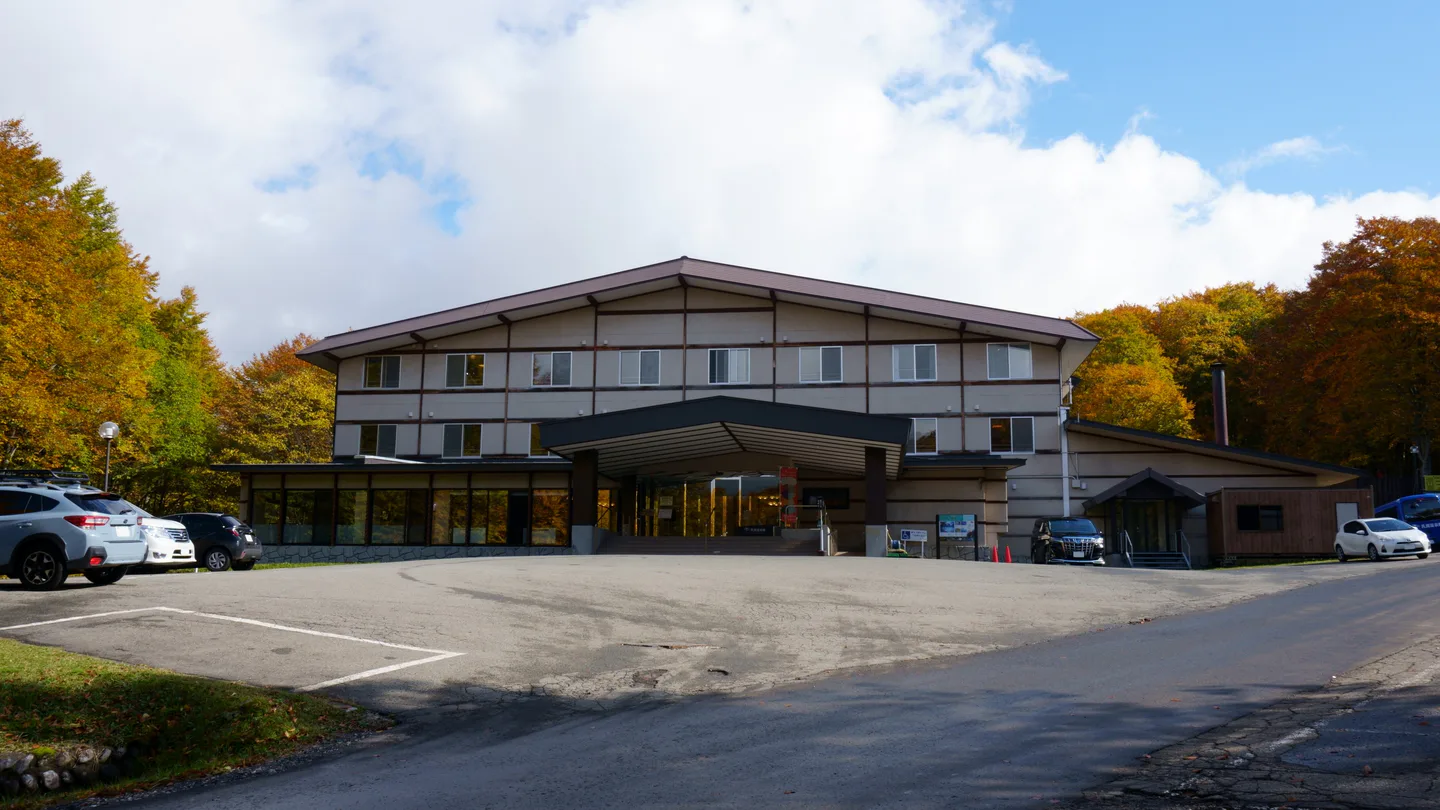
A night near Nyuto Onsen has three possible jobs, and the address that does one well may fail at another. An inn inside Nyuto Onsenkyo is for a meal, baths and a quiet mountain morning. A room by Tazawako Station protects a late Shinkansen arrival or an early departure. The shore of Lake Tazawa gives you lake time, but still leaves a transfer to the railway. The decisive question is when you can actually reach the property and what the following train requires.
The April 2026 Nyuto Line timetable makes this concrete. Its last through bus leaves Tazawako Station at 17:20 and reaches the upper inns around 18:05–18:08. A train due at 17:10 gives only a nominal ten minutes before accounting for the platform, stop and luggage. A 45-minute road journey to Nyuto is therefore a poor description of the true late-arrival risk. Settle the train and bus chain before paying for a mountain ryokan dinner.
Three beds for three different evenings
| The night should protect | Most useful base | The value you actually gain | A reason to change course |
|---|---|---|---|
| Dinner, several baths and a forest morning | Nyuto Onsenkyo | The inn itself takes the evening; an overnight guest can buy the Yumeguri pass | Your train cannot reach its check-in and meal window |
| Late Komachi arrival or early departure | Tazawako Station | The bag and rail connection stay close to the platform | Your inn confirms a transfer with enough time for its dinner |
| Sunset, dawn or slow hours by the water | Lake Tazawa shore | The lake is part of the stay rather than scenery seen in transit | You merely need a room before a tightly timed train |
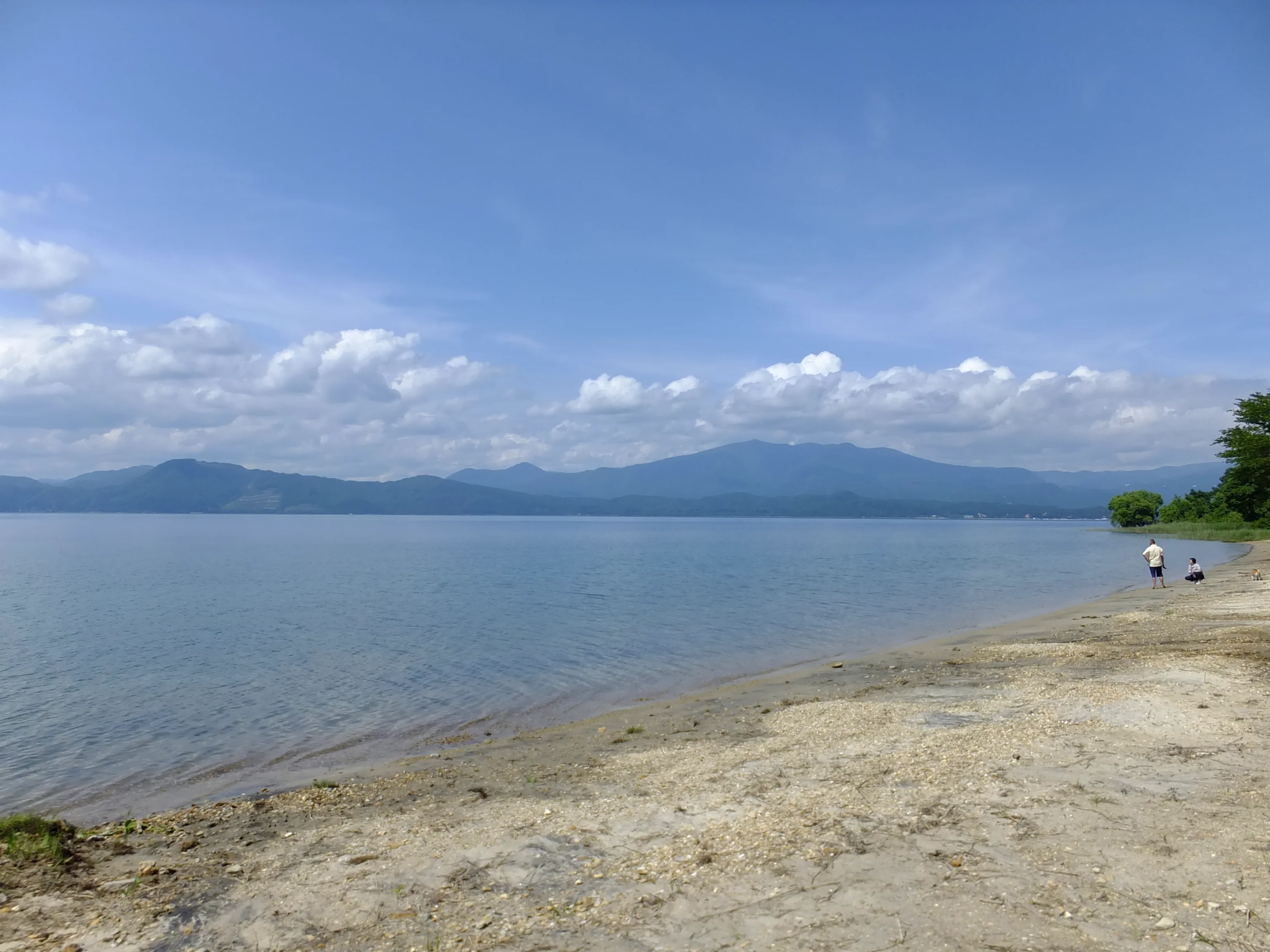
These bases should not be collapsed into “Nyuto versus Tazawako.” The onsen village consists of seven member inns spread across the mountain area, with different bus stops and last-mile arrangements. The lakeside stop is roughly a quarter-hour bus ride from Tazawako Station, yet a lakeside room still requires a further move for the train. A station room is less atmospheric, but its purpose is to keep the transport edge reliable. A hotel decision that starts with a photograph will miss this difference.
The bus connection is the booking deadline
Ugo Kotsu lists departures from Tazawako Station to the Nyuto area beginning at 06:55 and continuing through the day. The final 17:20 through bus reaches Kyukamura and Taenoyu at about 18:05, then Ganiba around 18:08. The tourism association’s broad 45-minute travel estimate is useful for distance, but the actual trip depends on a bus you can board. The operator warns about road and weather delays and says some services do not line up with the Shinkansen.
Work out your buffer as the difference between the bus departure and scheduled train arrival after allowing time to get off the train, find the stop and move bags. A connection with only a few minutes on paper is a gamble, especially with a group. Fifteen to thirty minutes is still sensitive to a delayed train; more than thirty minutes gives the transfer a better margin. Those are planning judgements, not guaranteed connection rules. If the latest workable train arrives after the through bus, ask the exact inn about a confirmed private transfer before booking a non-refundable night.
The same calculation applies when an arrival is technically before 17:20 but not before the inn’s dinner cutoff. A bus reaching the upper stops after 18:00 may leave little time to check in and use a bath before the meal. The inn can give the relevant check-in and dining terms; a booking site’s road-time estimate cannot. A station night followed by a daytime journey to Nyuto often rescues the onsen experience more effectively than a rushed mountain arrival.
The first bus out of Nyuto depends on your inn
Going back to the Shinkansen reveals a less obvious asymmetry. The published early service from Arupa Komakusa, lower on the route, leaves about 07:13 and reaches Tazawako Station near 07:47. From the upper Ganiba and Taenoyu side, the first through bus shown leaves around 08:00 and reaches the station about 08:48. “There is an early bus from Nyuto” is therefore not enough information for a fixed Komachi departure.
Start at the train departure time and move backward: how much margin at Tazawako Station, which bus arrives in time, which stop it serves, how you get from the inn to that stop, then when breakfast and checkout can happen. If any step depends on an unconfirmed transfer, make the final night a station night. A less beautiful room may protect the one departure the rest of the journey needs.
Tsuru no Yu shows why the individual property matters. The Nyuto Line has a stop named Tsurunoyu Onsen Entrance, but the operator says the walk from there to the inn is about 50 minutes. It directs visitors to contact the inn for a transfer from Arupa Komakusa instead. Do not infer door-to-door access from a matching stop name. The same check is worthwhile for Taenoyu, Kyukamura, Ganiba and any other chosen inn, particularly with suitcases, snow or an older travelling companion.
The pass rewards time at the hot springs
Nyuto Onsenkyo’s Yumeguri bathing pass is an actual reason to sleep at a member inn: sales are restricted to overnight guests of the seven inns. The association lists ¥2,500 for adults and ¥1,000 for children, with cash payment. It covers bathing across the member properties, subject to each bath’s hours and closures. A visitor staying at the station or lake shore does not gain that overnight-only product merely by taking a day bus into the mountain area.
The pass is valuable only if the schedule leaves time to use it. One night with a late bus, dinner and an early train rarely accommodates seven baths. Pick two or three that fit the property, opening hours and your pace rather than turning the stay into a count. The association itself cautions about over-bathing. Its inter-inn Yumeguri shuttle also uses season-specific schedules; winter movement cannot be copied from a summer plan. The springs have distinct sources, but the length of the evening sets the practical number of visits.
| Arrival and departure pattern | One-night choice | What the traveller should confirm |
|---|---|---|
| Tazawako by early or mid-afternoon; next day flexible | Nyuto inn | Bus stop, check-in, dinner and bath time |
| Train reaches town near the 17:20 final through bus | Station unless inn transfer is confirmed | Actual train-to-bus margin and meal cutoff |
| Arrival after the final useful Nyuto service | Tazawako Station | Next-day bus and luggage arrangements |
| Important early Komachi departure | Station for the final night | First bus from the chosen inn’s nearest stop |
| Lake sunset and a slow lakeside morning are the aim | Lake shore | Transport to the station on departure day |
Two nights can remove the wrong transfer
After a late rail arrival, a station night followed by Nyuto works well. The first hotel absorbs the transport uncertainty. Next morning, the traveller can take a bus into the onsen area early enough to enjoy check-in, baths and dinner rather than arriving already behind schedule. A large case can stay at the first hotel only if it agrees to hold it and the route returns there; otherwise forwarding it onward and carrying a small bag may be simpler.
The reverse order suits someone who reaches Tazawako early on Day 1 but has a hard train on Day 3. Enter Nyuto when there is time for the ryokan, then spend the final night beside the station. That second move has a specific purpose: it removes the uncertain early mountain bus from the rail departure. A fixed “station first, onsen second” template would put the risk back at the wrong end of this trip.
Lake shore first and Nyuto second is defensible only if the lake itself will get an evening and morning. A lakeside hotel used merely as a buffer for the Shinkansen leaves another bus or taxi to the platform, often without adding meaningful lake hours. If arrival and departure are both calm and the springs are the centre of the trip, two nights at the same Nyuto inn may be better than another checkout. Count useful bath and forest hours, not the number of different hotel pins.
Luggage and winter can change the answer
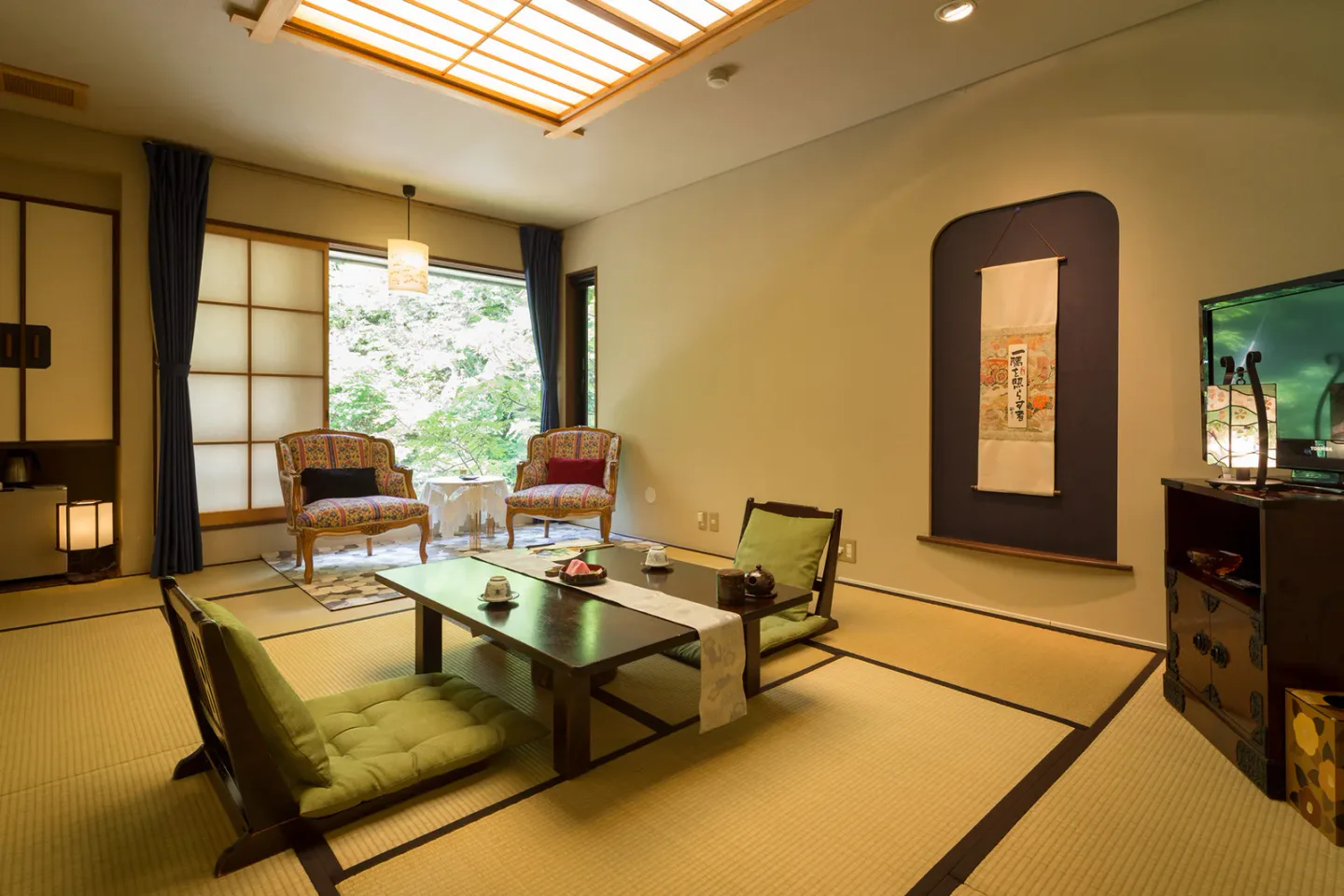
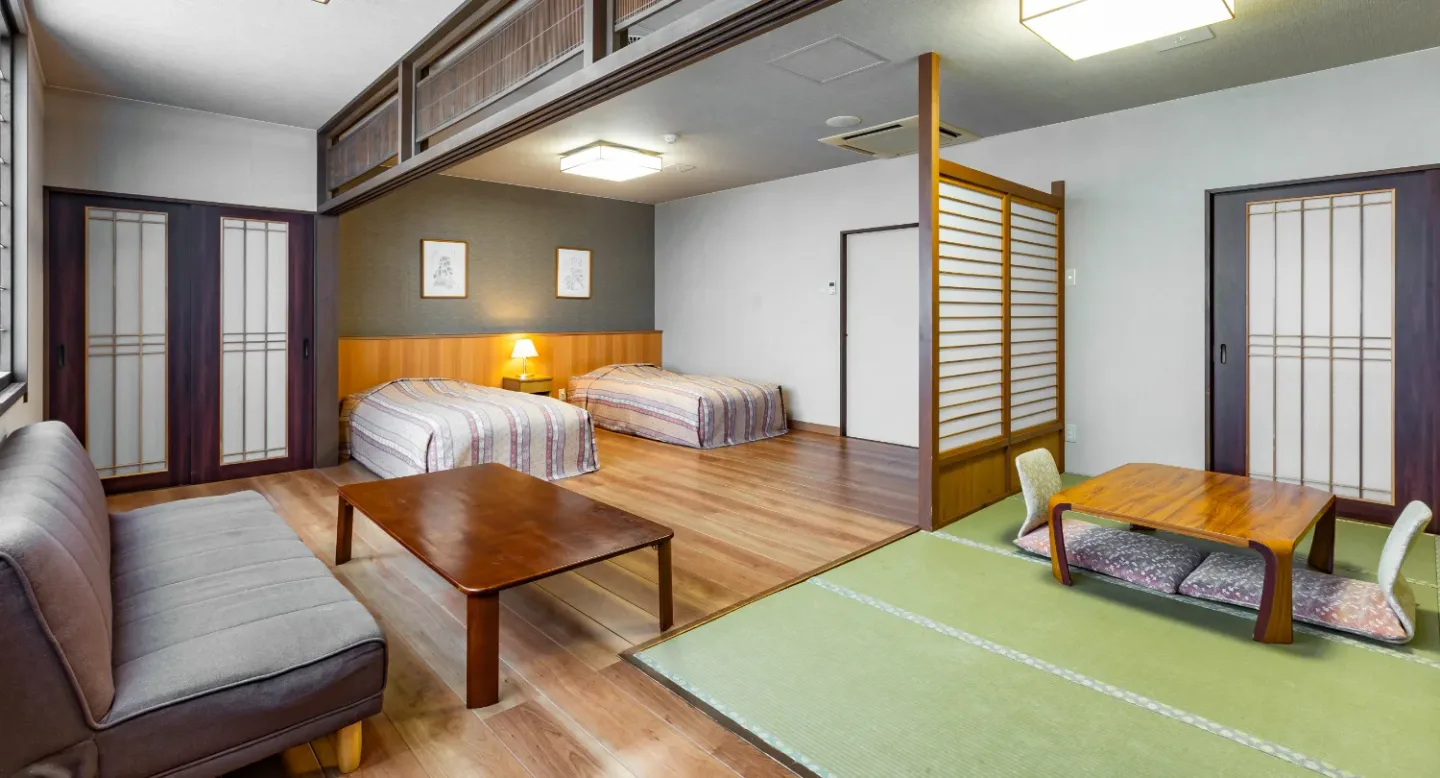
A 45-minute bus ride is straightforward with one overnight bag and much less pleasant with two large cases in snow. Before abandoning a Nyuto stay, ask whether the inn accepts forwarded luggage, holds bags, and provides a pickup from the precise route-bus stop you will use. The Japan luggage-forwarding guide covers the wider handoff. If the main cases can go to the next city, a small mountain bag may restore the onsen plan.
If no such transfer or bag solution works, Tazawako Station is a sensible base because the suitcase stays put. That is a specific transport reason, not a verdict on the quality of the village inns. Snow, darkness and ice amplify the cost of getting the last mile wrong. The bus operator explicitly allows for weather and road delays, and an attractive line on a summer walking map may be unsuitable with winter luggage. Ask for winter-specific access and the seasonal inter-inn shuttle if hopping between baths is central to the stay.
The single strongest test is what happens if the bus is late. A ryokan chosen for its meal, baths and forest setting still offers a complete night once you arrive, provided the meal arrangement survives. A property chosen only because its name is famous may not compensate for a rushed arrival, missing dinner or a difficult morning transfer. Check the rooms, meal plan and actual bus stop as one purchase rather than evaluating each in isolation.
Six questions make the trade-off clearer than a hotel score
Arrival reliability is the first question. A ryokan evening needs a sequence to succeed: the Komachi arrives, the passenger finds the bus, the bus reaches the correct stop, and the final transfer reaches the inn before its meal deadline. Each step can be individually plausible while the whole chain is fragile. A railway-adjacent first night eliminates several of those edges. If a confirmed inn pickup meets a later train directly, the comparison changes, but that pickup needs an agreed time and location, not a hopeful note in a booking form.
Departure reliability is separate. An inn can be easy to enter in the afternoon yet difficult to leave for the first important train. The earliest service from Arupa Komakusa is not evidence that a guest deeper at Taenoyu or Ganiba can leave at the same time. Ask for the bus stop shown on the timetable and the property’s actual method of reaching it. If a private car will be needed, compare its confirmed availability and cost with the price of moving to the station for the last night.
Then count the ryokan hours you can capture. A generous arrival gives a bath before dinner, dinner without rushing and perhaps another soak afterward. The following morning may provide the forest or a different spring. A late arrival followed by an early exit can reduce an expensive meal-and-bath package to a place to sleep. The same logic explains why a lake-view room needs time at the lake: paying for a view only to reach it after dark and depart before breakfast does little for the itinerary.
Luggage and the last mile deserve their own line in the decision. A simple route-bus ride is not the same as handling a large case over snow or walking from a misleadingly named stop. For Tsuru no Yu, the operator’s 50-minute walking warning makes this particularly stark. For another inn, a short hotel shuttle may solve the problem. Ask whether that shuttle is included, needs advance notice, or meets only specific bus departures; the bus timetable alone will not reveal those conditions.
Weather resilience and overnight-only benefits complete the comparison. A station room retains rail options if snow delays the mountain road, while a mountain inn can still offer its bath, dinner and forest setting when a sightseeing plan changes. The Yumeguri pass is an additional benefit of a member-inn night, but only if enough bath hours remain and the participating facilities are open. A lakeside hotel has a different weather bet: the lake can be beautiful, yet a room bought mainly for its open-water view offers less on a poor-visibility evening.
Put actual times around one-night and split-stay examples
Consider a train expected in Tazawako shortly after 16:00. There is enough scheduled time before 17:20 to leave the platform and find the final Nyuto bus, but dinner still depends on the property’s cutoff and its stop or shuttle. This can be a workable mountain night once the inn confirms the last mile. Move the train arrival to just after 17:00 and the same hotel booking becomes fragile: a small rail delay can remove the public bus. Move arrival to after 17:20 and the only safe plan is a confirmed alternative transfer or a different first-night base.
Now turn the itinerary around. A guest who spent the first day at a Nyuto inn may be tempted to book an early Komachi because the station seems only 45 minutes away. The timetable shows a different issue: the first full upper-route return reaches Tazawako at about 08:48. A train departing before that cannot be made by that published bus, however close the inn appears on a map. A station room for the final night turns the early train from a collection of timed handoffs into a short approach to the platform.
For a two-night trip with a late arrival and a leisurely final day, station then Nyuto gives each hotel a distinct task. On Day 1, leave the suitcase in a simple room near the rails. Day 2 can begin with the mountain bus, one or two chosen baths and a ryokan meal. If Day 3 starts with a fixed early departure instead, put Nyuto first only if the Day 1 train reaches it comfortably, and move to the station on Day 2. The lake shore belongs in either sequence only if the plan also reserves daylight for the shore itself.
The cost of an extra checkout is real, especially with winter bags. That is why two nights at one Nyuto inn remain sensible when both rail edges are relaxed and bathing is the central reason to travel. The question is not whether a split stay looks varied. It is whether the added room change deletes a risky bus connection, protects an important meal, or gives the lake and springs separate time. If it does none of those, unpack once and use the second night to see the area at a slower pace.
Choose the hotel after fixing both edges of the journey
Nyuto Onsenkyo is the place to sleep when you can reach the right inn in time to use its dinner and baths, and the next day does not demand an impossible early exit. Tazawako Station earns the night when arrival is late, the suitcase is awkward or an early train has little tolerance for delay. The lake shore is a destination stay for somebody who wants to look across the water at sunset or morning, not an automatic compromise between the other two. In a two-night plan, place the station night on the side with the fragile train.
Compare Nyuto-area inns if the ryokan hours are protected, or look near Tazawako Station when the rail connection governs the stay. For the water itself, compare Lake Tazawa stays.
Reading for the next decision
Related hotel, rail and bathing choices: How to Choose a Japanese Ryokan, First Onsen in Japan, Japanese Onsen Etiquette, Ueda vs Bessho Onsen.
Related hotel, rail and bathing choices: Where to Stay in Fukui: Keep, Nikko vs Kinugawa Onsen: Where Should, Where to Stay at Lake Kawaguchi, Where to Stay for Oirase Autumn.
Related hotel, rail and bathing choices: Where to Stay in Osaka for, Where to Stay in Osaka for, Where to Stay in Tokyo: Start, Where to Stay in Kamakura or.
Related hotel, rail and bathing choices: Where to Stay in Hakone for, Narita Late Arrival: Stay Near the.
Related hotel, rail and bathing choices: Where to Stay Before the Shimanami, Where to Stay in Yufuin: Ryokan, Where to Stay for the Saga, Lotte Hotel Busan vs Arban Hotel:.
Related hotel, rail and bathing choices: Lake Biwa Otsu Prince Hotel: Is.
Transport and property details: Ugo Kotsu — Nyuto Line timetable, revised April 1, 2026, Tazawako-Kakunodate Tourism Association — Nyuto Onsenkyo access, Nyuto Onsenkyo Association — seven member inns and Yumeguri pass.